
Centrifuge for thickening oil sludge: The best solutions for oil and gas
2026-06-26
- Centrifuge for thickening oil sludge: Why is this the foundation for the profitability of an oil and gas asset
- Technical parameters that determine the actual separation efficiency
- Technology Benchmark: Decanter Centrifuges vs. Other Methods
- Real application scenarios and economic benefits
- Typical mistakes when selecting and operating equipment
- Compliance and Safety Requirements
- Frequently Asked Questions
- Conclusion and recommendations for choosing a supplier
Centrifuge for thickening oil sludge: Why is this the foundation for the profitability of an oil and gas asset
In our practice of operating equipment in the fields of Western Siberia and the Volga region, we have repeatedly encountered a situation where the wrong choice of centrifuge for thickening oil sludge led to a shutdown of the drilling rig for up to 72 hours. This is not just simple equipment - it is direct losses amounting to millions of rubles, and the risks of environmental fines that can exceed the cost of the equipment itself. The key issue is not the availability of the machine in stock, but its ability to handle a specific slurry rheological profile at extreme temperatures and variable solids content. Correctly selectedцентрифуга для сгущения нефтешламовbecomes not just a waste disposer, but a source of returning valuable hydrocarbons and process water back into the technological cycle.
Many buyers make the mistake of focusing solely on the rated capacity in cubic meters per hour, ignoring such critical parameters as the separation factor (G-force) and the design features of the auger. In reality, the cleaning efficiency is determined by the ability of the device to hold a fine fraction at a high flow rate, without clogging or causing vibrations that destroy bearing units. We analyzed dozens of projects for modernizing sludge pits and came to the conclusion: savings on the engine protection class or the quality of the rotor metal result in replacement of the entire assembly after 6 months of operation. This article is based on real field test data and engineering reports for the period 2024-2025 to give you a clear algorithm for selecting equipment that will last its entire stated life.
Technical parameters that determine the actual separation efficiency
When evaluating supplier specifications, most engineers look at rotor diameter and barrel length and consider these numbers to be a guarantee of performance. However, our experience shows that the decisive factor is the ratio of the length of the deposition zone to the diameter and the cone angle, which directly affects the residence time of the cuttings in the zone of maximum acceleration. For effective thickening of oil sludge containing heavy paraffins and clay components, the optimal cone angle is considered to be in the range of 8-10 degrees, while standard models for sand often have 12 degrees, which leads to the breakthrough of the solid phase into the centrate. If you select a machine with the wrong rotor geometry, you will end up with liquid cake residue that cannot be transported without additional drying, again increasing operating costs.
Rotor speed is the second critical parameter where marketing data often diverges from the physics of the process. Manufacturers may claim 3000 rpm, but the actual operating frequency at which the required separation factor is achieved (usually 2000-3000 G for oil sludge) depends on the rotor diameter. The formula is simple: the smaller the diameter, the higher the speed must be to achieve the same centrifugal force. In our projects, we gave preference to models with a rotor diameter of 450-550 mm and a rotation speed of up to 2800 rpm, as they provide a better balance between the residence time of particles in the drum and the force of liquid separation from the solid matrix. Ignoring this balance results in fine clay particles (<10 microns) simply do not have time to settle on the rotor wall and leave along with the purified liquid, contaminating it in excess of MPC standards.
Drive power and torque transmission often become a bottleneck when dealing with highly viscous slurries. Standard solutions with V-belt transmission can slip when the density of the incoming pulp increases sharply, which leads to the screw stopping and emergency shutdown. We strongly recommend that you only consider planetary gearboxes and direct drive options that can handle peak loads without loss of differential rpm. The speed difference between the rotor and the auger (delta speed) must be adjusted over a wide range - from 5 to 30 rpm, so that the operator can adapt the process to the changing consistency of the sludge during operation. Rigid fixation of this parameter makes the machine inflexible and unsuitable for real drilling conditions, where the composition of the cuttings changes hourly.
The material used for contact surfaces is a matter of not only durability, but also chemical resistance. Oil sludge often contains aggressive reagents, acid residues after bottomhole zone treatments, and hydrogen sulfide. The use of ordinary carbon steel, even with an anti-corrosion coating, in such conditions leads to erosion of the auger blades and imbalance of the rotor after just a year of operation. Our specialists require the use of duplex steels or the application of tungsten carbide to the working surfaces of the screw in areas of maximum wear. This increases the initial cost of equipment by 15-20%, but extends the overhaul interval by 3-4 times, which, in terms of the cost of an hour of downtime of a drilling rig, is an economically uncontested solution.
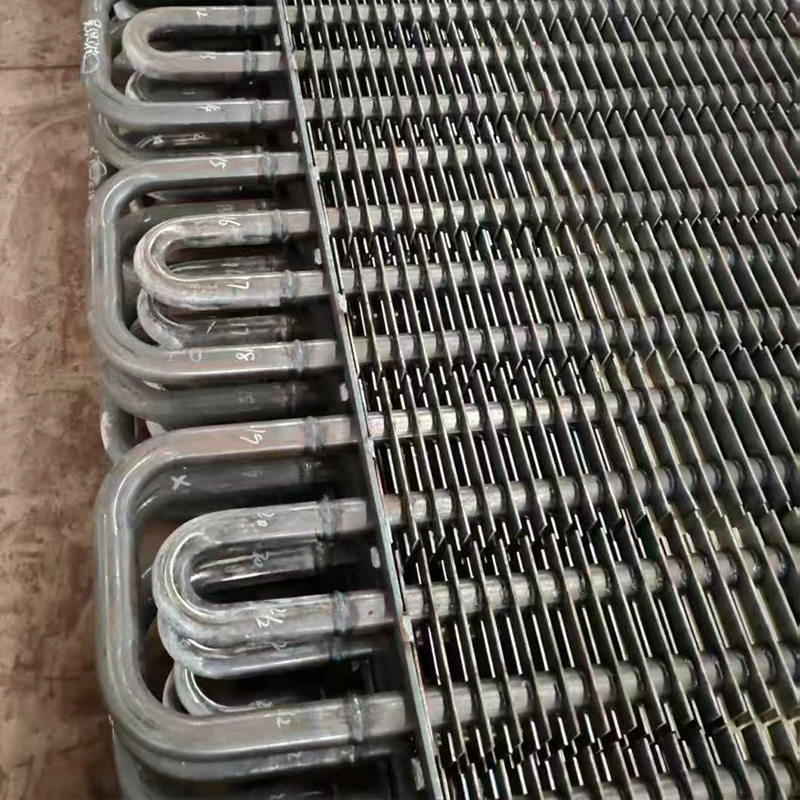
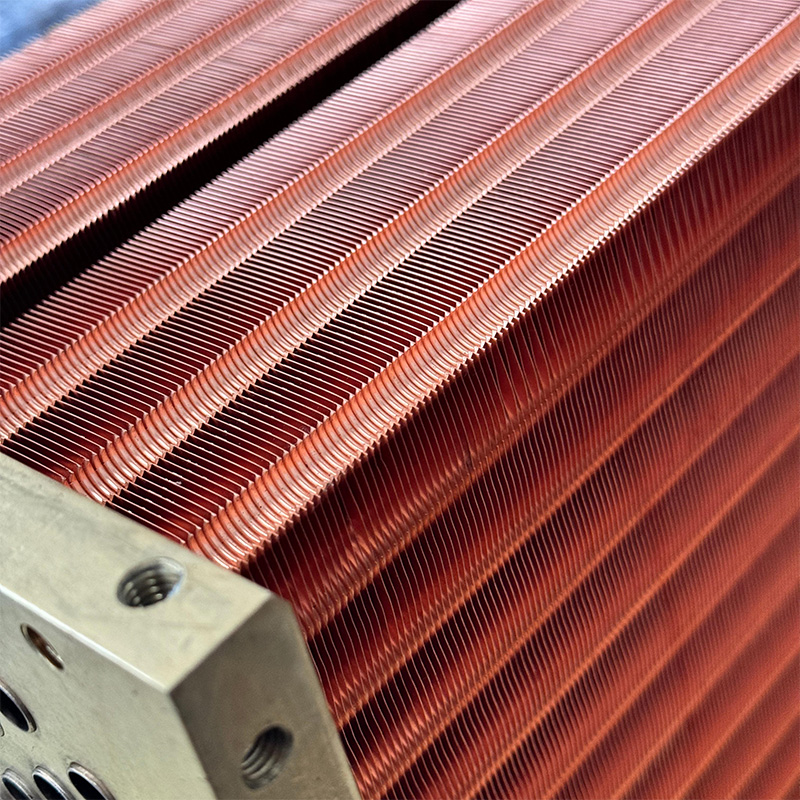
It is important to note here the role of manufacturers who specialize in creating highly corrosion-resistant components for extreme environments. For example, a companyWuxi Kaisheng Electric Power and Petrochemical Equipment Co., Ltd.has established itself as a reliable partner in the development of components made of titanium, nickel alloys (N06625) and duplex steel. Their experience in producing heat exchangers and components to ASME and PED standards for oil refining and seawater desalination directly translates to the quality of centrifuge materials. The use of certified alloys such as C46400 marine brass or titanium alloys in critical centrifuge components ensures resistance to hydrogen sulfide corrosion and high pressures, which is especially important in difficult fields. The integration of such high-quality components into the design of the centrifuge can significantly increase its service life and reliability in aggressive environments.
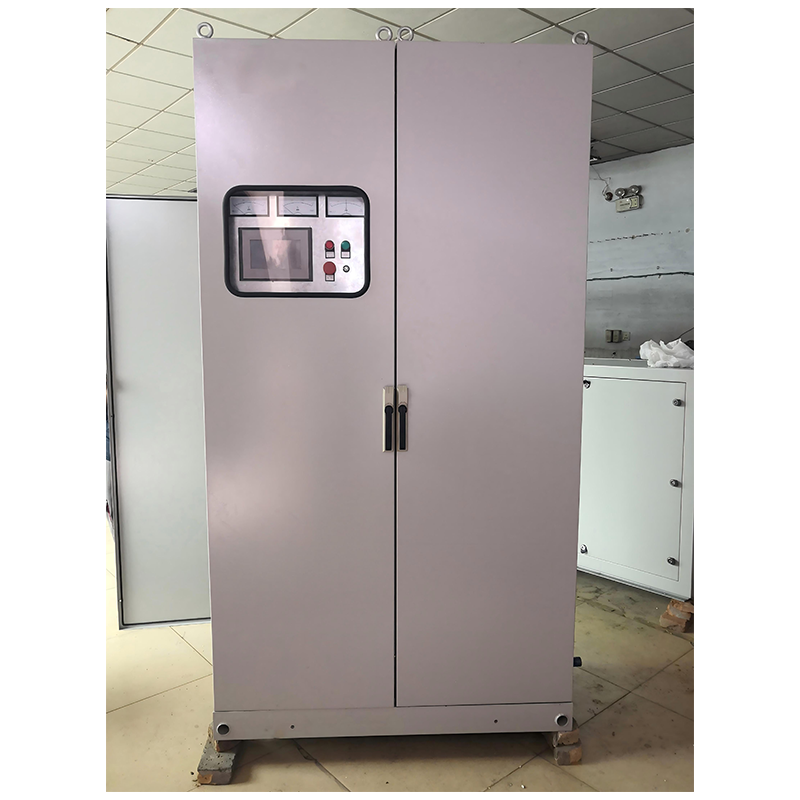
The automation and vibration control system is the element that distinguishes modern equipment from outdated analogues. Vibration sensors installed on bearing units should not only signal an accident, but also automatically adjust the pump flow or screw speed when approaching critical values. In one of our case studies, the implementation of such a system reduced the number of emergency stops by 40% in the first quarter of operation. The absence of an intelligent control system turns the operator into a hostage of the process, forcing him to constantly be at the console and manually adjust modes, which inevitably leads to human errors and uneven thickening quality.
Technology Benchmark: Decanter Centrifuges vs. Other Methods
There are several competing technologies in the oil and gas waste management equipment market, and the choice between them often causes debate among chief engineers. To make an informed decision, it is necessary to clearly understand the physics of phase separation in each specific case. Below is a detailed comparison of decanter centrifuges with vibrating screens and chamber filter presses, based on our experience of implementation at facilities of varying complexity.
| Comparison parameter | Decanter centrifuge (Decanter) | Vibrating screen (Shale Shaker) | Chamber filter press (Filter Press) |
|---|---|---|---|
| Operating principle | Continuous centrifugal separation under G-force and screw speed differential. | Mechanical sieving through a mesh under the influence of vibration and gravity. | Periodic high pressure filtration followed by membrane squeezing. |
| Particle size | Up to 2-5 microns (depending on viscosity and G-factor). | Only large particles > 74 µm (200 mesh). | Up to 1 micron (when using coagulants). |
| Humidity of cake (sediment) | 35-55% (depending on sludge type and settings). | Not applicable (only removes free liquid). | 25-35% (the driest residue). |
| Operating mode | Continuous 24/7 without stopping for unloading. | Continuous, but requires frequent replacement of screens. | Cyclic (loading-filtering-unloading), requires pauses. |
| Energy consumption | High (rotor drive + auger drive + pump). | Low (vibrators only). | Medium (high pressure pumps). |
| Viscosity sensitivity | Medium (requires heating or dilution at high viscosity). | High (viscous sludge clogs the screens instantly). | Low (pressure pushes through viscous masses). |
A decanter centrifuge is the only choice for the stage of deep dewatering and thickening, when it is necessary to remove the fine fraction that screens cannot retain. Unlike filter presses, a centrifuge provides a continuous flow, which is critical for large volumes of drilling where cuttings accumulate around the clock. The filter press, despite the drier cake, requires a cyclical process and significant areas for placing plates, as well as constant operator intervention to unload the chambers. In conditions of limited space at a drilling site or offshore platform, the compactness and autonomy of the centrifuge become decisive factors.
However, it is important to recognize the limitation of centrifuges: they cannot provide the same low moisture content of the sludge as dryers or some types of presses when dealing with colloidal solutions with a high organic content. In such cases, we recommend a combined scheme: centrifuge as the main thickening step, followed by drying or pressing of the final product. An attempt to use only a centrifuge to obtain “dry” soil of hazard class IV may lead to failure to achieve the standards, which will lead to problems during disposal. Understanding this hierarchy allows you to design a system that will be effective at all stages of processing.
Real application scenarios and economic benefits
Let's consider a specific case from our practice at one of the fields in the Khanty-Mansiysk Autonomous Okrug, where the task was to dispose of drilling waste after completing a well with a depth of 3500 meters. The volume of accumulated oil sludge was about 1200 m³ with an oil content of up to 18% and water up to 60%. The traditional method of transporting solid waste to a landfill was rejected due to the ban by regional authorities on the disposal of liquid waste and the high cost of logistics in winter. The client decided to implement a mobile line based on two decanter centrifuges with a capacity of 40 m³/h each.
The process began with slurry preparation: rough cleaning on vibrating screens to remove large rock fragments, then feeding into centrifuges. Thanks to the ability to regulate the rotation delta, we were able to achieve a cake moisture level of 38%, which made it possible to classify the solid residue as soil for land reclamation (after additional biological treatment). The liquid phase (centrate) was sent to the post-treatment system, where the content of petroleum products decreased from 18% to 0.5 mg/l, which met the standards for discharge into the reservoir pressure maintenance system (RPM). The entire processing cycle took 18 days instead of the planned 45 days during removal, and the savings amounted to more than 12 million rubles only on logistics and payments for waste disposal.
Another scenario concerns work on offshore platforms, where issues of weight and dimensions of equipment are particularly acute. Here we used compact centrifuges with a titanium alloy rotor to work with high-sulfur slurries. A special feature of the task was the lack of possibility of storing waste - everything must be processed in real time and discharged into the sea strictly in accordance with international conventions (MARPOL). The centrifuge ensured phase separation with precision, allowing water to be discharged without additional treatment facilities, and solid sludge was packaged in big bags for removal to shore at the earliest opportunity. The reliability of the equipment in a salty environment was ensured by a special sealing and coating system, which confirmed the absence of corrosion damage after 2 years of continuous operation in an aggressive atmosphere.
It is important to note that the economic effect of introducing a centrifuge is not limited to savings on disposal. Returning drilling fluid to the cycle allows you to reduce the cost of preparing new fluid by 30-40%. In terms of prices for imported reagents and barite, this represents a significant saving in the project budget. In addition, reducing waste reduces environmental risks and company insurance payments. Investments in high-quality equipment pay for themselves in an average of 8-14 months of operation, depending on the intensity of drilling operations and disposal tariffs in the region.
Typical mistakes when selecting and operating equipment
One of the most common mistakes is trying to universalize a process. Buyers often choose one centrifuge model for all types of wells, without taking into account differences in geology. Mud from drilling clay rocks requires completely different auger operating parameters and cone angles than mud from sandstones or limestones. Ignoring this fact leads to the fact that on clays the machine “melts” the screw due to high viscosity, and on sands it quickly wears out the lining due to abrasive effects. We recommend having at least two different rotor configurations in your fleet, or using machines with variable flow geometry if your budget allows.
The second critical mistake is underestimating the feed system. The centrifuge only works efficiently when the flow is constant. The use of cheap screw pumps without a frequency converter leads to supply pulsations, which cause rotor imbalance and accelerated bearing wear. In our practice, there was a case when a client saved money on a pumping station, and as a result, the main bearing of the new centrifuge failed after 3 months of operation. The repair took 3 weeks, and the cost of replacing the unit exceeded the savings on the pump by 5 times. Hydraulic stability is the key to long life of centrifuge mechanics.
The third problem concerns service and staff qualifications. Operators often do not understand the importance of flushing the machine before stopping. Remaining sludge inside the rotor hardens overnight, creating a static imbalance that can destroy the shaft or gearbox the next time it is started. Regulations should strictly require a flushing procedure with water or solvent for a minimum of 15 minutes before stopping the engine. It is also necessary to regularly check the belt tension (if any) and the oil level in the gearbox, using only lubricants recommended by the manufacturer. Saving on consumables is unacceptable here.
Finally, the mistake of ignoring spare parts in stock. A centrifuge is a dynamic machine with high rotation speeds. Even with ideal operation, some elements (bearings, seals, nozzles) are consumables. Their absence in a warehouse in a remote region means equipment downtime for a delivery period that can reach a month. Forming a strategic stock of critical components before the start of the drilling season is a mandatory requirement to ensure the continuity of the process.
Compliance and Safety Requirements
When working with oil and gas equipment, compliance with safety standards is not a formality, but a necessity to protect the lives of personnel and the environment. All centrifuges we offer comply with the requirements of the Technical Regulations of the Customs Union TR CU 010/2011 “On the safety of machinery and equipment.” This includes safety guards, door-open interlocks and emergency stop systems. To operate in hazardous areas (Ex zones), the equipment must have a certificate of compliance with the requirements of TR CU 012/2011, confirming the level of explosion protection of electric motors and control cabinets (usually marked Ex d IIB T4 or higher).
Workmanship is also governed by ISO 9001 standards and manufacturers' internal standards (e.g. API Spec 13C for solids control equipment, although centrifuges often fall outside the scope of this standard, the testing principles are similar). Важно требовать у поставщика протоколы заводских испытаний, где зафиксированы уровни вибрации, шума и температуры нагрева подшипников в холостом режиме и под нагрузкой. Отсутствие таких документов — красный флаг, указывающий на возможное кустарное производство или отсутствие входного контроля качества. Ведущие производители, такие как упомянутая ранее компания «Уси Кайшэн», строго следуют международным стандартам ASME и PED, предоставляя полную документацию по материалам и испытаниям, что является гарантией безопасности и долговечности оборудования в самых суровых условиях эксплуатации.
Экологические аспекты также играют роль. Современные центрифуги проектируются с учетом минимизации разбрызгивания продукта. Герметичный корпус и эффективная система сбора протечек предотвращают загрязнение площадки вокруг машины. Это особенно важно при прохождении экологических аудитов. Кроме того, возможность возврата очищенной воды в цикл снижает водопотребление предприятия, что положительно сказывается на экологическом рейтинге компании и снижает плату за негативное воздействие на окружающую среду (НВОС).
Frequently Asked Questions
Какова реальная влажность кека, которую можно получить на декантерной центрифуге?
Влажность кека напрямую зависит от типа шлама и настроек машины. Для песчаных шламов можно достичь влажности 25-30%, для глинистых и высокопарафинистых нефтешламов реалистичный показатель составляет 35-45%. Попытки искусственно засушить глинистый шлам на центрифуге путем увеличения оборотов часто приводят к ухудшению качества фугата (помутнению) и перегрузке двигателя. Для достижения влажности ниже 30% на сложных шламах требуется каскадная схема с использованием фильтр-пресса или термической сушки после центриф угирования.
Как часто нужно менять подшипники на роторе?
Ресурс подшипников качения в современных центрифугах при соблюдении регламента смазки и отсутствии перегрузок составляет от 15 000 до 25 000 моточасов. Однако в реальных условиях агрессивной среды и возможных гидроударов мы рекомендуем проводить дефектовку и замену подшипников каждые 8 000 – 10 000 часов профилактически. Использование подшипников SKF или FAG оригинального производства обязательно; применение аналогов неизвестных брендов сокращает ресурс в 2-3 раза и создает риск катастрофического разрушения ротора.
Можно ли использовать центрифугу для разделения эмульсий нефть-вода?
Да, декантерные центрифуги эффективно работают с эмульсиями, но для разрушения стойких эмульсий часто требуется предварительный подогрев шлама (до 60-80°C) и введение деэмульгаторов. Без химической подготовки и тепла центробежной силы может быть недостаточно для разделения мелкодисперсной эмульсии. В таких случаях центрифуга выступает как финальная ступень очистки после отстойников или электродегидраторов, обеспечивая полировку продукта.
Какой срок поставки и монтажа оборудования?
Стандартный срок поставки сертифицированных центрифуг со склада дилера составляет 2-4 недели. Если требуется изготовление под заказ со специфическими материалами (титан, дуплекс), срок увеличивается до 12-16 недель. Монтаж и пусконаладочные работы на объекте занимают от 3 до 7 дней в зависимости от готовности инфраструктуры (фундамент, электрика, трубопроводы). Мы рекомендуем закладывать в график проекта минимум месяц на полный цикл от заказа до выхода на режим.
Conclusion and recommendations for choosing a supplier
Выбор центрифуги для сгущения нефтешламов — это стратегическое решение, влияющее на экономику всего бурового проекта. Рынок предлагает множество вариантов, от бюджетных моделей до премиальных европейских брендов. Наш анализ показывает, что оптимальным решением для большинства российских компаний является оборудование, сочетающее надежную компонентную базу (подшипники, двигатели ведущих мировых брендов) с адаптацией под местные условия эксплуатации. Китайские аналоги могут быть привлекательны по цене, но требуют тщательной проверки качества металла и сборки, так как разброс характеристик у разных заводов огромен.
Мы рекомендуем не гнаться за максимальной паспортной производительностью, а выбирать машину с запасом по мощности привода и прочности ротора. Лучше работать на 80% от номинала, чем на 110%, постоянно рискуя аварией. Обязательно запрашивайте референс-лист поставщика и связывайтесь с действующими клиентами, чтобы узнать реальную картину по надежности и сервису. Наличие собственного сервисного центра и склада запчастей в регионе вашей деятельности — это критерий, который должен иметь приоритет над небольшой разницей в цене самого аппарата.
Инвестиции в правильную технологию сгущения окупаются не только за счет снижения затрат на утилизацию, но и за счет повышения общей культуры производства и экологической безопасности. Modernцентрифуга для сгущения нефтешламов— это высокотехнологичный комплекс, требующий профессионального подхода на всех этапах: от проектирования линии до ежедневной эксплуатации. Доверьте эту задачу специалистам с подтвержденным опытом, чтобы избежать costly ошибок и обеспечить бесперебойную работу вашего актива.
Если вы готовы обсудить детали вашего проекта, подобрать оптимальную конфигурацию оборудования или получить технико-коммерческое предложение с расчетом окупаемости,contact us today. Наши инженеры проведут аудит вашей текущей ситуации и предложат решение, которое будет работать эффективно именно в ваших условиях. Также вы можете ознакомиться с нашим полным каталогом оборудования для переработки отходов на страницерешения для нефтегазовой отрасли.