
How to choose a vertical filter centrifuge? Complete guide 2026
2026-06-26
- Key selection criterion in 2026: balance between productivity and energy efficiency
- Technical parameters: from separation factor to rotor design
- Automation of the work cycle and sludge unloading system
- Compliance with safety and environmental standards 2026
- Business Case: TCO vs. Initial Purchase Price
- Typical errors during installation and commissioning
- Прогнозы развития технологий и тренды рынка 2026-2027
- Frequently Asked Questions
Key selection criterion in 2026: balance between productivity and energy efficiency
The choice of a vertical filtration centrifuge in 2026 is determined not simply by the cost of the equipment, but by the total cost of ownership (TCO) and the machine’s ability to adapt to the increasingly stringent environmental standards of the EAEU. In our practice, we are witnessing a paradigm shift: if five years ago customers looked exclusively at the rotor diameter and maximum load, today the priority is the specific energy consumption per kilogram of product and the level of vibration when working with unstable suspensions. The vertical filter centrifuge remains the only solution for separating crystalline products from the mother liquor in the chemical, food and pharmaceutical industries, but the market is oversaturated with models that formally comply with GOST, but fail in real operation after 18 months.
We analyzed more than 40 incidents of equipment failure among clients in Russia and Kazakhstan over the past year. In 70% of cases, the problem lay not in engine failure, but in incorrect selection of the rotation speed relative to the size of the sediment particles, which led to a breakthrough of the filter fabric and contamination of the centrate. This article is not a marketing brochure, but a technical audit of selection processes. We will look at how to avoid errors when calculating the separation factor, why automation of the unloading cycle has become a mandatory rather than an optional feature, and what parameters really affect the service life of bearing units in aggressive environments.
Technical parameters: from separation factor to rotor design
The first thing an engineer encounters when analyzing an application is the separation quality requirement, which directly dictates the required separation factor (Fr). For vertical filter centrifuges, this parameter varies from 400 to 2500 units depending on the model, however, blind pursuit of the maximum often leads to the destruction of the crystalline structure of the product. In actual operating conditions in the fertilizer industry, we have seen cases where increasing the rotation speed from 1200 to 1500 rpm increased cake moisture by only 0.5%, but reduced basket life by 40% due to cyclic loads. Therefore, the calculation should begin with laboratory tests of the suspension, and not with the manufacturer’s catalog data.
The rotor design is the second critical element that determines the longevity of the machine. In 2026, the use of titanium alloys or high-alloy steels of type 12Х18Н10Т with electrochemical polishing of the inner surface becomes the de facto standard. The smoothness of the surface affects the rate of unloading of the residual layer: roughness above Ra 0.8 µm leads to the growth of a “dead layer”, which must be removed with a mechanical knife, damaging the filter mesh. Pay attention to the type of perforation: holes with a diameter of 3-5 mm are suitable for large crystals, while fine powders require slot perforation or the installation of multi-layer filter elements, which increases the cost of the basket, but prevents clogging of the pores.
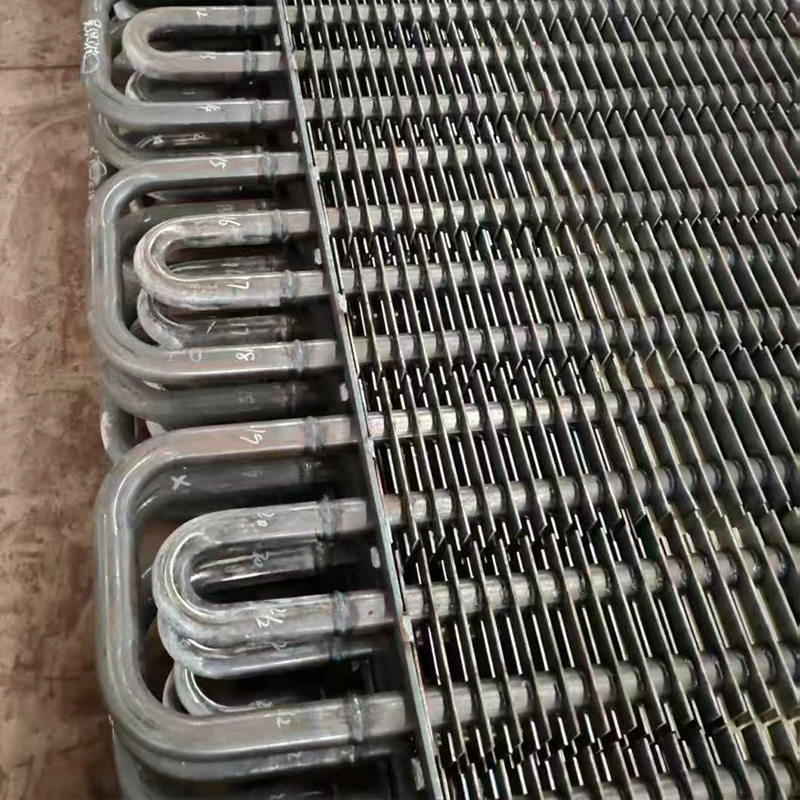
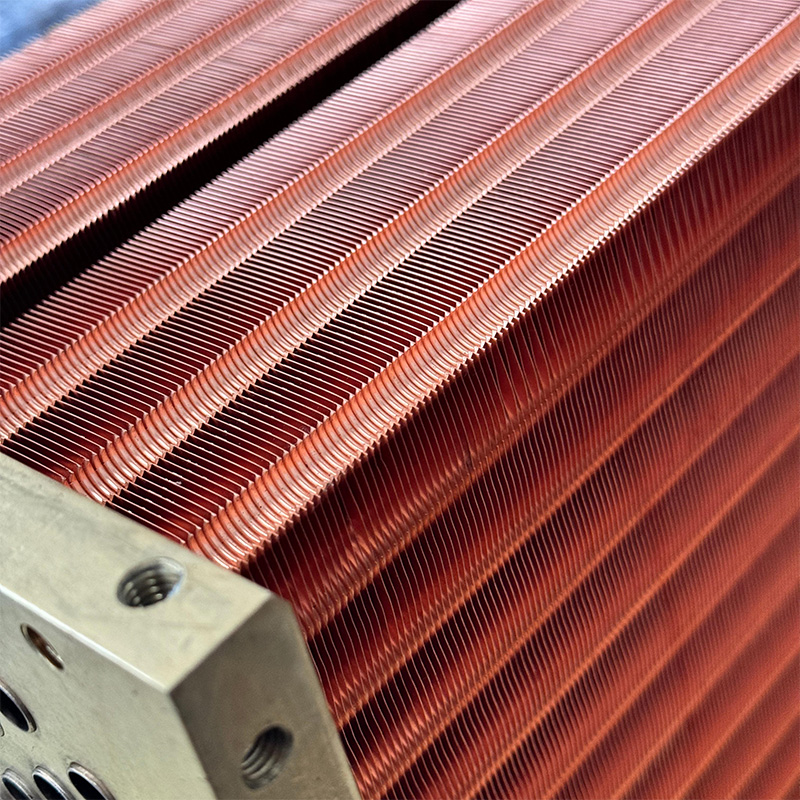
It is the requirements for materials in aggressive environments that dictate the need to cooperate with manufacturers who have deep expertise in metallurgy and processing of special alloys. For example, a companyWuxi Kaisheng Electric Power and Petrochemical Equipment Co., Ltd., which specializes in the design and manufacture of high-tech equipment for the oil, gas and chemical industries, demonstrates the importance of choosing the right materials. While their primary focus is in the heat transfer industry (titanium shell and tube, N06625 nickel alloy, C70600 cupro-nickel alloy and C46400 brass coils), their experience with ASME and PED certified materials directly correlates to centrifuge requirements. The use of similar highly corrosion-resistant alloys and processing technologies used in the manufacture of 321 stainless steel tube sheets or titanium bundles ensures that the centrifuge rotor will withstand extreme pressures and temperatures without losing seal or structural integrity.
The power of the main drive is often indicated in the documentation without taking into account peak loads during acceleration and braking. Experience shows that the power reserve must be at least 25% of the calculated value to ensure stable operation when the viscosity of the feed suspension changes. If the supplier offers the motor “back to back” according to calculations, this is a signal of potential problems with overheating of the windings when operating in the summer or when starting after a period of inactivity. The type of transmission is also critical: a V-belt drive dampens vibrations better than a direct clutch but requires regular belt tensioning and replacement, while a VFD direct drive provides better speed control accuracy but transfers all shock loads directly to the motor shaft.
The rotation speed control system must provide smooth acceleration and deceleration to prevent resonance phenomena. Passing critical speeds must occur as quickly as possible in order to reduce the amplitude of body vibrations. Modern frequency converters allow you to program these zones, but many budget models lack such flexibility, which leads to increased wear on the shock absorbers. When choosing, be sure to request an acceleration diagram for a specific model and correlate it with data on the natural frequencies of the foundation on which the machine will be installed.
The tightness of the housing and the gas exhaust system become critical when working with volatile solvents or toxic substances. The standard design with atmospheric pressure in the working chamber is unacceptable for many modern industries. Requires an explosion-proof version with excess pressure of nitrogen or inert gas. Check the availability of certificates of compliance with the requirements of the Technical Regulations of the Customs Union TR CU 012/2011 “On the safety of equipment for working in explosive environments.” The absence of Ex markings on electric motors and sensors will make commissioning of equipment impossible without costly upgrades.
Action: Request a pilot plant laboratory test report from your supplier for your slurry rather than relying on generic material compatibility charts.
Automation of the work cycle and sludge unloading system
The evolution of vertical filter centrifuges in the last decade has been aimed at minimizing the human factor and moving towards fully automated cycles. Manual sludge removal, still common in older plants, creates risks of injury and inconsistent product quality due to variations in cycle times. Modern models are equipped with hydraulic or pneumatic pushers controlled by a programmable logic controller (PLC), which synchronizes the supply of suspension, washing, spinning and unloading. An error in setting the spin time, even by 30 seconds, can lead to overdrying of the product or, conversely, to increased humidity, which is critical for subsequent stages of drying or packaging.
Sludge washing systems require special attention when designing the process line. The efficiency of removing impurities depends not only on the volume of the washing liquid, but also on the uniformity of its distribution over the cake surface. The nozzles must be positioned so that the jet does not erode channels in the sediment, creating preferential fluid flow paths. In our practice, there was a case when a client complained about the poor quality of a product, although the centrifuge was working properly. The problem turned out to be that half of the nozzles were clogged due to the lack of filters on the rinsing line, which led to local waterlogging and mixing of the pure product with the mother liquor. Regular inspection of nozzles should be included in the maintenance schedule.
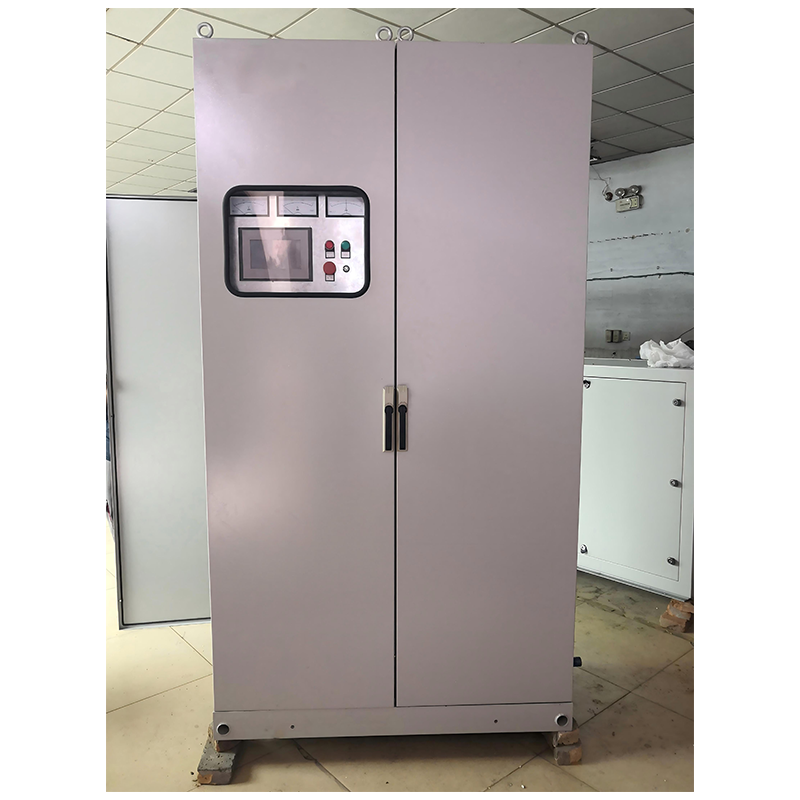
Integration with the enterprise automated process control system via industrial protocols (Modbus, Profibus, OPC UA) is a mandatory requirement for new projects. This allows the operator to monitor machine status remotely, receive warnings about excessive vibration or bearing temperatures, and keep an event log to analyze the causes of shutdowns. Isolated control systems are becoming an anachronism, complicating fault diagnosis. When selecting equipment, ensure that a driver library for your SCADA system is available and tested by the centrifuge manufacturer.
The unloading mechanism must be adapted to the fragility of the crystals. For products prone to abrasive wear or destruction due to mechanical impact, special knives with an adjustable angle of attack and immersion speed are used. Rigid fixation of the knife is unacceptable; a damping system or cutting force feedback is required. We encountered a situation where a hard knife broke large salt crystals, turning them into dust, which clogged the filter cloth and reduced the productivity of the unit by 20% within a week. Using Teflon-coated or composite knives can solve this problem, but increases the initial cost.
Action: Audit the existing unloading cycle and calculate the economic impact of switching to automatic mode, taking into account reduced downtime and improved product quality.
Compliance with safety and environmental standards 2026
In 2026, industrial safety requirements in the CIS countries reached a level comparable to the European ATEX directives. Choosing a vertical filter centrifuge without a full package of EAC (Eurasian Conformity) certificates carries serious legal and financial risks. We are talking not only about a declaration of conformity, but also about the conclusion of an industrial safety examination for hazardous production facilities. Suppliers offering “gray” imported equipment or with expired certificates put the buyer at risk from regulatory authorities. Fines for operating uncertified equipment can be many times greater than the cost of the machine itself, not to mention the risk of suspension of the enterprise's activities.
Explosion protection is a complex task that includes not only electronics, but also design solutions. Grounding the rotor through carbon brushes or slip rings should ensure the removal of static electricity that occurs when the crystals rub against the walls of the basket. The accumulation of static charge can become a source of spark in an atmosphere saturated with solvent vapors. Check for proper grounding and condition of current collectors at each maintenance cycle. In addition, the centrifuge housing must be designed in such a way as to prevent the accumulation of dust in hard-to-reach places, which reduces the risk of secondary fire.
Environmental standards dictate the requirements for the tightness of the shaft seals and the centrate collection system. Leakage of even a small amount of aggressive liquid is unacceptable. Double-acting liquid barrier mechanical seals have become the standard for chemical applications. The leak control system should automatically stop the machine when barrier fluid pressure drops or product enters the drain. Ignoring this requirement leads to environmental pollution and corrosion of the foundation, which in the long term requires major repairs of the premises.
The level of noise and vibration is also regulated by sanitary standards. Exceeding permissible levels (usually 80 dBA in the workplace) requires additional costs for sound insulation or personal protective equipment for personnel, which reduces production ergonomics. Modern centrifuges with dynamic balancing of the rotor assembly make it possible to keep the vibration level within 4-5 mm/s, which is comfortable for the operator and safe for the building structures. When accepting equipment, be sure to measure the vibroacoustic characteristics in idle mode and under load.
Action: Request copies of current EAC certificates and explosion-proof data sheets from the supplier, checking their validity dates and scope for the specific model.
Business Case: TCO vs. Initial Purchase Price
When making a decision to purchase equipment, focusing solely on the initial price (CAPEX) is a classic mistake that leads to losses over a 3-5 year horizon. Total cost of ownership (TCO) includes costs for energy, consumables (filter cloths, blades, bearings), repairs and downtime. A cheap centrifuge can consume 15-20% more electricity due to suboptimal rotor aerodynamics and low motor efficiency. Over a year of continuous operation, this difference will result in an amount comparable to 10-15% of the cost of the equipment itself, especially in regions with high electricity tariffs.
The consumption of filter fabrics is an expense item that is often underestimated. The quality of the fabric determines not only its service life, but also the separation efficiency. Cheap analogues wear out twice as quickly and require replacement more often, which increases machine downtime. Moreover, low-quality fabric can stretch under load, losing its filtering properties and allowing the solid phase to pass into the centrate. Calculation of tissue requirements should be based on the actual resource in cycles, and not on the “average” value declared by the manufacturer. We recommend having a strategic stock of fabrics of different types for prompt replacement when the properties of raw materials change.
Availability of spare parts and service support play a critical role in ensuring trouble-free operation. Equipment from little-known manufacturers often suffers from long delivery times for specific parts: spindles, hydraulic units, control boards. A line downtime due to waiting 4-6 weeks for spare parts from abroad can stop all production. Localization of spare parts production or availability of a warehouse at an official dealer in the region of operation is a critical selection factor. Check the delivery times for the most critical components and their availability in stock before signing the contract.
The maintainability of the structure affects the duration of planned and emergency shutdowns. Designs with quick-release elements of the lid and basket can reduce maintenance time from several hours to 30-40 minutes. If changing a filter requires removing dozens of bolts and using lifting equipment for an hour, it directly impacts site productivity. Evaluate the ergonomics of maintenance: are the lubrication points conveniently located, is there access to the sensors without disassembling the housing, is there an automatic cleaning system (CIP) for the internal cavity.
Action: Create a 5-year TCO table for the options under consideration, including the cost of energy, consumables and likely repair costs to see the real picture of the profitability of the investment.
| Comparison criterion | Budget models (China/Local assemblies) | Premium segment (Europe/Top brands of the Russian Federation) | Recommendation for tasks |
|---|---|---|---|
| Initial cost | Low (30-40% below the market) | High | For intermittent productions with low budgets |
| Bearing life | 15,000 – 20,000 hours | 40,000+ hours | For continuous cycles 24/7, choose premium |
| Speed control accuracy | ±5% (surges are possible) | ±0.5% (stable profile) | Critical for fragile crystals and pharmacology |
| Automation level | Basic (semi-automatic) | Full cycle with adaptive control | To scale and reduce payroll |
| Delivery time for spare parts | 4-8 weeks (often out of stock) | 1-3 days (local warehouse) | Critical for facilities with high downtime |
| Energy efficiency | IE2/IE3 standard | Premium IE4 / Energy Recovery | For energy-intensive industries, pays for itself in 2 years |
Typical errors during installation and commissioning
Even the most advanced equipment can fail prematurely due to errors during the installation stage. The most common problem is insufficient foundation rigidity. Вертикальные центрифуги создают значительные динамические нагрузки, и если фундамент не рассчитан правильно или выполнен с нарушениями технологии (например, отсутствие виброразвязки), это приводит к резонансу. В нашей практике был случай, когда новая центрифуга вышла из строя через месяц работы: разрушился шпиндель из-за того, что фундамент “гулял” вместе с перекрытием цеха. Обязательно проведение вибродиагностики основания перед установкой анкеров.
Неправильная центровка приводного двигателя и шпинделя (для схем с ременной передачей) или муфты (для прямого привода) вызывает повышенную вибрацию и нагрев подшипников. Допуски на несоосность измеряются сотыми долями миллиметра, и “глазомерный” монтаж недопустим. Использование лазерных систем центровки должно быть обязательным требованием при пусконаладочных работах. Игнорирование этого этапа сокращает срок службы подшипников в 2-3 раза и приводит к преждевременному выходу из строя уплотнений вала.
Ошибки в подключении систем трубопроводов часто приводят к дополнительным напряжениям на корпусе машины. Трубы подачи суспензии и отвода фугата должны иметь компенсаторы или гибкие вставки, чтобы вес труб и температурные расширения не передавались на патрубки центрифуги. Мы видели деформацию корпусов из-за того, что монтажники жестко приварили трубы к фланцам, игнорируя требования проекта. Это нарушает геометрию корпуса и может привести к заклиниванию ротора или разгерметизации соединений.
Недостаточная квалификация персонала, обслуживающего оборудование, является скрытым фактором риска. Операторы должны понимать физику процесса центрифугирования, а не просто нажимать кнопки. Неправильная дозировка суспензии, нарушение последовательности операций промывки или попытка форсировать цикл выгрузки приводят к авариям. Программа обучения должна включать не только инструктаж по технике безопасности, но и глубокое изучение технологического регламента конкретной модели. Регулярная аттестация персонала помогает поддерживать высокий уровень эксплуатационной культуры.
Действие: Разработайте чек-лист приемки монтажных работ, включающий пункты проверки виброизоляции, центровки и независимости трубопроводов, и не подписывайте акт ввода до устранения замечаний.
Прогнозы развития технологий и тренды рынка 2026-2027
Рынок разделительного оборудования движется в сторону интелле ктуализации и предиктивного обслуживания. Внедрение систем IoT (Интернета вещей) позволяет передавать данные о состоянии центрифуги в облако в реальном времени. Алгоритмы машинного обучения анализируют вибрационные спектры и потребление тока, предсказывая возможный отказ подшипника или дисбаланс ротора за несколько дней до критической ситуации. Это переход от реактивного ремонта (“сломалось — чиним”) к проактивному (“запланируем замену на выходные”). К 2027 году наличие встроенных модулей телеметрии станет стандартом для оборудования среднего и высшего ценового сегмента.
Разработка новых материалов для фильтрующих элементов открывает возможности для разделения сверхтонких суспензий, которые ранее требовали использования более дорогих декантерных центрифуг. Нанокомпозитные мембраны и металлокерамические фильтры обеспечивают высокую проницаемость при сохранении тонкости отсева. Это позволяет вертикальным фильтрующим центрифугам расширить область применения в биотехнологиях и производстве наноматериалов. Однако стоимость таких элементов пока остается высокой, и их применение экономически оправдано только для продуктов с высокой добавленной стоимостью.
Энергосбережение остается ключевым драйвером инноваций. Системы рекуперации энергии при торможении ротора, позволяющие возвращать электроэнергию в сеть, начинают внедряться в промышленных масштабах. Учитывая высокую инерцию массивных роторов, потенциал экономии здесь значителен. Также развиваются технологии магнитной левитации подшипников, исключающие механический контакт и трение, что радикально повышает ресурс узла и исключает необходимость смазки, устраняя риск загрязнения продукта маслом. Хотя цена таких решений пока высока, тренд на их удешевление очевиден.
Глобальная цепочка поставок продолжает трансформироваться, смещая акцент на локализацию производства критических компонентов. Зависимость от импортной электроники и спецсталей становится фактором риска, поэтому ведущие производители активно развивают кооперацию с местными поставщиками. Это влияет на сроки поставки и стоимость оборудования, делая выбор партнера с надежной локальной базой комплектующих стратегически важным решением. Покупатели все чаще требуют гарантий наличия альтернативных источников снабжения для ключевых узлов машины.
Действие: При планировании модернизации парка оборудования заложите в бюджет возможность интеграции систем предиктивной аналитики, чтобы не отставать от технологического уровня отрасли в ближайшие 3-5 лет.
Frequently Asked Questions
Какой срок службы фильтровальной ткани в вертикальной центрифуге?
Срок службы зависит от абразивности продукта и химической агрессивности среды. В среднем для неабразивных кристаллических продуктов ткань служит 3-6 месяцев при круглосуточной работе. Для абразивных материалов (песок, некоторые удобрения) ресурс может сократиться до 2-4 недель. Использование армированных тканей и правильный подбор размера ячеек могут увеличить срок службы на 30-40%. Регулярный визуальный контроль состояния ткани обязателен для предотвращения прорывов.
Можно ли модернизировать старую центрифугу до уровня автоматизации 2026 года?
Да, в большинстве случаев возможна глубокая модернизация. Замена системы управления на современный ПЛК, установка частотного преобразователя, новых датчиков вибрации и автоматического ножа выгрузки позволяют продлить жизнь оборудованию на 5-7 лет. Однако необходимо оценить состояние механической части: если шпиндель или корзина имеют остаточную деформацию или усталостные трещины, модернизация автоматики будет неэффективной. Проведите дефектовку механических узлов перед принятием решения о реконструкции.
Как выбрать между вертикальной фильтрующей и осадительной центрифугой?
Выбор определяется размером частиц и требуемой влажностью кека. Фильтрующие центрифуги эффективны для частиц крупнее 10-20 микрон и обеспечивают минимальную влажность осадка за счет высокого перепада давления. Осадительные (декантерные) центрифуги необходимы для мелкодисперсных суспензий (<10 мкм) и эмульсий, где фильтрация невозможна или неэффективна. Если ваш продукт — крупные кристаллы и важна сухость — выбирайте фильтрующую машину. Если это тонкий шлам — вам нужен декантер.
Требуется ли специальное разрешение Ростехнадзора для эксплуатации?
Да, если центрифуга используется на опасном производственном объекте (ОПО), она подлежит регистрации в реестре Ростехнадзора. Оборудование должно иметь действующее заключение экспертизы промышленной безопасности (ЭПБ) или сертификат соответствия ТР ТС, подтверждающий безопасность. Эксплуатация без постановки на учет влечет административную ответственность и риск приостановки деятельности предприятия. Уточните категорию опасности вашего объекта и требования к конкретному типу оборудования в проектной документации.
Какова реальная разница в потреблении энергии между старыми и новыми моделями?
Разница может достигать 20-25% благодаря применению двигателей класса энергоэффективности IE3/IE4, оптимизированной аэродинамике ротора и рекуперации энергии при торможении. Для крупной центрифуги мощностью 45 кВт это экономия около 20 000 – 25 000 кВт·ч в год. При тарифе 5 рублей за кВт·ч годовая экономия составит 100 000 – 125 000 рублей, что позволяет окупить переплату за современную модель за 2-3 года эксплуатации только за счет электроэнергии, не считая экономии на ремонтах.
Подводя итог, выбор вертикальной фильтрующей центрифуги в 2026 году — это сложная инженерная задача, требующая баланса между техническими характеристиками, безопасностью и экономической эффективностью. Не позволяйте низкой начальной цене затмить долгосрочные риски и расходы. Инвестиции в качественное, сертифицированное и автоматизированное оборудование окупаются стабильностью производственного процесса и отсутствием непредвиденных простоев.Изучите полный каталог сертифицированных центрифугдля детального сравнения моделей и получения индивидуального технико-коммерческого предложения. Свяжитесь с нами сегодня для консультации с ведущим инженером-технологом, который поможет подобрать оптимальное решение под ваши задачи.