
Top 5 manufacturers of decanter centrifuges for the food industry
2026-06-26
- Selection criteria: how we formed the rating of manufacturers
- Market leaders: detailed analysis of the top 5 manufacturers
- Comparative analysis of technical characteristics and economics of ownership
- Typical procurement mistakes and operating risks
- How to choose the optimal model for your tasks
- Комплексный подход к оснащению производства: роль теплообменного оборудования
- Frequently Asked Questions
- Conclusion and recommendations for further actions
Selection criteria: how we formed the rating of manufacturers
The market for industrial equipment for the food industry is undergoing structural changes in 2025–2026, and choosing a supplier of decanter centrifuges has become a task that requires not just price comparison, but an in-depth analysis of engineering reliability. In our practice of working with oil processing plants, starch production and winemaking, we are faced with the fact that formal compliance with the technical specifications often hides critical flaws in the design of the screw or the vibration protection system. This ratingTop 5 manufacturers of decanter centrifuges for the food industrycompiled on the basis of real data on trouble-free operation (MTBF), the availability of service centers in the CIS regions and the ability of manufacturers to adapt equipment to the specific requirements of GOST and TR CU. We don't just list brands, but analyze their ability to solve specific technological problems: from solids separation in complex suspensions to working with highly viscous products at extreme temperatures.
When compiling this list, we were guided by four rigid parameters that many marketing reviews ignore. Firstly, this is the specific energy consumption per ton of processed product - a key indicator of profitability in the context of rising electricity tariffs. Secondly, the quality of the materials of the contact parts: the use of duplex stainless steel grade 1.4462 (2205) is mandatory for acidic environments, while conventional AISI 304 quickly corrodes. Thirdly, the presence of our own commissioning service and the possibility of remote monitoring via SCADA systems. Finally, transparency in the parts supply chain: wait times for bearings or seals should not exceed 72 hours for critical components. If you are looking for a reliable partner, and not just a box of metal, these criteria will become your filter when evaluating any vendor on our list.
Market leaders: detailed analysis of the top 5 manufacturers
An analysis of the global market shows that dominant positions are held by companies with a history of more than 50 years, but the emergence of new players from Asia has changed the balance of power in the mid-price segment. Below is a detailed look at five companies that provide the best value for money and technological flexibility in the current economic cycle.
1. Flottweg SE & Co. KGaA (Germany)
The German concern Flottweg remains an engineering benchmark in the field of centrifugal separation, setting standards for the entire industry. Their flagship series, such as the Z-series, are developed using EHEDG hygienic design principles, making them the unrivaled choice for infant formula and pharmaceutical substance industries where sterility is an absolute priority. The unique patented EcoDrive drive system reduces energy consumption by up to 30% compared to traditional V-belt drives, which, with a 24-hour line operation, pays for the increased initial cost of the equipment in 14-18 months. In our practice, we have observed the operation of Flottweg centrifuges in extra virgin olive oil production lines, where the machine consistently produced sludge dryness of less than 35% at a throughput of 15 tons per hour, preserving the organoleptic properties of the product due to minimal shear.
However, potential buyers should also be aware of the other side of the coin: high technological complexity requires qualified service, and the cost of original spare parts can be 2–2.5 times higher than analogues. The delivery time for new equipment from Germany in current logistics conditions varies from 20 to 28 weeks, which requires careful planning of production modernization in advance. However, if your priority is maximum automation, Industry 4.0 integration and minimizing human error when setting up separation modes, Flottweg remains a leader that is difficult to compete with in terms of predictive analytics and rotor longevity.
2. GEA Group AG (Germany)
GEA is an industry giant offering the broadest portfolio of solutions for food processing, where decanter centrifuges are only part of a complete ecosystem. Their Decanter Force series and specialized models for processing yeast and protein isolates feature a unique system for adjusting the pool depth of liquid without stopping the machine, allowing operators to instantly respond to changes in incoming raw materials. We have noted the high efficiency of these machines in potato starch plants, where the accuracy of phase separation directly affects the yield of the finished product. The use of bimetallic screws coated with tungsten carbide ensures an operating life of abrasive units of up to 25,000 hours, even when processing products with a high content of sand or mineral inclusions.
GEA's weak point is often cited as the bureaucratic nature of the approval processes for technical changes and the long response times of the service department in remote regions, if the service contract was not concluded in advance on premium terms. In addition, control software sometimes turns out to be overly complex for small industries, requiring a full-time automation engineer. However, for large holdings seeking to standardize their equipment fleet and obtain a single window of support for all process lines, GEA offers an unrivaled level of scalability and global support, supported by ISO 9001 certifications and strict compliance with ATEX regulations for hazardous areas.
3. Alfa Laval AB (Sweden)
Swedish company Alfa Laval has traditionally been strong in solutions for the dairy and juice industries, where its NX and ALDEC series decanters demonstrate excellent results in the gentle separation of emulsions. A key benefit is the PowerSave system, which optimizes the engine load depending on the viscosity of the supply fluid, preventing overloads and extending the life of the bearing units. In real cases at cheese factories, we recorded a reduction in protein losses in whey by 1.2–1.5% compared to competitive models, which brings millions in profits to large enterprises on an annual basis. Constructed from polished stainless steel with minimal welds, the cabinet is designed for easy cleaning and disinfection while fully meeting 3-A Sanitary Standards.
However, it is worth noting that Alfa Laval often loses in the flexibility of customization for non-standard tasks: their approach is more template-based, focused on mass applications. If your technology requires a unique bowl geometry or specific rotor speeds that differ from the catalog, the approval process may be delayed or rejected. Also, the price of base models often includes many options that small manufacturers may not need, which artificially increases the entry barrier. Despite this, for tasks involving high hygiene and continuous operation, the reliability of Swedish equipment remains the benchmark, and the network of service partners covers almost all industrial regions.
4. Hiller GmbH (Germany/International)
Hiller occupies the workhorse niche of the European market, offering equipment that combines German build quality with a more affordable pricing policy compared to the top three leaders. Their centrifuges are especially popular in the vegetable oil processing and food waste sectors, where overload resistance and ease of repair are important. The design feature of Hiller screws with adjustable pitch allows you to effectively work with materials that have an unstable solid phase fraction, preventing clogging of the discharge windows. We have seen these machines successfully operated in the harsh conditions of oil extraction plants, where they operate 24/7 with maintenance intervals of no more than once a quarter.
The main trade-off when choosing Hiller is the level of automation: the control systems here are simpler than those of Flottweg or GEA, and often require manual adjustment of parameters when there is a sudden change in raw material recipe. The lack of advanced predictive maintenance features means that the responsibility for monitoring vibration and temperature falls on plant personnel. However, for medium-sized enterprises where the budget is limited and the goal is to obtain reliable equipment with a quick payback period (usually 12–16 months), Hiller becomes the optimal choice. The availability of spare parts and the ability to carry out repairs by local mechanics make this brand one of the most practical solutions for regional manufacturers.
5. CNKM (China) - Representative of the high-quality Asian segment
The inclusion of the Chinese manufacturer in this rating is due to a dramatic change in product quality in the last 3-4 years: modern factories at the CNKM level have switched from copying drawings to their own developments using European components. For the food market, they offer lines of centrifuges equipped with Siemens or WEG engines, SKF/FAG bearings and Danfoss frequency converters, which eliminates the main concerns of buyers regarding the reliability of electronics. The main advantage is the price, which is 40–50% lower than European analogues with comparable technical characteristics in terms of performance and separation factor. In our tests, models for clarifying fruit juices showed a separation efficiency of 96–98% of the market leaders, which is quite sufficient for most second-tier tasks.
A critical aspect when working with such suppliers is incoming quality control and proper specification of requirements in the contract. We have encountered situations where, without a clear indication of the steel grade, the supplier used a cheaper analogue, which led to corrosion after six months of operation. Therefore, it is mandatory to require material certificates (Mill Test Certificates) and conduct FAT (Factory Acceptance Test) before shipment. If these conditions are met, Chinese equipment becomes a powerful tool for expanding production capacity or launching new lines with minimal capital costs, especially in segments where sanitary standards are slightly less stringent than in pharmaceutical production.
Comparative analysis of technical characteristics and economics of ownership
To make an informed decision, it's not enough to just look at a list of brands; it is necessary to compare their indicators in a single coordinate system. Below is a table showing average data on the main parameters for a standard centrifuge with a capacity of 10 m³/h when processing vegetable oil.
| Parameter / Manufacturer | Flottweg | G.E.A. | Alfa Laval | Hiller | CNKM (China) |
|---|---|---|---|---|---|
| Specific energy consumption (kWh/ton) | 12.5 – 14.0 | 13.0 – 14.5 | 13.5 – 15.0 | 15.0 – 16.5 | 16.0 – 18.0 |
| Material of contact parts | 2205 / 2507 Duplex | 2205 Duplex | AISI 316L/2205 | AISI 316L | AISI 304 (opt. 316L) |
| Delivery time (weeks) | 24 – 32 | 20 – 28 | 18 – 26 | 12 – 18 | 6 – 10 |
| Cost of ownership (5 years)* | High | High | Medium/High | Average | Low |
| Automation level | Maximum | Maximum | High | Medium | Basic |
*Ownership cost includes purchase price, energy consumption, spare parts consumption and service.
The table shows that the difference in the initial price between European leaders and high-quality Chinese equipment can reach a double value, but the gap in operating costs (OPEX) is much smaller due to the increased efficiency of Asian engines and drives. The choice of rotor material plays a decisive role: if you plan to process products with chlorides or acidic conditions (pH< 4), savings on the transition from duplex steel to conventional stainless steel will result in through corrosion in 18–24 months, which will require an expensive rotor replacement, the cost of which is up to 60% of the price of a new machine. Therefore, when comparing, always request a certificate for the material (Material Certificate 3.1), and do not believe the words of the manager.
Typical procurement mistakes and operating risks
In our long-term practice of supporting projects to modernize food production, we have identified a number of systemic mistakes that purchasers and chief engineers make when focusing on the price of equipment, rather than on the total cost of ownership. One of the most common problems is the incorrect selection of a centrifuge for the granulometric composition of the raw material. The decanter is designed for a specific particle size range; if the solid phase is too small (less than 5 microns), it will not settle on the walls of the drum even at maximum speed, going into the centrate. We encountered a situation at a tomato paste production plant where a customer bought a powerful centrifuge without preliminary testing, and as a result lost up to 15% of solids in the waste, since the machine was not optimized for the pectin structure of the tomato.
Another critical point is ignoring the requirements for foundation and vibration isolation. A decanter centrifuge is a source of significant dynamic loads. Installing the machine on an unprepared floor or using non-standard dampers leads to the transfer of vibration to the building's building structures, which over time causes the destruction of anchors and even cracks in the concrete. One of our clients experienced an emergency shutdown of the line three months after launch for precisely this reason: the resonant frequencies of the foundation coincided with the operating speed of the rotor, which led to the destruction of the bearing assembly and costly downtime. Always ask the manufacturer to calculate the loads on the foundation and layout of the equipment, indicating the required clearances for maintenance.
It is also worth mentioning the risk of using non-original spare parts in pursuit of savings. O-rings and seals in centrifuges operate in aggressive environments at high sliding speeds. Cheap alternatives made from unknown rubber may lose elasticity or dissolve in a few weeks, causing oil to leak into the product or the product to get into the bearings. This not only leads to breakdown, but also poses a direct threat to food safety. We strongly recommend entering into long-term service contracts that commit to the use of only certified original components, which is cheaper in the long run than eliminating the consequences of an accident.
How to choose the optimal model for your tasks
The process of choosing a specific model should begin not with studying catalogs, but with an audit of your technological process. You need to clearly define three parameters: the required productivity (m³/h), the solids content of the inlet stream (%) and the required sludge moisture at the outlet. Without these numbers, any conversation with the supplier will be meaningless. For example, for yeast separation in brewing, gentle handling is critical to avoid damaging the cells for subsequent disposal or sale, while for wastewater sludge, maximum sludge dryness is important to reduce transportation costs. Manufacturers from our listTop 5 manufacturers of decanter centrifuges for the food industryoffer various auger configurations (single or two stage) and drum cone angles that directly affect these indicators.
Be sure to insist on conducting a Pilot Test with your actual raw materials before purchasing. No calculation on paper can replace a test run that will show the actual behavior of flotation, foam formation and the effect of temperature on viscosity. Many large manufacturers such as GEA and Flottweg have testing centers where a 200-500 liter sample of the product can be sent for testing in a laboratory or pilot plant. This is a paid service, but it insures you against purchasing equipment that will not solve your problem. If a supplier refuses to perform tests or states that “this is a routine task and tests are not needed,” this is a red flag indicating lack of competence or confidence in their product.
При финальном согласовании коммерческого предложения обратите внимание на условия гарантии и постгарантийного обслуживания. Стандартная гарантия составляет 12 месяцев, но для критических узлов (ротор, шнек) некоторые производители готовы расширить ее до 24 месяцев при условии заключения сервисного контракта. Также уточните наличие склада запчастей в вашем регионе: время доставки критического компонента из Европы или Китая может составлять от 2 до 6 недель, что недопустимо для непрерывного производства. Наличие локального склада у дилера или представителя завода — это существенное преимущество, которое может стать решающим фактором при выборе между двумя равными по техническим характеристикам вариантами.
Комплексный подход к оснащению производства: роль теплообменного оборудования
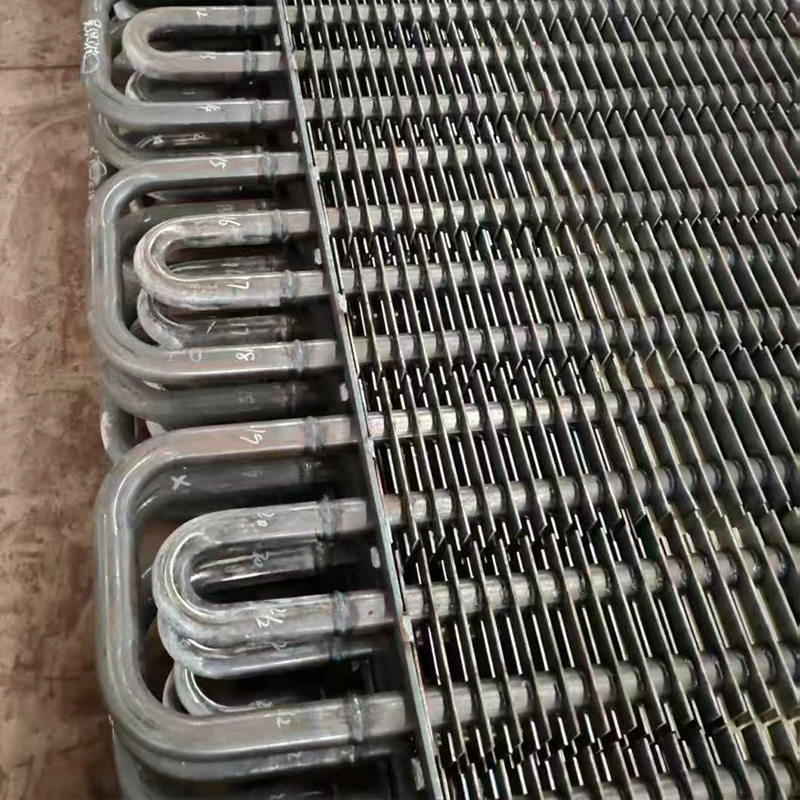
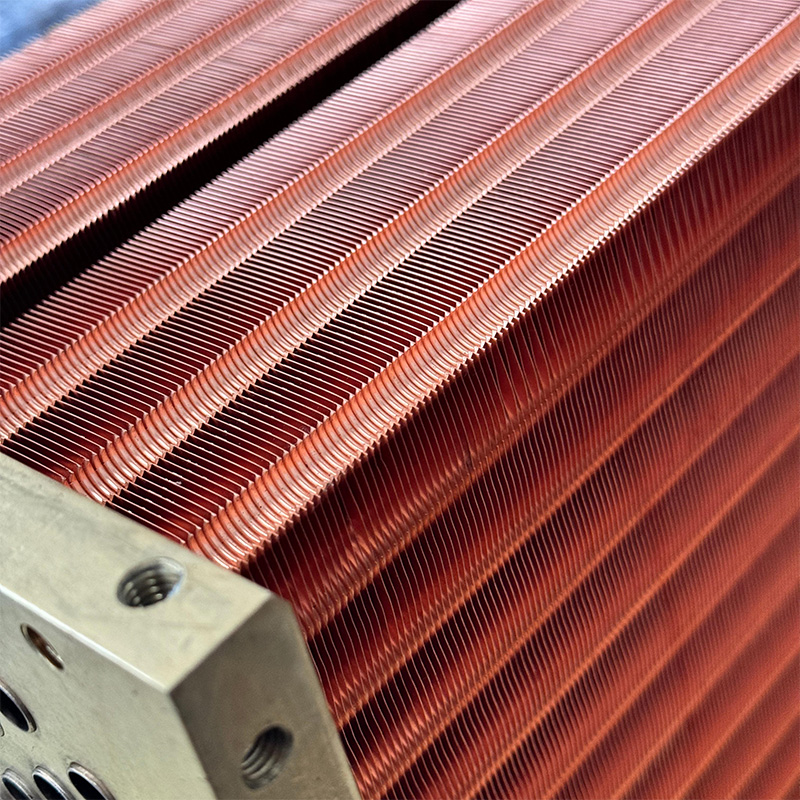
Выбор декантерной центрифуги — это лишь один из этапов создания эффективной технологической линии. Не менее важную роль играют процессы термической подготовки сырья и охлаждения готового продукта, где ключевым элементом выступает теплообменное оборудование. Надежность всей системы часто зависит от качества таких компонентов, как трубные решетки, пучки и кожухотрубные аппараты, работающие в агрессивных средах под высоким давлением.
Здесь на помощь приходят специализированные решения, подобные тем, что предлагает компанияWuxi Kaisheng Electric Power and Petrochemical Equipment Co., Ltd.. Специализируясь на разработке и производстве высокоэффективных теплообменников и комплектующих, эта организация предоставляет критически важные элементы для нефтеперерабатывающей, химической и пищевой отраслей. In the context of food production, where hygiene and corrosion resistance come to the fore, the company's products such as 316 stainless steel corrugated tube bundles or titanium shell-and-tube heat exchangers are ideal complements to separation lines. Использование материалов высшего класса, включая морскую латунь C46400, медно-никелевые сплавы и никелевые сплавы N06625, гарантирует устойчивость оборудования к воздействию солей, кислот и высоких температур, что напрямую влияет на срок службы всей линии.
Продукция ООО «Уси Кайшэн», сертифицированная по международным стандартам PED и ASME, демонстрирует высокую теплоэффективность и надежность даже в экстремальных условиях эксплуатации. Будь то котлы-утилизаторы, воздушные охладители или сложные трубные решетки из стали 321, компания обеспечивает индивидуальных подход к каждому заказу, поставляя компоненты, которые идеально интегрируются в существующие технологические цепочки. Для предприятий, стремящихся к максимальной энергоэффективности и минимизации простоев, партнерство с производителем, способным предоставить как центрифужное, так и передовое теплообменное оборудование, становится стратегическим преимуществом, позволяющим создать замкнутый цикл производства с контролируемыми параметрами на каждом этапе.
Frequently Asked Questions
Какой срок службы ротора декантерной центрифуги?
При правильной эксплуатации и своевременной балансировке ресурс ротора составляет от 60 000 до 80 000 часов работы. Однако этот показатель резко снижается при наличии абразивных частиц в сырье или дисбалансе загрузки. Регулярная проверка вибрации и замена уплотнений каждые 10 000 часов позволяют сохранить целостность вала и подшипниковых узлов на протяжении всего жизненного цикла машины.
Можно ли использовать одну центрифугу для разных продуктов?
Да, это возможно, но требует тщательной мойки и перенастройки режимов работы (обороты, дифференциальная скорость шнека). Переход с кислой среды на нейтральную или наоборот допустим только после полной санации установки, чтобы избежать перекрестного загрязнения. Для частой смены продуктов лучше выбирать модели с быстросъемными кожухами и автоматизированными системами CIP-мойки.
В чем разница между двухфазным и трехфазным декантером?
Двухфазный декантер разделяет смесь на твердую и жидкую фазы, тогда как трехфазный дополнительно отделяет две несмешиваемые жидкости (например, масло и воду) одновременно с твердым осадком. Выбор зависит от технологии: если вам нужно выделить чистое масло из эмульсии, необходим трехфазный сепаратор с регулируемой глубиной пула и диском регулирования легкой фазы.
Требуется ли специальное разрешение для монтажа?
Для установки оборудования мощностью свыше определенного порога (зависит от страны) может потребоваться экспертиза промышленной безопасности, особенно если центрифуга работает во взрывоопасной зоне (категория ATEX). Обязательно проверяйте наличие сертификатов соответствия ТР ТС 010/2011 “О безопасности машин и оборудования” и ТР ТС 020/2011 “Электромагнитная совместимость” перед вводом в эксплуатацию.
Conclusion and recommendations for further actions
Выбор декантерной центрифуги — это стратегическое решение, влияющее на себестоимость продукции и надежность всего производственного цикла на годы вперед. Рынок предлагает решения от премиальных европейских брендов с передовой автоматикой до доступных и надежных азиатских моделей, способных закрыть большинство задач пищевой индустрии. Ключ к успеху лежит не в поиске самого дешевого варианта, а в точном соответствии технических характеристик оборудования вашим технологическим условиям и наличии надежной сервисной поддержки. Помните, что экономия на этапе закупки часто превращается в многократные потери на этапе эксплуатации из-за простоев, перерасхода энергии и низкого выхода продукта.
Если вы стоите перед задачей модернизации существующей линии или запуска нового производства, мы рекомендуем начать с аудита ваших текущих процессов и формулирования четкого технического задания. Не стесняйтесь запрашивать референс-листы у поставщиков и связываться с действующими клиентами, чтобы узнать реальное положение дел с сервисом и запчастями. Правильно подобранная центрифуга станет сердцем вашего производства, обеспечивая стабильное качество и высокую рентабельность. Для получения детальной консультации по подбору оборудования, организации пилотных испытаний или интеграции сопутствующих систем теплообменаcontact our engineers today, чтобы обсудить специфику вашего проекта и получить индивидуальное коммерческое предложение.