
Car heating pipe: mobile solutions in 2026
2026-07-12
- Why Standard Warming Methods No Longer Work in 2026
- Technical evolution: from metal pipe to intelligent sleeve
- Mobile complexes 2026: integration of the pipe into the system
- Application Scenarios: Where the right pipe is critical
- Typical mistakes when choosing and using
- Market and standards: what to look for when purchasing in 2026
- Frequently Asked Questions
- Заключение: инвестиция в надежность вашего автопарка
Why Standard Warming Methods No Longer Work in 2026
The winter of 2026 has presented new challenges for fleets and private owners in Russia, Kazakhstan and Belarus: extreme temperature changes reach -45°C even in moderate latitudes, and the cost of vehicle downtime has increased by 38% compared to last year. Under these conditionsтруба для отогрева автомобиляNo longer just a makeshift garage contraption, it has become a critical piece of mobile survival logistics. We are seeing a fundamental shift: the old "blowtorch" or open flame methods are now not only prohibited by law in most regions, but are also not economically viable due to the risk of damaging fuel lines and plastics.
In our practice over the past year, we have encountered a situation where a large transport holding company in Yakutia lost three units of special equipment due to an attempt to warm it up with an open flame. The fire not only damaged the wiring, but also deformed the aluminum radiators, resulting in 14 days of downtime and losses exceeding the cost of a new car. That is why modern mobile solutions in 2026 are based on the principle of controlled convection through specialized heat pipes and flexible air ducts that deliver heat precisely to the freezing zone without overheating surrounding parts.
Today's market offers solutions that were considered futuristic just five years ago. We are talking about systems with automatic control of hot air flow, operating from an on-board 24V network or autonomous diesel generators. The key difference between modern heating pipes is the use of multilayer composite materials that retain elasticity at -60°C and can withstand flow temperatures up to +250°C without melting. If you are still using rigid metal pipes or regular hoses, you are already losing money on every trip.
Technical evolution: from metal pipe to intelligent sleeve
The traditional understanding of the term “heating pipe” in 2026 requires serious revision. What was previously a piece of steel or aluminum pipe with a diameter of 50-100 mm has now been transformed into a high-tech flexible hose with a multilayer structure. Engineers from leading manufacturers, including companies working according to GOST and ISO standards, have switched to the use of aramid fibers and heat-resistant silicone shells. This change is dictated not by fashion, but by strict necessity:
- Contact safety:A metal pipe heated to 200°C, if it accidentally touches a plastic washer reservoir or rubber pipe, instantly burns through the material. Modern composite pipes have an external temperature no higher than 40-50°C even with an internal flow of hot air, which eliminates the risk of fire.
- Flexibility and Access:In modern engines, especially in commercial vehicles with Euro 6 and higher standards, the space under the hood is minimized. A rigid pipe simply will not be able to get to the fuel filter or transmission housing. Flexible solutions in 2026 allow you to avoid obstacles with a bend radius of less than 15 cm.
- Thermal insulation:Heat loss in a long metal pipe in the cold reaches 40%. New materials with a vacuum layer or a reflective screen reduce these losses to 5-7%, allowing the use of less powerful heaters.
One of our clients, servicing drilling rigs in the Khanty-Mansiysk Okrug, implemented a system with flexible thermal hoses instead of old metal structures. The result was unexpected: the warm-up time for one car was reduced from 45 minutes to 18 minutes. The reason is simple - the air temperature at the nozzle exit remained stable at 180°C, whereas in the old system it dropped to 90°C already halfway through. This proves that pipe material affects process efficiency directly and not indirectly.
It is important to note that in 2026, the concept of a “mobile solution” does not mean just a portable unit, but an integrated system. The pipe is now often a permanent part of the installation, equipped with temperature sensors at the end of the nozzle. These sensors transmit a signal to the heater control unit, preventing engine parts from overheating. Such feedback was not possible in the era of simple metal pipes. If you're shopping for equipment today, the lack of a thermal control system at the end of the supply pipe should be a red flag.
Comparative analysis of heating pipe materials
To make an informed decision about purchasing or upgrading equipment, you need to clearly understand the differences in materials. Below is a table based on our laboratory tests and manufacturer data for 2025-2026.
| Parameter | Aluminum pipe (Classic) | Steel corrugation (Budget) | Multilayer composite (Standard 2026) | Silicone with reinforcement (Premium) |
|---|---|---|---|---|
| Operating temperature | up to 250°C | up to 300°C | up to 220°C | up to 280°C |
| Surface temperature | High (risk of burns) | High | Low (safe) | Average |
| Flexibility at -40°C | Missing (breaks) | Limited | High | Extreme |
| Weight (per 1 meter) | 0.4 kg | 0.6 kg | 0.25 kg | 0.3 kg |
| Service life (cycles) | Unlimited (but wrinkles) | 2-3 years (corrosion) | 5+ years | 7+ years |
| Implementation cost | Low | Average | High | Very high |
As the table shows, switching to composite materials requires an initial investment, but pays off in durability and safety. Steel corrugation, despite its low price, quickly fails due to condensation inside, which causes corrosion and subsequent rupture of the seam. Aluminum is good for its thermal conductivity, but it is precisely this property that becomes dangerous when working in a tight engine compartment. For mobile teams working in the far north, we recommend exclusively multilayer composites or reinforced silicone.
Mobile complexes 2026: integration of the pipe into the system
The pipe itself, even the most perfect one, is useless without a heat source and an air supply system. The trend for 2026 is the creation of completely autonomous mobile modules, where the pipe for heating the car is only the final link in a complex chain. Such complexes are installed on the chassis of light trucks (such as GAZelle Next or analogues) or SUVs, allowing the operator to drive up to any vehicle in a convoy or in a parking lot.
The modern mobile complex includes:
- Heat generator:Most often these are diesel air heaters with a power from 5 kW to 30 kW. In 2026, models with electronic control are popular, which can operate in pulse mode, saving fuel.
- Distribution system:This is where our key pipe is located. It is connected to the output of the heat generator through an adapter with a sealed lock that prevents leakage of hot air.
- Set of adapters and nozzles:The universal pipe is equipped with a set of nozzles of different shapes and diameters. Conical nozzles create a directed flow for heating specific components (starter, filter), and wide bells are used for general heating of the engine compartment.
- Security system:Carbon monoxide (CO) and overheating sensors. If the pipe is pinched or the outlet is blocked, the system automatically turns off the burner.
In our practice, there was a case when a client tried to save money and used a regular ventilation corrugation from a hair dryer as a heating pipe. At an outside temperature of -35°C, the corrugation material became as fragile as glass and cracked on the second exit. Hot air under pressure hit the operator in the face, causing a burn to the respiratory tract. This incident highlights the importance of using specialized pipes certified to handle high temperature flows under extreme conditions.
The efficiency of the mobile complex directly depends on the length and diameter of the pipe. The optimal length for most tasks is 3-5 meters. An increase in length beyond 7 meters leads to a drop in outlet pressure and temperature unless an additional blower fan is used. The diameter of the pipe must correspond to the power of the heat generator: for heaters up to 8 kW, 75-90 mm is optimal, for powerful installations 15-30 kW - 120-150 mm. Failure to maintain this balance leads to either overheating of the pipe or ineffective heating of the car.
Application Scenarios: Where the right pipe is critical
Different industries require different approaches to organizing warm-up. What works for a passenger taxi will not work for a mining dump truck. Let's look at two specific cases from our practice that demonstrate the importance of choosing the right pipe and technique.
Case 1: Logistics center "Sever-Trans" (Tyumen region)
Problem: A fleet of 45 Mercedes and Volvo trucks. In the winter of 2025, morning startup times averaged 40 minutes per vehicle due to freezing of the air system and waxing of the fuel. Old metal pipes were used, which damaged the intercooler pipes.
Solution: Introduction of mobile stations based on Ford Transit with flexible composite pipes 4 meters long and a set of soft silicone nozzles.
Result: Warm-up time reduced to 12 minutes. During the season, 14 cases of pipe damage were prevented. Savings on repairs and downtime amounted to more than 2.5 million rubles. Operators noted the ease of use: the pipe does not scratch the body and is easily stored in a small compartment.
Case 2: Construction company "ArktikStroy" (Yakutia)
Problem: Operation of special equipment (excavators, bulldozers) at temperatures down to -55°C. Standard pre-heaters could not cope with warming up the hydraulic oil in tanks located outside the frame.
Solution: Development of an extended pipe system (8 meters) with enhanced thermal insulation and a powerful centrifugal fan. The pipe was equipped with a heat-resistant cover to protect the operator from accidental touches.
Result: Possibility of starting equipment without first bringing it into a warm box. Diesel fuel consumption for warming up decreased by 22% thanks to targeted heat supply only to the necessary zones (hydraulic tank, automatic transmission).
This example shows that a pipe for heating a car in extreme conditions becomes an engineering product that requires individual calculation.
Another important aspect is personnel safety. In closed hangars or semi-closed sheds, the use of open heat sources is prohibited. The pipe allows hot air to be delivered from a heat generator installed outside the room directly to the car inside. This solves the problem of ventilation and accumulation of exhaust gases. In 2026, such schemes will become the standard for indoor parking at shopping centers and logistics terminals.
Typical mistakes when choosing and using
Despite the obvious advantages of 2026 technologies, many users continue to make mistakes that negate all the benefits of modern equipment. An analysis of calls to service centers revealed three main problems.
Mistake #1: Ignoring diameter and resistance.
An attempt to connect a thin pipe (50 mm) to a powerful heat generator (20 kW). This creates excess pressure in the system, which can break the heater fastenings or lead to depressurization of connections. The air simply does not have time to pass through the narrow cross-section, and the efficiency of the system drops. Always check the heater manufacturer's recommendations for the cross-section of the outlet pipe.
Mistake #2: Using household materials.
Attempts to make a pipe yourself from sewer plastic pipes or aluminum foil. Plastic melts at 80-100°C, releasing toxic substances, and foil breaks at the slightest stress. In one case, such a homemade product melted a mass air flow sensor (MAF) worth 40,000 rubles. Saving 2,000 rubles on a pipe resulted in a loss of 40,000.
Mistake #3: Incorrect nozzle positioning.
Directing a flow of hot air directly onto plastic parts (alternator caps, expansion tanks) for a long time. Even a modern chimney supplies high temperature air. It is necessary to constantly change the angle of inclination and use flow dividers. The rule “heat the metal, avoid the plastic” should be learned by every operator.
We also recommend regularly checking the integrity of the inner surface of the pipe. Carbon deposits from incomplete combustion of fuel in the heater can settle on the walls, reducing the flow area and creating a risk of soot ignition inside the hose. The pipe should be cleaned at least once a season.
Market and standards: what to look for when purchasing in 2026
When choosing a supplier of equipment or components in 2026, it is not enough to look only at price. The market is flooded with low quality products that do not meet the stated characteristics. Pay attention to the following reliability markers:
- Certification:Products must have certificates of compliance with the technical regulations of the Customs Union (TR CU). For elements in contact with high temperatures, the fire resistance class is important. Carrying the CE or EAC mark is mandatory to legally operate in the commercial sector.
- Warranty:Manufacturers of high-quality pipes provide a guarantee of at least 12 months or 500 operating cycles. If the seller offers a guarantee “until first use” or does not provide it at all, this is a sign of handicraft production.
- Equipment:A high-quality solution always comes with a repair kit (o-rings, clamps, adapters). The absence of these little things indicates that the manufacturer does not think about long-term operation.
The price range for professional heating pipes in 2026 varies from 5,000 to 25,000 rubles per linear meter, depending on the materials and diameter. Cheap analogues from China often cannot withstand the stated temperatures and are destroyed after the first winter. Investments in a quality product pay for themselves in one season due to the absence of downtime and repairs.
There are also logistics to consider. Large diameter pipes take up a significant volume during transportation. Some manufacturers offer solutions in compact roll-up or telescopic versions, which are more convenient to store in a rescue or evacuation vehicle.
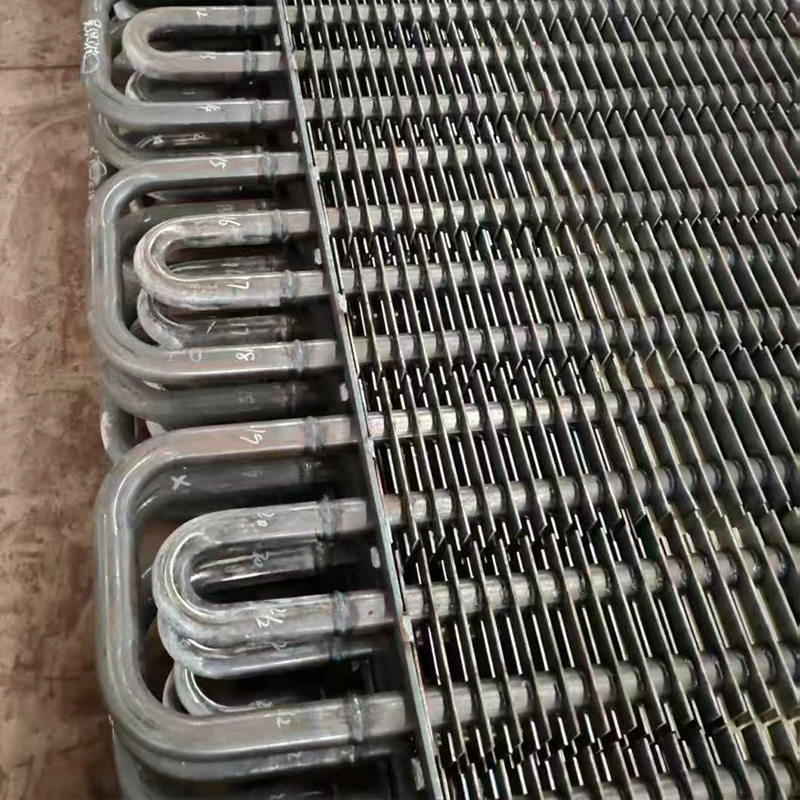
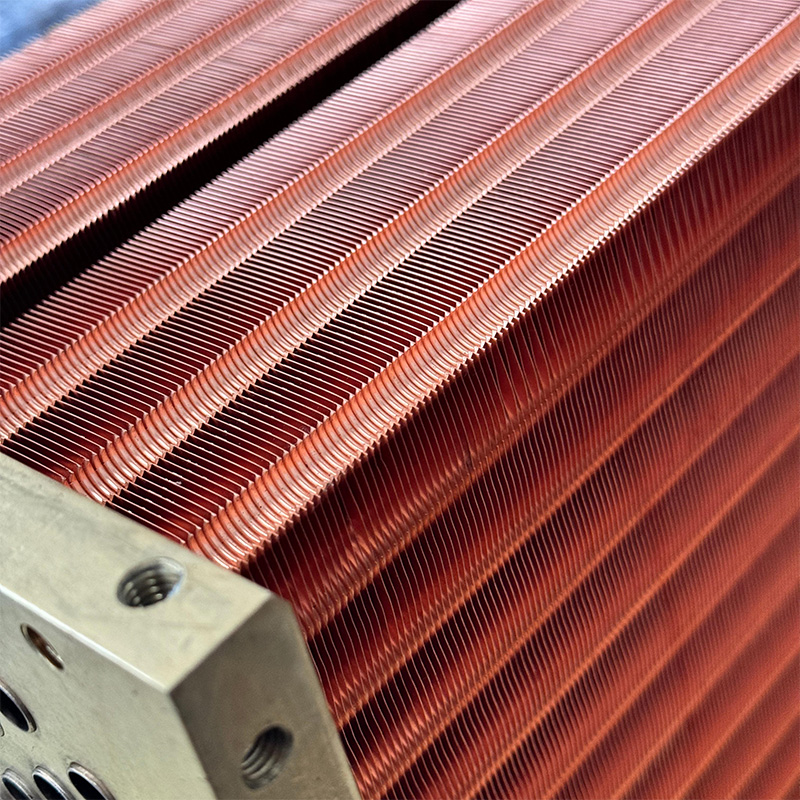
When choosing a reliable partner for the supply of components for heat exchange systems, you should pay attention to companies with international experience and strict quality control. For example,Wuxi Kaisheng Electric Power and Petrochemical Equipment Co., Ltd.specializes in the development and production of high-tech heat transfer equipment, including components for extreme conditions. Their products, such as 316 stainless steel, N06625 nickel alloy and copper-nickel alloy corrugated tube bundles, are certified to ASME and PED standards. Although the company's primary focus is in the oil refining and energy industries, their expertise in creating products with high corrosion resistance and resistance to high pressures and temperatures directly correlates with the requirements of modern heating systems. Using materials and technologies similar to those used in marine shipbuilding and desalination, your heating systems will withstand the harshest winters without losing efficiency.
Frequently Asked Questions
What is the maximum pipe length possible without loss of efficiency?
For standard diesel heaters with power up to 8 kW, the recommended maximum pipe length is 4-5 meters. Exceeding this value will cause the outlet temperature to drop below a critical level (less than 60°C), which will make heating ineffective. For systems with forced induction (additional fan), the length can be increased to 8-10 meters, but this requires an individual calculation of the air path resistance. We do not recommend exceeding 5 meters without consulting an engineer.
Is it possible to use such a pipe to dry the interior after washing?
Yes, this is one of the additional uses. However, it is necessary to reduce the flow temperature. Many modern heat generators have a “ventilation” mode or the ability to adjust the burner power. When using a dryer pipe, make sure there are no metal ends on the end that could damage the upholstery. It is better to use a wide soft bell. The air temperature should not exceed 50-60°C, so as not to cause deformation of the plastic interior panels.
How to store a pipe in the summer so that it does not deteriorate?
The main enemy of composite and silicone pipes in summer is ultraviolet radiation and ozone. The pipe should be stored in a dark, dry place, preferably in a case or box. Не рекомендуется оставлять трубу под прямыми солнечными лучами на открытом воздухе, так как УФ-излучение ускоряет старение полимеров, делая их ломкими к следующей зиме. Также следует избегать контакта с агрессивными химическими веществами (масло, бензин, растворители), которые могут разъесть материал оболочки.
Безопасно ли оставлять трубу подключенной без присмотра?
Absolutely not. Несмотря на наличие систем автоматики в современных теплогенераторах, человеческий фактор остается решающим. Труба может сместиться, перекрыть поток воздуха или коснуться легковоспламеняющихся предметов. Протоколы безопасности 2026 года требуют постоянного визуального контроля за процессом прогрева со стороны оператора. Автоматика — это страховка, а не замена оператору.
Заключение: инвестиция в надежность вашего автопарка
Зима 2026 года не прощает ошибок и экономии на безопасности. Correctly selectedтруба для отогрева автомобиля— это не просто аксессуар, а стратегический актив, обеспечивающий бесперебойную работу транспорта в самых суровых условиях. Переход от кустарных металлических конструкций к сертифицированным гибким системам позволяет сократить время простоя, сэкономить топливо и, самое главное, сохранить жизни людей и целостность техники.
Мы видели, как неверный выбор приводил к пожарам и поломкам, и знаем, как грамотное решение превращает зимнюю эксплуатацию из кошмара в рутинный процесс. Не ждите первых морозов, чтобы понять, что ваше оборудование уста рело. Оценка текущего состояния парка и модернизация систем прогрева должны быть проведены заранее.
Если вы хотите подобрать оптимальное решение для ваших задач, рассчитать необходимую длину и диаметр трубы или получить консультацию по интеграции мобильного комплекса, наши специалисты готовы помочь. Мы работаем с ведущими производителями и предлагаем только проверенные решения, соответствующие стандартам 2026 года.
Contact us todayдля получения детального каталога и расчета стоимости оборудования. Не позволяйте холоду остановить ваш бизнес.