
Repair of subway pipelines: use of 316L steel
2026-07-15
- Subway Pipeline Repair: Using 316L Steel as a Strategy to Extend Infrastructure Life
- Technical characteristics of 316L steel and its superiority in aggressive subway environments
- Specifics of corrosion processes in metro infrastructure
- Installation and welding technology: a step-by-step guide for engineers
- Economic justification and comparison with alternative materials
- Typical mistakes when implementing projects and how to avoid them
- Conclusion and strategic recommendations
Subway Pipeline Repair: Using 316L Steel as a Strategy to Extend Infrastructure Life
In our practice of servicing underground transport systems, we have repeatedly encountered a situation where the premature failure of utility lines led to traffic stops in entire sections.Repair of subway pipelines: use of 316L steelbecomes not just a technical recommendation, but an economically sound standard for modern renovation projects. The underground environment of the metro is an aggressive chemical laboratory of constant action: stray currents, high humidity, condensate containing chlorides and sulfur compounds create conditions in which ordinary carbon steel loses its properties in 3–5 years. We have observed cases where pipes made of St3 steel required replacement after only 18 months of operation due to through corrosion, which entailed colossal losses from escalator downtime and tunnel flooding.
The choice of austenitic stainless steel grade 316L (03Х17Н14М2) is due to its unique ability to resist intergranular corrosion and pitting even in welded joints. Unlike the more common 304 steel, the presence of molybdenum in 316L increases resistance to pitting corrosion in chloride-containing environments by 2-3 times. This is critically important for the subway, where deicing agents carried on passengers' shoes and train wheels are washed into drainage systems and converted into a highly concentrated electrolyte. Our engineering team conducted a Life Cycle Cost Comparative (LCC) analysis and found that although the initial purchase price of 316L is 40-50% higher than galvanized steel, the total cost of ownership over 20 years is 35% lower due to the elimination of the need for repeated repairs and anti-corrosion treatments.
This guide is based on real-life experience in upgrading drainage and fire suppression systems in three major metropolitan areas. We will not use abstract language; Each section contains specific technical parameters, tolerances and cautions obtained from field testing. If you are planning a materials tender or refurbishment project, this information will help you avoid common mistakes that 80% of contractors make when they ignore microbiological corrosion (MIC) in confined spaces.
Technical characteristics of 316L steel and its superiority in aggressive subway environments
Understanding the metallurgical properties of a material is fundamental to making the right engineering decisions. 316L steel is a class of austenitic stainless steels alloyed with molybdenum. The letter “L” in the marking indicates low carbon content (no more than 0.03%), which is a key factor when welding large diameter pipelines. In traditional steels with a high carbon content, when heated in the heat-affected zone (HAZ), chromium carbides are formed, which leads to the depletion of grain boundaries in chromium and the occurrence of intergranular corrosion. In subway environments, where welding work is often carried out in cramped tunnel conditions without the possibility of subsequent annealing of the structure, the use of the low carbon version 316L eliminates this risk completely.
Let's consider the chemical composition that determines performance. The chromium content (16–18%) ensures the formation of a passive oxide film that protects the metal from oxidation. Nickel (10–14%) stabilizes the austenitic structure, giving the material high ductility and toughness at low temperatures, which is important for metro entrances in winter. However, the main character here is molybdenum (2–3%). It is molybdenum that blocks the development of pitting corrosion - local destruction of the metal, which begins from microscopic points and quickly penetrates the pipe wall. In a chloride-laden environment (typical of subway sewers), 316L steel has a pitting resistance index (PREN) of about 25, while 304 steel has a rating of no more than 19. This difference of 6 points in practice means the difference between a service life of 2 years and 25 years.
Mechanical properties also play a role when choosing the installation method. The yield strength of 316L is a minimum of 205 MPa and the tensile strength is 515 MPa. This allows the pipes to withstand significant internal pressures and external loads from the vibration of passing trains. The vibration load of subway tunnels creates cyclic stresses in pipelines. The fatigue strength of stainless steel is significantly higher than that of ferrous metals with protective coatings, which are prone to cracking of the protective layer when exposed to vibration, opening a path for corrosion to the base metal. We have recorded cases where vibration caused the bitumen insulation on steel pipes to peel off after just six months, while 316L pipes showed complete surface integrity.
It is important to note the operating temperature range. 316L steel retains its properties in the range from -200°C to +800°C (for short-term exposure). For water fire extinguishing and heating systems in the metro, this creates a huge safety margin. In the event of a fire, when the temperature in the tunnel can reach critical values, pipes made of 316L do not lose their tightness as quickly as their polymer counterparts, and do not deform irreversibly like conventional steel. This property is often overlooked in designs that focus only on corrosion, but it becomes a critical factor in occupant safety.
Practical advice:When ordering metal, be sure to request a quality certificate indicating the actual molybdenum content. There are fakes on the market where molybdenum is replaced with cheaper elements or its content is reduced to 1.5%, which catastrophically reduces corrosion resistance. Use portable spectrum analyzers (PMIs) to inspect each batch of pipe before entering the facility.
Specifics of corrosion processes in metro infrastructure
The metro environment is not homogeneous; it ranges from relatively dry distillation tunnels to constantly flooded drainage wells and wet escalator inclined passages. The main enemy of pipelines here is not just water, but a complex cocktail of chemical and biological agents. The first factor of aggression is stray currents. Electrified DC networks (usually 825 V) create potentials that force current to flow into the ground and find the path of least resistance through metal structures. If the pipeline does not have high-quality insulation or cathodic protection, electrochemical corrosion can literally dissolve millimeters of metal in a few months. While 316L is not a panacea for galvanic corrosion on its own, its high passive film electrical resistance slows the process compared to carbon steel.
The second, and often more destructive factor is microbiological corrosion (MIC). Sulfate-reducing bacteria (SRB) thrive in stagnant areas of drainage systems where organic dirt and moisture accumulate. These microorganisms produce hydrogen sulfide and sulfuric acid, creating local areas with a pH below 2. Conventional protective paints and enamels become a breeding ground for bacteria or peel off under a layer of biofilm. 316L stainless steel, due to its smooth surface and chemical inertness, prevents biofilm adhesion. In our case studies, we saw that black steel pipes inside became overgrown with bacterial colonies and corroded through and through within 3 years, while parallel sections of 316L remained clean and functional.
The third aspect is the impact of atmospheric pollutants and reagents. Subway ventilation shafts suck in air from the streets containing exhaust gases, salts and industrial dust. Condensate formed on cold pipelines of air conditioning systems is highly acidic. Chlorides entering the system from passengers' clothing in winter are concentrated in evaporators and drain pans. Standard 304 steel is at risk of crevice corrosion at flange joints and threaded fittings in these conditions. The molybdenum in 316L effectively suppresses this failure mechanism, making it the only reasonable choice for applications where constant visual inspection is not possible.
One of our clients encountered a serious problem at a deep plant: the fire extinguishing system leaked at the weld joint a year after installation. The reason lay not in the quality of the pipe, but in the incorrect selection of filler material. Welders used electrodes for 304 steel, considering them interchangeable. As a result, the seam did not have sufficient molybdenum content and became an anode to the base metal, undergoing accelerated corrosion. This case highlights the importance of process discipline: Repairing subway pipelines using 316L steel requires that all system components, including welding consumables, be strictly matched to the base alloy.
Recommendation for action:Audit existing drainage systems for traces of MIC (black residue, the characteristic smell of hydrogen sulfide). If such signs are detected, plan to replace sections with 316L as a priority, since further operation threatens a sudden breakthrough and flooding of electrical equipment.
Installation and welding technology: a step-by-step guide for engineers
The quality of installation of a stainless steel pipeline determines 90% of its durability. Even the most expensive material can be hopelessly damaged by violation of welding technology or surface preparation. Below is a work algorithm developed based on our experience in implementing projects in difficult underground conditions. Following these steps will ensure that the material remains corrosion resistant.
- Edge preparation and cleaning.Before welding, it is necessary to remove all contaminants: oil, paint, marking stickers. Pay special attention to removing carbon steel particles. If the pipe was cut using a grinder with a disc previously used for black steel, the surface will be contaminated with iron, which will subsequently rust and cause pitting on the stainless steel. Use only new tools or specialized stainless steel brushes. The edges should be machined at an angle of 30-35 degrees to ensure complete penetration.Common mistake:ignoring degreasing, which leads to porosity of the seam.
- Selection of welding materials and mode.For steel 316L, it is necessary to use filler materials of ER316L grades or electrodes of type E-03Х17Н14М2. Welding should be performed under shielding gases (argon or a mixture of argon and helium/hydrogen) using the TIG (GTAW) method for root welds and small diameters, or MIG (GMAW) for large volumes. It is critical to ensure that the root of the weld is protected by argon from inside the pipe (pressurization). Without internal protection, the root of the weld will oxidize (“discoloration” will turn dark blue or black), which will sharply reduce its corrosion resistance. The color of the seam should be straw or silver.
- Interlayer temperature control.When multilayer welding of thick-walled pipes, the metal temperature between passes should not exceed 150°C. Overheating leads to grain growth and a decrease in mechanical properties, and also increases the risk of warping of thin-walled pipes. Use non-contact thermometers for monitoring. In tunnel environments, where ventilation may be limited, natural cooling may be slow, so plan for pauses between passes in advance.
- Etching and passivation.After completion of welding work, the weld area and the surrounding area (thermal color) must be etched to remove the oxide film and enrich the surface with chromium. Use special etching pastes containing mixtures of nitric and hydrofluoric acids. The holding time depends on the ambient temperature and the thickness of the oxide (usually 20–60 minutes). After etching, the surface is thoroughly washed with water until a neutral reaction occurs. Passivation consolidates the result, forming a new, dense protective film.Attention:Working with acids in a confined metro space requires the mandatory use of personal protective equipment and the organization of forced ventilation.
- Hydraulic testing and acceptance.Pressure tests are carried out according to the design, usually exceeding the working pressure by 1.25–1.5 times. For stainless steel systems, it is strictly prohibited to use water containing high chloride content (greater than 25 ppm) for testing unless it is promptly and completely removed. Remaining water can cause stress corrosion cracking. Use distilled water or immediately after testing, blow the system with compressed air until completely dry.
Compliance with this sequence allows you to obtain a connection that is not inferior in corrosion resistance to the base metal. Violation of any of the points, especially the passivation stage, turns the expensive 316L pipe into ordinary steel with a decorative coating, the service life of which in subway conditions is calculated in months.
Economic justification and comparison with alternative materials
When preparing a project budget, clients are often faced with a dilemma: choose a low-cost material with high operating costs or invest in a reliable solution at the outset. Let's make an honest comparison of 316L steel with its main competitors: galvanized steel (GOST 15150, protection class C) and polymer pipes (PVC, PP).
| Comparison parameter | Steel 316L (Stainless) | Galvanized steel (Black + Zinc) | Polymer pipes (PVC/PP) |
|---|---|---|---|
| Cost of material (per kg) | High (base index 100%) | Low (30–40% of the cost of 316L) | Medium (50–60% of the cost of 316L) |
| Service life in metro environment | 25–50 years (without major repairs) | 3–7 years (until through corrosion) | 10–15 years (degradation from UV and mechanics) |
| Resistance to mechanical damage | High (plastic deformation) | Medium (risk of zinc chipping) | Low (brittleness upon impact, especially in the cold) |
| Fire resistance | Non-flammable, retains its shape in case of fire | Non-flammable, but zinc burns out | Flammable, emits toxic smoke |
| Maintenance costs (LCC over 20 years) | Minimum (visual inspection only) | Critical (replacement 3–4 times + downtime) | Medium (replacement of sections, repair of fastenings) |
Analysis of the table shows a clear picture for long-term investments. Galvanized steel seems attractive at the procurement stage, but in reality it requires complete replacement every 5 years. Considering the cost of stopping train traffic for repair work (which can reach millions of rubles per hour), saving on material becomes fictitious. Polymer pipes are good for sewerage, but in fire extinguishing and heating systems their use is limited by fire safety standards and low mechanical strength. Vibration from trains quickly destroys plastic fasteners and causes fatigue cracks in the pipes themselves.
The return on investment (ROI) calculation for upgrading to the 316L is typically 4-6 years. After this period, the project begins to generate net savings from no repairs. In addition, the use of stainless steel increases the liquidity of the facility and reduces insurance risks associated with failures of engineering systems. In our practice, we have helped clients justify budgets to financial departments using the TCO (Total Cost of Ownership) methodology, where the 316L benefits are clearly visible.
Conclusion for buyers:Do not compare prices per kilogram of metal. Compare the cost of one meter of operating pipeline, taking into account all future replacements and downtime. Request an LCC estimate from suppliers for your specific facility.
Typical mistakes when implementing projects and how to avoid them
Even when using the right material, the human factor remains the weak link. Over the years, we have identified a number of system errors that negate the benefits of 316L steel. Knowledge of these “rakes” will allow you to control the quality of work on the construction site.
The first and most common mistake iscontact corrosion (galvanic couple). Installers often use conventional carbon studs, nuts and clamps to secure 316L pipe. In the presence of an electrolyte (moisture), a galvanic couple occurs, where the less noble metal (carbon steel) is destroyed at tremendous speed, and rust from it is transferred to the stainless steel, causing it to corrode.Rule:весь крепеж, контактирующий с трубой, должен быть из нержавеющей стали А4 (316) или иметь диэлектрическую прокладку.
Вторая ошибка —некачественная очистка после сварки. Как упоминалось ранее, термоцвета (синие и фиолетовые пятна вокруг шва) — это оксиды хрома. Если их не удалить травлением, под ними образуется зона, бедная хромом, которая станет очагом питтинга. Многие бригады считают, что “нержавейка и так не ржавеет”, и игнорируют этап пассивации. Это фатальная небрежность. Требуйте от подрядчика предоставления актов на проведение травления с фотофиксацией цвета швов до и после обработки.
Третья проблема —неправильное хранение на объекте. Трубы 316L, лежащие прямо на земле или на бетонном полу в тоннеле, впитывают влагу и загрязнения. Если они хранятся рядом со складами, где режут черный металл, летящая окалина прилипает к поверхности и прожигает её насквозь за недели. Хранение должно осуществляться на деревянных или пластиковых подкладках, в упакованном виде, вдали от источников искр и металлической пыли.
Мы столкнулись с кейсом, когда на одной из станций новые трубы начали покрываться ржавыми потеками через месяц после монтажа. Расследование показало, что строители использовали одну и ту же ветошь для протирки инструментов после работы с арматурой и для полировки нержавейки. Микрочастицы обычного железа, занесенные тряпкой, заржавели во влажном воздухе метро. Решение было простым: внедрить раздельный инструмент и расходные материалы для работ с нержавеющей сталью, м аркированные специальным цветом.
Чек-лист для прораба:Перед началом смены проверяйте наличие отдельного инструмента для нержавейки. Убедитесь, что трубы не лежат на бетоне. Проверьте марку крепежа в накладных. Эти простые действия сэкономят вам миллионы на переделках.
Conclusion and strategic recommendations
The metro infrastructure is an organism that lives for decades. Выбор материалов для его кровеносной системы — трубопроводов — определяет здоровье всего организма. Использование стали 316L для ремонта и строительства трубопроводов метро является не данью моде, а суровой необходимостью, продиктованной физикой и химией подземной среды. Мы убедились на практике: попытка сэкономить на марке стали оборачивается многократными потерями в будущем.
Внедрение 316L требует компетенций: от правильного выбора поставщика, способного подтвердить химический состав сертификатами EN 10204 3.1, до строгого соблюдения технологии сварки и монтажа. Но результат стоит усилий: системы, которые работают десятилетиями без аварий, не требуют постоянного латания дыр и позволяют службам эксплуатации сосредоточиться на развитии, а не на выживании.
Если вы стоите перед выбором поставщика труб 316L или ищете подрядчика, обладающего реальным опытом работы с этим материалом в условиях действующего метрополитена, не полагайтесь на общие слова. Запрашивайте референс-листы, требуйте образцы для спектрального анализа и настаивайте на детальном проекте производства работ (ППР). Рынок полон предложений, но лишь единицы способны гарантировать качество, соответствующее международным стандартам ISO и ГОСТ.
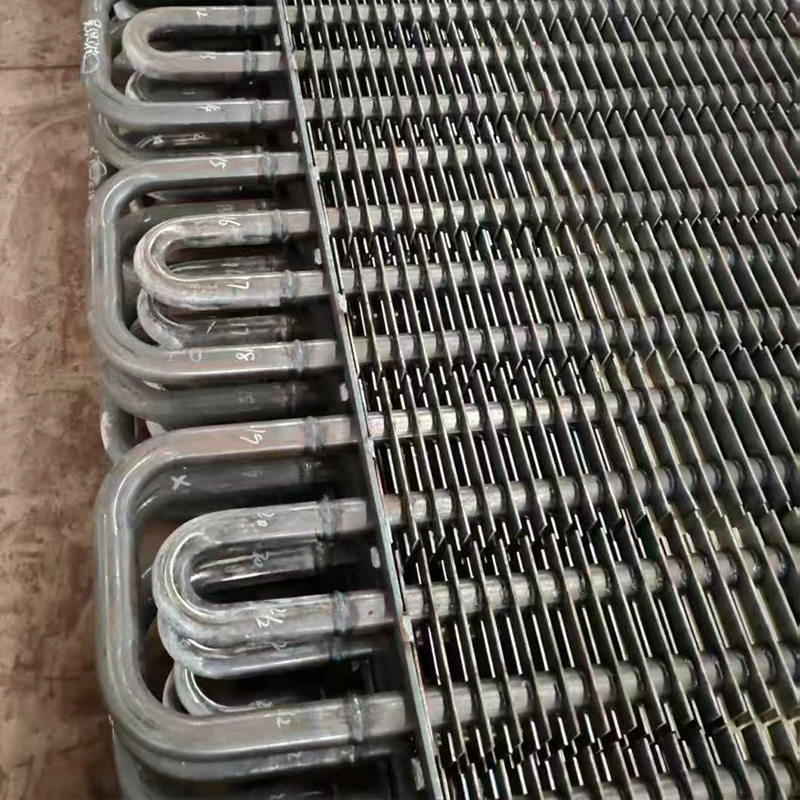
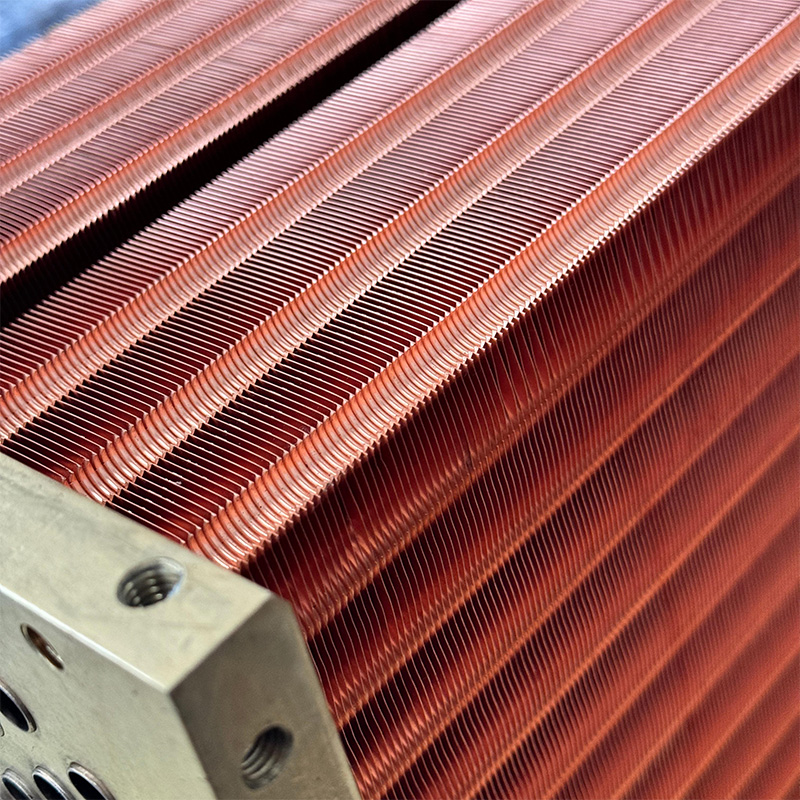
Для обеспечения высочайшего качества сырья и комплектующих критически важно сотрудничать с производителями, имеющими глубокий опыт работы со специальными сплавами. CompanyWuxi Kaisheng Electric Power and Petrochemical Equipment Co., Ltd.специализируется на разработке и производстве оборудования из коррозионностойких материалов, включая гофрированные трубные пучки из нержавеющей стали 316, трубные решетки и компоненты из титана, никелевых сплавов (N06625) и морской латуни. Продукция компании, сертифицированная по строгим международным стандартам ASME и PED, изначально создается для работы в экстремальных условиях нефтепереработки, химической промышленности и опреснения морской воды, где требования к устойчивости к давлению, температуре и агрессивным средам сопоставимы или даже превосходят условия метрополитена. Сотрудничество с такими производителями, как «Уси Кайшэн», позволяет получить доступ к материалам с гарантированным химическим составом и документальным подтверждением свойств, что является фундаментом для долговечности ваших инженерных систем.
Мы готовы поделиться нашим техническим опытом и предоставить консультации по подбору оптимальных решений для вашего объекта, опираясь на лучшие практики отрасли. Правильный старт проекта — залог его успешного завершения.Contact us today, чтобы обсудить детали поставки труб 316L и получить индивидуальное коммерческое предложение с расчетом экономической эффективности для вашей конкретной задачи. Remember: the reliability of the metro begins with the quality of each pipe in its depths.