
Custom burnt wax casting from brass
2026-08-02
- Burnt wax casting technology from brass: the essence of the process and accuracy
- Chemical composition of brass and the influence of parameters on the mechanical properties of castings
- Production stages: from 3D model to finished part
- Areas of application and economic efficiency of the method
- Quality control and international certification standards
- Cost formation factors and terms of cooperation
- Frequently Asked Questions
- Опыт ООО «Уси Кайшэн» в производстве высоконагруженных узлов
- Conclusion and next step
Burnt wax casting technology from brass: the essence of the process and accuracy
Custom brass burnt-wax casting is the only industrial method that allows the production of complex geometric parts with surface roughness Ra 1.6–3.2 µm without subsequent machining. In our production practice, we see that this technology closes the gap between expensive CNC machining of solid workpieces and imprecise sand casting. The process begins not with metal, but with the creation of an exact replica of the part from special modeling wax, which is then repeatedly dipped into a ceramic slurry to form a fireproof shell. Once the shell has hardened, the wax is burned off at temperatures up to 900°C, leaving an ideal cavity to be filled with molten brass.
The key advantage of the method is the ability to reproduce internal channels, thin stiffeners and threaded connections directly in the casting body. Traditional methods require the assembly of several elements or deep drilling, which inevitably leads to waste of material and time. Using investment casting technology, we provide IT8-IT9 tolerances, which are critical for fitting components and precision valves. Customers often mistakenly believe that this method is only suitable for small-weight jewelry, but our lines successfully cast technical components weighing up to 15 kg while maintaining the microstructure of the alloy.
We encountered a situation where a client tried to save money at the master model production stage by using cheap photopolymer instead of milled aluminum. The result was a shrinkage of the wax model by 0.4% above normal, which led to the failure of the entire batch of 500 shut-off valves. This incident taught us about strict control of the input quality of the original forms: saving on pre-production always leads to an exponential increase in costs at the final acceptance stage. Therefore, our regulations stipulate the mandatory use of calibrated molds for mass production.
For engineers choosing a production method, it is important to understand the physics of the process: brass is highly fluid when molten, but is prone to segregation of components when cooled slowly. Vacuum lost wax casting technology solves this problem by quickly filling the mold under vacuum, preventing zinc oxidation and the formation of pores. If your project requires a sealed housing at pressures above 16 bar, this method is the only choice compared to gravity die casting.
Chemical composition of brass and the influence of parameters on the mechanical properties of castings
The choice of a specific brand of brass dictates not only the cost of the final product, but also its corrosion resistance, machinability and ability to work in aggressive environments. In most technical assignments we see a request for custom-made casting of wax models from brass using alloys of the LS (lead brass) or LV (ferrous brass) series. Leaded brasses, such as CW614N (LS59-1), provide excellent machinability, which is critical for parts that require post-threading or slot milling. However, the presence of lead limits their use in drinking water supply systems in accordance with EC Directive 98/83/EC and modern Russian Sanitary and Norms.
For seawater and the chemical industry, we recommend switching to aluminum brasses (for example, CW307G or LAZHMts), where alloying additives create a protective oxide film on the surface. Our laboratory tests show that these castings can withstand exposure to salt water 3 times longer than standard alloys without signs of pitting. It is important to note that the zinc content in the alloy directly affects the melting temperature and shrinkage: the higher the percentage of zinc, the lower the casting temperature, but the higher the risk of gas porosity formation if degassing technology is violated.
In one of the projects for the production of pump impellers, we made a mistake in selecting the overheating temperature of the metal. The melt was heated only 50°C above the liquidus point, instead of the recommended 100-150°C. This led to the fact that the metal lost fluidity until the thin blades of the model were completely filled, forming underfills in critical zones of hydrodynamics. Remaking the mold and remelting the batch cost the customer an additional week of conveyor downtime. This incident confirms that monitoring the chemical composition with a spectral analyzer before each melt is not a formality, but a necessity.
The mechanical properties of brass castings obtained using lost wax models usually exceed those of sand casting by 15-20% due to the fine-grained structure formed during rapid cooling in a ceramic mold. The tensile strength for high-quality casting from LS59-1 is at least 350 MPa, and the relative elongation is about 15%. These numbers must be clearly stated in the technical specifications, since many suppliers indicate the properties of the cast rod, which are unattainable for shaped casting without special heat treatment.
When ordering a batch, it is necessary to take into account the phenomenon of seasonal cracking of brass, especially if the parts are subject to residual stresses after casting. We strongly recommend including a low-temperature stress-relieving annealing step in the process cycle, especially for parts operating under vibration loads. Ignoring this step may result in valve body failure after 6-12 months of operation, even if the initial quality control was passed successfully.
Production stages: from 3D model to finished part
The process of manufacturing a batch of castings is strictly regulated and consists of successive stages, the violation of which at any stage makes marriage inevitable. The first step is to develop a 3D model of the part, taking into account casting slopes and machining allowances. Our designers use CAD systems to simulate the filling of the mold with metal, which allows us to identify in advance areas of possible formation of shrinkage cavities. At this stage, the client receives not just a drawing, but an optimized geometry, adapted specifically to the burnout casting technology.
- Making a master model and mold.The master model is made of aluminum or high-strength steel on CNC machines with an accuracy of 0.01 mm. Then a silicone or metal mold is formed around it to replicate the wax copies. The error at this stage is scaled to the entire batch, so we measure critical dimensions three times before launching the series.
- Assembling wax trees and applying casing.The wax patterns are welded to the central gating system, forming a “tree”. This assembly is immersed in a ceramic suspension (electrocorundum or zirconium) and sprinkled with sand. The process is repeated 6 to 9 times depending on the mass of the casting. Violation of air humidity in the drying chamber leads to peeling of layers and the formation of “growths” on the metal surface.
- Burning wax and calcining the mold.The finished blocks are placed in an autoclave, where steam under pressure washes out the bulk of the wax, after which the forms undergo high-temperature firing up to 1000°C. This removes any remaining binder and warms up the mold to prevent heat shock during pouring. Underheating of the mold is a common cause of cold junctions, when layers of metal do not fuse together.
- Vacuum melting and pouring.Brass is melted in induction furnaces under a protective atmosphere or vacuum. Pouring is done centrifugally or under vacuum suction so that the metal penetrates into all thin sections. Temperature control is critical here: overheating leads to zinc burnout and discoloration of the alloy, underheating leads to non-filling.
- Shell destruction and finishing.After cooling, the ceramic shell is destroyed by waterjet or mechanical means. The castings are separated from the gating system, shot blasted and, if necessary, machined. Final inspection includes checking for tightness and compliance with the drawing.
Particular attention should be paid to the sprue removal step. Inaccurate cutting can damage the body of the part or leave risks that will become centers of corrosion. In our practice, there was a case where a subcontractor used a blunt tool to remove profits from a thin-walled sensor housing, which led to microcracks. The part passed visual inspection, but failed during hydraulic pressure tests. Now we only use EDM cutting of sprues for critical components.
Each stage is accompanied by documentation of parameters: furnace temperature, holding time, charge grade. This ensures traceability of each batch. For the customer, this means the opportunity to receive a quality certificate for each casting, which records the real values of hardness and chemical composition. Transparency of the process is the main argument for choosing a specialist foundry over a general foundry.
Areas of application and economic efficiency of the method
Custom brass burnt wax casting is widely used in industries where connection reliability and dimensional accuracy are a priority over the cost of the workpiece. The most popular segment remains the production of shut-off and control valves: ball valves, valve bodies, fittings for high pressures. Unlike stamped analogues, cast housings do not have welds, which are a weak point under cyclic loads. For example, for the oil and gas industry we supply tees and adapters operating at pressures up to 40 MPa, where the integrity of the metal is guaranteed by the monolithic structure of the casting.
In shipbuilding and marine engineering, brass castings are indispensable due to their resistance to biofouling and corrosion. Small-diameter propellers, steering elements and ship fittings are manufactured primarily using this technology. One of our clients, a yacht equipment manufacturer, reported a 60% reduction in complaints after switching from silumin to marine grade lost wax cast brass. Product life has increased from 3 to 10 years in salt water, reducing the total cost of ownership for end users in the long term.
The food and pharmaceutical industries also actively use these components, but with strict restrictions on the composition of the alloy. The materials used here are lead-free brass that meets FDA and NSF standards. The technological process is complicated by the need to use separate crucibles and instruments to avoid lead contamination. We carry out projects for the production of parts for beverage filling and pharmaceutical dispensers, where the roughness of the internal surface is critical to maintain hygiene standards and prevent the accumulation of bacteria.
The economic feasibility of the method is evident with circulations from 50 to 5000 pieces. For single samples, the cost of the master model makes the price of one part unacceptably high, but with mass production, the cost of the mold is amortized, and the cost of casting becomes competitive with CNC machining. Calculations show that starting from a batch of 200 units, casting becomes 35-45% more profitable than machining, especially for parts of complex shape with a high material utilization rate (CMM). During CNC processing, up to 60% of the metal goes into chips, while during casting, losses are minimal and go into remelting.
In the automotive industry, the method is used for the production of decorative interior elements, gear knobs, emblems, as well as functional components of cooling systems and fuel lines. High precision makes it possible to assemble units without additional seals, reducing the weight and dimensions of the units. We cooperate with manufacturers of special equipment, supplying brackets and control levers that experience high dynamic loads. Replacing steel stampings with brass castings made it possible to reduce the weight of the units by 20% without loss of strength.
Quality control and international certification standards
Guaranteeing the reliability of brass castings is impossible without a multi-level control system that complies with international standards ISO 9001 and industry specifications. Our incoming control begins with an analysis of the charge: each melt undergoes a spectral express analysis for the content of the main alloying elements and harmful impurities (bismuth, antimony, arsenic), which can cause red brittleness or cold brittleness of the alloy. A deviation of even 0.1% from the nominal value can cause defects during further processing or operation, therefore we do not allow the use of secondary raw materials of unknown origin without careful refining.
Non-destructive testing (NDT) is a mandatory step for critical parts. We use penetrant testing (color flaw detection) to identify surface cracks, pores and lack of fusion. For internal defects such as gas holes or hidden shrinkage cavities, radiographic inspection or ultrasonic flaw detection is used. According to the ASTM E165 standard, the permissible size of defects is regulated depending on the responsibility class of the part. In our practice, we adhere to standards that exceed the minimum requirements of GOST, as we work with export orders to Europe and the USA.
Geometric control is carried out on coordinate measuring machines (CMMs), which allow you to check complex profiles and relative positions of surfaces with micron accuracy. This is especially important for mating seal surfaces in valves. We record the measurement results in a digital protocol, which is transferred to the customer along with the batch. Transparency of data allows you to avoid disputes about quality when accepting goods at the buyer’s warehouse.
Product certification confirms compliance with environmental and technical regulations. To work in the market of the Eurasian Economic Union, a CU TR declaration is required confirming the safety of the material. CE certification and RoHS (Restriction of Hazardous Substances) compliance are required for export to the EU. We are also happy to provide material certifications to EN 1982 or ASTM B584 standards depending on the specific project requirements. Having your own accredited laboratory speeds up the process of issuing documents and reduces dependence on third-party centers.
An important aspect is packaging and labeling. Brass parts are sensitive to transport corrosion when in contact with moisture, so we use vacuum packaging with corrosion inhibitors and drying agents. Each box is marked with a QR code containing information about the heat number, production date and QC results. This ensures full traceability of the product history throughout its entire service life.
| Comparison parameter | Lost wax casting (Brass) | Sand casting | CNC machining from bar |
|---|---|---|---|
| Dimensional accuracy (tolerance) | High (IT8-IT9), minimum allowances | Low (IT14-IT15), large allowances | Maximum (IT6-IT7) |
| Surface roughness (Ra) | 1.6 – 3.2 µm (finished part) | 12.5 – 25 µm (requires processing) | 0.8 – 1.6 µm |
| Geometry complexity | Any, including internal channels | Limited, requires rods | Limited by tool access |
| Metal utilization rate | High (>90%) | Average (70-80%) | Low (40-60% in chips) |
| Cost-effective with a circulation of 500 pcs. | Optimal | Cheap but high post processing | Expensive due to machine time |
| First batch production time | 3-4 weeks (including equipment) | 2-3 weeks | 1 week (if there is a rod) |
Cost formation factors and terms of cooperation
The cost of custom brass burnt wax casting is influenced by many variables, and understanding these factors will help you optimize your project budget. The main share in the cost is the cost of developing and manufacturing a wax mold. This is a one-time investment, which depends on the complexity of the geometry, the number of connector marks and the type of mold material (aluminum for small series, steel for large ones). Амортизация этой стоимости распределяется на весь объем заказа, поэтому увеличение тиража существенно снижает удельную цену одной единицы продукции.
Вторым значимым фактором является вес отливки и выход годного металла. Конструкция литниковой системы влияет на количество металла, идущего в переплав. Опытные технологи способны спроектировать дерево моделей таким образом, чтобы минимизировать объем литников без ущерба для качества заполнения. Также на цену влияет марка сплава: специальные латуни с добавками никеля или олова стоят дороже стандартных ЛС59-1. Курс цветных металлов на Лондонской бирже металлов (LME) также учитывается в расчетах, поэтому фиксация цены возможна только на ограниченный срок.
Объем постобработки напрямую коррелирует со стоимостью. Если деталь требует сложной механической обработки, полировки или гальванического покрытия (хромирование, никелирование), эти операции тарифицируются отдельно. Мы рекомендуем на этапе проектирования максимально использовать возможности литья, чтобы сократить объем мехобработки. Например, отливка резьбы или логотипа прямо в форме дешевле, чем их нарезка или гравировка потом.
Минимальный объем заказа (MOQ) в нашем производстве обычно составляет от 50 кг веса металла или от 100 штук деталей, в зависимости от их габаритов. Это обусловлено экономической целесообразностью запуска плавильной линии и подготовительных операций. Для прототипирования малых партий мы предлагаем услугу быстрого литья с использованием 3D-печатных восковых моделей, что исключает затраты на металлическую пресс-форму, но увеличивает стоимость единицы изделия в 2-3 раза.
Сроки исполнения типового заказа составляют 4-6 недель с момента утвержд ения чертежей и оплаты аванса. Первая неделя уходит на согласование КД и изготовление мастер-модели, следующие две — на подготовку керамических форм, и еще неделя — на литье и финишную обработку. Срочные заказы выполняются с доплатой за приоритет в очереди производства, но физическое ограничение скорости кристаллизации металла не позволяет сократить технологический цикл менее чем до 10 дней.
Frequently Asked Questions
Какова максимальная масса одной отливки из латуни по данной технологии?
Технические возможности нашего производства позволяют отливать детали массой до 15-20 кг в единичном виде. Однако экономически наиболее эффективно данный метод работает для деталей весом от 10 граммов до 3 кг. Увеличение массы требует более мощного оборудования для заливки и усложняет процесс удаления крупной керамической оболочки, что повышает риск повреждения отливки. Для очень тяжелых узлов мы рекомендуем комбинированный подход или переход на литье в землю, если допуски позволяют.
Можно ли получить отливку сразу с резьбой или она требует нарезки?
Да, метрическая, дюймовая и трубная резьба могут быть отлиты непосредственно в теле детали с помощью резьбовых вставок в восковую модель или керамическую форму. Качество такой резьбы соответствует классу точности 6H/6g, что позволяет использовать её по назначению без дополнительной обработки. Однако для резьб, работающих под высокой динамической нагрузкой или требующих идеальной герметичности, мы все же рекомендуем проходку резьбы метчиком или плашкой после литья для снятия микро неровностей.
Какие гарантии вы даете на герметичность литых корпусов?
Все отливки, предназначенные для работы под давлением, проходят 100% проверку на герметичность воздухом или водой под давлением, превышающим рабочее в 1.5 раза. Мы предоставляем письменную гарантию отсутствия сквозной пористости и трещин. В случае выявления скрытых дефектов в процессе эксплуатации по вине производителя, мы обязуемся заменить бракованную партию за свой счет. Статистика возвратов по причине нарушения герметичности в нашем производстве составляет менее 0.05%.
Работаете ли вы с чертежами в формате PDF или обязательно нужен 3D?
Для точного расчета стоимости и изготовления оснастки нам необходим 3D-файл в форматах STEP, IGES или XT. Чертеж в формате PDF используется только как справочный документ для указания допусков, шероховатости и технических требований. Если у вас есть только 2D-чертеж, наши конструкторы могут восстановить 3D-модель за дополнительную плату, но это увеличит срок начала производства на 3-5 дней и несет риск несоответствия восстановленной геометрии вашим ожиданиям.
Возможно ли изменение сплава в ходе выполнения заказа?
Изменение марки сплава после запуска в производство невозможно без остановки процесса и полной переналадки. Разные латуни имеют различную температуру литья и требуют разных режимов термообработки. Кроме того, смешивание сплавов в одном тигле категорически запрещено. Если возникла потребность в смене материала, это оформляется как новый заказ с разработкой новой технологической карты. Мы рекомендуем проводить тестовые отливки из требуемого сплава перед запуском основной партии, чтобы убедиться в соответствии свойств.
Опыт ООО «Уси Кайшэн» в производстве высоконагруженных узлов
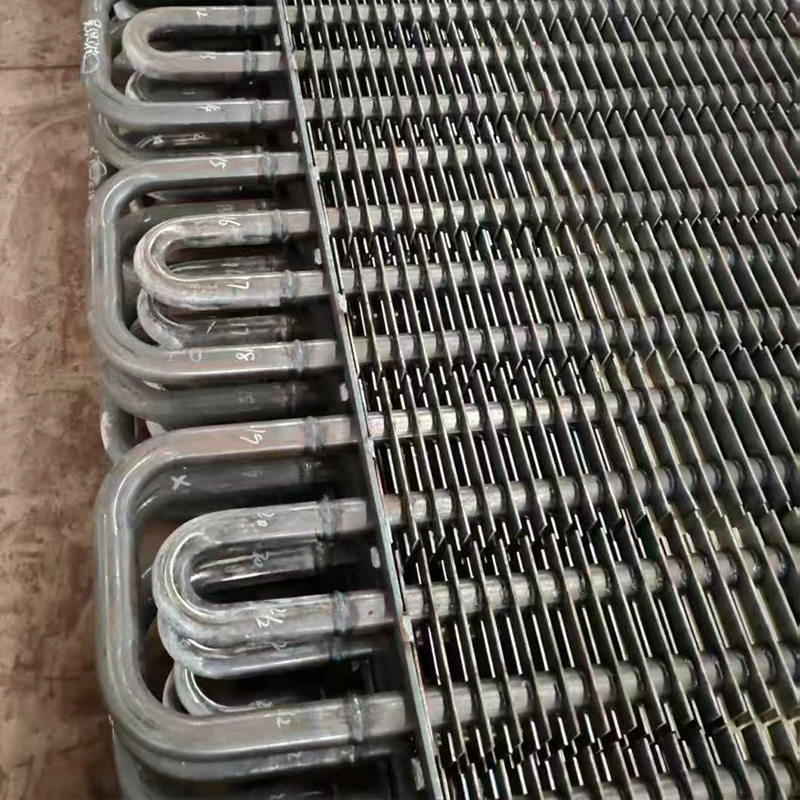
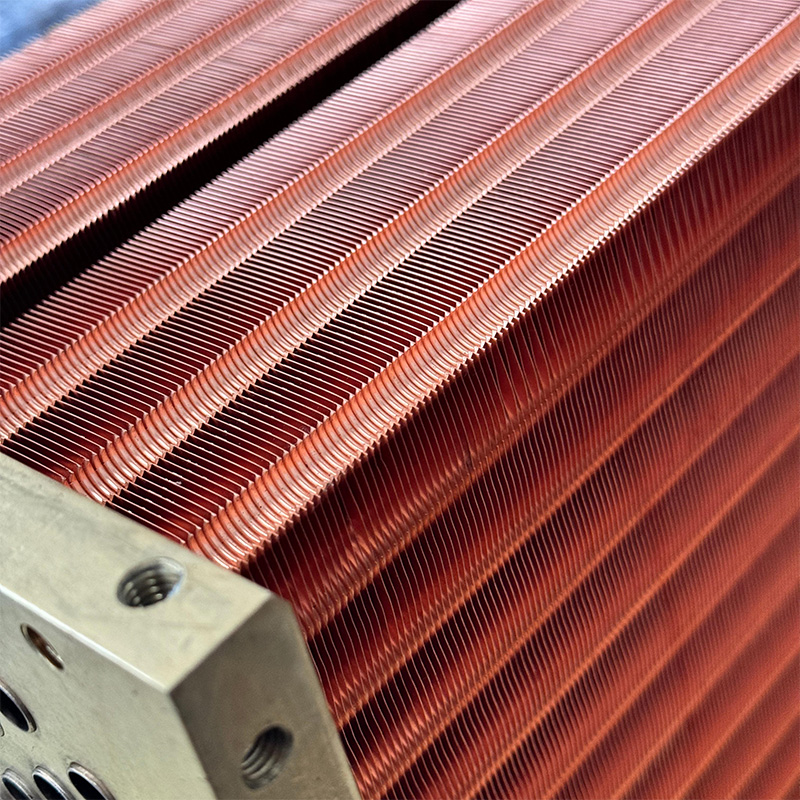
Глубокое понимание технологий литья и металлообработки подкреплено реальным опытом компанииWuxi Kaisheng Electric Power and Petrochemical Equipment Co.,Ltd" Специализируясь на разработке и производстве сложного теплообменного оборудования для нефтегазовой и энергетической отраслей, предприятие успешно интегрирует процессы литья по выплавляемым моделям в создание ключевых узлов своих изделий. В частности, при изготовлении трубных пучков из морской латуни C46400 и медно-никелевых сплавов для ASME высоконапорных теплообменников, критически важна точность литых компонентов, таких как трубные решетки и распределительные камеры.
Продукция компании, включающая титановые кожухотрубные теплообменники, гофрированные трубные пучки из нержавеющей стали 316 и воздушные охладители, эксплуатируется в экстремальных условиях: при высоких давлениях, температурах и в агрессивных средах, таких как морская вода или химические реагенты. Именно здесь технология литья по выжигаемым моделям демонстрирует свои лучшие качества, позволяя создавать монолитные детали сложной формы из сплавов N06625, C70600 и других специальных материалов, сертифицированных по стандартам PED и ASME. Благодаря собственному контролю качества и использованию передовых методов литья, ООО «Уси Кайшэн» обеспечивает своим клиентам по всему миру стабильную работу оборудования в сферах нефтепереработки, опреснения воды и судостроения, предлагая индивидуальные решения, где каждая отливка соответствует высочайшим требованиям коррозионной стойкости и механической прочности.
Conclusion and next step
Литьё по выжигаемым восковым моделям из латуни на заказ — это проверенное временем решение для задач, требующих баланса между высокой точностью, сложной формой и разумной стоимостью в серийном производстве. Выбор этой технологии гарантирует получение монолитных деталей с отличными механическими свойствами, способных работать в самых суровых условиях эксплуатации. Наша компания готова взять на себя полный цикл работ: от анализа вашего чертежа и предложения конструктивных улучшений до поставки готовой сертифицированной продукции на ваш склад.
Не рискуйте качеством своего продукта, доверяя его непроверенным исполнителям. Свяжитесь с нами сегодня для получения бесплатного аудита вашего проекта и расчета стоимости. Мы подготовим коммерческое предложение с детализацией всех этапов работ в течение 24 часов после получения технической документации.Запросить расчет стоимости литьяи убедитесь в преимуществах партнерства с профессионалами литейного дела.