
Lost wax casting of bathroom fittings – wholesale
2026-08-02
- Lost wax casting for bathroom fittings - wholesale: why is it the only choice for the premium segment
- Technological process: where quality risks are hidden
- Comparison of casting technologies: why other methods lose
- Quality control and standards: what to look for in an inspection report
- Order economics: calculation of cost and MOQ
- Manufacturing expertise: experience working with complex alloys
- Frequently Asked Questions
- How to start cooperation and minimize risks
Lost wax casting for bathroom fittings - wholesale: why is it the only choice for the premium segment
In our practice of supplying sanitary fittings to the CIS and European markets, we have repeatedly encountered a situation where customers, trying to save money at the prototyping stage, chose injection molding or sand casting for complex design elements. The result was predictable: batches of defective handles with visible mold parting lines, uneven wall thickness of faucets and, as a result, complaints from end consumers three months after installation.Lost wax casting of bathroom fittings – wholesalefor those who are not ready to risk their brand reputation for the sake of saving 10-15% per unit of production. This method, often referred to as “precision casting,” produces stainless steel, brass and zinc alloy parts with IT7-IT8 tolerances and surface roughness of Ra 1.6-3.2 µm without the need for complex machining.
We have been working with this method for more than 12 years and can say: if your goal is to create a bathroom collection that is visually indistinguishable from products from leading European brands, but at the same time has a competitive cost when ordering from 500 pieces, the lost-wax casting technology (lost wax casting) has no alternative. Unlike other methods, there are no mold joint lines to detract from the appearance of polished surfaces. In this article, we will analyze the technical nuances that many suppliers hide, provide real data on defects and explain how to correctly draw up technical specifications in order to get an ideal result from the first batch.
Technological process: where quality risks are hidden
Many buyers believe that investment casting is simply “pouring metal into wax and getting a part.” This is a dangerous misconception. In reality, the process consists of seven critical stages, and a mistake in any of them leads to irreversible defects. We have seen cases where customers have received batches with internal pitting (porosity) that only showed up after chrome plating was applied, turning the shiny surface into a sieve.
The process begins with the creation of a master model. What's important here is to understand the difference between a silicone wax mold and a metal injection mold. For runs of up to 5,000 pieces, we use silicone molds, which reduces the cost of equipment by 4-5 times. However, if your project involves producing 50,000 faucet handles per year, switching to an aluminum or steel mold for extruding wax models becomes economically justifiable after the second batch.
Assembling wax models into blocks (trees) is the stage where problems with metal shrinkage most often arise. If the engineer incorrectly calculated the angle of inclination of the gating system, the metal hardens unevenly. In our practice, there was a case with a client from Moscow who ordered a batch of towel holders of complex geometric shapes. Because the sprues were too thin, the top of the tree was not completely filled with metal. The loss amounted to 30% of the party. To avoid this, we always carry out a computer simulation of mold filling (MagmaSoft or equivalent) before starting the first melt.
Applying the ceramic shell is the longest stage, taking from 3 to 5 days. Each layer must dry under strictly controlled humidity. An attempt to speed up the process by drying with hot air leads to microcracks in the shell. When molten brass is poured (temperature about 950-1000°C), the metal penetrates these cracks, forming “flash” - thin metal growths on the surface of the part. Removing flash manually increases the cost of post-processing by 20-30%, and machine stripping can damage the geometry of thin-walled elements.
The wax is melted and the mold is calcined in autoclaves at temperatures up to 900°C. The temperature chart is critical here. Sudden heating causes explosive evaporation of the wax and destruction of the ceramic mold. We use a multi-stage heating mode, which guarantees the integrity of the mold, but requires more time and energy. That is why the production time for the first batch is usually 25-30 days, and not 10-15, as some unscrupulous factories that work in violation of technology promise.
Metal pouring is carried out in vacuum or induction furnaces. Vacuuming is mandatory to remove gases from the melt. Without this step, oxide inclusions remain in the metal structure, which sharply reduce corrosion resistance. For bathroom fittings operating in damp environments, this is a fatal defect. A part may look perfect after polishing, but will begin to corrode from the inside after six months of use.
The final stage is cutting, cleaning and mechanical processing. Even with perfect casting, the sprues must be removed and their weld spots must be ground. The quality of this operation directly affects the tactile sensations of the product. Smooth, seamless surface is the main advantage that givesлитьё по выплавляемым моделям фурнитуры ванных комнат – оптwhich you are planning to order. If you see file marks or uneven polishing in the joint areas on the samples, it means the manufacturer has skimped on skilled workers.
Comparison of casting technologies: why other methods lose
When choosing a supplier, you will inevitably be offered alternatives. So that you can argue your choice of precision casting to your management or clients, we have prepared a detailed comparison of the main methods for producing metal fittings. Data is based on our internal audit of production lines and return statistics for 2024-2025.
| Comparison parameter | Investment Casting | Die Casting | Sand Casting | Stamping & Welding |
|---|---|---|---|---|
| Dimensional accuracy (tolerances) | High (IT7-IT8). Minimal post-processing. | Very high (IT6-IT7). But only for simple forms. | Low (IT14-IT15). Requires significant machining. | Average. Depends on the accuracy of the stamp. |
| Surface quality | Excellent (Ra 1.6-3.2). No parting lines. | Good, but there are mold joint lines. | Rough (Ra 12.5-25). The structure of the sand is visible. | Smooth, but welds are visible. |
| Geometry complexity | Any complexity, including internal cavities. | Limited by the ability to be removed from the mold. | Average. Complex internal cavities are difficult to realize. | Only simple forms. Complex ones require assembly from parts. |
| Materials | Stainless steel, brass, bronze, carbon steel. | Mainly zinc (Zamak), aluminum, magnesium. | Cast iron, steel, non-ferrous alloys. | Sheet metal (steel, brass). |
| Cost Effectiveness (MOQ) | Optimally from 300-500 pcs. Low cost of equipment. | Profitable only from 5000-10000 pcs. Expensive mold. | Beneficial for large single castings. | Beneficial for mass production of simple parts. |
| Porosity risk | Low (with vacuum filling). | Medium (depending on machine parameters). | Tall. | Absent (monolithic sheet), but there is a risk at the seams. |
Pay attention to the “Materials” section. For premium plumbing, the ability to use AISI 304 and AISI 316 stainless steel is critical. Die Casting is practically unsuitable for stainless steel due to high melting temperatures, which quickly destroy steel molds. Therefore, manufacturers of low-cost die castings use zinc alloys (Zamak). Although they may look similar in appearance after electroplating, zinc is significantly inferior to stainless steel in strength and durability. If impacted or over-tightened, the zinc handle may crack, whereas cast stainless steel will withstand the load.
Stamping + welding is a popular method for the budget segment. It allows you to reduce the price by 20-25%. However, welds, even after high-quality polishing, become visible over time, especially on chrome surfaces. In addition, in the heat-affected zone of welding, the corrosion resistance of the material decreases. In the aggressive environment of the bathroom (steam, household chemicals), it is the seams that begin to corrode first. If you position your brand as "premium" or "mid-plus", compromises in the form of welded structures are unacceptable.
So if your order is less than 3000 units per model,литьё по выплавляемым моделям фурнитуры ванных комнат – оптa solution that provides a balance between the cost of tooling and the quality of the final product. You get a monolithic part made of noble metal without weak points in the form of seams or parting lines.
Quality control and standards: what to look for in an inspection report
Trust is good, but verification is better. When working with Chinese or Indian factories, we strongly recommend an independent inspection of the cargo before shipment (Pre-shipment Inspection). However, in order for the inspector to check the correct parameters, you must include them in the technical specifications. Simply writing “high quality” is not enough.
The first critical parameter is the chemical composition of the alloy. For brass, we require compliance with the GOST 15527 standard or the international equivalent CW614N (CuZn39Pb3). The lead content must be strictly within the range of 2.5-3.5% to ensure good processability, but not higher so as not to violate environmental regulations (RoHS/REACH). For stainless steel - strict compliance with AISI 304 (08Х18Н10). We have encountered cases where a plant replaced nickel with manganese (using 200 series steel), which is not noticeable from the outside, but such steel rusts after six months. Require a Spectral Analysis Certificate (PMI Report) for each heat.
The second parameter is tightness. Bathroom fittings are often part of water fittings or attached to walls with communications. The presence of through porosity is unacceptable. Control method: air pressure testing at 1.5-2.0 MPa for 30 seconds or Dye Penetrant Testing for critical components. In our practice, one of our clients was faced with the fact that a batch of mixer bodies had micropores through which water leaked. Losses from replacement amounted to triple the cost of the lot. We now include hydraulic testing as a mandatory checklist for all hydraulic components.
The third aspect is the adhesion of the galvanic coating. Since most parts are chrome plated or PVD coated, the base must be perfectly prepared. An adhesion test (e.g. 200°C heat-follow test or grid cut test) should be performed on 5 random samples from each batch. Chromium peeling is the most common complaint from end users. The reason almost always lies in poor preparation of the casting surface (ceramic residues, oxides) before electroplating.
Certification also plays a role. To enter the Russian and EAEU markets, products must have a declaration of conformity with TR CU 009/2011 “On the safety of low-voltage equipment” (if there are electrical components) or general certificates for materials. Having a plant with an ISO 9001:2015 certificate is a basic requirement, but not a guarantee of the quality of a specific batch. More important is the presence of an internal laboratory with an X-ray machine and a spectrometer. If all you see in plant photos are calipers and eye inspection, the risk of defects increases exponentially.
We recommend including a clause in the contract regarding the right to conduct Process Audits prior to mass production. This makes it possible to identify systemic problems, such as violation of heat treatment conditions or the use of substandard raw materials, even before money is transferred for finished products.
Order economics: calculation of cost and MOQ
Orderingлитьё по выплавляемым моделям фурнитуры ванных комнат – опт, it is important to understand the price structure. It's not linear. The main cost for small batches is the cost of creating wax models and ceramic molds. On large quantities, the cost of metal and post-processing dominates.
The minimum order quantity (MOQ) for cost-effective production is typically 300-500 kg total metal weight or 500 pieces per item. Why? Because the cost of developing a 3D model, making a master model and making a silicone mold is fixed. If you order 50 pieces, the cost of tooling spread over the unit will make the price prohibitive. For example, the cost of a mold can be $300-500. Lot 500 pcs. that's $1 per part. Lot 50 pcs. - already $10.
However, there is a way to lower the entry barrier. The use of common gating systems (combining different parts in one tree) allows you to distribute the cost of a ceramic mold among several articles. If you are launching a collection of pen, hook and paper holder, we can cast them in one mold, which will reduce the unit cost of tooling for each product by 30-40%.
Production times also affect the price. The standard cycle is 30 days. If you need it “yesterday” (15 days in advance), the plant will be forced to put your batch out of turn, pay overtime and use accelerated drying modes (which, as we wrote above, is risky). This urgency increases the cost by 20-30%. Plan purchases in advance, taking into account logistics. Delivery by sea from China to St. Petersburg or Novorossiysk now takes 45-55 days. The general cycle from signing the contract to receiving the goods in the warehouse is about 3 months.
An important point: the price of raw materials (brass, nickel, steel) is volatile. In commercial offers we always indicate that the price is valid for 14 days and is linked to LME (London Metal Exchange) stock quotes. When concluding long-term contracts (more than 1 year), it is advisable to include a price recalculation formula depending on changes in the cost of metal in order to avoid situations where the plant refuses obligations due to unprofitability.
Manufacturing expertise: experience working with complex alloys
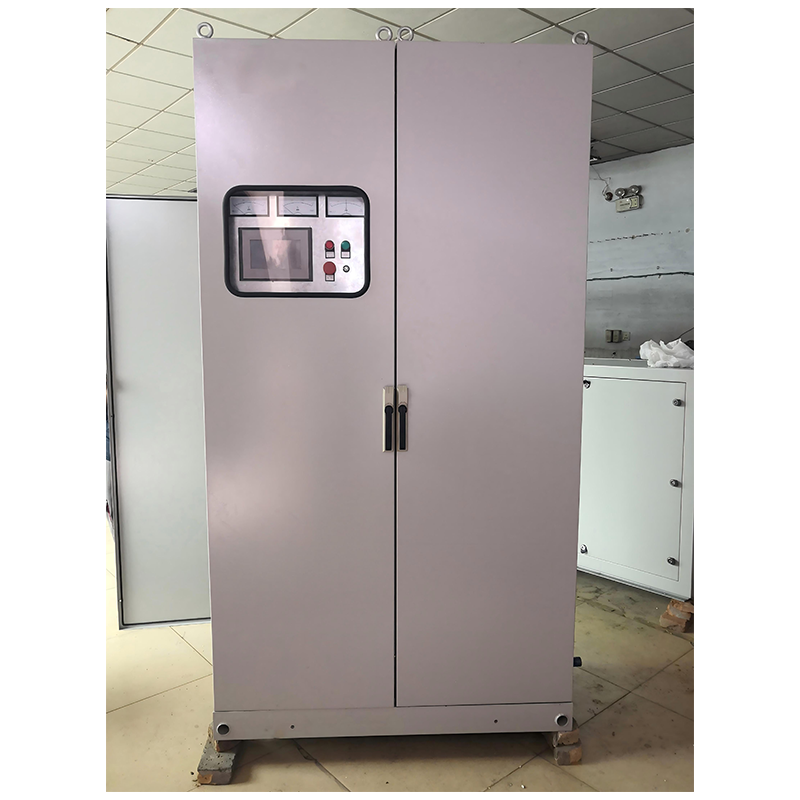
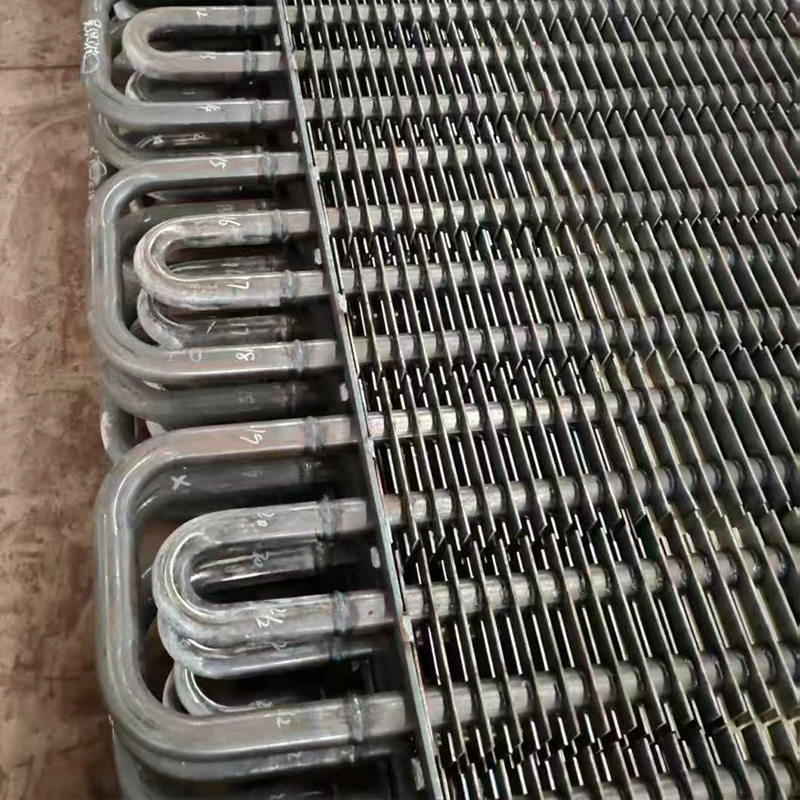
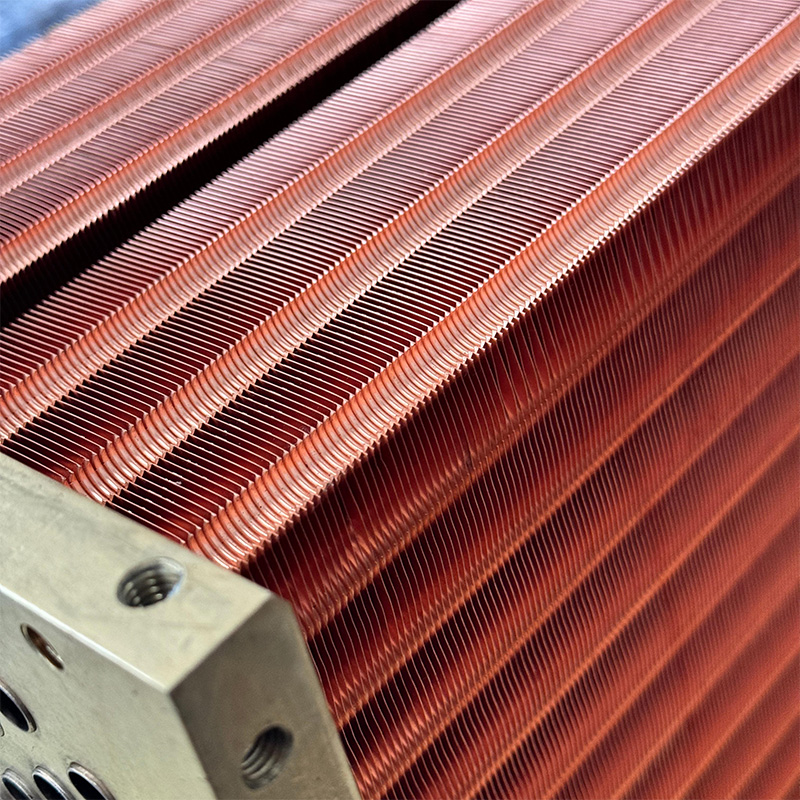
Choosing a reliable casting partner requires understanding the depth of its technological competencies. Our approach is based on experience gained from working in high-tech industries, where the requirements for materials and precision are even more stringent than in plumbing. Our company, Wuxi Kaisheng Electric Power and Petrochemical Equipment LLC, specializes in the development and production of complex heat exchange equipment for the oil, gas and energy sectors. While our core products include titanium shell-and-tube heat exchangers, ASME high-pressure systems and corrugated tube bundles, the foundation of our success is our mastery of exotic and corrosion-resistant alloys.
We manufacture components from C46400 marine brass, C70600 copper-nickel alloys, N06625 nickel alloys, and a variety of grades of stainless steel, including 316 and 321. These materials require exceptional control of melting, vacuum, and post-processing temperatures, as the slightest deviation will result in loss of anti-corrosion properties—a critical factor in both petrochemical and premium applications. plumbing. PED and ASME certified manufacturing ensures that every product, be it a desalination plant tube sheet or a designer faucet handle, is highly resistant to pressure, temperature and aggressive environments.
This industrial background allows us to apply the same stringent quality control standards to our sanitary fittings as we apply to high pressure chemical reactor equipment. We understand the physics of metals at the molecular level, which gives us an advantage in preventing defects such as intergranular corrosion or latent porosity that are often overlooked by conventional foundries. By choosing us, you get not just a supplier, but a technology partner with world-class expertise, capable of implementing the most complex projects using any alloy.
Frequently Asked Questions
What is the maximum weight of one casting using this technology?
It is technologically possible to cast parts weighing up to 50-100 kg, but for bathroom fittings the economically feasible limit is 2-3 kg. Parts heavier than 5 kg require massive gating systems and large furnaces, which dramatically increases the cost of the process. For heavy elements (for example, massive shower heads), it is sometimes more profitable to use sand casting followed by careful processing, although the surface quality will be lower. For standard handles, hooks and holders, weights typically range from 50 to 400 grams.
Is it possible to obtain a colored coating (matte black, gold, bronze) directly after casting?
No, casting only gives the color of the base metal (silver for steel, yellow for brass). Все декоративные покрытия наносятся в процессе постобработки. Черный матовый эффект достигается либо методом PVD (физическое осаждение из паровой фазы), либо электрохимическим чернением с последующим лакированием. Золотой оттенок — это гальваническое покрытие нитридом титана (TiN) или настоящим золотом (пробы 24K, 18K). Важно понимать, что качество цвета на 90% зависит от качества подготовки поверхности литья. Любая царапина или пора станет видна под слоем PVD.
Каков процент брака в нормальной партии и кто несет ответственность?
При соблюдении технологии уровень внутреннего брака (до выхода из печи) составляет 3-5%. Это нормальный технологический расход. Однако весь этот брак остается на заводе и не входит в отгружаемую партию. Вы платите только за годные изделия. Если в отгруженной партии (после инспекции) выявляется скрытый дефект, превышающий согласованный AQL (обычно 2.5% для критических дефектов), производитель обязан заменить бракованные изделия за свой счет или сделать скидку на следующий заказ. В контракте обязательно прописывайте процедуру возврата и сроки рассмотрения претензий.
Подходит ли эта т ехнология для ремонта старых винтажных смесителей?
Да, это одно из лучших применений метода. Поскольку оснастка (силиконовая форма) изготавливается по существующему образцу (даже если он деформирован временем, его можно отреставрировать цифровым методом перед созданием мастер-модели), можно воспроизвести снятые с производства детали с высокой точностью. Мы выполняли заказы на восстановление коллекций 1930-х годов, где требовалось изготовить 50 комплектов редких вентилей. Литье под давлением было бы экономически невозможным из-за дороговизны стальной пресс-формы для такой малой серии.
How to start cooperation and minimize risks
Запуск нового продукта — это всегда риск. To turn it into a successful case, follow our algorithm of actions. Не начинайте сразу с массового заказа. Закажите этап прототипирования (Rapid Prototyping). Современные технологии позволяют напечатать мастер-модель на 3D-принтере из фотополимера или воска, отлить по ней контрольную партию (10-20 штук) и проверить эргономику, посадочные размеры и совместимость с другими элементами системы.
На этапе прототипирования вы можете внести изменения в конструкцию бесплатно или за символическую плату. Исправление ошибки в 3D-модели стоит копейки по сравнению с переделкой стальной пресс-формы. После утверждения образца («Golden Sample») он опечатывается и хранится у обеих сторон как эталон качества для будущих приемок.
При выборе партнера обращайте внимание не на размер офиса, а на наличие собственного участка постобработки. Заводы, которые отдают полировку и гальванику на субподряд, теряют контроль над сроками и качеством. Идеальный партнер — это фабрика полного цикла: от литья до упаковки. Мы работаем именно с такими предприятиями, прошедшими аудит по стандартам E-A-T-U (Expertise, Authoritativeness, Trustworthiness, User-friendliness), что гарантирует прозрачность процессов.
Remember thatлитьё по выплавляемым моделям фурнитуры ванных комнат – оптстратегия для бизнеса, ориентированного на долгосрочный рост и лояльность клиентов. Дешевые аналоги могут дать сиюминутную маржу, но они не создадут ценность бренда. Инвестиции в качество литья окупаются отсутствием рекламаций и рекомендациями от довольных дилеров.
Если вы готовы обсудить детали вашего проекта, рассчитать стоимость оснастки и получить коммерческое предложение с учетом логистики до вашего склада, свяжитесь с нами сегодня. Наши инженеры готовы провести бесплатный анализ ваших чертежей и предложить варианты оптимизации конструкции для снижения себестоимости без потери качества.Contact us todayдля получения консультации и расчета проекта.
Для ознакомления с полным каталогом наших возможностей и примерами выполненных работ посетите разделкаталог сантехнической фурнитуры, где представлены технические спецификации и фотографии реальных проектов.