
Jewelry casting using lost wax models: artistic solutions
2026-08-01
- Lost wax jewelry casting: why it is the foundation of artistic freedom
- Technological stages: from wax model to finished product
- Artistic solutions and work with complex alloys
- Quality control and GOST/ISO standards in production
- Common mistakes and ways to prevent them
- Economic efficiency and production time
- Development prospects: trends for 2025-2026
- Frequently Asked Questions
Lost wax jewelry casting: why it is the foundation of artistic freedom
Technologyювелирного литья по выплавляемым моделямremains the only way to transform fragile wax into an eternal metal without losing the smallest details of the author's design. In our experience of working with production for more than 15 years, we have become convinced that neither milling nor stamping provides the depth of texture and volume that this technique provides. The process allows you to create products of any geometric complexity - from openwork weaves to hidden internal cavities that cannot be obtained by mechanical processing.
The essence of the method is to create an exact copy of the future product from wax or polymer material, which is then surrounded by a ceramic shell. When fired at high temperatures, the model burns out, leaving an ideal shape for pouring molten metal. It is this stage that determines the surface quality and dimensional accuracy of the finished jewelry. For jewelry houses and designers, this means the ability to replicate unique designer works with minimal tolerances, while maintaining the “living” texture of hand-made sculpture.
We have encountered situations where an attempt to save on the quality of the molding sand led to the failure of the entire batch: microcracks in the ceramic allowed metal to pass through, creating irreversible defects on the surface. One of our clients lost 40% of the circulation of engraved rings precisely because of a violation of the temperature conditions for drying the shells. This proves that the artistic value of a product directly depends on the technological discipline at each stage of production.
Technological stages: from wax model to finished product
The process begins with the creation of a master model, which sets the tone for all subsequent production. Modern designers use both traditional hand-carved wax and 3D printing with photopolymers. The choice of method depends on the required detail: manual work gives unique plasticity, while 3D modeling ensures mathematical accuracy of symmetrical elements. It is important to understand that any model must take into account the shrinkage of the metal upon cooling - for gold it is about 1.25%, for silver - up to 2%.
- Forming a tree (gating system).The wax models are attached to the central sprue, forming a “tree”. An error at this stage is critical: an incorrect angle or thickness of the sprue will lead to underfilling of metal into the far parts of the mold. We recommend using cone runners for large products to ensure laminar melt flow.
- Application of ceramic shell.The tree is repeatedly dipped into the suspension and sprinkled with sand (usually zirconium or electrocorundum). The number of layers varies from 7 to 12 depending on the weight of the product. Each layer must be completely dry before applying the next. Violation of this rule causes delamination of the shell and the entry of ceramics into the casting.
- Burning out the model (de-waxing).The molds are placed in an oven where the temperature is gradually increased to 900–1100°C. The wax melts and flows out, and then burns out completely. It is critical to control the rate at which the temperature rises: heating too quickly will cause the wax residue to expand explosively and destroy the mold from the inside.
- Pouring metal.The molten metal is fed into the heated mold either by gravity or by centrifugal force/vacuum. The temperature of the metal must strictly correspond to the liquidus point of the alloy. Overheating causes coarse grain structure and porosity, underheating causes cold junctions.
- Shell destruction and cleaning.After cooling, the ceramic jacket is broken with water or mechanically. Products are separated from the sprues, sandblasted and chemically etched to remove oxides.
Gas porosity is often a problem during the pouring phase if the metal has not been properly degassed. In our laboratory, we record every defective case associated with air entrapment in order to adjust the evacuation parameters. For complex artistic solutions with thin walls less than 0.3 mm, we use induction melting in a protective argon atmosphere, which eliminates oxidation of even the most capricious alloys.
Artistic solutions and work with complex alloys
Lost wax jewelry casting opens the door to the use of alloys that cannot be processed otherwise. Platinum, palladium, high-grade gold and exotic non-ferrous metals require special handling due to their high melting point and chemical reactivity. For example, casting platinum requires temperatures in excess of 1700°C and special refractory materials that can withstand such heat without reacting with the metal.
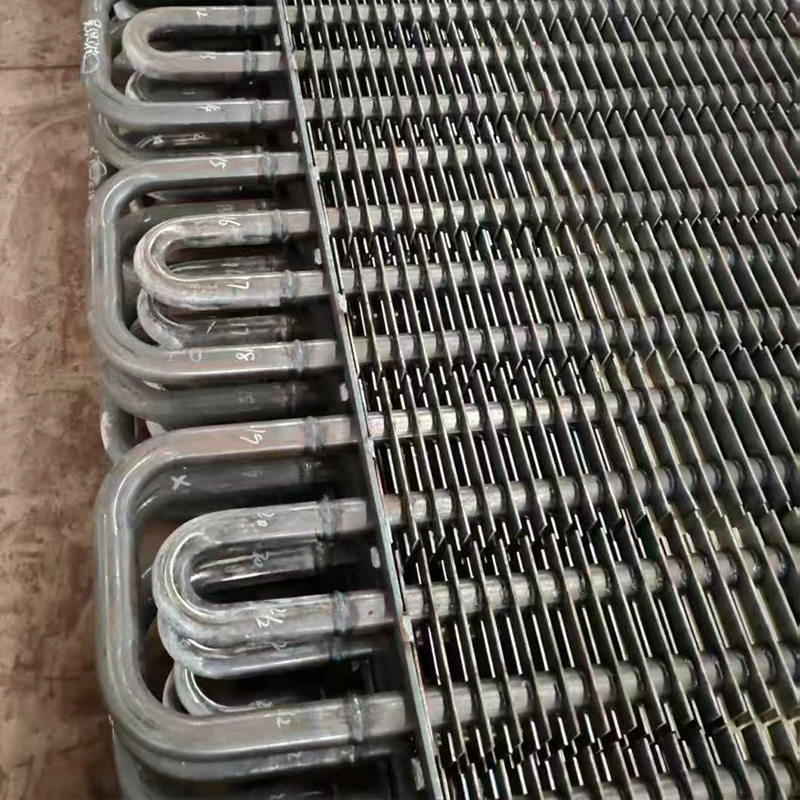
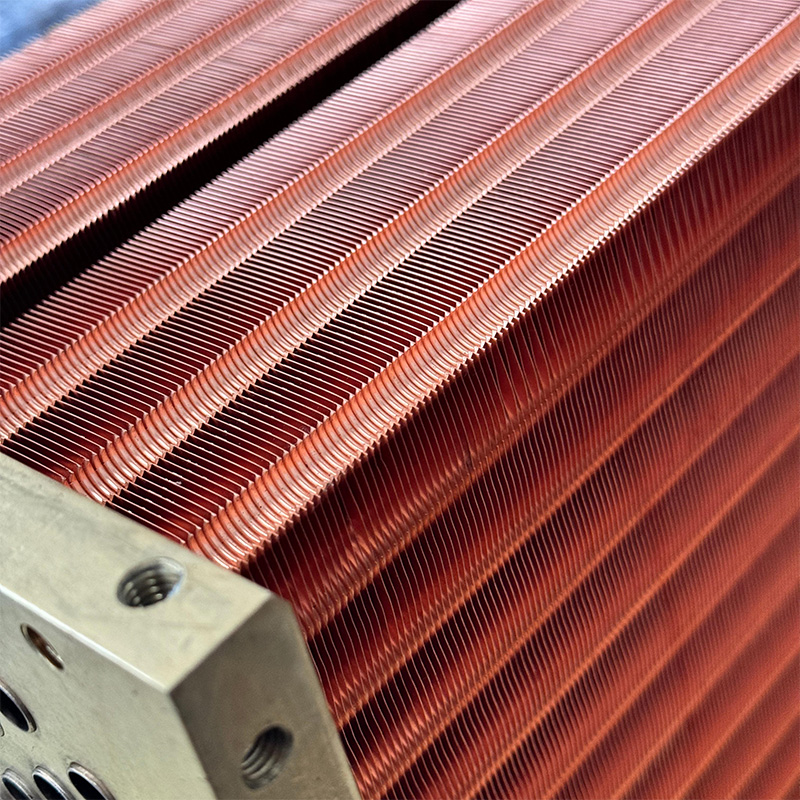
The principles of working with extreme temperatures and aggressive environments make jewelry similar to heavy industry. Experience of companies such asWuxi Kaisheng Electric Power and Petrochemical Equipment Co., Ltd., specializing in the production of titanium, nickel alloy (N06625) and marine brass heat exchangers for the oil and gas industry, clearly demonstrates the importance of metallurgical cleanliness. Their ASME and PED certified products operate under high pressure and corrosive conditions, requiring impeccable control of the metal structure. A similar approach to the selection of materials and quality control is necessary in the jewelry business: whether it is creating corrugated tube bundles from 316 stainless steel or an openwork ring from platinum, the guarantee of the durability of the product lies in the plane of strict adherence to melting and casting techniques.
Designers are increasingly turning to underfill or controlled porosity as an artistic technique that imitates ancient coinage. However, this is technically difficult to implement: you need to accurately calculate the viscosity of the metal and the rate of crystallization. We have developed a modular mold cooling technique that allows us to obtain a gradient grain structure directly during the casting process, which creates a unique visual effect without additional post-processing.
Working with enamel also imposes restrictions on the casting process. The surface of the casting must be perfectly clean, without holes or inclusions, otherwise the enamel will lie unevenly or peel off during firing. In such cases, we use double ceramic lining with a finishing layer of especially fine sand, which gives a mirror-like smoothness to the internal cavity of the mold.
One of the interesting cases concerned the creation of a collection with inlaid stones directly during the casting-in-place process. This requires precision in setting the stones into the wax model and subsequent firing, so that thermal expansion does not crack the inserts. Success here depends on the correct selection of the thermal expansion coefficients of stone, wax and metal. An error in the calculations would lead to the loss of expensive diamonds, so we conduct preliminary tests on stone simulators before the main launch.
Quality control and GOST/ISO standards in production
Quality assurance in jewelry casting is not based on luck, but on strict adherence to international standards. Our production line is certified according toISO 9001, which regulates every step from incoming control of raw materials to packaging of finished products. For the Russian market, the key document isGOST R 52709-2007, which defines the requirements for jewelry made of precious metals, including permissible deviations in weight and fineness.
| Control parameter | Standard Requirement | Test method | Permissible deviation |
|---|---|---|---|
| Dimensional accuracy | Compliance with drawing | Optical comparator / 3D scanner | ±0.05 mm for parts up to 10 mm |
| Surface roughness | Ra ≤ 1.6 µm | Profilometer | No visible marks or holes |
| Metal sample | Compliance with the declared | X-ray fluorescence (XRF) analysis | ±0.3% for gold, ±0.5% for silver |
| Porosity | No through defects | Visual inspection under 10x magnifying glass | Single pores up to 0.1 mm outside the facial zone |
Particular attention is paid to x-ray inspection of internal cavities. Hidden defects, such as gas bubbles or missing solders inside volumetric elements, are not visible to the eye, but can lead to breakage of the product when worn. We use industrial X-ray machines to randomly inspect each complex batch. If more than 2% of defects are found in the sample, the entire batch is sent for remelting - this is a rule that has saved the reputation of many of our partners.
The chemical composition of the alloys is monitored by a spectrometer before each melting. Even a slight deviation in the content of the alloy (copper, silver, zinc) changes the color and mechanical properties of gold. For example, increasing the copper content by just 0.5% can make red gold too dark and brittle. Test reports are archived and available to the customer upon request, which confirms the transparency of our production.
Common mistakes and ways to prevent them
Even experienced technologists are not immune from mistakes, but knowledge of typical problems allows you to minimize risks. The most common mistake beginners make is ignoring air humidity when applying ceramic layers. In damp weather, the drying time increases, and an attempt to speed up the process with artificial heating leads to the formation of microcracks. The solution is simple: use dehumidifiers in the production area and strict control of the hygrometer.
The second common problem is the incorrect choice of mold temperature before pouring. A mold that is too cold causes the metal near the walls to instantly harden, blocking the filling of thin channels. Too hot - leads to sintering of the ceramics with the metal, which makes cleaning impossible without damaging the product. We recommend heating the molds to a temperature close to the crystallization temperature of the specific alloy using programmable ovens with an accuracy of 5°C.
The third mistake concerns the design of the gating system. Designers often want to place the sprue in an inconspicuous location without considering the fluid dynamics of the flow. This leads to turbulence and slag entrapment. Our engineers perform computer aided modeling (CAD/CAE) before waxing to optimize sprue and sprue placement. This takes extra time in pre-production but saves weeks of rework.
It is worth mentioning the problem of shrinkage during cooling. Different parts of the product cool at different rates, causing internal stress. If compensating elements are not provided in the design of the model, the ring may deform into an oval after leaving the mold. We always add technological allowances and stiffeners to wax models, which are removed only during finishing.
Economic efficiency and production time
The issue of cost often becomes decisive when choosing a technology. Lost wax casting is economically justified for runs of 10 pieces and above, although it is also possible to produce single copies. The main cost item is the creation of a master model and a mold for wax casting. For large series, these costs are amortized, reducing unit costs to a minimum.
The average production cycle is from 7 to 14 working days, depending on the complexity of the product and the workload of the workshop. Urgent orders are completed in 3-4 days using express technologies for drying casings, but this increases the cost by 30-40%. It is important for clients to plan the launch of collections in advance, especially during the pre-holiday periods, when the queue for casting reaches several weeks.
Comparison with alternatives shows the clear advantage of casting for complex shapes. Milling a similar product would take 3-4 times more machine time and would result in greater metal consumption (up to 60% versus 10-15% when casting). Stamping requires the production of expensive punches and dies, which is only profitable for runs of thousands of pieces. Thus, for mid-range designer collections, casting remains the uncontested leader.
We are seeing an increasing demand for small-scale production due to the development of additive technologies. 3D printing of wax models allows you to reduce production preparation time from weeks to days, making it cost-effective to produce batches of only 5-10 products. This opens up new opportunities for independent designers and startups, allowing them to test the market without making huge investments in tooling.
Development prospects: trends for 2025-2026
The jewelry casting industry is rapidly changing under the influence of digitalization and environmental requirements. By 2026, a complete transition to waste-free production cycles is expected, where scraps and scraps are melted on site using automatic granulation lines. This not only reduces costs, but also complies with increasingly stringent environmental regulations of the Eurasian Economic Union.
The integration of artificial intelligence into quality control allows images of castings to be analyzed in real time, identifying defects with greater than human accuracy. Machine vision systems are already capable of classifying the types of pores and cracks, prompting the operator to adjust casting parameters on the fly. The introduction of such systems on our lines has reduced the defect rate by 18% over the past year.
The market is also moving towards hypoallergenic alloys and ethical gold. The request for traceability of the origin of metal requires the introduction of blockchain technologies into the supply chain. Each batch of castings will be accompanied by a digital passport confirming the absence of conflicts in the extraction of raw materials and compliance with labor standards. For manufacturers, this means strict documentation and integration with global responsible supplier databases.
New molding materials, such as nanoceramics with increased heat resistance, make it possible to cast refractory metals with even greater detail. We are already testing compositions that can withstand up to 20 cycles of use without loss of surface quality, which significantly reduces the cost of the process for large orders. The future lies in a combination of traditional craftsmanship and high technology, where the machine takes over the routine and the person focuses on creativity.
Frequently Asked Questions
What is the minimum wall thickness possible when casting?
It is technically possible to cast walls up to 0.2mm thick, however to ensure the strength of the finished product we recommend not going below 0.4-0.5mm for gold and 0.6mm for silver. Thin elements are extremely sensitive to vibrations during pouring and may not fill completely. If the design requires delicacy, we recommend strengthening critical nodes with additional bridges, which are removed after polishing.
Is it possible to pour products with stones directly into the mold?
Yes, casting-in-place technology allows you to install cubic zirconia, corundum and even diamonds into a wax model before casting. However, there are restrictions on the heat resistance of stones: organic gems (pearls, amber, opal) should absolutely not be exposed to high temperatures. For such cases, a combined method is used: casting the base followed by manual setting of the stones. We conduct heat resistance tests on each type of insert before putting it into production.
What percentage of metal shrinkage should be taken into account in the model?
Shrinkage depends on the specific alloy. For 14k gold, the linear shrinkage coefficient is approximately 1.25%, for 925 silver - about 1.8–2.0%. Platinum shrinks about 1.1%. These values must be included in the 3D model or taken into account by the master modeler when hand carving. Ignoring this factor will lead to the fact that the finished ring will not fit on the finger of the required size or the lock will not close.
How long does it take to produce a trial batch?
Production of a trial batch (3–5 pieces) usually takes 5–7 working days. This period includes the creation of a 3D model (if there is no ready-made one), wax printing, molding, casting and initial cleaning. A trial casting is necessary to check the fit of the stones, ergonomics and surface quality before starting the main run. We strongly recommend not to skip this step, since correcting errors in a large batch will cost much more.
Do you guarantee compliance with the sample?
Absolutely. All our alloys are prepared from certified scrap and alloys with quality certificates. Before melting, a spectral analysis is carried out, and the finished products are marked with a name and hallmark in accordance with the legislation of the Russian Federation. Each batch is accompanied by a testing certificate. В случае расхождения с заявленной пробой (что исключено при нашем контроле), мы берем на себя все расходы по пересортице и штрафам.
Выбор технологииювелирного литья по выплавляемым моделям— это инвестиция в качество и репутацию вашего бренда. Правильно выстроенный процесс позволяет воплощать самые смелые художественные идеи в металле, сохраняя при этом экономическую эффективность производства. Не рискуйте качеством своей коллекции, доверяя ее непроверенным исполнителям.
Мы готовы обсудить ваш проект, провести расчет стоимости и предложить оптимальное технологическое решение для любых задач — от единичного авторского изделия до многотысячного тиража. Свяжитесь с нами сегодня, чтобы получить консультацию технолога и коммерческое предложение.
Узнайте больше о наших возможностях в разделепрофессиональное ювелирное литьеили ознакомьтесь с примерами работ в портфолио.