
Heavy duty manganese steel casting
2026-07-31
- Why manganese steel casting is the only solution for extreme shock loads
- Metallurgical features and hardening mechanism under real operating conditions
- Typical casting defects and quality control methods before acceptance
- Comparative analysis: Manganese steel versus white cast iron and composites
- Business Case and Total Cost of Ownership (TCO) Calculation
- Practical recommendations for installation and operation to extend service life
- Как выбрать надежного поставщика и избежать рисков при импорте
- Комплексный подход к надежности: от литья до теплообменного оборудования
- Заключение: Инвестиция в надежность как основа бесперебойной работы
Why manganese steel casting is the only solution for extreme shock loads
Heavy-duty manganese steel casting is not just a material choice, but a critical engineering decision that determines the life of the entire assembly in a hostile environment. In our practice, we have repeatedly encountered situations where customers tried to save money by choosing cheaper analogues or low-alloy steels, only to replace the lining in three weeks instead of the planned six months. Hadfield steel (grade 110G13L according to GOST 977-88) has a unique property: the harder it is hit, the harder it becomes. This cold hardening phenomenon transforms the surface of the part into armor with a hardness of up to HB 500-550, while maintaining a tough core that absorbs shock waves.
One of our clients, a mining and processing plant operator in Siberia, experienced catastrophic wear on the jaws of a crushing machine. They used regular structural steel castings, believing that the high strength would protect them from abrasion. The result was not just abrasion, but brittle fracture under dynamic load. A downtime line cost the enterprise more than 4 million rubles per day. Only after switching to specialized castings from manganese steel, the service life of the unit increased by 4.2 times, and the total cost of equipment ownership decreased by 35%, despite the higher initial price per ton of castings.
A key point that buyers often miss: this material only works where there is sufficient impact energy to initiate the hardening process. If your part operates under pure friction without impact (such as a low-density sand chute), the martensitic structure will not form properly and you will pay extra for properties that will not be used. However, there are practically no alternatives for crushers, backhoe buckets, dredges and railway crosses. In this article we will analyze the physical principles of the alloy, typical errors when ordering and specific parameters that need to be required from the supplier in order to avoid defects.
Metallurgical features and hardening mechanism under real operating conditions
A fundamental understanding of the structure of austenitic steel is necessary for proper application. Heavy-duty manganese steel casting is based on a high content of manganese (11-14%) and carbon (0.9-1.3%). This composition stabilizes the austenite lattice even at room temperature after proper heat treatment. In the initial state after quenching in water, the material has a relatively low hardness (HB 180-220) and high ductility. This may be shocking to an inexperienced engineer accustomed to judging steel by its initial hardness, but it is this “softness” that allows the surface to deform under impact, creating an area of intense hardening.
The hardening process occurs exclusively in the surface layer with a depth of 2 to 15 mm, depending on the impact energy. Under the influence of dynamic loads, the crystal lattice is distorted, dislocations appear, which block further movement of the metal layers. The surface hardness increases to the level of hardened tool steel, while the core of the part remains tough and able to absorb energy without cracking. We carried out metallographic studies of castings that had worked for 2000 hours in a ball mill, and saw a clear boundary between the work-hardened layer and the core. Violation of this boundary due to improper heat treatment leads to the entire part being chipped.
Heat treatment is the most critical production step. The castings must be heated to a temperature of 1050-1100°C and held long enough to completely dissolve the carbides, and then quickly cooled in water. Any slowdown in cooling in the temperature range of 500-800°C leads to the precipitation of carbides along the grain boundaries. This makes the steel brittle. There was a case in our history when a batch of castings was rejected precisely because of a violation of the cooling regime in the supplier’s furnace. The carbide mesh reduced the impact strength from the required 120 J/cm² to 45 J/cm². The parts fell apart at the first serious impact of the stone in the crusher. Therefore, the requirement for a heat treatment certificate with a temperature-time schedule is mandatory.
It is important to note the influence of alloying additives. Modern alloy modifications may include chromium, molybdenum or nickel to improve corrosion resistance or increase the hardenability of large sections. For example, the addition of 1-2% chromium helps stabilize the structure in particularly large castings weighing over 2 tons, where the cooling rate of the center of the product is naturally lower. However, excessive alloying may upset the balance of austenite and lead to the formation of ferrite, which is unacceptable. When ordering complex geometry, always check the chemical composition of a specific melt, since standard GOST allows for certain fluctuations that may be critical for your specific loading case.
Typical casting defects and quality control methods before acceptance
Acceptance of critical castings requires a strict approach, since hidden defects in massive parts can only appear after a month of operation, when equipment downtime becomes catastrophic. Manganese steel castings are prone to certain types of defects due to high shrinkage and specific crystallization. The most common problem is shrinkage cavities and porosity at cross-section transitions. If the designer has not provided the correct system of sprues and supports, these voids remain inside the body of the part, becoming centers of destruction under cyclic load.
We recommend insisting on ultrasonic inspection (UT) of all critical areas before shipment. Visual inspection and geometry measurements are not sufficient to identify internal inhomogeneities. According to our internal standards, any indications larger than 3 mm in areas of maximum stress must be eliminated or be grounds for rejection of the entire lot. One of our partners in Kazakhstan accepted a batch of lining slabs without ultrasonic inspection, relying only on appearance. After two weeks of operation, three plates split in the center, damaging the crusher rotor. The analysis showed the presence of a large gas pore in the center of the casting, which could be easily identified by the device.
Another common mistake is improper machining. Manganese steel is extremely difficult to cut due to the rapid hardening of the surface upon contact with the tool. Drilling holes or routing edges must be done at low speeds with plenty of coolant and special carbide tools. An attempt to process a part in conditions suitable for ordinary steel will lead to overheating of the cutting edge and an uneven surface with microcracks. These microcracks will be the start for the development of fatigue failure. In the technical specifications for delivery, always indicate the method of producing holes: casting according to a model or subsequent machining, indicating the modes.
Chemical analysis should be carried out by spectral analysis directly on the finished casting or on a witness sample cast from the same melt. The carbon and manganese content must strictly comply with the range. Manganese deviation below 11% reduces the stability of austenite, and above 14% may result in retained austenite that does not harden properly. It is also important to control phosphorus and sulfur levels. Their level should not exceed 0.05% for each element. The high content of these impurities sharply reduces impact strength, especially at low temperatures, which is important for enterprises operating in the northern latitudes of Russia and Canada.
Frequently asked questions about quality and certification
What quality standard is mandatory for supplies to Russia and the CIS countries?
The basic standard is GOST 977-88 “Steel castings. General technical conditions" and GOST 2176-77 specifically for grade 110G13L. However, for export contracts or work with international holdings, compliance with ASTM A128 (USA) or EN 10293 (Europe) is often required. The key difference is the toughness requirements and non-destructive testing methods. We recommend requiring a quality certificate form 3.1 according to EN 10204, which shows the results of chemical and mechanical tests of a particular heat, rather than average plant data.
Is it possible to weld parts made of manganese steel during repairs?
Yes, welding is possible, but it is a complex process that requires strict adherence to technology. The main problem is the tendency of the weld and heat-affected zone to form cracks due to the high coefficient of thermal expansion and low thermal conductivity. It is necessary to use special electrodes such as TsL-11 or their imported analogues (for example, UTP 83 FN), which ensure an austenitic structure of the weld. Before welding, the part must be heated to 200-300°C, and after welding it must be immediately hardened. Violation of this order will lead to the fact that the repair seam will fall off at the first load.
How to distinguish a high-quality casting from a handicraft fake?
The primary sign is the quality of the surface and the absence of rough sanding marks that hide defects. Handicraft manufacturers often mask cracks and cavities with epoxy resins or weld them with regular steel, which is unacceptable. A reliable method is testing with a magnet. Austenitic steel in the right condition is virtually non-magnetic. If the part is strongly attracted by a magnet, this means that the structure has a lot of ferrite or martensite due to violations of the melting or cooling technology, and it will be brittle. Of course, light magnetism on the surface is possible due to work hardening during processing, but volumetric magnetization is a sign of defective material.
Comparative analysis: Manganese steel versus white cast iron and composites
The choice of material for linings and wear parts often comes down to the dilemma of hardness versus toughness. White cast irons (for example, ChKh28N2 or Ni-Hard) have exceptional abrasion resistance due to their high content of chromium carbides. Their hardness reaches HRC 60-65, which is higher than that of the work-hardened surface of manganese steel. However, they are extremely fragile. In the presence of shock loads, characteristic of the primary crushing of large pieces of ore, white cast iron is prone to splitting. Heavy-duty manganese steel casting is advantageous where impact energy is high. It does not break, but is deformed and strengthened.
On the other hand, modern composite materials and ceramic inserts offer incredible wear resistance under pure abrasive wear. But their cost is 5-8 times higher than their steel counterparts, and installation requires high qualifications. In addition, ceramics are afraid of pinpoint impacts. The fall of one large stone can crack ceramic tiles, rendering the entire lining segment unusable. Manganese steel here acts as a universal soldier: it forgives operational errors, withstands impact from indestructible objects (springboards) and maintains the integrity of the structure.
Below is a comparative table of key characteristics for making an engineering decision:
| Comparison parameter | Steel 110G13L (Manganese) | White cast iron (High chromium) | Composite panels |
|---|---|---|---|
| Hardness (surface) | HB 500-550 (after hardening) | HRC 58-65 (original) | HV 1200+ (ceramics) |
| Impact strength | High (>120 J/cm²) | Low (<15 J/cm²) | Very low (fragile) |
| Operating mode | High impact + abrasive loads | Clean abrasive wear without impact | Medium abrasive, low impact |
| Risk of brittle fracture | Minimum | High on hits | Critical on a targeted strike |
| Production cost | Average | Medium/High | Very high |
| Maintainability | Welding possible (difficult) | Not weldable | Replacing modules |
Based on our implementation experience, the optimal strategy is often a combination of materials. For example, use manganese steel for moving crusher elements (jowls, cones, hammers), which experience direct impacts, and use white cast iron or composites for stationary linings of hoppers and chutes, where the material simply slides under the influence of gravity. This hybrid scheme allows you to maximize the resource of each node and optimize the budget for spare parts. Don't try to use one material for everything - this is a recipe for cost overruns.
Business Case and Total Cost of Ownership (TCO) Calculation
The purchasing price per ton of manganese steel castings is usually 20-30% higher than the price of ordinary carbon steel and comparable to high chromium cast iron. However, efficiency should be assessed not by price per kilogram, but by the cost of a processed ton of product. Let's look at a real case. The company purchased a batch of beaters (mill balls) made of ordinary steel at a price of $1.2 per kg. The resource was 400 hours. Then they switched to manganese steel beaters at $1.8 per kg. The resource has increased to 1100 hours. Direct calculation shows that metal consumption per ton of crushed ore decreased by 2.3 times.
But the main economic effect is hidden in the reduction of downtime. Replacing the lining or beaters in a large mill means stopping production for 12-24 hours, including cranes, installation crews, and loss of output. Increasing the overhaul interval from 2 weeks to 2 months means 4 additional weeks of continuous operation per year. For a plant with a capacity of 1 million tons per year, this is hundreds of thousands of dollars of additional revenue. In our practice, clients often focus on the invoice from the foundry, ignoring the invoice from the chief mechanic's department for downtime, which is many times higher.
It is also worth considering logistics costs. As the service life of parts increases several times, the frequency of deliveries decreases. This reduces transportation costs, inventory, and administrative burden on the purchasing department. For remote fields, where delivery is carried out by helicopters or winter roads, the ability to deliver spare parts once a year instead of four times is a critical factor for business survival. Casting from manganese steel for harsh conditions allows you to create a strategic reserve that is guaranteed to work out its life without premature replacement.
It is important to remember the safety factor. Destruction of a part inside a working mechanism can lead to secondary damage to expensive equipment (rotors, shafts, housings). The cost of rebuilding a crusher rotor can reach tens of thousands of euros. The use of tough and reliable manganese steel insures the enterprise against such catastrophic risks. Saving on material here is like playing Russian roulette with millions of dollars worth of equipment.
Practical recommendations for installation and operation to extend service life
Even the highest quality casting can fail prematurely if installed incorrectly. The first and most common mistake is the lack of tight contact between the lining plate and the equipment body. If the slab rests on several points (“shakes”), upon impact the load is distributed unevenly, creating huge bending moments. This leads to breakage of the mounting bolts and cracks in the slab itself. We require our customers to use soft metal spacers or special polymer compounds that fill any imperfections in the housing before tightening the bolts.
The second critical point is the tightening torque of the fastening joints. The bolts must be tightened to the torque calculated by the engineers and must be re-checked after 10-20 hours of operation of the equipment. Vibration tends to loosen connections. The use of spring washers or locknuts is mandatory. In our experience, there was a case where, due to the loosening of one bolt, an entire section of lining was displaced and became trapped under moving parts, causing a serious accident. Регулярный визуальный осмотр и простукивание плит молотком для выявления глухого звука (признак отрыва) должны войти в регламент ежедневного обслуживания.
Третий аспект — направление подачи материала. Материал должен подаваться в рабочую зону равномерно и по центру. Перегрузка одной стороны дробилки или мельницы приводит к локальному перегреву и неравномерному износу. Даже самая стойкая сталь не выдержит постоянного перекоса нагрузки. Установка датчиков веса или систем мониторинга загрузки помогает операторам поддерживать оптимальный режим. Также следует избегать попадания в камеру дробления металлических предметов (арматура, зубья ковша), которые не дробятся, а застревают, создавая запредельные нагрузки. Магнитные сепараторы на входящих конвейерах — это не роскошь, а необходимость для защиты дорогих отливок.
Наконец, правильное хранение запасных частей. Хотя марганцовистая сталь устойчива к коррозии лучше многих других сплавов, длительное хранение во влажной среде без консервации не рекомендуется. Окислы могут затруднить монтаж и посадку деталей. Храните отливки в сухом помещении, на деревянных подкладках, исключающих прямой контакт с бетонным полом. Перед установкой очистите посадочные места от грязи и ржавчины. Эти простые правила, которые часто игнорируются на местах, могут продлить жизнь деталям на 15-20%.
Как выбрать надежного поставщика и избежать рисков при импорте
Рынок литейных услуг насыщен предложениями, но далеко не каждый завод способен качественно произвести литьё из марганцовистой стали для тяжелых условий. Технология требует наличия мощных индукционных печей, точных систем контроля температуры и, главное, квалифицированных металлургов-технологов. При выборе поставщика запрашивайте не только прайс-лист, но и отчеты о предыдущих поставках аналогичной сложности. Нал ичие собственного спектрометра и лаборатории механических испытаний на территории завода — обязательный минимум. Заводы, отдающие образцы на сторону для анализа, часто не имеют полного контроля над процессом.
Обратите внимание на специализацию предприятия. Универсальные литейные цеха, делающие всё от люков до художественного литья, редко обладают глубокой экспертизой в износостойких сталях. Ищите производителей, которые декларируют специализацию на горно-шахтном оборудовании или ж/д компонентах. Попросите показать видео процесса плавки и разливки. Обратите внимание на чистоту в цеху и организацию рабочих мест. Хаос в производстве почти всегда отражается на качестве металла. В нашей базе проверенных партнеров есть заводы, которые ведут видеомониторинг каждой плавки и готовы предоставить доступ к архиву по запросу клиента.
Юридические аспекты и гарантии также играют роль. Убедитесь, что в контракте прописаны четкие критерии приемки и ответственность за скрытые дефекты. Стандартная гарантия на такие отливки составляет 6-12 месяцев или определенный тоннаж переработанного материала. Избегайте поставщиков, которые отказываются давать гарантию на целостность отливки, ссылаясь на “особенности эксплуатации”. Качественный продукт всегда можно гарантировать при соблюдении условий монтажа. Также проверяйте наличие международных сертификатов ISO 9001, что подтверждает налаженность процессов управления качеством на предприятии.
Логистика и упаковка. Тяжелые отливки требуют надежной фиксации в контейнере. Плохая упаковка приводит к боям при транспортировке и повреждению резьбовых отверстий. Требуйте использования деревянных брусов и распорок. Проверьте, включена ли страховка груза в стоимость поставки. При импорте из Китая или других стран внимательно изучайте инвойс на предмет правильного кода ТН ВЭД, чтобы избежать проблем на таможне и дополнительных пошлин. Опытный поставщик возьмет эти вопросы на себя, предоставив вам полный пакет документов для таможенной очистки.
Комплексный подход к надежности: от литья до теплообменного оборудования
Выбор надежных материалов для экстремальных условий — это лишь часть стратегии обеспечения бесперебойной работы промышленного предприятия. Помимо механической прочности узлов, критически важны энергоэффективность и устойчивость к коррозии в технологических цепочках, особенно в нефтепереработке, нефтехимии и энергетике. Здесь на первый план выходит качество теплообменного оборудования, которое работает под высоким давлением и в агрессивных средах.
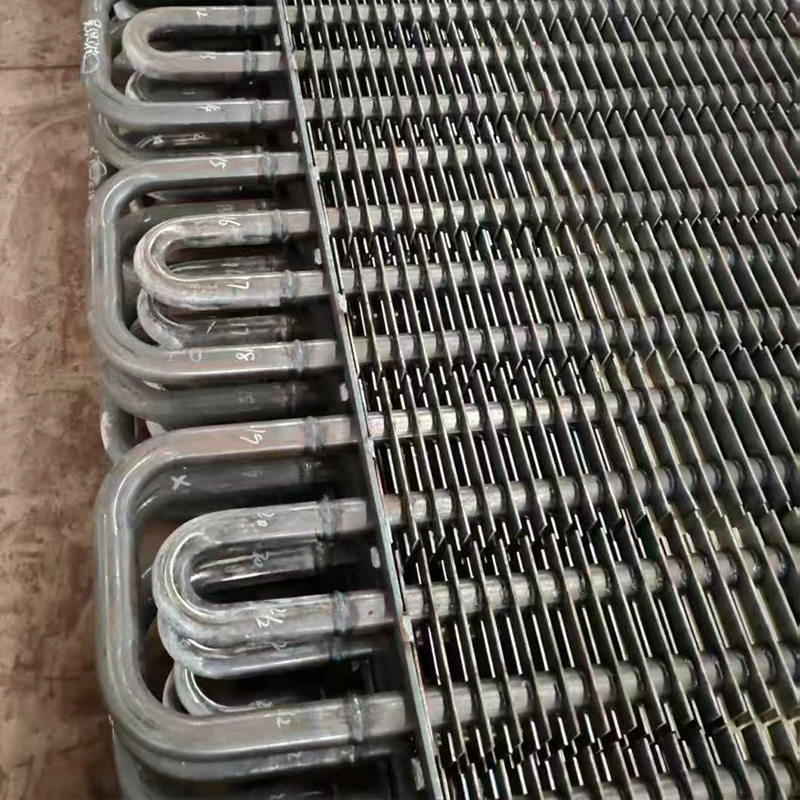
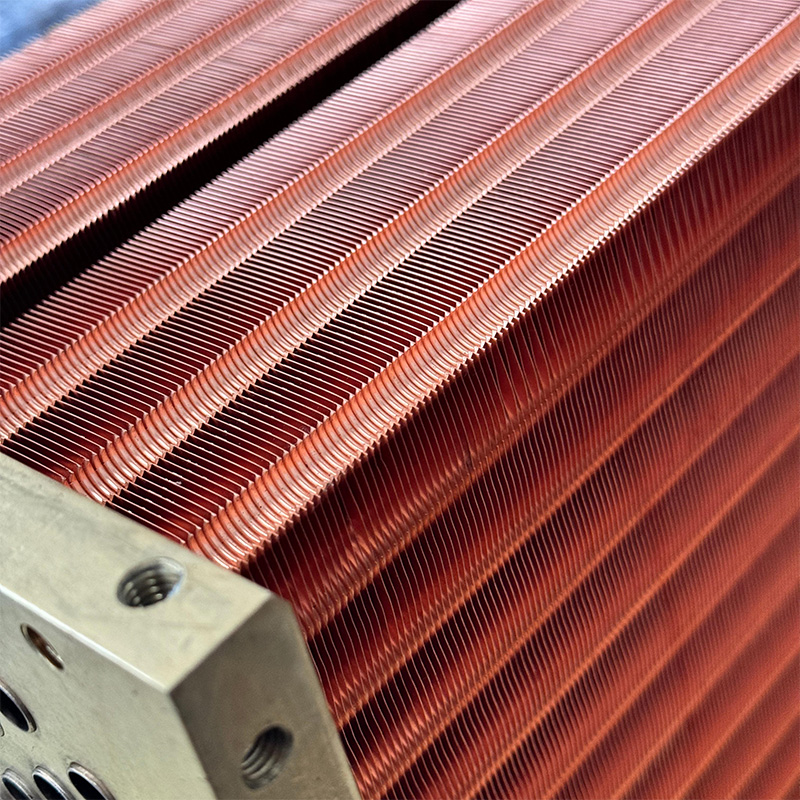
Именно в этом контексте компанияWuxi Kaisheng Electric Power and Petrochemical Equipment Co., Ltd.предлагает комплексные решения, дополняющие стратегию использования износостойких материалов. Специализируясь на разработке и производстве высокотехнологичного оборудования, компания предоставляет широкий спектр продуктов: от титановых кожухотрубных теплообменников и ASME высоконапорных аппаратов до гофрированных трубных пучков из нержавеющей стали 316, морской латуни C46400 и медно-никелевых сплавов. Продукция также включает воздушные охладители, котлы-утилизаторы и сложные трубные решетки из сплавов N06625, C70600 и других.
Подобно тому, как марганцовистая сталь трансформирует ударную нагрузку в прочность, оборудование от «Уси Кайшэн» преобразует сложные условия эксплуатации в стабильную эффективность. Все изделия производятся из углеродистой, нержавеющей, легированной стали, а также титановых, медных и никелевых сплавов, сертифицированы по строгим международным стандартам PED и ASME. Это гарантирует высокую коррозионную стойкость, теплоэффективность и способность выдерживать экстремальные давления и температуры. Будь то опреснение морской воды, судостроение или энергосберегающие проекты, компания предоставляет индивидуальные решения, обеспечивающие долгий срок службы и минимизацию простоев для заказчиков по всему миру.
Заключение: Инвестиция в надежность как основа бесперебойной работы
Подводя итог, можно утверждать, что литьё из марганцовистой стали для тяжелых условий остается безальтернативным лидером в сегменте высокоударных нагрузок. Его уникальная способность трансформировать энергию удара в твердость поверхности делает его незаменимым для современной горнодобывающей и строительной индустрии. Попытки заменить его более дешевыми или теоретически более твердыми материалами часто приводят к росту эксплуатационных расходов и рискам аварий. Ключ к успеху лежит не только в правильном выборе марки стали, но и в партнерстве с компетентным производителем, способным обеспечить стабильность химического состава и соблюдение технологий термообработки.
Мы призываем руководителей технических служб и отделов закупок пересмотреть свои подходы к оценке стоимости запчастей. Смотрите beyond the price tag (за пределы ценника). Считайте стоимость часа простоя, стоимость тонны переработанного продукта и риски вторичных поломок. Инвестиция в качественные отливки окупается многократно за счет увеличения межремонтных интервалов и стабильности производственного процесса. Если вы столкнулись с проблемой быстрого износа оборудования или частыми авариями, возможно, решение кроется именно в переходе на сертифицированное литьё из стали 110Г13Л.
Для получения детального технического расчета, консультации по подбору аналогов или оформления заказа на пробную партию отливок, свяжитесь с нашими инженерами. Мы готовы провести аудит ваших текущих узлов трения и предложить решение, которое снизит ваши операционные затраты.Contact us todayдля обсуждения вашего проекта и получения коммерческого предложения с учетом всех требований ГОСТ и международных стандартов. Не позволяйте износу управлять вашим бизнесом — возьмите контроль над надежностью оборудования в свои руки.