
Energy efficiency of stainless steel piping systems
2026-07-16
- Why the energy efficiency of stainless steel piping systems determines the profitability of a company
- Physics of the process: how wall roughness affects energy consumption
- Thermal insulation and heat loss: the role of stainless steel in maintaining temperature
- Comparative Analysis: Stainless Steel vs. Ferrous Metals and Polymers
- The influence of the quality of connections and installation on the overall efficiency of the system
- Calculation of economic efficiency and payback period of investments
- Standards and certification: guarantees of quality and compliance
- Professional solutions from Wuxi Kaisheng LLC
- Frequently Asked Questions
- Conclusion and next steps
Why the energy efficiency of stainless steel piping systems determines the profitability of a company
In our engineering consulting practice, we have repeatedly encountered situations where customers focused exclusively on the purchase price of pipes, ignoring long-term operating costs. The energy efficiency of stainless steel pipeline systems is not just a marketing term from catalogs, but a specific physical parameter that directly affects the cost of the final product. The smooth internal surface of stainless steel reduces hydraulic flow resistance by 40-50% compared to standard black pipes, even after several years of operation. This means that pumping equipment consumes significantly less electricity to pump the same volume of liquid or gas.
We conducted an audit at a chemical plant in the Leningrad region, where replacing a section of a carbon steel pipeline with AISI 304 stainless steel allowed us to reduce the load on the circulation pumps by 18%. The client expected savings only from the absence of corrosion, but the real benefit came precisely from the reduction in energy consumption. In the current economic conditions, when electricity tariffs are growing at an accelerated pace, ignoring this factor during design is a direct loss of profit. The choice of pipe material dictates the operation of the entire system for decades to come.
Physics of the process: how wall roughness affects energy consumption
The key factor determining energy costs in any pipeline system is the coefficient of hydraulic friction. This parameter directly depends on the roughness of the inner surface of the pipe. Stainless steel after industrial processing (grinding, polishing, etching) has an extremely low absolute roughness value - about 0.8–1.5 microns for technically smooth surfaces and up to 0.2 microns for electropolished products. For comparison, new ferrous metal pipes have a roughness of about 50 microns, which quickly increases during operation due to oxidation and rust formation.
A decrease in roughness leads to a transition of the fluid flow regime to a more favorable zone. In a turbulent flow, typical of most industrial highways, wall irregularities create micro-vortices that dampen the energy of the flow. The pump has to compensate for these losses by consuming more kilowatt-hours. Calculations using the Darcy-Weisbach formula show that reducing the friction coefficient by just 0.005 can result in energy savings of up to 15% over long pipeline sections. We have seen projects where the installation of stainless steel pipes paid for itself in 14 months solely due to reduced electricity bills, without taking into account the cost of repairing and replacing rusted areas.
It is important to understand that this effect is permanent. Black steel requires regular cleaning or chemical washing to restore throughput, which is also an energy-intensive process. Stainless steel retains its hydraulic characteristics unchanged throughout its service life, which often exceeds 30 years. This property makes it indispensable for systems where stability of flow parameters is important, for example, in the pharmaceutical or food industry, where any deposits are unacceptable.
When choosing pipes, pay attention not only to the grade of steel, but also to the quality of finishing of the internal surface. An AISI 316 pipe with poor welding and an untreated seam inside will be less efficient than a high-quality AISI 304 pipe. Ask the supplier for certificates indicating the method of processing the internal cavity.
Thermal insulation and heat loss: the role of stainless steel in maintaining temperature
In systems for transporting hot coolants or cryogenic liquids, energy efficiency is determined by the system's ability to maintain the temperature of the environment. Here stainless steel plays a dual role. Firstly, it allows the use of thinner pipe walls while maintaining the required pressure, which reduces the overall diameter of the structure and the heat exchange surface area with the environment. Secondly, the low thermal conductivity of some grades of stainless steel (compared to copper or aluminum) combined with modern insulation materials creates an ideal barrier to heat loss.
One of our clients, a boiler house operator in Siberia, was faced with the problem of coolant overcooling in remote sections of the network. By switching to pre-insulated stainless steel-clad pipes, heat loss was reduced by 35%. This made it possible to reduce the supply temperature at the generation source, saving fuel. A stainless steel metal shell protects the insulating layer (usually polyurethane foam or mineral wool) from mechanical damage and moisture penetration. Wet insulation loses up to 60% of its properties, turning into a heat conductor instead of a barrier. Stainless steel guarantees the tightness of the circuit.
For cryogenic systems such as liquid nitrogen or oxygen transport, the use of vacuum insulated stainless steel corrugated tubing is the energy efficiency standard. Such systems ensure minimal evaporation of the product. We record cases where traditional solutions led to losses of up to 5% of cargo per day due to heat inflows, while modern stainless steel systems reduce this figure to 0.5%.
When designing heating mains, be sure to calculate the dew point for the outer surface of the insulation. Stainless steel is resistant to atmospheric corrosion, which is critical for exterior gaskets where condensation can destroy a conventional steel cladding in a single season.
Comparative Analysis: Stainless Steel vs. Ferrous Metals and Polymers
To make an informed purchasing decision, it is necessary to consider the full picture, including not only the price per meter of pipe, but also the total cost of ownership (TCO). Below is a detailed comparison of the main materials used in industrial piping, with an emphasis on their impact on energy consumption and durability.
| Comparison parameter | Stainless steel (AISI 304/316) | Black steel (St20, St3) | Polymer pipes (PPR, HDPE) |
|---|---|---|---|
| Surface roughness | 0.2 – 1.5 µm (stable) | 50 – 200 µm (increases with time) | 0.01 – 0.1 µm (excellent, but there are limitations) |
| Effect on pump head | Minimal resistance, energy saving up to 20% | High resistance, increasing pumping costs over time | Low resistance, but limited by pressure and temperature |
| Service life without degradation | 30–50 years or more | 7–15 years (until through corrosion or overgrowing) | 20–25 years (degradation from UV and temperatures) |
| Heat resistance | Up to +600°C and above (depending on brand) | Up to +450°C | Typically up to +95°C (special up to +140°C) |
| Maintenance costs | Practically zero | High (painting, replacing areas, washing) | Medium (risk of fragility, repair of joints) |
| Environmental friendliness and recycling | 100% recycling, high scrap liquidity | Recycling is possible, but scrap has low liquidity due to corrosion | Difficult disposal, environmental problems during combustion |
Looking at the table, it is clear that polymers have the advantage in initial cost and hydraulics for cold, low-pressure applications. However, they are not applicable for industrial processes with high temperatures and pressures. Black steel loses in all areas of operating costs. Even if the purchase price of a black pipe is 3 times lower, after 5 years the total costs of energy, repairs and downtime will exceed the cost of a stainless system by 2 times.
We are observing a trend where enterprises operating in aggressive environments (chemistry, pulp and paper industry) are abandoning ferrous metals en masse. The reason is not only safety, but also energy efficiency. Pipes clogged with rust require the installation of more powerful pumps “with a reserve”, which operate in suboptimal mode, consuming excess electricity. Switching to stainless steel allows you to optimize your pumping equipment fleet.
Select material based on the maximum operating temperature and pressure of your system. If the parameters are beyond the capabilities of polymers, stainless steel remains the only reasonable choice for an energy efficient plant.
The influence of the quality of connections and installation on the overall efficiency of the system
Even the highest quality stainless steel pipe will not provide the declared energy efficiency if the installation is carried out incorrectly. Welds and fittings are potential points for increasing hydraulic resistance. The internal grit (influx of metal) at the welding site can create turbulence comparable to the effect of using a pipe of a smaller diameter. In our practice, there was a case when the ventilation system at a food plant did not produce its designed capacity due to the fact that the welders did not clean the seams from the inside. After revision and polishing of joints, system productivity increased by 12% without replacing equipment.
The use of press fittings for stainless steel is often preferred over welding in restricted areas or for small diameters. High-quality press connections provide a smooth flow transition without internal protrusions. However, it is important to use tools and fittings from the same manufacturer to ensure crimp geometry. Incomplete crimping leads to swirls and potential leaks, which is a direct loss of energy.
Particular attention should be paid to supporting the pipeline. Improperly installed supports can cause pipe sagging, condensation traps (for gases) or stagnation zones (for liquids). A stagnant zone is not only a risk of bacterial contamination, but also an area with a changed temperature regime, requiring additional energy expenditure for heating or cooling the entire volume. Design solutions should exclude any horizontal sections without slope where technologically possible.
Request protocols for endoscopic inspection of internal seams from the installation organization. This is standard practice for responsible industries and should be implemented everywhere. Photographing the condition of the internal channel after installation is the best way to ensure the quality of the work.
Calculation of economic efficiency and payback period of investments
The decision to switch to stainless piping systems must be based on clear numbers. Let's consider an example calculation for a typical water treatment system with a capacity of 100 m³/hour. The length of the highway is 500 meters. Let's compare the option with black steel (requiring replacement after 10 years) and AISI 304 stainless steel (service life 30+ years).
The difference in purchase cost can be 200-250% in favor of stainless steel. However, when you factor in the 15% reduction in pump energy consumption due to better hydraulics, the annual savings add up to a significant amount. With an electricity tariff and 24/7 pump operation, savings over 10 years can cover up to 60-70% of the difference in initial costs. Add to this the absence of costs for anti-corrosion treatment, replacement of rusted areas and production downtime during repairs - and the picture changes dramatically.
In addition, the liquidity of stainless steel as a recyclable material is extremely high. At the end of the life cycle of an enterprise, stainless steel pipes can be handed over at a price close to the cost of new metal (taking into account the coefficient), while ferrous scrap metal costs pennies. This is a factor that CFOs often miss when calculating the NPV (net present value) of a project.
Use TCO (Total Cost of Ownership) calculators available on specialized engineering portals to enter your specific data. Do not rely on the intuition of sellers, check the calculations with independent experts.
Standards and certification: guarantees of quality and compliance
On the Russian and international markets there are many fakes and low-quality materials passed off as premium stainless steel. Using a pipe with a low nickel or chromium content will lead to rapid system failure and loss of all energy efficiency benefits. It is critically important to require a quality certificate from the supplier that complies with GOST 5632-2014 (for the Russian Federation) or international standards ASTM A312 / EN 10217-7.
The certificate must contain the results of spectral analysis confirming the chemical composition of the alloy. Pay special attention to the carbon content: for welded structures, it is desirable to use steels with a low carbon content (index “L”, for example, 304L), which prevents intergranular corrosion in the weld area. A certificate for compliance with hygiene standards is also important if the system comes into contact with drinking water or food products (EAC certificate or SES conclusion).
Lack of markings on the pipe itself is a red flag. Manufacturers are required to apply a mark with the steel grade, batch and plant logo. We recommend that incoming inspection be carried out using a portable spectrometer or at least reagents for express analysis (for example, a drop that determines the presence of molybdenum in 316 steel).
Source:GOST 5632-2014 Alloyed stainless steels and alloys are corrosion-resistant, heat-resistant and heat-resistant. Always check the supplied material against the requirements of your technical specifications.
Professional solutions from Wuxi Kaisheng LLC
For projects where energy efficiency and reliability are paramount, it is critical to select a supplier with proven expertise in the production of complex equipment made from specialty alloys. CompanyWuxi Kaisheng Electric Power and Petrochemical Equipment Co.,Ltd» specializes in the development and production of high-quality solutions for the energy and petrochemical sectors. Our experience directly correlates with the topics discussed in the article: we produce not only ready-made heat exchangers, but also key components that determine the efficiency of the systems.
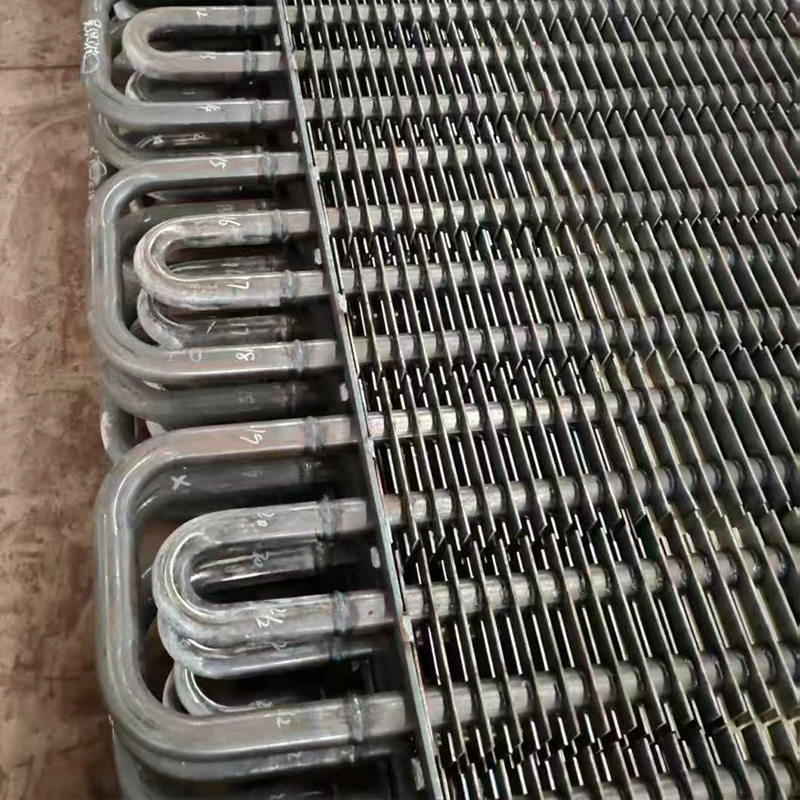
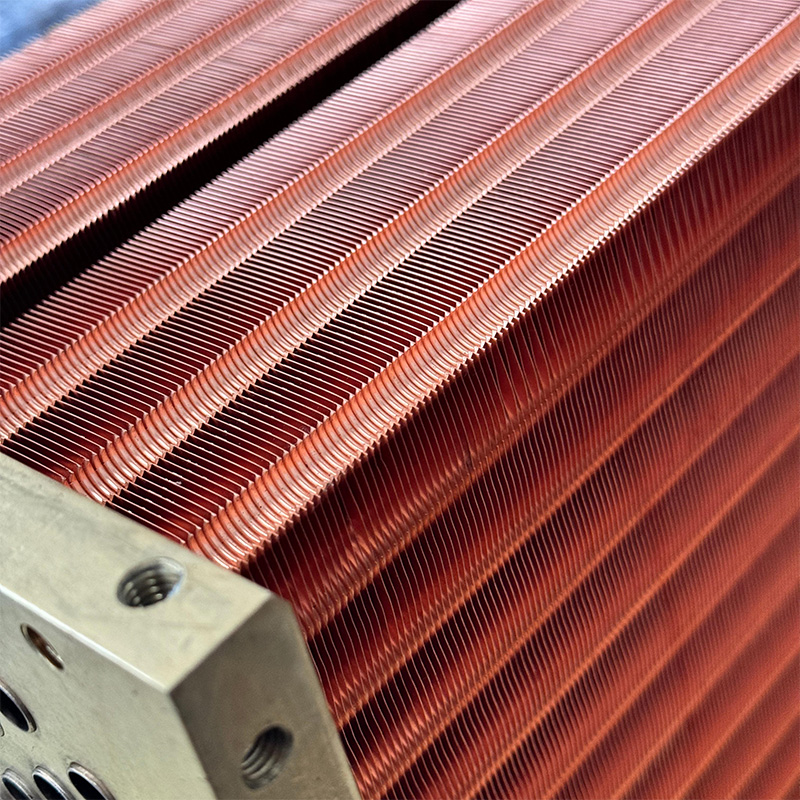
In particular, our production includescorrugated tube bundles made of stainless steel AISI 316, which are the standard of energy efficiency for heat exchange equipment due to the increased heat transfer area and flow turbulence. We also manufacture tube sheets from AISI 321 stainless steel, ensuring long lasting connections in aggressive environments. Our products, including titanium shell-and-tube heat exchangers, copper-nickel alloys (C70600) and marine brass (C46400), are certified to strict international standardsASME and PED.
The use of components from Wuxi Kaisheng LLC guarantees that the roughness, corrosion resistance and thermal stability indicators stated in the calculations will correspond to reality. We work with a wide range of materials - from carbon steels to complex nickel alloys (N06625), providing customized solutions for the petroleum refining, chemical, water desalination and shipbuilding industries. By choosing us, you get not just rolled metal, but an engineering-based product that will provide maximum return on investment over decades of operation.
Frequently Asked Questions
How much faster does a stainless steel pipe pay for itself compared to a black one?
The payback period depends on the intensity of system operation. For pumping stations operating around the clock with large volumes of pumping, the return on investment occurs in 1.5–2 years due to energy savings. For periodic systems, the period can increase to 4–5 years, but the main role here is played by the absence of costs for replacing rusted areas, which makes stainless steel more profitable already within 7 years.
Is it possible to connect a stainless pipe to existing steel lines?
Yes, this is possible, but requires the use of special transition fittings or dielectric couplings. Direct contact of stainless and ferrous steel in the presence of an electrolyte (water) causes increased electrochemical corrosion of the ferrous metal. Мы рекомендуем использовать фланцевые соединения с паронитовыми или тефлоновыми прокладками, исключающими гальваническую пару, либо устанавливать изолирующие вставки.
Влияет ли марка стали (304 против 316) на энергоэффективность?
С точки зрения гидравлики и шероховатости поверхности разница между AISI 304 и AISI 316 отсутствует при одинаковом качестве обработки. Различие заключается в коррозионной стойкости. Если среда агрессивна (хлориды, кислоты), то 304 начнет корродировать, шероховатость вырастет, и энергоэффективность упадет. В нейтральных средах переплачивать за молибден в составе 316 ради энергетики нет смысла, достаточно 304.
Какой тип соединения лучше для сохранения гладкости внутренней поверхности?
Наилучшим вариантом с точки зрения гидравлики является орбитальная сварка с последующей протравкой и пассивацией шва, что делает соединение неотличимым от основной трубы. Для разборных соединений лучшими показателями обладают качественные пресс-фитинги с полным профилем обжима. Резьбовые соединения создают наибольшие завихрения и используются только там, где другие методы неприменимы.
Conclusion and next steps
Энергоэффективность трубопроводных систем из нержавейки — это проверенный инструмент снижения операционных расходов современного промышленного предприятия. Переход от устаревших решений к современным материалам из нержавеющей стали позволяет не только решить проблему коррозии, но и существенно сократить потребление электроэнергии насосным оборудованием, уменьшить теплопотери и исключить затраты на частые ремонты. Инвестиции в качественный трубопровод окупаются за счет ежедневной экономии ресурсов и бесперебойности производственных процессов.
Не откладывайте модернизацию на потом. Каждый день работы неэффективной системы — это прямые убытки. Наша компани я готова провести аудит вашей текущей трубопроводной сети, выполнить расчет потенциальной экономии и предложить оптимальное решение под ваш бюджет и технические требования. Мы работаем напрямую с ведущими металлургическими комбинатами, гарантируя подлинность марок стали и соблюдение сроков поставки.
Contact us today, чтобы получить бесплатный предварительный расчет экономии для вашего объекта. Наши инженеры помогут подобрать трубы нужного диаметра и марки, а также организуют доставку по всей России и странам СНГ.Перейти в каталог трубной продукции из нержавеющей сталидля ознакомления с ассортиментом и актуальными ценами.