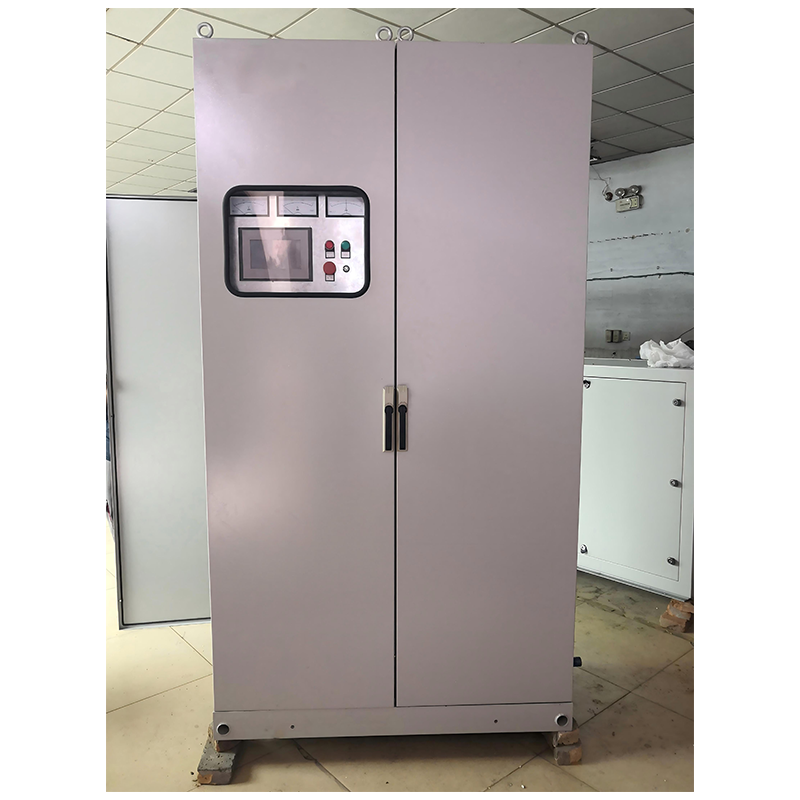

distribution cabinet 630A: technical requirements
2026-07-18
- Distribution cabinet 630A: key technical requirements for safe operation
- Thermal stability and calculation of the cross-section of current-carrying parts
- Short-circuit current resistance (Icw and Icm)
- IP protection degree and climatic version
- Interior layout and service ergonomics
- Compliance and Certification
- Frequently Asked Questions
- Conclusion and recommendations for choosing a supplier
Distribution cabinet 630A: key technical requirements for safe operation
The technical requirements for the 630A distribution cabinet determine not just a set of numbers in the product passport, but the foundation for the safety of the entire power system of your enterprise. An error in choosing the busbar cross-section or insulation class at this current level does not lead to a simple fuse replacement, but to a catastrophic arc fault with complete burnout of the equipment. In our engineering practice, we recorded a case where a client saved on the thickness of a copper busbar and the quality of contact connections when ordering a non-standard cabinet; the result was a fire after three months of operation under a load of 580A, a shutdown of the workshop for two weeks and damage that exceeded the cost of the cabinet itself by 40 times. That is why GOST standards and international IEC standards impose strict restrictions on the design of devices with a rated current of 630 Amperes.
This article is not a marketing brochure. We look at the actual engineering parameters that need to be verified before signing off on the specification. You'll learn why formal 630A rating is not enough, how ambient temperature affects actual throughput, and the hidden risks of choosing the wrong IP rating. If you are planning to purchase or upgrade input distribution devices, this data will become the basis for your technical specifications.
Thermal stability and calculation of the cross-section of current-carrying parts
The rated current of 630A is not the maximum load that the cabinet can withstand indefinitely, but a calculated value under strictly defined environmental conditions. According to GOST R 51321.1 and standards of the IEC 61439 series, the base ambient temperature is assumed to be +40°C with an average daily value not higher than +35°C. Exceeding this threshold even by 5 degrees requires reducing the permissible load current (derating) by 5-8%. Many suppliers ignore this fact, offering standard solutions for hot workshops or outdoor installations in southern regions, which inevitably leads to overheating.
The critical element here is the material and geometry of the busbars. For a current of 630A, the minimum cross-section of the copper busbar must be at least 60x6 mm or 50x8 mm, however, simply observing the cross-sectional area is not enough. The shape of the profile and the distance between the phases are important. Flat busbars mounted on an edge provide better heat dissipation than flat busbars, but require a more complex insulator design. In our projects we always use tires with tinning or silvering of contact surfaces. The oxidation of copper during cyclic heating and cooling increases the contact resistance, which creates local hot spots at the joints.
One of our clients was experiencing frequent trips on a 630A circuit breaker even though the actual load was only 550A. During a thermal imaging examination, it turned out that the cabinet manufacturer used aluminum busbars instead of copper ones, recalculating the cross-section purely mathematically without taking into account the thermal conductivity coefficient and the coefficient of linear expansion. When heated, aluminum expands more than copper, which led to weakening of bolted connections and an increase in temperature in the nodes to 95°C. This is a classic mistake that is unacceptable in critical distribution nodes.
The distance between the current-carrying parts of different phases and between the phase and the ground must ensure electrical strength during surge voltages. For a voltage of 400V, the minimum air gap is usually 10-12 mm, but in a polluted industrial atmosphere or high humidity this may not be enough. The use of insulating partitions between phases is becoming a mandatory requirement to prevent interphase short circuits due to vibrations or the ingress of foreign objects. Check the specifications for the presence of such partitions - their absence in the 630A cabinet is a direct violation of safety requirements.
Action: Request from the manufacturer a thermal calculation of the busbar system for your specific operating conditions, including the maximum temperature in the installation room.
Contact materials and connection methods
Contact connections are the weakest link in any distribution system. At currents above 400A, the forces of electrodynamic interaction between the buses become significant, especially during short circuits. Bolted connections must be made using fasteners of at least strength class 8.8, always using spring washers or disc springs to compensate for temperature deformation. The use of conventional flat washers is not permitted as they do not provide constant clamping force.
We recommend using a torque tool when assembling tire axles. The tightening torque must strictly correspond to the thread diameter and the strength class of the bolt. Under-tightening leads to sparking and heating, over-tightening leads to tire deformation and reduced contact pressure in the future. Modern high-quality 630A distribution cabinets often use bolt tension indicators or special washers that change color when the critical tightening torque is reached. This allows you to visualize the status of connections during scheduled maintenance.
Short-circuit current resistance (Icw and Icm)
Selecting a 630A distribution cabinet is impossible without analyzing the parameters of resistance to short circuit currents. Rated operating current (In = 630A) and short-circuit current (Icw/Icm) are two independent parameters. A cabinet can work perfectly at 630A in normal mode, but collapse in the first milliseconds during a short circuit if its design is not designed for the appropriate electrodynamic and thermal loads. Standard requirements for industrial low voltage networks require a short-circuit current resistance of at least 35 kA or 50 kA for 1 second.
Electrodynamic resistance is determined by the ability of a structure to withstand mechanical forces arising from the flow of short-circuit shock current (Icm). These forces are proportional to the square of the current and can reach hundreds of kilograms per linear meter of the bus. If the cabinet frame, insulator fastenings and the busbars themselves do not have a sufficient safety margin, they will be deformed or destroyed even before the automatic protective equipment is triggered. In our practice, there was a case when, during a short circuit in the adjacent compartment, the fastening of the horizontal busbars failed, which led to their overlap and complete burnout of the input cell, despite the serviceability of the circuit breaker.
Thermal resistance characterizes the ability of conductors not to melt and not lose their mechanical properties during the passage of a short-circuit current until it is turned off. It depends on the tire cross-section, material and duration of exposure. The formula for calculating the minimum cross-section S_min = I_k * sqrt(t) / k must be confirmed by type test reports. The manufacturer is required to provide a short-circuit resistance test report carried out in an accredited laboratory. The absence of such a report or a reference to “standard solutions” without specifics for your model is a red flag.
Defense coordination also plays an important role. A 630A circuit breaker must have an instantaneous tripping setting consistent with the cabinet's rating. If the time delay is too long, the cabinet may not withstand the thermal effects. Modern microprocessor-based trip units allow these parameters to be finely tuned, providing selectivity with downstream devices and protecting the cabinet itself. Make sure that the design includes testing the thermal resistance of the busbars at the actual setting of the circuit breaker tripping time.
Action: Request a test report for short-circuit current resistance specifically for the series of cabinets you plan to purchase, indicating the Icw value and time t.
Structural reinforcement elements
To ensure the declared parameters of short-circuit resistance, manufacturers use various methods of strengthening the structure. This may be an increase in the number of points for attaching busbars to insulators, the use of special spacers between phases, or the use of busbars with additional stiffeners. The cabinet frame must also be reinforced at the points where input and output devices are attached. Thin sheet steel less than 2 mm thick for the frame of a 630A power cabinet is a sign of material savings that compromise the reliability of the entire system.
IP protection degree and climatic version
The choice of enclosure degree of protection (IP) directly affects the cooling conditions of the equipment and its durability. The 630A distribution cabinet, installed in a clean electrical machine room, can have a degree of protection IP31 or IP41, which ensures natural air convection and effective heat removal. However, for installation in workshops with increased dust, humidity or outdoors, a degree of protection of at least IP54, and often IP65, is required. A fundamental contradiction arises here: high tightness prevents free air exchange, leading to heat accumulation inside the case.
When switching from IP41 to IP54, the internal temperature of the cabinet at the same load may increase by 10-15°C. This requires a mandatory recalculation of the permissible load or the introduction of forced cooling systems. Ignoring this factor is a common mistake of designers. We have seen cases where sealed cabinets with 630A equipment were installed without taking into account the thermal balance, which led to constant activation of the thermal protection of the machines in the summer. The solution to the problem lies either in reducing the load or installing air conditioners or air-to-air heat exchangers.
Climatic design in accordance with GOST 15150 determines the range of operating temperatures and resistance to environmental influences. For most regions of Russia and the CIS countries, the UHL4 version (moderate and cold climate, placement in rooms with artificially controlled climatic conditions) or U1 (for outdoor installation) is required. The sealing materials, paintwork and metal must match the selected design. Rubber seals of cheap cabinets harden in the cold and lose elasticity, violating the IP54 seal after the first winter.
Internal compartmentation (forms of separation according to IEC 61439-2) also affects safety and degree of protection. Form 4b separation, where each compartment is separated by metal partitions and has its own contact protection, is the most preferred for industrial facilities. This prevents arc propagation from one compartment to another and protects personnel when servicing one section without de-energizing the entire cabinet. For a current of 630A, such separation is critically important due to the high energy of the possible arc.
Action: Conduct an audit of the installation conditions and select an IP degree of protection with a mandatory thermal calculation, providing space for installing ventilation or air conditioning systems.
Ventilation and cooling systems
If calculations show that free cooling is not sufficient, active systems must be integrated. Simple fans with filters are suitable for rooms with relatively clean air, but require regular replacement of the filter elements. In aggressive environments, it is better to use cabinets with a closed cooling circuit (heat exchangers), where internal air circulates inside the cabinet, giving off heat to the outside air through a radiator without direct contact of flows. This maintains a high IP rating and prevents dust and moisture from getting inside.
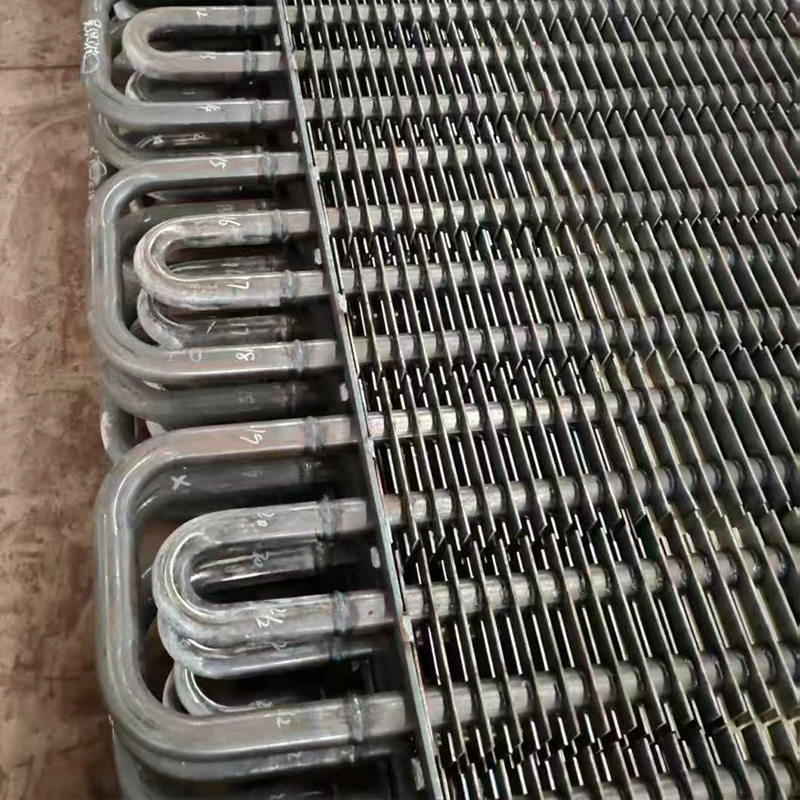
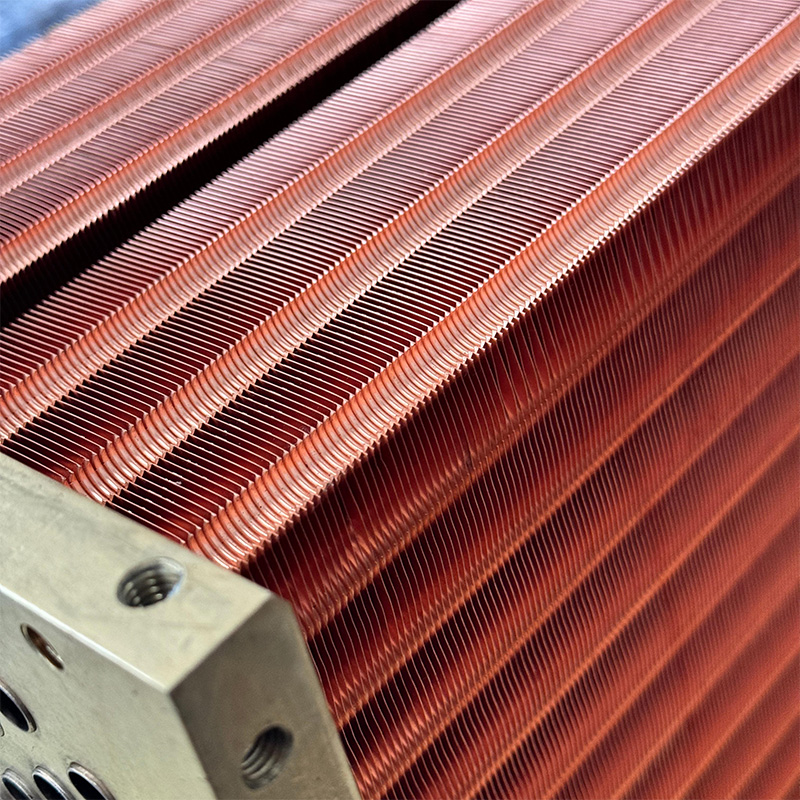
It is in creating efficient cooling systems for extreme conditions that the importance of choosing a supplier with deep experience in heat transfer technologies becomes evident. For example, a companyWuxi Kaisheng Electric Power and Petrochemical Equipment Co., Ltd., which specializes in the design and manufacture of high-efficiency heat transfer equipment, demonstrates how the right engineering approach can solve complex thermal management problems. While their core competency includes the production of titanium shell and tube heat exchangers, air coolers and recovery boilers for the oil, gas and chemical industries, their expertise in highly corrosion resistant materials (such as 316 stainless steel, C46400 marine brass, nickel based alloys) and certification to stringent international ASME and PED standards serve as the benchmark for quality. The principles that Wuxi Kaisheng applies to the creation of equipment for work under high pressure and in aggressive environments - careful calculation of heat transfer, selection of optimal materials and guarantee of reliability - are absolutely applicable to the cooling systems of 630A distribution cabinets, especially when they are operated in difficult climatic conditions or at petrochemical facilities.
Interior layout and service ergonomics
The 630A distribution cabinet is not just a box with wires, but a complex engineering structure that requires easy access for installation and maintenance. Errors in the layout lead to the fact that connecting large cross-section cables becomes impossible without dismantling adjacent elements, and servicing the circuit breaker requires a complete de-energization of the entire section. Cable connection areas must have sufficient volume to bend power cables with a cross-section of up to 240-300 mm² (or several parallel conductors of a smaller cross-section) while maintaining the minimum bending radii.
The location of the circuit breaker should provide convenient access to controls and indications without the need to use stepladders or remove additional panels. The switch drive handle must be located on the cabinet door with the ability to be locked in the “Off” position with a padlock (Lockout/Tagout function). This is a mandatory requirement of labor protection rules when carrying out repair work. The locking mechanism must be reliable and prevent accidental activation of the device by unauthorized persons.
Marking of all elements inside the cabinet must be done indelibly and correspond to a single-line diagram. Chaotic markings or its absence significantly increase the troubleshooting time and the risk of erroneous personnel actions. We recommend using laser engraving or special signs made of composite materials that are resistant to fading and oil. The color marking of the tires (yellow, green, red for phases A, B, C) must be clearly visible even with the covers closed, if this is allowed by the design.
The organization of cable routes inside the cabinet should exclude the intersection of power and secondary circuits at right angles without shielding in order to minimize electromagnetic interference. Wiring harnesses for control and signaling circuits must be carefully laid in perforated boxes and secured with clamps. Hanging wires are a sign of poor production standards and a potential source of problems due to vibration or short circuits.
Action: Check the cabinet dimensional drawings to ensure there is sufficient space to terminate and terminate your specific cables, taking into account their bend radii.
Spare parts availability and modularity
When designing, it is worth considering the possibility of future modernization or replacement of equipment. The modular design of the cabinet allows you to add new outgoing lines or replace outdated circuit breakers with more modern ones without reworking the entire housing. Ensure that the manufacturer uses standardized mounting panels and profiles to ensure that components are available on the market throughout the entire life cycle of the equipment (usually 10-15 years).
Compliance and Certification
The legality and safety of operation of the 630A distribution cabinet is confirmed by the presence of valid certificates of conformity. On the territory of the Eurasian Economic Union (EAEU), the certificate TR CU 004/2011 “On the safety of low-voltage equipment” is mandatory. The presence of this document guarantees that the product has passed type tests in an accredited laboratory and meets basic safety requirements. However, a TR CU certificate alone is often not enough for critical industrial facilities.
Дополнительным маркером качества является добровольная сертификация по ГОСТ Р или соответствие международным стандартам серии IEC 61439. Стандарт IEC 61439 пришел на смену устаревшему IEC 60439 и ужесточил требования к проверке конструкций (verification of design). Теперь производитель обязан подтвердить не только отдельные параметры, а всю совокупность характеристик: температурный режим, стойкость к КЗ, коррозионную стойкость и т.д. Сертификат, выданный авторитетным органом (например, VDE, KEMA, или ведущими российскими институтами вроде ВНИИЭМ), является весомым аргументом в пользу надежности продукта.
Важно различать сертификат на серию изделий и декларацию о соответствии, которую производитель может оформить самостоятельно на основании собственных протоколов. Для шкафов на 630А мы настоятельно рекомендуем требовать именно сертификат третьей стороны, где протоколы испытаний подписаны независимой лабораторией. Это страхует вас от ситуаций, когда заводские испытания были проведены формально или с нарушениями методики.
Также стоит обратить внимание на экологические стандарты и ограничения использования опасных веществ (RoHS), если ваше предприятие работает с международными партнерами или экспортирует продукцию. Соответствие этим нормам говорит о высоком уровне технологической культуры производителя.
Действие: Запросите копии сертификатов соответствия и протоколов типовых испытаний, проверив даты их действия и область распространения на конкретную модель шкафа.
Гарантийные обязательства и поддержка
Наличие сертификатов должно подкрепляться четкими гарантийными обязательствами. Стандартный срок гарантии на такое оборудование составляет 12-24 месяца, но ведущие производители предлагают расширенную гарантию до 5 лет при условии проведения регламентного обслуживания . Уточните условия гарантии: покрывает ли она только замену дефектных деталей или включает выезд специалиста и диагностику на месте. Также важно наличие сервисной службы и склада запасных частей в вашем регионе.
Frequently Asked Questions
Можно ли использовать шкаф распределительный 630А при температуре выше +40°C?
Да, можно, но с обязательным снижением номинального тока нагрузки. Правило гласит: на каждые 5°C превышения температуры сверх +40°C допустимый ток снижается примерно на 5-8%. Например, при температуре +50°C шкаф на 630А реально сможет безопасно пропускать только около 500-540А. Альтернативой является установка системы принудительного охлаждения (кондиционера или теплообменника), которая позволит сохранить полную нагрузку, но потребует дополнительных затрат на электроэнергию и обслуживание. Игнорирование этого правила приведет к перегреву контактов и авариям.
Какая минимальная толщина металла допустима для каркаса шкафа 630А?
Для несущего каркаса шкафа с аппаратурой на 630А минимальная толщина стального листа должна составлять 2.0 мм, а для дверей и съемных панелей — не менее 1.5 мм. Использование металла толщиной 1.0-1.2 мм допустимо только для внутренних перегородок или кожухов, не несущих механической нагрузки. Тонкий каркас не обеспечит необходимой жесткости для удержания тяжелых автоматических выключателей и шинной системы при динамических нагрузках во время короткого замыкания, что может привести к деформации корпуса и нарушению изоляционных расстояний.
Обязательно ли разделение на отсеки (Form separation) для тока 630А?
Строго говоря, стандарты не запрещают эксплуатацию неразделенных шкафов (Form 1) на такой ток, если это обосновано расчетами рисков. Однако для промышленных предприятий и объектов с высокими требованиями к бесперебойности питания разделение минимум до Form 2b или Form 3b является фактическим стандартом отрасли. Это позволяет локализовать аварию в одном отсеке, предотвратить распространение дуги и проводить обслуживание отходящих линий без снятия напряжения с вводного автомата. Экономия на перегородках здесь неоправданно повышает риски для персонала и оборудования.
Conclusion and recommendations for choosing a supplier
Шкаф распределительный 630А — это критический элемент инфраструктуры, отказ которого парализует работу целого участка или здания. Технические требования к нему выходят далеко за рамки простого соответствия номинальному току. Термическая стабильность, стойкость к коротким замыканиям, правильная степень защиты и эргономика — вот параметры, на которых нельзя экономить. Рынок предлагает множество решений: от дорогих европейских брендов до бюджетных локальных сборок. Выбор должен основываться не на цене, а на подтвержденных характеристиках и репутации производителя.
Мы рекомендуем избегать поставщиков, которые не могут предоставить протоколы типовых испытаний или предлагают “универсальные” решения без учета специфики вашего объекта. Качество сборки, применяемые материалы и компетенция инженеров-проектировщиков играют решающую роль. Помните, что стоимость владения складывается не только из цены покупки, но и из затрат на ремонты, простои и возможные штрафы за нарушение норм безопасности.
Если вы ищете надежного партнера для поставки распределительных щитов, способного обеспечить полное соответствие техническим требованиям и предоставить всю необходимую документацию, наша компания готова предложить решения, прошедшие проверку временем и эксплуатацией в самых суровых условиях. Мы специализируемся на производстве и поставке силового оборудования, гарантируя прозрачность характеристик и поддержку на всех этапах проекта.
Изучить полный каталог распределительных шкафовorcontact us todayдля получения индивидуального технического расчета и коммерческого предложения.