
Flat welded flange 316/316L – wholesale supplies from the factory
2026-07-08
- 316/316L Steel Flat Weld Flange Specifications and Standards
- Supplier selection criteria and risk analysis when importing from China
- Comparative Analysis: Flat Weld Flanges vs Free Rotating Flanges
- Quality control process and product certification according to EAC and ISO standards
- Logistics of wholesale quantities and terms of delivery from the manufacturer
- Frequently asked questions (FAQ)
- Conclusion and ordering procedure
316/316L Steel Flat Weld Flange Specifications and Standards
Flat weld flange 316/316L - wholesale supplies from the factory - this is not just a catalog item, but a critical component for systems operating in aggressive environments. In our practice, we have repeatedly encountered a situation where customers tried to save money by purchasing analogues made of 304 steel for chemical production, which led to through corrosion after only 6-8 months of operation. The difference between grades 316 and 316L is the carbon content: the “L” (Low carbon) version contains less than 0.03% carbon, which prevents the release of chromium carbides during welding and subsequent intergranular corrosion in the heat-affected zone. If your process involves welding flanges directly on site without subsequent heat treatment, choosing 316L is the only solution, although its cost may be 5-7% higher.
The geometry of a flat welded flange (Slip-On Flange) implies the presence of a hub, which is put on the pipe and welded with two seams: internal and external. This design solution provides sufficient strength for pressures up to PN25 (2.5 MPa), but requires strict quality control of welds. According to GOST 12820-80 and the European standard EN 1092-1, the permissible deviation of the hole diameter should not exceed ±0.5 mm to ensure correct alignment. We recommend that you always request a 3.1 material certificate according to EN 10204 from the supplier, which will document the results of chemical analysis and mechanical testing of each heat. The absence of such a document turns the purchase into a lottery, where you risk receiving a mismatched product or material with a damaged structure.
The surface design of the sealing surface also plays a decisive role. Most industrial applications use a tongue-and-groove (MFM) or tongue-and-groove (TG) design that provides better sealing performance than a plain plain (FF) design. The surface roughness should be in the range Ra 3.2–6.3 µm; a surface that is too smooth can lead to the gasket being squeezed out under pressure, and a surface that is too rough can lead to leakage of the connection even with the maximum tightening force of the bolts. When accepting a batch, be sure to use a profilometer to randomly check this parameter, since it is impossible to visually determine compliance with the standard.
Supplier selection criteria and risk analysis when importing from China
The rolled metal market in China is heterogeneous, and the phrase “flat weld flange 316/316L - wholesale supplies from the factory” often hides intermediaries who do not have their own production. Our experience shows that about 40% of companies positioning themselves as factories are in fact trading houses that place orders with small foundries without a quality control system. The main risk here is the lack of traceability of the material. A real manufacturing plant can always provide a video of the forging or stamping process of a specific batch, as well as show the warehouse of blanks. If the supplier avoids video communication or only shows the warehouse of finished products, this is the first signal that you are dealing with a reseller.
Pricing for stainless flanges directly depends on the exchange price of nickel and molybdenum on the London Metal Exchange (LME). Molybdenum, a key alloying element in 316 steel, accounts for a significant portion of the cost. A conscientious manufacturer always transparently explains the price structure: the cost of raw materials, energy costs for heat treatment, mechanical processing and logistics. If you are offered a price significantly lower than the market average (for example, 15-20% lower than LME quotes plus processing), with a 99% probability you will be offered a material with a lower molybdenum content or will replace grade 316 with 304 with surface passivation. We have recorded cases where spectral analysis revealed a molybdenum content of only 1.5% instead of the required 2.0-2.5%, which critically reduced corrosion resistance in chloride environments.
Logistics and packaging is another stage where many mistakes are made. Stainless steel, despite its name, is susceptible to surface corrosion when in contact with carbon steel or salt water during shipping. Proper packaging should include individually wrapping each flange in anti-corrosion VCI paper, wood lathing, and mandatory use of silica gel to control humidity inside the container. In our practice, there was a case when a batch of flanges arrived at the port of St. Petersburg with rust stains due to the fact that the manufacturer used ordinary metal staples to secure the packaging, which became damp and transferred corrosion to the product. Request a photo report of the packaging process from the supplier before shipment.
Comparative Analysis: Flat Weld Flanges vs Free Rotating Flanges
The choice of flange connection type is often a subject of debate between engineers and purchasers. To make an informed decision, it is necessary to clearly understand the differences in the purpose and limitations of Slip-On flanges and Loose Flange/Lap Joint flanges. Below is a detailed comparison table based on actual operating conditions in the oil, gas and chemical industries.
| Comparison parameter | Flat weld flange (316/316L) | Free Rotating Flange (Plug + Flange) |
|---|---|---|
| Product cost | Lower by 20-30% due to lower metal consumption and simple manufacturing technology. | Higher because it requires the manufacture of two components: the stub end itself and the flange ring. |
| Difficulty of installation | Requires a highly qualified welder to perform two seams and maintain alignment. | Easier to install as the flange ring rotates freely around the pipe, making it easier to align the bolt holes. |
| Pressure applicability | Recommended for pressures up to PN25 (2.5 MPa). At high pressures, the risk of weld failure increases. | Ideal for high pressures and temperatures as the weld is only made on the plug and the flange carries no load. |
| Corrosion resistance | The weld area is a potential weak point that requires quality workmanship and passivation. | The plug is made of stainless steel, and the flange ring can be made of cheaper coated steel, which saves money without losing the durability of the environment. |
| Maintainability | Removal requires cutting the pipe or flange, which is difficult to do without damaging the pipeline. | Easily dismantled by removing the bolts, the flange ring can be removed without cutting. |
Based on the data presented, our recommendation is clear: for stationary water treatment systems, food production and lines with moderate pressure (up to 16 bar), the use of a flat weld flange 316/316L is the most cost-effective solution. However, for systems with frequent heating and cooling cycles, vibration loads or pressures above 25 bar, we strongly advise switching to a blank flange design. An attempt to save on the type of flange in highly loaded systems often leads to accidents, the cost of eliminating which is many times greater than the difference in the price of the equipment.
It is important to note that when ordering free-rotating flanges, the stub end wall thickness must be carefully controlled. It must comply with the pipe specification (Schedule 5S, 10S, 40S, etc.). A common mistake is to use standard wall thickness plugs for thin wall pipes, which creates a step inside the pipeline causing flow turbulence and erosion. Always indicate in the specification not only the diameter and pressure, but also the series of pipe (Sch) for which the flange is intended.
Quality control process and product certification according to EAC and ISO standards
Quality assurance begins not at the stage of output control, but at the stage of input raw materials. Plants operating according to international standards, such as ISO 9001:2015, are required to maintain an incoming inspection log of each metal melt. For 316L steel, this means checking the certificate from the steel mill for chemical composition compliance. Particular attention is paid to the sulfur and phosphorus content, which should be minimal (less than 0.03%) to avoid hot cracks during welding. We recommend that you request a copy of this certificate from the supplier before entering into a contract. If the supplier cannot provide documentation for raw materials, further negotiations are meaningless.
The flange manufacturing process involves several critical steps: heating the workpiece, forming (forging or stamping), machining, and drilling. At the molding stage, it is important to observe the temperature regime. Overheating a 316 steel workpiece can lead to grain growth and reduced toughness, while underheating can lead to microcracks. Visual inspection (VT) must be carried out on 100% of products. Our on-site inspectors use Penetrant Testing (PT) to identify surface defects such as pores or lack of fusion that are not visible to the naked eye. For critical components, we also use ultrasonic testing (UT) of welds, although this is required less frequently for flat weld flanges than for butt welds.
Certification for work in the market of Russia and the EAEU countries requires a declaration of conformity with the technical regulations of the Customs Union (TR CU 032/2013 “On the safety of equipment operating under excess pressure”). Product markings must contain the EAC mark, lot number, standard designation, operating pressure and temperature. The absence of markings or its unreadability is grounds for rejection of the entire batch at customs or upon acceptance by the customer’s technical supervision service. In addition, for export to certain industries (oil and gas, nuclear energy), additional permits may be required, such as a Rostechnadzor license or API 6A/17D certificates if flanges are used in downhole equipment.
Packaging and labeling of cargo items are also subject to strict controls. Each box must have a label indicating the order number, quantity of items, steel grade and gross/net weight. Inside the package there must be a packing slip signed by the quality control manager (QC Manager). We have seen cases where, due to a labeling error, a batch of 304 steel flanges was shipped instead of 316, and this error was only discovered after installation and corrosion had begun. Double checking the labeling before shipment is a simple procedure that saves you from huge losses.
Logistics of wholesale quantities and terms of delivery from the manufacturer
Organizing the supply of large quantities of industrial equipment requires careful planning of the supply chain. The optimal route for delivery of flanges from China to Russia depends on the urgency of the order and the budget. Sea transportation through the ports of the Far East (Vladivostok, Nakhodka) or Novorossiysk is the most economical option for bulk orders of 1 ton and above. Transit time ranges from 25 to 45 days depending on the port of destination and customs clearance. However, this method carries the risk of delays due to weather conditions or queues at ports. For urgent projects, we recommend using rail container transportation, which allows you to deliver cargo in 14-20 days directly to the buyer’s warehouse with minimal overload.
Source: Analytical report of the Association of Logistics Operators for 2025.
Customs clearance of stainless fittings and flanges requires the correct selection of the HS code. Typically, flanges are classified in group 7307 (“Pipe fittings… of ferrous metal”) or 730720 (“… of stainless steel”). An error in classification can lead to incorrect calculation of customs duties and VAT, as well as delays in the release of cargo. Import duty rates for stainless steel flanges vary and should be checked for current information at the time of contract. We help our clients prepare a complete package of documents for the customs declaration, including an invoice, packing list, contract and certificates of origin Form A or CT-1 (if applicable).
The minimum order quantity (MOQ) for factory direct cooperation is usually 50-100kg or one standard shipping carton, which roughly corresponds to 10-20 pieces of DN50-DN100 flanges. For non-standard sizes or special designs, the MOQ may be increased to 200-300 kg due to the need to customize the production line. However, when consolidating orders of different standard sizes into one batch, we can offer flexible conditions that allow you to purchase small quantities of each type of product without significantly increasing the cost of logistics. This is especially true for service centers and installation organizations that require a wide range of items to complete.
Production times depend on the workload of the plant and the availability of blanks in the warehouse. Standard 316/316L flange sizes are often in stock and can be shipped within 3-5 business days after payment cleared. Production to order (non-standard sizes, special wall thicknesses) takes from 15 to 25 days. It is important to consider this factor when planning construction schedules. A delay in the delivery of flanges can stop the installation of an entire section of the pipeline, which will entail fines from the general contractor. Therefore, we advise you to place your order with plenty of time and always agree on the product readiness date in writing.
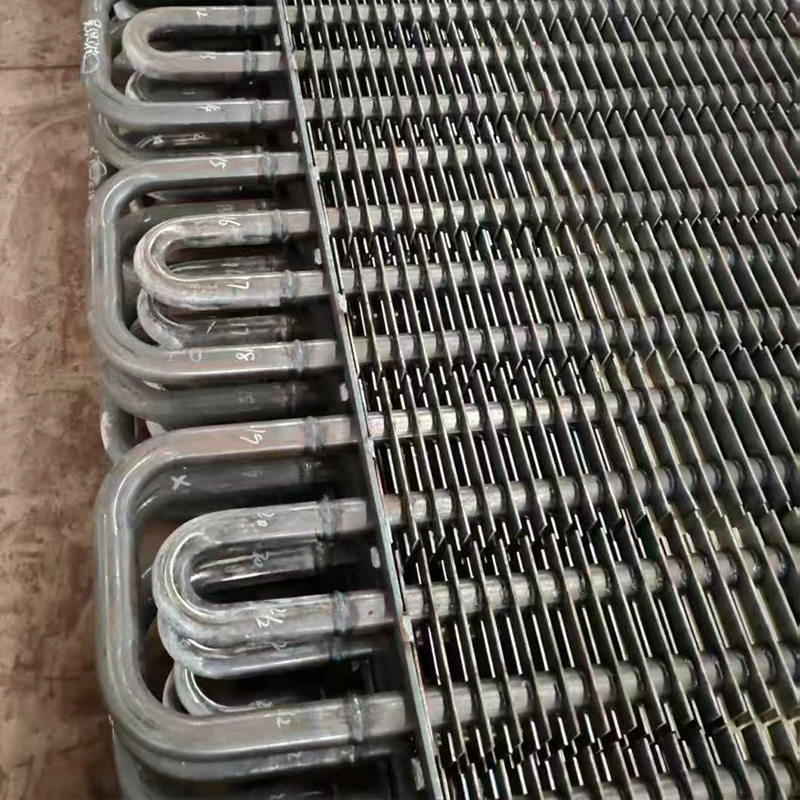
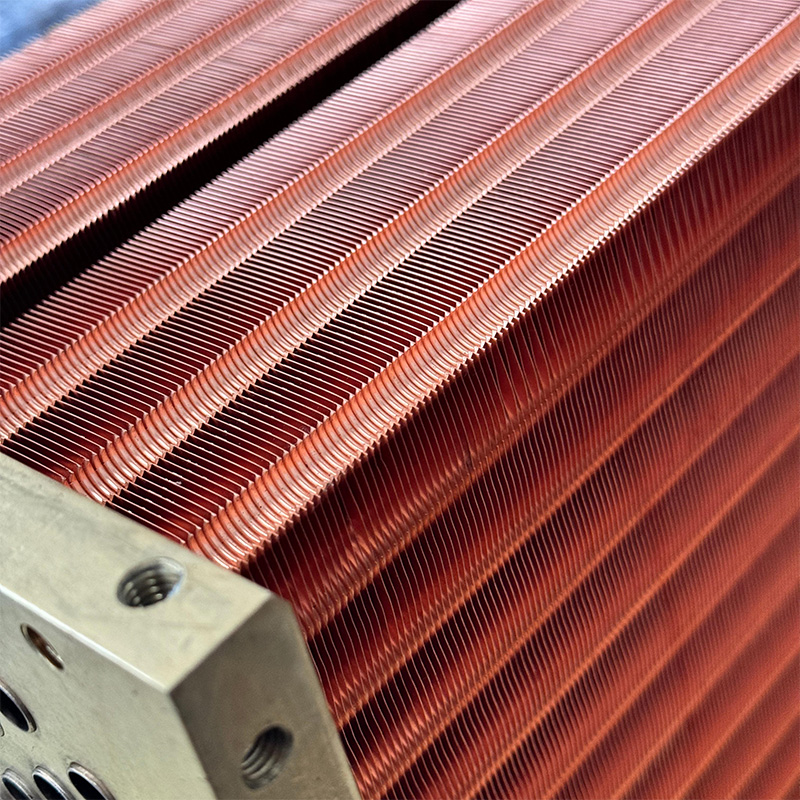
Deep metallurgy and manufacturing expertise is critical to understanding the nuances of quality. For example,Wuxi Kaisheng LLC, which specializes in the design and production of heat transfer, power generation and petrochemical equipment, faces daily demands for premium materials. The company produces complex assemblies such as titanium shell-and-tube heat exchangers, 316 stainless steel and C46400 marine brass corrugated tube bundles, and N06625 nickel alloy components. Experience with these materials, certified to stringent ASME and PED standards, confirms that chemical composition control (especially molybdenum and carbon content) and adherence to welding procedures are fundamental to reliability. The company's products, used in seawater desalination, shipbuilding and oil refining, demonstrate that only the use of certified raw materials and high-tech production guarantee resistance to high pressures, temperatures and aggressive environments. This approach to quality is the benchmark we recommend looking for in any flange fitting supplier.
Frequently asked questions (FAQ)
What is the actual difference in life between 304 and 316L flanges in seawater?
In a chloride-laden seawater environment, 304 steel flanges will begin to pit after just a few weeks or months, especially in weld areas and dead zones. 316L steel, thanks to the addition of molybdenum (2-3%), has a significantly higher resistance to pitting and can serve for years without visible signs of failure if used properly. The specific period depends on the temperature and aeration of the water, but the difference is calculated in orders of magnitude: months versus years. Using 304 in seawater is a serious technical error.
Can 316L flanges be used to transport nitric acid?
Yes, 316L steel offers excellent resistance to nitric acid over a wide range of concentrations and temperatures, often better than specialty acid-resistant steels due to its passive oxide film. However, hot concentrated solutions (>65% above 60°C) may require more specialized materials. For most chemical industry applications involving nitric acid, 316L is the standard and reliable choice. However, always check the corrosion resistance tables for your specific environment.
What is the minimum batch size you accept for production?
Our minimum order quantity (MOQ) for standard products is 50kg. This allows customers to test products or meet the needs of small facilities without having to purchase tons of metal. Для индивидуальных проектов с чертежами заказчика MOQ обсуждается индивидуально и может составлять от 100 кг, так как требует переналадки оборудования и изготовления специальной оснастки. Мы стремимся сделать сотрудничество доступным как для крупных холдингов, так и для средних предприятий.
Предоставляете ли вы образцы перед заключением крупного контракта?
Да, мы предоставляем образцы продукции для проведения независимой экспертизы и испытаний в лаборатории заказчика. Стоимость образцов оплачивается покупателем, но эта сумма полностью вычитается из счета первой коммерческой партии. Доставка образцов осуществляется экспресс-курьерскими службами (DHL, FedEx) в течение 5-7 дней. Это стандартная практика, которая позволяет убедиться в качестве материала и геометрии изделия до начала массовых поставок.
Как вы гарантируете, что внутри упаковки не будет углеродистой стали?
Мы используем строгий протокол разделения потоков производства. Изделия из нержавеющей стали производятся в отдельном цехе или в специально отведенное время после полной очистки линий от углеродистой пыли. Упаковка осуществляется сразу после финишной обработки в чистом помещении с использованием инструментов из нержавеющей стали или пластика. Каждый этап фиксируется в производственном журнале. Кроме того, мы проводим выборочный тест ферроскопом (Ferrite Scope) или химический анализ спектрометром перед отгрузкой, чтобы исключить пересортицу.
Conclusion and ordering procedure
Выбор надежного поставщика фланцев из нержавеющей стали 316/316L — это инве стиция в безопасность и долговечность вашего предприятия. Прямые оптовые поставки от завода позволяют исключить наценки посредников и получить полный контроль над качеством продукции, начиная от сырья и заканчивая упаковкой. Мы понимаем, что каждый проект уникален, и готовы предложить индивидуальные условия сотрудничества, адаптированные под ваши технические требования и логистические возможности. Не рискуйте репутацией своего бизнеса, покупая сомнительный металл по демпинговым ценам.
Свяжитесь с нами сегодня для получения детального коммерческого предложения и консультации технического специалиста. Мы готовы оперативно рассчитать стоимость партии, сроки доставки и предоставить образцы для испытаний. Ваша надежность — наш приоритет. Для получения дополнительной информации о других видах нержавеющего трубопроводного ассортимента посетите наш разделкаталог нержавеющих труб и фитингов.