
Waste gas heat recovery: prices and trends for 2026
2026-04-22
- Economics of waste gas heat recovery: prices and trends for 2026
- Technological solutions: from classics to innovations
- Comparative analysis of technologies and economic efficiency
- Expert opinion: “Anti-trend” and optimization pitfalls
- Step-by-step algorithm for implementing a recycling system
- Selecting a supplier: reliability criteria in 2026
- Development prospects and forecasts until 2030
- Frequently asked questions (FAQ)
Flue gas heat recoveryin 2026, it transformed from an environmental necessity into a key tool for the financial optimization of industrial enterprises. This is the process of recovering thermal energy from smoke streams to generate steam, hot water or electricity, reducing primary fuel consumption by 15–30%. In the context of rising energy tariffs and tightening environmental standards, the implementation of such systems pays off in an average of 2–4 years, becoming the standard for competitive production.
Economics of waste gas heat recovery: prices and trends for 2026
The heat recovery equipment market is experiencing a structural shift. If five years ago the main driver was government subsidies and fines for emissions, then in 2026 the main motivator was the clean economy. The cost of natural gas and fuel oil has reached historical highs, making every lost gigajoule of energy a direct loss for the business.
Modern systemsnew generation industrial heat exchangersdemonstrate efficiency up to 92%, which was previously considered a theoretical limit. The key trend of the year was the integration of recycling systems with digital predictive analytics platforms, which make it possible to adapt the operation of equipment to the changing composition of waste gases in real time.
Pricing for services and equipment has shifted towards integrated turnkey solutions. Businesses are increasingly less likely to purchase individual heat exchangers, preferring life cycle contracts (LCCs) where the supplier guarantees a specific amount of energy savings. This reduces the investor's risks and shifts maintenance to subject matter experts.
Factors shaping the cost of implementation in 2026
The price of a recovery system no longer depends linearly only on the area of the heat exchange surface. The final estimate is influenced by complex variables that are often missed during the initial estimate:
- Aggressiveness of the environment:The presence of sulfur, chlorine or acidic condensates requires the use of expensive alloys (titanium, duplex steel) or polymer composites, which can double the cost of the device compared to standard carbon steel.
- Temperature gradient:The lower the dew point temperature that must be achieved without acid condensation, the more complex and expensive the design.
- Hydraulic resistance:The introduction of a heat exchanger should not critically affect the draft of the main furnace. The need to install additional high-pressure smoke exhausters significantly increases capital costs (CAPEX) and operating costs (OPEX) for electricity.
- Modularity and scalability:Systems that allow you to increase capacity without stopping production cost 20% more than monoblock solutions, but provide better business flexibility.
Technological solutions: from classics to innovations
The choice of waste gas heat recovery technology is dictated by the flow parameters: temperature, volume, dust content and chemical composition. In 2026, the market was clearly segmented into three main areas, each of which has its own niche of application.
Gas-air and gas-water heat exchangers
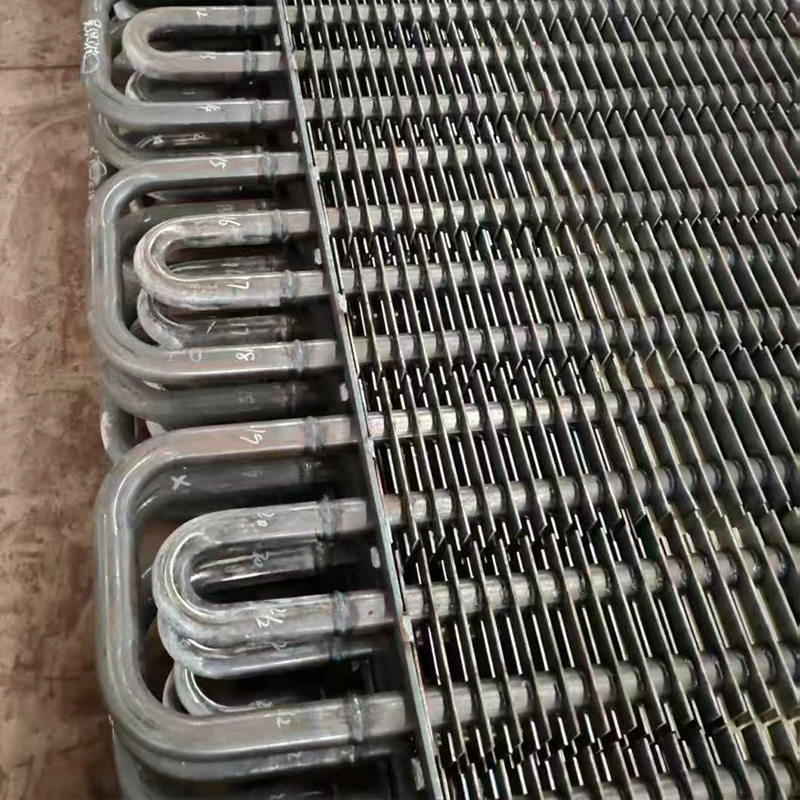
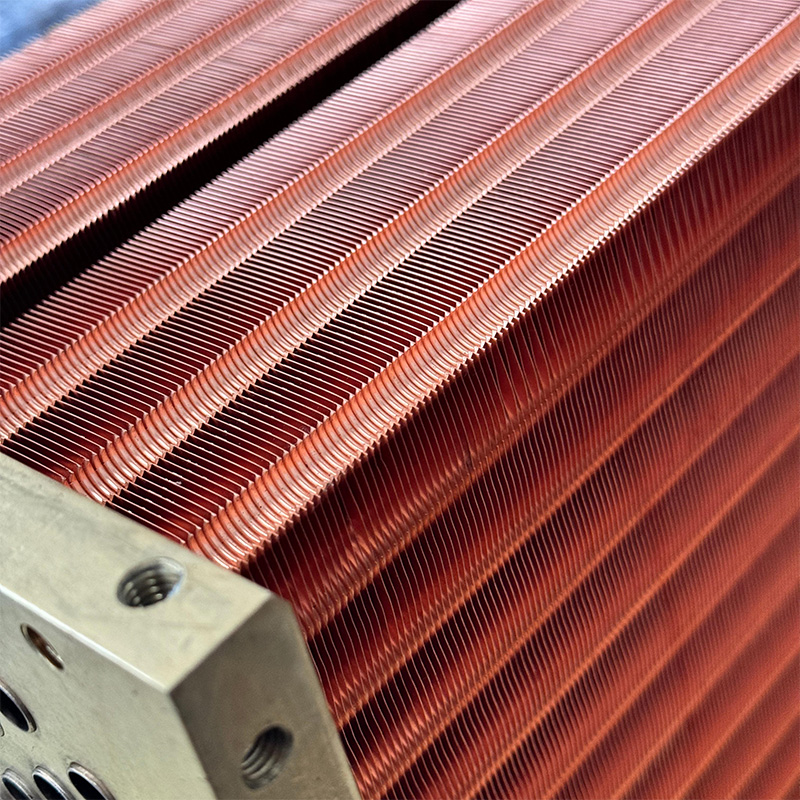
The most common class of equipment. The operating principle is based on the transfer of heat from hot gases to the heated agent (air for burners or water for heating systems/technical processes) through a solid wall.
Benefits:
- Simplicity of design and high reliability.
- No moving parts in high temperature areas.
- Ability to work at high pressures.
Limitations:Risk of low temperature corrosion when gases are cooled below the acid dew point. Modern models solve this problem by using enameled pipes or heat pipes, which isolate the condensation zone from the main body.
Waste heat boilers (HRB)
They are used where the temperature of the exhaust gases exceeds 600–800°C (metallurgy, glass melting, cement production). They generate saturated or superheated steam, which can be used both for process needs and to drive turbines.
The trend for 2026 is the transition to direct-flow designs with forced circulation, which makes it possible to reduce the dimensions of equipment by 30% compared to natural circulation drum boilers. This is critical for modernizing existing workshops with limited space.
Organic Rankine Cycle (ORC)
For low-grade heat (gas temperatures 200–400°C), which was previously simply released into the atmosphere, ORC units have become the standard. They use organic working fluids with low boiling points to spin a turbine and generate electricity.
This direction shows the highest growth in investment. Modern ORC modules achieve waste heat recovery efficiency of 18–22%, making them cost-effective even at low flow volumes.
Comparative analysis of technologies and economic efficiency
To make an informed decision, it is necessary to compare different disposal methods. Below is a table showing the average efficiency and cost for various types of equipment in the 2026 market.
| Equipment type | Inlet temperature range (°C) | Efficiency (%) | Payback period (years) | Main Application |
|---|---|---|---|---|
| Plate recuperator | 200 – 500 | 65 – 75 | 1.5 – 2.5 | Drying chambers, painting lines |
| Tubular heat exchanger (enamel) | 300 – 800 | 75 – 85 | 2.0 – 3.5 | Chemical industry, thermal power plant |
| Waste heat boiler (steam) | > 600 | 80 – 90 | 3.0 – 5.0 | Metallurgy, glass, cement |
| ORC installation (electricity generation) | 250 – 450 | 15 – 22 (electrical efficiency) | 4.0 – 6.0 | Oil and gas, biomass, geothermal energy |
| Heat Pipe | 150 – 600 | 70 – 80 | 2.0 – 3.0 | Ventilation systems, light industrial |
(Note: The above data is a simulation based on industry reports and 2026 market averages. Actual performance may vary based on specific operating conditions, fuel quality and plant operating conditions.)
Hidden costs and risks of operation
When planning a budget, many companies focus only on the purchase price, ignoring hidden factors that can offset savings. Experienced engineers identify the following critical points:
- Surface contamination:Soot and dust reduce heat transfer exponentially. A system without effective automatic cleaning (nozzle blowing or vibration cleaning) loses up to 40% of its efficiency in the first year of operation.
- Aerodynamic drag:An incorrect calculation can lead to the fact that the main furnace begins to “suffocate”, requiring an increase in the power of the smoke exhausters. Electricity costs for new smoke exhausters can eat up to 20% of the benefits received from disposal.
- Dew point corrosion:The most common cause of premature failure. If the temperature of the heat exchanger wall drops below the condensation temperature of acid vapors (sulfuric, nitrogen), the service life of the metal is reduced from 15 years to 6–12 months.
Expert opinion: “Anti-trend” and optimization pitfalls
There is a common misconception that is still relevant in 2026:“The lower we cool the flue gases, the more energy we save.”. This is a dangerous oversimplification that can lead to catastrophic consequences for the equipment.
The reality is:An attempt to cool gases below a certain critical point (the dew point of aggressive components) without the use of ultra-expensive materials or special bypass circuits leads to severe acid corrosion. Repairing or replacing a rotten heat exchanger will cost 3–4 times more than all the energy saved over the years of operation.
Golden Rule 2026:The optimum flue gas temperature should be 15–20°C above the acid dew point when using standard steels, or require a reasonable economic calculation when using corrosion-resistant alloys. Sometimes it is more profitable to leave 5-7% of the heat in the pipe than to risk the integrity of the entire smoke tract.
Another “anti-trend” is universalization. An attempt to use one type of heat exchanger for different furnace operating modes (start-up, nominal, afterburner) without a control system leads to water hammer and thermal stress. Modern designs necessarily include buffer tanks and variable frequency drives for pumps and fans.
Step-by-step algorithm for implementing a recycling system
For successful project implementationwaste heat recoveryIt is recommended to follow a proven methodology that minimizes technical and financial risks.
Stage 1: Energy audit and data collection
It is impossible to select equipment without accurate input data. It is necessary to take measurements in various operating modes of the unit:
- Flue gas flow (Nm³/h).
- Temperature profile (min/max/average).
- Chemical composition of gases (O2, CO, SOx, NOx content, humidity, dust content).
- Work schedule of the enterprise (continuous cycle, shift, seasonal).
Stage 2: Feasibility Study (TES)
At this stage, several scenarios are simulated. Not only the potential savings are calculated, but also the impact on the underlying technology. It is important to evaluate:
- Possibility of using the generated energy (is there a steam/heat consumer nearby?).
- Cost of connecting to internal enterprise networks.
- Installation logistics (dimensions of openings, availability of crane equipment).
Stage 3: Design and selection of materials
A key stage that determines durability. Engineers choose the type of heat exchange surface, pipe material (steel 20, 09G2S, stainless steel, enameled pipes) and cleaning system. Calculation of aerodynamic drag is required.
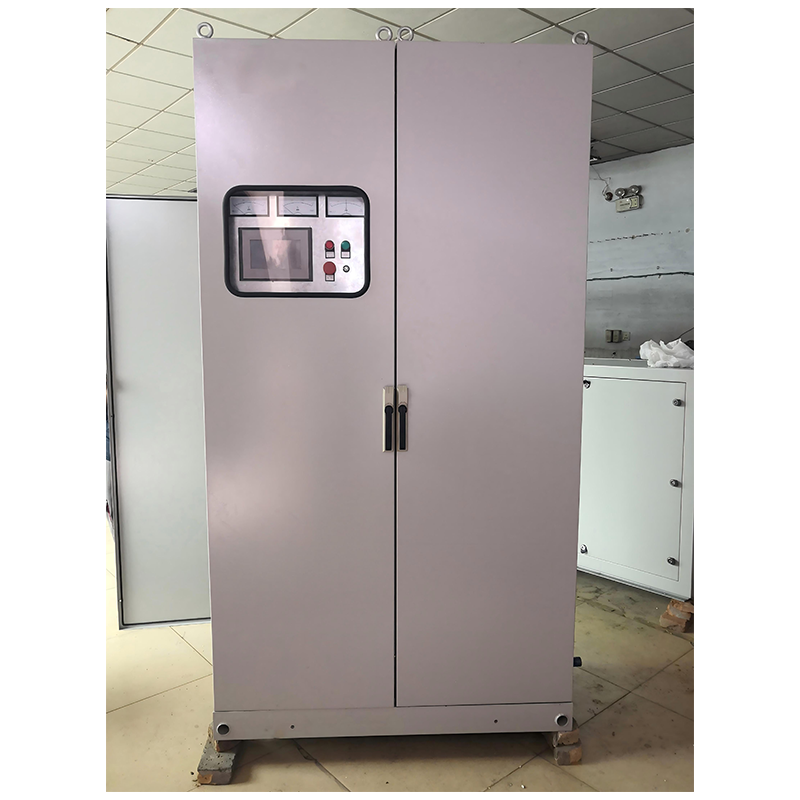
It is at the stage of selecting materials that the manufacturer’s competence manifests itself. For example, specialistsWuxi Kaisheng Electric Power and Petrochemical Equipment Co., Ltd.emphasize that for the aggressive environments typical of the oil refining and chemical industries, the use of specialized alloys is critical. The company offers a wide range of solutions, from titanium shell-and-tube heat exchangers and C46400 marine brass units to high-tech products made from N06625 nickel alloys and 316 stainless steel. Their products, certified to stringent international ASME and PED standards, provide the necessary corrosion resistance and high pressure resistance, which directly affects the life of the recovery system in extreme conditions.
Stage 4: Fabrication and installation
Production is carried out in the factory using the maximum possible units to reduce installation time on site. Installation is often carried out during planned production shutdowns (repair windows).
Stage 5: Commissioning and automation
The system is integrated into the overall industrial control system of the enterprise. Algorithms for protection against overheating, freezing and overpressure are configured. Load tests are carried out to record real performance indicators.
Selecting a supplier: reliability criteria in 2026
The market is filled with offers, but not all contractors are competent for complex projects. When choosing a partner, pay attention to the following quality markers:
1. Availability of our own test benches and production base.A manufacturer that tests prototypes or assemblies for aerodynamics and heat transfer is more credible than an office reseller company. Companies like Wuxi Kaisheng LLC, specializing in the development and production of complex heat exchange equipment for the energy and petrochemical industries, are able to provide not only serial products, but also high-quality individual solutions for the specific tasks of the customer.
2. Reference list in your industry.Experience with similar gas compositions is critical. Utilization of gases from waste incineration and from aluminum smelting are fundamentally different tasks in terms of corrosion resistance.
3. Service support and warranty.Check the terms of the warranty. Does it only cover pipe tightness or also heat transfer efficiency? Does the supplier have a spare parts warehouse and mobile teams?
4. Ready for customization.Standard solutions are good for standard tasks, but industry is unique. The supplier should be willing to modify the design to suit your space limitations or specific cleaning requirements, using rare materials such as C70600 cupro-nickel alloys or 321 steel tube sheets if necessary.
Development prospects and forecasts until 2030
The industry development vector is obvious: further miniaturization, increased intelligence and deep integration with renewable energy sources.
Mass adoption expectedadditive technologies (3D printing)to create heat exchangers with complex internal geometry, ensuring flow turbulization and increasing the heat exchange area by 40% without increasing dimensions.
There is also growing interest in hybrid systems that combine heat recovery with carbon capture systems (CCUS). Cooling the gases is a necessary first step for efficient CO2 capture, which opens up new monetization opportunities through carbon credits.
By 2030, the share of electrified recycling systems (based on ORCs and thermoelectric generators) will double, as the cost of electricity will continue to outpace the rise in prices for thermal energy in a number of regions.
Frequently asked questions (FAQ)
What is the minimum investment required to start a recycling project?
For small businesses, there are compact modular solutions costing from 15,000 – 20,000 euros, which pay for themselves in 2 years. However, for an industrial scale, the budget usually starts from 100,000 euros and depends on the complexity of the project.
Is it possible to install a recycling system without stopping the main production?
It is usually impossible to completely avoid a stop, since a cut into the chimney is required. However, modern technologies make it possible to prepare all components in advance and reduce installation time to 3–5 days, which can be combined with scheduled maintenance of the furnace.
How does dust content of gases affect the choice of equipment?
High dust content requires the use of heat exchangers with increased pitch between pipes or plates, as well as the mandatory installation of pulse blowing systems. Otherwise, the channels will quickly become clogged, resistance will increase, and the system will stop working.
Is there government support for such projects in 2026?
Many jurisdictions have energy efficiency programs that offer credit incentives, tax credits for equipment purchases, or accelerated depreciation. It is recommended that local industrial policy authorities be consulted before starting a project.
What to do if the need for heat decreases in summer?
This is a classic problem. The solution is to install bypass lines to discharge excess heat, use heat accumulators (large-volume boilers) or redirect part of the energy to other processes (for example, heating water for chemical water treatment or heating administrative buildings, if there is a centralized network).
💡 Key Takeaway for Leaders
“The utilization of waste gas heat in 2026 is not an environmental expense item, but an investment project with a return higher than a bank deposit. The main mistake is to chase maximum heat removal, ignoring corrosion. Optimality is more important than maximalism.”