
Heat recovery GPU 2026: prices, technologies and projects
2026-04-22
- What is GPU heat recovery and why is it relevant in 2026
- Recycling technologies: from simple heat exchangers to trigeneration
- Prices for equipment and recycling projects in 2026
- Step-by-step guide to implementing a recycling project
- Efficiency analysis: efficiency and economics
- Common mistakes and expert “anti-advice”
- Comparison of manufacturers and solution providers
- FAQ: Frequently asked questions about GPU heat recovery
- Conclusion
GPU heat recovery is the process of recovering thermal energy from gas turbines to generate steam, hot water or cooling, which increases the overall efficiency of the power plant to 85-90%. In 2026, the implementation of such systems becomes critical due to rising gas tariffs and tightening environmental standards. A properly designed recycling scheme can reduce fuel costs by 30-40% and recoup capital investments in 3-5 years.
What is GPU heat recovery and why is it relevant in 2026
Gas piston units (GPU) are one of the most common sources of cogeneration in industry and energy in Russia and the CIS countries. However, even the most modern engines convert only about 40-45% of the energy of burned fuel into electricity. The rest is dissipated as heat through the exhaust gases, engine cooling system and oil circuit.GPU heat recoveryis aimed at collecting this “free” energy for the useful needs of the enterprise.
By 2026, the economic landscape has changed. Rising natural gas prices are outpacing inflation, making every cubic meter of fuel a valuable resource. At the same time, energy efficiency programs require industrial enterprises to reduce specific energy consumption per unit of production. Ignoring the potential for heat recovery now amounts to a direct financial loss.
For those who are just planning to modernize their energy system, it is also important to considerturnkey boiler house design, since the integration of a recovery circuit often requires a revision of the entire thermal circuit of the facility.
Main heat sources in a gas piston installation
Understanding exactly where heat can be extracted is the first step to designing an efficient system. In a standard GPU there are three main flows of thermal energy:
- Exhaust gases:The highest temperature source (400–550°C). Contains about 30-35% of the total thermal power of the engine. Ideal for generating high pressure steam or operating absorption refrigeration machines.
- High temperature cooling circuit (HTC):Cylinder head cooling. The coolant temperature is 90–110°C. This stream contains about 25-30% energy and is excellent for heating buildings or preparing hot water.
- Low temperature circuit and lubricating oil:Cooling of charge air and oil. Temperatures here are lower (60–80°C), but the total heat share can reach 10-15%. Used for preheating water or processes with low requirements.
An effective recovery system should strive to capture heat from all three sources, maximizing the fuel utilization factor (FUI).
Recycling technologies: from simple heat exchangers to trigeneration
The choice of technology depends on the thermal energy needs of the enterprise. In 2026, the market offers solutions not only for heating, but also for the deep conversion of heat into cold or additional electricity. A key element of any such system is reliable heat exchange equipment capable of operating in aggressive environments at high pressures and temperatures.
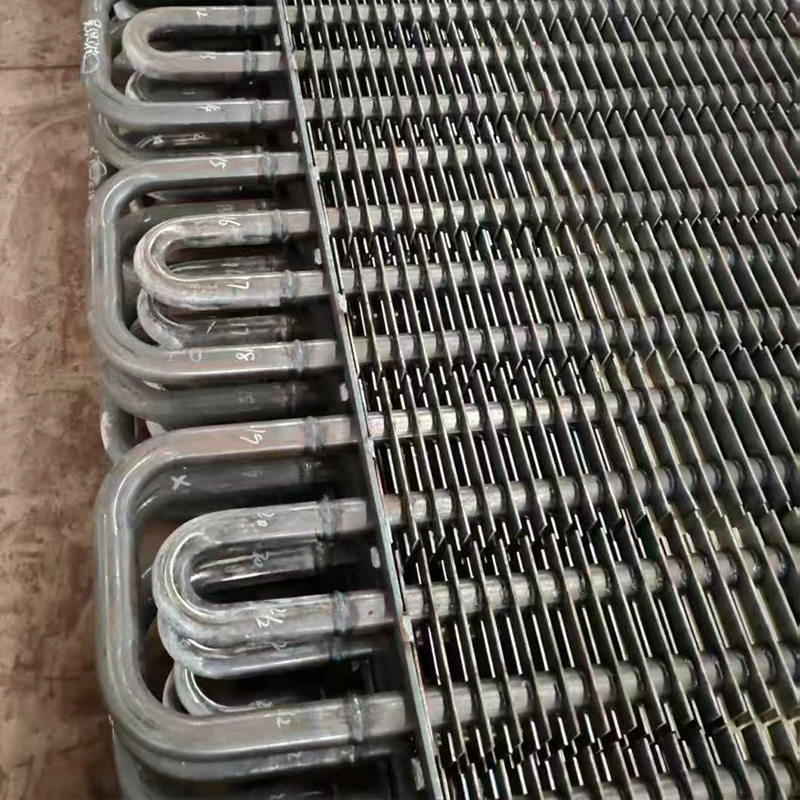
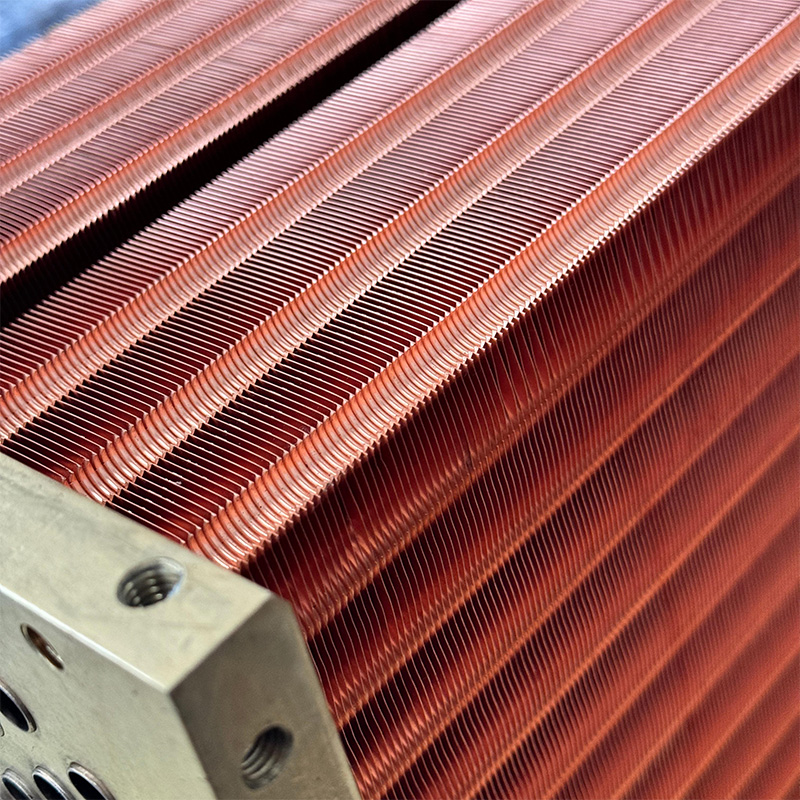
This is where specialist manufacturers such asWuxi Kaisheng Electric Power and Petrochemical Equipment Co., Ltd.. The company specializes in the development and production of highly efficient heat exchangers and waste heat boilers, which become the heart of modern recovery systems. Their products, including titanium shell-and-tube heat exchangers, 316 stainless steel and C46400 marine brass corrugated tube bundle units, and nickel alloy products (N06625), provide the necessary corrosion resistance and thermal efficiency. Wuxi Kaisheng equipment, certified to ASME and PED standards, is widely used in energy-saving projects around the world, allowing the creation of customized solutions for even the most difficult operating conditions, be it oil refining or off-grid energy.
Cogeneration: Heat for heating and hot water supply
The classic scheme involves installing plate or shell-and-tube heat exchangers at the exhaust gas outlet and in the cooling circuit. The heated water is sent to the heating system of workshops, offices or residential areas. This is the simplest and fastest option, especially in regions with a long heating season.
Modern recovery boilers (boilers) are equipped with bypass lines and automation that allows you to regulate the exhaust temperature. This is critical to prevent sulfuric acid condensation when operating on sour gas, which can destroy the heat exchanger in one season. The use of highly durable materials offered by market leaders like Wuxi Kaisheng significantly extends the service life of such components.
Trigeneration: Producing cold from heat
One of the most promising trends for 2026 is trigeneration - the simultaneous production of electricity, heat and cold. For this purpose, absorption lithium bromide refrigeration machines (LBM) are used. They use hot water (from 85°C) or steam (from 110°C) from the GPU as the driver for the cooling cycle.
This solution is ideal for:
- Food industry (refrigeration chambers).
- Data processing centers (server room air conditioning).
- Shopping centers and hotels (summer air conditioning).
The advantage of trigeneration is that it allows the GPU to be loaded even in the summer, when there is no need for heating, ensuring year-round operation of the installation at full capacity and maximum savings.
Organic Rankine Cycle (ORC)
For enterprises where the excess heat is large and the need for it is limited, installations on the organic Rankine cycle are used. They allow you to convert low-grade heat (even from 80-90°C) into additional electricity using a turbine and a special working fluid with a low boiling point. Although the efficiency of such systems is low (10-15%), they convert “extra” heat into a liquid product - electricity, which can be sold to the network or used for your own needs.
Prices for equipment and recycling projects in 2026
The cost of implementing a heat recovery system varies greatly and depends on the electrical power of the GPU, the type of equipment used and the complexity of the integration. Below is the approximate cost structure for the Russian and CIS markets for 2026.
Factors affecting cost
When calculating the project budget, the following components must be considered:
- Recycler type:A simple gas-water heat exchanger costs less than a full-fledged recovery boiler with a steam drum.
- Execution materials:Exhaust gases require stainless steel (often grade 09G2S or imported analogues), resistant to corrosion and high temperatures, which makes the design more expensive. The use of specialized alloys, such as those produced by Wuxi Kaisheng (titanium, copper-nickel alloys), increases initial costs, but greatly reduces repair and replacement costs in the long term.
- Degree of automation:The presence of frequency pumps, weather-compensated automation and remote monitoring increases the initial investment, but reduces operating costs.
- Construction and installation works:The need to reconstruct the foundation, lay new heating mains and tie into existing communications.
Indicative table of project costs
The data in the table reflects the average turnkey market prices (equipment + installation + commissioning) for standard solutions.
| GPU electrical power | Type of recycling system | Thermal power (approx.) | Cost range (million rubles) | Payback period |
|---|---|---|---|---|
| up to 500 kW | Plate heat exchanger (water/water) | up to 600 kW | 2.5 – 4.5 | 2.5 – 3.5 years |
| 1 – 2 MW | Shell and tube heat exchanger + buffer tank | 1.2 – 2.5 MW | 8.0 – 14.0 | 3.0 – 4.0 years |
| 2 – 5 MW | Recovery boiler (steam/water) | 3.0 – 6.0 MW | 25.0 – 45.0 | 3.5 – 5.0 years |
| more than 5 MW | Trigeneration complex (with ABHM) | individually | from 80.0 | 4.0 – 6.0 years |
(Note: The above data is a simulation based on industry regulations and market conditions in early 2026. Actual prices may vary depending on exchange rates, logistics and specific customer specifications.)
Step-by-step guide to implementing a recycling project
Implementing a heat recovery system is a complex engineering process that requires a consistent approach. Errors at the design stage can lead to a decrease in the power of the main GPU or frequent accidents.
Step 1: Energy audit and data collection
The first stage is a detailed analysis of the current energy consumption of the enterprise. It is necessary to measure the load profiles: how much heat is needed in winter, how much in summer? Is there a need for steam for technology? Without an accurate load schedule, it is impossible to select equipment of the correct power. Overheating of water in the summer without a consumer will lead to the release of heat into the atmosphere and the shutdown of the GPU.
Step 2: Thermal calculation and circuit selection
Based on the audit, engineers develop a thermal design. The key point here is determining the exhaust dew point. If the temperature of the return water from the heating system is below the dew point (usually 50-60°C), intense condensation of moisture with dissolved sulfur and nitrogen oxides will begin. This causes acid corrosion. Solution: installing a bypass or using special corrosion-resistant materials such as high-alloy steels or titanium alloys.
Step 3: Equipment purchase and adaptation
Often the GPU and recovery boiler are supplied by different vendors. It is critical to ensure that management interfaces are interconnected. The GPU automation system must “see” the pressure in the recovery unit and, if necessary, reduce the engine load so as not to exceed the permissible back pressure in the exhaust tract. When choosing a heat exchange equipment supplier such as Wuxi Kaisheng, it is important to ensure that the geometry and characteristics of the equipment meet the requirements of a particular engine.
Step 4: Installation and commissioning (start-up)
Installation must be carried out by qualified personnel qualified to work under pressure. At the commissioning stage, a hydraulic test, adjustment of temperature controllers and checking of emergency cut-offs are carried out. Particular attention is paid to balancing coolant flows.
Efficiency analysis: efficiency and economics
The main indicator of the efficiency of a cogeneration plant is the total fuel utilization factor. In the power generation mode only, the efficiency of modern GPUs is about 42-44%. When connecting a heat recovery circuit, this figure increases to85-92%.
Let's look at a specific example. A 2 MW GPU consumes approximately 450-480 nm³ of gas per hour. Without heat recovery, more than half of the energy goes into the chimney. Installing a heat recovery unit with a thermal power of 2.5 MW allows you to replace the operation of a backup gas boiler. Savings are achieved due to the fact that heat is obtained virtually free of charge (as a by-product), while obtaining the same heat in a separate boiler requires burning additional gas with an efficiency of only 90-92% (taking into account losses in the boiler itself).
In the conditions of 2026, when industrial gas tariffs can reach high values, saving only on fuel to cover the heat load allows generating millions of rubles in profit annually.
Common mistakes and expert “anti-advice”
In pursuit of maximum efficiency, many customers make typical mistakes that negate all savings. Here are a few non-obvious points that equipment sellers rarely talk about.
Mistake #1: Trying to cool the exhaust to a minimum
There is a myth that the colder the exhaust leaving the recycler, the better. It's dangerous. Excessive cooling (below 120-140°C for gas fuel) guarantees the formation of acid condensation. Corrosion of the chimney and heat exchanger will begin very quickly. In addition, too high path resistance (due to the complex geometry of the heat exchanger) creates back pressure on the engine, which leads to a drop in its electrical power and overheating of the cylinders.The golden mean is an outlet temperature of 160-180°C.
Mistake #2: Ignoring summer mode
Designing a system only for winter load is a fatal mistake. In summer, the need for heat drops significantly. If the possibility of discharging excess heat (for example, into a cooling tower) or switching to trigeneration (cold production) is not provided, the GPU will have to be switched to partial load mode or stopped. Operating the GPU at low load is harmful to the engine (oil coking, uneven wear). The system must be designed for year-round use of thermal energy.
Mistake #3: Saving on automation
An attempt to save on the control system by installing simple gate valves instead of electrically driven control valves leads to temperature instability. Temperature surges are detrimental to the metal of the heat exchanger due to thermal stress. Modern automation must balance water flow and gas bypass position in real time.
Comparison of manufacturers and solution providers
The heat recovery equipment market in 2026 is represented by three main groups of players. The choice depends on the budget and service requirements.
- Turnkey integrators (Russian companies):They offer comprehensive solutions adapted to local operating conditions. The advantage is single responsibility, fast delivery of spare parts, no problems with sanctions and logistics. They often use their own designs of recovery boilers or collaborate with proven foreign factories.
- Specialized international manufacturers:Companies likeWuxi Kaisheng LLCoccupy an important niche by offering high-quality components (heat exchangers, tube bundles, waste heat boilers) made of exotic alloys (titanium, Hastelloy, copper-nickel alloys). Their ASME and PED compliant products are ideal for projects where corrosion resistance and extreme environments are critical. Such suppliers provide equipment stability to customers around the world, including the petrochemical and shipbuilding industries.
- Asian manufacturers (China, Türkiye):Price dumping. Quality has increased over the past 5 years, but requires careful incoming metal inspection and automation settings. A good choice for budget projects with competent technical supervision from the customer.
FAQ: Frequently asked questions about GPU heat recovery
What is the service life of a recovery heat exchanger?
With the correct selection of materials (stainless steel, titanium or special alloys) and compliance with the temperature regime (above the dew point), the service life of a high-quality recycler is 15-20 years. Routine maintenance (cleaning pipes, checking tightness) is required annually.
Is it possible to obtain steam from the exhaust gases of a GPU?
Yes, this is standard practice. Recovery boilers can generate saturated steam at pressures up to 12-15 bar. To obtain superheated steam, an additional superheating section is required, which complicates the design, but expands the possibilities of using steam in technologies.
Does installing a waste heater affect the warranty of the GPU engine?
If the heat exchanger is certified by the engine manufacturer or installed in compliance with all backpressure and temperature requirements, the warranty remains valid. It is important to obtain written approval from the GPU vendor before installation begins.
How difficult is it to maintain a recycling system?
Modern systems are fully automated. Maintenance comes down to a visual inspection, checking the liquid levels in the expansion tanks and periodic chemical flushing of the circuit to remove scale (every 2-3 years depending on the water quality).
Is there government support for such projects in 2026?
Yes, projects to improve energy efficiency and introduce cogeneration often fall under preferential lending programs or subsidized interest rates. It is also possible to receive carbon credits for reducing specific emissions per unit of energy produced.
Conclusion
In 2026, GPU heat recovery moved from the category of “green initiatives” to the category of strict economic necessity. Technologies have become more reliable and equipment more accessible. A properly implemented heat recovery project can reduce the cost of an enterprise's own energy by a third, providing a competitive advantage in the face of rising tariffs.
The key to success lies not in purchasing the most expensive equipment, but in high-quality engineering calculations that take into account real load profiles and operating nuances. Avoid the temptation to skimp on your project—design mistakes are the most costly in the long run. The selection of reliable components, such as heat exchangers and boilers from leading specialist manufacturers, is the foundation for the longevity of the entire system.
Main conclusion:Не рассматривайте ГПУ только как источник электричества. Это мини-ТЭЦ, где тепло — такой же ценный продукт, как и ток. Максимальное использование обоих продуктов — единственный путь к рентабельности автономной энергетики.
About the author
Алексей Волков— ведущий инженер-энергетик с 15-летним опытом проектирования когенерационных установок и систем утилизации тепла для промышленных предприятий России и СНГ. Эксперт в области газопоршневых технологий, тригенерации и повышения энергоэффективности. Автор более 30 реализованных проектов суммарной мощностью свыше 100 МВт.