
Flue gas heat recovery in petrochemicals: solutions
2026-07-04
- Efficiency as the main asset: why recovery of flue gas heat in petrochemicals is becoming critical
- Technological recycling schemes: choice between direct heating and steam generation
- Materials and Corrosion Control: Critical Parameters for Durability
- Calculation of economic efficiency and payback periods of projects
- Compliance with safety and environmental standards of the EAEU
- Typical implementation mistakes and methods for preventing them
- Практические шаги по модернизации вашего производства
- Frequently Asked Questions
Efficiency as the main asset: why recovery of flue gas heat in petrochemicals is becoming critical
Flue gas heat recovery in the petrochemical industry: the solutions we are implementing today allow us to reduce operating costs by 15–22% already in the first year of operation. In our practice, working with large refineries and gas chemical complexes has shown that ignoring the potential of waste gases leads to the loss of millions of rubles annually. We don't just sell equipment; We analyze the thermodynamic cycles of your production to turn waste heat into steam, hot water or electricity.
Flue gas temperatures from pyrolysis furnaces or cracking reactors often reach 350–500°C. Releasing this energy resource into the atmosphere is an economic mistake. Modern recovery systems, such as ECO-HP economizers or air heaters with intermediate coolant, can pay for themselves in 18–24 months at current energy tariffs in the Russian Federation and the CIS. However, the key problem is not the availability of technology, but the correct selection of materials and schemes for a specific gas composition.
One of our clients was faced with a situation where a heat exchanger installed a year ago failed after 4 months of operation. The reason lay not in the design, but in underestimating the dew point of sulfuric acid. The gas contained traces of sulfur, and when cooled below 140°C, intense corrosion of the pipes began. This incident cost the company line downtime and the cost of replacing the unit. That is why in this article we focus not on general words, but on the technical nuances that determine the durability of the system.
The market requires specific numbers. If you are considering modernizing your production, you need to understand the difference between direct contact and surface heat exchangers, know the requirements of GOST and the EAEU, and also be able to calculate real savings, not theoretical ones. Below we will analyze specific schemes, materials and mistakes that even experienced engineers make when designing recycling systems.
Technological recycling schemes: choice between direct heating and steam generation
The choice of technology depends on what exactly your production needs: heated air for burners, process steam or hot water for heating needs. In petrochemistry, three main approaches are most common, each of which has its own strict limitations on the inlet flow temperature and gas contamination.
Direct air heating in “pipe-in-pipe” recuperators or plate-type devices remains the simplest solution. Here, the flue gas passes inside the pipes, and the air flows around them outside. The efficiency of such systems reaches 60–70%, but there is a caveat: the temperature difference between the gases should be minimal to avoid thermal stress on the metal. We recommend this scheme for oil heating furnaces, where the gas temperature is stable and is 300–400°C.
Heat recovery steam generators (HSGs) are a more complex complex. They make it possible to produce steam at a pressure of up to 4.0 MPa, which can be used to drive turbines or technological processes. In our practice, installing a CCGT unit at a catalytic cracking unit allowed us to cover 40% of the workshop's needs for low-pressure steam. However, such systems require a complex water treatment system and constant monitoring of the water level, since overheating of the pipes when the level drops leads to instant burnout.
Systems with an intermediate coolant (thermal oil or water) are ideal when the heat source and consumer are separated by a considerable distance or when the composition of the flue gas is aggressive. The coolant circulates in a closed circuit, taking energy in one heat exchanger and releasing it in another. This solution is 20–25% more expensive due to the presence of pumps and expansion tanks, but it provides flexibility in adjustment and safety.
It's important to note that there is no one-size-fits-all solution. For hydrotreating plants, where the gases contain a lot of hydrogen and have a high temperature, ceramic recuperators are suitable. For bitumen production, where the risk of surface coking is high, it is better to use systems with self-cleaning surfaces or vibration cleaning. An error in choosing the type of circuit at the feasibility stage can lead to the equipment operating in an inefficient mode or requiring frequent stops for cleaning.
Be sure to consider bypass capability when designing. In the event of an emergency stop of a heat consumer or a sharp jump in gas temperature, the system must be able to discharge gas past the heat exchanger so as not to damage it. The lack of an automatic bypass is one of the most common causes of breakdowns in the first years of operation.
Materials and Corrosion Control: Critical Parameters for Durability
The aggressive environment of flue gases in petrochemicals is the main enemy of any heat recovery equipment. The composition of the gases varies depending on the feedstock: sour crude combustion, catalyst regeneration or flare systems produce completely different chemical profiles. The main challenge is low temperature corrosion and high temperature oxidation.
The acid dew point is a determining factor in the selection of materials. When fuels containing sulfur are burned, sulfur dioxide (SO2) is formed, which is partially oxidized to trioxide (SO3). Upon contact with water vapor, sulfuric acid is formed. Condensation occurs at temperatures between 120°C and 160°C depending on concentration. If the pipe wall cools below this point, the metal begins to deteriorate at a rate of up to several millimeters per year.
We use several protection strategies. The first is the use of corrosion-resistant alloys. For zones with moderate aggression, steel grades 09G2S or 12Х18Н10Т (analogous to AISI 321) are sufficient. For more severe conditions, especially in areas of possible condensation, we use bimetallic pipes or apply enamel coatings. Enameled surfaces are inert to acids, but they are fragile and susceptible to thermal shock. A sudden change in gas temperature of more than 50°C per minute can lead to cracking of the enamel.
The second strategy is to maintain the wall temperature above the dew point. This is achieved by regulating the coolant flow or using hot gas recirculation. However, this method reduces the overall efficiency of the installation, since some of the heat is intentionally not recovered. Engineers have to find a balance between maximum efficiency and equipment life.
A separate problem is high-temperature corrosion and creep of metals at temperatures above 600°C. In ethylene pyrolysis furnaces, gases can reach 800–900°C. Regular carbon steel loses strength here. We recommend using heat-resistant steels with the addition of chromium, nickel and aluminum. For example, alloys of type 20Х23Н18 (AISI 310S) can withstand long-term operation at 1100°C.
Coking of heating surfaces also reduces efficiency. Organic compounds in gases can polymerize on cold walls, creating an insulating layer. The heat transfer coefficient drops by 30–40% in just a few months. The solution is to install online cleaning systems: acoustic cleaners, which use sound waves to remove loose deposits, or steam/air blasting systems. In our practice, acoustic cleaners have shown the best results in delayed cokers, where mechanical cleaning is difficult.
Don't forget about the requirements of the standards. All materials used in pressure equipment must comply with GOST 34233 or ASME Section VIII standards if exported outside the EAEU. The use of uncertified metal, even with good passport data, carries risks during Rostechnadzor inspections.
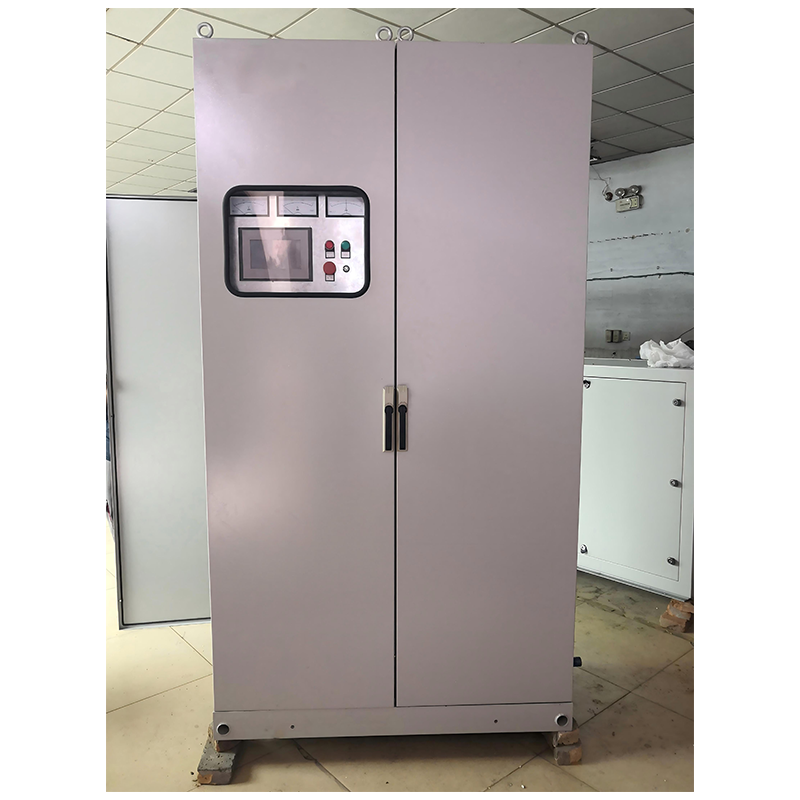
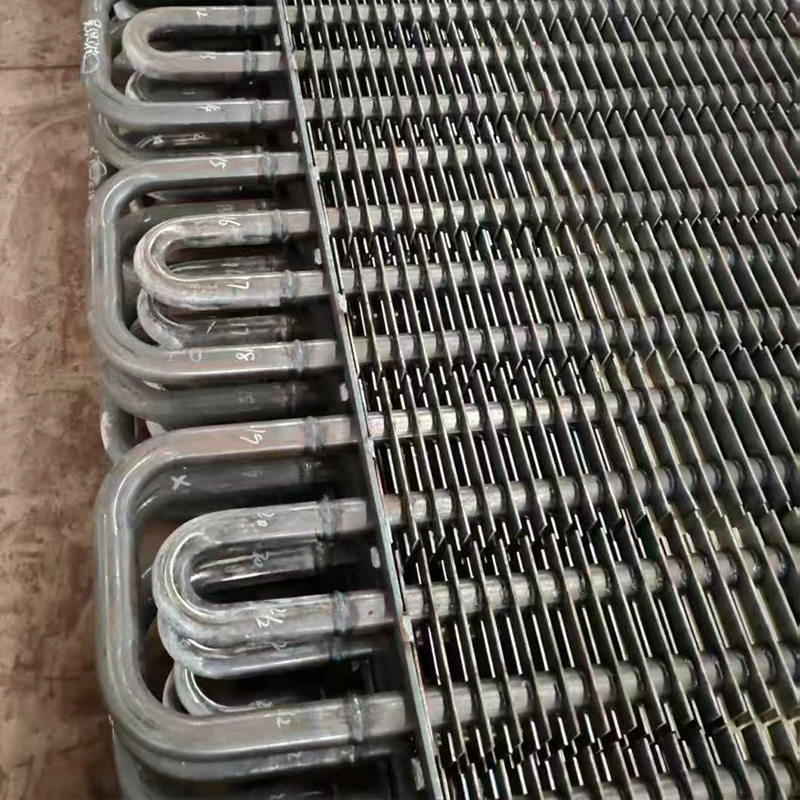
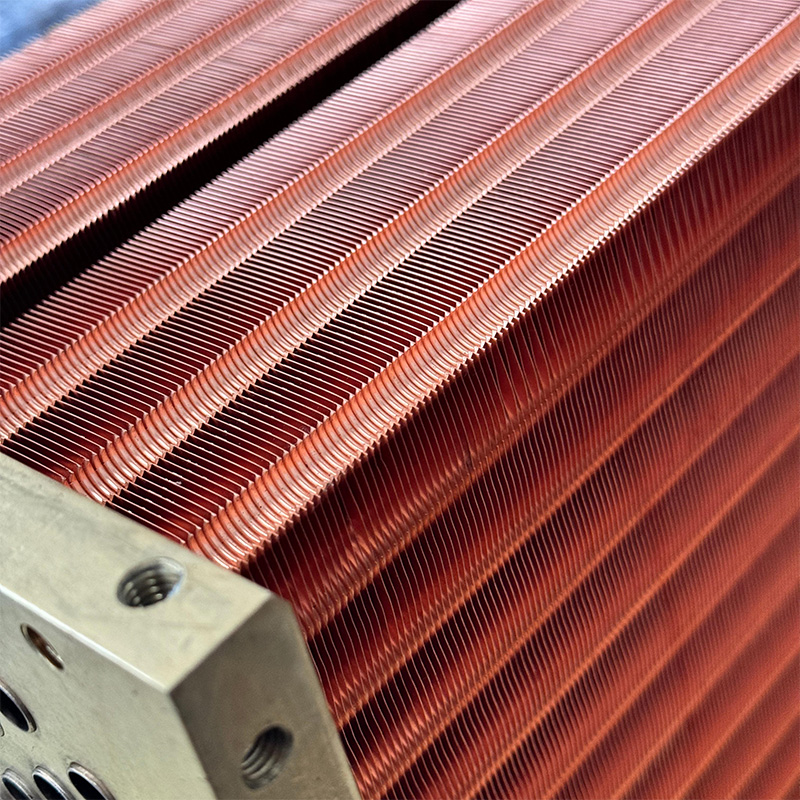
This is where the experience of specialized manufacturers plays a decisive role. CompanyWuxi Kaisheng Electric Power and Petrochemical Equipment Co., Ltd.focused its efforts on the development and production of heat transfer equipment capable of withstanding the extreme conditions of oil refining. Our selection includes titanium shell-and-tube heat exchangers, ASME high-pressure units, and corrugated tube bundles in 316 stainless steel, C46400 marine brass, copper-nickel alloys and N06625 nickel alloys. We also manufacture waste heat boilers and components such as tubesheets made from 321 steel and C70600 alloys. Our PED and ASME certified products offer exceptional corrosion resistance and resistance to high pressures and temperatures, making them an ideal choice for energy conservation, water desalination and shipbuilding projects around the world.
Calculation of economic efficiency and payback periods of projects
Investments in heat recovery must always be supported by a clear financial justification. In the current energy market conditions, payback period (PP) is the main criterion for the board of directors. A realistic calculation must consider not only the cost of fuel saved, but also maintenance costs, depreciation and the opportunity cost of capital.
The basic formula for calculating savings is simple: the amount of recovered thermal power (kW) is multiplied by the operating hours per year and the energy tariff. However, in practice the picture is more complex. For example, a 2 MW economizer installation operating 8,000 hours per year saves about 16 million kWh of thermal energy. With a gas tariff of 5,000 rubles/thousand. m³ (approximately 0.5 rubles/kWh in thermal equivalent), the annual savings will be 8 million rubles.
But this is “dirty” saving. From it you need to subtract:
- Energy costs for drive fans and pumps (typically 3-5% of energy savings).
- An increase in the hydraulic resistance of the flue gas path, which may require replacing smoke exhausters with more powerful ones.
- Cost of annual maintenance and chemical reagents for water treatment.
- Taxes and insurance deductions.
Net savings are usually 85–90% of gross. With the cost of equipment and installation in the region of 15–20 million rubles, the simple payback period will be 2–2.5 years. This is an excellent indicator for an industrial project. However, if we take into account inflation and the increase in gas tariffs (on average 10–12% per year in the Russian Federation), the real payback accelerates to 1.8 years.
An important aspect that is often overlooked is the impact on the reliability of the underlying equipment. The heat recovery device reduces the temperature of the gases in front of the chimney, which reduces the thermal load on the chimney lining and smoke exhausters. Extending the life of these components is difficult to translate directly into money, but it is a significant hidden bonus.
It's also worth considering carbon credits or green tax credits. Although this mechanism is still developing in Russia, reducing CO2 emissions per unit of production improves the company’s ESG rating, which is important for attracting investment and exporting products to Europe or Asia.
We recommend calculating the sensitivity of the project. What happens if the price of gas falls? What if the unit was down for repairs for 2 months instead of 2 weeks? The safety margin of the financial model must be at least 20%. If a project pays off only under ideal conditions, it is better to abandon it or revise the terms of reference to make it cheaper.
Compliance with safety and environmental standards of the EAEU
Any intervention in the oil refining process is strictly regulated. Installing heat recovery equipment changes the aerodynamics of the furnace, temperature conditions and emissions composition. Ignoring the regulatory framework can lead to fines, orders to stop production, or even criminal liability in the event of accidents.
The main document regulating the safety of pressure vessels in the EAEU countries is the Technical Regulations of the Customs Union TR CU 032/2013. All heat exchangers, steam generator drums and steam pipelines are subject to mandatory certification or declaration of conformity. The manufacturer must provide a product passport, strength calculations and a materials certificate. Purchasing equipment without EAC marking is a direct path to problems with acceptance by Rostechnadzor.
Environmental regulations are also becoming stricter. Maximum permissible concentrations (MPC) of harmful substances in emissions are regulated by GOST R 58564-2019 and industry-specific orders of the Ministry of Natural Resources. Installing a heat exchanger can change the discharge temperature, which will affect the dispersion of harmful substances into the atmosphere. In some cases, too low a gas outlet temperature impairs draft and leads to the accumulation of pollutants near the ground. The project must undergo a state environmental examination (SEE) if it affects the category of the object.
Fire safety is another critical point. The equipment must comply with Federal Law-123. In areas of possible leakage of hydrocarbons or hydrogen, electrical equipment (sensors, damper actuators) must have explosion protection level Ex d IIB T4 or higher. We have seen cases where the use of conventional fan motors in a Class B-Ia area resulted in the entire project being shut down by the fire department.
Automation of recycling processes should be integrated into the overall industrial control system of the enterprise. According to the requirements of the FNiP “General Explosion Safety Rules”, the system must have independent emergency protection circuits (EP). When the pressure in the steam circuit increases or the water level drops, an emergency gas supply shutoff must be triggered. Sensor redundancy and SIL 2 safety systems are becoming standard for large facilities.
Documentation must be maintained throughout the entire life cycle. Inspection logs, hydraulic test reports, defect detection reports - all this is required to extend the service life of the equipment. The lack of primary documents makes legal operation after the expiration of the warranty period impossible.
Typical implementation mistakes and methods for preventing them
Experience shows that most problems arise not because of the quality of the equipment, but because of errors at the design and installation stages. Knowing these “rake” will help you avoid unnecessary costs and downtime.
Mistake #1: Incorrect calculation of aerodynamic drag.
Engineers often calculate a heat exchanger based only on thermal balance, forgetting about hydraulics. Installing a dense bundle of pipes increases the resistance to the gas path. If the existing smoke exhauster does not have a headroom, it will not be able to force gases through the new device. The result is a violation of the combustion regime in the furnace, a drop in productivity and the release of unburned fuel into the chimney. Solution: always request a calculation of pressure loss (Pa) and compare it with the characteristics of the existing smoke exhauster. Often it is necessary to replace the impeller or install a new unit.
Mistake #2: Ignoring thermal expansions.
Metal expands when heated. The heat exchanger pipes, heated to 400°C, extend by several centimeters relative to the housing. If the structure is rigidly fixed on both sides, colossal stresses arise, leading to rupture of welds or deformation of the tube sheet. We insist on the use of floating heads, lens expansion joints or U-shaped expansion joints on pipelines. In one of the projects, the lack of a compensator led to the separation of the collector a week after start-up.
Mistake #3: Wrong choice of sensor installation location.
Automatic control of the system requires accurate temperature and pressure data. Placing a thermocouple in a dead zone or close to a wall will give false readings. The automation system, receiving an incorrect signal, can open the bypass when it needs to be heated, or vice versa. Sensors must be installed in the flow, at a distance of at least 3–5 pipe diameters from turns and valves.
Mistake #4: Lack of access for maintenance.
Designers sometimes design compact devices, forgetting that they need to be cleaned. If there are no manholes of sufficient size or space around the apparatus for extending the tube bundle, then the first serious cleaning will turn into a nightmare with cutting metal with grinders. Include the dimensions of the service area immediately in the project. Расстояние от стены до аппарата должно позволять пройти человеку в спецодежде с инструментом.
Ошибка №5: Экономия на изоляции.
Потери тепла с поверхности самого теплообменника и трубопроводов могут достигать 5–10% от полезной мощности, если использован дешевый утеплитель малой толщины. Особенно это критично для наружных установок в зимний период. Используйте калькулятор толщины изоляции согласно СП 61.13330. Качественная изоляция из базальтового волокна или вспененного каучука окупается за один сезон.
Практические шаги по модернизации вашего производства
Если вы приняли решение внедрить систему утилизации тепла, действуйте последовательно. Хаотичные закупки и попытки «сделать своими силами» без проекта приводят к негативным результатам. Вот алгоритм действий, который мы рекомендуем своим партнерам:
- Audit of the current state.Проведите замеры параметров дымовых газов (температура, расход, состав) в различных режимах работы печи. Не полагайтесь на проектные данные 10-летней давности; реальность всегда отличается. Установите временные датчики на неделю, чтобы собрать статистику.
- Разработка Технического Задания (ТЗ).Четко сформулируйте цели: сколько пара нужно? Какой температуры воздух? Есть ли ограничения по месту монтажа? Укажите требования к материалам и стандартам (ГОСТ, API). ТЗ — это юридическая основа для общения с подрядчиком.
- Feasibility study (TES).Закажите расчет у независимой инженерной компании или производителя оборудования. Сравните минимум два варианта технологии. Оцените риски и срок окупаемости. На этом этапе принимается решение о целесообразности проекта.
- Selecting a supplier and concluding a contract.Обратите внимание не только на цену, но и на референс-лист. Попросите контакты заказчиков, у которых подобное оборудование работает более 3 лет. Check availability EAC certificates and SRO licenses for design and installation. Включите в контракт пункты о штрафных санкциях за недостижение гарантийных показателей КПД.
- Проектирование и экспертиза.Разработайте рабочую документацию. Пройдите экспертизу промышленной безопасности, если объект подпадает под категорию опасных производственных объектов (ОПО). Согласуйте изменения с надзорными органами.
- Installation and commissioning.Контролируйте качество сварных швов (УЗК, рентген). Проведите гидравлические испытания. Пуск осуществляйте постепенно, прогревая оборудование, чтобы избежать термоудара. Настройте автоматику под реальные условия.
Помните, что успешный проект — это не просто установленный кусок металла, а интегрированная система, которая надежно работает годами. Квалифицированный инжиниринг на старте экономит миллионы на ремонтах в будущем.
Frequently Asked Questions
Вопрос: Можно ли установить утилизатор тепла на работающую печь без остановки производства?
Ответ: Полная установка нового оборудования практически всегда требует остановки агрегата для врезки в газоход и монтажа фундаментов. Однако подготовительные работы (изготовление аппарата, прокладка трубопроводов обвязки) можно выполнить заранее. Сам монтаж и врезку можно организовать в рамках планового остановочного ремонта (ТОиР), что минимизирует потери от простоя. В редких случаях возможно использование байпасных линий для поэтапного ввода, но это усложняет схему.
Вопрос: Какое минимальное содержание серы в топливе делает обязательным использование спецсплавов?
Ответ: Критическим порогом считается содержание серы выше 0,5% по массе. При таком уровне риск образования серной кислоты становится высоким, особенно при охлаждении газов ниже 150°C. Если серы менее 0,1%, можно использовать углеродистые стали с запасом по толщине стенки. При промежуточных значениях (0,1–0,5%) требуется детальный расчет точки росы и, возможно, применение сталей с низким содержанием легирующих элементов или защитных покрытий.
Вопрос: Гарантируете ли вы конкретный процент экономии топлива?
Ответ: Мы гарантируем параметры оборудования (КПД теплообмена, перепад давлений), указанные в паспорте и договоре. Реальная экономия топлива зависит от режима работы вашей печи, который мы не контролируем. Однако, исходя из баланса энергии, снижение температуры уходящих газов на 100°C дает экономию топлива примерно 3–5%. Эти цифры подтверждаются тысячами внедрений, но в договоре мы фиксируем тепловую мощность, которую аппарат передаст теплоносителю при заданных входных параметрах.
Вопрос: Требуется ли специальное разрешение на эксплуатацию утилизатора?
Ответ: Да, если утилизатор представляет собой сосуд, работающий под давлением пара или горячей воды выше определенных пределов (обычно давление > 0,07 МПа и температура > 115°C), он подлежит регистрации в территориальном органе Ростехнадзора. Оборудование должно быть освидетельствовано перед пуском и периодически в процессе эксплуатации. Если система работает только с воздухом или водой при низком давлении, регистрация может не требоваться, но соблюдение норм безопасности обязательно.
Внедрение современных решений по темеутилизация тепла дымовых газов в нефтехимии— это не дань моде, а необходимость для сохранения конкурентоспособности предприятия. Энергоэффективность напрямую влияет на себестоимость продукции. Мы готовы предложить полный цикл услуг: от аудита и проектирования до изготовления оборудования и шеф-монтажа, соблюдая все нормы ЕАЭС и международные стандарты качества.
Не откладывайте модернизацию на потом. Каждый день работы неэффективной печи — это упущенная прибыль. Свяжитесь с нами сегодня для консультации и предварительного расчета потенциала вашего производства. Наши эксперты помогут подобрать оптимальное решение, которое окупится в кратчайшие сроки.