
Installation of a shell-and-tube heat exchanger: step-by-step instructions 2026
2026-07-04
- Preparing to Install a Shell and Tube Heat Exchanger: Critical Requirements for 2026
- Step-by-step instructions for installing a shell-and-tube heat exchanger
- Hydraulic testing and commissioning
- Выбор надежного производителя: гарантия качества оборудования
- Frequently Asked Questions
- Заключение и рекомендации по дальнейшему обслуживанию
Preparing to Install a Shell and Tube Heat Exchanger: Critical Requirements for 2026
Installation of a shell-and-tube heat exchanger in 2026 requires strict adherence to updated safety standards and technical regulations, since even a minimal deviation from the assembly technology leads to loss of tightness and production accidents. We are seeing an increase in the number of incidents related to improperly tightened flange connections and ignoring vibration isolation requirements, which is confirmed by industry inspection statistics. Before starting work, you must ensure that you have a complete set of documentation, including a product passport, EAC certificate of conformity (TR CU 032/2013) and general view drawings indicating bolt tightening torques. The absence of any of these documents makes the legal commissioning of equipment impossible and creates direct legal risks for the owner of the enterprise.
Our practice shows that 70% of startup problems arise even before the coolant is supplied due to errors at the stage of foundation preparation and slinging. Heavy industrial units weighing over 2 tons require the use of certified lifting mechanisms and special traverses that prevent tube sheet deformation during lifting. Trying to use regular slings without soft pads often results in damage to the protective paintwork or, worse, microcracks in the body welds. You must prepare a site in advance with a load-bearing capacity that exceeds the weight of the filled apparatus by at least 25% in order to prevent subsidence of the supports during vibration loading.
In modern conditions, an installer’s toolkit should include not only a standard set of wrenches, but also a torque tool with calibration no older than 12 months. The use of an “eye gauge” when tightening fasteners is unacceptable, since uneven force on the studs causes misalignment of the gaskets and subsequent leaks under pressure. It is also critically important to have pressure gauges with an accuracy class of at least 1.5 for hydraulic testing, which is a mandatory stage of acceptance. If your team does not have an authorized tool, stop work and rent it - savings at this stage will result in multiple costs for unscheduled repairs and line downtime.
Required tools and materials for safe assembly
Successful installation of a shell-and-tube heat exchanger directly depends on the quality of the consumables used and specialized tools that must correspond to the pressure class and temperature of the medium. You will need a complete set of box and open-end wrenches to match the bolt sizes (usually M16 to M36 for industrial models), as well as torque wrenches with a torque range that covers the design torque values. A mandatory element is a set of gaskets made of paronite, graphite or spiral-wound elements, selected strictly for the type of sealing surface of the flange (tab-groove, plane or tongue-and-groove). The use of universal gaskets “on hand” is strictly prohibited, since they do not provide the necessary compensation for temperature expansion.
To ensure the alignment of pipelines and the apparatus itself, laser levels or optical theodolites are needed, which allow the equipment to be aligned with an accuracy of 1 mm per 10 meters of length. Traditional alignment methods “on a string” or level no longer meet the accuracy requirements of modern high-speed systems, where the slightest misalignment causes resonant vibrations. You will also need hydraulic jacks to fine-tune the position of heavy housings, and mounting crowbars made of non-ferrous metals or Teflon coated so as not to damage the ground surfaces of the flanges when joining. Ignoring the requirement for soft metal tooling often results in scoring on the seal face that cannot be removed without turning.
Chemical materials play an equally important role: use only thread lubricants recommended by the manufacturer (for example, based on molybdenum disulfide or graphite) to prevent bolt sticking at high temperatures. Sealing compounds must be heat-resistant and chemically inert to the working environment, be it aggressive acids, alkalis or superheated steam. Our registry records a case where the use of an unsuitable sealant resulted in it dissolving in an organic solvent after just 48 hours of operation, causing a large leak and fire. Always check the compatibility of gasket materials and lubricants with your process before starting assembly.
Step-by-step instructions for installing a shell-and-tube heat exchanger
The process of installing heat exchange equipment is a sequence of strictly regulated operations, the violation of which can lead to irreversible damage to the internal pipe bundles. The first stage always begins with a visual inspection of the transportation preservation plugs and checking the integrity of the manufacturer’s seals. If you find traces of impacts, dents on the body or broken seals, you must file a damage report before starting any installation work, otherwise claims against the carrier or supplier will be rejected. Only after documentary confirmation of the absence of transport defects can you begin the physical installation of the device at the design site.
- Preparing the foundation frame and installing supports.The surface of the foundation must be cleaned of oil, dust and construction debris, and the anchor bolts must be installed strictly vertically with a tolerance of no more than 2 mm. Place the heat exchanger support legs on the pads, ensuring uniform load distribution, and check the horizontalness of the longitudinal axis of the device using a precision level. Incorrect installation of supports creates internal stresses in the housing, which, when heated, can lead to depressurization of the flared pipes in the grid. Fix the position of the device with temporary wedges, but perform final tightening of the anchors only after connecting the pipelines.
- Slinging and positioning of the body.Use only certified slings with a safety factor of at least 4:1, positioning the gripping points in such a way as to prevent the ropes from touching fittings and instrumentation. When lowering the machine, the guides must control the movement of the load, preventing lateral swings that could injure personnel or damage adjacent equipment. It is critically important to observe the sling angle specified in the product data sheet, since the horizontal component of the force can deform the thin-walled casing. One of our clients was faced with a situation where an incorrect slinging pattern led to a collapsed bottom, which required costly replacement of the entire assembly.
- Aligning the axes and fixing the position.After preliminary installation, make a final alignment of the axes of the inlet and outlet pipes relative to the supply pipelines using laser equipment. The permissible displacement of the axes should not exceed 1-2 mm, and the angular deviation of the flanges should not exceed 0.5 degrees to ensure free insertion of the studs without the use of mounting crowbars. Forced tightening of flanges with bolts to eliminate pipeline distortions is strictly prohibited, as this creates a constant load on the heat exchanger body, leading to fatigue failure of the metal. Secure the device to the foundation with anchor bolts, using spring washers to prevent self-unscrewing due to vibration.
- Installation of flange connections and installation of gaskets.Clean the sealing surfaces of the heat exchanger flanges and piping to a metallic shine, removing old gasket residue and corrosion using a wire brush or soft metal scraper. Install the new gasket strictly in the center, making sure that it has no creases, cracks and matches the material of the working medium. Insert the studs freely, without lubricating the threads in the area of contact with the nut, if this is not provided in the instructions, and begin tightening crosswise in several passes. Violation of the tightening sequence leads to distortion of the gasket and the formation of leakage channels that cannot be eliminated by repeated tightening under pressure.
- Connection of control devices and drainage systems.Install pressure gauges, thermometers and safety valves on the provided fittings, using sealing tape or paste only on the threads, avoiding any sealant getting into the internal cavity of the device. Connect drainage and air vents to the lower and upper points of the device, respectively, to ensure complete removal of liquid during conservation and air during filling. Check that all controls and instrumentation are accessible to the operator, with clear access for maintenance. The lack of convenient access to drainage often leads to staff ignoring the drainage procedure, causing corrosion of internal surfaces during the off-season.
Each step of this instruction must be recorded in the work log with the signature of the responsible engineer, which is a requirement of many insurance companies and regulatory authorities. Skipping even one point, for example, cleaning flanges or checking the horizon, creates a hidden defect that will only appear at the time of hydraulic testing or, worse, during operation. Remember that the quality of installation determines the service life of the equipment: a correctly installed heat exchanger works for decades, while errors during assembly shorten its life to several months.
Typical assembly errors and their consequences
The most common mistake we encounter during installation audits is the use of old gaskets or the reuse of disposable sealing elements. Some crews try to save time and money by installing previously used paronite or rubber gaskets after lubricating them with sealant. This is a gross violation of technology, since the gasket material has already received residual deformation and has lost its elasticity, necessary to compensate for thermal expansion and vibration. In our practice, there was a case when such “savings” led to a gasket failure at a pressure of 8 bar three hours after start-up, causing burns to personnel and a shutdown of the workshop for two days.
The second critical error is the incorrect sequence and tightening torque of bolted connections. Installers often tighten nuts sequentially in a circle or use air tools without torque control, relying on their sense of strength. This approach guarantees uneven compression of the gasket, creating zones with insufficient specific pressure where a leak will inevitably occur. In addition, excessive force can lead to the gasket being pushed into the flow or even to the destruction of brittle materials such as graphite. Always use a torque wrench and follow a star or criss-cross pattern, increasing the torque in three stages: 30%, 60% and 100% of the nominal value.
The third problem is associated with ignoring temperature compensators and rigidly connecting the pipelines to the heat exchanger body. The thermal expansion of metal when heated from 20°C to 200°C can reach several millimeters per meter of length, and if the pipes are rigidly fixed, this force is transferred to the flanges and tube sheets. The result is flaring of pipes, cracks in welds or deformation of the housing. We have seen devices where, due to the lack of lens compensators or U-shaped bends, the pipe system was completely destroyed in one winter season. Be sure to check the presence of movable supports on the pipelines and the freedom of movement of the compensating elements before applying heat.
Hydraulic testing and commissioning
The final and most important stage of installation is hydraulic testing, which confirms the tightness of all connections and the strength of the housing under operating pressure. According to current standards, the test pressure must exceed the working minimum by 1.25–1.5 times, but must not cause residual deformation of the material. Before filling the device with water, make sure that all air vents are open to avoid the formation of air locks, which can distort pressure gauge readings and create dangerous water hammer when the valves are suddenly closed. Filling must be done smoothly, with flow rate controlled, to prevent water hammer that can dislodge weak connections.
The testing procedure is carried out in the presence of a representative of the customer’s technical supervision and is recorded in a document in the established form. After building up pressure, keep the unit under load for at least 10-15 minutes, carefully inspecting all flange connections, welds and packing seals for drips or fogging. Even a microscopic leak is grounds for releasing the pressure, repairing the defect, and re-testing from scratch. Attempts to tighten connections under pressure are strictly prohibited by safety regulations, as this can lead to thread failure or injury to operating personnel.
After successfully passing the hydraulic tests, drain the water, blow with compressed air to remove residual moisture and install service plugs or connect to the process line. Commissioning should be carried out gradually: first warm up the device with a weak flow of coolant, controlling temperature expansion, and only then bring it to operating parameters. A sudden start-up of a cold system under a hot flow causes thermal shock, which can lead to cracking of pipes or failure of the flaring seal. During the first 24 hours of operation, organize enhanced monitoring of parameters, recording any deviations from the design values.
Quality control and acceptance of work
Acceptance of installed equipment is formalized by signing a commissioning certificate, to which as-built diagrams, material certificates and test reports are attached. You must check the compliance of the actual location of the equipment with the design drawings, the presence of markings on the pipelines (direction of flow, name of the medium) and the accessibility of the fittings for maintenance. Pay special attention to the condition of the insulation: it must be made of non-flammable materials, fit tightly to the body and have a protective coating against mechanical damage and atmospheric influences. Poor quality insulation leads to enormous heat loss and moisture condensation on the surface, causing corrosion of the outer walls.
An important aspect of acceptance is checking the documentation for compliance with the requirements of the Technical Regulations of the Customs Union TR CU 032/2013 “On the safety of equipment operating under excess pressure.” The absence of the EAC marking on the device plate or the discrepancy between the data in the passport and the actual characteristics makes operation illegal and entails fines from supervisory authorities. Make sure that the passport indicates the dates of the last checks of safety valves and pressure gauges, since expired devices are not allowed to operate. The operator responsible should be provided with a complete set of maintenance instructions and logs to record operating parameters.
The final step is to instruct the personnel who will service the heat exchanger, explaining the features of this particular model and emergency procedures. Operators must know the location of emergency shut-off valves, what to do if pressure drops or unusual noise occurs, and how to safely perform cleaning and repairs. We recommend conducting a drill using a depressurization scenario to practice quick response skills. Trained personnel are the last line of defense to prevent a minor problem from becoming a major disaster.
Выбор надежного производителя: гарантия качества оборудования
Даже безупречно выполненный монтаж не сможет компенсировать недостатки самого оборудования. Долговечность и эффективность теплообменника закладываются еще на этапе проектирования и производства. Именно поэтому выбор поставщика играет решающую роль в успехе вашего проекта. CompanyWuxi Kaisheng Electric Power and Petrochemical Equipment Co., Ltd.зарекомендовала себя как ведущий разработчик и производитель высококачественного теплообменного оборудования, отвечающего самым строгим международным стандартам.
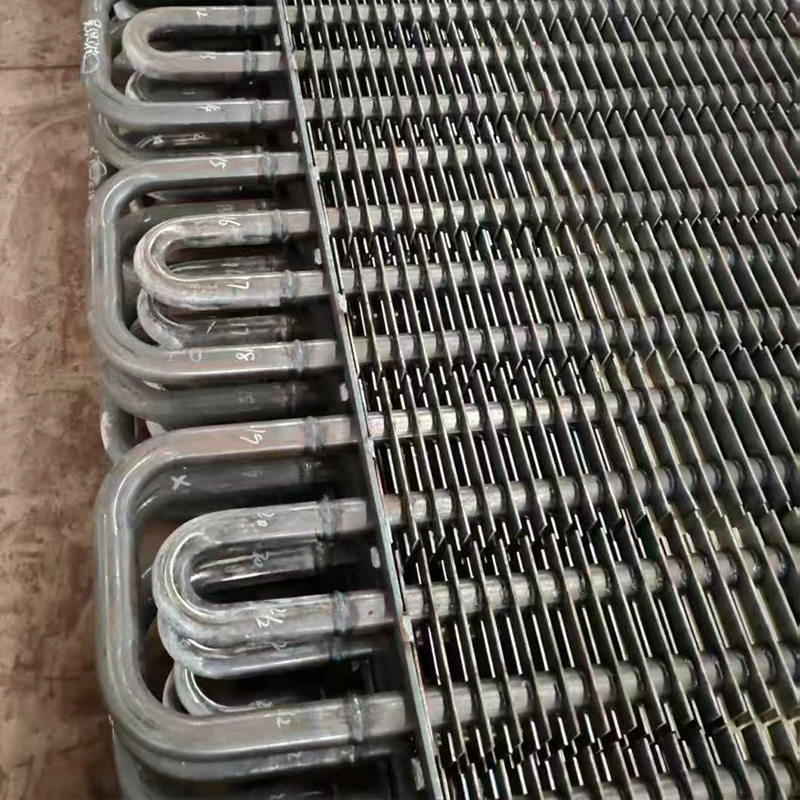
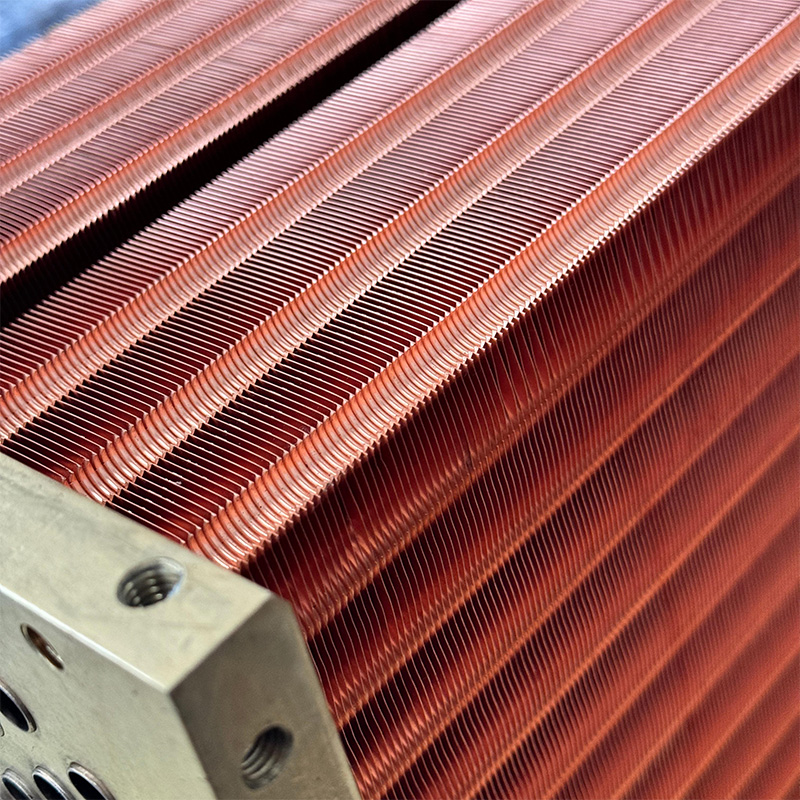
Специализируясь на сложных решениях для нефтепереработки, нефтехимии, энергетики и судостроения, «Уси Кайшэн» предлагает широкий спектр продукции: от титановых кожухотрубных теплообменников и ASME высоконапорных аппаратов до специализированных трубных пучков из нержавеющей стали 316, морской латуни C46400, медно-никелевых сплавов и никелевых сплавов N06625. В ассортименте компании также представлены воздушные охладители, котлы-утилизаторы и критически важные компоненты, такие как трубные решетки из стали 321 и сплавов C70600.
Продукция изготавливается из углеродистой, нержавеющей, легированной стали, а также титановых, медных и никелевых сплавов, что обеспечивает исключительную коррозионную стойкость и способность работать в экстремальных условиях высокого давления и температуры. Все изделия сертифицированы по стандартам PED и ASME, что подтверждает их безопасность и надежность для применения в самых ответственных отраслях промышленности, включая опреснение морской воды и энергосбережение. Выбирая оборудование от «Уси Кайшэн», вы получаете не просто изделие, а индивидуальное инженерное решение, адаптированное под специфику вашего производства и гарантирующее стабильную работу на протяжении всего жизненного цикла.
Frequently Asked Questions
Какое давление нужно использовать для гидравлических испытаний?
Давление испытаний определяется проектной документацией и обычно составляет 1.25 или 1.5 от рабочего давления, но не менее значения, указанного в паспорте завода-изготовителя. Для стандартных for industrial heat exchangers, this value most often ranges from 1.5 to 2.5 MPa, but for high-pressure systems it can reach 10 MPa and higher. Никогда не превышайте максимальное испытательное давление, указанное на заводской табличке, так как это может вызвать пластическую деформацию металла. Перед началом работ обязательно сверьтесь с расчетами прочности для вашей конкретной температуры среды, поскольку допустимое давление снижается при нагреве.
Можно ли использовать герметик вместо прокладок?
Использование жидких герметиков вместо твердых прокладок на фланцевых соединениях кожухотрубных теплообменников категорически не допускается стандартами и инструкциями производителей. Герметики предназначены исключительно для заполнения микропор в резьбовых соединениях или как вспомогательное средство для фиксации прокладки, но не как основной уплотнительный элемент. Попытка заменить прокладку слоем герметика приведет к неизбежной протечке под давлением и вибрацией, так как жидкая фаза не способна компенсировать зазоры между фланцами. Единственное исключение — специальные анаэробные составы для плоских металлических уплотнений, но их применение должно быть прямо разрешено в технической документации аппарата.
Как часто нужно проводить чистку теплообменника?
Периодичность чистки зависит от загрязненности рабочей среды и падения эффективности теплопередачи, которое определяется по росту температурного напора или снижению расхода. В среднем, для систем оборотного водоснабжения профилактическую чистку проводят раз в 6–12 месяцев, а для агрессивных или вязких сред — каждые 3–4 месяца. Сигналом к внеплановой очистке служит увеличение сопротивления тракта более чем на 15–20% от проектного значения или невозможность поддержания заданной температуры выхода. Регулярный мониторинг перепада давления на входе и выходе позволяет точно определить момент загрязнения и избежать аварийного останова.
Что делать, если обнаружена течь после затяжки?
Если течь обнаружена после первичной затяжки и до подачи полного давления, необходимо сбросить давление в системе до атмосферного и произвести повторную подтяжку соединений по схеме крест-накрест. Если течь сохраняется после повторной затяжки с правильным моментом, значит, прокладка повреждена, имеет дефект или поверхность фланца повреждена (царапины, раковины). В этом случае требуется полная разборка узла, замена прокладки на новую и осмотр зеркал уплотнения; при наличии глубоких царапин необходима проточка фланцев или замена детали. Попытки устранить течь дополнительной перетяжкой под давлением опасны и неэффективны.
Требуется ли специальное разрешение для монтажа?
Да, монтаж оборудования, работающего под избыточным давлением, требует наличия у организации лицензии или допуска СРО на выполнение соответствующих строительно-монтажных работ. Персонал, выполняющий монтаж и сварку, должен иметь квалификационные удостоверения и допуск по охране труда для работ повышенной опасности. Сам объект подлежит регистрации в органах Ростехнадзора (или аналогичных структурах в странах ЕАЭС) перед вводом в эксплуатацию, если он относится к опасным производственным объектам. Работа без разрешительной документации влечет за собой административную и уголовную ответственность в случае аварийных ситуаций.
Заключение и рекомендации по дальнейшему обслуживанию
Качественный монтаж кожухотрубного теплообменника — это фундамент его долгой и бесперебойной службы, который закладывается на этапе подготовки и сборки с соблюдением каждого технологического нюанса. Соблюдение пошаговой инструкции, использование поверенного инструмента и качественных расходных материалов позволяет исключить большинство аварийных ситуаций, связанных с человеческим фактором. Помните, что экономия на этапе монтажа всегда приводит к кратному увеличению затрат на ремонты и простои в будущем, поэтому доверяйте эту работу только квалифицированным специалистам с подтвержденным опытом. Регулярное техническое обслуживание, включающее визуальный осмотр, контроль параметров и своевременную чистку, продлит ресурс оборудования до максимальных значений, заложенных конструкторами.
Мы рекомендуем заключить договор на сервисное обслуживание с профильной организацией сразу после ввода аппарата в эксплуатацию, чтобы иметь возможность оперативного реагирования на любые нештатные ситуации. Профессиональный аудит состояния оборудования раз в год позволяет выявлять скрытые дефекты на ранней стадии и планировать ремонты в плановые остановки, минимизируя влияние на производственный процесс. Не пренебрегайте ведением эксплуатационной документации: журнал наблюдений является ценным источником информации для анализа причин отказов и оптимизации режимов работы системы теплоснабжения или охлаждения.
Для получения подробных консультаций по выбору моделей, подбору запасных частей или организации шеф-монтажаcontact us today. Наши инженеры готовы предоставить индивидуальное решение для вашего производства, основанное на многолетнем опыте работы с теплообменным оборудованием различных типов и мощностей. Explore our catalogкожухотрубных теплообменников, чтобы ознакомиться с полным спектром предлагаемых решений от ООО «Уси Кайшэн», соответствующих самым строгим международным стандартам качества и безопасности.