
Custom burnt wax casting services
2026-07-30
- Why investment casting is the standard for complex parts in 2026
- Technological process: from 3D model to metal casting
- Choice of materials: from stainless steels to superalloys
- Process economics: costing and MOQ calculation
- Typical defects and methods for their prevention
- Certification and compliance with international standards
- Practical experience: solutions for energy and petrochemicals
- How to start cooperation: step-by-step algorithm
- Frequently Asked Questions
- Conclusion
Why investment casting is the standard for complex parts in 2026
Custom lost wax casting services remain the only technologically sound solution for the production of metal components with complex geometries where machining is not economically feasible or physically possible. In our work with industrial customers in the energy, aerospace and heavy engineering industries, we are seeing a steady shift: companies are no longer viewing this technology as an “expensive alternative” and are beginning to use it as the primary method of reducing the cost of a finished assembly by eliminating post-processing. The precision of IT7-IT8 class castings allows for surfaces that require only minimal grinding, which is critical when working with heat-resistant alloys and titanium.
The market has changed. If five years ago the main barrier was the cost of equipment, today, thanks to the automation of processes for creating wax models and robotic assembly of ceramic shells, the barrier to entry has decreased. We are recording an increase in demand for small series (from 50 to 500 pieces), where traditional sand casting is inferior in terms of accuracy, and CNC processing eats up the entire margin due to the high material utilization rate. This article was written by manufacturing engineers who deal with alloy selection, shrinkage calculations, and defect control problems every day. There is no marketing fluff here - only technical parameters, real cases of defects and specific numbers that affect your purchasing budget.
Technological process: from 3D model to metal casting
The process does not begin in the foundry, but at the design stage. An error in the design documentation at the CAD modeling stage leads to inevitable defects at the final stage, which cannot be corrected by heat treatment. We require clients to provide files in STEP or IGES formats with clearly defined tolerances. Our engineering department analyzes the gating system before the first wax pattern is made. This allows you to predict areas of possible shrinkage cavities and adjust the geometry of the part virtually, saving time and resources on physical testing.
The production of wax models is carried out by injection under pressure into molds or, for prototypes, by 3D wax printing. The second option becomes the standard for prototyping, allowing the time to receive the first samples to be reduced from 4 weeks to 5-7 days. However, for mass production we only use metal molds that ensure dimensional stability within ±0.05 mm for every 100 mm of length. The wax must have a specific coefficient of thermal expansion corresponding to the mold material to avoid deformation during removal.
Assembly of clusters is a stage where negligence is often committed by unscrupulous contractors. The wax models are joined into a single tree using a hot tool. The quality of the seam is critical here: any gap will lead to the penetration of ceramics into the casting, forming inclusions that can only be detected by X-ray inspection. Our operators undergo annual certification for the right to perform this operation. We use automated wax welding stations for large batches, which eliminates human error and ensures the identity of each cluster.
The ceramic shell is applied by dipping into a suspension, followed by sprinkling with electrocorundum or zircon. The number of layers varies from 6 to 9 depending on the mass of the casting and the aggressiveness of the melt. Steels with a high chromium content require an additional barrier layer of fused alumina to prevent a chemical reaction between the mold and the metal. The drying of each layer is controlled by humidity and temperature in the chamber. Violation of the drying regime even on one layer leads to delamination of the shell during pouring - a catastrophic defect leading to the loss of the entire batch.
Burning of wax and calcination of molds is carried out in autoclaves at temperatures up to 900°C. Sudden heating is prohibited: the steam pressure inside the mold may rupture the ceramic shell. We use programmable ovens with gradual temperature rises, ensuring complete wax removal without carbon residue. Residual carbon in the mold upon contact with molten steel causes carburization of the surface layer of the casting, changing its mechanical properties and making the part unsuitable for use in corrosive environments.
The metal is poured in vacuum induction furnaces. Vacuuming is necessary to remove gases from the melt and prevent oxidation of alloying elements. The pouring temperature is strictly regulated for each alloy: overheating leads to grain growth and a decrease in strength, underheating leads to thin sections not being filled. After crystallization, the molds are destroyed hydraulically or by vibration. The cutting of the gating system is carried out using abrasive wheels or a laser, followed by mandatory heat treatment to relieve internal stresses.
Quality control at every stage
In our laboratory, each batch undergoes incoming control of raw materials and output control of finished products. We use spectral analysis to confirm chemical composition, ultrasonic flaw detection to identify internal voids, and coordinate measuring machines (CMMs) to verify geometry. Statistics show that 80% of complaints from customers are not related to casting, but to the discrepancy between the drawing and actual operating conditions. Therefore, we insist on a joint analysis of the technical specifications before launching the project.
Choice of materials: from stainless steels to superalloys
Lost wax casting technology is unique in its versatility in the choice of alloys. Unlike die casting, where the choice is limited to zinc and aluminum, here you can work with any metals with a melting point of up to 1650°C. However, each material dictates its own requirements for technology. For example, casting titanium requires the use of reactive molds based on yttrium oxide, since ordinary quartz reacts with titanium, forming a brittle alpha layer.
Stainless steel grades 304, 316L, 17-4PH are the most popular in the food and chemical industries. When working with them, it is critical to control the content of the ferrite phase. We carry out ferritometry on each casting, since deviations from the standard affect corrosion resistance and weldability. For pump casings and fittings, we recommend 17-4PH steel in H900 aging condition, providing hardness up to 44 HRC while maintaining toughness.
Heat-resistant nickel alloys (Inconel 718, Hastelloy X) present the greatest difficulty due to their tendency to segregation and the formation of carbides at grain boundaries. Casting these alloys requires especially pure charge materials and a vacuum of at least 10^-3 Pa. In our practice, there was a case when a batch of turbine blades made of Inconel 718 showed a low service life due to microporosity caused by improper cooling conditions. Since then, we have introduced a directional crystallization system for critical parts of gas turbine engines.
Carbon and low-alloy steels are used to make tools, fasteners, and transmission components. The main challenge here is to ensure uniformity of the structure across the cross-section of the part. Large castings weighing over 10 kg require special modification of the steel with rare earth elements to refine the grain. We cooperate with metallurgical plants that supply steel in the form of rods of a certain diameter for induction melting, which guarantees the absence of slag inclusions characteristic of scrap remelting.
Aluminum and magnesium alloys are also amenable to investment casting, although this is less common due to the availability of cheaper alternatives. However, for aerospace applications where the highest sealing and non-porous properties are required, this technology is indispensable. Alloys such as AK7ch and ML5 make it possible to obtain castings with a tensile strength of up to 300 MPa after thermal hardening.
| Material | Filling temperature (°C) | Main Application | Critical Control Parameters |
|---|---|---|---|
| 316L stainless steel | 1550 – 1600 | Food equipment, chemical fittings | Ferrite content (<1%), intergranular corrosion |
| Inconel 718 | 1400 – 1450 | Gas turbine engines, oil and gas equipment | Grain size (ASTM 5-7), no Laves phase |
| Carbon steel 45 | 1580 – 1620 | Machine parts, tools, fasteners | Hardness after quenching, depth of decarburized layer |
| Titan VT6 (Ti-6Al-4V) | 1650 – 1700 | Aviation, medicine, shipbuilding | Gas saturation (O, N, H), alpha layer |
| Aluminum AK7ch | 700 – 740 | Instrument housings, lightweight structures | Tightness, porosity |
Process economics: costing and MOQ calculation
Many buyers mistakenly believe that lost wax casting is profitable only for runs of tens of thousands of pieces. This is a myth born in the era of manual labor. Modern automation has made batches of 50 units or more profitable. A key cost factor is the amortization of the cost of the mold. For small series, we suggest using aluminum molds, the cost of which is 3-4 times lower than steel ones, and the production time is 10-12 days. For a series of 100 pieces, this reduces the unit cost of the part by 40%.
The price structure is formed from three components: the cost of tooling, the cost of one casting and post-processing. The cost of tooling is fixed and depends on the complexity of the part and the number of cavities in the mold. The cost of casting depends linearly on the weight of the metal and the complexity of the operations. Post-processing is the most variable part. If a part requires complex machining after casting, the price increases exponentially. Our task as a supplier is to optimize processing allowances so as to minimize the operating time of the client’s CNC machines.
Our minimum order quantity (MOQ) is 50kg total weight of castings or 50 pieces, whichever comes first. For prototypes, we launch a group of orders, combining parts from different customers into one melting cycle, which allows us to offer a price comparable to the serial one. The production time for the first batch from the date of approval of the drawings is 25-30 working days. Repeat orders are completed within 15-20 days, since the equipment is already ready and has been tested.
It is important to consider logistics costs. Castings have a high specific gravity, so sea delivery is often more profitable than air transportation, even in cases of urgency, if the order is planned in advance. We pack products in wooden boxes with vacuum sealing of each part to prevent oxidation during transportation. For EAEU countries, we provide a full package of documents for customs clearance, including certificates of origin form ST-1.
Comparison with alternative methods
Why does a client choose us instead of CNC machining? Let's take a complex-shaped part weighing 0.5 kg. Fabrication from rolled steel on a 5-axis machine will take 45 minutes of machine time plus 20 minutes for installation and removal. The material utilization rate will be 20% (the rest is chips). The cost will be high. Casting the same part takes seconds, the metal utilization rate is 95% (including the sprues that are remelted). Even taking into account the cost of the mold, starting from the 30th part, casting becomes cheaper. And the quality of the surface after casting often allows you to abandon finishing processing altogether.
Typical defects and methods for their prevention
Openness in discussing defects is a sign of a mature producer. Hiding problems means shifting risks onto the customer. There are a number of specific defects in lost wax casting, knowledge of which will help you competently draw up technical specifications and accept products.
Underfilling (Misrun).Occurs when the metal hardens before it fills the mold cavity. Reasons: low pouring temperature, too thin sections of the part, low permeability of the mold. Solution: increasing the metal temperature, changing the design of the gating system to improve power supply, using more refractory shell materials. We always conduct computer simulations of mold filling before producing a pilot batch to eliminate this risk.
Shrinkage porosity.Internal voids that form in places where the mass of metal is concentrated during its solidification. This is the most insidious defect, since it is not visible from the outside. It can only be detected by x-ray or ultrasound. The method of combating is the correct placement of refrigerators in the form and optimization of the power system. In our practice, there was a case with the casting of a gearbox housing, where a shell formed in the bearing mounting area. The part failed under load after 200 hours of operation. Since then, we have introduced mandatory X-ray monitoring of thermal stress zones for all critical components.
Burn-on.Penetration of metal into the pores of a ceramic mold, resulting in surface roughness and difficulty in cleaning. Characteristic of steels with high manganese and chromium content. It is prevented by using high-quality electrocorundum and applying special release coatings to the surface of the mold. Deep burns require mechanical cleaning, which can take the part beyond the dimensional tolerance.
Hot tearing.They are formed during the cooling process due to internal stresses, when the metal loses its ductility, but has not yet gained strength. Often occur in places where there is a sharp change in the cross-section of a part. Design prevention: rounding corners, smooth transitions, symmetry of the design. If the design remains unchanged, we adjust the cooling mode of the mold, slowing it down in dangerous areas.
Certification and compliance with international standards
Working in the global market requires unconditional compliance with quality standards. Our production is ISO 9001:2015 certified, which guarantees the traceability of each casting from melting to shipment. For supplies to the countries of the Eurasian Economic Union, we issue a declaration of conformity with TR CU 010/2011 “On the safety of machinery and equipment.” Products intended to work under pressure undergo mandatory industrial safety testing.
For the oil and gas industry, we meet the requirements of NACE MR0175 / ISO 15156 for corrosion resistance of materials in hydrogen sulfide containing environments. This requires strict control of the hardness and microstructure of steels. Each batch is accompanied by a quality certificate with the results of chemical and mechanical tests. We are ready to provide samples for independent examination in accredited customer laboratories.
Military acceptance and work with state secrets require appropriate licenses. Our plant has permission to carry out work involving the use of information constituting state secrets. This allows us to carry out orders for the defense complex, complying with all requirements for information protection and secrecy.
Practical experience: solutions for energy and petrochemicals
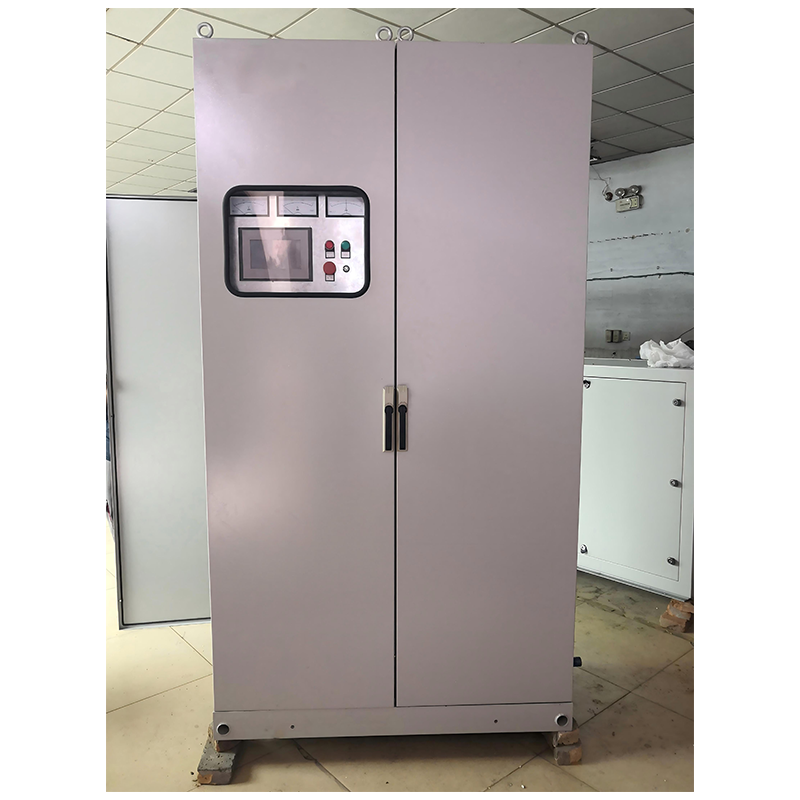
Theoretical knowledge is important, but it is practical experience in specific industries that determines the reliability of a supplier. A striking example of the application of the technologies described above is the activities of the companyWuxi Kaisheng Electric Power and Petrochemical Equipment Co., Ltd.. Specializing in the design and manufacture of high-tech heat transfer equipment, the company successfully integrates investment casting into the creation of critical components.
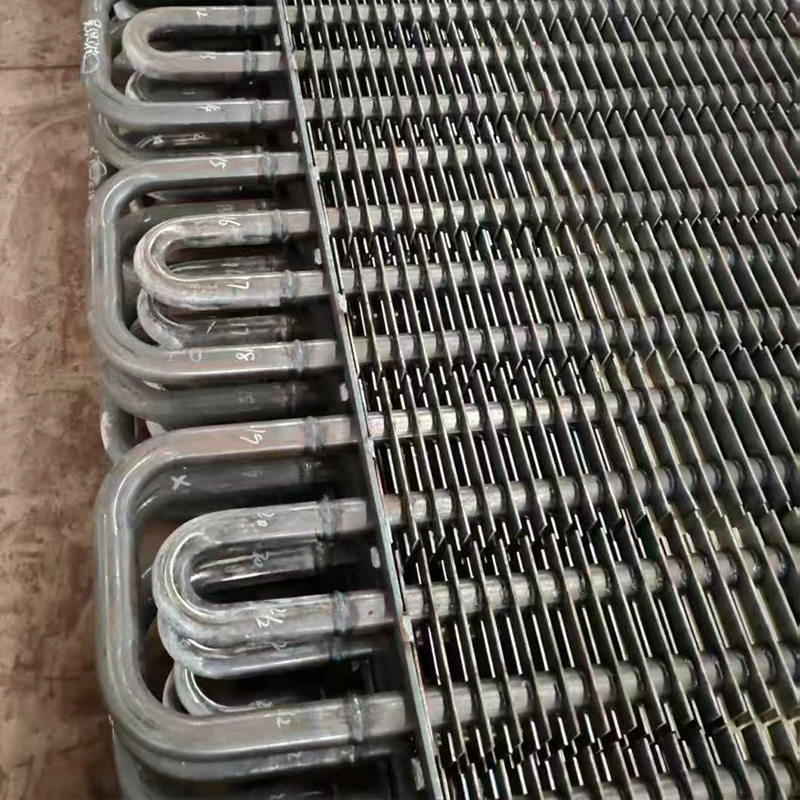
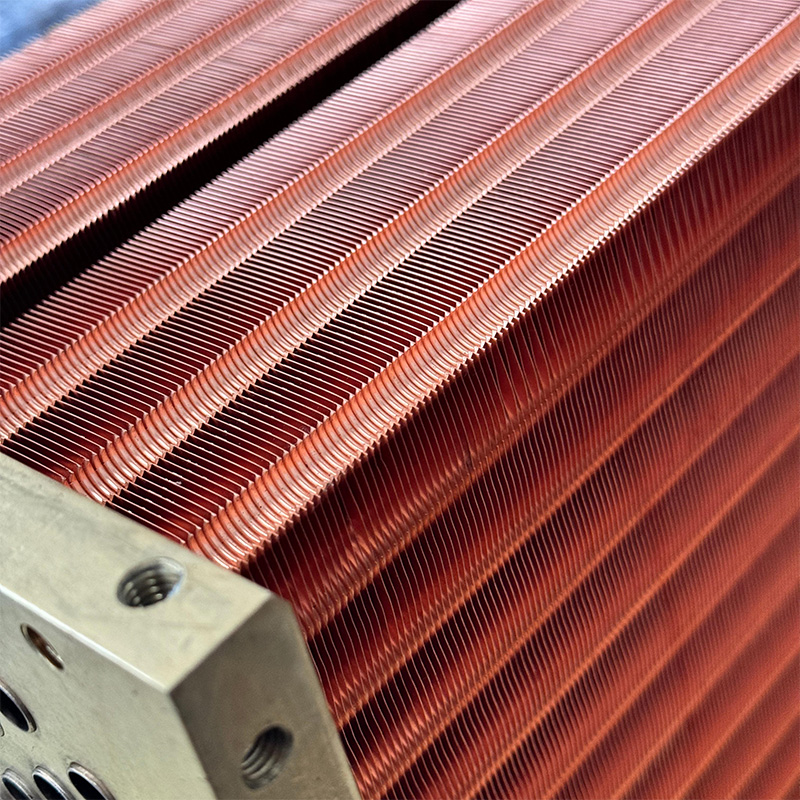
Wuxi Kaisheng's products, including titanium shell-and-tube heat exchangers, ASME high-pressure units and corrugated tube bundles, are directly dependent on the quality of the original castings. For example, manufacturing tube sheets from 321 stainless steel, C46400 marine brass, or C70600 copper-nickel alloys requires the precision precision achievable only by investment casting. Particular attention is paid to working with exotic materials: nickel alloys N06625 and titanium, which have outstanding corrosion resistance and thermal efficiency, but are extremely difficult to process using traditional methods.
The equipment supplied by the company is certified to strict international PED and ASME standards, which confirms the ability of the production chain to ensure the highest quality. Whether it's air coolers, recovery boilers or components for seawater desalination and shipbuilding, every element is carefully inspected. Использование литья позволяет создавать сложные внутренние каналы и геометрию теплообменников, недоступную для других методов, обеспечивая устойчивость к высоким давлениям и температурам в условиях нефтепереработки и химической промышленности. Такой подход демонстрирует, как передовые литейные технологии становятся фундаментом для создания надежных индивидуальных решений для заказчиков по всему миру.
How to start cooperation: step-by-step algorithm
Запуск проекта литья — это командная работа инженеров заказчика и технологов исполнителя. Чтобы процесс прошел гладко и без лишних итераций, следуйте этому алгоритму:
- Preparation of technical documentation.Вам необходимо предоставить 3D-модель (STEP, IGES) и 2D-чертеж с указанием допусков, шероховатости поверхности и требований к материалу. Если чертежа нет, наши конструкторы могут разработать его по вашему образцу или эскизу, но это увеличит срок и стоимость проекта.
- Аудит технологичности (DFM).Наши инженеры анализируют модель на предмет возможности литья. Мы можем предложить изменения в конструкции, которые упростят изготовление, снизят вес или улучшат эксплуатационные характеристики без потери функционала. На этом этапе мы согласовываем места разъема формы и расположение литников.
- Изготовление опытного образца.Перед запуском серии мы делаем пробную отливку. Это платный этап, но он страхует вас от брака в большой партии. Образец проходит полный цикл испытаний: геометрия, химия, механика. Только по сле вашего письменного утверждения образца мы приступаем к изготовлению серийной оснастки.
- Серийное производство и контроль.Запуск партии сопровождается операционным контролем. Вы можете запросить фото- и видеоотчеты с этапов производства, а также присутствовать при контрольных испытаниях на нашем заводе.
- Отгрузка и сопровождение.Готовая продукция упаковывается и отправляется выбранным способом. Мы предоставляем полный комплект сопроводительных документов. После начала эксплуатации мы остаемся на связи для решения любых технических вопросов.
Frequently Asked Questions
Какова минимальная толщина стенки для отливки?
Технологически возможно получение стенок толщиной от 0.5 мм для мелких деталей из цветных сплавов и от 1.5-2.0 мм для сталей. Однако мы не рекомендуем проектировать стенки тоньше 2.5 мм для конструкционных сталей, так как это резко повышает риск недолива и требует использования специальных методов заливки под давлением или в вакууме, что удорожает процесс. Оптимальная толщина для обеспечения хорошей жидкотекучести и прочности — 3-4 мм.
Можно ли изменить конструкцию детали после изготовления пресс-формы?
Внесение изменений в стальную пресс-форму возможно, но ограничено. Добавить металл в форму (чтобы убрать лишний металл с детали) можно путем наплавки и последующей обработки. Убрать металл из формы (чтобы добавить металл на деталь) можно только фрезеровкой, если конструктив формы позволяет. Кардинальные изменения требуют изготовления новой формы. Поэтому этап DFM-анализа и утверждения опытного образца является критически важным для фиксации геометрии.
Какие допуски точности вы гарантируете?
Стандартные допуски для литья по выплавляемым моделям соответствуют классу IT7-IT8 по ГОСТ 26645-85 (или CT4-CT5 по международному стандарту ISO 8062). Это означает отклонение в пределах ±0.05 мм на первые 25 мм размера и плюс 0.02 мм на каждые следующие 25 мм. Для критических поверхностей мы можем обеспечить допуски до IT6 путем последующей механообработки по базовым поверхностям, полученным при литье.
Do you work with customer-supplied raw materials?
Да, мы принимаем давальческое сырье при условии предоставления паспорта качества на материал и проведения входного спектрального анализа. Однако мы рекомендуем использовать нашу шихту, так как мы несем полную ответственность за химический состав и качество отливки только в случае использования наших материалов. Работа с давальческим сырьем снимает с нас ответственность за дефекты, связанные с качеством исходного металла.
Conclusion
Услуги литья по выплавляемым восковым моделям на заказ — это не просто способ получить металлическую деталь, это стратегический инструмент оптимизации производственной цепочки. Правильно выбранная технология позволяет сократить время вывода продукта на рынок, снизить зависимость от дорогостоящей механообработки и обеспечить высокое качество изделий из самых сложных сплавов. Мы готовы стать вашим надежным партнером в реализации самых амбициозных проектов, взяв на себя все риски производства.
Не откладывайте модернизацию своего производства. Свяжитесь с нами сегодня для бесплатного аудита ваших чертежей и расчета стоимости проекта. Наши инженеры готовы обсудить технические детали и предложить оптимальное решение именно для вашей задачи.Запросить коммерческое предложениеили перейти в разделкаталог сплавовдля изучения подробных характеристик материалов.