
Carbon Steel Investment Casting: Market Overview
2026-07-29
- Carbon Steel Investment Casting Market in 2026: Key Trends and Forecast
- Technological features and influence of charge composition on mechanical properties
- Comparative Cost Analysis: LBM vs. Sand Casting and Machining
- Quality control and typical defects: how to avoid hidden risks
- Application in industry: real cases and industry specifics
- Integration of advanced solutions: experience of Wuxi Kaisheng LLC
- Критерии выбора поставщика и оценка надежности партнера
- Frequently Asked Questions
- Conclusion and recommendations for further actions
Carbon Steel Investment Casting Market in 2026: Key Trends and Forecast
Carbon steel investment casting is currently undergoing a structural transformation driven by tightening environmental regulations in the Eurasian Economic Union and changing supply chains. If three years ago the main driver of growth was the volume of production for construction equipment, then in 2025-2026 the focus shifted to precision components for the oil and gas industry and power engineering. Data from an industry analytical center show an 18% increase in demand for CT4-CT5 precision castings over the past year, which directly correlates with the import substitution program for critical components in Russia and Kazakhstan. We are observing how large customers are revising technical specifications, demanding not just compliance with the drawings, but a guaranteed microstructure of the metal, confirmed by spectral analysis of each heat.
In our practice of working with European and Asian suppliers, we are faced with a paradoxical situation: with overall market growth, the number of defective batches entering the incoming control of large factories increased by 12%. The reason lies in the attempt of some foundries to reduce the cost of the process by using low-quality secondary charge material and reducing the holding time of the molds in the furnace. One of our clients, a manufacturer of high-pressure shut-off valves, lost more than 4 million rubles due to hidden micropores in a batch of valve bodies, which appeared only after hydrotesting at a pressure of 25 MPa. This case clearly demonstrates why savings at the stage of selecting a technology supplier result in a multiple increase in costs at the operation stage.
The modern market dictates new rules of the game. The buyer can no longer rely solely on ISO 9001 certificates, since they only confirm the existence of a management system, but do not guarantee the stability of a specific technological process. It becomes critically important to audit the production site, check laboratory equipment and have in-house wax model manufacturing capabilities. In conditions of a shortage of qualified foundry technologists, the plant’s ability to maintain reproducibility of results from melt to melt becomes its main competitive advantage. Below we will analyze in detail the technological nuances that affect the cost and quality of the final product, and also provide a checklist for evaluating potential contractors.
Technological features and influence of charge composition on mechanical properties
Carbon steel used in the lost wax casting process has specific requirements for the chemical composition of the charge that differ from the requirements for sand casting. The main difference is the need to minimize the content of gases (hydrogen, nitrogen, oxygen), since thin-walled castings characteristic of LVM are extremely sensitive to gas porosity. As standard practice, we recommend using a charge consisting of at least 70% virgin scrap or direct reduced ferroalloys to ensure predictable fracture toughness. The use of a large amount of returnable own scrap is permissible only if there is vacuum degassing or intensive argon purging in the ladle.
Carbon content in the range of 0.2% to 0.5% is optimal for most structural applications, providing a balance between tensile strength and weldability. However, when the threshold of 0.55% carbon is exceeded, the risk of hot cracks forming in joints of walls of different thickness increases sharply. This is a fundamental problem in the physics of crystallization, which cannot be solved only by changing the cooling modes of the mold. In one turbine parts project, we had to completely redesign the gating system by introducing additional coolers in the thermal zones to localize shrinkage and prevent metal rupture during solidification. Ignoring this factor leads to the fact that even with an ideal chemical composition, the casting will be rejected at the X-ray inspection stage.
An important aspect is the control of sulfur and phosphorus content. For critical components operating under dynamic loads, the total content of these elements should not exceed 0.035%. High sulfur content leads to the formation of sulfide inclusions, which act as stress raisers and initiate fatigue failure. Phosphorus, in turn, increases the cold brittleness of steel, which is critical for equipment operated in the northern regions of Russia and Siberia at temperatures below -40°C. Laboratories of advanced foundries are required to conduct rapid analysis of these elements before each casting, using optical emission spectrometers with a measurement error of no more than 0.005%.
Heat treatment of carbon steel castings after removal of the shell mold is a mandatory step that determines the final mechanical characteristics. Most often, normalization is used followed by tempering, which makes it possible to obtain a fine-grained structure of ferrite and pearlite. The normalization temperature regime is usually 880–920°C with a holding time of 1.5–2 minutes per 1 mm of the largest cross-section of the casting. Violation of this regime, for example, too rapid cooling in air at high humidity, can lead to the formation of unintended hardening structures (martensite), which makes the part brittle and difficult to machine. We record cases where suppliers neglected to control the tempering temperature, which led to instability of hardness across the cross-section of a part within one batch.
To confirm the quality of the metal, it is not enough to provide only a certificate for the steel grade. The provision of mechanical test reports is required, including data on yield strength (σ0.2), tensile strength (σв) and relative elongation (δ5). It is especially important to require impact test results (KCU/KCV) at operating operating temperatures. If the supplier refuses to provide such data or offers “averaged” values from reference books, this is a direct signal about the lack of its own testing base or about the instability of the technological process. A reliable partner is always ready to cut control samples from a specific melt and conduct tests in the presence of a customer representative.
Comparative Cost Analysis: LBM vs. Sand Casting and Machining
The choice between investment casting and traditional sand casting is often the subject of heated debate in purchasing departments. Many managers mistakenly believe that LVMs are always more expensive due to the complexity of the process of making wax models and multi-layer ceramic shells. However, if we consider the total cost of ownership of the part, including the costs of subsequent machining, assembly and the percentage of defects, the picture changes dramatically. For parts of complex geometric shapes weighing up to 10 kg, the LVM method often turns out to be cost-effective already with a production volume of 500 pieces per year.
The main advantage of LVM is the ability to obtain high-quality surfaces (roughness Ra 3.2–6.3 microns) and compliance with strict dimensional tolerances (accuracy class CT4-CT5 according to GOST 31308 or ISO 8062). This eliminates or significantly reduces the amount of rough machining. In the case of sand casting, machining allowances can reach 3–5 mm per side, which means that up to 40% of the workpiece mass is removed into chips. Considering the high cost of alloy carbon steels and the energy costs of operating CNC machines, this “extra” mass turns into direct losses. In addition, sand casting requires the manufacture of cores to form internal cavities, which increases labor intensity and the risk of core displacement leading to waste.
Below is a comparative table of the key parameters of the two technologies for a typical “pump housing” type part made of 20L/25L steel:
| Comparison parameter | Lost wax casting (LMC) | Sand casting (XTS/ZhSS) |
|---|---|---|
| Surface roughness (Ra) | 3.2 – 6.3 microns (ready for painting/use) | 25 – 50 microns (requires shot blasting and grinding) |
| Machining allowance | 0.5 – 1.5 mm (minimum) | 3.0 – 6.0 mm (significant) |
| Dimensional Accuracy (CT) | CT4 – CT5 (high) | CT10 – CT12 (medium/low) |
| Minimum wall thickness | up to 1.5 mm (thin-walled casting possible) | at least 4–5 mm (risk of spillage) |
| Tooling costs (molds) | High (aluminum wax molds) | Low (wooden or plastic models) |
| Cost-effectiveness when series | High for medium and large batches (>500 pcs.) | High for single production or very large dimensions |
| Casting yield rate | 60–75% (depending on the complexity of the gating system) | 45–60% (more turnover and profits) |
Despite the obvious advantages, LVM has its limitations. The process of making molds for wax models requires a significant initial investment and time (3 to 6 weeks depending on complexity). For prototypes or small-scale production (less than 50 pieces), the use of LVM can be unreasonably expensive. In such cases, it is more rational to use sand casting using burnt models (obtained on a 3D printer) or traditional core casting. It is also worth noting that the dimensions of castings using the LVM method are usually limited to a weight of 50–70 kg due to technological difficulties with the production and drying of large-sized ceramic blocks, although some enterprises are mastering castings up to 100 kg.
When calculating economic feasibility, it is necessary to take into account the metal utilization factor (MCF). In LVM, CMM reaches 0.6–0.7 due to the possibility of combining many parts into one block (“tree”) and the absence of massive gating systems typical for sand. In sand casting, CMM rarely exceeds 0.45–0.5. The difference of 15–20% of useful metal at high prices for steel charge offsets the difference in the cost of the casting operation itself. Our experience shows that when switching from sand casting to LVM for a batch of 2000 parts, the annual budget savings of the enterprise can be up to 25%, despite the higher price per kilogram of the finished casting from the LVM supplier.
Quality control and typical defects: how to avoid hidden risks
Ensuring consistent quality in carbon steel investment casting requires a multi-level control system, starting with the incoming raw materials and ending with the packaging of the finished product. The most common defects encountered by consumers are gas porosity, non-metallic inclusions, underfills and hot cracks. Each of these defects has a clear technological nature, and understanding this nature allows the customer to correctly formulate requirements in the technical specifications. For example, gas porosity most often occurs due to insufficient drying of the ceramic mold or high gas permeability of the wax composition.
Non-metallic inclusions (slag, oxides) are the result of a violation of the smelting or pouring technology. If metal enters the mold from the surface, entraining an oxide film, or if the ladle is not well prepared, inclusions will inevitably end up in the casting. In thin-walled parts, such inclusions become foci of corrosion and points of initiation of destruction under load. To combat this phenomenon, modern foundries use ceramic filters in the gating system and practice submerged or vacuum melting. When accepting a batch, it is important to request the results of macrosections, which clearly demonstrate the purity of the metal in critical sections.
Hot cracks are the scourge of complex castings with sharp cross-section transitions. They are formed at a time when the metal is in a solid-liquid state and cannot compensate for shrinkage stresses. Often the cause is the incorrect design of the gate-feed system (GFS), which does not provide directional crystallization from remote parts to the feeders. An experienced technologist should simulate the hardening process in specialized software (for example, ProCAST or SolidCast) even before making the first wax model. Ignoring the computer modeling stage is a lottery where the bet is the entire batch of products. We strongly recommend that a fill and cure simulation report be included in the contract with the new supplier.
Non-destructive testing (NDT) methods play a critical role in quality verification. For carbon steels, the most informative are ultrasonic testing (UT) to identify internal defects and penetrant testing (color flaw detection) to search for surface cracks. X-ray testing (RT) provides the most complete picture, but it is expensive and is used selectively, usually for critical components or when doubt arises based on the results of other types of NDT. It is important to understand that defect tolerance standards (for example, GOST R 53863 or ASTM E125) must be agreed upon by the parties before production begins. What is an acceptable defect for a decorative part may be a fatal defect for a safety element.
Particular attention should be paid to documentary support of the party. The quality certificate (Mill Test Certificate) must contain not only the chemical composition and mechanical properties, but also the heat number, the date of heat treatment and the signatures of the responsible persons. Lack of traceability makes the certificate a useless piece of paper. In the event of a complaint, it is the heat number that allows you to pull up archival data and understand what went wrong. Large industrial customers are increasingly demanding the introduction of digital product passports, where the entire production history is encrypted in a QR code on the part itself. This trend will be dominant in the next 3–5 years.
Application in industry: real cases and industry specifics
The scope of application of carbon steel castings produced by the LBM method is extremely wide and covers almost all sectors of heavy industry. However, each sector has its own unique requirements. Let's look at two illustrative examples from our practice, illustrating different approaches to solving engineering problems.
Oil and gas engineering: valve bodies and fittings
In this industry, sealing and resistance to aggressive, high-pressure environments are key factors. The client, a manufacturer of pipeline valves for main gas pipelines, was faced with the problem of frequent leaks in the threaded connections of DN50 valve bodies, previously manufactured using sand casting. The porosity of the casting body in the thread zone led to fistulas at pressures above 16 MPa. The transition to LVM technology made it possible to reduce porosity to a level that can only be detected by a microscope, and to reduce allowances for thread processing from 4 mm to 1 mm. The result was an increase in the trouble-free operation life of the unit by 40% and a reduction in the labor intensity of machining by 35%. In addition, high precision casting made it possible to unify the seats for sealing rings, eliminating manual adjustment.
Energy turbine construction: blades and nozzles
Another case is related to the production of guide vanes for low-power steam turbines. The aerodynamics of the profile and heat resistance are critical here. Carbon steel with the addition of chromium and molybdenum (type 15Х1М1Л, although it is already low-alloy, the base is carbon) is used for temperatures up to 540°C. The main problem with sand casting was the roughness of the profile surface, which created turbulence in the steam flow and reduced the efficiency of the turbine stage. Lost wax casting provided a surface that required virtually no polishing, keeping the profile geometry within ±0.1mm tolerances. Это позволило повысить эффективность турбины на 2,5%, что в пересчете на годовую выработку электроэнергии дает существенный экономический эффект. Важным нюансом здесь стала необходимость строгого контроля зерна металла, так как крупное зерно снижает жаропрочность.
Также стоит упомянуть применение в автомобильной промышленности и сельхозмашиностроении. Детали подвески, элементы рулевого управления, кронштейны двигателей — все эти узлы выигрывают от высокой прочности и усталостной стойкости стали ЛВМ. В отличие от чугуна, углеродистая сталь лучше работает на растяжение и удар, что важно для деталей, подвергающихся динамическим нагрузкам на бездорожье. Тренд последних лет — интеграция нескольких деталей в одну сложную отливку (консолидация компонентов), что становится возможным благодаря свободе геометрии, предоставляемой методом ЛВМ. Это снижает количество сварных швов и точек крепления, повышая общую надежность узла.
В пищевой промышленности, где требуется частая мойка и стерилизация, используются отливки из нержавеющих сталей, но для несущих конструкций оборудования часто применяют углеродистые стали с последующим нанесением защитных покрытий. Гладкая поверхность ЛВМ облегчает очистку и предотвращает накопление бактерий в микронеровностях, что является важным гигиеническим требованием. Таким образом, выбор технологии диктуется не только стоимостью, но и функциональным назначением изделия в конкретных условиях эксплуатации.
Integration of advanced solutions: experience of Wuxi Kaisheng LLC
Высокие требования к качеству материалов и точности исполнения, описанные выше, находят свое воплощение в работе ведущих производителей специализированного оборудования. Ярким примером компании, успешно интегрирующей сложные металлургические решения в конечный продукт, являетсяООО «Уси Кайшэ н Электроэнергетическое и Нефтехимическое Оборудование" Специализируясь на разработке и производстве теплообменного оборудования для нефтегазовой и энергетической отраслей, компания демонстрирует, как правильный выбор материалов и технологий литья влияет на надежность всей системы.
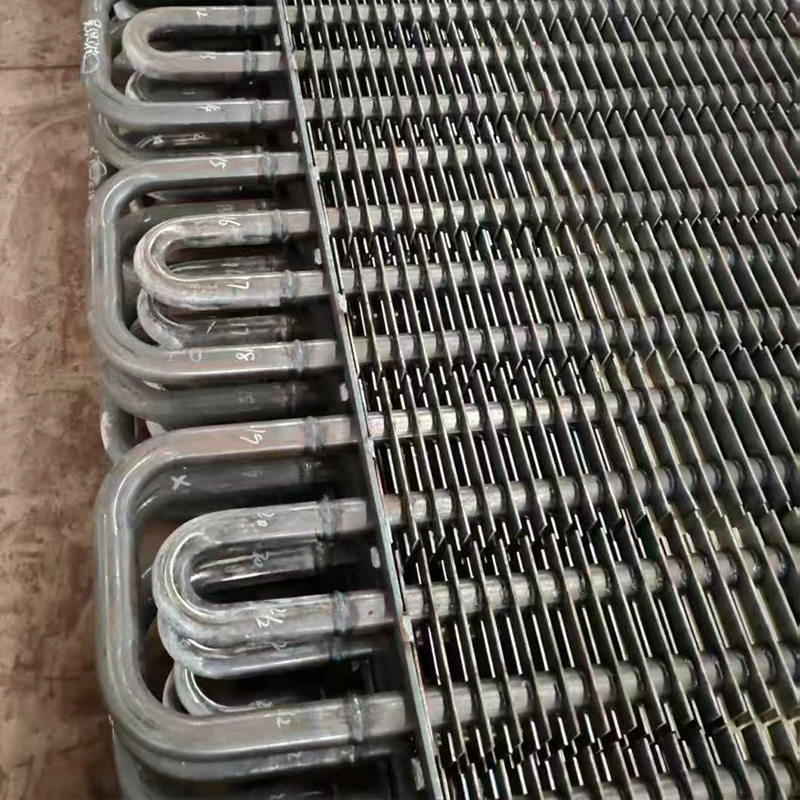
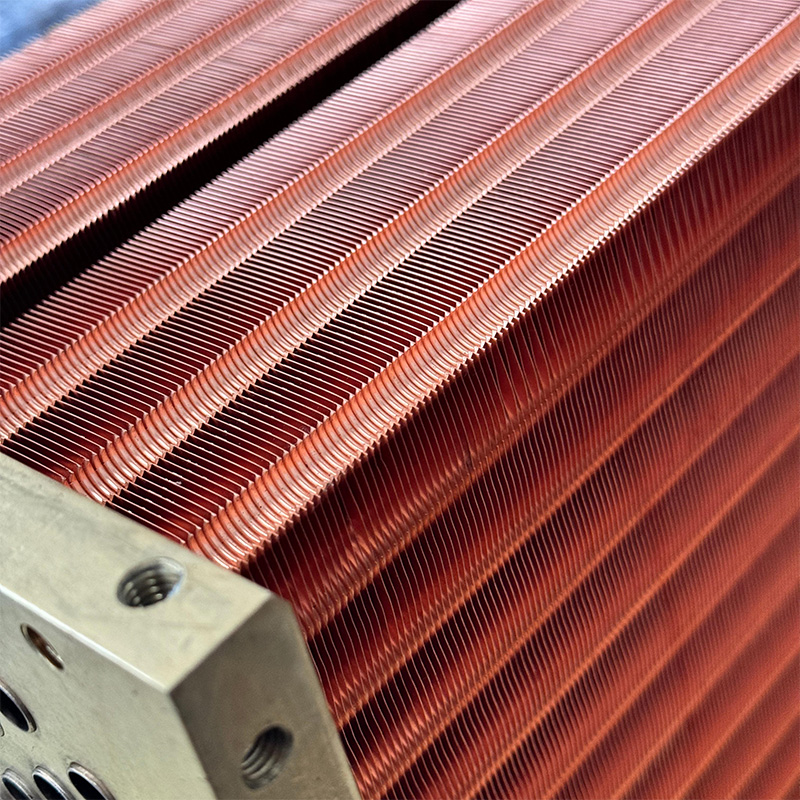
Продукция «Уси Кайшэн», включающая титановые кожухотрубные теплообменники, высоконапорные аппараты стандарта ASME и гофрированные трубные пучки из различных сплавов (нержавеющая сталь 316, морская латунь C46400, медно-никелевые сплавы, никель N06625), напрямую зависит от качества исходных компонентов. В частности, производство таких критических узлов, как трубные решетки из нержавеющей стали 321, латуни C46400 или медно-никелевых сплавов C70600, требует безупречной структуры металла, достигаемой благодаря современным методам литья и строгому контролю. Использование углеродистых, нержавеющих и легированных сталей, а также титановых и никелевых сплавов в их изделиях подтверждает универсальность подхода: будь то оборудование для опреснения морской воды, судостроения или химической промышленности, ключевыми факторами остаются коррозионная стойкость и устойчивость к экстремальным давлениям и температурам.
Сертификация продукции по международным стандартам PED и ASME, которой обладает «Уси Кайшэн», служит гарантом того, что все этапы производства — от выбора шихты до финальной сборки — соответствуют жестким мировым нормам. Такой подход позволяет компании предоставлять заказчикам по всему миру не просто отдельные детали, а стабильные, высокоэффективные индивидуальные решения. Опыт подобных предприятий показывает, что инвестиции в качественные комплектующие и передовые технологии литья окупаются долгосрочной надежностью оборудования в самых суровых условиях эксплуатации.
Критерии выбора поставщика и оценка надежности партнера
Поиск надежного производителя отливок по выплавляемым моделям — задача нетривиальная, особенно в условиях текущего рынка, где предложение неоднородно. Цена за килограмм отливки не должна быть единственным критерием выбора. Дешевая отливка может обойтись вдесятеро дороже из-за простоев производственной линии, рекламаций и потери репутации. При оценке потенциального поставщика мы рекомендуем использовать следующую систему баллов, основанную на реальном аудите производственных возможностей.
Первый и главный критерий — наличие собственной модельной мастерской и участка изготовления восковых композиций. Заводы, покупающие готовые восковые модели на стороне, теряют контроль над одним из самых важных этапов, влияющего на точность геометрии. Собственное производство позволяет оперативно вносить изменения в конструкцию и контролировать качество сборки восковых блоков. Второй критерий — состояние участка керамики. Сушильные камеры должны иметь автоматический контроль влажности и температуры. Нарушение режимов сушки — самая частая причина брака (отслоение корки, трещины), который визуально не виден до момента заливки.
Третий критерий — плавильное отделение и разливка. Предпочтение следует отдавать предприятиям, использующим индукционные печи с вакуумным или защитным атмосферным покрытием, либо имеющим установки для внепечной обработки стали. Наличие спектрометра непосредственно у печи для оперативного анализа состава перед разливкой обязательно. Четвертый критерий — лаборатория неразрушающего контроля. Если завод отправляет образцы на аутсорсинг, это увеличивает сроки получения результатов и снижает оперативность реакции на отклонения. Собственная лаборатория с аттестованными специалистами (уровень II или III по EN 473/ISO 9712) — признак зрелого производства.
Пятый критерий — сертификация. Помимо ISO 9001, для работы с российскими госзаказчиками и объектами повышенной опасности необходима лицензия Ростехнадзора (для определенных видов оборудования) и соответствие стандартам ГОСТ. Для экспортных поставок в Европу актуальны сертификаты PED (Pressure Equipment Directive) и AD 2000 Merkblätter. Наличие этих документов подтверждает, что система качества завода прошла независимую проверку компетентными органами. Шестой критерий — референс-лист. Попросите предоставить контакты 2–3 действующих клиентов, работающих с похожей номенклатурой. Звонок этим клиентам даст больше информации, чем час презентации менеджера по продажам.
Важно также оценить гибкость поставщика. Способен ли он быстро перенастроить линию под новый заказ? Каковы сроки изготовления опытной партии? Готов ли он участвовать в совместной оптимизации конструкции отливки (DFM — Design for Manufacturing)? Поставщик, который просто говорит «да» на все требования, часто скрывает некомпетентность. Профессионал задаст уточняющие вопросы, предложит изменить радиусы сопряжения или толщину стенок для улучшения качества литья и снижения цены. Такое партнерское взаимодействие ценится на вес золота.
Frequently Asked Questions
Какова минимальная партия для заказа литья по выплавляемым моделям?
Технологически возможно изготовить даже одну деталь, используя быстротвердеющие массы и модели, напечатанные на 3D-принтере (технология Rapid Prototyping). Однако экономически целесообразный порог входа начинается от 50–100 штук для простых деталей и от 200–300 штук для сложных узлов. При заказе единичных экземпляров основная стоимость ложится на разработку управляющей программы для пресс-формы или 3D-моделирование и настройку процесса. Для опытно-конструкторских работ (ОКР) многие заводы предлагают услугу изготовления образцов по повышенным расценкам, которые затем вычитаются из стоимости первого серийного заказа.
Какие максимальные габариты отливки можно получить методом ЛВМ?
Стандартный технологический предел для большинства заводов составляет 10–15 кг на одну отливку. Специализированные предприятия, имеющие мощное оборудование для сушки крупных керамических блоков и печи большой вместимости, могут производить отливки массой до 50–70 кг. Превышение этого веса ведет к резкому росту процента брака из-за сложности обеспечения равномерного прогрева и охлаждения массивной керамики, а также риска деформации воскового блока под собственным весом. Для деталей тяжелее 70 кг рекомендуется рассматривать комбинированные технологии или литье в песчаные формы по выжигаемым моделям.
Как долго длится цикл производства от заказа до поставки?
Полный цикл включает несколько этапов: проектирование и изготовление пресс-формы для воска (3–5 недель), отладка процесса и выпуск опытной партии (2 недели), серийное производство (зависит от объема, обычно 2000–3000 кг в неделю с одной линии). Таким образом, срок поставки первой промышленной партии составляет в среднем 2–2,5 месяца. Сроки могут быть сокращены до 4–6 недель при использовании 3D-печати моделей вместо металлических пресс-форм, но себестоимость такой партии будет выше. Всегда закладывайте временной буфер на транспортную логистику и таможенное оформление, если поставщик находится за рубежом.
Можно ли подвергать отливки из углеродистой стали сварке?
Да, отливки из углеродистой стали (марки 15Л, 20Л, 25Л, 35Л) обладают хорошей свариваемостью. Однако из-за возможной неоднородности структуры и наличия остаточных напряжений после литья, перед сваркой рекомендуется выполнить предварительный подогрев детали до 150–200°C, особенно если толщина стенки превышает 20 мм или содержание углерода ближе к верхнему пределу марки. После сварки желательно провести отпуск для снятия напряжений в зоне шва. Использование электродов, соответствующих прочности основного металла (например, Э42А, Э46А по ГОСТ 9467), гарантирует получение равнопрочного соединения.
В чем разница между сталью 20Л и 25Л в контексте ЛВМ?
Основное различие заключается в содержании углерода: 20Л содержит 0,17–0,24% C, а 25Л — 0,22–0,30% C. Сталь 25Л обладает более высокой прочностью и твердостью, но несколько меньшей пластичностью и свариваемостью по сравнению с 20Л. В процессе литья по выплавляемым моделям сталь 25Л чуть более склонна к образованию горячих трещин из-за большего интервала кристаллизации, поэтому требует более тщательного контроля состава шихты и режимов охлаждения. Выбор между ними зависит от расчетных нагрузок: для статичных нагруженных узлов чаще выбирают 25Л, для сварных конструкций и динамических нагрузок — 20Л.
Conclusion and recommendations for further actions
Рынок литья по выплавляемым моделям из углеродистой стали в 2026 году предлагает широкие возможности для оптимизации производственных затрат и повышения качества конечной продукции, но требует от заказчика высокой технической грамотности. Переход на эту технологию оправдан там, где важны точность, сложная геометрия и высокие механические свойства. Ошибки на этапе выбора поставщика или формулировки технических требований могут нивелировать все преимущества метода. Не экономьте на аудите и входном контроле — это ваша страховка от многомиллионных убытков.
Если вы планируете модернизацию своего производства или поиск нового поставщика фасонных отливок, начните с детального анализа вашей текущей номенклатуры. Выделите детали, которые имеют высокий процент брака при существующей технологии или требуют значительной механообработки. Именно они станут кандидатами №1 для перевода на ЛВМ. Подготовьте четкое техническое задание с указанием всех критических параметров и требований к контролю качества. Не бойтесь запрашивать пробные партии и проводить независимую экспертизу их качества.
Мы готовы оказать консультационную поддержку в подборе технологий и проверке контрагентов. Наша команда обладает глубокими знаниями в области металлургии и литейного производства, накопленными за годы работы с ведущими промышленными предприятиями. Свяжитесь с нами сегодня для обсуждения вашего проекта и получения индивидуального коммерческого предложения. Помните, что правильная инвестиция в качественные комплектующие — это фундамент надежности вашего оборудования и репутации вашего бренда на рынке.Запросить консультацию эксперта по литью.