
Pipeline for medicines 316/316L: sanitary standards and requirements
2026-07-07
- Medicine pipeline 316/316L: sanitary standards and material requirements
- Critical Differences Between 316 and 316L Grades in Pharmaceutical Manufacturing
- Requirements for the quality of the internal surface and roughness Ra
- Joining methods and weld validation according to GMP
- Chemical resistance and interaction with CIP/SIP cleaning environments
- Certification and documentary evidence of quality
- Typical mistakes when purchasing and installing 316/316L systems
- Economic rationale for choosing the premium segment
- The role of specialized equipment in ensuring system reliability
- Frequently Asked Questions
- Conclusion and recommendations for choosing a supplier
Medicine pipeline 316/316L: sanitary standards and material requirements
Selecting 316 or 316L stainless steel for pharmaceutical piping is not simply a matter of meeting specifications, but is a fundamental requirement for process line validation and drug manufacturing licensing. In our engineering practice, we have repeatedly encountered situations where saving 15-20% on the cost of metal when purchasing pipes led to the failure of the GMP audit and the need to completely replace the cleaning circuit (CIP) after six months of operation. Pipeline for medicines 316/316L: sanitary standards and requirements strictly regulate the chemical composition of the alloy, the quality of the internal surface and methods of connection, since any microcrack or inclusion of ferrite can become a source of bacterial contamination.
Russian and international markets today require unconditional compliance with ASME BPE standards and GOST R 52857, but the real problem lies in quality control of the supplied metal. We analyze not only the certificates of manufacturing plants, but also conduct an independent spectral analysis of each batch of pipes before installation. This eliminates the risk of using mis-grades, when cheaper 304 steel is supplied under the guise of 316L, which is unable to withstand the aggressive environment of modern cleaning solutions and high steam sterilization temperatures (SIP).
Critical Differences Between 316 and 316L Grades in Pharmaceutical Manufacturing
The main difference between standard AISI 316 stainless steel and its low-carbon modification 316L is the carbon content, which directly affects the corrosion resistance of the welds. In 316, the carbon content can be as high as 0.08%, while in 316L the “L” stands for “Low carbon,” limiting it to 0.03%. For piping subjected to regular saturated steam sterilization at temperatures above 121°C, the use of 316 steel without the L creates a risk of intergranular corrosion in the heat-affected zone of the weld.
When the pipe is heated during orbital welding or electropolishing, the carbon in 316 steel can combine with chromium to form chromium carbides. This process, known as sensitization, depletes the grain boundary zones of chromium, making them vulnerable to corrosion. In the pharmaceutical industry, where the pipeline is constantly in contact with purified water (WFI) and aggressive CIP cleaning agents, such corrosion leads to the appearance of micropores (“red rust”) precisely at the joints. One of our clients in the Moscow region was faced with the fact that after 8 months of operation, the production line for injectable drugs showed an excess of endotoxin levels precisely in the areas of welded joints made from 316 pipe instead of the required 316L.
Modern sanitary standards, including FDA recommendations and European pharmacopoeias, have virtually made the 316L grade the de facto standard for all critical areas of pharmaceutical communications. The use of regular 316 is only permitted for auxiliary lines not in direct contact with the product or not subject to high temperature sterilization. When designing a water treatment or pure steam distribution system, engineers should require material certifications from the supplier clearly stating a carbon content of less than 0.03%.
It is important to understand that visual identification of these brands is not possible. Even an experienced welder will not be able to tell a 316 from a 316L by spark color or appearance. The only way to guarantee compliance is through incoming inspection using a portable spectrometer and checking the Mill Test Certificate, where the chemical composition column will indicate a C value of ≤ 0.030%. Ignoring this stage of incoming control is a gross mistake that can cost the company millions of rubles in losses if production is stopped by the regulator.
Requirements for the quality of the internal surface and roughness Ra
Sanitary standards place extremely high demands on the quality of the inner surface of pipes, since it is the wall topography that determines the system’s ability to self-clean and prevents the formation of biofilms. For pharmaceutical piping, the standard is an electropolished internal surface with a roughness parameter of Ra ≤ 0.4 µm (or even Ra ≤ 0.25 µm for highly pure media such as water for injection). Mechanical polishing, even the highest quality, leaves microscopic risks that become an ideal refuge for microorganisms.
The electropolishing process removes microns of metal, smoothing peaks and filling valleys, while enriching the surface with chromium oxide, which creates a passive protective layer. In our practice, we have observed cases where customers tried to save money by ordering pipes with mechanical polishing inside. The result was predictable: in system validation, cleaning took three times longer, and microbiological tests after the CIP cycle showed the presence of colony forming units (CFU) at sampling points located after straight pipe runs.
The ASME BPE (Bioprocessing Equipment) standard clearly categorizes surface requirements based on product type. Pipelines transporting cell cultures or protein drugs require maximum smoothness to avoid product adsorption to the pipe walls. Losses of an expensive substrate due to adhesion on a rough surface can amount to up to 2-3% of the batch volume, which on an industrial scale means huge financial losses.
When accepting pipes, it is necessary to use a profilometer to selectively measure the Ra parameter. It is not enough to trust the supplier’s words that the pipe is “mirror-shaped”. A common situation occurs when a pipe has an excellent external polish, but the internal surface remains etched or has an uneven roughness. Require the submission of surface test reports for each coil or batch of pipe. If the supplier refuses to provide such data or offers to replace it with a “letter of guarantee”, this is a red flag indicating low quality of the product.
Joining methods and weld validation according to GMP
The reliability of a pharmaceutical pipeline depends 90% on the quality of the connections, since the joints are the most vulnerable places for leaks and the accumulation of contaminants. The primary method for joining 316/316L steel pipe in a clean area is automatic orbital argon arc welding (TIG). Manual welding in contours in contact with the product is strictly prohibited by modern GMP standards due to the inability to guarantee the stability of the weld parameters and the absence of internal beads.
Automatic welding heads provide precision edge alignment, temperature control and shielding gas (argon) both outside and inside the pipe. The key parameter here is the purity of the argon and the absence of oxidation of the weld root. If a blue or black color (tarnish color) is visible inside the pipe, this means that the gas protection was insufficient and the metal structure is damaged. This seam is a potential source of iron oxide particles that will continually leach into the product.
Each welded joint must undergo mandatory inspection. Visual inspection using an endoscope or borescope allows you to identify internal defects: pores, cracks, lack of fusion or excessive reinforcement of the seam. According to the standards, the inner bead of the seam should not protrude more than 10% of the thickness of the pipe wall, and ideally it should be completely flush with the inner surface (“zero” seam). We recommend that a random destructive proof test (macrosection) be performed on each welder at the start of their shift to confirm that the equipment is set up correctly.
For connections that require periodic disassembly (for example, connecting containers or pumps), sanitary fittings of the Clamp (Tri-Clover) type are used. It is important to monitor the condition of the sealing gaskets. In the pharmaceutical industry, only EPDM, Silicone or PTFE gaskets that have passed USP Class VI certification and are certified food grade (FDA 21 CFR 177.2600) are used. The use of rubber gaskets of unknown origin is unacceptable, as they may release plasticizers into hot water or solvents.
Documenting the welding process is part of the validation. It is necessary to keep a welding log, which records the joint number, operator’s name, welding machine parameters (current, rotation speed, purge time) and control results. This log becomes part of the system validation dossier, which is requested by Roszdravnadzor inspectors when licensing production. The absence of such documentation automatically calls into question the sterility of the entire system.
Chemical resistance and interaction with CIP/SIP cleaning environments
The pharmaceutical pipeline operates under extreme cyclic conditions: alternating high steam temperatures (up to 140°C) and aggressive chemical cleaning solutions. Standard CIP (Clean-in-Place) cycles involve the use of alkalis (NaOH) at concentrations of 1-2% and temperatures up to 80°C, as well as acids (nitric HNO3 or phosphoric) for passivation and removal of mineral deposits. 316L steel is only sufficiently resistant to these environments if the surface is properly passivated.
One common mistake is using chlorine-containing detergents on stainless steel systems. Chlorides are the main enemies of stainless steel, causing pitting corrosion even at concentrations above 50 ppm and at elevated temperatures. In our practice, there was a case when a plant for the production of infusion solutions used tap water with a high chlorine content to prepare a cleaning solution. After a year of operation, deep corrosion pits appeared on the inner walls of the pipes, which led to through breakthroughs and an emergency shutdown of the workshop.
The passivation procedure is a mandatory step after installation and welding of the pipeline. It is aimed at removing free iron from the surface and restoring a uniform layer of chromium oxide. Passivation is usually carried out with a solution of nitric acid or special gel compositions. The effectiveness of passivation is verified by a free iron test (ferroxyl test) or potential measurement in accordance with ASTM A967. Without this step, even the most expensive 316L pipe will begin to rust in the first weeks of use.
Temperature expansion also plays a role. When moving from cold water to steam, the length of the pipeline can increase by several millimeters for every meter of length. If a system is rigidly supported without expansion joints or proper supports, mechanical stresses are created which, when combined with a corrosive environment, can lead to stress corrosion cracking. The pipeline design must take these factors into account by providing movable supports and expansion loops.
| Comparison parameter | Stainless steel AISI 316 | Stainless steel AISI 316L |
|---|---|---|
| Carbon content | Max. 0.08% | Max. 0.03% |
| Resistance to intergranular corrosion | Low (risk after welding) | High (due to low carbon) |
| Suitable for SIP (steam sterilization) | Not recommended for critical areas | Industry standard, fully suitable |
| Material cost | 5-10% lower | Higher, but justified by reliability |
| Post-weld heat treatment requirements | Requires stress relief annealing | Usually not required if welded correctly |
| Risk of “red rust” formation on the seams | High | Minimum |
Certification and documentary evidence of quality
In the pharmaceutical industry, the principle of “no documentation, no product” is absolute. Every pipe, fitting and valve must be traceable back to the metal being melted. The main document is the EN 10204 3.1 certificate. This certificate is issued by an independent inspector and contains the actual results of chemical and mechanical tests on a specific batch of goods. A 2.2 or 2.3 certificate, based only on a manufacturer's statement without independent verification, is often insufficient for rigorous audits of international pharmaceutical companies.
In addition to the metal certificate, all components in contact with the product must have a declaration of conformity with FDA (USA) and EU regulations (EC) No. 1935/2004. For the Russian market, it is mandatory to have a declaration of conformity with the technical regulations of the Customs Union (TR CU 032/2013 “On the safety of equipment operating under excess pressure”). However, the presence of only Russian documents is not enough for export-oriented industries or factories operating according to international standards.
Particular attention should be paid to roughness and cleanliness certificates. High-end pipe manufacturing plants (such as some European and Japanese brands) provide additional protocols confirming the absence of excess sulfur and phosphorus inclusions, since these elements impair weldability and polishability. When purchasing pipes for a project in the “sterile preparations” category, we always include in the contract a clause regarding the right to conduct an independent examination in an accredited laboratory before payment.
The lack of a complete package of documents makes the installation qualification procedure (IQ - Installation Qualification) impossible. Validation engineers simply will not sign the system readiness certificate if they cannot prove the origin of the material. This results in a delay in the start of production for weeks and months, which many times offsets any savings obtained by purchasing cheaper metal without documents.
Typical mistakes when purchasing and installing 316/316L systems
One of the most common mistakes is mixing pipes from different manufacturers in one system. Although they all nominally comply with AISI 316L, actual chemical composition and surface quality may vary. When welding pipes from different factories, problems often arise with the formation of the seam: one metal flows differently than the other, which leads to defects. We strongly recommend purchasing the entire volume of pipes for a particular circuit from one manufacturer and from one batch, if possible.
Another critical mistake is improper storage of pipes on the construction site. Stainless steel does not rust as quickly as black steel, but it is susceptible to iron contamination. If 316L pipe is placed next to carbon steel or is cut with a tool that was previously used for ferrous iron, the surface will become contaminated with particles of ordinary iron. These particles subsequently rust and create pockets of corrosion. All work with pipes should be carried out with clean gloves, on wooden or plastic pads, using tools marked “for stainless steel only.”
Ignoring pipeline geometry also leads to problems. The presence of “dead zones” (dead ends longer than 1.5-2 pipe diameters) is unacceptable in sanitary systems. In such areas, liquid does not circulate, is not heated during sterilization and is not washed with a cleaning solution, becoming an incubator for bacteria. The project must be carried out in compliance with the “6D” rule (the length of a dead end is no more than 6 diameters for old standards, but modern standards require 3D or no dead ends at all).
Savings on shut-off valves are often found. Installing cheap ball valves with a closed bore or complex internal cavity geometry disrupts laminar flow and makes cleaning difficult. In pharmaceuticals, only bellows valves or special sanitary ball valves with a polished ball and no gaps between the stem and body should be used.
Economic rationale for choosing the premium segment
Many buyers seek to minimize CAPEX (capital expenditure) by choosing the lowest cost pipes. However, in the long term, the TCO (total cost of ownership) of a low-cost steel system is significantly higher. Расходы на внеплановые ремонты, простои производства из-за микробиологических загрязнений, повторные валидации и штрафы регуляторов многократно превышают разницу в цене между трубой 316 и 316L высокого качества.
Рассмотрим пример: замена участка трубопровода в действующем чистом помещении требует остановки линии, демонтажа панелей, проведения сварочных работ с последующей тщательной очисткой помещения и новой валидацией чистоты воздуха и системы. Стоимость таких работ может достигать десятков тысяч долларов за один инцидент. Использование надежной трубы 316L с гарантированной стойкостью к коррозии исключает эти риски на десятилетия.
Кроме того, качество трубопровода влияет на выход годного продукта. Адсорбция активных веществ на шероховатых стенках или потеря продукта из-за утечек снижает эффективность производства. Для дорогих биотехнологических препаратов даже 1% потерь является существенной статьей убытков. Поэтому инвестиции в качественный трубопровод окупаются за счет повышения эффективности технологического процесса.
Мы рекомендуем рассматривать стоимость трубопровода не как отдельную статью расходов, а как часть страховки от производственных рисков. Выбор проверенных поставщиков, способных предоставить полный пакет документов и гарантировать стабильность качества, является стратегическим решением для любого фармацевтического предприятия.
The role of specialized equipment in ensuring system reliability
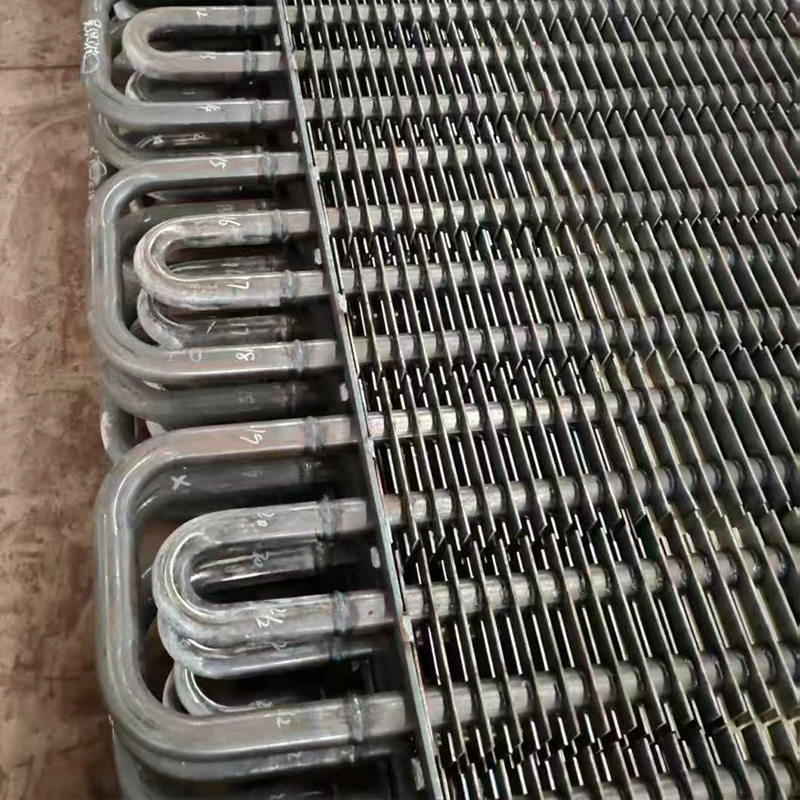
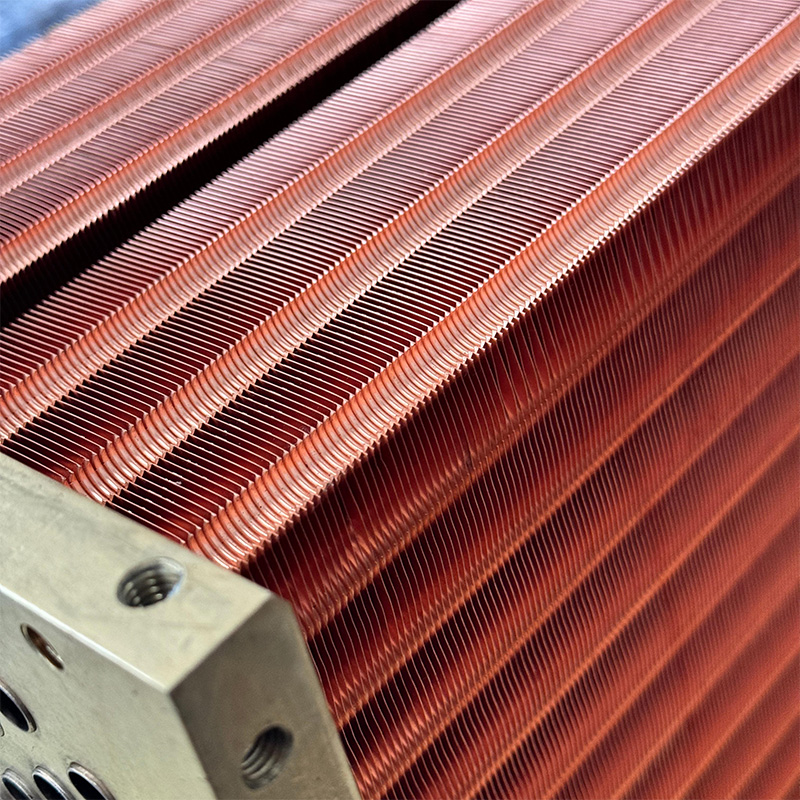
Помимо качества самих труб, надежность всей технологической линии зависит от сопряженного оборудования, такого как теплообменники и трубные пучки, которые также должны соответствовать строгим стандартам чистоты и коррозионной стойкости. For example, a companyWuxi Kaisheng Electric Power and Petrochemical Equipment Co., Ltd.спец иализируется на разработке и производстве высокотехнологичных решений, включая гофрированные трубные пучки из нержавеющей стали 316, титановые кожухотрубные теплообменники и изделия из никелевых сплавов (N06625). Их продукция, сертифицированная по стандартам ASME и PED, демонстрирует исключительную устойчивость к высокому давлению, температуре и агрессивным средам, что критически важно не только для нефтегазовой отрасли, но и для фармацевтических производств, где требуется абсолютная герметичность и чистота теплоносителей.
Опыт таких производителей, как «Уси Кайшэн», подчеркивает важность использования материалов высочайшего качества во всех узлах системы. Применение трубных решеток из нержавеющей стали 321 или медно-никелевых сплавов в теплообменном оборудовании гарантирует отсутствие вторичного загрязнения продукта и долговечность узлов, работающих в режимах частых циклов нагрева и охлаждения (SIP/CIP). Интеграция компонентов от проверенных поставщиков, обладающих экспертизой в работе со сложными сплавами, позволяет создать единую экосистему оборудования, где каждый элемент—from трубы до теплообменника—работает как единый надежный механизм, минимизируя риски простоев и обеспечивая стабильность технологического процесса на протяжении десятилетий.
Frequently Asked Questions
Можно ли использовать трубу 304 вместо 316L для линий очищенной воды?
Нет, использование стали 304 для линий очищенной воды (PW) и воды для инъекций (WFI) категорически не рекомендуется и часто запрещено внутренними стандартами фармкомпаний. Сталь 304 не содержит молибдена, который обеспечивает стойкость к хлоридам и другим агрессивным компонентам моющих растворов. Риск питтинговой коррозии в 304 значительно выше, особенно при температурах выше 60°C. Экономия на материале здесь неоправданна, так как последствия коррозии (загрязнение воды ионами металлов) приведут к браку всей партии воды и остановке производства.
Как часто нужно проводить пассивацию трубопровода из 316L?
Периодичность пассивации зависит от результатов мониторинга системы и частоты циклов CIP/SIP. Обычно первичная пассивация проводится сразу после монтажа. Далее, в процессе эксплуатации, необходимость повторной пассивации определяется по результатам тестов на наличие свободного железа или росту уровня эндотоксинов. Многие современные предприятия переходят на непрерывную или периодическую пассивацию слабыми растворами кислот в рамках циклов мойки, чтобы поддерживать оксидный слой в активном состоянии. Строгого календарного графика нет, все решается на основе данных валидации и трендов мониторинга качества воды.
Допускается ли ручная сварка труб 316L в чистой зоне?
В зонах класса чистоты A/B (по классификации GMP) и для контуров, непосредственно контактирующих со стерильным продуктом, ручная сварка недопустима. Только автоматическая орбитальная сварка гарантирует повторяемость и качество шва, необходимое для предотвращения бактериального роста. Ручная сварка может быть допущена только на вспомогательных линиях (например, техническая вода, дренажи вне чистой зоны), но и там она должна выполняться высококвалифицированными сварщиками с последующим контролем каждого стыка. Для основных технологических линий ответ однозначен: только автоматика.
Что делать, если на новой трубе появилась ржавчина до монтажа?
Появление ржавчины на новой трубе 316L до монтажа почти всегда свидетельствует о загрязнении поверхности частицами углеродистой стали (например, при транспортировке или резке рядом с черным металлом) или о нарушении технологии производства. Такую трубу нельзя монтировать “как есть”. Необходимо провести механическую зачистку абразивами, предназначенными только для нержавейки, followed by травлением и пассивацией специальными пастами или растворами. Если коррозия глубокая (питтинг), трубу следует забраковать и вернуть поставщику, так как целостность материала нарушена.
Conclusion and recommendations for choosing a supplier
Трубопровод для лекарств 316/316L: санитарные нормы и требования к которому мы рассмотрели, является кровеносной системой любого современного фармацевтического завода. Ошибки на этапе выбора материала или монтажа не могут быть исправлены в процессе эксплуатации без колоссальных затрат. Надежность, стерильность и долговечность системы зависят от строгого соблюдения стандартов ASME BPE, использования сертифицированной стали 316L с низким содержанием углерода и применения передовых технологий сварки и контроля.
Мы призываем технических директоров и главных инженеров не поддаваться искушению сэкономить на “невидимом” компоненте системы. Качество трубы определит качество вашего лекарства. Выбирайте поставщиков, которые готовы предоставить полную прозрачность цепочки поставок, имеют опыт работы с фармпроектами и понимают важность валидационной документации. Правильный выбор сегодня — это гарантия бесперебойного производства и отсутствия проблем с регуляторами завтра.
Если вы планируете модернизацию существующих линий или строительство нового цеха и нуждаетесь в экспертной оценке спецификаций на трубопроводы,contact us today. Наши специалисты помогут подобрать оптимальное решение, соответствующее всем международным и российским стандартам, и обеспечат сопровождение проекта на всех этапах — от закупки металла до валидации системы.