
Welding Stainless Steel Pipe: A Complete Beginner's Guide
2026-07-07
Welding Stainless Steel Pipe: A Complete Beginner's Guide
Welding Stainless Steel Pipe: A Complete Beginner's Guideis not just a theoretical review, but a summary of 15 years of practice on real production lines. If you are just starting to work with stainless steel, remember the main rule: heat is your main enemy. Unlike carbon steel, stainless steel has low thermal conductivity and a high coefficient of linear expansion. This means that the metal is heated locally, but deformed globally. An error in choosing the current strength of just 10 amperes can lead to a loss of anti-corrosion properties of the seam or a through burn through of a 2 mm thick pipe. In this article we will analyze each stage of the process, from edge preparation to final cleaning, based on GOST standards and real cases where ignoring technology cost customers millions of rubles.
Why does stainless steel behave differently: the physics of the process
Before you strike an arc, you need to understand the fundamental difference in the material you are working with. Stainless steel (austenitic class, for example, AISI 304 or 12Х18Н10Т) contains chromium, which, when heated above 450°C, begins to actively bond with carbon. This process, called intergranular corrosion, turns a strong metal into a brittle structure in a heat-affected zone. Our practice shows that 80% of defective pipelines fail precisely because of overheating, and not because of poor filler material. We have seen situations where a pipe welded without observing the thermal conditions began to leak after three months of operation in an aggressive environment, although visually the seam looked perfect.
The key parameter here is the cooling rate. For carbon steel, rapid cooling is often beneficial, but for stainless steel it is critical. The metal must spend a minimum time in the temperature range from 450°C to 850°C. This is why welding stainless steel pipes requires tight control of the heat input. Use the formula: the thinner the wall, the higher the speed of the torch and the lower the current. For example, for a pipe with a diameter of 57 mm with a wall of 3 mm, the optimal current is 60–70 A, while for black steel of the same thickness you can safely give 90–100 A. Exceeding this limit leads to precipitation of chromium carbides and loss of corrosion resistance.
Another important aspect is the coefficient of thermal expansion. For stainless steel it is 50% higher than for conventional structural steel. This creates enormous internal stresses when cooling. If you weld a rigidly fixed assembly without taking into account the gaps, the pipe will simply “lead” or it will crack immediately after removing the tacks. In one of our projects, the installers forgot to leave a compensation gap of 2 mm at the junction of two sections 6 meters long. The result was the destruction of the welded joint during the first hydraulic test at a pressure of 16 bar. Always account for thermal expansion in your rigging.
Preparation of equipment and materials: checklist before the start
The success of welding stainless steel pipes depends 70% on preparation. Incorrectly selected gas or a dirty surface will ruin all your efforts, regardless of the qualifications of the welder. Let's start with the current source. To work with thin-walled pipes (up to 4 mm), we strongly recommend using devices with a pulse mode (TIG Pulse). The pulse allows you to control the bath, reducing the average heat input by 30–40%. This is critical to preventing burns and warping. If you have a regular DC device without a pulse, work at the lowest possible currents and use an intermittent technique.
Shielding gas is the second critical element. The purity of argon must be at least 99.98% (grade Ar-A or higher according to GOST 10157). Any impurities of oxygen or nitrogen will lead to oxidation of the seam and the appearance of pores. Gas flow must be strictly regulated: 6–8 liters per minute for internal purging and 8–10 liters for external protection. Too much flow will create turbulence and draw air into the welding zone; too little flow will not protect the molten metal. We carried out tests with cheap technical argon (99.5% purity): the result was catastrophic - the seam became porous and loose even upon visual inspection.
The filler material must match the base metal or be slightly more “alloyed”. For AISI 304 steel use ER308L or ER308LSi wire. The "L" stands for Low Carbon, which reduces the risk of intergranular corrosion. The diameter of the wire is selected according to the wall thickness: for pipes up to 3 mm, take a 1.6 mm rod, for walls 3-5 mm - 2.0-2.4 mm. Never use a wire with a larger diameter than the size of the bath allows - this will lead to lack of penetration of the root of the seam.
Preparation tools should be dedicated exclusively to stainless steel. Brushes, grinding wheels and discs that have previously been in contact with ferrous metal are strictly prohibited. Particles of ordinary steel embedded in the surface of stainless steel will become foci of rust after a few weeks. In our practice, there was a case when an entire batch of food containers was rejected by the customer due to pitting corrosion caused by the use of a common grinder. Mark the tool with paint and store it separately.
Step-by-step welding technology: from tack welding to filling
The welding process requires discipline and consistency. Below are detailed instructions, tested on hundreds of kilometers of pipelines. Follow these steps to ensure a tight and durable connection.
- Mechanical edge processing and degreasing.
The edges of the pipe must be cleaned of oxide film, oil and dirt to a width of at least 20 mm from the joint. Use a special etching paste or acetone/isopropyl alcohol for degreasing. Even a fingerprint containing fat will turn into carbon at high temperatures and disrupt the structure of the seam. After cleaning, put on new nitrile gloves - do not touch the prepared surface with bare hands. Check the cutting geometry: the V-shaped chamfer angle should be 60±5 degrees, the bluntness should be 0.5–1 mm. Incorrect cutting will result in lack of penetration or excessive additive consumption. - Assembly of the unit and internal protection (Forming Gas).
This is the most often ignored step for beginners. When welding the root layer, the inner surface of the seam must also be protected from oxidation. To do this, the pipe is purged with argon from the inside. Seal the ends of the pipe with special tape or use rubber plugs, leaving holes for gas inlet and outlet. Purging should last at least 2-3 minutes before welding to completely displace oxygen. Monitor the quality of protection using an oxygen meter (O2 level should be below 50 ppm). Without internal protection, the root of the seam will become covered with scale (“sugar”), which cannot be removed mechanically without damaging the wall. - Performing Tack Welds.
Tacks secure the pipes in the correct position. Their number depends on the diameter: for pipes up to 50 mm, 2-3 tacks are enough, for diameters over 100 mm - 4-6 pieces. The length of the tack should not exceed 10–15 mm. Important: tacks must be made of the same material and with the same protection as the main seam. If the tack is cracked or has defects, it must be completely removed with a grinder and welded again. Never weld the main seam over a defective tack - this is a guaranteed source of cracks. The gap between the pipes should be uniform around the entire perimeter (usually 1–2 mm). - Welding the root layer (Root Pass).
The most critical stage. Set the current in the range of 60–80 A (for a 2–3 mm wall). Hold the torch at an angle of 70–80 degrees to the surface, feed the filler wire at an angle of 15–20 degrees. The movement should be progressive, without hesitation, to ensure an even roller. Watch the color of the seam: it should be silver or straw. Blue, purple or gray color indicates insufficient gas protection and oxidation. If the color changes, stop, scrape the area with a stainless steel flap disc and continue. The welding speed should be such that the bath has time to crystallize, but does not overheat. - Filling and facing layer.
After boiling the root, allow the node to cool to a temperature no higher than 60°C (you can touch it with a gloved hand). Then perform the filling passes. Here you can use a technique with slight vibrations of the torch (“crescent” or “triangle”) for better fusion with the edges. Interlayer temperature should not exceed 150°C. Use a pyrometer thermometer for control. Overheating between layers leads to grain growth and a decrease in mechanical properties. The last facing layer should have a smooth transition to the base metal without undercuts. The height of the seam reinforcement should not exceed 1–2 mm.
A common mistake at the filling stage is an attempt to speed up the process by increasing the current. This leads to sagging of the roller and the formation of pores. It is better to make more passes at low current than one fast and poor quality one. Remember: the quality of a seam is determined by its weakest section.
Quality control and typical defects
Visual inspection (VIC) is the first and mandatory stage of control. The seam must be clean, without metal splashes, craters or sagging. The color of the seam is an indicator of the quality of protection. Silver color - excellent, golden - acceptable, blue - unsatisfactory (needs cleaning), gray/black - defective (needs to be digested). According to ISO 17637 and GOST 3242 standards, the presence of an oxide film of dark shades is unacceptable in food and pharmaceutical pipelines.
One of the most insidious defects is pores. They can be caused by moisture in the filler wire, a draft knocking off the gas shield, or dirt on the edges. In our practice, we encountered a case where a batch of pipes for a chemical plant was rejected due to micropores detected only during X-ray inspection. The reason turned out to be trivial: the argon cylinder was stored outside in winter, and condensation formed in the reducer. The solution is simple: store supplies in a warm, dry area and check equipment before changing.
Undercut is another common problem, especially when welding in a vertical or overhead position. The undercut weakens the pipe cross-section and creates a stress concentration. The permissible cutting depth according to GOST should not exceed 0.5 mm. If you see an undercut, do not try to simply “fill” it on top - you need to carefully sand out the defect and weld it again using the correct arc technique. Also watch the penetration of the root: the return roller should be uniform along the entire length. Lack of fusion often occurs due to too high a welding speed or an incorrect angle of insertion of the additive.
For critical structures, non-destructive testing (NDT) is mandatory. Hydraulic tests with pressure exceeding the working pressure by 1.25–1.5 times reveal through defects. Penetrant testing (color flaw detection) will help find surface cracks. X-rays or ultrasound are used to evaluate the internal structure of the suture. Don’t skimp on inspection: the cost of eliminating a leak in a working pipeline is tens of times higher than the cost of high-quality welding initially.
Specifics of working with different grades of steel
Not all stainless steel is the same. Understanding the differences between brands is critical to selecting a welding process. Let's look at the two most popular groups.
Austenitic steels (AISI 304, 316, 12Х18Н10Т).
This is the most weldable class. They do not require preheating and subsequent heat treatment. However, AISI 316 steel contains molybdenum, which increases corrosion resistance but makes the bath more viscous. When welding “three hundred and sixteenth” grade, it may be necessary to increase the current strength by 5–10% compared to the 304th, or to reduce the welding speed. For these steels, the use of a low carbon additive (L-series) is critical to avoid intergranular corrosion in the weld area.
Ferritic and martensitic steels (AISI 430, 410).
Here the situation is more complicated. These steels are prone to hardening and cracking when rapidly cooled. Welding pipes of these grades requires preheating to 150–200°C and slow cooling after welding (sometimes placing the assembly in a furnace or a thermally insulating casing). Without these conditions, the seam may crack immediately after cooling. We do not recommend that beginners start learning with these brands - the risk of defects is too high. If you have to weld ferritic steel, strictly follow the electrode manufacturer's recommendations and use special filler materials that stabilize the structure.
Also worth mentioning are duplex steels (eg 2205). They combine the properties of austenite and ferrite. The main feature is strict control of heat input. Too little heat - excess ferrite and cracks are formed; too much heat - excess austenite is formed and corrosion resistance decreases. The range of permissible temperatures is very narrow, so working with duplex requires high qualifications and precise equipment.
Workplace safety and ergonomics
Welding stainless steel generates specific harmful factors. Chromium and nickel oxides released during melting are carcinogens. Inhaling this smoke can lead to serious lung disease (“welder fever”) in the long term. Therefore, exhaust ventilation is not an option, but a mandatory requirement. Use local suction units located directly next to the weld pool. If work is carried out in a confined space (inside a tank or well), it is necessary to use forced supply and exhaust ventilation and a respirator with FFP3 class filters.
Eye protection also has nuances. Ultraviolet radiation when welding stainless steel is more intense than when welding ferrous metals, due to the absence of slag (with TIG). Use auto-darkening masks (chameleons) with shade levels DIN 9–13. Regular glasses with a light filter are not sufficient, as they do not protect the skin from UV burns. Clothing should be made of thick cotton fabric or special non-flammable materials. Synthetics instantly burn through and melt on the skin. Gloves should be long, covering the wrists to prevent sparks from getting inside.
Ergonomics affects the quality of the seam. An uncomfortable posture leads to hand tremors and poor arch stability. Organize your workspace so that the joint to be welded is at elbow level or slightly below. Rotary tilters for pipes greatly simplify the task, allowing you to cook in the lower position, which is the most convenient and high-quality. If there is no tilter, use shims and wedges to secure the pipe in the optimal position. Do not hang large knots - this is a direct path to marriage and back injuries.
Finishing: from stripping to passivation
The welding is completed, the seam has cooled. What's next? Many people consider the job complete once the arc is extinguished, but for stainless steel this is only half the battle. The thermal oxide layer (tarnished) that forms around the weld is depleted of chromium and does not have protective properties. It must be removed.
Mechanical cleaning is the first stage. Use flap wheels made of zirconium alumina or special ceramics intended only for stainless steel. The direction of movement of the tool should be along the seam, and not across, so as not to leave deep marks that will become collectors of dirt and centers of corrosion. The depth of the removed layer should be minimal so as not to reduce the calculated pipe wall thickness. After mechanical cleaning, the surface should be matte and uniform.
Chemical passivation is the second and final stage. Even after perfect cleaning, free iron particles may remain in microcracks. Passivation restores the chromium oxide film. For this purpose, special pastes or gels based on nitric and hydrofluoric acids are used. The paste is applied to the seam and the joint zone, left in place according to the instructions (usually 20–60 minutes), and then washed off with plenty of water. Important: neutralize acid residues with an alkaline solution, if required by technology. After passivation, perform a free iron test (ferroxyl test) to ensure the quality of the treatment.
In the food industry, surface requirements are even stricter. Electropolishing is used here, which not only removes oxides, but also smoothes out micro-irregularities, making the surface mirror-like and hygienic. Электрополировка снижает адгезию бактерий и упрощает мойку трубопроводов. Если вы работаете в секторе Food & Beverage, включите этот этап в свой технологический процесс обязательно.
От теории к практике: промышленное применение высококачественных соединений
Описанные выше технологии находят свое максимальное воплощение в производстве сложного промышленного оборудования, где цена ошибки измеряется не только деньгами, но и безопасностью целых производств. Ярким примером компании, внедряющей эти высокие стандарты в серийное производство, являетсяWuxi Kaisheng Electric Power and Petrochemical Equipment Co., Ltd..
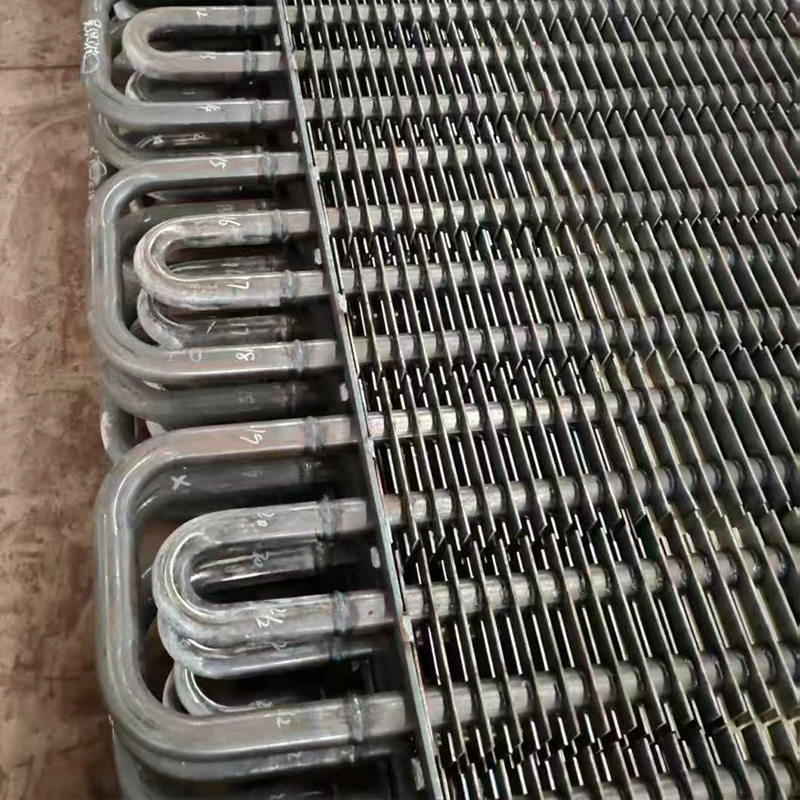
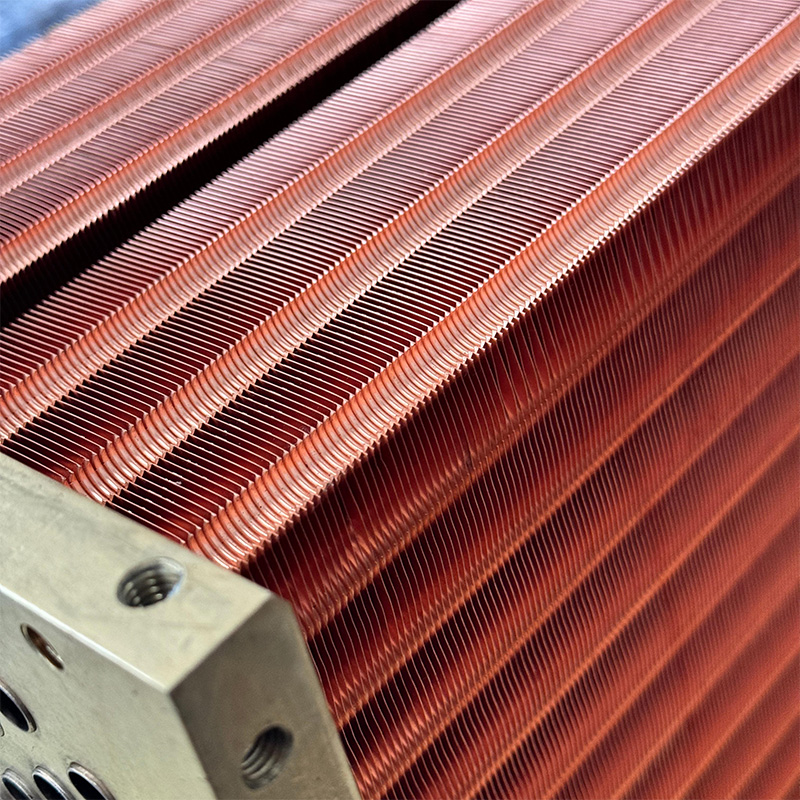
Специализируясь на разработке и изготовлении теплообменного оборудования для нефтегазовой и энергетической отраслей, компания демонстрирует, как правильная сварка трансформируется в надежность конечного продукта. В их ассортименте представлены титановые кожухотрубные теплообменники и высоконапорные аппараты стандарта ASME, где каждый сварной шов проходит строжайший контроль. Особое внимание уделяется работе со сложными сплавами: гофрированные трубные пучки из нержавеющей стали 316, морская латунь C46400, медно-никелевые сплавы и суперсплавы типа N06625 требуют точно таких же знаний о теплоотводе и защите зоны сварки, о которых мы говорили в разделах про физику процесса и подбор присадочных материалов.
Продукция «Уси Кайшэн», включающая также воздушные охладители, котлы-утилизаторы и трубные решетки из различных сплавов (нержавеющая сталь 321, латунь, купроникель), сертифицирована по международным стандартам PED и ASME. Это подтверждает, что соблюдение технологий сварки, от чистоты аргона до финишной пассивации, позволяет создавать оборудование с исключительной коррозионной стойкостью и способностью выдерживать экстремальные давления и температуры. Опыт таких производителей служит лучшим доказа тельством того, что инвестиции в качественную сварку и правильное оборудование окупаются долгим сроком службы изделий в самых агрессивных средах — от опреснения морской воды до нефтехимического синтеза.
Frequently Asked Questions
Какой газ лучше использовать для сварки нержавейки: чистый аргон или смесь?
Для ручной аргонодуговой сварки (TIG) труб из нержавеющей стали используйте только чистый аргон (99.98%). Добавление гелия или водорода в защитный газ оправдано только при автоматической сварке на высоких скоростях или для специальных сплавов, где нужно увеличить тепловложение. Для новичка и большинства промышленных задач чистый аргон обеспечивает наилучшую стабильность дуги и чистоту шва. Смеси с CO2 категорически не подходят для TIG-сварки нержавейки, так как углерод разрушает антикоррозийные свойства металла.
Почему мой шов становится синим или черным?
Изменение цвета шва на синий, фиолетовый или черный говорит о недостаточной защите расплавленного металла от воздуха. Причины могут быть следующими: малый расход газа, слишком большое расстояние от сопла горелки до изделия, сквозняк в помещении, отсутствие внутренней продувки трубы аргоном или загрязненная поверхность. Синий цвет означает, что оксидная пленка уже образовалась и свойства металла ухудшились. Такой шов необходимо зачистить до металлического блеска и заварить заново, устранив причину подсоса воздуха. Игнорирование цвета шва приведет к быстрой коррозии в месте сварки.
Можно ли варить нержавеющую сталь обычным инвертором для черных металлов?
Технически можно, если ваш инвертор поддерживает режим DC TIG (постоянный ток, прямая полярность) и имеет клапан подачи газа. Однако обычные аппараты для MMA (ручной дуговой сварки) часто не имеют функции высокочастотного поджига дуги, что заставляет царапать изделие вольфрамовым электродом, загрязняя шов. Кроме того, отсутствие импульсного режима затруднит сварку тонких труб (менее 2 мм) — риск прожога будет очень высоким. Для профессиональной работы с трубами из нержавеющей стали инвестируйте в специализированный TIG-аппарат с импульсом и осциллятором.
Как предотвратить коробление тонких труб при сварке?
Коробление вызвано неравномерным нагревом. Чтобы минимизировать деформацию: 1) Используйте импульсный режим сварки для снижения общего теплового ввода. 2) Применяйте медные или алюминиевые подкладки (формовочные пластины) под стык — они отводят лишнее тепло. 3) Варите короткими участками (по 20–30 мм) вразброску, давая металлу остыть между проходами. 4) Жестко фиксируйте трубы в кондукторах, но оставляйте небольшие зазоры для компенсации теплового расширения. 5) Соблюдайте правильный порядок наложения швов при многослойной сварке.
Нужно ли прокачивать вольфрамовые электроды?
Да, подготовка вольфрамового электрода критически важна. Электрод должен быть заточен под углом 15–30 градусов. Заточка должна быть продольной (вдоль оси электрода), а не поперечной, чтобы дуга была стабильной и сфокусированной. Для сварки на постоянном токе (DC) кончик электрода должен быть слегка притуплен (площадка 0.2–0.5 мм), чтобы предотвратить оплавление вершины. Используйте специальный точильный станок с алмазным кругом, предназначенный только для вольфрама. Грязный или неправильно заточенный электрод вызовет блуждание дуги и нестабильность процесса.
Подводя итог, отметим:сварка труб из нержавеющей стали— это навык, требующий внимания к деталям и понимания физики процессов. Нет мелочей: от чистоты ацетона до угла заточки электрода зависит надежность всего трубопровода. Не бойтесь экспериментировать на обрезках, отрабатывая режимы, прежде чем приступать к чистовой работе. Инвестиции в качественное оборудование, правильные расходные материалы и обучение окупаются отсутствием рекламаций и долгим сроком службы изделий.
Если вы столкнулись со сложными задачами сварки нестандартных сплавов или нуждаетесь в подборе оборудования для автоматизации процесса, наши эксперты готовы помочь. Мы работаем с ведущими производителями трубопроводной арматуры и знаем все нюансы технологии.Contact us todayдля консультации или запроса коммерческого предложения на сварочное оборудование и расходные материалы.
Для углубленного изучения темы рекомендуем ознакомиться с нашими материалами посварке алюминия TIGи статьями омарках нержавеющей стали.