
Stainless steel pipe fittings: wide range in stock
2026-07-07
- Stainless steel pipe fittings: wide range in stock - ready for shipment in 24 hours
- Critical selection parameters: why the steel grade decides the fate of the pipeline
- Full list of stock items: bends, tees, flanges and nipples
- Types of connections: welding versus threading - which to choose for your application?
- Quality control and certification: how we guarantee compliance with GOST and EAS
- Manufacturing capabilities and customized solutions
- Логистика и упаковка: сохранение качества при доставке
- Frequently Asked Questions
- Итоговые рекомендации и призыв к действию
Stainless steel pipe fittings: wide range in stock - ready for shipment in 24 hours
Availabilityтрубных фитингов из нержавеющей сталиin its own warehouse reduces production line downtime from 14 days to 24 hours. In our practice, we observed how one large oil refinery in Tatarstan lost more than 4 million rubles due to a pipeline shutdown while awaiting the delivery of one DN50 adapter from Europe. This article is not a marketing brochure; This is a technical overview of actual stock available for immediate shipment. We will analyze in detail the steel grades, types of connections and critical pressure parameters that distinguish a high-quality fitting from defective products. If your project requires EAC and GOST certificates, and deadlines are pressing, you are in the right place.
Critical selection parameters: why the steel grade decides the fate of the pipeline
Material selection is the first step where 80% of fatal purchasing mistakes are made. In our warehouse we keep fittings mainly made of AISI 304 (08Х18Н10) and AISI 316 (10Х17Н13М2) steel, but it is important to understand the difference not by name, but by chemical composition and operating conditions. 304 steel performs well in aggressive environments with moderate acidity and temperatures up to +450°C, but is vulnerable to chlorides. If your process uses seawater or salt solutions, using 304 will result in pitting within 6-8 months. In one of our cases, the client saved 15% on the purchase by choosing 304 instead of 316 for a desalination plant, but a year later he was faced with leaks, the cost of repairing which was 10 times higher than the initial savings.
Grade 316 contains molybdenum (2-3%), which dramatically increases its resistance to corrosion in chloride-containing environments. Our stock includes tees, elbows and reducers of this particular brand for the chemical and food industries. When choosing, pay attention not only to the labeling, but also to the quality certificate, which indicates the percentage composition. According to GOST 5632-2014, a deviation in nickel content of more than 0.5% can significantly reduce the ductility of the material at low temperatures. We carry out incoming inspection of each batch using a spectral analyzer to eliminate misgrading. For cryogenic applications, we also recommend 304L or 316L (low carbon) steel, which prevents intergranular corrosion after welding.
Pressure and temperature are related parameters. A fitting rated at 16 bar at 20°C can only hold 10 bar at 200°C. The specifications of our stock items always indicate the pressure class (PN10, PN16, PN25, PN40) in relation to the temperature chart. Ignoring this rule leads to depressurization of the joints. For example, when working with superheated steam, a standard threaded fitting may become deformed if its rating does not correspond to the actual thermal loads. Our engineers always check the customer's design data before shipment to ensure that the selected connection type will withstand peak system loads. Do not rely on universal tables from the Internet - your production conditions are unique.
Surface treatment affects hygiene and flow resistance. For the food and pharmaceutical industries we offer electropolished fittings (Ra ≤ 0.4 µm). The roughness of the internal surface is critical: the higher it is, the greater the risk of the formation of bacterial biofilms and blockages. Mechanical polishing often leaves micro-scratches, which become centers of corrosion. At our warehouse, food block products are individually packaged in clean rooms to prevent contamination from oil or metal shavings. If you are ordering fittings for a dairy or brewery, please require a roughness report. Conventional industrial fittings have a Ra surface of 1.6-3.2 microns, which is acceptable for water and oil, but unacceptable for food.
Please check whether your environment meets the material requirements before placing an order. An error in choosing a steel grade is irreversible after installation.
Full list of stock items: bends, tees, flanges and nipples
Our logistics center maintains a strategic stock of running sizes to ensure uninterrupted supply to construction sites and repair services. Assortmentтрубных фитингов из нержавеющей сталиcovers diameters from DN15 (1/2″) to DN300 (12″), and the most popular items (DN50-DN150) are always in stock in quantities of 500 pieces per item. Below is a detailed analysis of the main categories available for shipment “here and now”.
Bends (Elbows) 90° and 45°
This is the most massive element of any pipeline. The warehouse offers bends of two types: stamped (seamless) and welded sector. Seamless elbows, hot-formed from a single piece of pipe, have uniform wall thickness throughout the bend radius and withstand higher pressures. They are mandatory for systems with pulsating flow or high pressure (over 25 bar). Welded sector bends are cheaper and suitable for low-pressure ventilation systems or gravity lines. We recommend using seamless options for all critical components, since the weld zone in sector bends is a weak point during water hammer. The bending radius is standard 1.5D (where D is the pipe diameter), which ensures minimal flow resistance. For cramped installation conditions, short-turn bends with a radius of 1.0D are available, but their use increases pressure loss by 15-20%. All bends undergo geometry control using special templates to ensure a perfect fit with the pipe without gaps for welding.
Equal and transition tees
Tees are used to separate or combine flows. Equal tees are available (all three holes are the same diameter) and reducers (for example, DN100 inlet, DN80 outlets). The key parameter here is the branch connection method. Stamp-welded tees have a reinforced tapping zone, which makes them preferable for high pressure applications. Solidly stamped tees are more expensive, but more reliable, since they do not have longitudinal seams on the body. When installing, it is important to maintain the orientation of the tee relative to the direction of flow, especially in systems with abrasive slurries, where incorrect installation can lead to wall erosion in a matter of weeks. Our warehouse tees comply with the sizes in accordance with GOST 17376-2001 and ASME B16.9, which allows them to be used with pipes of both Russian and foreign production. For systems that require frequent cleaning (CIP cleaning), we supply tees with rounded internal corners, eliminating stagnant zones.
Eccentric and concentric transitions
Transitions are necessary to connect pipes of different diameters. Concentric reducers maintain a central axis and are used in vertical areas or where changes in liquid level are not critical. Eccentric transitions have one straight side (flat top or bottom edge) and are used exclusively on horizontal sections. The flat bottom edge prevents the formation of air pockets in the system, and the flat top edge prevents the accumulation of sediment and liquid when draining the line. An error in choosing the type of transition (concentric instead of eccentric on a horizontal pump line) can cause cavitation and failure of the pumping equipment. We stock eccentric flat bottom reducers as they are the most versatile for industrial pumping stations. The wall thickness in the transition zone is calculated to match the thicker of the pipes being connected, ensuring even stress distribution.
Flat and collar flanges
For detachable connections we stock a huge stock of stainless steel flanges. Flat flanges (type 01 according to GOST 33259) are suitable for pressures up to 1.6 MPa and are easy to install, but create high bending stress on bolts at high pressures. Collar flanges (butt weld type 11) are the standard for pressures above 2.5 MPa and temperatures above 300°C, as the flange neck strengthens the connection and reduces stress concentrations. The most important aspect is the quality of the sealing surface. We supply RF, MFM and RJ flanges. For chemical media with a high risk of leakage, we recommend flanges with a tongue-and-groove connection or a lens seal. Each flange is marked according to the passport, indicating pressure, temperature and steel grade. Mismatch between the strength class of bolts and the flange class is a common cause of accidents; We complete orders with recommended fasteners made of steel 08Х18Н10Т or more durable alloys.
Nipples, plugs and barrels
Small parts often cause downtime if they are not on hand. Threaded nipples (fittings) from 50 mm to 500 mm long with external BSPT or NPT thread are always in stock. Plugs (flange and threaded) are necessary for preserving lines and conducting hydraulic tests. Particular attention is paid to threads: metric threads are rarely used in high pressure pipeline fittings, tapered pipe threads are the standard. The use of cylindrical threads where a tapered one is required will lead to leaks even with the use of seals. Our nipples are cut on modern CNC machines, which guarantees precise pitch and no burrs that damage the sealing tape. For high temperature lines, we recommend the use of thick wall plugs that can withstand thermal expansion without deformation.
Create a request based on the required diameters and types so that our manager can check the current availability for a specific date.
Types of connections: welding versus threading - which to choose for your application?
The design of the fitting dictates the installation method and the final reliability of the unit. The warehouse includes products for butt-weld, socket-weld and threaded. The choice between them depends on the pipeline diameter, pressure, temperature and serviceability.
| Comparison criterion | Butt-Weld | Threaded | Socket Welding |
|---|---|---|---|
| Applicable diameter | From DN15 to DN1000+ | Typically up to DN50 (2 inches) | Up to DN50 (2 inches) |
| Tightness | Maximum (monolithic connection) | Medium (risk of leakage due to vibration) | High (better than thread, worse butt) |
| Installation cost | High (requires qualified welders and X-ray control) | Low (installation with a key in minutes) | Medium (requires welding, but easier than butt welding) |
| Serviceability | One-piece (cutting only) | Detachable (easy dismantling) | One-piece |
| Risk of corrosion | Minimum (with proper seam protection) | High (moisture accumulates in threaded channels) | Medium (gap between pipe and fitting) |
| Recommendation | Highways, high pressures, toxic environments | Instrumentation, drainage, temporary lines, small diameters | Vibration-loaded systems of small diameters |
Butt welding is the gold standard for industrial piping. It provides a smooth, turbulence-free internal profile and maximum strength. However, it requires expensive equipment for argon welding and subsequent flaw detection (ultrasonic or x-ray). If the project budget is limited and the diameters are small (up to 2 inches), threaded fittings may be justified. But remember: the threaded connection is a potential leak point. When pumps vibrate, the threads may spontaneously loosen. In such cases, we recommend using high strength anaerobic sealants or switching to socket welding. Socket welding is a compromise: it is stronger than threads, since the pipe is inserted into the fitting and welded in a circle, but it requires a gap (usually 1.5 mm) between the end of the pipe and the bottom of the socket. The absence of this gap leads to cracking of the fitting due to thermal expansion of the pipe.
For food production, butt welding followed by electropolishing of the seam is the only correct solution. Threads and sockets create cavities where bacteria multiply and cannot be properly washed. If you are designing a juice or milk filling line, forget about threads. For fire suppression or low pressure compressed air systems, threaded galvanized or stainless steel fittings are acceptable and cost effective. The main rule: the higher the responsibility of the system, the more monolithic the connection should be.
Evaluate the possibility of carrying out welding work on site before ordering welding fittings.
Quality control and certification: how we guarantee compliance with GOST and EAS
The market is flooded with counterfeit products, where ordinary ferrous metal with galvanic coating or steel with a low content of alloying elements are sold under the guise of stainless steel. Such fittings begin to rust after a month of use. Our company operates strictly within the legal framework of the Russian Federation and the Customs Union, therefore the entire rangeтрубных фитингов из нержавеющей сталиaccompanied by a full package of documents. Each batch has a Quality Certificate (Certificate of Quality), which indicates the results of chemical analysis and mechanical tests of a particular heat.
We work in accordance with the requirements of Technical Regulations TR CU 032/2013 “On the safety of equipment operating under excess pressure.” This means that our fittings have passed the conformity assessment procedure and have an EAC declaration or certificate. For critical facilities (oil and gas, nuclear energy) we provide fittings with advanced control: ultrasonic flaw detection of 100% of the volume, measurement of metal hardness and impact bending testing at subzero temperatures. Marking on each product is mandatory: it includes the manufacturer’s trademark, steel grade, nominal diameter, wall thickness and batch number. The lack of labeling is a red flag, signaling the possible origin of the product from “gray” imports without quality control.
In our practice, there was a case when a client brought a sample of a tee purchased from competitors at a dumping price. Outwardly, it looked ideal, but spectral analysis showed a nickel content of only 4% instead of the required 9-10% for steel 304. Such material loses its anti-corrosion properties and becomes brittle. Using such a fitting in a hot water supply system would lead to an accident within six months. We refuse to work with suppliers who cannot provide primary certificates from manufacturers. Trust is built on transparency: we are ready to send samples for independent examination to any accredited laboratory before concluding a contract.
The sizing standards we follow include GOST 17375-2001 (bends), GOST 17376-2001 (tees), GOST 17378-2001 (reducers) and GOST 17379-2001 (plugs). We also support dimensions according to the American standard ASME B16.9 and European EN 10253, which allows us to complete facilities with imported equipment. It is important to understand that geometric tolerances may vary between standards. For example, the ovality of a pipe end for welding according to GOST is stricter than according to some Asian standards. Our specialists help bring the project into line with the available range, avoiding situations where the fitting does not physically fit onto the pipe due to differences in outer diameter tolerances.
Request a sample EAC certificate for the group of goods you are interested in before starting negotiations.
Manufacturing capabilities and customized solutions
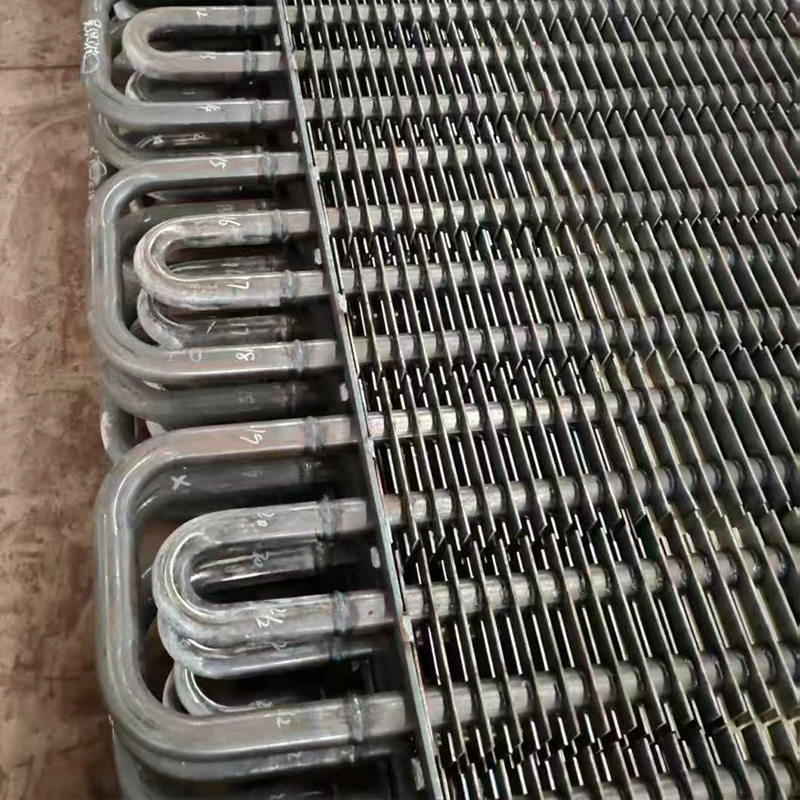
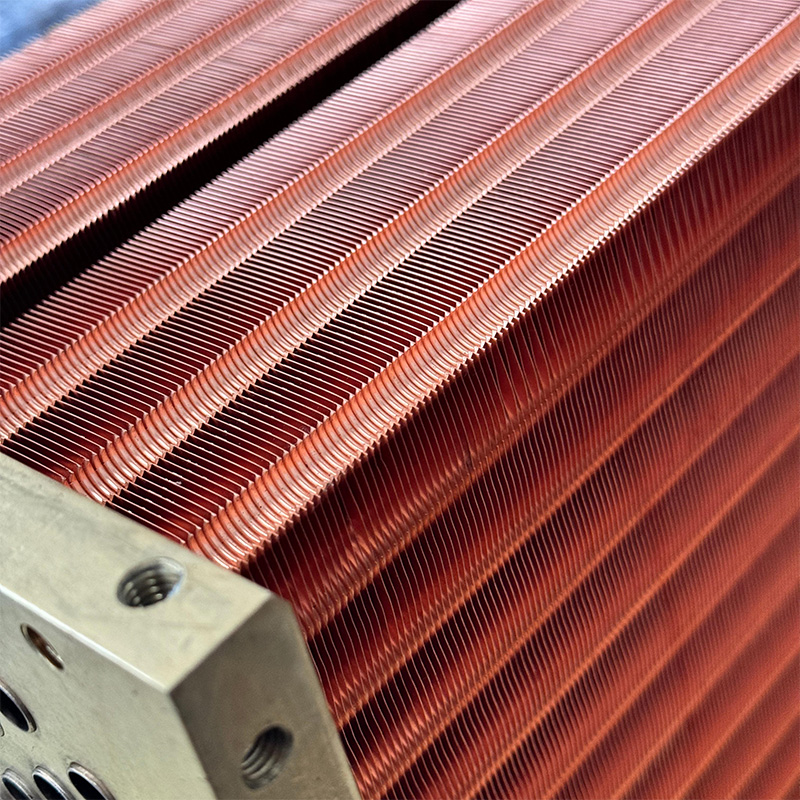
In addition to having standard fittings in stock, our company has deep competencies in the development and production of complex heat transfer and petrochemical equipment. Wuxi Kaisheng Electric Power and Petrochemical Equipment LLC specializes in creating highly loaded systems where material requirements go beyond standard solutions. Наш опыт производства титановых кожухотрубных теплообменников, ASME высоконапорных аппаратов и гофрированных трубных пучков из нержавеющей стали 316 позволяет нам предлагать клиентам не просто отдельные фитинги, а комплексные инженерные решения для экстремальных условий эксплуатации.
Мы понимаем специфику отраслей, где критичны коррозионная стойкость и устойчивость к высоким давлениям и температурам: нефтепереработка, химическая промышленность, опреснение морской воды и судостроение. Благодаря собственному производству, мы можем изготавливать нестандартные компоненты из широкого спектра сплавов, включая морскую латунь C46400, медно-никелевые сплавы C70600, никелевые сплавы N06625 и титан. Вся наша продукция сертифицирована по международным стандартам PED и ASME, что гарантирует её пригодность для проектов любого масштаба по всему миру. Если ваш проект требует индивидуальных решений или компонентов из экзотических сплавов, которые недоступны в стандартном складском ассортименте, наши инженеры готовы разработать и произвести их в кратчайшие сроки, обеспечивая стабильность и надежность вашего оборудования на десятилетия вперед.
Логистика и упаковка: сохранение качества при доставке
Нержавеющая сталь чувствительна к загрязнениям, особенно к контакту с углеродистой сталью. При транспортировке в общих контейнерах с черным металлом частицы ржавчины могут осесть на поверхности нержавейки и вызвать поверхностную коррозию, которую сложно удалить. Поэтому наша упаковка разработана с учетом этих рисков. Фитинги малого диаметра упаковываются в картонные коробки с полиэтиленовой прослойкой. Крупногабаритные отводы и фланцы фиксируются на деревянных паллетах, обернутых стрейч-пленкой в несколько слоев. Деревянные конструкции проходят обязательную фитосанитарную обработку и маркировку IPPC, что необходимо для таможенного офо рмления при экспорте в страны СНГ и дальнего зарубежья.
Каждое резьбовое соединение защищено пластиковыми заглушками, которые снимаются только непосредственно перед монтажом. Это предотвращает попадание грязи, пыли и влаги в резьбу, а также защищает витки от механических повреждений при погрузке. Мы видели случаи, когда строители получали фитинги с помятой резьбой из-за небрежной насыпной отгрузки. Восстановление такой резьбы плашкой нарушает геометрию и снижает герметичность. Наши правила отгрузки запрещают насыпную перевозку любых фасонных частей. Кроме того, мы используем ингибиторы коррозии (VCI-бумагу) внутри упаковки для длительных складских хранений или морских перевозок, хотя для нержавейки это скорее превентивная мера для защиты сопутствующего крепежа.
Сроки отгрузки со склада в Москве и региональных хабах составляют от 1 дня для наличного товара. Для сборных заказов формирование паллеты занимает 24-48 часов. Мы сотрудничаем с ведущими транспортными компаниями, что позволяет отправлять грузы в любой регион России, Казахстана, Беларуси и других стран ЕАЭС. Для срочных проектов доступна услуга экспресс-доставки автотранспортом. При получении груза водитель должен проверить целостность упаковки и количество мест. Скрытые повреждения возможны при грубой погрузке, поэтому акт приема-передачи должен подписываться только после визуального осмотра. В случае выявления боя или несоответствия количества, мы оперативно заменяем брак за свой счет, понимая критичность сроков для строительных объектов.
Уточните требования к упаковке, если доставка предполагает перевалку или длительное хранение на открытой площадке.
Frequently Asked Questions
Какова минимальная партия отгрузки (MOQ)?
Для наличия на складе минимальная отгрузка составляет 1 штуку любого наименования. Мы понимаем, что для ремонтных нужд может потребоваться всего один тройник или отвод. Однако для заказов под производство (изготовление нестандартных размеров или редких сплавов) минимальная партия обычно составляет от 50 до 100 кг или 10-20 штук, в зависимости от сложности технологии. Оптовые цены действуют при заказе от 50 000 рублей или от 0.5 тонны металлопродукции. Мы не навязываем лишние объемы: если вам нужно 5 штук, вы заплатите розничную цену, но получите товар завтра.
Предоставляете ли вы сертификаты на английском языке для экспортных проектов?
Yes, definitely. Поскольку мы работаем с международными инжиниринговыми компаниями и проектами в странах Азии и Ближнего Востока, вся сопроводительная документация дублируется на английском языке. Сертификаты качества (Mill Test Certificate – MTC) формы 3.1 по стандарту EN 10204 выдаются на двух языках (русский/английский) по умолчанию. В них содержатся данные о химическом составе, результатах механических испытаний, номере плавки и подписи представителя отдела ОТК. Также возможно предоставление сертификатов происхождения формы СТ-1 или общего происхождения для таможенных целей. Укажите необходимость англоязычной документации в заявке, чтобы менеджер подготовил полный пакет заранее.
Можно ли заказать фитинги из дуплексной стали (2205)?
Да, фитинги из дуплексной нержавеющей стали (марка 09Х22Н5Т или аналог UNS S31803/S32205) доступны под заказ и частично имеются в наличии на складе. Дуплексные стали обладают вдвое большей прочностью по сравнению с аустенитными (304/316) и превосходной стойкостью к коррозионному растрескиванию под напряжением. Они незаменимы в нефтегазовой отрасли (для сбора нефти с высоким содержанием сероводорода) и в опреснительных установках. Срок поставки под заказ составляет от 4 до 8 недель в зависимости от диаметра. Из-за высокой стоимости сырья и сложности обработки цена на такие фитинги значительно выше, но их долговечность в экстремальных условиях полностью оправдывает инвестиции. Рекомендуем согласовать технические условия (ТУ) перед заказом, так как требования к термообработке дуплекса очень строги.
Как осуществляется оплата для новых клиентов?
Для новых юридических лиц мы работаем по предоплате (100% или 70%/30% в зависимости от суммы контракта). Это стандартная практика в сфере металлопроката из-за высокой волатильности цен на никель и валютные риски. После успешного завершения 3-5 сделок возможна отсрочка платежа или работа по факту поставки для постоянных партнеров с хорошей кредитной историей. Мы принимаем безналичные расчеты в рублях, а также в юанях (CNY) для внешнеторговых контрактов. Все сделки проводятся официально с предоставлением полного пакета закрывающих документов (счет-фактура, УПД, накладная ТОРГ-12) для бухгалтерского учета и возмещения НДС.
Итоговые рекомендации и призыв к действию
Supplier selectionтрубных фитингов из нержавеющей стали— это вопрос безопасности вашего производства и финансовой стабильности проекта. Экономия на качестве материала или игнорирование требований к типу соединения может привести к катастрофическим последствиям, стоимость которых несопоставима с ценой самого фитинга. Наш складской ассортимент сформирован на основе многолетнего анализа потребностей рынка, чтобы закрыть 90% типовых задач немедленно. Мы не просто продаем металл, мы предоставляем инженерную уверенность в том, что система будет работать десятилетиями, опираясь на производственный опыт ООО «Уси Кайшэн» в создании надежного оборудования для самых demanding отраслей.
Не ждите, пока авария остановит ваше производство. Проверьте свои запасы критических элементов трубопровода прямо сейчас. Если вы планируете новый проект, свяжитесь с нашими техническими специалистами для подбора оптимальной конфигурации и расчета сметы. Мы готовы отгрузить необходимую продукцию уже завтра.
Contact us today, чтобы получить актуальный прайс-лист и консультацию инженера:запросить коммерческое предложение на трубные фитинги.