
shell-and-tube heat exchanger tubes: prices 2026, catalog and dimensions from the factory
2026-04-20
- Shell and Tube Heat Exchanger Tubes: Complete Market Overview 2026
- What are shell and tube heat exchanger tubes and how do they work?
- Manufacturing materials: choice according to the task and budget
- Standard and non-standard sizes: catalog of parameters
- Prices for shell-and-tube heat exchanger tubes in 2026
- How to choose a reliable manufacturer and supplier
- Technical requirements and quality control
- Industry development trends in 2026
- Frequently asked questions (FAQ)
- Conclusion and recommendations for ordering
Shell and tube heat exchanger tubes- this is a key design element that determines the efficiency of heat transfer and the durability of the entire device. In 2026, prices for these components vary from 150 to 800 rubles per linear meter, depending on the material (stainless steel, titanium, copper) and the complexity of processing. Our catalog from the manufacturer offers a full range of sizes with a guarantee of compliance with GOST and the possibility of individual production for your project.
Shell and Tube Heat Exchanger Tubes: Complete Market Overview 2026
The market for industrial heat exchange equipment will show steady growth in 2026, driven by the modernization of the oil and gas sector, chemical industry and energy complexes. The central element of any shell-and-tube unit isshell and tube heat exchanger tubes. The efficiency of the installation, the frequency of repairs and the total cost of ownership of the equipment depend on their quality, geometry and material.
This year there has been a shift in focus from simple carbon steels to corrosion-resistant alloys and composite solutions. This is due to stricter environmental standards and the need to work with more aggressive environments at high temperatures. Buyers are increasingly looking not just for “metal pipes”, but for engineering solutions with confirmed certificates and precise geometry.
This article is a comprehensive guide for engineers, buyers and technical directors. We will analyze current prices, standard and non-standard sizes, production technologies, and also provide an algorithm for choosing a reliable supplier. The information is based on data from leading Russian factories and current market trends at the beginning of 2026.
What are shell and tube heat exchanger tubes and how do they work?
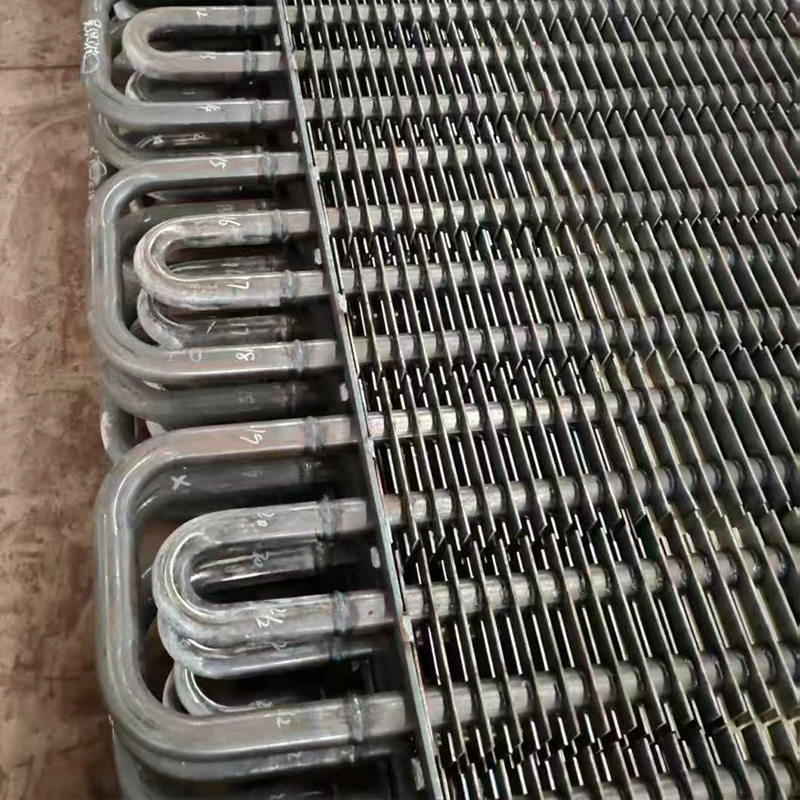
To understand the importance of a component, its role must be clearly defined.Shell and tube heat exchanger tubesThey are a bundle of pipes enclosed in a common housing (casing). One medium flows inside the pipes, the other in the interpipe space. Heat is transferred through the pipe wall without mixing the media.
The operating principle is based on the laws of thermodynamics and hydrodynamics. The efficiency of the process directly depends on:
- Wall material:determines the coefficient of thermal conductivity and resistance to corrosion.
- Wall thickness:affects mechanical strength and thermal resistance.
- Surface finish:Roughness affects flow turbulence and the rate of scale formation.
- Beam geometries:The arrangement of pipes (checkerboard or corridor) optimizes the flow of coolant.
In modern operating conditions, especially in the petrochemical industry, the requirements for tubes have increased. They must withstand cyclic temperature loads, high pressure (up to 100 bar and above) and exposure to abrasive particles. An error in choosing the type of tubes can lead to a decrease in installation productivity by 20-30% already in the first year of operation.
Key functions of tubes in the system
In addition to the main function of heat transfer, the tubes act as a load-bearing element of the tube sheet. They ensure tight separation of media. If even one tube breaks, an emergency situation involving mixing of products may occur, which is unacceptable in hazardous industries. Therefore, quality control of each product is a priority for responsible manufacturers.
Manufacturing materials: choice according to the task and budget
The choice of material is a balance between procurement cost and service life. In 2026, the market offers a wide range of solutions. Let's consider the main groups of materials used for productionshell-and-tube heat exchanger tubes.
Carbon steels (St10, St20, 09G2S)
The most common and budget option. Used in water treatment, heating systems and for neutral environments at temperatures up to 450°C.
- Benefits:low price, good weldability, availability.
- Disadvantages:low corrosion resistance, requires protection or the use of inhibitors in aggressive environments.
- Application:municipal energy, initial stages of oil refining.
Stainless steels (AISI 304, 316, 12Х18Н10Т)
Gold standard for the food, pharmaceutical and chemical industries. The chromium and nickel content provides a passive protective film.
- Benefits:high corrosion resistance, hygiene, long service life (15+ years).
- Disadvantages:the cost is 3-5 times higher than carbon steel, difficult to process.
- Application:food production, aggressive chemicals, sea water (grade 316).
Non-ferrous metals and alloys (Copper M2, Brass L68, Titanium VT1-0)
Specialized solutions for extreme conditions.
- Copper and brass:have the best thermal conductivity. Ideal for condensers and evaporators where heat removal rate is critical. However, they are sensitive to ammonia and some acids.
- Titan:absolute leader in corrosion resistance. Withstands chlorine, sea water, oxidizing acids. Price for titaniumshell and tube heat exchanger tubesmaximum, but pays off due to the lack of downtime for repairs in difficult conditions.
Standard and non-standard sizes: catalog of parameters
The geometric parameters of pipes are regulated by GOST and internal plant standards. Understanding the dimensional grid is necessary to correctly calculate the heat transfer area and hydraulic resistance.
Main parameters to consider when ordering:
- Outer diameter (Dн):the most popular sizes are 16 mm, 19 mm, 20 mm, 25 mm, 32 mm, 38 mm, 57 mm.
- Wall thickness (S):varies from 1.0 mm to 5.0 mm or more. For high pressures, thick-walled pipes are used.
- Length(L):standard lengths of measuring pipes are 3000, 4000, 6000 mm. However, in heat exchangers, the length is often determined by the design of the apparatus and can be anything (for example, 1500 mm or 5800 mm).
Table of popular tube sizes
Below is a reference table of the most popular items available in factory warehouses in 2026.
| Outer diameter (mm) | Wall thickness (mm) | Typical material | Main Application | Approximate price category |
|---|---|---|---|---|
| 16 x 1.5 | 1.5 | Stainless steel steel 304 | Food industry, small heat exchangers | Average |
| 19 x 2.0 | 2.0 | Brass / Stainless steel | Condensers, refrigeration machines | High (for people of color) |
| 20 x 2.0 | 2.0 | St20/09G2S | Oil and gas, general industry | Low |
| 25 x 2.5 | 2.5 | Stainless steel steel 316 | Chemistry, aggressive environments | High |
| 32 x 3.0 | 3.0 | Titan/Duplex | Offshore platforms, deep processing | Premium |
| 57 x 3.5 | 3.5 | St20 | Large oil heaters | Low |
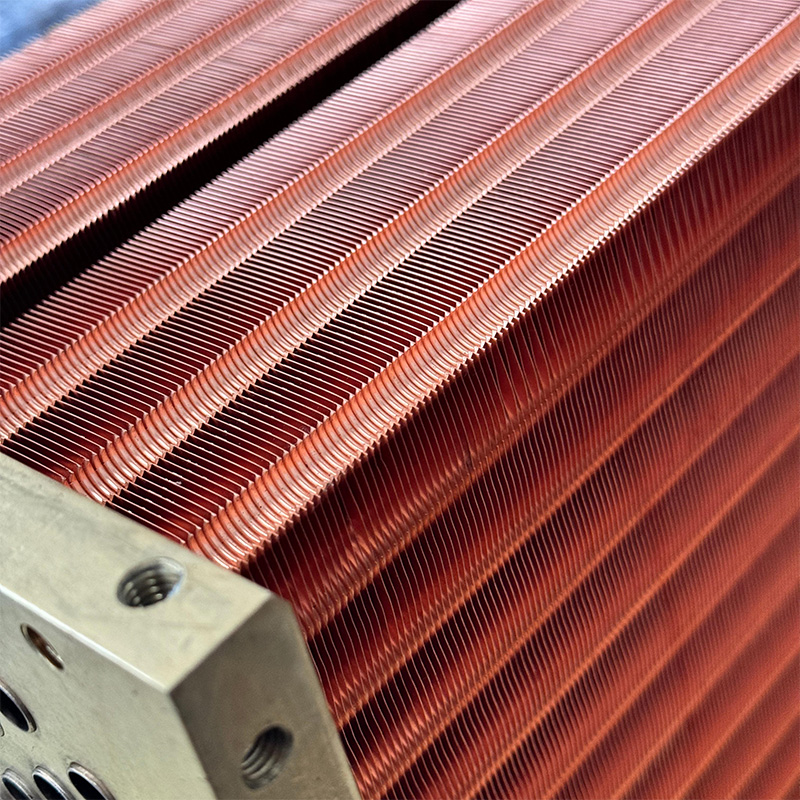
It is important to note that in addition to round pipes, modern high-efficiency heat exchangers are beginning to use finned pipes (finished pipes). They allow you to increase the heat exchange area by 3-5 times without increasing the overall size of the device. If your project requires compactness, it is worth considering using such modifications.
Prices for shell-and-tube heat exchanger tubes in 2026
Cost formation in 2026 is influenced by several macroeconomic factors: prices for rolled metal on the stock exchange, logistics costs, exchange rates (for imported alloys) and energy costs for production. Below is a detailed analysis of pricing.
Factors influencing the final price
Request "shell and tube heat exchanger tubes prices" cannot have one universal answer, since the cost consists of many variables:
- Exchange value of metal:The price base is tied to the tonnage of raw materials. Fluctuations in prices for nickel, copper and steel are directly reflected in the price lists.
- Batch size:Purchasing in small wholesale (up to 100 kg) is always more expensive per linear meter than producing a large batch for a project (from 1 ton).
- Difficulty of processing:Seamless hot-deformed pipes are more expensive than electric welded ones. Additional processing (etching, polishing, calibration) increases the cost by 15-40%.
- Certification:The presence of a full package of documents (quality certificates, GOST certificates of conformity, test reports) is mandatory for industrial facilities and is included in the price.
- Production time:Urgent orders (“on the fly” or within 3 days) can cost 10-20% more than planned deliveries.
Current price ranges (for reference)
As of the beginning of 2026, average market prices for heat exchanger pipes are as follows (excluding VAT and delivery):
- Carbon steel (St20):from 150 to 250 rub./linear. m (depending on diameter).
- Stainless steel (AISI 304/321):from 450 to 900 rub./linear. m.
- Stainless steel (AISI 316Ti):from 700 to 1200 rub./linear. m.
- Copper pipes (M2):from 800 to 1500 rub./linear. m (strong dependence on the copper exchange).
- Titanium pipes (VT1-0):from 2500 to 4500 rub./linear. m.
Note: Prices are indicative and may change daily. To receive an accurate commercial offer, you must send an application indicating drawings or specifications.
How to choose a reliable manufacturer and supplier
The market is flooded with offers from trading houses and intermediaries. However, for critical nodes such asshell and tube heat exchanger tubes, it is recommended to work directly with manufacturing plants or their official first-level dealers. This guarantees metal traceability and compliance with technology.
A striking example of this approach is the companyWuxi Kaisheng Electric Power and Petrochemical Equipment Co., Ltd.. Specializing in the development and production of advanced heat transfer equipment, the company offers comprehensive solutions for the global market. The company's portfolio includes titanium shell-and-tube heat exchangers, ASME high-pressure units, and corrugated tube bundles made from 316 stainless steel, C46400 marine brass, and copper-nickel alloys. Particular attention is paid to the production of components from exotic alloys, such as nickel alloy N06625, which makes the products indispensable in highly aggressive environments.
Wuxi Kaisheng LLC products are certified to strict international PED and ASME standards, ensuring high corrosion resistance and reliability under extreme pressures and temperatures. The company successfully implements projects in the fields of oil refining, seawater desalination, shipbuilding and energy, providing customers with individual engineering solutions and stable quality of equipment.
Supplier verification checklist
Before concluding a contract, make sure that the potential partner meets the following criteria:
- Own production:Request a video from the workshop or photos of finished products with markings. Check to see if they have cutting, calibrating and flaw detection machines.
- Laboratory control:The plant must have its own laboratory to carry out spectral analysis, hydraulic tests and control of the metal structure.
- Reference list:Ask for examples of deliveries of similar products to companies in your industry over the past 2 years.
- Warranty:Clearly defined conditions for replacement of defects and liability for equipment downtime.
- Flexibility:Possibility to produce pipes of non-standard length or from a specific alloy according to your specifications.
Why is it important to avoid dumping?
Too low a price often signals the use of “second-grade” metal, violation of heat treatment conditions, or lack of final control. Saving 10% on the purchase of pipes can lead to an accident, production stoppage and losses that exceed the cost of the entire heat exchanger by tens of times. Reliability should be a priority.
Technical requirements and quality control
Productionshell-and-tube heat exchanger tubesregulated by strict regulations. In Russia, the main ones are GOST 8734 (seamless cold-deformed), GOST 8732 (seamless hot-deformed), GOST 10704 (electric welded straight-seam) and industry specifications.
Stages of quality control at the factory
The manufacturing process includes several stages of mandatory testing:
- Incoming control of strip/blank:Checking the chemical composition with a spectrometer.
- Geometry control:Measurement of ovality, wall thickness and pipe curvature. Tolerances are usually fractions of a millimeter.
- Flaw detection:Mandatory check for the absence of cracks, cavities and delaminations using eddy current or ultrasound.
- Hydraulic tests:Each batch of pipes is tested at a pressure 1.5 times higher than the working pressure to confirm tightness.
- Labeling and packaging:Applying a stamp with the heat number, steel grade and size. Packaging must prevent mechanical damage during transportation.
The buyer has the right to request a copy of the quality certificate for each batch, which indicates the results of all of the above tests. The absence of such a document makes the use of pipes at facilities controlled by Rostekhnadzor impossible.
Industry development trends in 2026
The heat exchange equipment industry does not stand still. Here are the key trends impacting range and performanceshell-and-tube heat exchanger tubesthis year:
1. Transition to import-substituted alloys
Due to the geopolitical situation, Russian factories have successfully mastered the production of analogues of European and American steel grades. Russian Duplex alloys are now available to order with short delivery times, which was previously a problem.
2. Implementation of a digital twin
Leading manufacturers offer digital modeling of pipe bundle operation at the design stage. This allows you to select the optimal pipe diameter and pitch, minimize vibration and maximize heat transfer before the start of physical production.
3. Environmentally friendly production
Tightening emission requirements is stimulating the introduction of closed water cycles, where heat exchangers operate under more stringent conditions. This is increasing the demand for pipes with increased resistance to biofouling and chemical cleaning.
Frequently asked questions (FAQ)
In this section we will answer the most popular questions that customers have when searching for information aboutshell and tube heat exchanger tubes.
What is the service life of stainless steel pipes?
With proper use and compliance of the material with the working environment, the service life of stainless steel pipes (AISI 304/316) ranges from 15 to 25 years. In aggressive environments without proper protection, the period can be reduced to 3-5 years.
Is it possible to replace copper pipes with aluminum ones?
Direct replacement without recalculating the device is not recommended. Aluminum has a different thermal conductivity and electrochemical potential. Replacement is possible only after engineering justification and agreement with the design bureau in order to avoid galvanic corrosion and loss of efficiency.
What is the minimum order quantity from the factory?
Most factories are ready to ship batches of 50-100 kg for standard steel grades. For special alloys (titanium, duplex), the minimum batch can be set at 300-500 kg due to the peculiarities of the melting and rolling technological cycle.
Do you provide pipe cutting services to size?
Yes, almost all specialized factories and large metal warehouses offer the service of cutting pipes to size according to customer drawings. This eliminates waste at the installation site and speeds up the assembly of the heat exchanger.
How to distinguish a quality pipe from a defective one visually?
A visually high-quality pipe should have a smooth surface without visible cracks, sunsets, shells and color spots (if this is not provided for by the technology). The ends must be smooth, without burrs. However, only laboratory analysis and flaw detection can give a final verdict.
Conclusion and recommendations for ordering
Choosing the right onesshell-and-tube heat exchanger tubesis an investment in the stability of your production process. In 2026, the market offers excellent opportunities to equip enterprises with high-quality rolled metal products that are not inferior to world analogues.
When creating an application, we recommend following the following algorithm:
- Clearly define the operating environment (temperature, pressure, chemical composition).
- Choose a material based on the price/durability balance, based on the data in our table.
- Request commercial proposals from 2-3 verified factories, indicating the full scope and documentation requirements.
- Be sure to request samples or visit the facility before entering into a large contract.
Remember that saving on pipe quality is a false economy. A reliable supplier is a partner who keeps your business running smoothly for years to come. Use the size catalog and price guidelines presented in the article as a basis for negotiations with manufacturers.
If you are ready to move to the next step and receive a customized estimate for a batch of pipes for your project, contact the sales department of a leading manufacturing plant. A professional engineering approach and transparent pricing will be the key to the successful implementation of your project in 2026.