
Stainless steel pipe 3 meters: standard length upon purchase
2026-07-12
- Why 3 meters is not just a number, but a key to savings when purchasing
- GOST standards and technical parameters: what is hidden behind the markings
- Logistics and packaging: how to maintain the geometry of a 3 meter pipe
- Cost calculation and hidden costs during procurement
- Application in industries: from food production to oil and gas
- Как избежать брака: чек-лист приемки трубы 3 метра
- Frequently Asked Questions
- Заключение: инвестиция в качество и стабильность
Why 3 meters is not just a number, but a key to savings when purchasing
Stainless steel pipe 3 meters is the de facto standard for most industrial purchases in Russia and the CIS countries, and understanding the reasons for this choice directly affects the final estimate of the project. In our long-term practice of supplying rolled metal, we have observed how ignoring the standard length led to overpayments of up to 15% due to logistical difficulties and cutting waste. When you order a stainless pipe in this particular size range, you find yourself in the zone of maximum efficiency in warehouse logistics and a minimum number of joints when installing medium-length pipelines. Rolling mill manufacturers, whether Chinese mills or Russian mills, most often calibrate their lines for this format, since it optimally fits into standard cargo containers and Euro trucks without the need for costly reloading.
The choice of length of 3000 millimeters was dictated not by chance, but by the rigid mathematics of the transport shoulder. The standard height of a shipping container and the internal length of a curtainsider semi-trailer body impose limitations that make pipes longer than 6 meters inconvenient for domestic distribution, and pipes shorter than 2 meters economically unviable due to the increase in the number of loading and unloading operations. We came across a situation where a client insisted on ordering pipes 5.8 meters long, hoping to reduce the number of welds, but in the end he lost two days for approval of special transport and paid double the tariff for delivering a truck with a long load. A 3-meter stainless steel pipe allows the use of the most common fleet of trucks, which makes door-to-door delivery predictable in terms of time and cost.
It is also important to take into account the human factor at the installation site. A 3-meter long pipe blank can be comfortably moved and positioned by two installers without the use of heavy lifting equipment, which is critical when working in cramped workshop conditions or at heights. Longer products require the use of cranes or manipulators, the rental of which often eats up all the savings from the wholesale price of the metal. That is why, when it comes to the balance between ease of installation, logistics accessibility and waste minimization, the three-meter format remains the uncontested leader for 80% of projects in the food, chemical and construction industries.
GOST standards and technical parameters: what is hidden behind the markings
When choosing a stainless pipe 3 meters long, the buyer must clearly distinguish between the requirements of state standards, since deviations in geometry can lead to defects of the entire batch. In Russia, the main regulatory document is GOST 9940-81 for seamless hot-deformed pipes and GOST 9941-81 for cold-deformed products. These standards strictly regulate not only the chemical composition of steel (grades 12Х18Н10Т, 08Х18Н10, AISI 304, AISI 316), but also maximum deviations along the length. According to the standards, pipes of measured length, which includes our target format of 3000 mm, must have a deviation of no more than +10 mm when cut mechanically. This may seem insignificant, but when assembling complex process lines, the total error can disrupt the alignment of flange connections.
Wall thickness is the second critical parameter, which directly correlates with the selected length. For pipes with a diameter of up to 57 mm, the standard wall thickness varies from 1.5 to 4 mm, while for diameters over 100 mm it can reach 8-10 mm. It is important to understand that purchasing a pipe 3 meters long with a thin wall (less than 1 mm) carries the risk of deformation during transportation, even inside a bundle. In our practice, there was a case when a batch of AISI 304 pipes with a wall thickness of 0.8 mm and a length of 3 meters arrived to the customer with multiple dents (“ellipse effect”), since the supplier saved on wooden spacers between the rows. This led to the fact that 20% of the products had to be sent for re-rolling or disposal, disrupting the production launch schedule.
The quality of the surface also depends on the production method and the length of the product. Pipes supplied in 3 meter sizes are most often pickled and passivated, which ensures resistance to corrosion in aggressive environments. However, when purchasing, it is necessary to require a quality certificate indicating the results of hydraulic tests. The pressure that the pipe can withstand is calculated using a formula that takes into account the diameter, wall thickness and permissible stress of the material. If the specification indicates a working pressure of 16 MPa, and the pipe has only been tested to 10 MPa, the use of such products in steam pipelines is strictly prohibited. We always recommend that customers request test reports specifically for the batch that is being shipped, and not general certificates for the steel grade.
Another nuance that is often forgotten is the curvature of the pipe. For measuring pipes 3 meters long, a curvature of no more than 1.5 mm per 1 meter of length is allowed, which in total gives a tolerance of about 4-5 mm for the entire product. Exceeding this parameter will make it impossible to perform high-quality butt welding without preliminary straightening, which increases the labor costs of installers. When receiving goods at the warehouse, be sure to use a straight edge or a stretched cord to visually check the geometry of several pipes from different bundles. Ignoring this stage of verification can lead to the fact that the defect will be detected only at the time of installation, when returning to the supplier will be logistically difficult.
Logistics and packaging: how to maintain the geometry of a 3 meter pipe
Transportation of a 3-meter long stainless steel pipe requires a specific approach to packaging, since high-hardness metal is sensitive to shock loads and friction. Standard practice involves forming bundles weighing between 500 and 2000 kg, secured with metal bands. The key point here is the use of wooden spacers between the layers of pipes. Ideally, these bars should be located in the same vertical plane along the entire length of the pack so that the load is distributed evenly. We have seen the consequences of skimping on packaging materials when metal strips cut into the surface of pipes as they were tightened, leaving deep scratches that became hotbeds for future pitting corrosion. For the food industry, such defects are unacceptable, since they violate the hygienic requirements for the surface of the equipment.
When loading into a vehicle, pipes 3 meters long must be laid on a flat, debris-free bottom of the body. The presence of stones, metal shavings or other hard objects under the bundles is guaranteed to damage the bottom shipment. Experienced forwarders use special supports or rubber mats for shock absorption. Particular attention should be paid to securing the load with straps. Retightening belts can deform pipes, especially when it comes to thin-walled products of large diameter. Under-lifting threatens to shift the load during braking, which can lead not only to damage to the goods, but also to the creation of an emergency situation on the road. Our recommendation: request from the carrier a photo report of the loading and fastening process before shipping.
Warehouse storage of pipes 3 meters long also has its own characteristics. They cannot be stored in bulk or in a vertical position without special racks. Horizontal storage on level areas using supports prevents pipes from bending under their own weight. If pipes are stored outdoors, they should be covered with a tarpaulin or film, despite the corrosion resistance of stainless steel. Atmospheric precipitation in combination with industrial dust can create an electrolytic environment on the surface that promotes the appearance of surface rust, which is then difficult to remove without abrasive treatment. We advise clients to organize storage in such a way that each bundle can be accessed for inventory purposes without having to move the entire stack.
The logistical efficiency of the 3 meter format is also reflected in the possibility of combined loads. Since this length is universal, one truck can simultaneously load pipes of different diameters, sheet metal and fittings, optimizing delivery costs per cubic meter. This is especially true for complete deliveries to facilities under construction, where the need for various standard sizes arises simultaneously. Proper load planning allows you to reduce transport costs per unit of product by up to 30% compared to sending small batches on different flights. When calculating the project budget, always include the possibility of consolidating cargo around the base size of 3 meters.
Cost calculation and hidden costs during procurement
The price of a 3 meter stainless pipe is formed not only from the cost of the metal on the LME or Shanghai Futures Exchange, but also from many additional factors that are often overlooked when initially comparing offers. The base price per tonne may look attractive from one supplier, but upon closer inspection it turns out that it does not include VAT, packaging or cutting to size. We strongly recommend requesting a quote broken down by cost item (Ex-works, FCA, DAP) to see the true picture. Often the price difference between suppliers is offset by the cost of delivery to your facility, especially if the plant is located in another region.
Minimum order quantity (MOQ) is another important filter. For standard length pipes of 3 meters, manufacturers usually set an MOQ of 500 kg or one bundle for popular steel grades like AISI 304. For more exotic alloys such as AISI 316Ti or duplex steels, the minimum batch can reach 1-2 tons. An attempt to order a smaller volume often results in a significant surcharge for “small wholesale” or a refusal to ship finished products from the warehouse, requiring you to wait for the formation of a new melt. In our practice, there have been cases when clients overpaid up to 40% above the market price, trying to buy only 100 meters of pipe from a large trader who was not ready to work with small volumes.
Delivery times also directly affect the financial model of the project. The presence of a 3 meter long pipe in the seller’s warehouse allows the goods to be shipped within 1-3 days, while production to order can take from 2 to 6 weeks depending on the workload of the rolling mill. A delay in delivery can lead to downtime for installation crews, whose cost per hour of work often exceeds the cost of the metal itself. Therefore, when planning purchases, always check the availability status: “in stock”, “on order” or “on the way”. We advise you to have a strategic stock of popular items in your warehouse to mitigate the risks of supply disruptions during peak construction seasons.
Currency risks and payment terms play a significant role when importing. When purchasing imported pipe (for example, from China or India), the price is fixed in dollars or yuan, and fluctuations in the ruble exchange rate at the time of customs clearance can significantly change the final cost. The use of ruble contracts with a fixed price on the date of shipment reduces these risks, but often involves a higher base price on the part of the seller, who hedges his currency risks. The optimal solution for large projects is to conclude long-term framework contracts with a fixed price formula linked to stock exchange quotations with a certain discount.
| Comparison parameter | Pipe 3 meters (Standard) | Pipe 6 meters (Long length) | Measuring pipe to order (Non-standard) |
|---|---|---|---|
| Logistics | Highly flexible, suitable for all trucks and containers. | Requires long vehicles, restrictions on entry into cities. | Depends on size, often requires individual transport. |
| Installation waste | Minimal with proper cutting (up to 5%). | Can be significant if the project is not a multiple of 6 meters. | Absent (perfect fit), but the price of the workpiece is higher. |
| Delivery cost | Average, possibility of cargo consolidation. | Lower per ton at full load, but higher risk of downtime. | Maximum due to the complexity of organizing transportation. |
| Availability in stock | Wide range, shipment same day. | Limited selection of diameters and thicknesses. | Made to order only, waiting time 2-5 weeks. |
| Ease of installation | Installation by 2 people without special equipment. | Requires a crane or manipulator for positioning. | Depends on the weight and length of the specific workpiece. |
Application in industries: from food production to oil and gas
In the food industry, 3-meter stainless steel pipe is used everywhere to create bottling lines, digesters and CIP washing systems. The cleanliness of the surface and the absence of stagnant zones are critical here. The 3 meter length is ideal for connecting tanks and pumping stations located several meters apart, minimizing the number of welds that are potential breeding grounds for bacteria. For example, at one of the dairy plants, replacing old pipelines with new AISI 304 pipes 3 meters long made it possible to reduce the time for sanitizing the line by 20 minutes per cycle, which on an annual basis resulted in savings in water and detergents amounting to more than 1 million rubles.
In the chemical industry, material requirements are becoming more stringent due to the aggressiveness of the environment. Pipes made of AISI 316 and AISI 321 steels, resistant to acids and alkalis, are used here. The length of 3 meters is convenient for laying inter-shop communications, where the routes often have a complex configuration with many turns. The ability to quickly replace a section of pipe in the event of corrosion damage is an important advantage of this format. We worked with a project to modernize a sulfuric acid workshop, where the use of pipes of a standard length of 3 meters made it possible to carry out repair work during the planned shutdown of the plant in 48 hours instead of the planned 5 days, since complex fitting and welding of long strands was not required.
Construction and architecture also actively consume 3-meter-long stainless steel pipes to create fences, handrails and decorative elements of facades. In this segment, appearance and geometry accuracy are important. Ground or polished pipes 3 meters long are easily transported to the site and installed directly at the installation site. Errors in calculations are less critical here, since the remainder can be used for the manufacture of small parts. One of our clients building shopping centers noted that switching to strictly 3-metre pipe purchases reduced the amount of off-cuts on site by 35%, making waste disposal and site clean-up easier.
In the oil and gas industry, although pipes of large diameters and lengths predominate, 3 meter stainless pipes are used in instrument lines, impulse tubing and reagent supply systems. The reliability and tightness of the connections is important here. The standard length allows for convenient arrangement of instrumentation cabinets and metering units. When working in low temperature conditions (down to -60°C), the use of austenitic steels in 3 meter format ensures that the impact strength of the material is maintained. We recommend that in such conditions it is necessary to carry out incoming inspection of the mechanical properties of the metal, especially if the pipes are intended for operation in the Arctic climate.
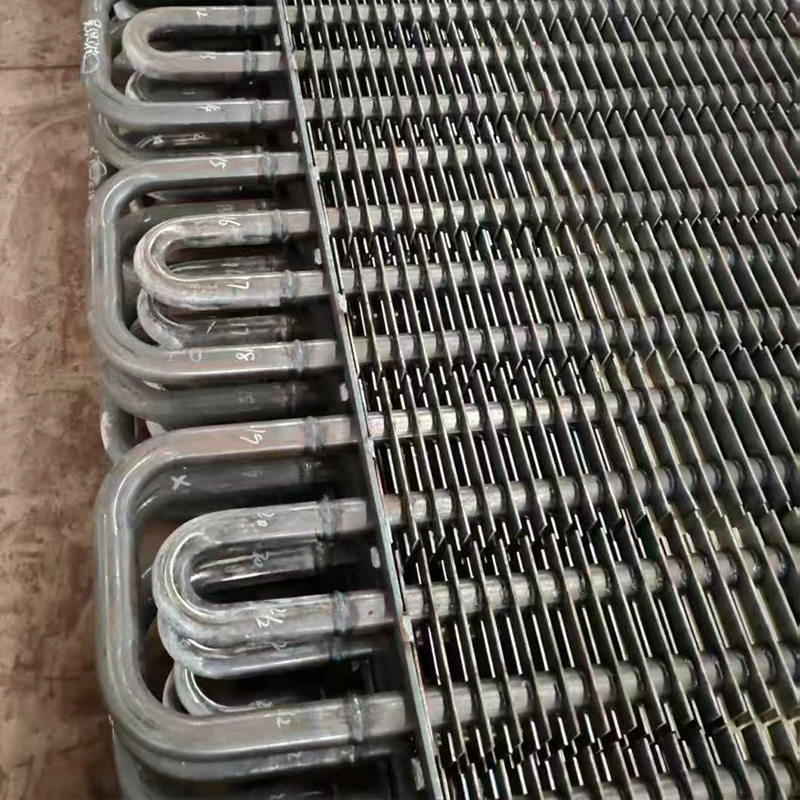
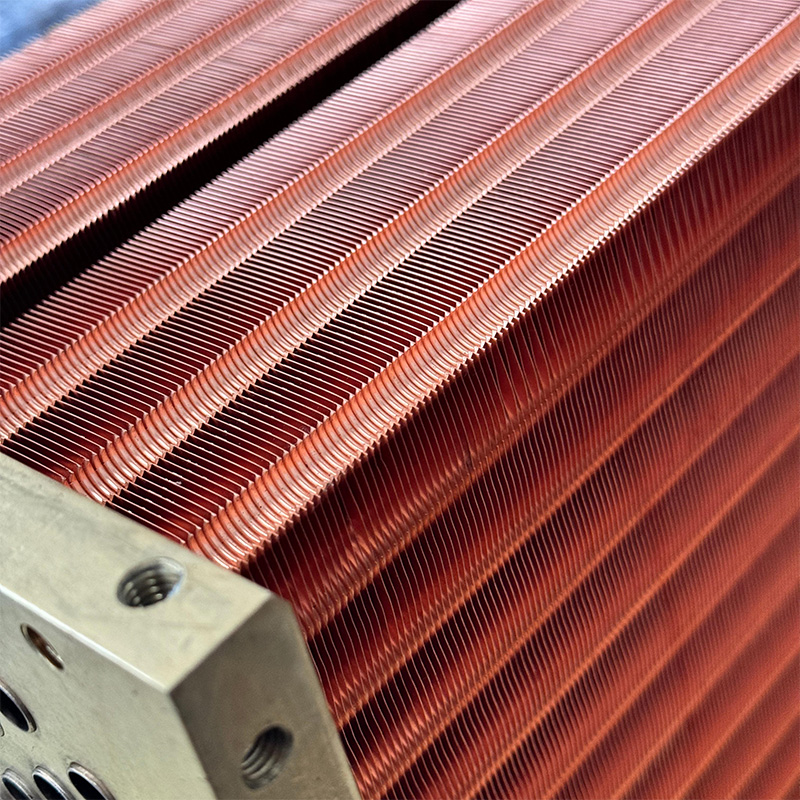
Deep integration into these industries requires not just the availability of pipes, but also an understanding of their end use in complex equipment. For example, a companyWuxi Kaisheng Electric Power and Petrochemical Equipment Co., Ltd.specializes in the development and production of highly loaded components, where the quality of the raw materials plays a decisive role. Their product line includes 316 stainless steel corrugated tube bundles, 321 steel tube sheets and copper-nickel alloy components, which are widely used in heat exchangers and recovery boilers for the oil refining and shipbuilding industries. Product certification to ASME and PED standards ensures that even items such as 3 meter long pipes must meet stringent requirements for corrosion resistance and the ability to withstand extreme pressures and temperatures. Выбор качественного проката, подобного тому, что используется в оборудовании «Уси Кайшэн», является фундаментом для создания надежных инженерных систем, работающих десятилетиями в агрессивных средах, таких как опреснение морской воды или химический синтез.
Как избежать брака: чек-лист приемки трубы 3 метра
Приемка партии труб длиной 3 метра должна проводиться строго по утвержденному алгоритму, чтобы исключить попадание некондиции в производство. Первым шагом является проверка сопроводительной документации: сертификата соответствия ГОСТ или EN, паспорта качества с указанием номера плавки. Отсутствие номера плавки на бирке или в документе — это красный флаг, сигнализирующий о возможной подмене материала. Сверьте маркировку на торцах труб или на бирках пачек с данными в сертификате. Несовпадение даже одной цифры в маркировке стали (например, 304 вместо 304L) может привести к катастрофическим последствиям при эксплуатации в агрессивной среде.
Визуальный осмотр поверхности следует проводить при хорошем освещении. Ищите царапины, вмятины, следы ржавчины или масляные пятна. Особое внимание уделите торцам труб: они должны быть ровно отрезаны, без заусенцев и деформации. Наличие фаски под сварку (обычно 30-35 градусов) значительно ускоряет монтажные работы и улучшает качество шва. Если трубы поставляются без фаски, заложите в бюджет затраты на ее нанесение перед сваркой. Мы рекомендуем выборочно проверять толщину стенки ультразвуковым толщиномером в нескольких точках по длине и окружности трубы, так как разностенность является частым дефектом проката.
Проверка геометрии пачки и упаковки также входит в обязательную процедуру. Убедитесь, что трубы не имеют видимого искривления («сабли»). Для этого можно положить трубу на ровную площадку и проверить зазор между трубой и поверхностью. Допустимые значения регламентированы ГОСТ, но для отв етственных конструкций лучше требовать соблюдения более жестких допусков. Проверьте целостность упаковочных лент и наличие прокладок. Поврежденная упаковка может свидетельствовать о том, что груз подвергался ударам или падению в пути, что могло вызвать внутренние напряжения в металле, невидимые глазу.
Финальным этапом является лабораторный анализ в случае сомнения в качестве металла. Экспресс-спектральный анализ позволяет за несколько минут определить химический состав стали прямо на складе. Содержание хрома и никеля должно строго соответствовать заявленной марке. Снижение содержания никеля даже на 0,5% резко ухудшает коррозионную стойкость и пластичность стали. В нашей практике был случай выявления партии «нержавейки», которая магнитилась сильнее допустимого, что указывало на нарушение технологии термообработки или подмену марки. Своевременное выявление такого брака сэкономило заказчику миллионы рублей на переделке уже смонтированного трубопровода.
Frequently Asked Questions
Можно ли заказать трубу нержавеющей 3 метра с нестандартной толщиной стенки?
Да, большинство производителей и крупных складов предлагают трубы с нестандартной толщиной стенки, но это обычно классифицируется как заказ «под производство». Срок исполнения такого заказа составит от 3 до 5 недель, так как требуется переналадка прокатного стана. Минимальная партия для индивидуального заказа толщины обычно составляет от 1 тонны. Если вам нужен небольшой объем, рациональнее выбрать ближайший стандартный размер из наличия, чтобы избежать наценки за эксклюзивность и длительного ожидания. Мы рекомендуем всегда сначала проверить складскую программу поставщика, прежде чем инициировать спецзаказ.
Какова максимальная погрешность по длине для трубы 3 метра согласно ГОСТ?
Согласно ГОСТ 9940-81 и ГОСТ 9941-81, для труб мерной длины предельное отклонение составляет +10 мм при механической резке и +5 мм при резке на станках с ЧПУ или дисковыми пилами. Это означает, что труба может быть длиной от 3000 до 3010 мм, но не короче 3000 мм. Если ваш проект требует высокой точности сборки (например, для модульного оборудования), обязательно указывайте в спецификации требование к точной резке (+/- 1-2 мм), что может повлечь дополнительную оплату за услугу обработки. Игнорирование этого нюанса может привести к проблемам при стыковке с импортным оборудованием.
Влияет ли длина трубы 3 метра на ее цену за килограмм?
Сама по себе длина 3 метра является стандартной и не несет дополнительной наценки по сравнению с другими мерными длинами (например, 6 метров) в пересчете на килограмм. Однако цена может отличаться в зависимости от способа производства: холоднодеформированные трубы (точнее по геометрии, дороже) и горячедеформированные (дешевле, больше допуски). Также цена зависит от объема партии: покупка полной фуры (около 20 тонн) труб длиной 3 метра будет значительно дешевле за килограмм, чем покупка нескольких пачек. Логистическая составляющая в цене коротких труб ниже, так как они проще в обработке, что косвенно удешевляет конечный продукт для покупателя.
Подходит ли труба 3 метра для сварки в автоматическом режиме?
Безусловно, длина 3 метра идеально подходит для автоматической и полуавтоматической сварки, в том числе орбитальной. Стабильная геометрия и отсутствие сильных деформаций позволяют роботизированным комплексам выполнять качественные швы с высокой скоростью. Единственное условие — подготовка кромок. Если трубы поставляются без фаски, автоматика может дать сбой или не обеспечить провар. Мы рекомендуем заказывать трубы с заводской фаской или использовать мобильные фаскосниматели перед сваркой. Это обеспечит стабильность процесса и снизит процент брака сварных соединений до минимума.
Где найти надежного поставщика трубы нержавеющей 3 метра?
Надежный поставщик должен иметь собственный складской комплекс с крытым хранением, парк собственной грузовой техники и штат квалифицированных менеджеров-технологов. Избегайте посредников, которые не могут предоставить оригиналы сертификатов и работают только по предоплате без гарантий. Проверяйте репутацию компании в отраслевых реестрах и наличие отзывов от реальных производственных предприятий. Лучшим индикатором надежности является готовность поставщика подписать договор с четкими штрафными санкциями за срыв сроков и поставку некондиционного товара.Contact us today, чтобы получить актуальный прайс-лист и консультацию по подбору труб под ваш конкретный проект.
Заключение: инвестиция в качество и стабильность
Выбор трубы нержавеющей 3 метра — это не просто покупка металла, это стратегическое решение, влияющее на логистику, скорость монтажа и долговечность всего инженерного сооружения. Понимание стандартов, правил приемки и скрытых аспектов ценообразования позволяет защитить бюджет проекта от непредвиденных расходов и рисков. Рынок предлагает множество вариантов, но только тщательный анализ поставщика и продукта гарантирует получение качественного материала, соответствующего самым строгим требованиям современных производств. Помните, что экономия на этапе закупки часто оборачивается многократными потерями на этапе эксплуатации и ремонта.
Мы готовы стать вашим надежным партнером в поставках нержавеющего проката, предлагая не просто трубы, а комплексные решения под ключ. Наш опыт позволяет нам прогнозировать потребности рынка и формировать складские запасы так, чтобы вы получали товар точно в срок. Не рискуйте качеством своего проекта — доверяйте профессионалам с подтвержденной репутацией.Request a commercial offer for a stainless steel pipe 3 metersможно прямо сейчас, заполнив форму на сайте или позвонив нашим специалистам. Пусть ваши трубопроводы служат десятилетиями без проблем.