
Stainless steel pipe 35 mm: application in mechanical engineering
2026-07-10
- Why 35 mm stainless steel pipe has become a standard in modern mechanical engineering
- Technical characteristics and choice of steel grade for a 35 mm pipe
- Key applications of 35 mm pipe in industrial equipment
- Comparative analysis: Seamless vs Electric-welded pipes 35 mm
- Processing, welding and installation: practical recommendations from an engineer
- Risks during procurement and how to avoid them
- Frequently Asked Questions
- Conclusion and next steps
Why 35 mm stainless steel pipe has become a standard in modern mechanical engineering
Stainless steel pipe 35 mm: applications in mechanical engineering today go far beyond simple structural tasks. In our practice, we have seen how this particular size has become the “sweet spot” for engineers designing high-precision components where rigidity, corrosion resistance and weight are all critical. A diameter of 35 millimeters (often corresponding to an external diameter of 38 mm or an internal diameter of 32-34 mm depending on the wall) provides a unique ratio of the moment of inertia of the section to the mass of the product. This isn't just a marketing thesis; This is the physics we encounter every day on our customers' production lines from St. Petersburg to Novosibirsk.
When it comes to choosing materials for critical components, an error in calculations can cost millions of rubles in equipment downtime. We have seen cases where the use of a pipe of a smaller diameter led to resonant vibrations of the shafts, and the transition to a massive profile increased the cost of the structure by 40% without any real need. The approximately 35mm diameter pipe solves this dilemma, allowing for lightweight but rigid frames, axles and hydraulic lines. In this article we will analyze not only theoretical calculations, but also real experience in operating such pipes in aggressive environments, under high loads and in conditions of extreme temperatures.
Our goal is to provide you with a comprehensive selection guide that will save you the time of cross-checking with suppliers. We rely on GOST standards and international ISO standards so that each parameter you read here can be used in the technical specifications without additional clarification. If you are a design engineer or purchasing manager, this information will become the foundation for making the right decision today.
Technical characteristics and choice of steel grade for a 35 mm pipe
The choice of a specific grade of stainless steel for a pipe with a diameter of 35 mm determines 80% of the success of the entire project. In the market of Russia and the CIS countries, the most in demand are austenitic steels, in particular analogs of AISI 304 (08Х18Н10) and AISI 316 (08Х17Н13М2). However, blindly following catalogs without taking into account the chemical composition often leads to premature failure of products. In our practice, there was a case when a batch of “ordinary” stainless steel pipes was installed in a chemical production workshop, where chlorine vapors were present. After 6 months, pitting corrosion began, although visually the pipes looked perfect. The problem was the lack of molybdenum in the alloy.
For mechanical engineering, the key parameters when choosing a 35 mm pipe are not only the outer diameter, but also the wall thickness, production method and delivery condition. Seamless hot-deformed pipes (GOST 9940-81) have maximum strength and are used for high-pressure hydraulic systems. Electric-welded pipes (GOST 11068-81), which have undergone heat treatment of the seam, are excellent for structural elements where geometry and surface cleanliness are important. Let's take a closer look at the main brands so you understand what you're paying for.
Steel 08Х18Н10 (AISI 304): Basic standard
This is the most common grade for general engineering. Pipes made of this steel with a diameter of 35 mm work perfectly in food production, light industry and in structures not exposed to strong acids. Chromium (18%) provides a passive protective film, and nickel (10%) provides ductility and toughness. However, it is important to remember that this steel is not designed to withstand seawater or high halogen environments. If your project involves riparian or chemical processing, this option can be a pitfall.
Steel 08Х17Н13М2 (AISI 316): Protection against aggression
Adding 2-3% molybdenum radically changes the properties of the material. A 35 mm pipe made of AISI 316 steel is able to withstand the effects of sulfuric acid, chlorides and other aggressive agents. Our portfolio includes a project to modernize a pumping station, where replacing pipes of grade 304 with grade 316 increased the overhaul interval from 1 year to 7 years. The difference in price is about 25-30%, but the service life pays for these costs many times over. For critical components in chemical engineering, this is the only right choice.
Heat-resistant steels (06Х23Н28М3Т and analogues)
If a 35mm pipe is used as a heat exchanger or exhaust system element at temperatures above 600°C, conventional austenitic steels will lose their strength. This requires specialized alloys with the addition of titanium or niobium to stabilize the structure. We strongly recommend requesting a certificate of quality indicating the chemical analysis for each heat, especially for heat-resistant grades. A deviation in carbon content of even 0.01% can lead to intergranular corrosion during welding.
When ordering a pipe, be sure to specify the delivery condition: soft (annealed) or hard (cold-worked). For bending and complex machining, a soft state is required, while for shafts and axles subject to wear, a cold-worked material with a higher yield strength is better suited. Do not hesitate to demand mechanical test reports from the supplier - this is your right as a buyer.
Key applications of 35 mm pipe in industrial equipment
The versatility of the 35mm diameter pipe is demonstrated by its presence in a wide range of heavy and precision industries. This size is not accidental: it is large enough to transmit significant forces or fluid flows, and small enough to save space and reduce the overall weight of the unit. Below we provide specific examples from our practice illustrating exactly how this rental is used.
Hydraulic and pneumatic systems
In machine tool building and the production of press equipment, 35 mm pipes often serve as high-pressure lines. Seamless pipes made of steel 12Х18Н10Т can withstand pressures of up to 20-25 MPa without deformation, which makes them an ideal alternative to expensive alloy steels in a number of cases. An important aspect here is the quality of the internal surface. The roughness of the internal surface should be minimal to reduce hydraulic resistance and prevent the accumulation of contaminants. We recommend using tubes that have been additionally calibrated and internally polished, especially for servohydraulic applications where oil cleanliness is critical to valve function.
One of our clients, a manufacturer of injection machines, was faced with the problem of frequent blockages in the hydraulics. After the audit, it turned out that the pipes they used had internal rolling defects. Replacing with certified seamless 35 mm pipes solved the problem completely, reducing the number of hydraulic pump failures by 60% in the first year of operation.
Structural elements of robots and manipulators
In robotics, every gram counts. 35 mm stainless steel pipe is used to create the arms of manipulators, guides and frames of mobile platforms. High bending rigidity allows maintaining positioning accuracy even with the robot's arm extended. Here, perforation or milling of the pipe is often used to reduce weight, which is possible due to the homogeneous structure of high-quality stainless steel. It is important to take into account the coefficient of linear expansion: when working in unheated workshops, the length of the pipe may change, which requires compensation in the design of bearing units.
Food and pharmaceutical engineering
Sanitary standards dictate strict requirements for materials. A 35 mm pipe is used here for transporting raw materials, finished products and process media (steam, water, gases). The surface must be mirror-like (grinding to Ra 0.8 microns and higher) to prevent the adhesion of bacteria and ensure easy cleaning. Welded joints must be made in an argon environment, followed by etching and passivation of the seam. Any roughness or oxidized area is a potential source of biological contamination. We strictly control these parameters when delivering to pharmaceutical plants, since violation of GMP standards is unacceptable.
Heat exchange equipment
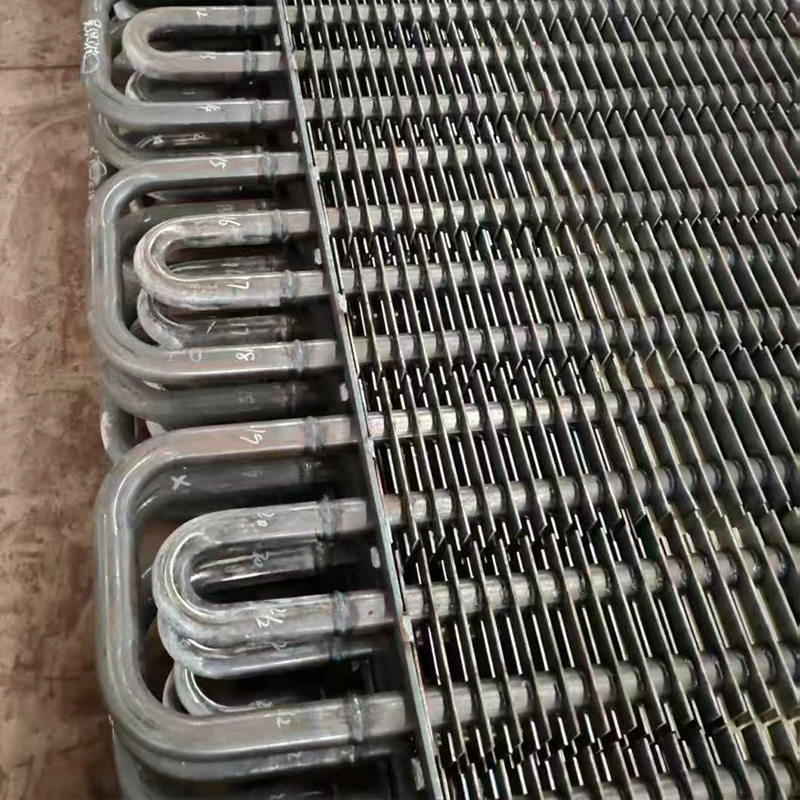
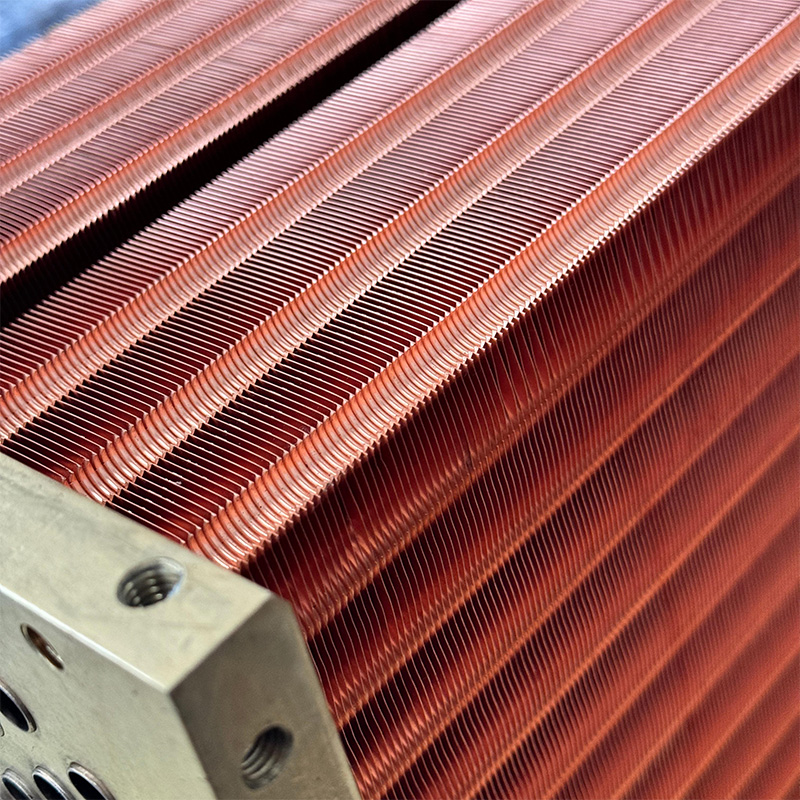
Tube-in-pipe or shell-and-tube heat exchangers often use 35 mm diameter tubes as internal channels or bundle elements. Stainless steel provides resistance to scale and corrosion from the cooling water. When designing such units, it is critical to take into account the thermal conductivity of the material (which is lower for stainless steel than copper or carbon steel) and compensate for this by increasing the heat exchange area or optimizing flow turbulence.
It is in the field of heat exchange equipment that the requirements for pipe quality reach their maximum. CompanyWuxi Kaisheng Electric Power and Petrochemical Equipment Co., Ltd., which specializes in the development and production of highly efficient heat exchangers, knows this first-hand. In our production, we actively use corrugated tube bundles made of 316 stainless steel and other complex configurations where the 35 mm diameter pipe is often the base element or component of the assembly. Our products, including titanium shell-and-tube heat exchangers and ASME-standard units, operate in the extreme conditions of oil refining, chemical processing and seawater desalination. We require from materials not just compliance with GOST, but guaranteed resistance to high pressure, temperature and aggressive environments. The experience of the Wuxi Kaisheng company confirms: the correct choice of steel grade (be it 316, 321 or special nickel alloys) and pipe manufacturing method is the foundation for the reliability of the entire heat exchange unit.
In each of these cases, the correct selection of a 35 mm pipe is not just a purchase of metal, but an investment in the reliability of the entire mechanism. An error in choosing the wall thickness or steel grade can lead to catastrophic consequences, from leaks under high pressure to destruction of supporting structures.
Comparative analysis: Seamless vs Electric-welded pipes 35 mm
One of the most common questions that engineers ask us is: “Is it possible to replace an expensive seamless pipe with an electric welded one for my application?” The answer cannot be a clear “yes” or “no”, since everything depends on the operating conditions. To help you make an informed decision, we have prepared a detailed comparison of the two manufacturing technologies for the 35mm size.
| Comparison parameter | Seamless pipes (GOST 9940-81) | Electric welded pipes (GOST 11068-81) |
|---|---|---|
| Production technology | Rolling a solid billet on a mandrel. No longitudinal seam. | Sheet forming followed by tungsten argon welding (TIG) or high-frequency welding. |
| Maximum working pressure | High (up to 25-30 MPa and higher depending on the wall). Ideal for hydraulics. | Limited (usually up to 10-16 MPa). The seam is a risk zone under impulse loads. |
| Geometric accuracy | Tolerances for diameter and ovality are wider. Slight curvature possible. | High OD accuracy and excellent straightness. Better for structural frames. |
| Surface quality | Depends on the finishing method. Additional sanding is often required. | Initially smoother surface, especially after polishing. The stitch may be visible or removed. |
| Cost | 30-50% higher due to the complexity of production and higher metal consumption. | More affordable price. Optimal for large volumes in less critical units. |
| Recommended Application | Hydraulics, high temperatures, aggressive environments, dynamic loads. | Furniture, decorative elements, lightweight structures, ventilation, low pressure. |
In our practice, we categorically do not recommend using electric-welded pipes in systems where water hammer is present. The heat affected zone of a weld is a weak point where fatigue cracks can develop over time. For static loads, for example, in the manufacture of fences or table frames, there is no point in overpaying for a seamless pipe - an electric-welded one will do an excellent job and will last for decades.
It is also worth paying attention to the quality control of the seam in welded pipes. Conscientious manufacturers carry out 100% testing using the eddy current method or ultrasound. If the supplier cannot provide seam inspection data, the risk of buying a “pig in a poke” increases many times over. For critical applications, always select pipes with guaranteed seam control.
Processing, welding and installation: practical recommendations from an engineer
Buying a quality 35mm pipe is only half the battle. Proper processing and installation determine the final reliability of the unit. Stainless steel has its own characteristics, ignoring which leads to defects. We have collected basic rules that will help you avoid common mistakes.
Features of cutting and machining
Stainless steel is prone to work hardening and “sticking” to the cutting tool. When cutting 35 mm pipes with circular saws or on lathes, it is necessary to use special modes: a lower feed speed, but a sufficient cutting depth so that the tool does not rub, but cuts. The use of coolant (cutting fluid) is mandatory. We have seen cases where an attempt to save on coolant led to overheating of the cut zone, a change in the color of the metal (tarnish color) and a decrease in corrosion resistance in this place. The overheated section becomes an anode in relation to the rest of the pipe and begins to rust first.
When drilling holes in a 35 mm pipe, use drills with a 135 degree tip angle and mandatory centering. Stainless steel “floats”, and without reliable fixation the pipe can turn, which is dangerous for the operator and disastrous for the tool.
Stainless steel welding
Welding of pipes with a diameter of 35 mm is most often performed using argon arc welding (TIG) with a non-consumable electrode. The key point is to protect the back side of the seam from oxidation. If you cook a pipe without purging it with argon from the inside, the return bead will become covered with scale (“sugar”). This scale not only spoils the appearance, but is also a source of corrosion. In food production, the presence of such a seam is a defect. We require our partners to use special plugs to purge the internal cavity of the pipe during welding.
Post-weld heat treatment is desirable for stress relief, especially in thick-walled pipes. However, in practice, for small-diameter pipes (like 35 mm), they are often limited to high-quality cleaning and passivation of the seam with special compounds that restore the oxide film.
Pipe bending
Bending a 35 mm pipe requires the use of a mandrel (internal mandrel) to prevent the formation of corrugations on the inner side of the radius and flattening of the profile. The bending radius should not be too small; The optimal radius is equal to 2-3 pipe diameters (70-105 mm). An attempt to bend the pipe “to zero” will lead to metal rupture or critical thinning of the wall. Always do a test bend on scraps from the same batch before processing the entire batch.
Remember: any mechanical treatment breaks the passive layer of stainless steel. After completion of all work (cutting, welding, grinding), an etching and passivation procedure is required. This returns the material to its main properties - corrosion resistance. Skipping this step is a common mistake and will negate the benefits of using expensive stainless steel.
Risks during procurement and how to avoid them
The rolled metal market is saturated with offers, but not all of them are of equal quality. Purchasing a 35 mm pipe involves a number of risks that you need to know about in advance. Our company, having many years of experience, has identified the main pitfalls.
Risk 1: Substitution of steel grade.Unscrupulous suppliers may sell a pipe made of AISI 201 steel (low nickel and high manganese content) under the guise of AISI 304. Visually they are almost indistinguishable, but 201 steel is much less resistant to corrosion and is magnetic (although 304 can also be weakly magnetic after cold deformation).How to check:Request spectral analysis or use a quality alloy tester. A magnet is not the most reliable indicator, but a strong attraction should alert you.
Risk 2: Reduced wall thickness.The documents may indicate 3 mm, but in fact the pipe has a wall of 2.7 mm. This is critical for structures: the loss of load-bearing capacity reaches 20%.How to check:Selective measurement with a caliper or ultrasonic thickness gauge upon acceptance. В договоре должны быть прописаны предельные отклонения согласно ГОСТ.
Риск 3: Отсутствие сертификатов.Работа без документов — это работа вслепую. Сертификат соответствия и паспорт качества (с номером плавки) обязательны. Без них вы не сможете сдать объект технадзору или доказать правоту в случае рекламации. Мы никогда не отгружаем продукцию без полного комплекта документов, и вам советуем требовать того же от своих контрагентов.
Работа с проверенными поставщиками, имеющими собственную лабораторию входного контроля, снижает эти риски практически до нуля. Экономия на цене трубы при покупке у сомнительных посредников часто оборачивается многократными убытками на этапе монтажа и эксплуатации.
Frequently Asked Questions
Какова максимальная длина трубы 35 мм, доступная для заказа?
Стандартная мерная длина нержавеющих труб составляет 6 метров. Однако большинство производителей и крупных складов предлагают услугу резки в размер или поставку немерной длины (обычно от 4 до 7 метров). Для специфических проектов возможно изготовление труб длиной до 12 метров, но это потребует индивидуального согласования с заводом и повлияет на логистику. Мы рекомендуем планировать раскрой исходя из стандартных 6 метров, чтобы минимизировать отходы.
Можно ли использовать трубу 35 мм для питьевой воды?
Да, можно, но только при условии использования сталей марок AISI 304 или AISI 316 и наличия гигиенического сертификата. The surface of the pipe must be thoroughly cleaned of technical oils and preservative grease before commissioning. Дл я систем горячего водоснабжения предпочтительнее марка 316 из-за лучшей стойкости к образованию накипи и коррозии при повышенных температурах.
Подвергается ли труба 35 мм межкристаллитной коррозии?
Риск существует, если используется сталь обычного исполнения (например, 08Х18Н10) и она подвергается сварке или нагреву в диапазоне 500-800°C. В этом случае по границам зерен выпадают карбиды хрома, и сталь теряет стойкость. Чтобы избежать этого, для сварных конструкций следует выбирать стали с пониженным содержанием углерода (индекс «Л», например, 03Х18Н11 / AISI 304L) или стабилизированные титаном (12Х18Н10Т / AISI 321). Это гарантирует сохранение свойств после сварки.
Каков срок поставки труб 35 мм?
Для популярных марок (304, 316) и стандартных размеров трубы часто имеются в наличии на складах в Москве, Санкт-Петербурге и Екатеринбурге, что позволяет отгрузить заказ в течение 1-3 дней. Изготовление под заказ у завода-производителя занимает от 2 до 4 недель в зависимости от загрузки цехов и объема партии. Импортные позиции могут поставляться дольше, учитывая текущие логистические цепочки.
Conclusion and next steps
Труба из нержавеющей стали 35 мм — это надежное и универсальное решение для широкого спектра задач в машиностроении. От гидравлических систем высокого давления до санитарных контуров пищевых производств — правильность выбора материала и технологии изготовления определяет долговечность вашего оборудования. Не стоит воспринимать покупку металла как простую транзакцию; это инженерная задача, требующая внимания к деталям: марке стали, методу производства, качеству поверхности и сопроводительной документации.
Мы убедились на собственном опыте, что инвестиции в качественный прокат и профессиональную обработку окупаются отсутствием аварийных остановок и длительным сроком службы узлов. Если вы сомневаетесь в выборе между бесшовной и сварной трубой, или вам нужна помощь в подборе аналога импортной стали — не рискуйте проектом. Доверьте расчеты и поставку профессионалам.
Наша команда готова предоставить подробные технические консультации, образцы продукции и оперативный расчет стоимости с учетом доставки до вашего объекта. Мы работаем со всеми ведущими металлургическими комбинатами и гарантируем соответствие продукции заявленным стандартам ГОСТ и ISO.
Изучить полный каталог нержавеющих трубили свяжитесь с нашими специалистами для обсуждения вашего технического задания. Правильный выбор трубы 35 мм сегодня — это гарантия бесперебойной работы вашего предприятия завтра.
Свяжитесь с нами сегодня, чтобы получить коммерческое предложение и консультацию инженера.