
Welding technology for 316L stainless steel: step-by-step instructions
2026-07-14
Welding technology for 316L stainless steel: step-by-step instructions for industrial facilities
Welding 316L stainless steel requires strict control of interpass heating temperature and the use of high purity inert gases to prevent the formation of chromium carbides and intergranular corrosion. In our practice, we have repeatedly encountered a situation where pipelines for the food industry failed after six months of operation precisely because of a violation of the technology for protecting the back side of the seam, which led to oxidation of the root and subsequent breakthrough under pressure. This article is a detailed guide, based on real production cases and ISO standards, that will help you avoid costly mistakes when working with austenitic steel.
We will not retell textbooks on metal science. Instead, we will look at specific current parameters, filler material selection, and critical mistakes that even experienced welders make when switching to 316L grade. If you plan to certify equipment to PED or ASME standards, following the procedures described below is a prerequisite for certification.
Preparatory stage: selection of equipment and materials
The success of welding austenitic stainless steels depends 80% on edge preparation and the cleanliness of the protective environment. Grade 316L contains molybdenum (2-3%), which increases corrosion resistance in chloride environments, but at the same time makes the metal more sensitive to overheating. Before starting work, you need to make sure that your equipment is capable of maintaining a stable arc at low currents, since the thermal conductivity of stainless steel is approximately three times lower than that of carbon steel.
Required list of tools and consumables:
- Current source with TIG (DC) or pulse mode for heat input control.
- ER316L filler wire with a diameter of 1.6 mm or 2.4 mm depending on the thickness of the base metal.
- Argon category 4.8 (99.998%) or higher; the use of technical argon is unacceptable due to the risk of pore formation.
- Ceramic nozzles of increased diameter (No. 12-14) to create a wide gas protection zone.
- Stainless steel brushes (do not use brushes after working with ferrous metal!).
- Degreaser based on acetone or isopropyl alcohol.
- Forming plates (linings) made of copper or ceramics for forming the root of the seam.
It's important to note one thing that beginners often forget: never use regular steel brushes to sand 316L edges. Even microscopic particles of ordinary iron embedded in the surface of stainless steel will become centers of pitting corrosion after just a few weeks of operation in a humid environment. We recorded cases of rejection of entire batches of containers for this very reason - visual inspection did not reveal defects, but the ferritic test showed the presence of free iron.
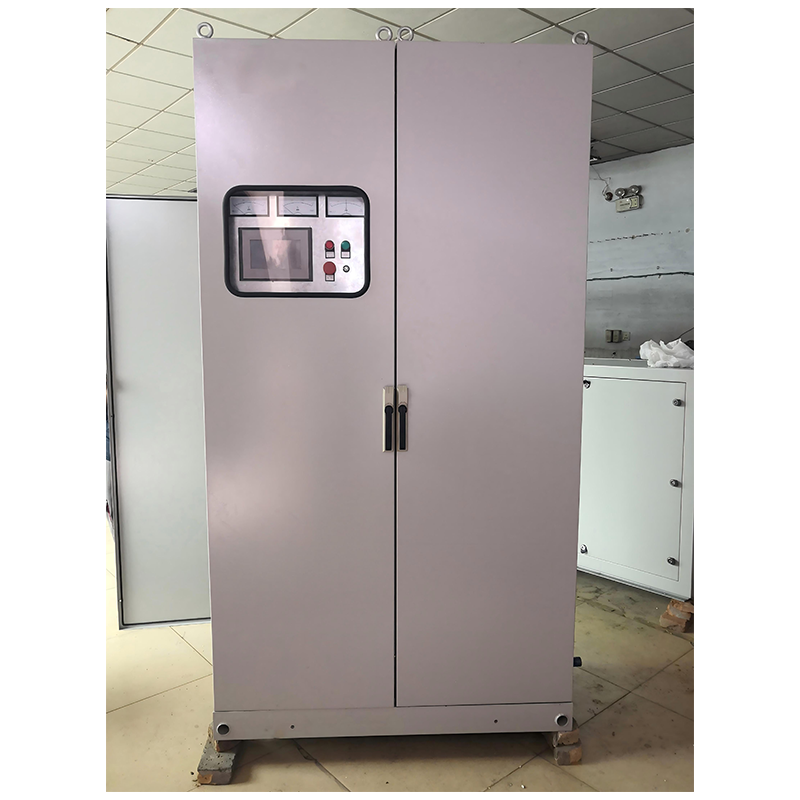
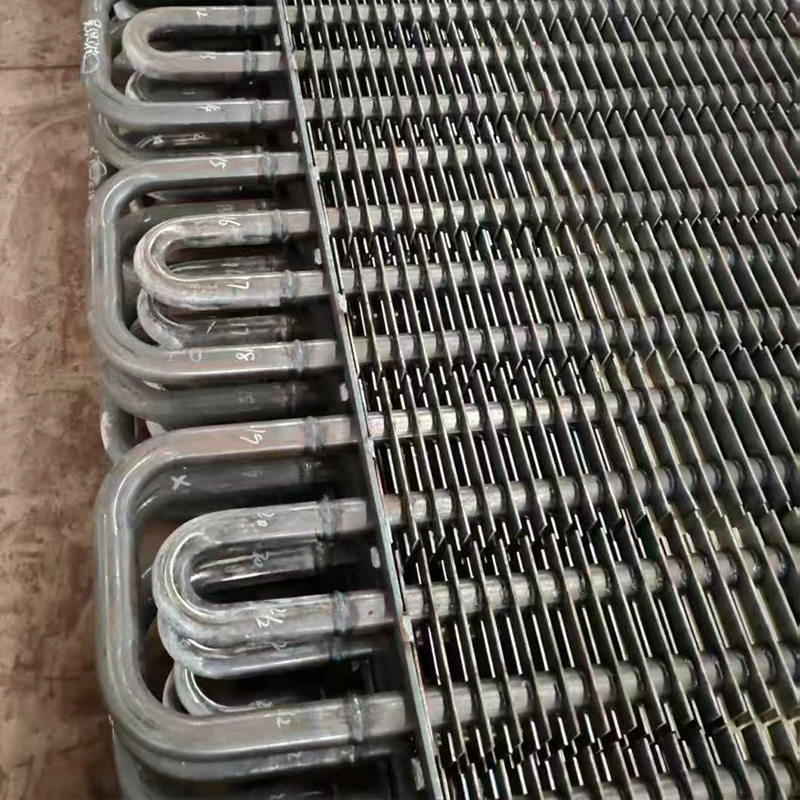
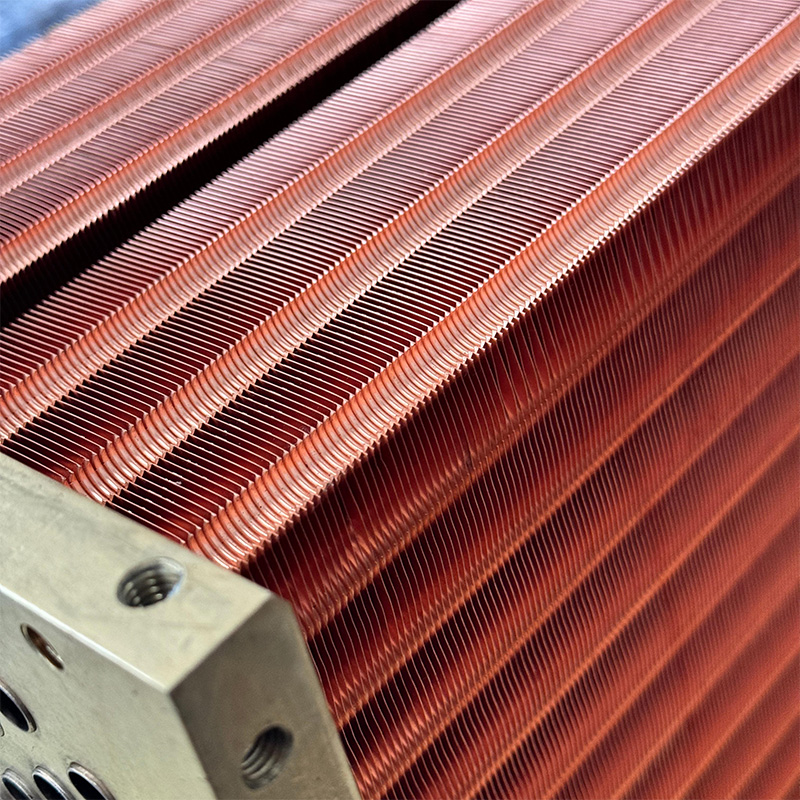
These requirements acquire particular relevance in the manufacture of critical heat exchange equipment. For example, company specialistsWuxi Kaisheng Electric Power and Petrochemical Equipment Co., Ltd., which specializes in the production of high-pressure heat exchangers and corrugated tube bundles made from 316 stainless steel, faces the challenge of flawlessly joining dissimilar metals every day. Their products, which include tube sheets and bundles made from N06625, C46400 marine brass and titanium alloys, are used in the harsh environments of oil refining and water desalination. The experience of such enterprises confirms that the slightest deviation from 316L welding technology can compromise the corrosion resistance of the entire assembly, especially when it comes to certification to the strict international standards of ASME and PED.
Step 1: Machining and degreasing of edges
The first step is to prepare the joint. For sheets up to 3 mm thick, edge cutting is usually not required if the gap between the parts does not exceed 0.5 mm. However, for thicknesses over 4 mm, it is necessary to perform a V-groove with an opening angle of 60 degrees. This ensures complete penetration of the root of the weld without excessive overheating of the metal mass.
The stripping process should only be carried out with tools designed exclusively for stainless steel. After machining, the edges must be degreased with a solvent. Please note: any traces of oil, grease or marking paint entering the weld pool will result in hydrogen saturation of the weld and the formation of pores. In our practice, there was a case when a batch of valves was rejected due to the use of a dirty rag to wipe the edges, which caused a chain of micropores along the entire length of the seam.
The gap between the edges should be uniform along the entire length of the joint. An uneven gap forces the welder to change the arc speed, which leads to local overheating and a change in the metal structure in the heat-affected zone (HAZ). Use clamps and potholders to secure parts. The tacks are made of the same material (ER316L) and must be completely remelted during the main welding process.
Step 2: Organizing gas protection (Front and Back Purging)
The most critical stage of welding technology for 316L stainless steel is the organization of protection of the back side of the seam. Austenitic steels at temperatures above 400°C actively absorb oxygen and nitrogen from the air. If the back side of the weld is not protected with an inert gas, a dense layer of scale is formed, which cannot be removed mechanically without damaging the geometry of the product, and a chromium-depleted layer susceptible to corrosion is formed under it.
For pipes and closed volumes it is necessary to use a purging system. The process looks like this:
- Seal the ends of the pipe using special plugs or tape.
- Apply argon gas into the cavity before welding begins.
- Monitor your oxygen content with an analyzer. Welding can only begin when the oxygen level drops below 50 ppm (parts per million).
- Continue supplying gas until the metal temperature drops below 250°C.
Many people ignore the use of an oxygen analyzer, relying on the purge time “by eye.” This is a big mistake. The air displacement time depends on the volume of the chamber, the presence of leaks and gas flow. We recommend always using an oxygen sensor. The color of the root of the seam is the best indicator of the quality of protection: silver or golden color means excellent quality, blue is acceptable for irresponsible structures, purple or gray means defective, requiring removal of the seam.
The gas flow on the burner also requires adjustment. For stainless steel it is usually 10-15 liters per minute, which is higher than for ferrous metals. The use of large diameter nozzles helps create a laminar gas flow, preventing turbulence and air leaks. Ensure that the gas hose length does not exceed 10 meters to minimize pressure loss and the risk of moisture entering the system.
Step 3: Setting the welding machine parameters
The choice of the correct welding modes determines the shape of the penetration and the amount of heat input. 316L steel has high electrical resistance and low thermal conductivity, so the amperage should be 15-20% lower than when welding regular steel of the same thickness. Excess current leads to overheating of the bath, burnout of alloying elements and deformation of the product.
Recommended parameters for manual TIG welding with direct current (DCEN):
| Metal thickness (mm) | Electrode diameter (mm) | Current (Ampere) | Argon flow (l/min) | Welding speed (cm/min) |
|---|---|---|---|---|
| 1.0 – 1.5 | 1.6 | 40 – 60 | 8 – 10 | 15 – 20 |
| 2.0 – 3.0 | 2.0 | 70 – 90 | 10 – 12 | 12 – 18 |
| 4.0 – 6.0 | 2.4 – 3.0 | 100 – 140 | 12 – 15 | 10 – 15 |
| > 6.0 | 3.0 – 4.0 | 150 – 200+ | 15 – 18 | 8 – 12 |
The use of the pulse mode significantly improves the quality of the seam when welding thin-walled pipes and sheets. The pulse allows you to control the size of the weld pool, reducing the average heat input by 30-40%. The pulse frequency is usually set in the range of 1-10 Hz. At a frequency of 1 Hz, the welder sees a clear formation of each point (“scale”), which is convenient for monitoring the process. Higher frequencies (up to 10 kHz) are used to stabilize the arc and refine the grain in the weld.
The arc length should be minimal - approximately equal to the diameter of the electrode (1-3 mm). Increasing the arc length leads to an expansion of the heating zone and loss of gas protection. The electrode should be sharpened at an angle of 15-30 degrees for direct current. The sharpening must be longitudinal, coinciding with the axis of the electrode, so that the arc is stable and directed.
Step 4: Welding Technique
The welding process begins with igniting the arc at a distance of 5-10 mm from the beginning of the seam, on a special plate or already welded area, so as not to leave a crater at the beginning. Then the arc is smoothly transferred to the edge. It is important to wait for a liquid bath to form before moving. Add filler material only after the edges have melted.
The filler wire should be fed in short portions, without removing the end of the wire from the gas protection zone. The tip of the wire should always be inside the argon torch. If the hot end of the wire is exposed to air, it will oxidize, and the next time it is immersed in the bath, the oxides will enter the seam, creating inclusions. The angle of wire insertion relative to the metal surface should be about 15 degrees.
The movement of the burner should be uniform, without jerking. A small transverse oscillatory movement is allowed to expand the seam, but the amplitude should not exceed three electrode diameters. When welding vertical seams, the movement is performed from the bottom up with mandatory stops at the edges to prevent undercuts. Horizontal seams are cooked from left to right (for right-handers) with the burner tilted forward 70-80 degrees.
Pay special attention to finishing the seam. An abrupt break in the arc leads to the formation of a through crater - a stress concentrator. It is necessary to use the “Down Slope” function of the device (smooth reduction of current) or manually gradually reduce the current, filling the crater with filler material. The arc is extinguished only after the crater is completely filled and the metal has begun to crystallize, but is still protected by the gas.
Step 5: Temperature control and multi-layer welding
When welding products with a thickness of more than 6 mm, multi-layer seams are required. The critical parameter here is the interpass heating temperature. For 316L steel it should not exceed 150°C (up to 170°C in some specifications). Exceeding this threshold starts the process of separating chromium carbides along the grain boundaries, which sharply reduces corrosion resistance (the phenomenon of sensitization).
Temperature control is carried out using contact thermometers or non-contact pyrometers. If the temperature approaches the limit, it is necessary to pause and allow the product to cool naturally or use forced cooling with compressed air (but not water, to avoid hardening effects and cracks). In our practice, we have seen cases where accelerating the work schedule by ignoring cooling pauses led to the fact that finished tanks did not withstand hydraulic tests due to the fragility of the seam.
Each subsequent layer should overlap the previous one by 30-50%. Before applying a new layer, the surface of the previous one must be cleaned of slag (if coated electrodes were used, although TIG/MIG is more often used for 316L) and oxide film to a metallic shine. Any contamination between layers becomes defects in the seam structure.
Common errors and methods for eliminating them
Even when following instructions, operators can make mistakes that affect the longevity of the connection. Below are the most common problems and solutions based on defect analysis on the shop floor.
1. Porosity of the seam.
Cause: Insufficient edge cleaning, moisture in the gas, arc too long or draft blowing off the protection.
Solution: Check argon dew point (should be below -40°C), increase gas flow, install windbreaks. Clean the edges again using a 20 mm edge from the joint.
2. Oxidation of the weld root (blue/black color).
Cause: Insufficient purging of the internal cavity, premature termination of the gas supply, leaks in the molding system.
Solution: Increase the pre-purge time, check the tightness of the plugs with tape or soapy water. Use an oxygen analyzer for monitoring.
3. Undercuts (grooves along the seam).
Cause: Too high current, fast arc, incorrect electrode angle.
Solution: Reduce current, reduce welding speed, add more filler material to fill the grooves. Make sure the arc is aimed primarily at the filler and not at the edge.
4. Product deformation.
Cause: Excessive heat input, lack of fastening of parts, incorrect sequence of seams.
Solution: Use pulse mode, use a staggered welding pattern (center to edge), use rigid clamping fixtures, but be aware of the possibility of thermal expansion.
Post-weld processing and quality control
After welding is completed, the product requires mandatory post-processing. The presence of an oxide film (tarnish color) on the surface of the weld reduces corrosion resistance, since the chromium content under the oxides is below a critical level. There are two main methods for removing oxides:
- Mechanical:Using stainless steel brushes, abrasive wheels or sandblasting with stainless steel shot. It is important not to overheat the metal when grinding.
- Chemical (Etching):Application of etching pastes or gels containing a mixture of nitric and hydrofluoric acids. This method is the most effective, since it not only removes scale, but also restores the passive layer by enriching the surface with chromium.
After etching, the surface must be thoroughly washed with water and acid residues must be neutralized. Ignoring this step will result in the chemical reaction continuing and pitting corrosion occurring.
Quality control of 316L welded joints includes:
- Visual inspection (VT):Check for cracks, pores, undercuts, and lack of fusion. The seam should have a scaly structure, uniform width and height.
- Penetrant testing (PT):Detection of surface defects using penetrants. Mandatory for critical pipelines.
- X-ray inspection (RT) or ultrasonic inspection (UT):To identify internal defects in thick-walled structures.
- Ferritoscopy:Measuring the ferrite phase content in the weld. The optimal ferrite number (FN) for 316L is 3-10%. A value that is too low can result in hot cracks, while a value that is too high can lead to decreased corrosion resistance.
All control results must be documented in the product quality certificate. For export products to EU countries, compliance with the PED (Pressure Equipment Directive) is required, and for work in Russia and the EAEU countries, certificates of compliance with technical regulations TR CU 032/2013 are required.
Specific application in various industries
Welding technology may be slightly adjusted depending on the end use of the product.
Food industry:
Hygiene is the key requirement here. The seams should be ground flush with the base metal (Ra< 0.8 µm) to prevent product stagnation and bacterial growth. Automatic orbital welding is often used, which guarantees stability of parameters and ideal weld geometry inside the pipes. Any scratches or unevenness are unacceptable.
Chemical and oil and gas industry:
Work is carried out with aggressive environments and under high pressure. The main emphasis is on complete root penetration and the absence of pores. Heat treatment of finished assemblies is often required to relieve residual stresses, although this is done less frequently for 316L than for other grades to avoid precipitating carbides. The most important document here is the WPS (Welding Procedure Specification), developed for a specific task. These are the problems that Wuxi Kaisheng LLC solves by supplying reliable waste heat boilers and air coolers for global projects in the energy and shipbuilding industries, where each weld undergoes multi-stage control.
Medical equipment:
The requirements are similar to the food industry, but with even stricter purity controls. Ultra-high purity argon (5.0) is used, and welding rooms must comply with the cleanliness class. Any defect will result in the part being scrapped.
Conclusion and recommendations
Welding 316L stainless steel is a process that requires discipline and attention to detail. The main rule to remember is: “Cleanliness and temperature control.” Violation of any of the stages, from degreasing to cooling, can negate all the advantages of this expensive and high-quality steel grade. Do not skimp on the quality of argon and equipment - the cost of reworking a defective unit from 316L is many times higher than the cost of prevention.
Если вы столкнулись со сложностями при подборе режимов сварки для нестандартных узлов или нуждаетесь в сертификации сварочных процедур по международным стандартам, наша команда готова оказать экспертную поддержку. Мы проводим аттестацию технологий и обучение персонала с учетом специфики вашего производства.
Для получения консультации по выбору сварочных материалов и оборудования свяжитесь с нами сегодня. Наши инженеры помогут подобрать оптимальное решение для ваших задач, будь то ремонт единичного изделия или запуск конвейерной линии.
Подробнее о наших услугах по контролю качества и поставках расходных материалов вы можете узнать в разделерасходные материалы для сваркиили изучитьтехническую поддержку проектов.