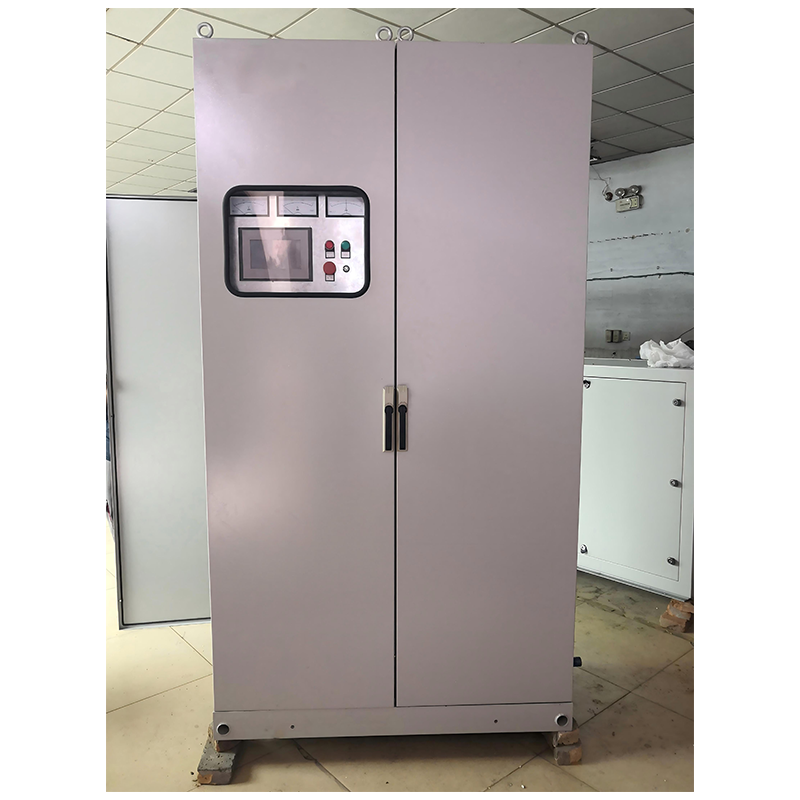

electrical control system for industrial facilities
2026-07-20
- Why standard automation does not work at complex industrial facilities
- Key technical parameters when choosing a control system
- Architectural decisions: centralized versus distributed control
- Integration with upper-level systems and industrial Internet of things
- Typical installation errors and ways to prevent them
- Equipment compliance and certification
- Economic efficiency and payback period of investments
- Как выбрать надежного поставщика и подрядчика
- Frequently Asked Questions
- Conclusion and next steps
Why standard automation does not work at complex industrial facilities
An industrial electrical control system is more than just a collection of relays and contactors in a metal cabinet, but a critical element of the safety and economic efficiency of the entire plant. In our practice, we have repeatedly encountered a situation where an enterprise purchased expensive equipment from leading European brands, but after six months of operation it was faced with constant false alarms and overheating of components. The reason rarely lies in the quality of the devices themselves; Most often, the problem lies in the incorrect selection of the system architecture for specific environmental conditions and load. When workshop temperatures exceed 45°C and humidity reaches 80%, standard solutions designed for office or light industrial environments begin to degrade.
We have seen cases where, due to incorrect calculation of the heat sink in the control cabinet, the main controller burned out, stopping the conveyor line for 72 hours. Losses in such situations amount to millions of rubles, not counting reputational risks to customers. That is why the design approach should begin not with choosing a brand, but with an in-depth analysis of the technical specifications and operating conditions. Our team of engineers has developed a methodology for auditing existing systems that allows us to identify bottlenecks before they lead to failure. If you are planning a renovation or new construction, ignoring these factors during the design phase will be your most expensive mistake.
Key technical parameters when choosing a control system
When specifying an electrical control system for industrial applications, most buyers make the same mistake: they focus only on the rated current and voltage, ignoring the dynamic characteristics and protection class. The rated current is only a static value that does not say anything about how the system will behave with motor starting currents or a short circuit in an adjacent circuit. A real engineering approach requires analysis of the current safety factor, which for severe industrial conditions should be at least 20-30% above the design load.
The second critical parameter that is often overlooked is the degree of IP protection (Ingress Protection). For dusty industries such as cement factories or woodworking, the minimum acceptable standard is IP54, but in our experience it is better to aim for IP65 for longevity. The difference between these classes is the possibility of dust penetrating into the cabinet, which over time leads to oxidation of the contacts and damage to the insulation. We opened the cabinets after three years of operation in dusty conditions: devices with IP54 had a layer of conductive dust on the boards, while IP65 remained clean.
The third aspect is climatic design in accordance with GOST 15150. Many imported components are not adapted to Russian winters, where temperatures can drop below -40°C. The plastic of the cases becomes brittle, and the electrolytic capacitors lose capacity. In one of our projects in Siberia, we replaced standard European components with analogues with an extended temperature range, which increased the cost of the project by 15%, but reduced the number of emergency shutdowns by 90% in the first year. Selecting components without taking into account the climate zone is a direct path to unplanned repair costs.
The level of electromagnetic compatibility (EMC) must also be taken into account. Industrial facilities are full of powerful frequency converters and welding equipment that create strong interference. The control system must have appropriate filters and shielding so that the signals from the sensors are not distorted. We recommend requiring EMC test reports from the supplier rather than just a declaration of conformity. Without real tests in conditions close to combat, the guarantee of system operation remains only words on paper.
Comparison table of component requirements
| Parameter | Light industry / Warehouse | Heavy industry / Metallurgy | Chemical production / Aggressive environment |
|---|---|---|---|
| Degree of protection (IP) | IP20 – IP40 | IP54 – IP65 | IP66 – IP67 (with anti-corrosion coating) |
| Temperature range | +5°C … +40°C | -20°C … +50°C | -40°C … +60°C (with heating/cooling) |
| Housing material | Painted steel | Stainless steel AISI 304 | Stainless steel AISI 316L or plastic |
| Current reserve | 10-15% | 25-30% | 20-25% (taking into account pump starting currents) |
| Cooling type | Natural convection | Forced ventilation with filters | Air conditioning or water-to-air heat exchangers |
Analysis of this table shows that there is no universal solution. An attempt to save money by installing a cabinet with natural cooling in a hot shop will lead to thermal breakdown of the insulation already in the first summer month. Engineers must clearly understand the differences between operating conditions and select equipment with a safety margin. If you are in doubt about the correct choice of protection class, always choose the option above - the difference in price will pay off in the absence of downtime.
Architectural decisions: centralized versus distributed control
The choice of electrical control system architecture for industrial facilities determines not only the initial installation costs, but also the flexibility of the enterprise for the next 10-15 years. There are two main approaches: a centralized system, where all control is concentrated in one main panel, and a distributed system using remote I/O modules. Each of these options has its own clear limits of applicability, and the choice depends on the geometry of the object and the complexity of the technological processes.
Centralized architecture is traditionally used in small areas, where the distance from the main switchboard to the farthest consumer does not exceed 50-70 meters. The main advantage here is ease of maintenance and low cost of initial setup. All components are located at one point, which makes it easier for an electrician to diagnose faults. However, this approach has a serious drawback: the huge costs of cable products. Laying hundreds of meters of power and control cables from one center to motors and sensors scattered throughout the workshop increases the project estimate by 30-40%.
Additionally, in a centralized system there is a risk of a single point of failure. If the main controller fails or a fire occurs in the electrical room, the entire production stops. We observed such a scenario at a food processing plant, where a short circuit in the main input cut off power to the entire plant for two days. Distributed architecture solves this problem by placing local control cabinets directly next to the process equipment. This reduces cable length to a minimum and segments risks: a failure of a local module affects only one section of the line.
Distributed systems built on the basis of industrial networks (Profibus, Profinet, EtherCAT) require more highly qualified personnel for configuration and debugging. Here, high-quality organization of the data transmission network and protection from interference are important. In our practice, there was a case when, due to improper laying of a low-current cable near the power line, data packets were lost, which led to chaotic stops of the robots. The solution required a complete re-laying of the routes and installation of additional screens. However, for large facilities larger than 2,000 m², a distributed system is almost always more cost effective in the long run.
When making a decision, it is also worth considering the possibility of future expansion. Centralized switchboards often have limited space for installing additional modules. If you want to add a new packaging line three years from now, you may have to replace the entire main cabinet. A distributed system allows you to simply add a new node to the network without interfering with the operation of other equipment. Scalability flexibility is a key factor for growing industries.
Integration with upper-level systems and industrial Internet of things
A modern electrical control system for industrial facilities cannot exist in isolation; it must be part of the enterprise's unified information space. Integration with dispatch systems (SCADA) and resource planning (ERP) moves from the category of “premium options” to the category of mandatory requirements. Data on energy consumption, motor temperatures and actuation cycles must be transmitted in real time for predictive analysis. Ignoring this aspect deprives management of the opportunity to make informed management decisions.
The main difficulty of integration lies in the compatibility of data exchange protocols. Controllers of different generations and manufacturers using Modbus RTU, OPC UA, BACnet or their own closed protocols can simultaneously operate at the same facility. Our task as integrators is to create gateways and converters that ensure seamless data transfer. We have encountered situations where older equipment did not have a digital interface at all. In such cases, we install additional current and vibration sensors with wireless data transmission, digitizing analog processes after the fact.
The introduction of Industrial IoT (IIoT) elements allows you to move from scheduled preventive maintenance to repairs based on actual conditions. For example, by analyzing the harmonic content of the motor current, the system can provide early warning of bearing damage two weeks before it fails. This prevents secondary damage to the stator and rotor, which is much more expensive. In one of our projects, the implementation of such a monitoring system allowed us to reduce the cost of servicing electric motors by 35% during the first year.
However, digitalization also brings new risks associated with cybersecurity. Connecting a control system to a corporate network opens a potential gateway to viruses and hacker attacks. We strictly adhere to the principle of network segmentation: the process control loop must be physically or logically isolated from the office network. Using industrial firewalls and setting up access rules is a mandatory stage of commissioning a facility. Neglecting security for the convenience of remote access can lead to attackers stopping production, as we have already seen in the news about attacks on energy infrastructure.
Typical installation errors and ways to prevent them
Even the most advanced electrical control system for industrial facilities can fail due to poor installation. Failure statistics show that more than 60% of problems in the first year of operation are not related to equipment defects, but to the human factor during assembly and commissioning. Understanding these typical errors allows the customer to control the work of contractors and accept the project without hidden defects.
The first and most common mistake is violating the tightening torques of the terminal connections. An under-tightened contact begins to heat up under load, oxidizes and eventually burns out, causing a fire or phase loss. Over-tightening can lead to destruction of the wire insulation or deformation of the terminal. The use of torque screwdrivers and mandatory tightening of contacts 24 hours after initial installation is the gold standard, which, unfortunately, is not observed everywhere. We require from our partners a photo report with instrument readings for each power connection.
The second critical mistake is improper grounding. Often, installers combine the service ground (neutral) and protective ground at one point inside the cabinet, which creates stray currents and interference with sensitive electronics. The grounding system must be made according to the TN-S scheme with separate PE and N buses up to the power source. In addition, the cabinet bodies must be connected to the general grounding circuit of the facility using stranded copper conductors of sufficient cross-section. Lack of quality grounding makes the entire system vulnerable to lightning surges and static electricity.
The third problem concerns the marking and identification of wires. In a hurry, installers often forget to label the ends of the cables or do so illegibly. During subsequent operation or emergency repairs, the electrician spends hours testing lines instead of quickly localizing the fault. We insist on using self-laminating, oil and temperature resistant printed tags. Each core must be labeled at both ends according to the circuit diagram. This rule seems obvious, but it is its violation that most often leads to long downtimes.
The fourth aspect is ignoring the requirements for cable bending radii and distances between power and low-current routes. A tightly packed bundle of cables is poorly cooled, and laying signal lines parallel to power lines without shielding guarantees interference. Compliance with the rules of the PUE (Electrical Installation Rules) and recommendations of equipment manufacturers is mandatory. Before closing boxes and trays, a visual inspection control must be carried out with the participation of a customer representative.
Equipment compliance and certification
Work at industrial facilities is strictly regulated by state and international standards. Using uncertified equipment is not only illegal, but also dangerous. In Russia and the EAEU countries, the main document confirming safety is a certificate or declaration of conformity with the technical regulations of the Customs Union (TR CU). For control systems, the most relevant are TR TS 004/2011 “On the safety of low-voltage equipment” and TR TS 020/2011 “Electromagnetic compatibility of technical equipment.”
In addition to mandatory certificates, the presence of voluntary quality certificates such as ISO 9001 indicates the maturity of a manufacturer's processes. However, specific industries may require additional permits. For example, for the oil and gas industry, equipment must have an explosion protection certificate (Ex), confirming the ability to work in hazardous areas. The Ex d, Ex e or Ex i marking indicates the type of explosion protection and the area of application. Installing a conventional cabinet in a Class B-Ib area is strictly prohibited and can lead to disaster.
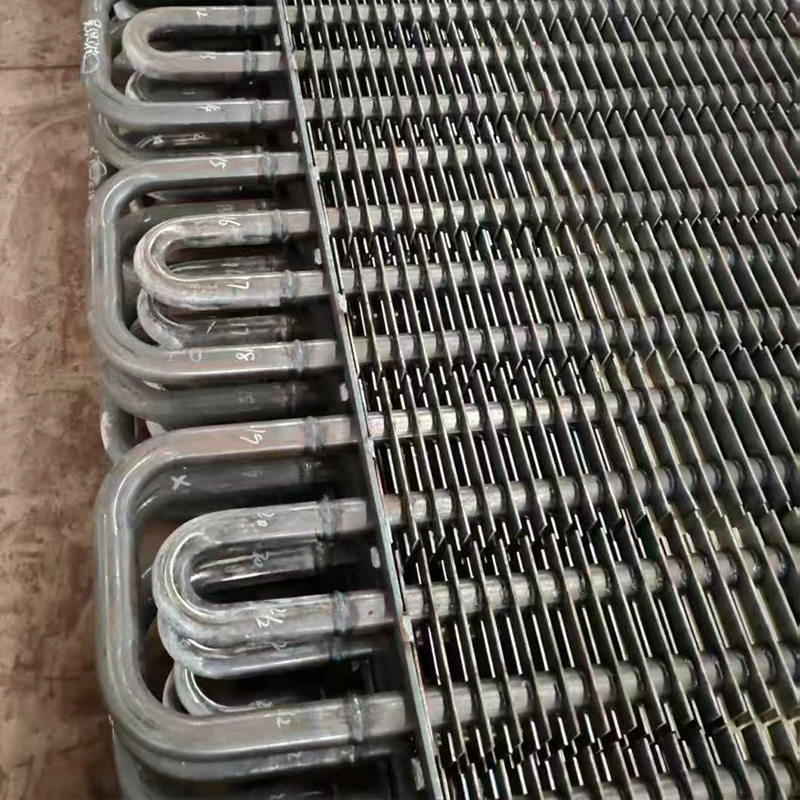
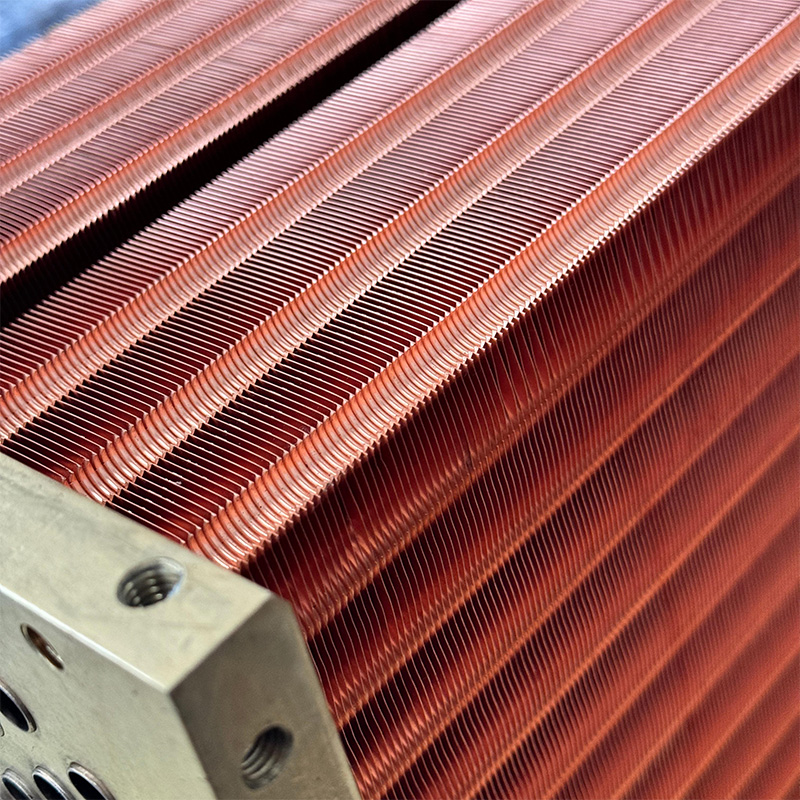
Here it is important to note the role of specialized manufacturers such as Wuxi Kaisheng Electric Power and Petrochemical Equipment Co.,Ltd. The company specializes in the design and manufacture of high-tech equipment for extreme environments, including titanium shell-and-tube heat exchangers, air coolers and recovery boilers. Their products, made of corrosion-resistant alloys (316 stainless steel, C46400 marine brass, N06625 nickel alloys), are certified to stringent international ASME and PED standards. This approach to producing components that can withstand high pressure, harsh chemical environments and extreme temperatures sets a benchmark for the entire industry. The use of such certified solutions as part of complex automation systems guarantees reliability even in the most difficult conditions of oil refining, chemical industry and shipbuilding.
It is also important to pay attention to compliance with environmental regulations such as RoHS and REACH, especially if the product is planned to be exported to Europe. These directives restrict the use of hazardous substances (lead, mercury, cadmium) in the production of electronics. Although this is not yet a strict requirement for the domestic market of the Russian Federation, the trend towards “green” production is intensifying, and large customers are increasingly including these points in their technical specifications.
Verifying the authenticity of certificates is the responsibility of the purchasing department. Registers of issued documents are available on the websites of Rosakcreditation, where you can check the status of the certificate by number. We have encountered cases where suppliers provided false or expired documents. Приемка такого оборудования на объект создает юридические риски для владельца предприятия в случае проверки надзорными органами или расследования аварии.
Economic efficiency and payback period of investments
Вопрос цены системы электроуправления для промышленных объектов часто становится камнем преткновения между отделом закупок и главным инженером. Закупщики стремятся минимизировать CAPEX (капитальные затраты), выбирая самое дешевое решение, тогда как инженеры думают о TCO (совокупной стоимости владения). Дешевое оборудование может стоить на 20% меньше аналогов, но его надежность будет ниже, а энергопотребление — выше. Расчет окупаемости должен включать не только стоимость покупки и монтажа, но и прогнозные расходы на электроэнергию, ремонты и возможные убытки от простоев.
Энергоэффективность современной системы управления достигается за счет использования частотных преобразователей, систем плавного пуска и интеллектуальных алгоритмов регулирования. Например, замена прямого пуска насоса на частотное регулирование позволяет экономить до 30-40% электроэнергии за счет снижения оборотов двигателя в периоды низкой нагрузки. Срок окупаемости такого решения обычно составляет от 12 до 18 месяцев, после чего начинается чистая экономия бюджета предприятия.
Снижение затрат на обслуживание также играет важную роль. Надежная система с функциями самодиагностики позволяет сократить штат дежурных электриков или перераспределить их ресурсы на другие задачи. Предиктивная аналитика предотвращает катастрофические поломки, стоимость которых может превышать цену всей системы управления. В нашем портфолио есть кейс металлургического завода, где модернизация системы управления прокатным станом окупила себя за 9 месяцев исключительно за сч ет предотвращения двух крупных аварий.
При расчете экономики стоит учитывать и стоимость сервиса. Оборудование известных мировых брендов часто имеет дорогие оригинальные запчасти и длительные сроки поставки. Локализация производства или использование проверенных азиатских аналогов может снизить стоимость владения на 25-30% без потери качества, при условии грамотного инжиниринга. Главное — наличие склада запасных частей и сервисной поддержки в регионе эксплуатации.
Как выбрать надежного поставщика и подрядчика
Рынок промышленной автоматизации перенасыщен предложениями, и выбрать правильного партнера бывает непросто. Цена не должна быть единственным критерием. Надежный поставщик системы электроуправления для промышленных объектов предлагает комплексный подход: от аудита и проектирования до шеф-монтажа и пусконаладки. Компания, которая просто продает “коробки”, не несет ответственности за то, как эта система будет работать в вашем цеху.
Обращайте внимание на опыт компании в вашей отрасли. Специфика пищевого производства кардинально отличается от специфики горнодобывающей промышленности. Поставщик должен знать ваши технологические процессы и нормативные требования. Запросите референс-лист и свяжитесь с предыдущими клиентами, чтобы узнать о реальном качестве поддержки и соблюдении сроков. Наличие собственного проектного бюро и сертифицированных инженеров-программистов — обязательное условие для сложных проектов.
Гарантийные обязательства также важны. Стандартная гарантия на оборудование составляет 12-24 месяца, но условия её предоставления могут различаться. Некоторые поставщики аннулируют гарантию при малейшем вмешательстве заказчика или использовании неоригинальных расходников. Прозрачные условия сервиса и возможность заключения договора на постгарантийное обслуживание — признак зрелости компании. Мы рекомендуем заключать договор с фиксированным временем реакции на аварийный вызов, например, 4 часа для критических объектов.
Финансовая устойчивость партнера тоже имеет значение. Долгосрочные проекты требуют стабильности. Проверьте контрагента через службы безопасности, убедитесь в отсутствии судебных исков и проблем с поставками комплектующих. В текущих геополитических условиях способность поставщика обеспечивать логистику и наличие альтернативных цепочек поставок становится критическим фактором успеха проекта.
Frequently Asked Questions
Какой срок службы у современной системы электроуправления?
При правильной эксплуатации и регулярном техническом обслуживании срок службы качественной системы электроуправления составляет 15-20 лет. Однако электронные компоненты (конденсаторы, вентиляторы) могут требовать замены каждые 5-7 лет. Механические части, такие как контакторы и автоматы, имеют ресурс по количеству циклов срабатывания, который указывается в паспорте изделия. Регулярная термография и профилактика позволяют продлить жизнь оборудованию до максимальных значений.
Можно ли модернизировать старую систему без полной остановки производства?
Да, в большинстве случаев модернизацию можно провести поэтапно, заменяя участки системы во время плановых технологических окон или выходных дней. Мы используем метод параллельного подключения новых шкафов с последующим переключением нагрузок. Это требует тщательного планирования и разработки временных схем электроснабжения, но позволяет избежать полной остановки завода. Полная остановка требуется только при замене главных вводов или трансформаторных подстанций.
Что делать, если производитель прекратил поддержку используемого оборудования?
Устаревание оборудования — распространенная проблема. Решение заключается в проведении аудита и разработке карты миграции на современные платформы. Часто можно заменить только контроллер и модули ввода-вывода, оставив существующую периферию (датчики, исполнительные механизмы) и часть кабельных трасс. Мы предлагаем услуги по обратному инжинирингу старых проектов и переносу логики управления на новое “железо” с сохранением функционала.
Насколько сложно обучить персонал работе с новой системой?
Сложность обучения зависит от степени новизны интерфейса и функционала. Современные системы имеют интуитивно понятные мнемосхемы и встроенные справочные системы. Мы включаем в стоимость проекта полный курс обучения для операторов и инженеров КИПиА, включающий теоретическую часть и практические занятия на действующем оборудовании. Обычно базовый курс занимает 3-5 дней, после чего персонал способен самостоятельно эксплуатировать систему и устранять типовые неисправности.
Conclusion and next steps
Проектирование и внедрение системы электроуправления для промышленных объектов — это сложный инженерный процесс, требующий баланса между надежностью, функциональностью и бюджетом. Ошибки на любом этапе — от выбора компонентов до монтажа — могут стоить предприятию миллионов рублей убытков. Доверяйте эту задачу профессионалам с подтвержденным опытом и репутацией. Правильно выбранная система станет фундаментом стабильной работы вашего производства на десятилетия вперед.
Если вы столкнулись с необходимостью модернизации или строительства нового объекта, не рискуйте, полагаясь на случай. Наши эксперты готовы провести бесплатный предварительный аудит ваших потребностей и предложить оптимальное техническое решение. Мы работаем по всему миру, обеспечивая полное сопровождение проекта от идеи до запуска.
Contact us todayдля обсуждения деталей вашего проекта и получения коммерческого предложения. Также вы можете ознакомиться с нашимикейсами успешных внедрений, чтобы убедиться в компетентности нашей команды.