
Industrial centrifuge: How to reduce wastewater treatment costs?
2026-06-27
- Straight answer: How an industrial centrifuge reduces wastewater treatment costs
- Economics of the process: where are the real budget losses hidden?
- Technical parameters that directly affect the cost of ownership
- Comparison of dehydration technologies: why the centrifuge wins
- Practical cases: implementation experience in different industries
- Typical operating mistakes and how to avoid them
- How to choose a supplier and avoid procurement risks
- Frequently Asked Questions
- Conclusion and next steps
Straight answer: How an industrial centrifuge reduces wastewater treatment costs
Reducing wastewater treatment costs is achieved by replacing outdated settling methods or filter presses with modern onesindustrial centrifuges, which reduce the volume of sludge formed (cake) by 40–60% and reduce the energy consumption of the dewatering process per ton of dry mass. In our practice of implementing equipment at enterprises in the chemical and oil refining industries, we have observed that the transition to frequency-controlled decanter centrifuges allows us to recoup capital investments in 14–18 months solely due to savings on the disposal of wet sludge and the consumption of polymer flocculants. The key saving mechanism is hidden not in the price of the device itself, but in the machine’s ability to produce cake with a moisture content of 75–80% instead of the standard 85–90%, which radically changes the logistics of waste removal.
Many engineers mistakenly believe that the main cost item is the electricity consumed by the centrifuge motor. This misconception costs companies millions of rubles every year. The real cost of owning a wastewater treatment system is formed from three components: the cost of reagents (polymers), the cost of transportation and disposal of wet sludge, and production downtime due to low equipment efficiency. The industrial centrifuge attacks precisely these hidden costs. If your current process requires constant addition of expensive coagulants to achieve any kind of phase separation, or if you are paying to remove “water” instead of solid waste, then upgrading your mechanical dewatering unit is the only technically sound solution.
Economics of the process: where are the real budget losses hidden?
To understand exactly how the equipment affects the final figure in the estimate, it is necessary to decompose the wastewater treatment process into its component costs. In most cases we have analyzed in audits of existing wastewater treatment plants, up to 70% of operating costs (OPEX) are not electricity, but logistics and sludge disposal. Imagine the situation: a traditional slurry pump or an old frame filter press produces a product with a moisture content of 88%. This means that each cubic meter of cargo removed contains only 120 kg of dry matter, and the remaining 880 kg is water, for which you pay hazardous waste tariffs. An industrial centrifuge, configured correctly, can reduce humidity by up to 75%. The mathematics is simple: the volume of removed material is reduced by more than half with the same amount of processed waste.
The second critical factor is polymer consumption. In our practice, there was a case at a pulp and paper mill, where, due to the unstable operation of the centrifugal separator, technologists were forced to increase the dosage of the flocculant by 35% in order to prevent the penetration of the solid phase into the centrate. This led to an increase in reagent costs by 2 million rubles per quarter. Modern automated dosing systems integrated with centrifuge torque sensors allow you to dynamically change the polymer supply depending on the density of the incoming flow. We have seen how fine-tuning the flocculation zone in the drum reduced the consumption of expensive imported reagents by 20–25% without losing the quality of water clarification.
The third aspect that is often ignored when calculating ROI (return on investment) is reliability and uptime. Older technologies, such as belt filter presses, require constant washing of fabrics, replacement of screens and manual intervention by operators every 4-6 hours. Each such shutdown carries the risk of violating environmental discharge standards and potential fines from regulatory authorities. Continuous centrifuges operate 24/7 for months without stopping for maintenance, requiring only periodic bearing lubrication and vibration checks. For an enterprise operating in three shifts, the absence of downtime of treatment facilities means a guarantee of the absence of emergency discharges and associated reputational and financial risks.
If you are now assessing the efficiency of your line, look not at the electricity meter, but at the invoices for sludge removal and receipts for the purchase of chemicals. This is where the savings potential is hidden. The introduction of new technology should begin with an audit of the current mass balance: how much dry matter is coming in and how much is coming out. Only with these numbers can you correctly select the equipment model.
Technical parameters that directly affect the cost of ownership
When choosing equipment to reduce costs, you cannot focus only on the nameplate productivity in cubic meters per hour. This parameter is secondary. The primary characteristics are those that determine the quality of phase separation and the durability of the units. The main number to look at in the specification is the separation factor (Fr). For effective dewatering of complex industrial wastewater, the Fr value must be at least 2500–3000 units. Machines with a low separation factor simply will not be able to squeeze out capillary moisture from small particles, and you will end up with the same wet sludge that the modernization was intended to combat.
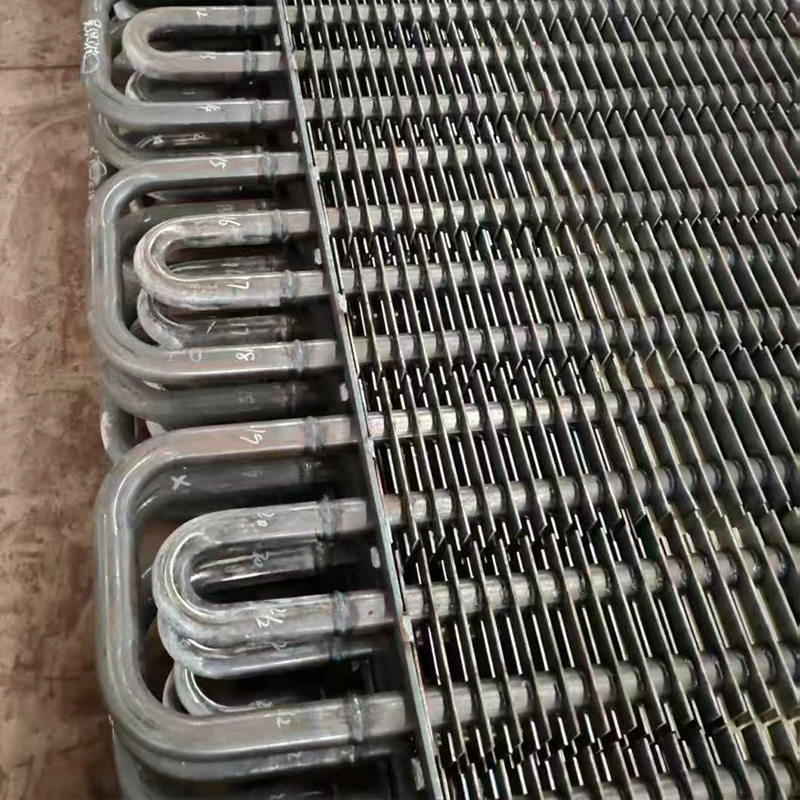
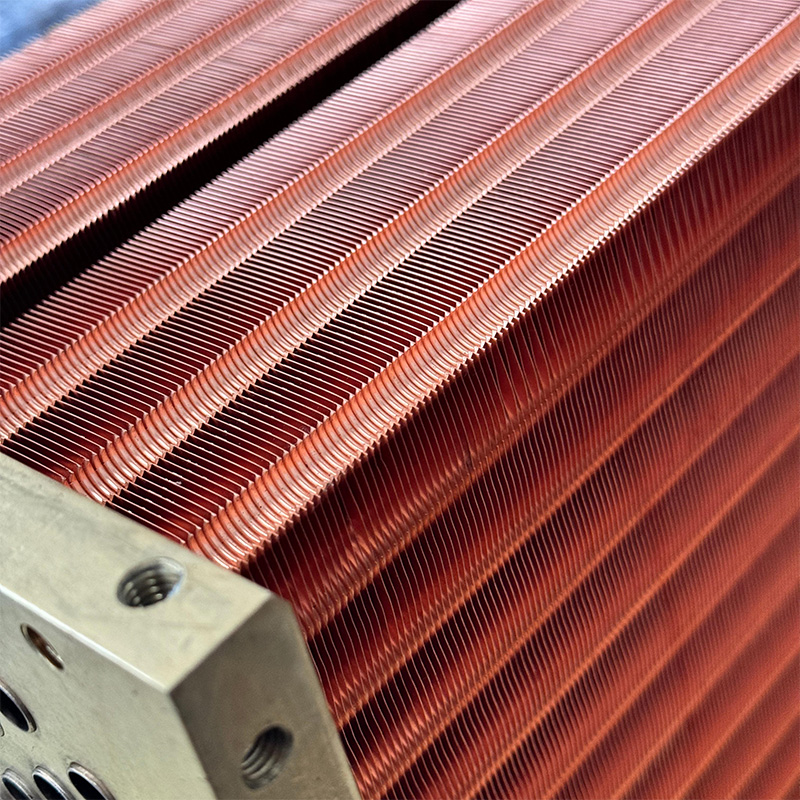
The material of the contact parts is the second most important parameter that determines the life of the asset. In aggressive environments, typical for galvanic production or petrochemical industries, the use of AISI 304 stainless steel is unacceptable. Here, the manufacturer’s competence in working with special alloys plays a key role. For example, a companyWuxi Kaisheng Electric Power and Petrochemical Equipment Co., Ltd., specializing in the development and production of high-tech equipment for the oil, gas and chemical industries, has deep experience in working with corrosion-resistant materials. Their expertise in creating heat exchangers and components made from titanium, duplex steel, nickel alloys (N06625) and marine brass directly translates into centrifuge reliability requirements. The use of such materials in critical centrifuge components such as the screw and discharge zone can be accomplished using technologies similar to those used in the production of ASME high-pressure heat exchangers and corrugated tube bundles. This provides resistance to extreme pressures, temperatures and corrosive environments, extending the overhaul interval from 6 months to 4 years and saving the customer hundreds of thousands of dollars in rotor replacement costs.
The drive and speed control system also plays a key role in energy savings. Traditional schemes with hydraulic drive or mechanical variators have low efficiency and high friction losses. The modern standard is two independent electric motors with frequency converters: one for rotating the drum, the second for rotating the screw at a differential speed. This scheme allows you to precisely adjust the time the sediment remains in the spin zone. Increasing the spin time by 10–15 seconds often increases cake dryness by 2–3%, which many times covers the additional energy costs. In addition, the presence of a “soft start” function reduces peak loads on the network and prevents belt breakage or gearbox failure.
Don't forget about certification. To operate in Russia and the EAEU countries, equipment must have a certificate TR CU 010/2011 “On the safety of machinery and equipment” and comply with GOST standards. The presence of the EAC (Eurasian Conformity) marking is not just a formality, but a guarantee that the machine has been tested for vibration resistance and electromagnetic compatibility in accredited laboratories. The purchase of uncertified equipment may lead to a stoppage of production by order of Rostechnadzor, which will result in colossal losses.
When requesting a quote, always ask for a test report or reference list with similar drains. The parameters given in the booklet may be obtained from an ideal model fluid and not from your actual floating load effluents.
Comparison of dehydration technologies: why the centrifuge wins
To make an informed decision, it is necessary to compare an industrial centrifuge with alternative technologies that are often offered on the market. Below is a detailed table compiled based on our experience in operating various types of equipment at facilities of varying scalability.
| Comparison criterion | Decanter centrifuge | Belt filter press | Chamber filter press |
|---|---|---|---|
| Cake moisture | 75–82% (high dryness) | 80–88% (medium dryness) | 70–78% (very high dryness, but cyclical) |
| Operating mode | Continuous (24/7) | Continuous, but requires frequent flushing stops | Periodic (loading-pressing-unloading cycle) |
| Polymer consumption | Medium (requires high-quality flocculation) | High (to retain sediment on the belt) | Low (often works without polymers) |
| Occupied area | Minimal (compact vertical or horizontal layout) | Large (requires a long line for strips and drainage areas) | Medium/Large (depending on the number of cameras) |
| Automation | Full (PLC controls all parameters) | Partial (requires belt tension control and washing) | High (but complex unloading cycle) |
| Sensitivity to flow fluctuations | Low (automatically adjusts) | High (during flow surges, sediment comes off the belt) | Medium (cycle time increases) |
| Service | Vibration and bearing lubrication (qualified personnel) | Replacing belts, cleaning nozzles (constant labor of workers) | Replacing filter plates and fabrics (physically hard work) |
The table shows that for large waste streams with variable composition, the decanter centrifuge is the uncontested leader. Belt presses lose out due to high water consumption for belt washing (which increases the total volume of waste water returned to the beginning of the cycle) and low reliability during peak loads. Chamber filter presses are good where extremely dry cake is needed and waste volumes are small, but their cycling creates problems for a continuous upstream process.
However, there is a nuance. If your wastewater contains large abrasive particles (sand, scale) in high concentrations, the service life of the centrifuge screw may be reduced. In such cases, we recommend installing sand traps before the centrifuge or considering screw presses as a preliminary stage. But for typical industrial wastewater (petroleum products, suspended solids, biological sludge), a centrifuge provides the best balance between separation quality and operating costs.
The choice of technology should be based on pilot testing. Never buy equipment “on paper”. Bring a 200-500 liter sample of your sludge to the supplier's test site. Only actual separation will tell you what moisture content and clarity you will get from the centrate. This is the only way to avoid mistakes costing millions.
Practical cases: implementation experience in different industries
Let's consider a specific example from our practice at a building materials production enterprise. We were faced with the task of dewatering sludge of a clay-lime composition. Previously, alluvial maps were used, which occupied 2 hectares of territory and created environmental risks of seepage into groundwater. The moisture content of the washed sludge was about 92%. After installing a two-centrifugal line with a capacity of 40 m³/h each, the situation changed radically. The moisture content of the cake has stabilized at 76%. This made it possible to completely eliminate alluvium maps, return the land to economic use, and switch to removing sediment by dump trucks as non-hazardous Class V waste. Savings on land rental and logistics amounted to more than 12 million rubles in the first year of operation.
Another illustrative case is the wastewater treatment plant of a meat processing plant. The specificity of the wastewater here is the high content of fat and protein suspensions, which are difficult to mechanically separate. Old centrifuges constantly clogged, requiring disassembly every 8 hours. We replaced them with models with an increased screw pitch and a special intensive mixing zone before entering the drum. This made it possible to destroy fat emulsions and effectively separate the solid phase. Result: a reduction in sludge volume by 45% and the production of technical fat as a by-product, which the company now sells for processing, turning an expense item into an income item. The payback period for the project was 11 months.
In the oil industry, we faced the problem of drilling cuttings disposal. The use of centrifuges with a nozzle to discharge the heavy phase made it possible to separate the sludge into three components: water (return to the solution preparation system), oil (collection in a container) and solid cake (disposal). The degree of oil recovery reached 95%, which is critical for compliance with environmental legislation. Without the use of high-speed centrifuges, it is impossible to achieve such indicators using the settling method due to the small particle size and high viscosity of the medium.
These examples confirm that there is no universal solution. Success depends on a thorough understanding of the physical and chemical properties of your wastewater. What worked in a meat processing plant may not be suitable for a galvanizing shop without serious adaptation of the preparation system (dosing of reagents, heating, averaging).
When analyzing your processes, look for bottlenecks: where is the product lost? where do you overpay for water? The answers are often obvious, but require the right tool to implement them.
Typical operating mistakes and how to avoid them
Even the most advanced equipment will not work effectively if the operating rules are violated. In our practice, we regularly encounter the same errors that negate all the advantages of centrifugation. The first and most common mistake is incorrect selection or dosage of the flocculant. Operators often try to compensate for changes in influent effluent composition by simply increasing the polymer feed. This leads to overfertilization of the sludge, it becomes “snotty”, clogs the spin zone and falls off the sides of the drum. The solution is to install an automatic dispenser with feedback on the optical density of the centrate or torque.
The second mistake is ignoring vibration. A centrifuge is a high-speed machine (3000–4000 rpm). Even a slight imbalance due to uneven wear of the lining or the adhesion of sediment leads to destruction of the bearing units. We have seen cases where savings on routine vibration diagnostics led to the rotor jamming and the need to replace the entire drum, which is comparable to the cost of a new machine. The rule is simple: measure your vibration weekly and keep a log of trends. An increase in vibration by 10–15% is a signal for immediate stop and inspection.
The third problem is improper starting and stopping. Many people immediately turn the car at full speed under load. This causes engine overload and belt slippage. The algorithm should be as follows: acceleration to operating speed in clean water, checking vibration, then smooth feeding of sludge. Stopping should also be carried out by rinsing with water for 10-15 minutes to remove any remaining sediment from the drum. The sludge frozen inside will create a critical imbalance at the next start-up.
It is also worth mentioning the error in the selection of spare parts. Using non-original seals or bearings of questionable quality for the sake of immediate savings leads to frequent downtime. In an aggressive environment, cheap analogues wear out 3–4 times faster than the originals. Consider the cost of an hour of downtime in your production - it almost always exceeds the difference in price between the original spare part and the counterfeit one.
Staff training is not a formality. An engineer who understands the physics of the centrifugation process will be able to configure the machine in a way that no automatic machine can. Invest in training for your operators, it will pay off handsomely.
How to choose a supplier and avoid procurement risks
The industrial equipment market is saturated with offers, but not all of them are equally reliable. When choosing a supplier of centrifuges for wastewater treatment, be guided by more than just the price in the specification. Cheap equipment often means savings on metal (thin drum walls), quality of bearings (Chinese no-name instead of SKF/FAG) and lack of full service support. In the long term, such savings result in double costs for repairs and downtime.
Обязательно проверяйте наличие сервисной службы в вашем регионе. Центрифуга требует квалифицированного обслуживания. Если инженеру поставщика нужно лететь три дня, чтобы устранить неисправность, ваши риски простоя неприемлемо высоки. Спросите о складском запасе критических запчастей: шнеки, подшипниковые узлы, уплотнения. Они должны быть доступны к отгрузке в течение 24–48 часов.
Обратите внимание на гарантийные обязательства. Надежный производитель дает гарантию не менее 12–24 месяцев на основные узлы и готов прописать в договоре штрафные санкции за несоответствие заявленным характеристикам разделения (влажность кеки, прозрачность фугата). Если поставщик отказывается фиксировать технические параметры в договоре — это красный флаг.
Также важен опыт поставщика именно в вашей отрасли. Центрифуга для пищевых производств конструктивно отличается от машины для нефтешламов (материалы, взрывозащита, гигиеническое исполнение). Запросите референс-лист с объектами, похожими на ваш по составу стоков и производительности. Позвоните этим заказчикам и узнайте их реальное мнение о работе оборудования через 1–2 года эксплуатации. Идеальным партнером станет компания, обладающая международным опытом и сертифицированная по строгим стандартам, таким как ASME и PED, что гарантирует высочайшее качество материалов и сборки даже в самых сложных условиях эксплуатации.
Не забудьте про условия поставки и таможенного оформления. Оборудование должно поставляться с полным комплектом документов для сертификации в РФ. Наличие собственного склада запчастей и сервисных инженеров в стране импорта является решающим преимуществом.
Frequently Asked Questions
Какой срок службы у промышленной центрифуги?
При соблюдении регламента технического обслуживания и использовании оригинальных запчастей срок службы ротора и корпуса составляет 15–20 лет. Подшипниковые узлы и уплотнения требуют замены каждые 15 000 – 20 000 моточасов. Реальный срок службы зависит от абраз ивности перерабатываемой среды; для сильноабразивных шламов ресурс может снижаться до 10 лет без восстановления напыления.
Можно ли автоматизировать процесс полностью?
Да, современные центрифуги оснащаются системами автоматического управления на базе ПЛК, которые контролируют вибрацию, температуру подшипников, крутящий момент и дозировку полимера. Система может самостоятельно корректировать дифференциальную скорость шнека при изменении нагрузки, обеспечивая стабильное качество кеки без участия оператора. Возможна интеграция в общую SCADA-систему предприятия.
Что делать, если центрифуга начинает сильно вибрировать?
Немедленно остановите подачу шлама и включите режим промывки. Не пытайтесь продолжать работу “до конца смены” — это приведет к разрушению подшипников и деформации вала. Причины вибрации чаще всего три: неравномерное наливание осадка (нарушение симметрии), износ футеровки или выход из строя подшипника. Требуется диагностика виброанализатором.
Требуется ли фундамент для установки?
Да, обязательна установка на железобетонный фундамент, рассчитанный на динамические нагрузки. Центрифуга генерирует значительные вибрационные усилия, которые без proper фундамента передадутся на строительные конструкции здания, вызывая их разрушение. Обычно требуется фундамент массой в 1.5–2 раза превышающий массу самой машины.
Как рассчитать необходимую производительность?
Производительность считается не по объему стоков, а по количеству сухого вещества (кг/час). Нужно знать концентрацию взвешенных веществ во входящем потоке и желаемую влажность кеки. Например, при 50 м³/ч стоков с концентрацией 20 г/л количество сухого вещества составит 1000 кг/ч. Исходя из этого, подбирается размер барабана и мощность привода. Всегда закладывайте запас производительности 20–30% на пиковые нагрузки.
Conclusion and next steps
Снижение затрат на очистку стоков с помощью промышленной центрифуги — это не теория, а проверенная практика, доступная каждому предприятию. Переход от интуитивного управления отходами к точному инженерному контролю позволяет высвободить значительные оборотные средства, сократить экологические риски и повысить общую культуру производства. Ключ к успеху лежит в правильном подборе оборудования под конкретный состав стоков, грамотной пусконаладке и дисциплинированном обслуживании.
Не позволяйте устаревшим технологиям съедать вашу прибыль. Если вы заметили рост счетов за утилизацию или нестабильность работы очистных сооружений, настало время провести аудит вашей системы обезвоживания. Мы готовы предложить комплексное решение: от лабораторных тестов вашего образца до поставки, монтажа и шеф-пусконаладки оборудования под ключ.
Contact us todayдля получения бесплатной консультации и расчета экономической эффективности внедрения центрифуги на вашем производстве. Наши инженеры помогут подобрать оптимальную конфигурацию, которая обеспечит максимальную отдачу от каждой вложенной копейки.
Узнайте больше о наших решениях для нефтегазовой отрасли в разделеоборудование для нефтегазовой отраслиили изучите детали сервиса в разделетехническое обслуживание центрифуг.