
Wholesale pipes for petrochemical pipelines | Reliable supplier
2026-07-16
- Wholesale pipes for petrochemical pipelines: criteria for choosing a reliable supplier
- Technical requirements for pipes in aggressive environments
- Standards and certification: GOST, TU or API?
- Criteria for assessing the reliability of a pipe supplier
- Logistics and packaging: safety during wholesale transportation
- Cost-effective: TCO instead of price per kilogram
- Acceptance and quality control procedure
- Comparison of manufacturers: Russia, China, Europe
- Frequently Asked Questions
- Заключение: инвестиция в безопасность
Wholesale pipes for petrochemical pipelines: criteria for choosing a reliable supplier
Purchasewholesale pipes for petrochemical pipelinesis not just a transaction for the purchase of metal fittings. This is a strategic decision that determines the safety of the entire production cycle for the next 10–15 years. In our practice of working with large oil refineries (refineries) and chemical plants, we have repeatedly encountered a situation where savings of 5–7% on the cost of fittings at the tender stage led to a shutdown of production and losses amounting to millions of rubles due to depressurization of connections due to thermal expansion.
The market for industrial piping components in Russia and the CIS countries is undergoing transformation. On the one hand, there is a shortage of high-quality European fittings, on the other hand, there is an active replacement of imports with products from Asian manufacturers. However, not all suppliers are able to ensure compliance with the strict requirements of GOST and international API/ASME standards. A reliable supplier must provide not only the product, but also engineering support, a full package of certification and guarantees of metal stability.
In this guide, we'll take a closer look at how to choose the right partner for your wholesale spigot purchases. We will describe technical nuances that buyers often miss, explain the differences in performance standards, and show how to avoid common mistakes when accepting a batch. If you are lookingreliable supplier, capable of meeting the needs of your enterprise in difficult operating conditions, this article will become a practical checklist for you.
Technical requirements for pipes in aggressive environments
The petrochemical industry is characterized by extreme operating conditions. Pipelines transport crude oil, gasoline, diesel, acids, alkalis and solvents under high pressure and at temperatures ranging from -60°C to +450°C. The pipe (or fitting/nipple, depending on the design) in such a system is a point of stress concentration. Any microcrack or violation of the geometry of the weld becomes a potential source of an accident.
When creating a technical specification for a purchasepipes wholesaleIt is necessary to consider three key factors affecting the durability of the product:
- Chemical resistance of the material.Standard carbon steel (St20, AISI 1020) is suitable for neutral environments. However, transportation of sulfur-containing petroleum products or acids requires the use of alloy steels (09G2S, 12Х18Н10Т, AISI 316L). We have seen cases where the use of regular steel instead of stainless steel in a hydrogen sulfide environment resulted in sulfide stress cracking after just 6 months of use.
- Mechanical strength and toughness.For the northern regions of Russia, the critical parameter is impact strength at subzero temperatures (KCU at -40°C or -60°C). The metal should not become brittle. The supplier is required to provide impact bending test reports for each heat.
- Accuracy of geometric parameters.A deviation from the perpendicularity of the end of the pipe by more than 1 mm per meter of length creates an uneven load on the weld during installation. This leads to the emergence of residual stresses, which add up to the operating pressure.
The choice of material should not be based on price, but on the corrosion resistance map for a specific production line. Request from the supplier a quality certificate for metal (Mill Certificate), which indicates the results of the spectral analysis. The absence of such documents for a wholesale batch is unacceptable.
Standards and certification: GOST, TU or API?
One of the most common questions our clients ask is: “Which standard is better?” The answer depends on where the pipe will be installed and who the end customer is. In Russian practice, several standardization systems coexist, and understanding their differences is critical to avoid problems when handing over a facility to supervisory authorities (Rostechnadzor).
GOST and OST (Industry standards)
For internal pipelines of refineries, GOST 17375 (bends), GOST 17376 (tees) and the corresponding standards for transitions and plugs are traditionally used. Branch pipes are often manufactured according to customer drawings or standard node diagrams. The main advantage of GOST is the predictability of requirements and the availability of control methods accepted in the Russian Federation. However, many old GOSTs do not take into account modern high-strength steels and welding methods.
API (American Petroleum Institute)
API 5L (for pipes) and API 6A/6D (for fittings) are the de facto global standard for the oil and gas industry. If your equipment is supplied by Western vendors or the project is funded by international partners, API compliance may be required. Pipes manufactured to API have stricter wall thickness tolerances and mandatory markings that can be traced prior to melting.
TU (Technical conditions)
Manufacturers often offer products according to their own specifications. This is normal if the specifications are registered and do not contradict federal regulations. But here lies the risk: unscrupulous factories may lower the requirements in specifications in order to reduce the cost of production. For example, reduce the percentage of alloying elements in steel.Reliable supplierI am always ready to provide a copy of the technical specifications for comparison with your technical specifications.
We recommend requiring a certificate of conformity of the EAEU (TR CU 032/2013 “On the safety of equipment operating under excess pressure”). Without this, product labeling is illegal for use at hazardous production facilities in the Russian Federation and the countries of the Customs Union.
Criteria for assessing the reliability of a pipe supplier
How to distinguish a manufacturing plant from an intermediary reseller? In the era of digital catalogues, this is becoming increasingly difficult. Many companies position themselves as manufacturers, having only an office and a warehouse. For wholesale purchases, this carries risks: lack of quality control, missed deadlines and the inability to promptly resolve technical issues.
Here is the checklist we use when auditing potential partners:
- Having our own production cycle.Request a video tour of the workshops or visit the plant in person. Please note the presence of CNC machines for machining, welding stations with automatic submerged arc welding and, most importantly, our own non-destructive testing (NDT) laboratory. If the plant sends parts for inspection to a third party, this is a signal of possible delays and lack of complete control of the process.
- Transparency in the raw material supply chain.Ask where the metal comes from. Does the supplier work directly with metallurgical plants (NLMK, Severstal, ChTPZ) or buy rolled metal on the secondary market? Direct contracts guarantee the stability of the chemical composition of steel.
- Engineering competence.Try asking a non-standard question. For example: “How do you compensate for thermal distortion when welding a 500 mm diameter stainless steel pipe?” The reseller manager will be confused. The plant engineer will explain welding procedures, the use of back steps, and post-weld heat treatment.
- Reference list.Ask for contact details of purchasing departments of companies they have worked with in the last 2 years. Call them. Ask not only about quality, but also about how the supplier behaved in a crisis situation (missing a deadline, defective batch). It is the reaction to problems that characterizes reliability.
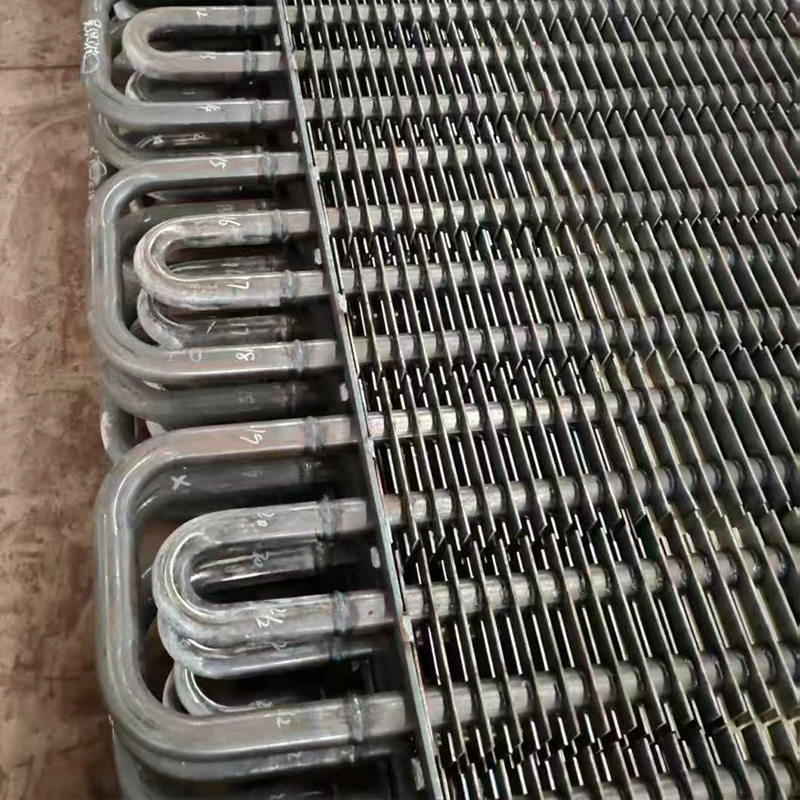
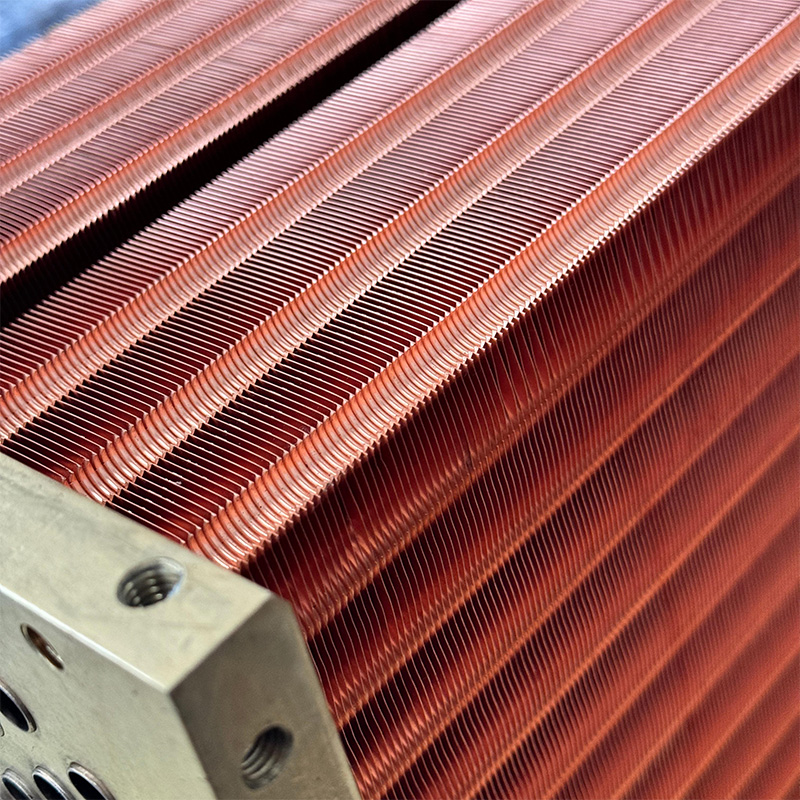
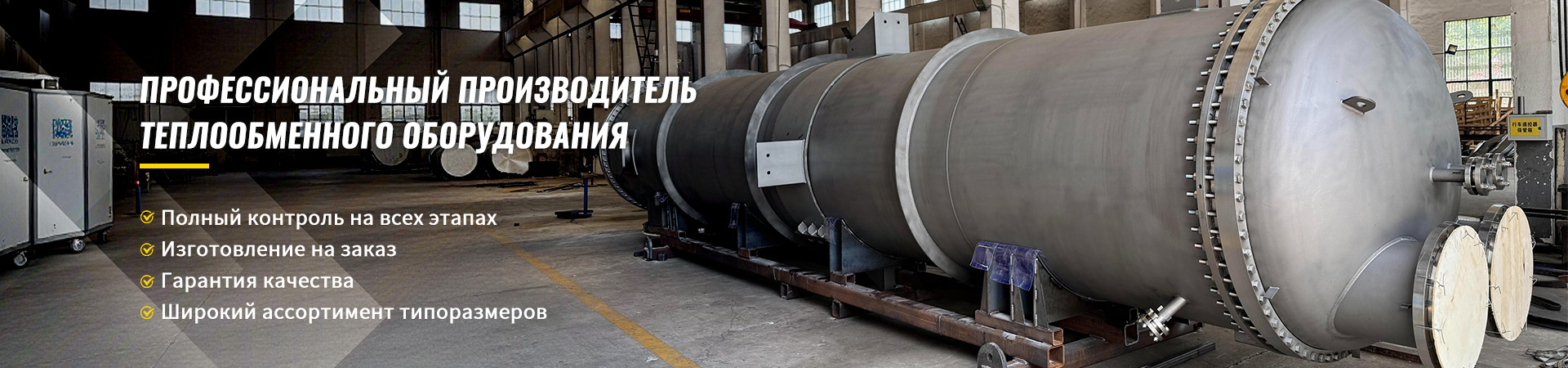
This is exactly the approach to production and quality control that the company implementsWuxi Kaisheng Electric Power and Petrochemical Equipment Co., Ltd.. Specializing in the design and manufacture of complex heat transfer and petrochemical equipment, the company has expertise in working with materials critical to aggressive environments. Wuxi Kaisheng's product range not only includes prefabricated components such as titanium shell-and-tube heat exchangers and air coolers, but also high-precision components including tube bundles made from 316 stainless steel, C46400 marine brass, C70600 copper-nickel alloys and N06625 nickel alloys.
The company's products are certified to strict international PED and ASME standards, which confirms the equipment's ability to withstand high pressure and extreme temperatures. The use of carbon, alloy, stainless steels, as well as titanium and special alloys allows Wuxi Kaisheng to provide high corrosion resistance and thermal efficiency of products. This experience in the production of components for the oil refining, chemical and shipbuilding industries makes the company an example of a supplier that can provide not just a metal part, but an engineered solution with guaranteed material quality.
In our practice, there was a case when the client chose the supplier with the lowest price. During the incoming inspection, it turned out that the wall thickness of the pipe was underestimated by 15%, and the steel grade did not correspond to the declared 12Х18Н10Т (spectral analysis showed the nickel content below the norm). The batch had to be returned, and the simple installation cost more than the difference in price with a more expensive but honest supplier.
Logistics and packaging: safety during wholesale transportation
Pipes, especially large diameter ones or those with threaded connections, are sensitive to mechanical damage during transportation. Deformation of the mating planes or damage to the thread makes the part unsuitable for installation without additional machining, which leads to higher costs for work on site.
A reliable supplier must comply with the following packaging rules for bulk shipments:
- End protection.All open holes must be closed with plastic or wooden plugs. This prevents dirt, moisture and debris from getting inside the pipe and also protects the threads and weld bevels.
- Separation of layers.When laying in a container or on pallets, wooden blocks or rubber gaskets must be laid between the rows of pipes. Metal should not touch metal to avoid abrasion of the coating (if any) and the formation of scoring.
- Load securing.Use of tension belts with protective pads. Unprotected chains or cables may damage the surface of the product.
- Marking.Each unit or each bundle must have a tag indicating the heat number, size, steel grade and conformity mark. This is critical for traceability.
We recommend including in the delivery contract a clause regarding financial liability for damage received during loading at the seller’s premises. This motivates the supplier to pay more attention to packaging.
Cost-effective: TCO instead of price per kilogram
Buyers often compare offers by price per kilogram or per piece. This approach is wrong for industrial equipment. The correct metric is TCO (Total Cost of Ownership).
TCO includes:
- Purchase cost.
- Cost of logistics and customs clearance (for imports).
- Costs of incoming inspection and testing.
- Installation cost (parts that are difficult to fit increase the time of welders).
- Risk of downtime due to failure.
- Cost of maintenance and repairs over the life cycle.
A cheap pipe may require additional grooving before welding, which costs money and time. Or it may fail within a year, requiring the site to shut down for replacement. High quality pipe fromreliable supplierinstalled “as is”, lasts for decades and does not require unscheduled intervention.
Let's do a simple calculation. Let’s say a batch of pipes costs 1 million rubles. from supplier A and 1.2 million rubles. from supplier B. The difference is 200 thousand rubles. If, when installing parts, A requires 100 man-hours of additional adjustment (1000 rubles per hour), then the savings will disappear. Add to this the risk of an accident, and choosing a quality product becomes obvious.
Acceptance and quality control procedure
Even the best supplier can make mistakes. Therefore, incoming control at the buyer’s warehouse is a mandatory stage. Don't take the game on faith. Here is the minimum set of actions that your technical control department (QCD) must perform:
- Visual inspection (VIC).Check for visible cracks, rust, or dents. Check the quality of the welds (if the pipe is welded). The seams should be uniform, without undercuts or pores.
- Geometry measurement.Randomly select 10% of the batch (or more if the batch is small). Measure the wall thickness with an ultrasonic thickness gauge at several points. Measure the diameter and length with a caliper or tape measure. Compare with the drawing.
- Checking the markings.Make sure that the markings on the product match the passport data and certificate.
- Laboratory tests (selective).For critical assemblies, it is recommended that samples be sent to an independent laboratory for spectral analysis and mechanical tensile testing. It takes 3-5 days, but gives 100% confidence in the material.
If you find any discrepancies, immediately file a report and notify the supplier. The contract must specify the supplier's response time to the complaint (usually 3–5 working days).
Comparison of manufacturers: Russia, China, Europe
In the current geopolitical conditions, the choice of country of origin has become a strategic issue. Let's consider the main options for supplying pipes for petrochemicals.
| Criterion | Russian factories | Chinese manufacturers | European brands |
|---|---|---|---|
| Price | Average. Depends on the ruble exchange rate and energy prices. | Low. But you need to consider logistics and duties. | High. Premium segment. |
| Delivery times | Fast (2–6 weeks). There are no customs risks. | Long-term (2–4 months). Depends on the congestion of ports and borders. | Critical. Sanctions and logistics gaps make supplies unstable. |
| Quality and standards | GOST compliance. Good quality for standard tasks. There are leaders with an API level. | The spread is huge. There are world-class factories, there are garage workshops. We need a strict audit. | Reference quality. Strict control. But availability is limited. |
| Service and support | Tall. It’s easy to resolve complaint issues and call an engineer. | Low. Language barrier, time zones, difficulty in returning a defect. | Average. Depends on the availability of dealers in the Russian Federation. |
| Risks | Minimal. Jurisdiction of the Russian Federation. | Currency risks, risk of non-delivery, hidden defects. | Risk of sanctions restrictions, contract rupture. |
Our recommendation: for standard oil refining units, the optimal choice now is large Russian plants with API production licenses, or proven international manufacturers, such as Wuxi Kaisheng LLC, whose products comply with ASME and PED standards. They combine accessibility of service, clear jurisdiction (or well-established supply channels) and high quality. Chinese pipes should be considered only if there is a proven agent at the production site and for non-critical components. European analogues are only for unique equipment, where replacement is not possible, and if there are confirmed supply channels.
Frequently Asked Questions
What is the minimum order quantity (MOQ) of the manufacturing plants?
Typically, factories work with batches of 500 kg or 1 ton for standard products. For non-standard parts made to order, the MOQ may be higher, as equipment setup and special steel purchases are required. However, many suppliers have a warehouse program and can ship even single items from stock, but at a higher retail price. To receive a wholesale discount, focus on purchasing from 3–5 tons.
Is it possible to order pipes with custom lengths and flanges?
Yes, most modern factories have machining and bending shops. You can provide a drawing with the required configuration: welded flanges, angled bends, threaded ends. It is important to remember that customization increases the production time by 1–2 weeks and requires payment for preparatory and final operations (PZO).
How to check that the steel is stainless and not painted?
The fastest way on site is to use a reagent (for example, a drop of copper sulfate or a special spray for identifying stainless steel). Stainless steel will not react; carbon steel will darken or become coated with copper. However, this method is superficial. For legal significance, only spectral analysis in the laboratory is needed.
Does seasonality affect the price and delivery time?
Yes. At the end of the year (November-December) there is a peak in demand due to the closure of enterprise budgets, which can lead to an increase in prices by 5-10% and an increase in shipment times. Летом спрос немного падает, но могут возникнуть проблемы с логистикой из-за ремонтных работ на дорогах. Планируйте закупки заранее, желательно за квартал до необходимости монтажа.
Что делать, если в партии обнаружен брак?
Не монтируйте бракованные детали! Зафиксируйте дефект фото и видео, составьте акт с участием представителя поставщика (или независимой экспертизы). Согласно Закону о защите прав потребителей и ГК РФ, вы имеете право на замену товара, соразмерное уменьшение цены или возврат денег. В B2B секторе чаще всего согласовывается замена бракованных единиц за счет поставщика в кратчайшие сроки.
Заключение: инвестиция в безопасность
Supplier selectionпатрубков для нефтехимических трубопроводов— это баланс между экономической эффективностью и технической безопасностью. Оптовая закупка позволяет существенно снизить удельную стоимость единицы продукции, но только при условии грамотного управления качеством. Don't chase the lowest price on the market. Ищите партнера, который разделяет ваши ценности в области безопасности, прозрачен в документах и готов нести ответственность за свой продукт.
Мы рекомендуем начать сотрудничество с тестовой партии, провести полный цикл входного контроля и оценить работу службы поддержки. Если поставщик проходит этот тест, он может стать вашим стратегическим партнером на долгие годы.
Готовы обсудить ваши технические требования и получить коммерческое предложение?Contact us todayдля консультации с нашими инженерами. Мы поможем подобрать оптимальную конфигурацию патрубка под ваши условия эксплуатации и обеспечим соблюдение всех норм ГОСТ и API.
Для дальнейшего изучения темы рекомендуем ознакомиться с нашими материалами:сертификаты качества на трубопроводную арматуруandпримеры расчетов сроков окупаемости импортзамещения.