
ensuring electromagnetic compatibility in the energy sector 2026
2026-07-17
Ensuring electromagnetic compatibility in the energy sector 2026: new challenges and standards
Ensuring electromagnetic compatibility in the energy sector of 2026 is no longer just a matter of regulatory compliance; today it is a critical survival factor for any substation or generating facility. We are witnessing a fundamental paradigm shift: whereas five years ago the main threat was considered to be lightning surges, up to 70% of incidents are now related to high-frequency harmonics generated by renewable energy inverters and electric vehicle charging stations. In our practice, we have recorded cases where expensive power equipment failed not because of current overload, but because of invisible electromagnetic noise that disrupted the operation of microprocessor relay protection systems. Ignoring these factors in project documentation now leads not just to fines, but to a complete refusal to connect to the unified energy system.
The situation is aggravated by the fact that the density of electronic equipment on industrial sites has reached a historical maximum. Traditional shielding methods that have worked for decades are losing their effectiveness in the face of new frequency ranges. Engineers are faced with the need to rethink grounding and filtering approaches as early as the conceptual design stage. Errors inherent at the beginning of the project are corrected in 2026 at the cost of stopping production for weeks, since dismantling the integrated systems becomes economically impractical. Our team has repeatedly participated in emergency commissions, where the cause of catastrophic losses was a banal incompatibility of the frequency characteristics of the new frequency drive and the old automation system.
Transformation of the regulatory framework and tightening of GOST and IEC requirements
The regulatory landscape has undergone radical changes by the start of 2026. The introduction of updated editions of GOST R series standards and their harmonization with international IEC standards have created a strict framework for all participants in the energy market. The key document was a new set of rules regulating the maximum permissible levels of conducted and radiated interference for equipment with voltages above 1 kV. Previously existing loopholes that allowed the use of equipment certified according to old standards in modern networks have been completely closed. Now the presence of a certificate of conformity does not guarantee successful commissioning if actual measurements at the facility show interference levels exceeding even 1 dB.
Regulators paid special attention to the issue of equipment resistance to external electromagnetic influences. If previously testing was carried out primarily in laboratory conditions on isolated samples, now it is necessary to validate solutions under real operating conditions or on full-scale substation models. This is because the interference of devices in a dense arrangement creates effects that cannot be simulated in an anechoic chamber. We have seen projects where each individual component was fully certified, but the assembled system failed acceptance testing due to the cumulative effect of intermodulation distortion.
The most important aspect of the new requirements was the mandatory assessment of the electromagnetic environment before the installation of any new power facility. Customers can no longer rely on standard solutions; Each project requires an individual calculation of predicted interference levels. The absence of such a calculation in the design documentation is grounds for refusal to issue a construction permit by the supervisory authorities. This requirement directly affects the timing of project implementation: the preliminary audit stage now takes from two to four weeks, but allows you to avoid multimillion-dollar losses at the operational stage.
It is worth noting that sanctions for violating EMC standards have been tightened many times. In addition to administrative responsibility, a system has been introduced to technically block the connection of facilities that have not passed an independent examination for compliance with the requirements of 2026. Energy supply companies have the right to demand the installation of additional filtering devices at the expense of the owner of the interference source if its equipment worsens the quality of electricity in the general network. In one of our cases, a client was forced to replace a fleet of frequency converters with more expensive models with built-in Class A filters only because the old devices were interfering with the telemetry system of a neighboring oil refinery.
Adaptation to new standards requires a deep understanding of the physics of processes, and not just formal compliance with bureaucratic procedures. Engineers need to study not only GOST texts, but also measurement techniques, which are often updated faster than the standards themselves. Using outdated instrumentation to monitor parameters can lead to false positive results and subsequent inspection problems. We recommend that you immediately include in the project budget the costs of attracting accredited laboratories to conduct preliminary tests in order to eliminate risks at later stages.
Challenges of integrating renewable sources and charging infrastructure
The massive introduction of solar and wind power plants has become the main driver of changes in the field of electromagnetic compatibility. The inverters at the heart of such installations operate at high switching frequencies to increase efficiency, which inevitably generates a wide range of harmonics. In 2026, the total power of such sources in some regions has reached critical values, at which they begin to destabilize the operation of traditional equipment. We record cases of resonance phenomena in distribution networks caused by the interaction of filters from different manufacturers installed at neighboring facilities.
Charging infrastructure for electric vehicles poses an even greater challenge. Fast charging stations consume huge non-sinusoidal currents, creating significant voltage distortion at the point of common connection. The problem is aggravated by the stochastic nature of the load: the simultaneous connection of dozens of cars can cause an instantaneous jump in the level of interference, to which protection systems do not have time to adapt. In our practice, there was a case when a new charging station caused false triggering of differential protection at a transformer substation located three kilometers away due to the propagation of high-frequency currents along the ground loop.
Solving these problems requires the use of active harmonic compensation systems and dynamic filters. Passive LC filters, which have been widely used in the past, often resonate with network parameters when the load configuration changes, making the situation worse instead of better. Modern active filters are capable of monitoring the interference spectrum in real time and generating a compensating signal in antiphase. However, their implementation involves the need for careful adjustment of control algorithms, since incorrect calibration can lead to self-excitation of the system.
Of particular concern is the influence of wind farms and solar power plants on communication and telemechanics systems. High frequency emissions from power electronics can interfere with data links used for supervisory control. This creates risks of loss of control over the operating mode of the power system in emergency situations. The 2026 standards require shielding of all communication lines passing near sources of strong interference, and the use of fiber optic lines instead of copper cables in areas of high electromagnetic intensity.
Integrating energy storage devices (ESS) adds another layer of complexity. Battery management systems (BMS) are extremely sensitive to electromagnetic interference, which can lead to errors in assessing the state of charge and even the shutdown of battery arrays. Ensuring EMC in such hybrid systems requires separation of power and signal circuits at the design stage of control cabinets. We recommend using separate ground bars for the power section and electronics, connecting them at only one point to prevent the flow of equalizing currents.
Ignoring the specifics of renewable energy sources when designing networks leads to rapid moral and technical obsolescence of the infrastructure. Investors who invest in green energy without taking into account EMC requirements risk being unable to deliver power to the grid due to poor power quality. Forecasting the electromagnetic environment, taking into account the future development of the generation park, should become a mandatory section of the feasibility study of any project.
Practical techniques for reducing interference in industrial networks
The fight against electromagnetic interference at operating facilities requires an integrated approach that combines organizational and technical measures. The first step should always be a detailed audit of the electromagnetic environment using spectrum analyzers and power quality recorders. Without an accurate understanding of the nature of the obstacle, any actions to eliminate it are in the nature of fortune-telling. In our practice, we have encountered situations where customers changed equipment for months, trying to solve a problem that could be solved by simply re-wiring the cables or restoring contact in the grounding circuit.
Effective shielding remains one of the most effective methods of protection. However, it is important to understand that the shield only works if it is properly grounded. A common mistake is grounding the cable shield on only one side. For low-frequency interference this may be justified, but in the frequency range typical of modern power electronics (above 100 kHz), the shield must be grounded on both sides with the lowest possible connection impedance. The use of special cable glands that ensure circular contact of the screen with the cabinet body allows reducing the level of radiated interference by 20-30 dB.
Filtering power circuits requires individual selection of components for a specific spectrum of interference. Universal surge protectors are often ineffective against specific harmonics generated by certain types of loads. We recommend using multi-stage filtering schemes, where the first stage suppresses powerful low-frequency harmonics, and the subsequent ones suppress high-frequency noise. It is critical to consider the voltage drop across the filters and their effect on the system power factor.
Proper cabling is the cheapest and often most effective way to ensure EMC. Separating power and control cables at a distance of at least 30-50 cm, and when crossing - only at right angles, can significantly reduce the level of interference. The use of metal trays with continuous electrical contact between sections creates an additional shield and improves the grounding system. In one project, we reduced the number of communication errors in the Profibus network from 50 per minute to zero, simply by changing the route of the signal cable, removing it from the common tray with the power lines of the frequency drives.
Grounding is the foundation of the entire EMC system. The resistance of the grounding device must be minimal not only for safety, but also for the removal of high-frequency currents. Traditional vertical ground electrodes can have high inductance at high frequencies, so the use of horizontal strips and grids, as well as chemical earth electrodes, is effective in reducing soil resistivity. It is important to ensure equipotentiality of all metal structures of the building and equipment in order to eliminate potential differences, which are a source of interference and a cause of insulation breakdown.
Software protection methods in controllers and automation systems also play an important role. The introduction of digital signal filtering algorithms, increasing the integration time of analog-to-digital converters and the use of redundant coding in communication protocols increase the noise immunity of the system. However, these measures are auxiliary and do not replace the need to physically suppress interference at the source. An attempt to programmatically filter out a powerful impulse often leads to delays in the response of the control system, which is unacceptable in emergency modes.
Typical design errors and their consequences
Analysis of hundreds of projects shows that most EMC problems arise from repeated errors during the design phase. One of the most common is ignoring the impedance of ground connections at high frequencies. Engineers often calculate the cross-section of a grounding conductor based on power frequency short-circuit currents, forgetting that at 1 MHz the same conductor is a high-resistance inductor. This leads to the fact that when a pulsed noise occurs, the potential of the equipment case can rise to kilovolts relative to the ground, causing a breakdown of the interface ports.
Another common mistake is the incorrect choice of equipment protection class. Installing Class B devices in a Class A industrial environment is guaranteed to cause problems. This often happens due to a desire to save money or the lack of clear technical specifications. The consequences range from periodic failures in sensor readings to complete failure of expensive drives. We recorded a case where the use of household sockets to power server equipment at a substation led to interference from welding work in the workshop, which caused the loss of data archives for a month.
Underestimating the influence of neighboring equipment is another scourge of modern projects. When placing control cabinets, the mutual influence of heat sources and electromagnetic fields is often not taken into account. Installing sensitive electronics near high-power transformers or frequency converters without additional protection is a gross violation of EMC principles. Ventilation holes in cabinet screens, if their dimensions are comparable to the wavelength of the interference, turn the cabinet into an effective antenna. The diameter of the holes should not exceed 1/10 of the wavelength of the highest significant harmonic.
The lack of redundancy of communication channels and duplication of control systems in conditions of high electromagnetic intensity increases the risk of accidents. If the main communication channel is subject to interference, the system must be able to switch to a backup channel with a different physical transmission medium (for example, from copper to optical). Ignoring this requirement may lead to loss of controllability of the object at a critical moment. In the energy industry, the cost of such a mistake is measured not only by the cost of repairs, but also by the amount of unsupplied energy and environmental penalties.
A formal approach to selecting equipment suppliers also plays a negative role. Cheap analogues often do not undergo full EMC testing or have a safety margin that is insufficient for real operating conditions. Saving 10-15% on the cost of equipment can result in costs for finalizing the project, exceeding the original estimate by several times. We strongly recommend that suppliers require test reports from accredited laboratories rather than a manufacturer's declaration.
Finally, the absence of an EMC monitoring plan after a facility is put into operation deprives personnel of the opportunity to promptly identify degradation of the system's protective properties. Corrosion of grounding contacts, damage to cable shields during repairs, replacement of equipment with incompatible ones - all these factors gradually reduce the level of EMC. Regular checks should become part of the maintenance schedule, since prevention is always cheaper than eliminating the consequences of an accident.
| Comparison parameter | Traditional approach (until 2024) | Modern Standard (2026) | Impact on the project |
|---|---|---|---|
| Screen grounding method | Grounding on one side | Two-way low impedance grounding | A revision of the connection diagrams and the use of special equipment is required. inputs |
| Harmonic filtering | Пассивные LC-фильтры | Активные компенсаторы и гибридные системы | Рост капитальных затрат, снижение операционных рисков |
| Quality control | Выборочные лабораторные тесты | Непрерывный мониторинг и валидация на объекте | Увеличение сроков пусконаладки, повышение надежности |
| Documentation | Сертификат соответствия | Расчет электромагнитной обстановки + протоколы замеров | Необходимость привлечения узких специалистов на ранних этапах |
| Responsibility | Штрафы постфактум | Блокировка подключения и технический запрет | Критическая важность соблюдения норм до начала монтажа |
Роль цифровизации и интеллектуальных систем мониторинга
Цифровая трансформация энергетики открывает новые возможности для обеспечения электромагнитной совместимости. Системы IoT и промышленного интернета вещей позволяют организовать непрерывный мониторинг параметров ЭМС в реальном времени. Датчики, установленные в ключевых точках сети, передают данные о уровне гармоник, импульсных помех и потенциалах заземления на единую платформу анализа. Это позволяет переходить от реактивного устранения неисправностей к предиктивному обслуживанию, предупреждая аварии до их возникновения.
Искусственный интеллект и машинное обучение используются для анализа больших массивов данных, собранных системами мониторинга. Алгоритмы способны выявлять скрытые закономерности и корреляции между режимами работы оборудования и уровнем помех, которые не очевидны для человека. Например, система может предсказать вероятность сбоя реле защиты при определенной комбинации работы ветрогенератора и зарядной станции, основываясь на исторических данных. Это дает операторам возможность заранее изменить режим работы или включить дополнительные фильтры.
Цифровые двойники подстанций и энергоузлов становятся незаменимым инструментом при проектировании и эксплуатации. Они позволяют моделировать электромагнитные процессы в виртуальной среде, тестируя различные сценарии и конфигурации оборудования без риска для реального объекта. В 2026 году создание цифрового двойника с модулем расчета ЭМС является обязательным требованием для проектов высокого напряжения. Это сокращает количество натурных испытаний и ускоряет процесс согласования проектных решений.
Однако цифровиз ация сама по себе создает новые источники помех. Беспроводные сети передачи данных (Wi-Fi, LoRaWAN, 5G), используемые для сбора информации, могут подвергаться воздействию промышленных помех и сами становиться их источником. Обеспечение ЭМС в таких гетерогенных системах требует тщательного планирования частотного ресурса и применения защищенных протоколов передачи данных. Мы рекомендуем использовать выделенные частотные диапазоны и экранированные шлюзы для критически важных каналов связи.
Интеграция систем мониторинга ЭМС с системами автоматизированного управления технологическим процессом (АСУ ТП) позволяет реализовать замкнутый контур регулирования качества электроэнергии. При превышении допустимых уровней помех система может автоматически переключить нагрузку, изменить параметры работы инверторов или задействовать резервные источники питания. Такая автоматизация снижает влияние человеческого фактора и обеспечивает реакцию на возмущения за доли секунды.
Развитие облачных технологий позволяет накапливать отраслевую базу данных по электромагнитной обстановке, что способствует совершенствованию стандартов и методик расчета. Обмен анонимизированными данными между участниками рынка помогает быстрее выявлять системные проблемы и разрабатывать эффективные решения. В будущем мы ожидаем появления глобальных карт электромагнитной загрязненности, которые станут таким же инструментом планирования, как и метеорологические карты.
Стратегия выбора оборудования и поставщиков решений
Выбор оборудования для обеспечения ЭМС в 2026 году должен базироваться не только на цене, но и на подтвержденной эффективности в реальных условиях. Рынок наводнен предложениями от множества производителей, но далеко не все они способны гарантировать соответствие жестким новым стандартам. Ключевым критерием отбора становится наличие расширенных протоколов испытаний, включающих тесты на устойчивость к комбинированным воздействиям и длительные ресурсные испытания в агрессивной электромагнитной среде.
При работе с поставщиками важно запрашивать референс-лист объектов, где установлено предлагаемое оборудование, и по возможности проводить выездные аудиты этих площадок. Теоретические расчеты и лабораторные данные хороши, но только эксплуатация в течение нескольких лет может подтвердить надежность решения. В нашей практике были случаи, когда оборудование именитых брендов показывало худшие результаты, чем решения от нишевых производителей, специализирующихся именно на задачах ЭМС для тяжелой промышленности.
Важным аспектом является сервисная поддержка и доступность запасных частей. Сложные системы активной фильтрации и мониторинга требуют квалифицированного обслуживания. Поставщик должен иметь обученный персонал и удаленный доступ к оборудованию для диагностики и настройки параметров. Отсутствие такой поддержки может превратить дорогую систему в бесполезный металлолом при первом же серьезном сбое.
Гибкость и масштабируемость решений также играют решающую роль. Энергосистемы постоянно развиваются, и оборудование для ЭМС должно иметь запас по мощности и функционалу для будущей модернизации. Модульная архитектура позволяет наращивать мощность фильтров или добавлять новые каналы мониторинга без полной замены системы. Это защищает инвестиции заказчика и продлевает жизненный цикл оборудования.
Мы рекомендуем заключать договоры с поставщиками, включающие гарантии достижения конкретных показателей качества электроэнергии. Такой подход перекладывает риски на исполнителя и мотивирует его предлагать наиболее эффективные решения. Штрафные санкции за недостижение заявленных параметров должны быть прописаны в контракте четко и однозначно.
Сотрудничество с интеграторами, имеющими опыт реализации сложных проектов “под ключ”, часто оказывается более выгодным, чем самостоятельная закупка компонентов. Интегратор берет на себя ответственность за совместимость всех элементов системы и гарантирует результат. Это избавляет заказчика от необходимости координировать работу множества подрядчиков и решать споры между поставщиками оборудования в случае возникновения проблем.
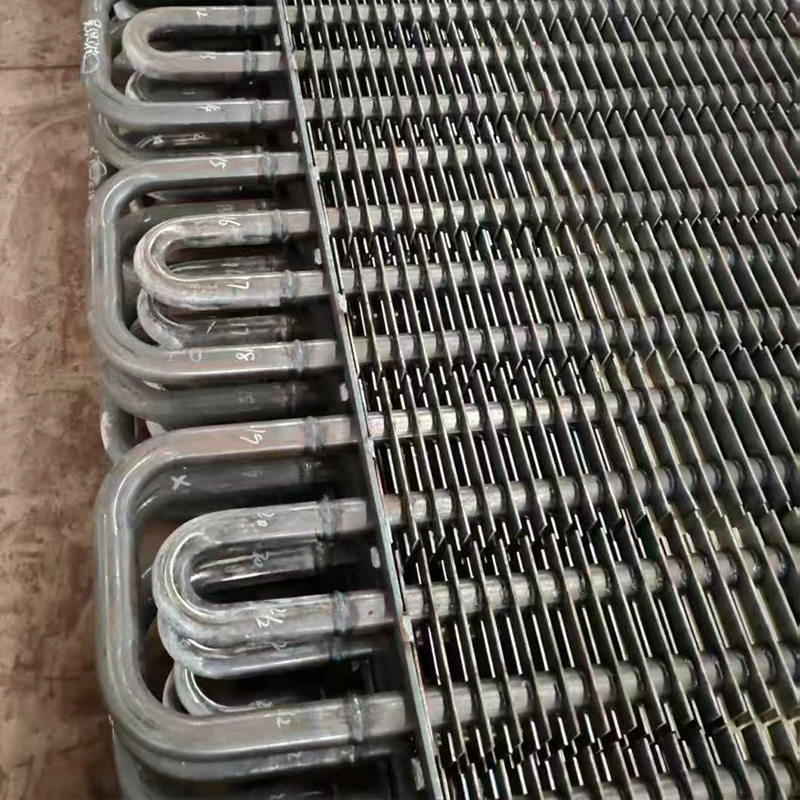
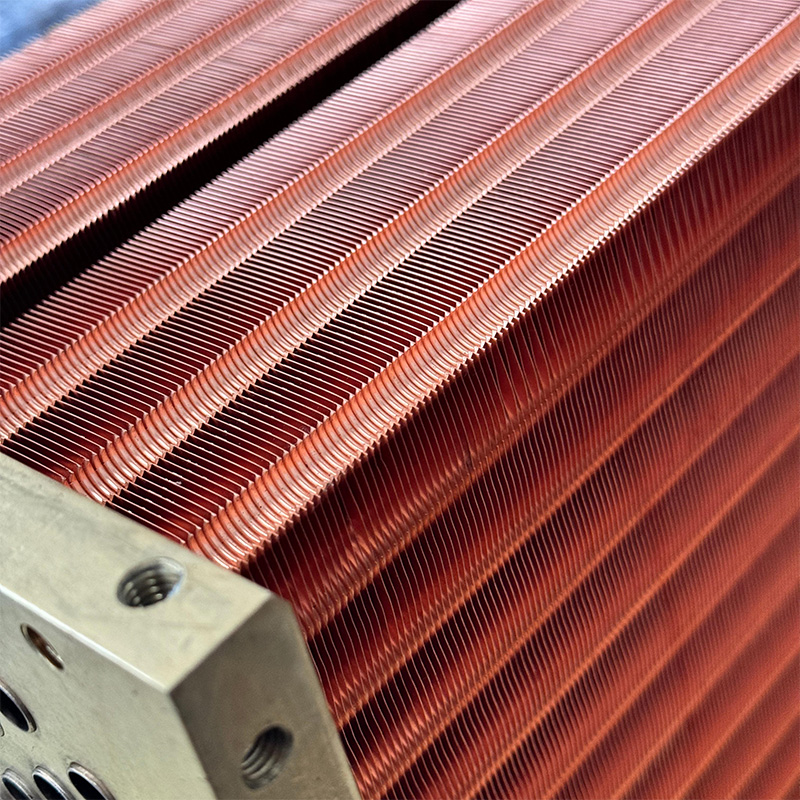
Особое значение в этой цепочке имеет выбор надежного партнера для поставки критически важных компонентов инфраструктуры, таких как теплообменное оборудование для систем охлаждения силовой электроники и трансформаторов. CompanyWuxi Kaisheng Electric Power and Petrochemical Equipment Co., Ltd.зарекомендовала себя как эксперт в разработке и производстве высокотехнологичных решений для энергетического и нефтехимического секторов. Специализируясь на создании титановых кожухотрубных теплообменников, высоконапорных аппаратов стандарта ASME и гофрированных трубных пучков из коррозионностойких сплавов (нержавеющая сталь 316, морская латунь C46400, медно-никелевые сплавы, никель N06625), компания обеспечивает стабильный тепловой режим работы оборудования даже в экстремальных условиях. Продукция «Уси Кайшэн», сертифицированная по стандартам PED и ASME, широко применяется в нефтепереработке, химической промышленности и энергетике, где надежность и устойчивость к высоким давлениям и температурам являются приоритетом. Использование таких качественных комплектующих, как трубные решетки из стали 321 или сплавов C70600, позволяет минимизировать риски отказов, связанных с перегревом, что косвенно способствует поддержанию электромагнитной стабильности всей системы за счет предотвращения температурных дрейфов параметров компонентов.
Перспективы развития и заключение
Обеспечение электромагнитной совместимости в энергетике 2026 года и в ближайшем будущем будет определяться дальнейшим ростом плотности электронных устройств и усложнением топологии сетей. Переход к полностью цифровым подстанциям и массовое распространение распределенной генерации сделают вопросы ЭМС центральными в повестке дня энергоотрасли. Технологии, которые сегодня кажутся экспериментальными, такие как сверхпроводящие ограничители тока и адаптивные метаматериалы для экранирования, завтра станут стандартом отрасли.
Успех в этой области зависит от готовности инженеров и руководителей постоянно учиться и адаптироваться к новым условиям. Старые знания и навыки быстро устаревают, и только непрерывное профессиональное развитие позволяет оставаться востребованным специалистом. Инвестиции в обучение персонала и внедрение передовых инструментов проектирования окупаются многократно за счет снижения аварийности и повышения эффективности работы энергообъектов.
В конечном итоге, обеспечение электромагнитной совместимости — это не просто техническая задача, а стратегическая необходимость для устойчивого развития энергетики. Надежная и стабильная работа сетей возможна только при условии гармоничного сосуществования всех источников и потребителей электроэнергии. Игнорирование законов физики и требований стандартов недопустимо и ведет к неминуемым потерям. Будущее за теми, кто сможет предложить комплексные, умные и надежные решения в этой сложной области.
Для получения консультации по аудиту вашего объекта и разработки индивидуальных мер по обеспечению ЭМС в соответствии со стандартами 2026 года,contact us today. Наши эксперты готовы провести детальный анализ вашей ситуации и предложить оптимальное решение, которое гарантирует бесперебойную работу вашего оборудования.