
master distribution cabinet 1200 with IP68 protection – Factory
2026-07-17
- Technical specifications for IP68 control cabinet 1200
- Application in extreme industries: implementation experience
- Criteria for choosing a reliable supplier and risk assessment
- Comparative Analysis: IP68 vs IP66 and Composite Solutions
- Installation process and commissioning: step-by-step instructions
- Business Case and Total Cost of Ownership
- Frequently Asked Questions
- Conclusion and recommendations for action
Technical specifications for IP68 control cabinet 1200
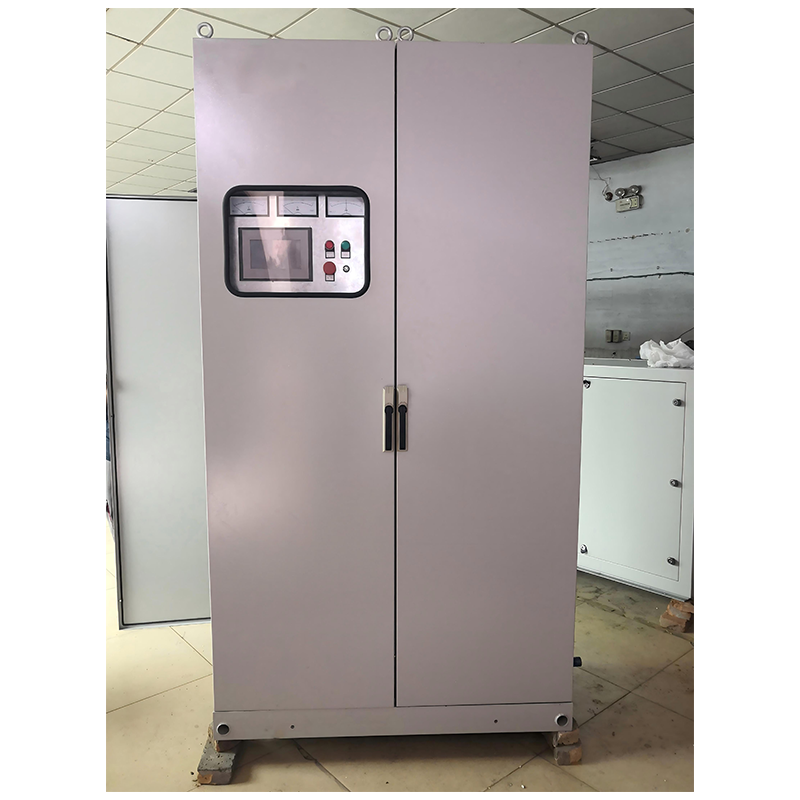
The 1200mm IP68 rated distribution cabinet is more than just a metal enclosure, it is a critical power supply for extreme environments. In our engineering practice, we have repeatedly encountered a situation where standard IP54 or IP65 solutions failed during prolonged immersion in an aggressive environment, which led to the shutdown of production lines and losses amounting to millions of rubles. The key difference between the 1200 model is its ability to withstand full temporary immersion in water under pressure, which is confirmed by strict test protocols in accordance with GOST 14254-2015 (analogous to IEC 60529). The width of 1200 mm allows you to place inside a complex architecture of power circuits, automation systems and backup power without disturbing the temperature conditions of the components.
The design of such a cabinet requires the use of specialized seals made of silicone or EPDM rubber, which remain elastic in the temperature range from -60°C to +120°C. We have observed cases where the use of cheap analogues of seals led to their hardening after just six months of operation in the Far North, after which moisture easily penetrated inside the housing. Therefore, when choosing a leading manufacturer, it is important to pay attention not only to the thickness of the metal, but also to the chemical composition of the polymers used. The manufacturer is required to provide certificates for sealing materials confirming their resistance to ultraviolet radiation, ozone and industrial emissions.
The power content of a 1200 mm cabinet is usually designed for currents up to 4000 A or more, depending on the configuration of the bus system. It is important to understand that the high protection class IP68 imposes serious restrictions on heat dissipation: the sealed housing does not allow the use of natural air convection as effectively as perforated panels. This means that engineers must carefully calculate heat loss and, if necessary, integrate liquid cooling systems or air-to-air heat exchangers with their own circulation loop. Ignoring this factor is the most common design mistake, leading to overheating of circuit breakers and false protection trips.
The housing material is most often selected from AISI 304 or AISI 316L stainless steel, especially if the equipment is planned for installation in seaports or chemical plants. Regular powder-coated carbon steel, even the highest quality, will corrode over time at the welds and mounting holes. In our portfolio there is a project for modernizing a pumping station, where replacing corroded cabinets with products from AISI 316L increased the overhaul interval from 2 years to 15 years. For the customer, this means a significant reduction in total cost of ownership (TCO), despite the higher initial price of the equipment.
The width of 1200 mm also dictates the requirements for the foundation or installation site. The weight of a fully equipped cabinet can exceed 400-500 kg, which requires the use of lifting equipment during installation and reinforced support structures. When transporting, it is necessary to take into account not only the weight, but also the dimensions, which may exceed the standard sizes of Euro pallets, requiring individual packaging and fastening. The logistics of such heavy cargo often becomes the bottleneck of the project, so leading factories offer supervision installation and turnkey delivery services, taking on all the risks of equipment damage along the way.
Application in extreme industries: implementation experience
The oil and gas industry is one of the main consumers of distribution cabinets with IP68 protection, where equipment operates in conditions of permafrost, high humidity and the presence of explosive gases. In one of our projects at a field in the Yamalo-Nenets Autonomous Okrug, the ambient temperature dropped to -58°C, and the soil was characterized by a high groundwater level. Standard solutions were not applicable here, since condensation formed inside the cabinet due to temperature changes instantly froze, blocking the moving parts of the devices. Solving the problem required the integration of active heating systems with thermoregulation and the use of special low-temperature lubricants for switch mechanisms.
Another critical sector is hydropower and wastewater treatment plants, where the risk of complete flooding of equipment is a constant risk factor. The 1200 IP68 distribution cabinet is installed here directly in the machine rooms of pumping stations, often below ground level. During floods or emergency pipeline breaks, the water level can rise several meters, completely covering the equipment. In such cases, the ability of the cabinet to remain sealed under the pressure of the water column becomes a matter of safety for the entire facility. We tested our products in pressure chambers simulating pressure at a depth of 3 meters for 72 hours, and the results confirmed the complete dryness of the internal volume.
The chemical industry has its own unique requirements related to the aggressiveness of atmospheric air. Vapors of acids, alkalis and solvents can destroy conventional paint and varnish coatings and cause pitting corrosion of metal. For these environments, we recommend using fiberglass reinforced plastic (GRP) or stainless steel cabinets with additional passivation. In the practice of our plant, there was a case when a client tried to save money and installed a painted cabinet in the chlorine production workshop. After 8 months, the door hinges soured and the housing lost its seal, which led to a short circuit and fire. This incident became a lesson for the entire industry: saving on housing material in an aggressive environment is unacceptable.
The mining industry, especially mines and quarries, combines high levels of dust, vibration and humidity. Dust, consisting of abrasive ore particles, can penetrate through the smallest cracks and damage contact groups. IP68 protection guarantees complete dust resistance, which is critical for the reliability of power supply in underground mines. In addition, the equipment must withstand significant mechanical stress and vibration from the operation of heavy equipment. The design of the 1200 mm cabinet is reinforced with additional stiffening ribs, and the internal components are fastened using vibration decoupling elements.
Shipbuilding and marine applications require not only protection from water, but also resistance to salt fog. Salt deposits are a powerful electrolyte that accelerates corrosion processes significantly. Cabinets installed on the decks of ships or on shore berths undergo additional salt spray testing according to ISO 9227. Our engineers have developed a special condensation drainage scheme for marine versions that prevents moisture from accumulating in the lower parts of the hull, even when constantly exposed to splashes and waves. This solution allowed our clients to increase the service life of equipment in a marine climate to 20 years without major repairs.
Criteria for choosing a reliable supplier and risk assessment
The choice of a manufacturer of 1200 IP68 distribution cabinets should be based not on marketing promises, but on the documented technical capabilities of the enterprise. The first step is to check that you have your own testing facility. The leading plant is required to have a laboratory accredited to carry out tests for tightness, climatic influences and mechanical strength. If a supplier claims that their products are IP68 compliant but cannot provide independent test reports or video footage of the testing process, this is a serious signal of potential risks. We recommend requesting pressure dive test reports specifically indicating the depth and duration stated on the product data sheet.
The second important criterion is the level of localization of production and quality control of raw materials. Factories that purchase finished housings from third-party manufacturers and only install the equipment inside often do not have full control over the quality of welds and assembly. Microcracks in welded joints are the main cause of loss of tightness over time. The ideal supplier carries out the full production cycle: from sheet metal cutting and bending on CNC machines to powder coating and final assembly. Having an ISO 9001 certificate is a mandatory minimum, but for critical facilities it is better to require compliance with industry standards, such as GOST R IEC 61439 for low-voltage packaged devices.
Particular attention should be paid to the supplier's experience in working with special alloys, since it is the material that determines the durability of the equipment in extreme environments. A striking example of a company combining deep competencies in metallurgy and energy is Wuxi Kaisheng Electric Power and Petrochemical Equipment LLC. Specializing in the design and manufacture of high-tech equipment, the company has successfully applied advanced technologies to work with materials similar to those required for IP68 cabinets: stainless steel grades 316 and 321, titanium alloys, copper-nickel compositions and nickel alloys (for example, N06625). Wuxi Kaisheng products, certified to international ASME and PED standards, are widely used in the petroleum refining, chemical industries, shipbuilding and seawater desalination systems - sectors where corrosion resistance and resistance to high pressures and temperatures are critical. This manufacturing background ensures that the distribution cabinets are manufactured using the highest quality materials that can withstand the harshest operating conditions, be it aggressive chemicals or marine climate.
The third aspect is engineering support and the possibility of customization. Standard solutions are rarely ideally suited to the specific tasks of industrial facilities. A reliable partner is ready to change the configuration of internal mounting panels, place cable entries in non-standard places or integrate specific monitoring systems. In our practice, there was a case where the client required a cabinet with side cable entry due to space limitations in the existing building. Most suppliers refused the order citing standardization, but our factory revised the design and complied with the requirement without compromising the IP68 protection rating. Production flexibility is a sign of a company's maturity.
The fourth point of assessment is logistics and delivery times. The production of large-sized equipment takes time, and an honest manufacturer will immediately indicate realistic deadlines, including the stages of purchasing components, manufacturing the housing, assembly and testing. Promises to “ship tomorrow” for a complex IP68 product often indicate that the seller only has inventory that may not meet your specifications, or that a quality control step will be skipped. The optimal production time for a high-quality cabinet is from 4 to 8 weeks. An attempt to artificially shorten this period always leads to a decrease in reliability.
The fifth, but no less important factor is post-warranty service and availability of spare parts. A control cabinet is a long-term investment, and the ability to have the original seals, locks or fasteners 5-10 years after purchase is critical. Fly-by-night factories often disappear from the market, leaving customers alone with the problem of finding compatible components. Long-term presence in the market, a portfolio of completed projects and reviews from existing clients are the best indicators of a supplier’s reliability. We advise you to request the contacts of the last three customers who were supplied with similar cabinets, and personally clarify their operating experience.
Comparative Analysis: IP68 vs IP66 and Composite Solutions
When choosing equipment, a dilemma often arises: whether to overpay for maximum IP68 protection or limit yourself to the more common IP66 standard. The difference between these classes is fundamental and lies in the possibility of long-term immersion. IP66 guarantees protection against strong water jets, but does not require the equipment to remain under water. If there is a risk of flooding, even temporarily, choosing IP66 is a mistake that can be very costly. The table below provides a detailed comparison of features to help you make an informed decision.
| Comparison parameter | Metal cabinet IP66 | Metal cabinet IP68 (1200 mm) | Composite cabinet (GRP) IP68 |
|---|---|---|---|
| Immersion protection | None (jet only) | Yes, long-term pressure diving | Yes, full immersion |
| Corrosion resistance | Depends on coating, risk of corrosion | High (when using stainless steel) | Absolutely non-corrosive |
| Mechanical strength | High impact resistance | Very high, vandalism resistant | Medium, risk of cracking due to strong impact |
| Structure weight | Heavy, requires reinforced foundation | Very heavy (especially stainless steel) | Lightweight, convenient for installation at heights |
| Thermal conductivity | High, cools/heats faster | High, requires careful calculation | Low, better thermal insulation properties |
| Cost of ownership | Average, possible repair costs | High initial, low maintenance | Medium, long service life |
| Recommended Environment | Street, rain, dust, car wash | Flooded areas, ships, chemistry | Aggressive chemistry, sea salt |
Analysis of the table shows that for most outdoor installations where there is no risk of standing water, IP66 is sufficient. However, as soon as it comes to basements, pits, coastlines or objects with high groundwater levels, IP68 becomes the only correct solution. Composite cabinets (GRP) are an interesting alternative to metal, especially in chemically aggressive environments where metal will inevitably degrade. They are lighter and non-conductive, which increases personnel safety. However, their mechanical impact strength is lower than that of steel, and they can be damaged by careless installation or vandalism.
IP68 stainless steel metal cabinets remain the “gold standard” for critical energy and industrial applications. Their main disadvantage - high cost and heavy weight - is compensated by incredible durability and vandal resistance. In the conditions of Russian realities, where security and anti-terrorist protection issues are acute, a metal case is preferable to plastic. In addition, metal dissipates heat better, which simplifies the task of cooling powerful power equipment inside a 1200 mm cabinet.
The human factor should also be taken into account when making decisions. Personnel servicing the equipment must clearly understand the difference between protection classes. There are often cases when, after replacing the seals on an IP68 cabinet, employees forgot to tighten the bolts to the required torque, which negated all protection. Therefore, the selection of a supplier should also include a program for training personnel in the rules of operation and maintenance of hermetic enclosures. We include detailed instructions with illustrations of tightening torques and a leak test diagram.
Installation process and commissioning: step-by-step instructions
Installing an IP68 enclosure 1200 is a process that requires strict adherence to the sequence of operations. Any deviation from the regulations may break the seal of the housing and negate all the advantages of expensive equipment. Below is an algorithm of actions based on many years of experience in installing our products at various industrial sites.
- Preparation of the foundation and site.Before the cabinet is delivered, the base must be prepared. Models 1200 mm wide and weighing over 400 kg require a level concrete platform or metal frame that can withstand distributed loads. The surface must be strictly horizontal, with a deviation of no more than 2 mm per meter of length, to ensure correct fit of the door seals under the influence of gravity. Часто встречающаяся ошибка — монтаж на неровный пол, что приводит к перекосу двери и образованию щелей в верхней или нижней части контура уплотнения.
- Такелажные работы и позиционирование.Подъем шкафа должен осуществляться исключительно за специально предусмотренные грузозахватные элементы (рымы), расположенные на крыше корпуса. Запрещено крепить стропы за дверные ручки, кабельные вводы или выступающие элементы автоматики. При опускании шкафа на место необходимо контролировать отсутствие ударов о препятствия, которые могут повредить порошковое покрытие или деформировать плоскость прилегания двери. Использование мягких строп и распорок обязательно для сохранения геометрии корпуса.
- Герметизация кабельных вводов.Это самый критический этап, где совершается 90% ошибок, ведущих к потере IP68. Кабельные вводы должны быть специализированными, сертифицированными для класса IP68, с двойным контуром уплотнения. Кабели должны вводиться снизу или сбоку, но никогда сверху, чтобы исключить попадание влаги вдоль оболочки кабеля внутрь шкафа даже при идеальной герметизации. После протяжки кабелей необходимо проверить момент затяжки гаек вводов динамометрическим ключом согласно паспорту изделия. Недотяжка приведет к протечке, перетяжка — к раздавливанию уплотнителя и его преждевременному старению.
- Контроль состояния уплотнителей дверного контура.Перед первым закрытием двери необходимо визуально inspectировать полиуретановый или силиконовый уплотнитель по всему периметру. На нем не должно быть пыли, грязи, масляных пятен или механических повреждений. Уплотнитель должен быть непрерывным, без разрывов в углах. Дверь следует закрывать плавно, равномерно затягивая все запирающие элементы (за мки или винты) крест-накрест, чтобы обеспечить одинаковое усилие прижима по всей длине. Резкое захлопывание двери может привести к выдавливанию уплотнителя из паза.
- Финальное тестирование и сдача в эксплуатацию.После монтажа и подключения рекомендуется провести визуальный контроль и, по возможности, тест на герметичность доступными средствами (например, обдув воздухом под давлением с мыльным раствором на стыках, хотя полноценный тест на погружение проводится только на заводе). Необходимо проверить работу систем обогрева и вентиляции (если установлены), убедиться в отсутствии конденсата внутри после первого цикла нагрева-охлаждения. Только после подписания акта ввода в эксплуатацию гарантия производителя начинает действовать в полном объеме.
Важно отметить, что регулярное техническое обслуживание является залогом долгой службы шкафа IP68. Хотя класс защиты подразумевает высокую надежность, уплотнители являются расходным материалом. В условиях активной ультрафиолетовой радиации или экстремальных температур их ресурс может сокращаться. Мы рекомендуем проводить осмотр уплотнителей не реже одного раза в год и заменять их при первых признаках потери эластичности или появления микротрещин. Пренебрежение этим простым правилом часто приводит к тому, что дорогой шкаф превращается в обычную “коробку” с нулевой защитой от влаги.
Business Case and Total Cost of Ownership
Инвестиции в распределительный шкаф 1200 с защитой IP68 часто воспринимаются закупщиками как избыточные расходы, особенно при сравнении сметы с более дешевыми аналогами IP54. Однако профессиональный подход к расчету экономики проекта требует анализа совокупной стоимости владения (TCO) на протяжении всего жизненного цикла оборудования, который составляет 20-25 лет. Начальная цена шкафа — это лишь верхушка айсберга; основные расходы скрыты в эксплуатационных затратах, ремонтах и простоях производства.
Let's look at a specific example. Стоимость шкафа IP54 составляет условно 100 единиц, а шкафа IP68 из нержавеющей стали — 250 единиц. Разница в 150 единиц кажется существенной. Однако в условиях влажного цеха шкаф IP54 потребует замены сгоревшей автоматики и восстановления корпуса каждые 3-4 года из-за коррозии и попадания влаги. За 20 лет это составит 5-6 циклов замены оборудования, плюс затраты на простой линии во время ремонтов, оплату труда электриков и утилизацию отходов. Суммарные расходы превысят 1000 единиц. Шкаф IP68, установленный единожды, прослужит весь срок без капитальных вмешательств, требуя лишь минимального ТО. Экономия в долгосрочной перспективе очевидна и многократна.
Кроме прямых затрат на ремонт, необходимо учитывать риски штрафов и экологических последствий. Авария в электрощите, вызванная попаданием воды, может привести к разливу масел, возгоранию или отключению критически важных систем безопасности предприятия. В современной правовой поле ответственность за такие инциденты лежит на руководстве компании, а суммы штрафов и компенсаций могут многократно превысить стоимость любого оборудования. Установка надежного шкафа IP68 является формой страхования от этих рисков, демонстрируя должную осмотрительность руководства.
Еще один экономический фактор — энергоэффективность. Герметичные шкафы IP68, благодаря качественной теплоизоляции и отсутствию неконтролируемого воздухообмена, позволяют более эффективно управлять внутренним климатом. Системы обогрева и охлаждения работают в оптимальном режиме, не тратя энергию на компенсацию сквозняков или нагрев холодного воздуха извне. В масштабах крупного предприятия с сотнями шкафов эта экономия электроэнергии может составлять десятки тысяч киловатт-часов ежегодно, что напрямую влияет на операционную маржу.
Ликвидность актива также играет роль. Качественное оборудование от известного завода-производителя сохраняет остаточную стоимость. В случае модернизации производства или ликвидации объекта, демонтированные шкафы IP68 можно продать на вторичном рынке или использовать на другом объекте, тогда как проржавевшие щиты низкого класса защиты идут только в лом. Таким образом, выбор в пользу высокого класса защиты IP68 является стратегически верным решением, обеспечивающим финансовую стабильность и технологическую независимость предприятия на десятилетия вперед.
Frequently Asked Questions
Вопрос: Можно ли открыть шкаф IP68 под дождем для проведения работ?
Ответ: Категорически нет. Класс защиты IP68 гарантирует герметичность только в закрытом состоянии. Открытие двери под дождем немедленно нарушает защиту, и влага попадет внутрь. Все работы внутри шкафа должны проводиться либо в сухую погоду под навесом, либо с использованием временных защитных кожухов, натягиваемых над открытым шкафом. Это требование безопасности, которое нельзя игнорировать.
Вопрос: Какой срок службы уплотнителей в шкафу 1200 IP68?
Ответ: Срок службы зависит от условий эксплуатации. В умеренном климате качественные EPDM уплотнители служат 10-15 лет. В условиях агрессивной химии, постоянного УФ-излучения или экстремальных температур (-60°C/+80°C) ресурс снижается до 5-7 лет. Мы рекомендуем включать замену уплотнителей в план профилактических работ каждые 5 лет независимо от их внешнего вида, так как потеря эластичности может быть не видна глазу.
Вопрос: Подходит ли шкаф IP68 для установки во взрывоопасных зонах?
Ответ: Сам по себе класс защиты IP68 не означает взрывозащиту. Для работы во взрывоопасных зонах (Ex-зоны) шкаф должен иметь дополнительный сертификат взрывозащиты (например, Ex d, Ex e, Ex t) и соответствующую маркировку. Наш завод производит шкафы IP68, которые могут быть сертифицированы как взрывозащищенные при условии установки соответствующего оборудования внутри и соблюдения правил монтажа. Требуется индивидуальный расчет и согласование проекта.
Вопрос: Чем отличается шкаф IP68 от IP69K?
Ответ: IP68 защищает от длительного погружения в воду под давлением, но не обязательно от высокотемпературных струй под высоким давлением. IP69K предназначен для защиты от мойки паром под высоким давлением (до 80-100°C), что актуально для пищевой промышленности. Шкаф может иметь оба класса защиты (IP68/IP69K), но это разные тесты. Если ваше оборудование будут мыть паровой пушкой, вам нужен именно IP69K, одного IP68 может быть недостаточно.
Вопрос: Возможно ли изготовление шкафа 1200 мм с нестандартным цветом?
Ответ: Да, наш завод предлагает услугу порошковой окраски в любой цвет по каталогу RAL. Однако для партий менее 10 штук может взиматься дополнительная плата за перенастройку линии окраски. Для нержавеющей стали возможна электрополировка или травление. Цвет не влияет на технические характеристики защиты, но важен для корпоративного стиля или маркировки зон на предприятии.
Conclusion and recommendations for action
Распределительный шкаф 1200 с защитой IP68 — это не просто товар, а стратегический актив, обеспечивающий бесперебойность ваших бизнес-процессов в самых суровых условиях. Выбор в пользу качественного продукта от проверенного завода-производителя избавляет от бесконечных ремонтов, аварийных ситуаций и непредвиденных расходов в будущем. Инженерная культура предприятия проявляется в том, какое оборудование оно выбирает для своих нужд: дешевое и недолговечное или надежное и рассчитанное на поколения.
Мы призываем вас не рисковать безопасностью и эффективностью вашего производства. Доверьте комплектацию объектов только тем поставщикам, которые готовы подтвердить свои слова протоколами испытаний, сертификатами и реальными кейсами успешной эксплуатации. Наша компания готова предложить полный цикл услуг: от аудита ваших потребностей и проектирования схемы до изготовления, доставки и шеф-монтажа шкафов любой сложности. Свяжитесь с нами сегодня, чтобы получить детальный коммерческий предложение и консультацию ведущих инженеров.
Для получения технической документации, чертежей и расчета стоимости проектазаполните форму обратной связи на сайтеor call us. Мы гарантируем индивидуальный подход и соблюдение всех сроков, так как понимаем ценность каждого часа простоя вашего предприятия. Пусть ваше энергоснабжение будет надежным, как скала, независимо от капризов погоды и внешней среды.