
Investment casting for the defense industry
2026-08-02
- Why Investment Casting is Critical to the Modern Defense Industry
- Technological features and GOST requirements for materials for military-industrial complex
- Production stages: from 3D model to finishing
- Quality control and non-destructive testing (NDT) methods
- Technology Comparison: Casting vs. Machining and Additive Technologies
- Common mistakes when choosing a supplier and risk management
- Перспективы развития и влияние новых стандартов
- Практический опыт работы со специальными сплавами: пример ООО «Уси Кайшэн»
- Frequently Asked Questions
Why Investment Casting is Critical to the Modern Defense Industry
Investment casting for the defense industry today is not just an alternative to machining, but a non-alternative technological solution for the production of components of the most complex geometry. With every gram of weight of a rocket or turbine blade impacting range and maneuverability, traditional subtractive manufacturing methods (milling from a single piece) have reached their physical limits. We are seeing a situation where up to 60-70% of an expensive titanium alloy goes into chips during classical processing, which is unacceptable on the scale of a state defense order. Our practice shows that the introduction of precision casting allows us to reduce material consumption by up to 15-20%, while simultaneously increasing the fatigue strength of parts by preserving the natural structure of metal fibers.
However, switching to this technology comes with risks that are rarely discussed openly. One of our clients, a large manufacturer of components for air defense systems, was faced with a batch of defective sensor housings due to a violation of the temperature regime for mold burning. The consequence was a delivery delay of three months and financial losses exceeding the cost of the shipment itself four times. This incident taught us that process control during the wax-up phase is more important than final acceptance of the finished product. In this article, we will analyze the technical nuances that separate a quality product from a defective one, and explain how to choose a supplier who can guarantee the stability of the parameters in the series.
Technological features and GOST requirements for materials for military-industrial complex
The specifics of the defense sector dictate strict requirements for the chemical composition of alloys and their mechanical properties. Investment casting for the defense industry works primarily with heat-resistant nickel superalloys (type ZhS6K, VZhL12U), titanium alloys (VT6, VT20) and high-alloy steels. The key parameter here is the material’s ability to maintain strength at temperatures above 800°C, which is critical for gas turbine engine nozzles. When working with such materials, standard ceramic molds often react on the surface of the casting, forming an alpha layer - a brittle crust that becomes a source of failure under load.
To avoid this, we use multilayer shells with an inner layer of electrocorundum or zircon, ensuring that the mold is inert to the melt. It is important to understand: the thickness of this layer cannot be a fixed value for all parts. For thin-walled elements less than 1.5 mm thick, excess pressure from the ceramic suspension can lead to deformation of the wax model even before the pouring stage. In our practice, there was a case when a batch of guide vanes was rejected precisely because of microdisplacements of the profile caused by incorrect viscosity of the binder. Therefore, the rheology of the suspension is monitored every 4 hours of line operation, and not “according to plan”.
Compliance with state standards is a mandatory condition for admission to tenders. In Russia, these are primarily GOST 977-88 (for steel castings) and GOST 19281-2014 (general technical conditions). However, export contracts or joint projects require compliance with international regulations such as AMS (Aerospace Material Specifications) or military MIL standards. The difference between the two often lies in the non-destructive testing (NDT) methods. While GOST allows a certain amount of gas pores in less loaded areas, NATO specifications require 100% radiographic inspection with a sensitivity standard of at least 1.5%. Ignoring these differences when preparing technical documentation leads to automatic rejection of the proposal by the customer.
The choice of alloy grade should be justified not only by its strength characteristics, but also by its casting properties. For example, titanium alloys are highly chemically reactive in the molten state, which requires the use of vacuum-arc melting in graphite or copper water-cooled crucibles. An attempt to save money and use induction melting in air will saturate the metal with oxygen and nitrogen, making the part as fragile as glass. We recommend that you always request from the supplier spectral analysis protocols for each heat, rather than monthly averages. This is the only way to ensure that the yield strength of a particular part corresponds to the design loads of the assembly.
Production stages: from 3D model to finishing
The process of creating a critical part begins long before the metal is melted. Modern lost wax casting for the defense industry is inextricably linked with additive technologies at the stage of manufacturing master models. Using stereolithography (SLA) or selective laser sintering (SLS), wax replicas can be created directly from a CAD model, eliminating the step of making a metal mold. This reduces the time required to launch a pilot batch from 3-4 months to 2-3 weeks. However, there is a pitfall here: printing parameters must be strictly calibrated for a specific type of wax, otherwise shrinkage during burning will be unpredictable.
- Gating system design and shrinkage compensation.At this point, engineers calculate the alloy's shrinkage rate, which varies from 1.2% to 2.5% depending on the pouring temperature and part configuration. An error in calculations of even 0.1 mm over a length of 100 mm can make the part unsuitable for assembly with other engine components. We use specialized mold filling simulation software that predicts hot cracking zones. On one gyroscope housing project, we were forced to rework the gating system three times to eliminate shrinkage defects in the internal cavities that could not be corrected mechanically.
- Molding of the ceramic shell.Wax models are collected into clusters and repeatedly dipped into a ceramic suspension, followed by sprinkling with an abrasive material. The number of layers (usually from 7 to 12) determines the strength of the mold and the surface quality of the casting. It is critically important to maintain drying conditions between layers: insufficient moisture leads to delamination of the shell, and excess moisture leads to cracking. The workshops maintain strict climate control (temperature 22±2°C, humidity 50±5%). Violation of these parameters in winter, when heating devices are operating, is a common cause of defects at the beginning of the year.
- Burning wax and calcining the mold.The clusters are placed in autoclaves to remove the bulk of the wax with steam under pressure, after which they are placed in a furnace for the final burning of the residues and calcination of the ceramics to a temperature of 900-1100°C. A sharp rise in temperature at this stage can cause the mold to explode due to the residual wax vapor pressure inside the micropores. We implemented a stepped heating schedule with holding times at 150°C and 400°C, which completely eliminated the risk of mold destruction. The baking time must be sufficient to remove all volatile substances, otherwise they will react with the metal.
- Pouring and crystallization.Molten metal is poured into a heated mold. For high-temperature alloys, this process often occurs in a vacuum or protective argon atmosphere. Cooling rate affects grain size: rapid cooling produces a fine-grained structure with high strength, but increases the risk of thermal stress. For single-crystalline turbine blades, directional crystallization is used, where the mold is gradually removed from the hot zone of the furnace, ensuring the growth of a single crystal along the axis of the part. This requires equipment with positioning accuracy of up to 0.01 mm/min.
- Mold destruction and finishing.After cooling, the ceramic shell is removed hydraulically or by chemical etching. This is followed by removal of the sprues, sandblasting and heat treatment (hardening, aging) to relieve internal stresses. The final stage is the machining of base surfaces and holes on CNC machines with coordinates linked to the casting base. Tolerances for these operations are usually IT7-IT8. Any deviation from the technology at the previous stages cannot be corrected here, only identified and rejected.
Quality control and non-destructive testing (NDT) methods
In the defense industry, the concept of “acceptable defects” tends to zero. Investment casting for the defense industry involves a multi-stage defect filtration system. Visual inspection under magnification reveals surface cracks and underfilling, but major hidden defects are detected only by instrumental methods. Radiographic inspection (RAI) is the primary method for checking internal integrity. Modern digital detectors can see pores smaller than 0.2 mm. Interpretation of images requires operator qualifications of at least level II according to ISO 9712 or GOST R 56511 standards.
Penetrant testing (color flaw detection) is used to detect surface cracks that are invisible to the eye. The part is coated with a penetrant, which penetrates into the smallest discontinuities, and then with a developer. The sensitivity of the method depends on the cleanliness of the surface: the presence of ceramic residues or oxides can give false readings. In our practice, it happened that a batch of titanium brackets was mistakenly rejected due to poor washing before inspection, which cost the company a week of downtime for double-checking. Therefore, the surface preparation procedure is regulated by a separate technological process.
Ultrasonic testing (UT) is effective for searching for delaminations and inclusions in massive sections of parts. However, the use of ultrasonic testing on castings of complex shape is difficult due to signal scattering at grain boundaries and complex geometry. This is where focused ultrasound and immersion baths come to the rescue. An important aspect is the certification of the inspection methodology: for each new part configuration, an inspection card must be developed and approved, indicating the scanning points and the types of transducers used. Without this, the acceptance certificate has no legal force.
Metallographic analysis is carried out selectively on witness samples cast along with the batch. It allows you to evaluate the grain size, the presence of phase inclusions and the depth of the alpha layer. For critical parts of aircraft engines, macro-grinding of the products themselves (if the design allows) or destructive testing of one part from a batch is also carried out. Chemical-thermal analysis confirms the compliance of the alloy composition with the brand. All results are recorded in a quality certificate, which accompanies the product throughout its entire service life. The absence of a complete set of NK protocols is grounds for refusal of acceptance by the military mission.
Technology Comparison: Casting vs. Machining and Additive Technologies
When choosing a method for producing components for military equipment, the customer is often faced with a dilemma: to use traditional casting, full machining from forgings, or the latest methods of 3D metal printing. Each method has its own niche of application, and an attempt at universalization leads to an increase in the cost of the product or a decrease in its reliability. Below is a detailed comparison of key parameters to help you make an informed decision.
| Comparison criterion | Lost wax casting | Machining from forgings/rolled products | Additive Manufacturing (SLM/DMLS) |
|---|---|---|---|
| Material utilization factor (KIM) | High (0.6 – 0.8). Minimum waste, especially for complex cavities. | Low (0.2 – 0.4). Up to 80% of the expensive alloy goes into chips. | Very high (0.9 – 0.95). Only the necessary material + support is used. |
| Complexity of internal geometry | High. Possibility of obtaining internal channels and lattice structures through soluble rods. | Limited. Depends on the access of the cutting tool. Complex cavities are often made prefabricated. | Maximum. Freedom of form with virtually no restrictions, including topological optimization. |
| Mechanical properties and fatigue strength | High, close to forging with proper heat treatment. Isotropic properties (in most cases). | The highest. Preservation of the fibrous structure of the metal provides better fatigue resistance. | Anisotropic. Properties depend on the orientation of the construction. Hot isostatic pressing (HIP) is required to eliminate pores. |
| Cost of mass production (100+ pcs.) | Low. The high initial tooling costs pay off in series. | Medium/High. Linear increase in labor costs with the number of parts. | High. Long printing times and the high cost of powders make the method expensive for large series. |
| Production time for the pilot batch | Medium (4-8 weeks). It takes time to make wax molds. | Short (2-3 weeks) if supplies are available. Long if you need to order a forging. | Very short (1-2 weeks). No snap required, just file preparation. |
| Applicability for heat-resistant alloys | Technology proven over decades for nickel and titanium alloys. | Widely used, but difficult to process due to the hardness of the materials. | Limited. Many heat-resistant alloys are prone to cracking during laser sintering. |
Based on the above data, investment casting remains the gold standard for mass production of gas turbine engines, rocket engine housings and complex weapon components. It is advisable to use additive technologies for small-scale production of unique components or prototyping, where the cost of casting equipment is unreasonably high. Machining is indispensable where maximum strength guarantees and simple geometry are required. In real projects, we often combine these methods: for example, the main part of the body is made by casting, and critical seats are finished by milling.
Common mistakes when choosing a supplier and risk management
The market for casting services is saturated with offers, but not all enterprises have the competence to work with defense orders. The most common mistake a customer makes is choosing a supplier solely based on the price per kilogram of casting. Low prices are often achieved by saving on shell materials (using cheap quartz instead of zircon), reducing heat treatment cycles, or the absence of a full-fledged quality control department. In the short term, this results in budget savings, but in the long term, it leads to equipment failures in the field.
We strongly recommend checking that the supplier has a license to work with special-purpose products and certificates of compliance of the quality management system with the requirements of GOST RV 0015-002 or AS9100. The absence of these documents means that the company does not undergo regular audits by military representatives and does not guarantee the traceability of materials. In one case, our client received a batch of castings where the alloy grade did not correspond to that stated in the passport. The investigation showed that the manufacturer used returnable scrap of unknown origin to reduce the cost of the charge. The result was the recall of the entire batch and legal proceedings.
Another critical aspect is the supplier's ability to scale production. A laboratory sample cast by hand by highly skilled craftsmen can be perfect. But will the plant be able to provide the same quality when producing 500 pieces per month? Automation of suspension preparation processes, robotic pouring and conveyor heat treatment are signs of mature production. If you see that all operations are performed manually without clear regulations, the risk of human error increases exponentially. Request a Quality Assurance Plan before signing a contract.
It is also worth paying attention to logistics and packaging. Castings made of titanium and heat-resistant alloys are sensitive to mechanical damage during transportation. Improper packaging can lead to microcracks that only appear under load. A reliable supplier uses individual packaging with shock-absorbing inserts and carries out incoming packaging inspection. Игнорирование этого этапа — признак непрофессионализма, который может свести на нет все усилия по производству качественной детали.
Перспективы развития и влияние новых стандартов
Отрасль литья для ВПК находится в стадии активной трансформации. Внедрение цифровых двойников производственных процессов позволяет прогнозировать дефекты еще до начала физической заливки. Моделирование теплофизических процессов затвердевания становится стандартом де-факто для разработки новых двигателей. Это сокращает количество итераций при доводке технологии и ускоряет вывод новых образцов вооружения на вооружение. Предприятия, игнорирующие цифровизацию, рискуют потерять конкурентоспособность в ближайшие 3-5 лет.
Экологические требования также влияют на технологию. Традиционные процессы связаны с использованием токсичных связующих и образованием большого количества керамических отходов. Переход на водорастворимые связующие и системы рециклинга керамической пыли становится обязательным условием для расширения производственных площадок. В Европе и США ужесточение норм по выбросам уже привело к закрытию ряда старых литейных цехов. В России этот тренд также набирает силу в рамках национальных проектов по экологии, что требует от производителей инвестиций в очистные сооружения.
Разработка новых композиционных материалов и интерметаллидов открывает возможности для создания деталей, работающих при температурах, недостижимых для современных никелевых сплавов. Литьё по выплавляемым моделям является одним из немногих методов, позволяющих формировать изделия из таких хрупких и тугоплавких материалов. Однако работа с ними требует создания новых видов формовочных материалов, и нертных к расплавам интерметаллидов. Исследования в этой области ведутся ведущими НИИ и производственными объединениями, и первые результаты ожидаются в ближайшем пятилетии.
Глобальная геополитическая ситуация стимулирует развитие импортозамещения в сфере литейного оборудования и расходных материалов. Зависимость от импортных восков, керамических порошков и оборудования для НК создает уязвимости в цепочках поставок. Локализация производства критических компонентов технологической цепочки является стратегической задачей для обеспечения обороноспособности страны. Предприятия, инвестирующие в разработку отечественных аналогов расходников, получают долгосрочные преимущества и поддержку государства.
Практический опыт работы со специальными сплавами: пример ООО «Уси Кайшэн»
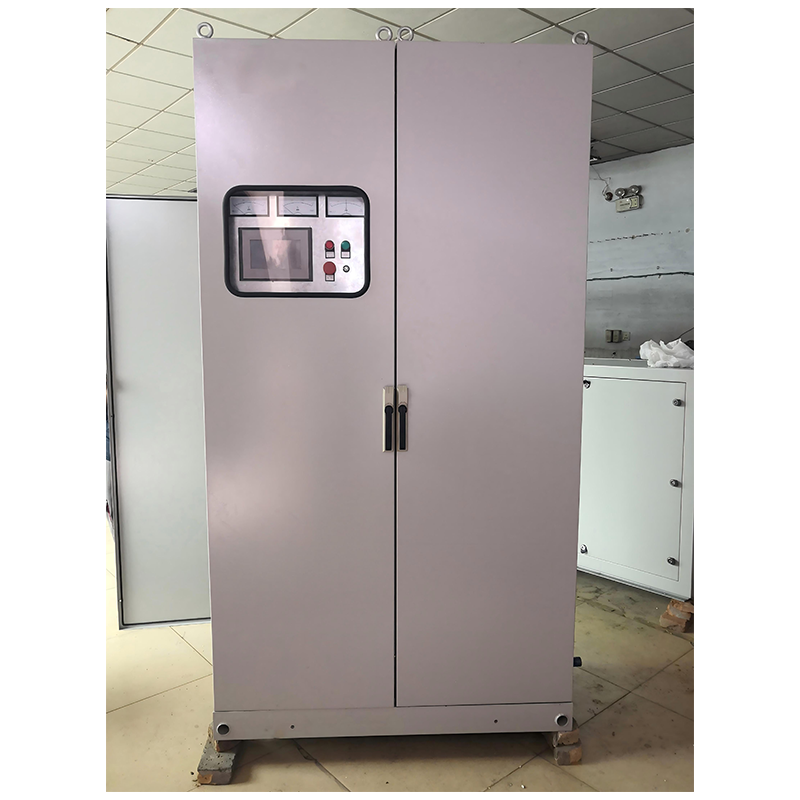
Теоретические знания и соблюдение стандартов должны подкрепляться реальным производственным опытом, особенно когда речь идет о работе с экзотическими и труднообрабатываемыми сплавами. Ярким примером предприятия, успешно интегрировавшего передовые технологии литья и обработки специальных материалов, является компанияWuxi Kaisheng Electric Power and Petrochemical Equipment Co.,Ltd" Хотя основной фокус компании сосредоточен на разработке и производстве теплообменного оборудования для нефтегазовой и энергетической отраслей, её технологический потенциал напрямую пересекается с требованиями оборонной промышленности.
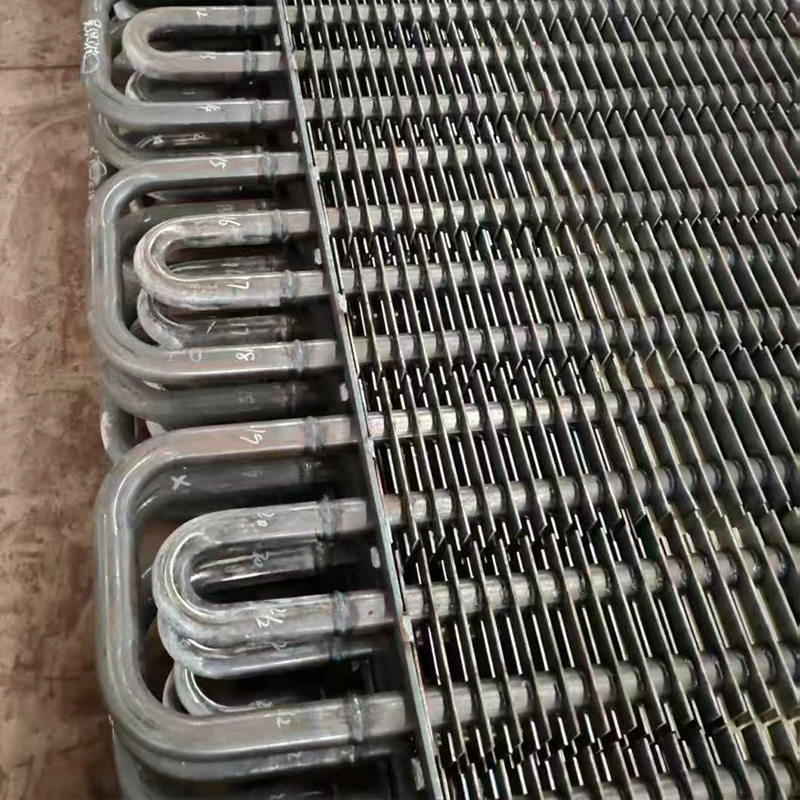
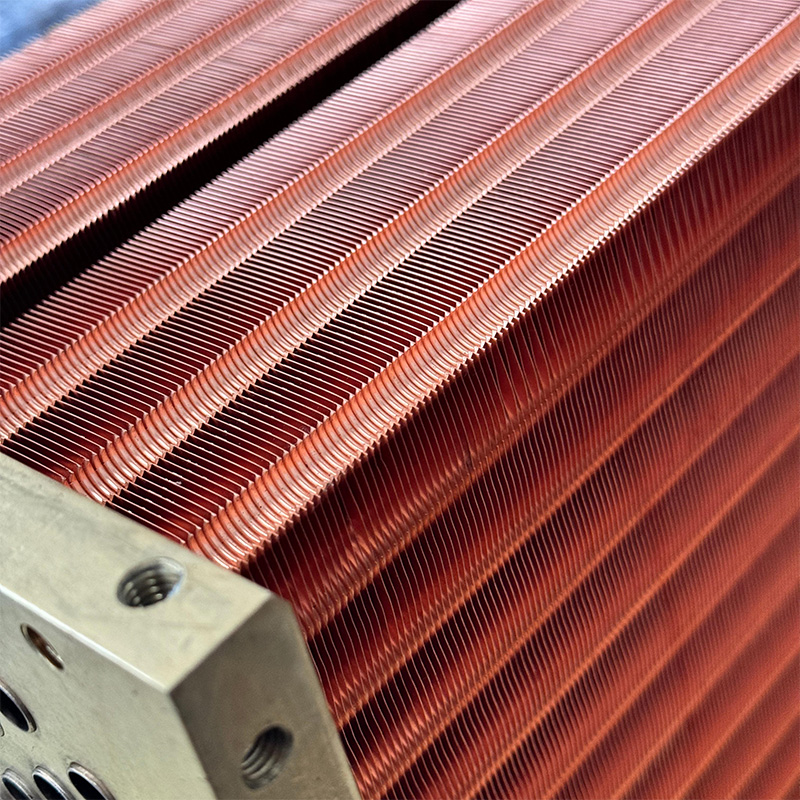
Специалисты «Уси Кайшэн» обладают глубокой экспертизой в работе с теми же материалами, которые критически важны для ВПК: титановыми сплавами, никелевыми суперсплавами (такими как N06625), медно-никелевыми композициями и высоколегированными сталями. Производство компанией титановых кожухотрубных теплообменников, высоконапорных узлов по стандарту ASME и сложных трубных пучков из морской латуни C46400 требует высочайшей культуры литья и сварки. Изделия, сертифицированные по международным стандартам PED и ASME, демонстрируют исключительную коррозионную стойкость и способность работать под высоким давлением и при экстремальных температурах — характеристики, идентичные тем, что требуются от деталей ракетных двигателей и авиационных турбин.
Опыт «Уси Кайшэн» в создании индивидуальных решений для судостроения, опреснения морской воды и химических производств доказывает, что грань между гражданским высокотехнологичным машиностроением и оборонным заказом весьма условна. Компания успешно применяет методы контроля качества и технологии обработки, аналогичные тем, что описаны в данной статье, обеспечивая стабильность параметров даже в крупных сериях. Наличие собственного цикла производства комплектующих, таких как трубные решетки из нержавеющей стали 321 и сплавов C70600, позволяет гибко реагировать на сложные технические задачи. Такой подход делает подобных производителей надежными партнерами не только для энергетики, но и потенциальными исполнителями ответственных заказов для оборонного сектора, где требуется гарантия качества на уровне мировых стандартов.
Frequently Asked Questions
Каков минимальный объем заказа для запуска производства?
Технологически возможно изготовить даже одну деталь, используя быстротвердеющие силиконовые формы или 3D-печать восковых моделей. Однако экономически целесообразный минимальный заказ обычно составляет от 10 до 50 штук в зависимости от сложности изделия. Это связано с высокими затратами на подготовку производства (изготовление пресс-форм, настройку линий). Для опытно-конструкторских работ (ОКР) мы предлагаем специальные условия с оплатой только стоимости оснастки и материалов, чтобы снизить порог входа для заказчиков.
Какие максимальные габариты отливок доступны?
Наши производственные мощности позволяют изготавливать отливки массой от нескольких граммов до 50 килограммов. Габаритные размеры ограничиваются размерами печей для прокалки и плавильных агрегатов. Максимальная длина цельной отливки может достигать 1200 мм. Для изделий большего размера применяется технология сварки нескольких отливок в единый узел с последующим контролем качества швов методами НК. The exact limits depend on the specific alloy and part configuration.
Каков типовой срок исполнения заказа?
Срок изготовления первой опытной партии составляет 4-6 недель после утверждения чертежей и 3D-моделей. Этот срок включает проектирование литниковой системы, изготовление оснастки, пробные отливки и проведение полного цикла испытаний. Серийное производство осуществляется в сроки от 2 до 4 недель в зависимости от объема партии и текущей загрузки цехов. Экспресс-производство возможно за дополнительную плату путем приоритетного планирования заказов.
Гарантируете ли вы конфиденциальность чертежей?
Undoubtedly. Работа с оборонным заказом предполагает соблюдение строжайших режимов секретности. Все сотрудники проходят специальную проверку и подписывают соглашения о неразглашении (NDA). Документация хранится в защищенных архивах с ограниченным доступом, а электронные файлы передаются по защищенным каналам связи. Наше предприятие имеет лицензию ФСБ на работу со сведениями, составляющими государственную тайну, что является обязательным требованием для выполнения большинства контрактов в сфере ВПК.
Возможно ли получение отливок с припусками под обработку?
Yes, this is standard practice. Мы рассчитываем припуски на механическую обработку исходя из требований чертежа и свойств конкретного сплава. Обычно припуски составляют от 0,5 до 2,0 мм на сторону, что достаточно для удаления поверхностного слоя и достижения требуемой шероховатости и точности размеров. Для некоторых поверхностей, не требующих обработки, мы обеспечиваем чистоту литья до Ra 1.6-3.2 мкм, что позволяет исключить механическую обработку полностью и снизить себестоимость.
Подводя итог, можно сказать, что литьё по выплавляемым моделям для оборонной промышленности — это высокотехнологичный процесс, требующий глубокой экспертизы, современного оборудования и строгого соблюдения стандартов качества. Правильный выбор поставщика и понимание технологических нюансов являются залогом надежности и эффективности конечного продукта. Мы готовы применить наш многолетний опыт для решения ваших самых сложных задач в области создания металлических компонентов.
Если вы ищете надежного партнера для производства ответственных отливок, обладающего полным циклом контроля качества и необходимыми лицензиями,contact us todayдля обсуждения вашего проекта. Наши инженеры проведут предварительный анализ чертежей и предложат оптимальное технологическое решение, обеспечивающее баланс между стоимостью, сроком и качеством.