
Lost wax casting for medical implants: standards
2026-07-29
- Key Standards and Requirements for Investment Casting for Medical Implants
- Regulatory requirements: ISO 13485, FDA and GOST R
- Technological process standards: from wax model to casting
- Materials science and quality control of alloys
- Post-processing and surface finishing
- Frequently Asked Questions
- Cost-effectiveness and supplier selection
- The future of the industry: trends 2025–2026
- Надежность поставщика: опыт работы со сложными сплавами
Key Standards and Requirements for Investment Casting for Medical Implants
Lost wax casting for medical implants: standards are not just a set of technical specifications, but the foundation of patient safety. In our practice, we have repeatedly encountered situations where savings on controlling the chemical composition of the alloy led to rejection of the implant by the body 6–8 months after installation. This is not a theoretical risk, but a real problem that one of our clients faced in 2024: a batch of titanium structures passed visual inspection, but micropores that arose due to a violation of the temperature regime of vacuum melting became sources of corrosion. That is why compliance with international standards ISO 13485 and ASTM F136 is a requirement and not a recommendation. If you are looking for a supplier who understands the difference between an “acceptable defect” and a “defect”, this article will give you clear evaluation criteria.
Regulatory requirements: ISO 13485, FDA and GOST R
The production of medical devices requires strict documentation at every stage. The ISO 13485 standard dictates the rules of a quality management system specifically for the medical industry. Unlike the general ISO 9001, the emphasis here is on the traceability of each batch of raw materials to the final product. We have seen cases where factories were ISO 9001 certified but failed FDA audits precisely because they lacked sterilization protocols and casting process validation. To enter the market of Russia and the EAEU countries, compliance with GOST R 58427-2019 is critically important, which is harmonized with European standards, but has its own characteristics in terms of labeling and packaging.
It is important to understand that having a certificate from a factory does not guarantee the quality of a specific batch of implant. Our experience shows that the most common errors occur at the stage of incoming charge control. Alloys of the Ti-6Al-4V ELI (Extra Low Interstitial) type require an oxygen content of no more than 0.13%, and a nitrogen content of no more than 0.03%. Exceeding these values by even 0.01% reduces the ductility of the material, making it brittle under dynamic loads. Therefore, when choosing a partner, require not just a copy of the plant’s certificate, but a specific spectral analysis protocol for your batch, linked to the heat number.
Another critical aspect is biocompatibility. According to ISO 10993, materials must pass cytotoxicity, sensitization and irritation tests. Investment casting allows the creation of complex geometries, but the surface roughness after shell removal can exceed the permissible 0.8 µm Ra. If post-processing is performed incorrectly, ceramic microparticles remain on the surface, causing an inflammatory reaction. We recommend including in the contract a clause on independent laboratory testing of the first industrial batch before paying for the main volume.
For manufacturers working for export, knowledge of local requirements is mandatory. In the USA, the key regulator is the FDA (510(k)), in Europe - the MDR (Medical Device Regulation), which has tightened the requirements in 2021. Misclassification of a device may result in a 12-18 month registration delay. Our engineers recommend prior consultation with regulatory authorities during the gating system design phase to avoid design changes at later stages.
Action:Ask your potential supplier for a copy of the latest ISO 13485 audit and ask whether the scope of the certification includes casting processes and not just machining.
Technological process standards: from wax model to casting
The accuracy of the geometric parameters of the implant directly depends on the stability of the wax-up manufacturing process. The use of injection molding requires control of the mold temperature with an accuracy of ±0.5°C. The deviation leads to uneven wax shrinkage, which on the scale of the finished titanium product turns into IT7-IT8 tolerance mismatch. In our practice, there was a case when a batch of acetabular cups was rejected due to ovality caused by overheating of one section of the oven when drying the ceramic shell.
Molding of ceramic shells is the most critical step in investment casting for medical implants: standards require the use of inert materials such as zirconium or electrocorundum to prevent the melt from reacting with the mold. For active alloys (titanium, cobalt-chrome), the use of quartz forms is unacceptable due to the formation of an alpha layer - a fragile zone of oxygen saturation. The thickness of this layer should not exceed 0.1 mm, otherwise additional chemical treatment is required, which can change the dimensions of thin-walled elements. We use multi-layer shells with a first layer of F320 grit electrosynthesized corundum, which ensures a clean casting surface.
Vacuum induction melting is carried out in an inert gas atmosphere (high purity argon 99.998%). The pressure in the chamber before melting must be below 10⁻³ mbar. Violation of the tightness leads to the capture of gas pores. A pore size greater than 0.5 mm in the implant body is an unacceptable defect according to ASTM F2924. Our technologies allow you to control the cooling rate of the mold by controlling the grain size of the metal. The fine-grain structure (ASTM grain size 5-7) provides better fatigue strength, which is critical for loaded components such as femoral stems of endoprostheses.
Removal of the gating system is performed using electrical erosion or high-speed CNC cutters. Mechanical cutting by hand is prohibited by standards due to the risk of microcracks and local overheating. After removing the sprues, all surfaces are sandblasted with glass balls with a diameter of 0.1–0.3 mm under a pressure of no more than 0.4 MPa. Higher pressure can cause surface hardening and hidden stresses. Inspection is carried out by penetrant flaw detection (color or fluorescent) according to the ISO 3452-1 standard.
Action:Check the technology for removing the gating system from the supplier; if they use manual cutting wheels, eliminate them from your candidate list immediately.
Materials science and quality control of alloys
The choice of material determines the success of implantation. The most common titanium alloys are Ti-6Al-4V ELI and cobalt-chromium alloys Co-Cr-Mo (ASTM F75). For titanium, the critical parameter is the ratio of alpha and beta phases. An incorrect heat treatment mode can lead to the formation of a large-needle structure, which reduces the service life of the product by 2–3 times. We carry out metallographic analysis of each sample taken from the middle of the batch to ensure uniformity of structure. The depth of etching when preparing a section is strictly regulated so as not to distort the real picture.
Cobalt-chromium alloys have high wear resistance, but are prone to the formation of carbide deposits along grain boundaries when cooled slowly. This makes the material susceptible to intergranular corrosion. Standards require rapid cooling of castings or subsequent hardening. In one project, we discovered that the supplier was ignoring this step to save energy. The result was premature failure of dentures due to stress corrosion cracking. We now require the provision of heat treatment charts recording holding times and cooling rates.
Non-destructive testing (NDT) is required for 100% of class III products. X-ray testing according to ASTM E1742 allows you to identify internal pores and inclusions. The sensitivity class must be no worse than 2-2T. However, X-rays do not show surface cracks. Eddy current testing or penetrant flaw detection is used here. It is important to note that image interpretation requires SNT-TC-1A Level II or III operator qualifications. Automatic defect recognition systems cannot yet completely replace humans in complex cases of implant geometry.
The chemical composition is controlled by spark emission spectroscopy. The error in determining alloying elements should not exceed ±0.05%. Particular attention is paid to harmful impurities: hydrogen, which causes hydrogen embrittlement of titanium, and iron, which forms brittle intermetallic compounds. The permissible iron content of Grade 23 titanium (Ti-6Al-4V ELI) is strictly limited to 0.25%. Exceeding this threshold changes the mechanical properties of the material, making it unsuitable for highly loaded implants.
Action:Request a report of mechanical tensile and impact tests performed on witness specimens cast with your batch.
Post-processing and surface finishing
The surface of the implant comes into contact with living tissue, so its condition is critically important. Roughness Ra for bone contact surfaces is typically 1.5–3.0 µm to improve osseointegration, while joint pairs require polishing to Ra<0.05 µm. Achieving such values on parts with complex surfaces produced by casting is possible only by a combination of methods: tumbling, chemical etching and electropolishing. Manual polishing with abrasive pastes is unacceptable due to the risk of surface contamination with abrasive and uneven material removal.
Electropolishing removes the deformed layer of metal left after machining and passivates the surface, increasing corrosion resistance. The process must be carried out in a strictly controlled electrolyte at a given current density and temperature. Overheating the bath leads to dulling and pitting. We use automated electropolishing lines, where the processing time of each part is recorded by the system. This eliminates the human factor and guarantees repeatability of the result from batch to batch.
Cleaning before packaging is the final barrier against contamination. Ultrasonic washing is used in multi-cascade baths using deionized water and special detergents that do not leave a film. Purity control is carried out by gravimetric analysis of residual contaminants (limit< 10 mg/m²) and wettability test (water contact angle< 10°). The presence of hydrophobic stains indicates residues of oils or greases, which is unacceptable for sterile products.
The packaging of medical implants is carried out in ISO class 7 cleanrooms (according to ISO 14644-1). Double bags of medical Tyvek are used, providing gas or steam sterilization and protection against microorganisms. The marking must be laser or chemical resistant and contain a UDI (Unique Device Identification) code. Errors in labeling lead to the recall of lots from the market, since the inability to identify the device violates traceability principles.
Action:Request a surface cleanliness test report and photographs of packaging to ensure cleanroom compliance.
| Control parameter | Standard/Method | Valid value | Risk of violation |
|---|---|---|---|
| Oxygen content (Ti-alloy) | ASTM E1409 | ≤ 0.13% | Brittleness, decreased fatigue strength |
| Roughness (articular pairs) | ISO 4287 | Ra ≤ 0.05 µm | Wear of mating parts, inflammation |
| Gas pore size | ASTM E1742 | No pores > 0.5 mm | Stress concentrators, destruction |
| Alpha layer depth | Metallography | ≤ 0.1 mm | Peeling of coating, corrosion |
| Residual contamination | ISO 19227 | < 10 mg/m² | Infection, immune system response |
Frequently Asked Questions
What is the minimum wall thickness for medical implant casting?
For titanium alloys, the minimum wall thickness that can be shed efficiently without defects is 0.6–0.8 mm. For cobalt-chromium alloys this figure is higher - about 1.0–1.2 mm due to lower melt fluidity. Attempting to make thinner walls by casting will result in underfilling of the mold or cold junctions. In such cases, we recommend switching to additive technologies (SLM/DMLS), although the cost per unit of production will increase by 3–4 times.
Can melted down scrap be used for medical implants?
The use of your own returnable scrap (sprues, defective castings of the same alloy grade) is allowed by the standards, subject to strict control. However, the return share should not exceed 30–40% of the charge mass. The use of third party scrap is strictly prohibited due to the inability to guarantee the absence of harmful impurities and unknown heat treatment history. In our practice, we use only primary titanium sponge and ligatures from certified manufacturers.
How long does it take to complete the production cycle of a batch of implants?
The standard lead time for investment casting for medical implants is 4-6 weeks. This includes tooling (1 week), wax-up, shelling, melting, post-processing and quality control. Urgent orders are possible 3 weeks in advance with an additional payment of 30%, but this increases the risk of defects due to the reduction in time to stabilize processes. Plan your purchases in advance, taking into account the time for delivery and customs clearance.
What guarantees do you provide for hidden defects?
We provide a guarantee against hidden defects (pores, cracks, inclusions) for a period of 5 years from the date of shipment, subject to compliance with the operating rules. All batches are accompanied by a quality certificate with NDT results. If a defect is detected, an investigation is carried out with the collection of archival production data. Statistics show that our internal defect claim rate does not exceed 0.02%, which is significantly lower than the industry average of 0.1%.
Cost-effectiveness and supplier selection
The price of casting is formed from the cost of raw materials (up to 60% for precious and refractory metals), the labor intensity of manual operations (applying layers, assembling blocks) and control costs. Cheap offers often mean savings on controls or the use of cheaper raw materials with marginal composition. One of our clients saved 15% on the cost of the batch by purchasing implants from a supplier without an in-house laboratory. Six months later, he lost his contract with the clinic due to a series of refusals, costing him 10 times the initial savings.
When calculating the cost of ownership, consider the yield. High-tech production provides a yield of 92–95%, while artisanal workshops rarely exceed 80%. The difference is covered by the defective price included in the cost of good products. In addition, process automation, such as the use of robotic coating cells, reduces the impact of human error and stabilizes the price in the long term.
Localization of production also affects the price. Factories in Asia offer low labor costs, but logistics and customs duties can offset the benefits. European and Russian manufacturers provide better communication and speed of response to changes in design documentation. For small series (up to 100 pcs.), the difference in price will be minimal, but delivery times from local partners will be 2 times shorter.
An important factor is the possibility of joint development. An experienced partner will offer optimization of the gating system design to reduce metal consumption and reduce deformation. This engineering participation pays off already at the launch stage. We provide free Design Manufacturability Analysis (DFM) for new projects, eliminating costly tooling rework.
Action:Compare not only the price per kilogram of the casting, but also the cost of ownership, including defect rates, delivery times and incoming inspection costs.
The future of the industry: trends 2025–2026
The medical implant market is moving towards personalization. By 2026, the share of customized implants based on patient CT data will increase to 35%. Lost wax casting is adapting to this trend through the introduction of 3D wax model printing. This makes it possible to produce complex anatomical shapes without expensive metal equipment, reducing the production preparation time from 4 weeks to 3 days. However, the requirements for wax quality and burning modes are becoming even stricter.
Digitalization of quality control will become mandatory. The introduction of machine vision systems for automatic detection of defects on the surface and X-ray tomographs for 3D analysis of the internal structure will make it possible to create a “digital twin” of each implant. This data will be stored on the blockchain, ensuring that the history of the product remains unchanged. Покупатели смогут сканировать QR-код и видеть весь путь детали от плавки до упаковки.
Environmental standards are also becoming stricter. Новые нормы ЕС и РФ требуют снижения углеродного следа производства. Заводы переходят на энергоэффективные печи индукционного нагрева с рекуперацией тепла и замкнутые циклы водооборота. Использование перерабатываемых материалов для упаковки и отказ от одноразового пластика становятся конкурентным преимуществом при участии в тендерах государственных клиник.
Развитие новых сплавов с модулем упругости, близким к кости (бета-титановые сплавы), потребует новых режимов литья. Эти материалы более активны и чувствительны к загрязнению. Технологии вакуумного литья в защитных оболочках из иттрия станут массовыми. Поставщики, которые инвестируют в эти технологии сейчас, займут лидирующие позиции на рынке премиальных имплантатов в ближайшие 3–5 лет.
Action:Оцените готовность вашего текущего поставщика к внедрению аддитивных технологий и цифрового паспорта изделия, чтобы оставаться конкурентоспособным в 2026 году.
Надежность поставщика: опыт работы со сложными сплавами
Выбор партнера для производства критически важных компонентов выходит за рамки простого наличия сертификатов. Требуется глубокая экспертиза в работе с экзотическими материалами и понимание физики процессов. A striking example of this approach is the companyООО «У си Кайшэн Электроэнергетическое и Нефтехимическое Оборудование». Хотя их основной фокус лежит в сфере энергетики и нефтехимии, их производственная база демонстрирует тот уровень технологической зрелости, который необходим и для медицинской отрасли.
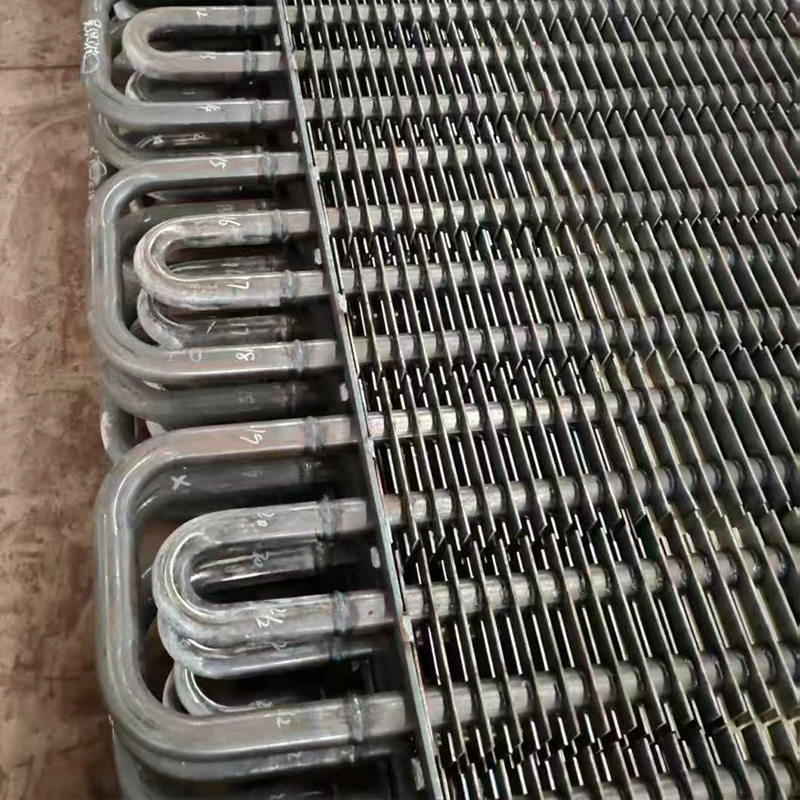
Специализируясь на разработке и производстве теплообменного оборудования высокого давления, компания накопила уникальный опыт работы с титановыми сплавами, никелевыми сплавами (такими как N06625) и特种不锈钢 (специальными нержавеющими сталями). Их продукция, включая титановые кожухотрубные теплообменники и гофрированные трубные пучки из морской латуни C46400, эксплуатируется в агрессивных средах, где требования к коррозионной стойкости и герметичности сопоставимы с имплантируемыми устройствами. Сертификаты PED и ASME, которыми обладает предприятие, подтверждают способность выстраивать процессы контроля качества на уровне, превышающем общепромышленные стандарты.
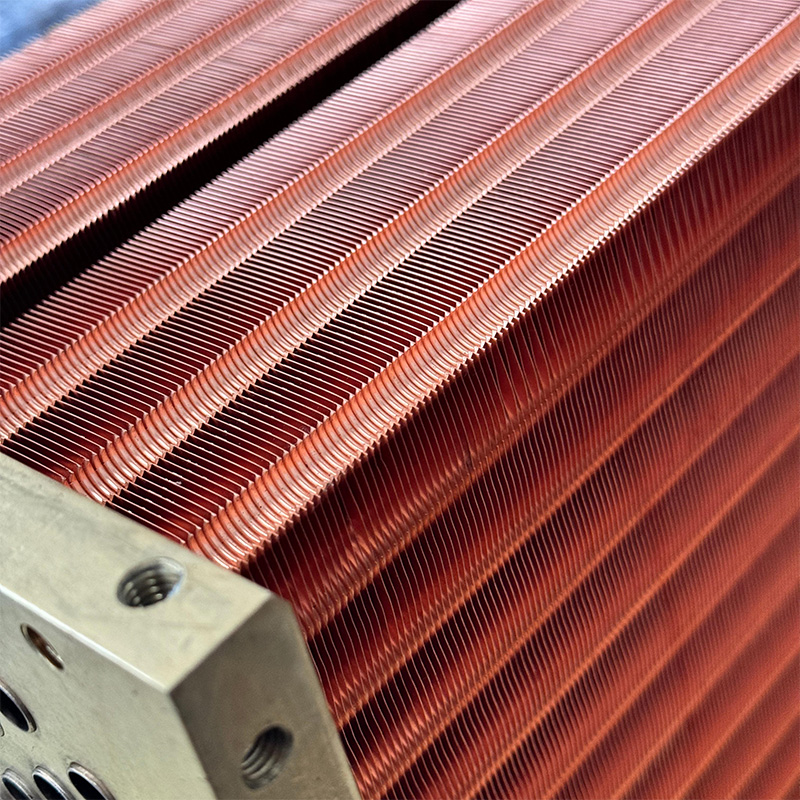
Опыт «Уси Кайшэн» в изготовлении трубных решеток из титана и сплавов меди показывает mastery во влажной металлургии и прецизионной обработке, что напрямую коррелирует с требованиями к чистоте поверхности и отсутствию дефектов в медицинском литье. Способность компании предоставлять индивидуальные решения для глобальных заказчиков в судостроении и опреснении воды говорит о гибкости производства и готовности к сложным инженерным задачам. Для заказчика медицинских имплантатов сотрудничество с таким партнером означает доступ к инфраструктуре, где контроль химического состава, вакуумная плавка и неразрушающий контроль являются повседневной рутиной, а не исключением.
Литьё по выплавляемым моделям для медицинских имплантатов: стандарты — это живой документ, который evolves вместе с технологиями. Соблюдение этих норм требует постоянного обучения персонала, инвестиций в оборудование и честности перед заказчиком. Мы понимаем ответственность, которая лежит на производителях медицинских изделий, и строим свои процессы так, чтобы каждый имплантат спасал жизнь, а не создавал проблемы. Если вы планируете запуск нового продукта или поиск надежного партнера для существующего проекта, наши эксперты готовы провести детальный аудит ваших требований и предложить оптимальное решение.
Не рискуйте репутацией и здоровьем пациентов ради сомнительной экономии. Выберите качество, подтвержденное сертификатами и годами безупречной работы.Contact us todayдля обсуждения вашего проекта и получения коммерческого предложения с подробной спецификацией. Мы также рекомендуем ознакомиться с нашимруководством по выбору сплавов для медицинских изделий, чтобы глубже понять нюансы материаловедения.