
Burnt-wax casting from aluminum alloy
2026-07-30
- Burnt-wax casting technology from aluminum alloy: a complete analysis of the process
- Step-by-step technological process for casting production
- The choice of aluminum alloys and their effect on the properties of the product
- Quality control and typical casting defects
- Economic efficiency and production time
- Application in various industries
- Frequently Asked Questions
- Conclusion and next steps
Burnt-wax casting technology from aluminum alloy: a complete analysis of the process
Burnt-wax casting from an aluminum alloy remains the only industrial method that allows producing parts of complex geometry with a surface roughness of Ra 1.6–3.2 μm without subsequent machining of critical components. Unlike sand or coke casting, this technology eliminates the need for molding cores for internal cavities, as the model simply evaporates under high temperature. We have been working with this process for over 15 years and can say that if your part has thin walls less than 3 mm or complex internal cooling channels, traditional casting methods will lead to defects in 40% of cases, while a lost model guarantees the integrity of the structure.
The key advantage of the method is the possibility of using alloys such as AK7ch (AlSi7Mg) and AK9ch (AlSi9Cu3) to create components operating under high pressure. Dimensional accuracy reaches class CT4-CT5 according to ISO 8062-3, which allows assemblies to be assembled without adjustment. However, many buyers make the mistake of choosing this technology for simple brackets or massive slabs - here the economic efficiency falls due to the high cost of wax equipment. Our practice shows that profitability begins with a batch of 50 pieces for complex parts and from 500 pieces for elements of average complexity.
Step-by-step technological process for casting production
The process begins not with melting metal, but with the creation of a reference master model. An error at this stage is fatal: any deviation in the geometry of the mold will be multiplied by the shrinkage coefficient of aluminum (approximately 1.3% for silumins). We use aluminum or steel molds manufactured on CNC machines with an accuracy of 0.01 mm. For mass production, we recommend using multiple molds, which reduces the cost of one wax model by 35%. It is important to understand: the material of the master model must have a coefficient of thermal expansion as close as possible to the material of the final casting in order to compensate for thermal deformations.
- Making wax models.Molten wax is injected into the mold under a pressure of 4–6 MPa. The wax temperature is strictly controlled in the range of 65–70°C; overheating leads to a change in viscosity and loss of dimensional stability. After cooling, the model is removed and visually inspected for filling defects. At this stage, we often see defects due to the incorrect temperature of the mold - the surface of the wax becomes dull, which signals premature hardening.
- Assembly of clusters (trees).The individual wax patterns are welded to the central gating system using a heated tool. The geometry of the gating system is calculated individually for each part: too narrow channels will cause cold junctions, too wide - excessive consumption of metal and difficulties during cutting. We use special wax rods for joining, which melt at the same temperature as the model itself. Violation of the sprue connection angle by more than 5 degrees creates turbulence in the metal flow during pouring.
- Molding of the ceramic shell.The cluster is immersed in a suspension of a refractory filler (electrocorundum or zircon) and a binder (ethyl silicate or colloidal silica). After each layer, sand is applied. The process is repeated 7–9 times until the shell thickness is 6–8 mm. It is critical to control indoor humidity (no more than 60%) and temperature (20–22°C). If the layer dries too quickly, microcracks will form through which the metal will break through when pouring (“breakthrough”).
- Burning wax and calcining the mold.The finished molds are placed in an autoclave, where steam under a pressure of 0.3–0.5 MPa and a temperature of 160–170°C melts and washes out the wax. The remaining trace is removed by calcination in an oven at 850–950°C for 2–4 hours. This step is critical: insufficient calcination temperature will leave carbonaceous residues that, when in contact with molten aluminum, will cause gas porosity. We require that the mold exits the oven immediately before pouring, maintaining a temperature of at least 600°C.
- Filling and cooling.Molten aluminum alloy (temperature 720–740°C) is poured into a mold under the influence of centrifugal force or vacuum. Vacuum casting is preferable for critical parts, as it reduces the hydrogen content in the metal. The hardening time depends on the weight of the bag: for small parts it is 10–15 minutes, for large parts it is up to an hour. Rapid cooling with water is prohibited - this will cause thermal shock and destruction of the ceramic shell along with the casting.
After cooling, the ceramic shell is broken with a hydraulic hammer or vibration unit. The gating system is separated either mechanically (with a saw) or by electrical erosion if high end accuracy is required. The final operation is shot blasting to remove ceramic residues and improve the appearance of the surface. Remember: even an ideal casting can be rejected at the control stage if the cleanliness of the charge during melting is not maintained.
The choice of aluminum alloys and their effect on the properties of the product
Not all aluminum alloys perform equally well in the investment casting process. The choice of brand is determined by the operating conditions of the finished product. The most common in our practice are silumins - alloys of the Al-Si system. They have excellent fluidity, which is critical for filling thin sections of wax models.
Alloy AK7ch (AL9 according to GOST 1583-93).It is a eutectic alloy with a silicon content of about 7%. It is ideal for sealed housings, pump parts and pressure parts. Due to its fine-grained structure after modification with sodium or strontium, this alloy exhibits high ductility and corrosion resistance. However, its tensile strength is limited to 200–220 MPa. If your part is subject to shock loads, this may not be enough.
Alloy AK9ch (AK9pch).Contains up to 9% silicon and copper additives. The presence of copper increases the strength to 250–280 MPa, but reduces corrosion resistance and complicates the casting process due to the tendency to hot cracks. We recommend this alloy only for parts operating in dry environments or protected by paint coatings. When casting AK9ch, it is necessary to strictly control the cooling rate: rapid solidification leads to segregation of copper and the formation of brittle phases along the grain boundaries.
Alloy AK8ch (AL34).Universal alloy with magnesium and copper additives. It combines good strength (up to 240 MPa) and satisfactory casting fluidity. Often used in the automotive industry for suspension brackets and transmission components. A special feature of this alloy is the possibility of hardening by heat treatment (hardening + aging), which increases the hardness to 90–100 HB. But keep in mind: heat treatment can cause warping of thin-walled parts, so design processing allowances taking into account possible deformations.
When ordering castings, be sure to indicate the required strength class and operating conditions. Using the wrong alloy is the most common cause of premature product failure. For example, an attempt to use AK7ch alloy for a highly loaded lever instead of AK8ch will result in fatigue failure after 50,000 loading cycles instead of the designed 200,000.
Quality control and typical casting defects
Even if all the technology is followed, casting using burnt wax models from an aluminum alloy is subject to specific defects. Understanding their nature allows us to prevent defects at the design stage. The main types of defects can be divided into superficial and internal.
Gas porosity.It looks like rounded cavities inside the metal or on the fracture surface. The reason is the saturation of the melt with hydrogen. Aluminum actively absorbs hydrogen during melting, which is released during crystallization, forming bubbles. Solution: using melt refining with tablets of chlorine-containing salts or purging with an inert gas (argon) before pouring. We are introducing mandatory monitoring of hydrogen content using an express method (density test) before each smelting.
Cold junctions.Lines or seams on the surface of a casting where two streams of metal meet but do not fuse. They occur when the temperature of the mold or metal is low, or when pouring is too slow. Visually they resemble cracks, but do not open under mechanical stress. Combating them requires increasing the pouring temperature to 740–750°C or optimizing the design of the gating system to speed up filling.
Shrinkage shells.Hidden voids in places where mass is concentrated (rib junctions). They are formed due to a violation of the direction of crystallization. The metal hardens unevenly, and the liquid phase in the center does not receive nutrition from the gates. The only way to combat this is to correctly position the refrigerators in the mold and change the geometry of the part (adding technological protrusions to level out the wall thickness).
Ceramic inclusions.Shell particles trapped in metal. Occurs when the mold is destroyed during pouring or due to poor adhesion of the shell layers. Such defects are extremely dangerous, as they act as stress concentrators. We use a multi-layer system with reinforcing mesh in the first layers and finishing layers of pure zircon to prevent contact of the melt with the sand.
Our quality control department uses radiographic inspection (GOST R 50.05.01) to identify internal defects in critical batches. For each batch of castings, we carry out spectral analysis of the chemical composition and mechanical tests of witness samples cast together with the main batch. This allows us to guarantee compliance with the declared characteristics.
| Parameter | Sand casting | Lost wax casting (V-process) | High pressure injection molding (HPDC) |
|---|---|---|---|
| Surface roughness (Ra) | 12.5 – 25 µm | 1.6 – 6.3 µm | 0.8 – 3.2 µm |
| Dimensional accuracy (class) | CT10 – CT12 | CT4–CT6 | CT3 – CT5 |
| Minimum wall thickness | 4 – 5 mm | 1.5 – 2 mm | 0.8 – 1.2 mm |
| Cost of equipment | Low | Medium/High | Very high |
| Design flexibility (undercuts) | Limited (needs rods) | High (model is burned out) | Medium (requires moving parts of the mold) |
| Seriality | Single, small-scale | Small and medium series | Large-scale |
Economic efficiency and production time
Many potential clients mistakenly believe that wax casting from aluminum alloy is always more expensive than other methods. This is only true for mass production of simple parts. For complex components with high added value, this technology often benefits from reduced machining.
Let's consider an example: the production of a gearbox housing with complex internal channels. Sand casting will require the production of 4-5 metal rods, assembly of the mold, and after casting, removal of the rods and deep machining of the channels. The cost of processing can be up to 60% of the price of the finished part. When using a lost model, the channels are formed immediately, and the processing allowance is minimal (1–2 mm instead of 4–5 mm). Savings on metalworking cover the costs of wax and ceramics even with a batch of 100 pieces.
The production time for the first batch (prototype) is usually 15–20 working days. Of these, 5–7 days are spent on developing a 3D model and making a master model on CNC, 3–4 days on creating a pilot wax mold, and 5–7 days on conducting trial melting and obtaining castings. For mass production, the cycle is reduced to 7–10 days, since the main equipment is already ready. We recommend setting aside an additional buffer of 3–5 days for transport logistics and customs clearance for export deliveries.
An important cost factor is the weight of the gating system. In some cases, the weight of the gates exceeds the weight of useful castings by 2–3 times. Cluster optimization makes it possible to reduce metal consumption by 15–20%, which directly affects the price per kilogram of finished products. Our engineers use mold-fill simulation software (Magmasoft or ProCAST) to minimize sprue volume before physically making wax models.
Application in various industries
The technology has found wide application where reliability and accuracy are more important than the price of a kilogram of metal. In the aviation industry, instrument housings, elements of control systems and engine brackets are made from aluminum alloys using lost wax models. The requirements for such parts are regulated by ASTM B26 series standards or Russian GOST R 53472. Even microscopic porosity is unacceptable here, so each batch undergoes 100% X-ray inspection.
In the automotive industry, the method is used to produce turbocharger components, intake manifolds and premium suspension parts. Example: a complexly shaped intake manifold optimized for laminar air flow. Injection molding would not allow this geometry to be made without mold parting lines inside the channel, which would compromise aerodynamics. The lost model gives a monolithic structure with smooth walls, increasing engine efficiency by 2–3%.
The food and pharmaceutical industries also actively use these castings for pumps and valves. Smooth surface (Ra< 1.6 µm after polishing) prevents the accumulation of bacteria and makes cleaning easier. Alloys of the AK7ch type, which do not contain toxic elements (lead, cadmium), are certified for contact with food. We supply such components to manufacturers of beverage filling equipment, where hygiene requirements are particularly stringent.
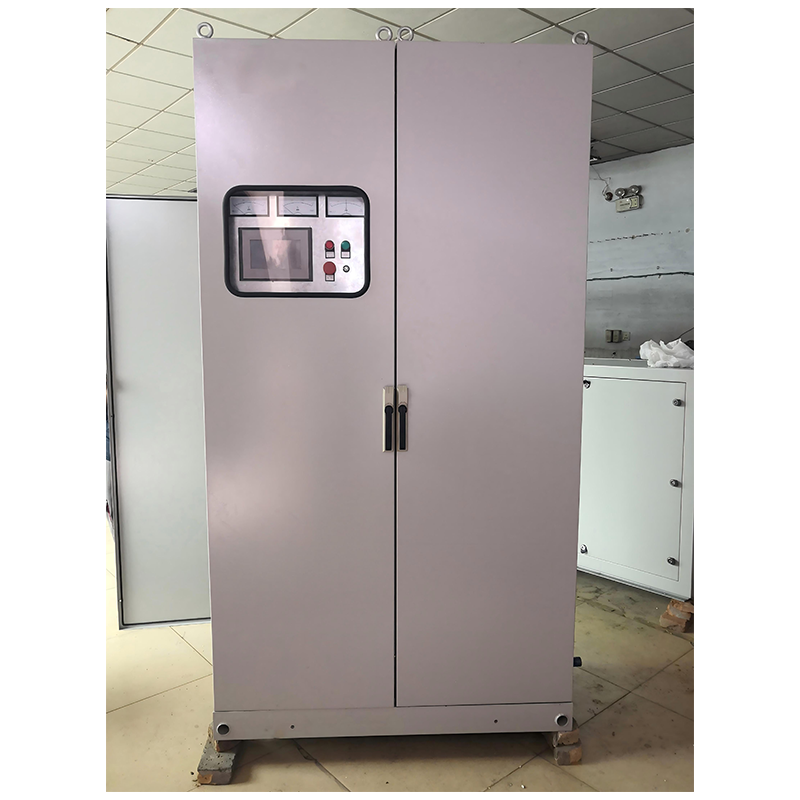
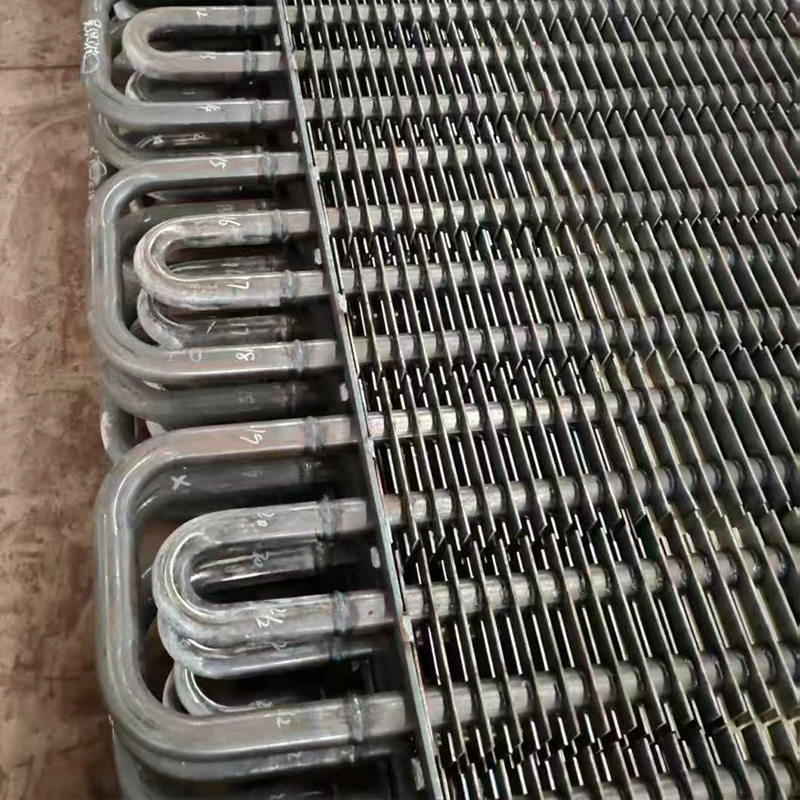
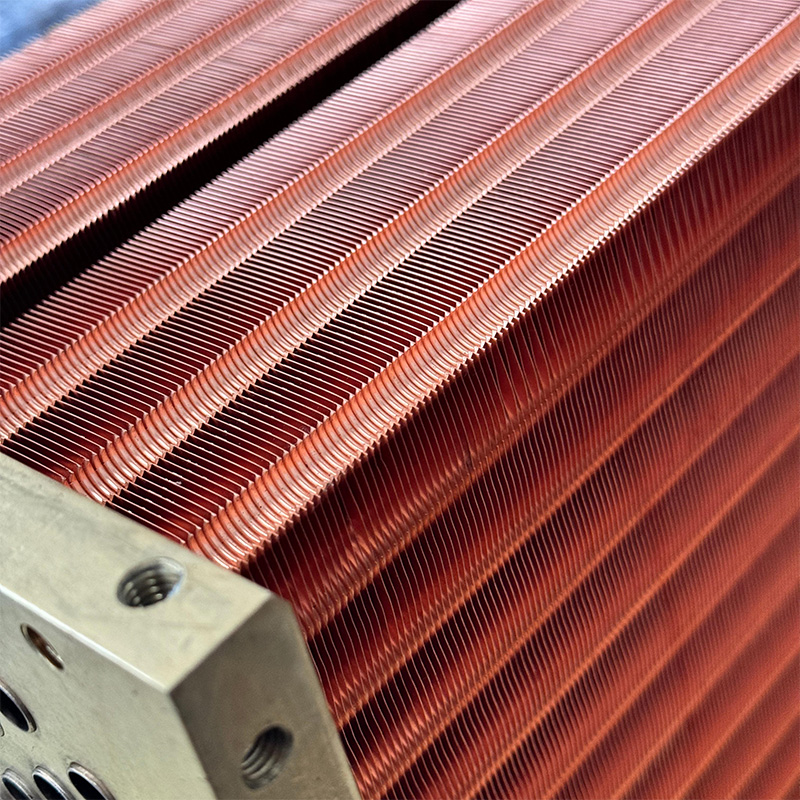
Particular attention should be paid to the energy and petrochemical sectors, where the requirements for equipment are the most stringent. These are the industries the company operates in.Wuxi Kaisheng Electric Power and Petrochemical Equipment Co., Ltd., specializing in the design and manufacture of high-load systems such as titanium shell-and-tube heat exchangers, ASME units and air coolers. Although the primary materials for their products are often stainless steels (316, 321), C46400 marine brass, C70600 copper-nickel alloys, or N06625 nickel alloys, the precision manufacturing and quality control principles used in investment casting are the foundation for creating reliable tube sheets and complex heat transfer equipment assemblies. Wuxi Kaisheng products, certified to PED and ASME standards, demonstrate high corrosion resistance and the ability to operate under extreme pressures and temperatures, which is critical for oil refining, seawater desalination and shipbuilding. The synergy of advanced foundry technologies and experience in the production of power equipment allows us to create customized solutions that ensure the stable operation of industrial facilities around the world.
One of our clients, a medical device manufacturer, encountered a vibration problem in the sensor module holder. The part, manufactured by milling from a single piece, had anisotropy of properties and resonated at certain frequencies. The switch to investment casting made it possible to change the internal grain structure and add damping stiffeners that would have been impossible to machine economically. As a result, vibration levels were reduced by 40%, which extended the life of the sensor.
Frequently Asked Questions
What is the maximum weight of one casting?
It is technologically possible to cast parts weighing up to 50–70 kg, but the economically feasible limit is 10–15 kg. As the mass increases, the risk of shrinkage defects increases sharply and more powerful equipment for melting and pouring is required. For heavy units, we often offer a combined option: the main power elements are welded from several smaller castings.
Is it possible to get a colored casting straight from the furnace?
No. The color of aluminum casting after casting is silver-gray with a possible yellowish tint due to oxides. Decorative coating (anodizing, powder painting) is applied only after mechanical cleaning and degreasing. Burnt wax casting of aluminum alloy provides an excellent base for anodizing due to its high surface finish, but the casting process itself does not change the color of the metal.
What is the minimum order (MOQ) you accept?
For new projects involving the production of a unique mold, the minimum quantity is usually 50 pieces. Это обусловлено амортизацией стоимости оснастки. Если у вас уже есть готовая восковая модель или пресс-форма, мы готовы выполнить заказ от 10 штук, но стоимость единицы продукции будет значительно выше из-за накладных расходов на переналадку линии.
Предоставляете ли вы сертификаты на материал?
Да, к каждой партии отливок мы прилагаем паспорт качества с результатами спектрального анализа и механических испытаний. При необходимости возможно проведение независимой экспертизы в аккредитованных лабораториях. Все наши производственные процессы сертифицированы по ISO 9001, что гарантирует прослеживаемость каждой плавки от шихты до готового изделия.
Conclusion and next steps
Литьё по выжигаемым восковым моделям из алюминиевого сплава — это не просто способ получения заготовки, это инструмент инженерной оптимизации. Оно позволяет объединять несколько деталей в одну, снижать вес конструкции за счет тонких стенок и исключать дорогостоящую механообработку. Однако успех проекта зависит от правильной оценки технологичности конструкции на самом раннем этапе.
Если вы рассматриваете возможность перехода на эту технологию или ищете надежного партнера для существующих проектов, не откладывайте аудит вашей конструкторской документации. Наши инженеры готовы провести бесплатный анализ чертежей и предложить варианты оптимизации под литье, которые сэкономят ваш бюджет в долгосрочной перспективе.
Свяжитесь с нами сего дня для обсуждения вашего проекта. Отправьте нам 3D-модель или чертеж, и в течение 24 часов вы получите предварительный расчет стоимости и сроков изготовления. Мы работаем со стандартами ГОСТ, DIN и ASTM, обеспечивая качество, признанное на глобальном рынке.
Узнайте больше о наших возможностях в разделеуслуги литья алюминияили изучите примеры выполненных работ в нашем портфолио.