
Titanium investment casting: technology and materials
2026-07-28
- Fundamentals of titanium investment casting technology
- Selection of materials: grades of titanium alloys and their properties
- Detailed process analysis
- Typical defects and quality control methods
- Cost-effectiveness and applications
- Frequently Asked Questions
- Conclusion and recommendations for choosing a supplier
Fundamentals of titanium investment casting technology
Titanium investment casting is the only economically viable method for producing complex thin-walled parts from titanium alloys with high geometric accuracy. Unlike mechanical processing, where the metal utilization factor (KIM) often does not exceed 10-15%, this technology allows you to achieve a figure of 60-70%, which is critical when working with expensive raw materials. The process is based on creating a wax copy of the part, forming a ceramic shell around it, removing the wax and then pouring molten titanium in a vacuum.
Our production practice shows that the key success factor here is not just the availability of equipment, but strict control of the melting atmosphere. Titanium is extremely reactive at temperatures above 600°C, reacting with oxygen, nitrogen and hydrogen to form a brittle alpha layer (“alpha layer”). We have encountered situations where a failure of the furnace seal for just a few seconds resulted in the failure of an entire batch of castings costing more than 50,000 euros. Therefore, understanding the physical and chemical processes at each stage is a prerequisite for a buyer planning long-term deliveries.
The technological cycle includes the manufacture of molds for wax models, assembly of blocks, application of ceramic layers, drying, burning of wax material, calcination of molds, induction melting in vacuum furnaces and finishing. Each of these stages is regulated by internal quality standards, which often exceed the requirements of GOST or ISO. For engineers choosing a supplier, it is important to understand that the cost of the process is determined not so much by the material, but by the labor intensity of creating multilayer ceramics and the operating time of expensive vacuum units.
Selection of materials: grades of titanium alloys and their properties
The correct choice of alloy determines not only the mechanical characteristics of the finished product, but also the very possibility of its production by casting. In Russian and international practice, the most popular are technically pure titanium (VT1-00, Grade 1-4) and two-phase alpha-beta alloys (VT6, Ti-6Al-4V / Grade 5). However, the use of each of them has its own technological nuances that must be taken into account at the design stage.
Technically pure titanium is characterized by high corrosion resistance and ductility, but low strength. Its casting is relatively simple because the crystallization interval is narrow, which reduces the risk of hot cracking. We recommend using these grades for chemical equipment, heat exchangers and medical implants where biocompatibility rather than load-bearing capacity is important. For example, a pump housing for pumping aggressive media made from VT1-00 will last 3 times longer than its counterpart made from 316L stainless steel in a hydrochloric acid environment.
VT6 alloy (Ti-6Al-4V) accounts for up to 80% of the entire titanium casting market. It combines high specific strength with good weldability and machinability. However, it is this alloy that is most sensitive to the cooling rate. During rapid cooling, the formation of nonequilibrium structures may occur in the mold, leading to warping of the part. In our practice, there was a case when a client insisted on an accelerated production cycle to reduce delivery times. The result was a batch of valves with residual stresses that resulted in cracking when hydrotested at 20 MPa. This confirms that compliance with the thermal cycle is more important than order fulfillment speed.
For high temperature applications, such as gas turbine engine components, heat-resistant alloys of the Ti-Al system (for example, VT5-1 or intermetallics) are used. Casting such materials requires a special approach to the superheating temperature of the melt and the composition of the ceramic mold in order to avoid reactions at the interface. The cost of such castings can be 2-3 times higher than standard ones, but they make it possible to operate components at temperatures up to 600°C, where aluminum alloys already lose strength and steels become too heavy.
When ordering castings, be sure to indicate the required state of the material after casting: as-cast, annealed or age-hardened. The mechanical properties of the same brand in different states may differ by 30-40%. The ISO 5692 standard regulates the requirements for titanium castings, including acceptable levels of porosity and gas content. The presence of a certificate of compliance with this standard or the Russian GOST R 56496-2015 is the minimum requirement for the supplier.
Detailed process analysis
The investment casting process is a chain of interconnected operations, where an error at any stage makes it impossible to obtain a quality product. Understanding this chain allows the customer to competently draw up technical specifications and evaluate manufacturers’ proposals.
- Manufacturing of metal molds and wax models.At this stage, a negative of the future part is created. The accuracy of the metal mold directly affects the geometry of the wax. It is important to take into account the shrinkage of the wax (usually 0.8-1.2%) and the subsequent shrinkage of the metal during crystallization (for titanium about 1.5-1.8%). The use of low-quality wax or violation of the injection temperature conditions leads to defects in the surface of the model, which will inevitably transfer to the casting. We use high pressure injection molding to ensure dimensional stability.
- Assembling models into blocks and applying a ceramic shell.The wax models are attached to the gating system, forming a “tree”. Then the block is repeatedly immersed in a ceramic suspension and sprinkled with refractory sand (electrocorundum, zircon). The number of layers varies from 6 to 12 depending on the complexity of the part and the required thickness of the mold wall. Violation of the drying technology between layers leads to delamination of the shell or the formation of cracks during pouring. In our practice, we control the humidity in the drying chamber with an accuracy of 2%, since fluctuations in this parameter are a common cause of defects.
- Removing wax (de-waxing) and calcining molds.The block is placed in an autoclave or oven to melt the wax. It is critical to ensure that the wax is completely released from the cavity, otherwise carbon residue may contaminate the metal. After this, the mold is calcined at temperatures of 800-1000°C to remove binders and impart strength. The residual moisture of the mold before pouring should tend to zero, since the interaction of moisture with molten titanium causes explosive vaporization and ejection of metal.
- Vacuum induction melting and pouring.This is the heart of the process. The charge is melted in a water-cooled calcium or copper oxide crucible (cold hearth melting) in a vacuum of no worse than 10^-3 Pa. Pouring is done directly into a heated mold located in the same chamber or in an airlock to prevent contact with air. The temperature of the poured metal usually exceeds the liquidus temperature by 100-150°C to ensure fluidity. Any deviation in vacuum parameters is detected by sensors, and filling is automatically blocked.
- Mold destruction and finishing.After cooling, the ceramic shell is destroyed mechanically or chemically (leaching). The gating system is removed using abrasive wheels or electrical erosion. This is followed by sandblasting, etching to remove the alpha layer and, if necessary, hot isostatic pressing (HIP) to eliminate internal porosity. Final control includes radiography and ultrasonic flaw detection.
Each step requires specialized equipment and qualified personnel. An attempt to save on quality control at intermediate stages invariably leads to increased costs for reworking or disposal of finished products.
Typical defects and quality control methods
Even if all technologies are followed, the risk of defects in titanium casting remains higher than in steel or aluminum casting due to the high reactivity of the metal. The customer must know the main types of defects in order to make informed decisions about product acceptance.
Gas porosity.The most common defect caused by the dissolution of hydrogen, oxygen or nitrogen in the melt. Visually appears as small rounded voids on a macrosection. The permissible level of porosity is regulated by standards (for example, ASTM E2808). Exceeding the standards reduces the fatigue strength of the part by 40-50%. To combat this, we use only the highest grade of charge and degas the crucible before each melt.
Ceramics inclusions.They occur when the mold walls are eroded by a metal flow or the internal layers of the shell are peeled off. Such inclusions are stress concentrators and can lead to brittle fracture of the part under load. Detected by X-ray (RT) or computed tomography (CT) methods. In critical applications (aviation, medicine), the tolerance for such defects is zero.
Underfilled.Complete or partial failure to fill the mold with metal. Causes: low pouring temperature, thin gating system sections or premature solidification. Prevention includes optimizing the gate design using infill simulation software (MagmaSoft, ProCAST) before tooling is manufactured.
Residual alpha layer.The surface layer is enriched with oxygen, which becomes brittle. If it is not removed mechanically or chemically (by etching), it can cause cracks to form during further processing or use. The thickness of this layer is usually 0.1-0.3 mm and must be completely removed.
Our quality control system includes incoming control of raw materials, operational control at each stage and output control of finished products. We provide clients with test reports, including chemical analysis, mechanical test results of witness samples and flaw detection maps. Transparency of this data is the basis of trust in the B2B segment.
Cost-effectiveness and applications
Titanium investment casting is an expensive process, so its use must be economically justified. The main criterion for feasibility is the complexity of the part geometry and the cost of its alternative production.
Baerospace industrythe use of cast titanium components makes it possible to reduce the weight of the structure by 20-30% compared to steel counterparts. For example, replacing a forged bracket with a complex-shaped cast counterpart can reduce the number of mechanical steps from 50 to 5, reducing overall production time from 3 weeks to 4 days. Despite the high cost of 1 kg of casting, the total cost of the finished part is lower due to savings on processing and material.
Bmedical instrument makingthe technology is indispensable for the production of customized implants and surgical instruments. Titanium's biocompatibility and ability to produce complex internal channels make it an ideal material. Here, dimensional accuracy and surface quality are a priority over cost. One of our clients, an endoprosthesis manufacturer, was able to reduce patient recovery time by 15% by using molded porous structures that promote osseointegration.
Chemical engineeringalso actively uses titanium casting for pump bodies, valves and fittings. The corrosion resistance of titanium in environments such as aqua regia or wet chlorine has no analogues among structural metals. The service life of such equipment reaches 15-20 years, which covers the high initial investment. Payback calculations show that replacing a steel valve every 6 months with a titanium valve every 10 years saves a company up to 40% in long-term maintenance costs.
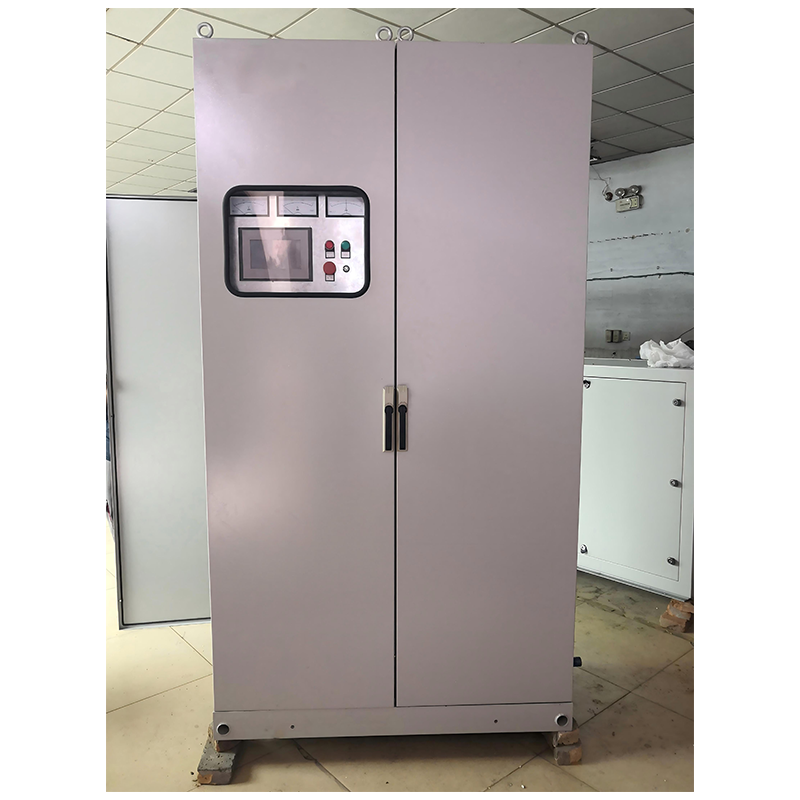
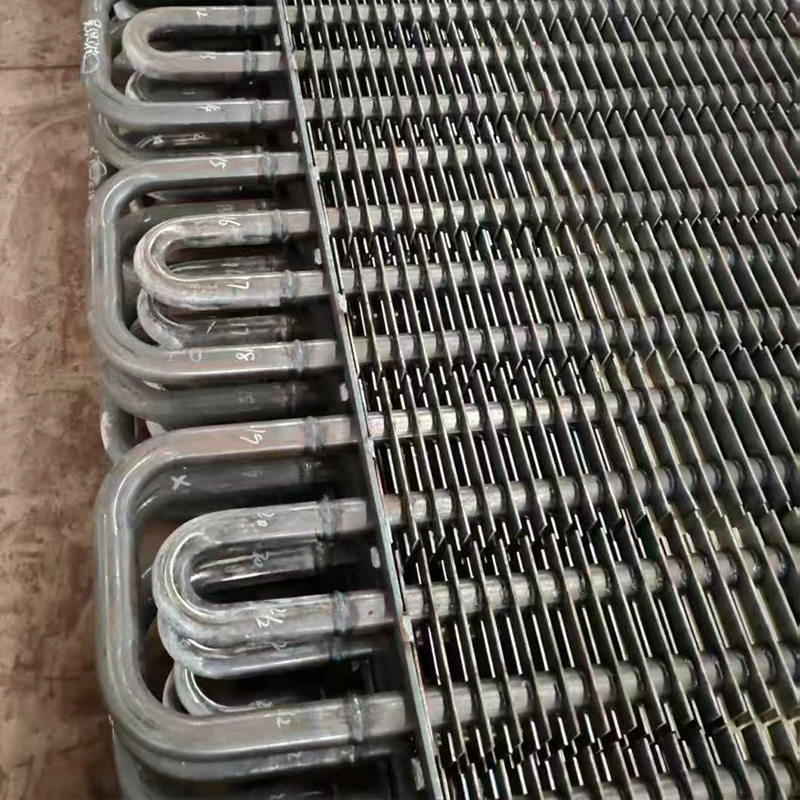
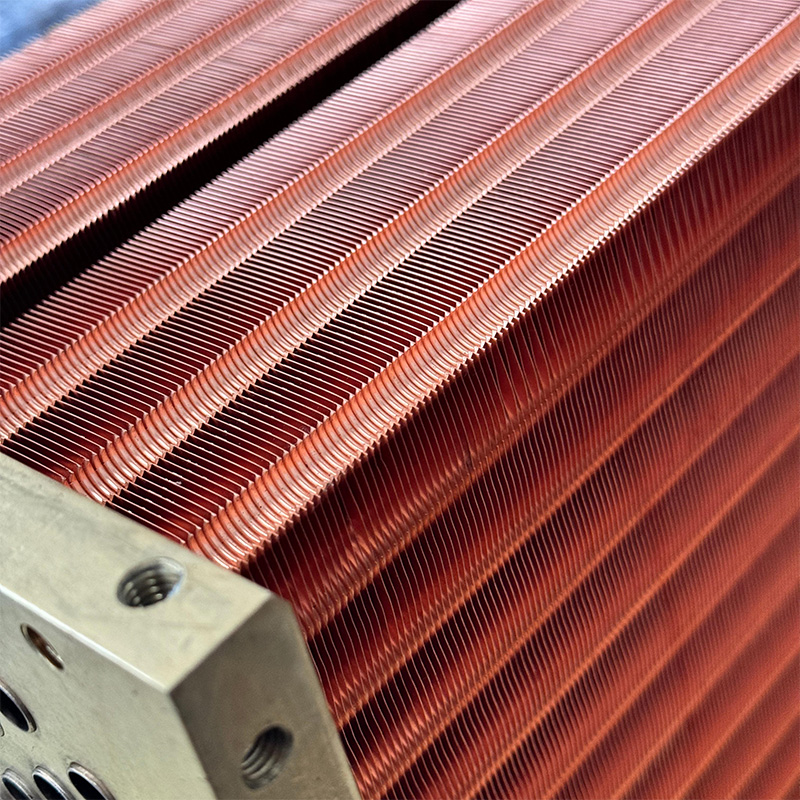
It is in such aggressive environments of the oil refining, petrochemical and energy sectors that the comprehensive solutions offered by the company show their valueWuxi Kaisheng Electric Power and Petrochemical Equipment Co., Ltd.. Specializing in the design and manufacture of high-performance heat transfer and energy equipment, the company successfully integrates advanced materials, including titanium alloys, into its products. The core portfolio includes titanium shell-and-tube heat exchangers, ASME high-pressure units, and tube bundles made from various corrosion-resistant alloys (316/321 stainless steel, C46400 marine brass, copper-nickel alloys, N06625 nickel alloys). Products certified to stringent international PED and ASME standards demonstrate exceptional resistance to high pressures and temperatures, making them indispensable in seawater desalination, shipbuilding and chemical synthesis processes. The company's experience in creating individual solutions confirms that the competent choice of material and its processing technology (whether it be the casting of complex components or the manufacture of pipe systems) is the key to the reliability of the entire industrial facility.
The premium automotive industry is beginning to introduce titanium timing valves and connecting rods to reduce engine inertial mass. Although production volumes are still limited here, the trend toward lighter designs will drive demand for affordable casting technologies.
| Comparison criterion | Lost wax casting | Mechanical processing from rolled products | Hot stamping |
|---|---|---|---|
| Metal Utilization Factor (KIM) | 60-75% | 10-20% | 40-60% |
| Geometry complexity | High (cavities, thin walls) | Limited by tool access | Low (simple forms) |
| Dimensional accuracy (accuracy class) | CT4–CT6 | IT7 – IT9 | IT10 – IT12 |
| Mechanical properties | Close to forging (after GIP) | Anisotropy of properties | Treble (directional structure) |
| Economic efficiency | High for complex serial parts | Beneficial for simple parts in small series | Beneficial only for large series |
| Production preparation time | 4-8 weeks (production of equipment) | 1-2 weeks (CNC programming) | 8-12 weeks (stamps) |
Analysis of the table shows that investment casting occupies a niche between mass stamping and single-piece processing, offering the optimal balance for medium and large series of complex parts.
Frequently Asked Questions
What is the minimum wall thickness for titanium castings?
It is technologically possible to obtain walls with a thickness of 0.5 mm, however, to ensure stable filling of the mold without defects, we recommend designing parts with a minimum wall thickness of at least 1.5-2.0 mm. Reducing the thickness below this value requires a significant increase in pouring temperature and pressure, which increases the risk of metal reaction with the mold and grain growth. In our practice, we successfully cast 0.8 mm walls for medical products, but this required individual development of modes and increased the cost of the batch by 35%.
Can titanium castings be welded?
Yes, most titanium alloys used in casting (especially VT6 and commercially pure titanium) have excellent weldability. However, before welding, it is necessary to remove the surface alpha layer and thoroughly degrease the joint area. Welding should be carried out in a shielding gas environment (high purity argon) with additional local weld protection. Improper edge preparation can result in porosity and cracks in the heat-affected zone. We perform weldability tests on every new batch of alloy to ensure reliable connections.
What is the production time for the first batch of castings?
The full cycle from receiving drawings to delivery of the first samples usually takes 6-8 weeks. This period includes developing a 3D model of the gating system (1 week), making a metal wax mold (3-4 weeks), test casting wax models, applying ceramics and conducting a test melt (2-3 weeks). Reducing this period is only possible through the parallel execution of certain operations or the use of existing standardized equipment, which is rarely applicable for unique parts. Plan purchases with this_lead time_ in mind to avoid production downtime.
Do you guarantee that there is no internal porosity?
It is physically impossible to achieve complete absence of porosity in cast metals, but we ensure that porosity levels meet ASTM E2808 or customer-agreed specifications. Для ответственных деталей мы применяем технологию горячего изостатического прессования (ГИП), которая позволяет закрыть внутренние микропоры и повысить плотность металла до 99.9%. Это подтверждается ультразвуковым контролем и рентгенографией. В договоре мы четко прописываем допустимые размеры и количество дефектов, чтобы исключить разногласия при приемке.
Conclusion and recommendations for choosing a supplier
Литье титана по выплавляемым моделям остается вершиной металлургического мастерства, объединяя древние принципы воскового литья с передовыми вакуумными технологиями. Для промышленных заказчиков это инструмент решения задач, недоступных другим методам производства: создание легких, прочных и коррозионностойких узлов сложной конфигурации.
При выборе партнера обращайте внимание не только на цену килограмма отливки, но и на наличие собственной лаборатории неразрушающего контроля, опыт работы с конкретными марками сплавов и прозрачность технологического процесса. Способность поставщика предложить инженерную поддержку на этапе проектирования (DFM – Design for Manufacturing) часто экономит больше средств, чем прямая скидка на цену. Как показывает опыт компаний вроде ООО «Уси Кайшэн», интеграция глубокой экспертизы в области материаловедения с производственными мощностями позволяет создавать оборудование, работающее десятилетиями в самых суровых условиях.
Мы готовы продемонстрировать наши возможности на реальных примерах, предоставив образцы отливок и отчеты о механических испытаниях. Сотрудничество с нами гарантирует соблюдение сроков, соответствие международным стандартам качества и техническую экспертизу на каждом этапе реализации проекта.
Если ваш проект требует надежных титановых компонен тов, свяжитесь с нашими инженерами для обсуждения технической документации и расчета стоимости.Contact us todayдля получения детального коммерческого предложения и консультации по выбору оптимального сплава для ваших задач.