
Shell and tube heat exchanger 2026: prices, GOST and choice from the factory
2026-04-20
- What is a shell-and-tube heat exchanger: design and principle of operation in 2026
- GOST and regulatory framework: quality requirements in Russia
- Prices for shell-and-tube heat exchanger in 2026: market analysis and cost formation factors
- How to Choose a Shell and Tube Heat Exchanger: A Step-by-Step Guide
- Comparison of shell-and-tube and plate heat exchangers
- Manufacturers and factories: how to choose a reliable supplier
- Operation and maintenance: extending service life
- Frequently asked questions (FAQ)
- Conclusion: An investment in reliability and efficiency
Shell and tube heat exchangeris a reliable device for transferring heat between media, widely used in industry and housing and communal services. In 2026, prices for equipment vary from 45,000 to 1.5 million rubles, depending on the material, surface area and GOST requirements. Choosing the right device directly affects the energy efficiency of the enterprise and the service life of the system.
What is a shell-and-tube heat exchanger: design and principle of operation in 2026
A shell-and-tube heat exchanger is a vessel (casing) inside which a bundle of pipes is located. One working medium flows inside the pipes, and the other flows in the interpipe space, washing the pipes from the outside. Heat is transferred through the pipe wall from a hot medium to a cold medium without mixing them. This is a classic design that remains relevant due to its reliability and ability to operate at high pressures.
In 2026, the design of these devices underwent a number of evolutionary changes. Modern models are equipped with improved flow turbulators, which increases the heat transfer coefficient by 15–20% compared to standard solutions ten years ago. The main design elements are:
- Casing (housing):A cylindrical container, usually made of carbon or stainless steel, that can withstand the operating pressure of the system.
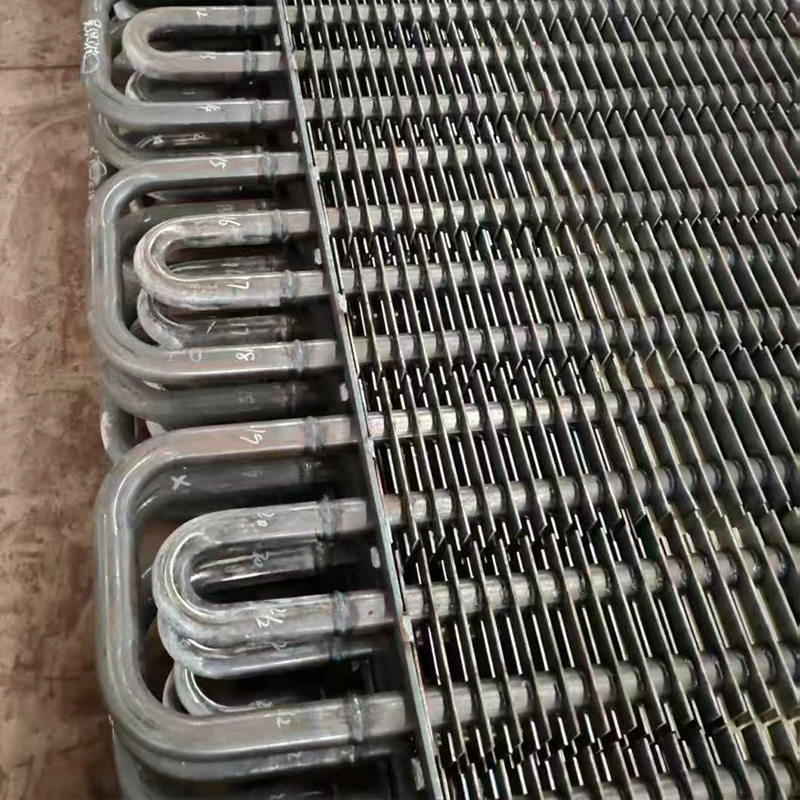
- Pipe system:A bundle of straight or U-shaped pipes secured in tube sheets. The pipe material is selected based on the aggressiveness of the environment (copper, brass, titanium, steel).
- Distribution chambers:They provide supply and removal of coolant, allowing multi-pass flow to be organized to increase efficiency.
- Compensators:Special elements (lens or bellows) that compensate for the thermal expansion of pipes and housing, preventing deformation of the device.
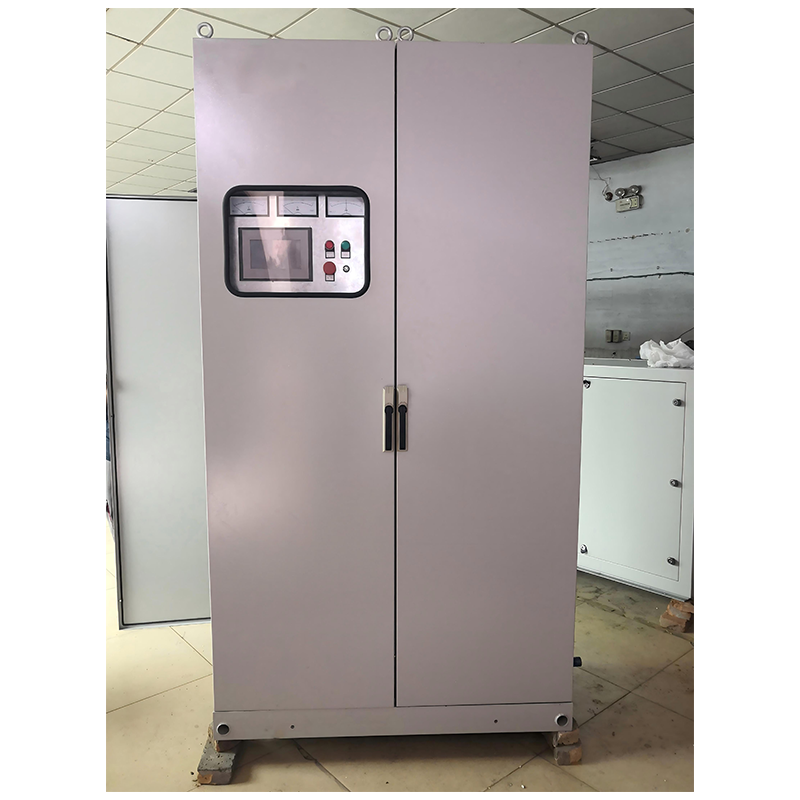
The operating principle is based on the laws of thermodynamics. The efficiency of the process depends on the temperature difference, the speed of movement of the media and the cleanliness of the heat exchange surfaces. In modern automation environments, such heat exchangers are often integrated with pressure and temperature control sensors, which allows operators to monitor the condition of equipment in real time and prevent emergency situations.
GOST and regulatory framework: quality requirements in Russia
Compliance with government standards is critical when selecting and operating equipment. In the Russian Federation, the main document regulating the production of steel welded vessels and apparatus isGOST 34359-2018. This standard replaced the outdated GOST 14246-79 and sets strict requirements for materials, welds, control methods and operating conditions.
The following standards also apply to shell-and-tube heat exchangers:
- GOST R 53676-2009:General technical conditions for heat exchangers.
- GOST 31843-2012:Requirements for pressure vessels (including non-destructive testing methods).
- TU (Technical Conditions):Individual documents from the manufacturer, which may contain more stringent requirements than GOST, especially for specific industries (oil and gas, chemistry).
Compliance with GOST guarantees not only operational safety, but also the durability of the product. Violation of welding technologies or the use of substandard metal can lead to depressurization under high pressure, which can lead to serious accidents. When ordering equipment in 2026, be sure to request a quality passport and a certificate of conformity, which indicates the metal batch numbers and the results of hydraulic tests.
Particular attention is paid to anti-corrosion protection. For aggressive environments, standards require the use of steel grades 08Х18Н10, 12Х18Н10Т or the application of special coatings. Ignoring these requirements in order to reduce the cost of the project often leads to the fact that the heat exchanger fails in 1–2 years instead of the estimated 10–15 years.
Prices for shell-and-tube heat exchanger in 2026: market analysis and cost formation factors
The heat exchange equipment market in 2026 is characterized by high price volatility due to the cost of raw materials (rolled metal) and supply chains. Costshell and tube heat exchangercan vary over a very wide range: from 45,000 rubles for simple household or small-scale industrial models to several million rubles for unique units for oil refining.
Main factors influencing the final price:
- Material:Devices made of carbon steel (St3, St20) are the most affordable. Using stainless steel increases the cost by 40-60%, while using titanium or nickel-based alloys can double or triple the price.
- Heat transfer surface area:The larger the area (measured in m²), the higher the price. The increase in area is achieved due to the length of the pipes or their number in the bundle.
- Working pressure and temperature:Devices designed for pressures above 1.6 MPa or temperatures above 300°C require thicker walls, reinforced flanges and complex engineering, which significantly increases the cost of the design.
- Type of execution:The presence of expansion joints, removable tube bundles (for easy cleaning) or dual-zone designs increases production costs.
- Certification and control:Products that undergo extended quality control (X-ray, ultrasound, hydrotesting under the supervision of Rostechnadzor) are more expensive, but ensure reliability.
Below is an indicative table of prices for popular types of heat exchangers in 2026 (prices do not include VAT and delivery):
| Device type (according to GOST) | Heat transfer area (m²) | Material | Approximate price (RUB) | Scope of application |
|---|---|---|---|---|
| TPO (with fixed gratings) | 10 – 25 | Carbon steel | 45,000 – 85,000 | Heating systems, hot water supply |
| TPO (with fixed gratings) | 50 – 100 | Carbon steel | 120,000 – 250,000 | Industrial refrigeration |
| TPK (with compensator) | 25 – 60 | Stainless steel | 180,000 – 350,000 | Food industry, chemistry |
| TPU (floating head) | 100 – 200 | Combined | 450,000 – 900,000 | Oil and gas sector |
| Specialized (titanium/alloys) | Individually | Titan/Hastelloy | From 1,200,000 | Aggressive acids, sea water |
It is important to note that the prices indicated are average market prices. Manufacturers often offer a flexible system of discounts for bulk orders or long-term service contracts. Also, the cost may decrease if you choose a standard design instead of a custom design.
How to Choose a Shell and Tube Heat Exchanger: A Step-by-Step Guide
Selecting the optimal model is an engineering task that requires taking into account many parameters. An error at the selection stage can lead to underheating of products, excessive energy consumption or rapid equipment failure. Below is a selection algorithm that will help you create a competent technical specification for the plant.
Step 1: Determine Thermal Loads
The first step is to calculate the required thermal power. To do this, we need data on the flow rates of the heating and heated media, their inlet and outlet temperatures. The calculation formula is simple:Q = G × c × (t_out – t_in), where Q is power, G is flow, c is heat capacity. Based on this figure, the heat transfer surface area is selected.
Step 2: Analysis of the properties of working environments
The chemical composition of the media dictates the choice of materials. If one of the environments contains chlorides, ordinary stainless steel may suffer corrosion cracking. For food products, food grade stainless steel with polished internal surface is required. If the environment is contaminated with mechanical impurities, the possibility of easy cleaning should be provided (removable pipe bundle).
Step 3: Selecting the type of construction
Depending on the temperature difference and operating conditions, the type of device is selected:
- With fixed tube sheets:The cheapest and easiest option. Suitable if the temperature difference between the casing and the pipes is small (up to 50°C), otherwise dangerous thermal stresses will occur.
- With lens compensator:Allows you to compensate for thermal expansion during large temperature differences. Optimal price/reliability ratio for most industrial applications.
- Floating head:The tube bundle can move freely inside the casing. Ideal for high pressures and temperatures, as well as when frequent mechanical cleaning of the annulus is required.
- With U-shaped pipes:Compensates for expansion due to the flexibility of the pipes. The design is compact, but the inner surface of the pipes is difficult to clean mechanically.
Step 4: Check the hydraulic resistance
It is necessary to ensure that the pumping equipment can cope with the resistance of the selected heat exchanger. Excessively narrow channels or a large number of strokes will increase resistance, which will require pump replacement and increase operating energy costs.
Comparison of shell-and-tube and plate heat exchangers
Engineers often face the question: which is better - a traditional shell-and-tube apparatus or a modern plate one? Both types have their advantages and disadvantages, and the choice depends on the specific conditions of the task.
| Comparison parameter | Shell and tube heat exchanger | Plate heat exchanger |
|---|---|---|
| Dimensions and weight | Large dimensions, significant weight. Requires more space in the machine room. | Compact, lightweight. Takes up 3-5 times less space with the same power. |
| Working pressure | Withstands very high pressures (up to 10 MPa and above). Ideal for highways. | Limited by the strength of the plates and seals (usually up to 1.6–2.5 MPa). |
| Temperature | Works at extremely high and low temperatures. | Limited by the heat resistance of the rubber seals (typically up to 180–200°C). |
| Environmental pollution | Less sensitive to dirt. Cleaning possible without complete disassembly (in some models). | Sensitive to large particles. High-quality inlet filtration is required. |
| Maintainability | Replacing individual pipes is difficult and often requires welding. Long service life without repair. | Easy replacement of plates and seals. Fast service, but seals require periodic replacement. |
| Cost | Higher initial cost, but lower maintenance costs in harsh environments. | Lower initial cost for small and medium capacities. |
Conclusion:The shell-and-tube heat exchanger is indispensable in heavy industry, energy and systems with high pressure/temperature parameters or contaminated environments. Plate devices are advantageous in heating systems, hot water supply and the food industry, where compactness and high efficiency in clean environments are important.
Manufacturers and factories: how to choose a reliable supplier
The Russian market for heat exchange equipment in 2026 is represented by both large federal plants and small regional enterprises, including international players with advanced technologies. The choice of supplier should be based not only on price, but also on reputation, production capacity and service support.
What to look for when choosing a plant:
- Having our own design bureau:A plant capable of performing thermal and hydraulic calculations for your task will offer a more effective solution than a company working only from a catalog.
- Production base and materials:Availability of modern welding equipment and access to specialized alloys is critical. For example, a companyWuxi Kaisheng Electric Power and Petrochemical Equipment Co., Ltd.demonstrates a high level of competence, specializing in the design and production of equipment made of titanium, C46400 marine brass, copper-nickel alloys and N06625 nickel alloys. Their products, certified to international ASME and PED standards, are ideal for harsh environments in petroleum refining, chemical processing and seawater desalination.
- Licenses and approvals:Check for a Rostekhnadzor license for the manufacture of pressure vessels. Without this document, operation of the device will be illegal.
- Reference list:Request a list of completed projects over the past year. The presence of facilities in your industry (petrochemicals, pulp and paper, housing and communal services) indicates the competence of the manufacturer.
- Warranty:A reliable plant provides a guarantee of at least 12–24 months and is ready to promptly respond to complaints.
Avoid middlemen if you require a custom solution. Working directly with a manufacturer, such as a specialist high-pressure heat exchanger or air cooler manufacturer, allows you to control schedules, make design changes during production, and get a better price.
Operation and maintenance: extending service life
Even the highest qualityshell and tube heat exchangerrequires regular maintenance. The main enemy of efficiency is scale and deposits on heat transfer surfaces. A layer of scale just 1 mm thick can reduce heat transfer efficiency by 10–15%, which leads to excessive consumption of fuel or electricity.
Maintenance recommendations:
- Regular washing:Depending on water quality and operating conditions, perform chemical or hydrodynamic flushing every 6–12 months.
- Leak control:Check flange connections regularly for leaks. Visual inspection and ultrasonic testing will help identify defects at an early stage.
- Anti-corrosion protection:Monitor the condition of the body paint. If damaged, repair it immediately to prevent external corrosion.
- Parameter monitoring:Keep a log of pressure drops and inlet/outlet temperatures. A sharp change in these indicators indicates contamination or malfunction.
Timely maintenance not only maintains high energy efficiency, but also prevents sudden production stops, the savings from which exceed service costs many times over.
Frequently asked questions (FAQ)
What is the service life of a shell and tube heat exchanger?
With proper operation and timely maintenance, the service life of a device made of carbon steel is 10–15 years, and one made of stainless steel – up to 20 years or more. The key factor is the absence of corrosion and adherence to pressure conditions.
Is it possible to make a heat exchanger according to an individual drawing?
Yes, most factories accept orders for production according to individual technical specifications and customer drawings. This is necessary when standard GOST models are not suitable in terms of dimensions, connection dimensions or operating parameters.
How often do the seals in the heat exchanger need to be replaced?
In shell-and-tube devices with fixed grilles, the main seals are located in the flanges of the covers and serve for a long time (5+ years). On floating head units, the packing seals require inspection annually and replacement as they wear out or leak.
What is cheaper: repairing an old heat exchanger or buying a new one?
If the body and tube sheets do not have through corrosion, and the problem is only clogged pipes or minor defects, repairs (plugging pipes, replacing a bundle) will cost 30–50% of the cost of a new device. In case of extensive corrosion of the housing, it is more economically feasible to buy new equipment.
Is a shell and tube heat exchanger used in private homes?
In private homes they are rarely used due to their large dimensions and weight. For individual heating and hot water systems, compact brazed plate heat exchangers are often used. However, in large cottage villages with a central boiler room, small industrial models can be installed.
Conclusion: An investment in reliability and efficiency
Choiceshell and tube heat exchangerin 2026 - this is a strategic decision for any industrial enterprise. Despite the advent of new technologies, this classic design remains the standard for rugged-duty reliability. Correct selection of equipment taking into account GOST, environmental characteristics and economic factors will ensure uninterrupted operation of technological processes for many years.
Do not skimp on the quality of materials and production control. A cheap device that fails after a year will bring losses many times greater than the initial savings. Trust production to trusted factories with licenses and experience, such as manufacturers offering titanium and specialty alloy solutions for extreme conditions. Require complete documentation packages and do not forget about regular service. Only an integrated approach guarantees maximum return on your investment in thermal power equipment.