
terminal box galvanized: anti-corrosion treatment
2026-07-20
- Why does a galvanized terminal box require specific anti-corrosion treatment?
- Enhanced anti-corrosion treatment technologies for industrial environments
- Practical installation experience and typical operating errors
- Economic justification for choosing quality protection
- Conclusion and recommendations for choosing a supplier
Why does a galvanized terminal box require specific anti-corrosion treatment?
Galvanized Terminal Box: Anti-corrosion treatment is not just a factory process, but a critical step that determines the life of equipment in hostile environments. In our practice, we have repeatedly encountered situations where a standard zinc coating with a thickness of 5–7 microns was destroyed after 6 months of operation in a chemical shop or on the sea coast. Simply applying zinc without additional passivation or joint sealing creates the illusion of protection, which disappears upon first contact with condensation or salt fog. Real protection begins where the base layer of zinc ends and the complex barrier system begins.
We have seen projects where engineers skimped on the body finishing stage by relying solely on hot-dip galvanizing. The result was predictable: after a year of operation, pitting corrosion penetrated through the pores of the coating, reached the steel and caused a short circuit inside the box due to rust products getting on the contacts. This cost the customer a shutdown of the conveyor for three days and replacement of the entire batch of switchgear. Therefore, in this article we will analyze not the theory from textbooks, but real technologies for enhancing protection that work in the conditions of the Russian winter, the humid climate of the south or industrial zones with a high sulfur content.
The main mistake is to perceive galvanizing as a self-sufficient solution. Zinc does act as a sacrificial anode, protecting the steel electrochemically, but its lifespan is limited. As soon as the zinc layer thins below a critical value (usually 40–50 microns for the hot method), protection ceases. The task of proper anti-corrosion treatment is to slow down this process tens of times by blocking the access of oxygen and moisture to the metal surface. Below we will take a closer look at the methods that turn an ordinary box into a reliable communication node that can last 20 years without maintenance.
Physics of the process: why zinc is not enough
Hot dip galvanizing (HDG method) produces an excellent coating, but it has an inherent defect - porosity. As the part cools, microscopic channels form in the zinc layer through which moisture can reach the base. If you leave the box in this form, under-film corrosion will begin under the coating, which cannot be visually noticed until paint blisters or rusty streaks appear. That is why a high-quality galvanized terminal box always goes through the stage of chromating or applying conversion layers immediately after leaving the galvanizing bath.
In our laboratory tests, we compared samples with pure zinc and samples that had undergone additional passivation in solutions based on chromium trichloride or modern chromium-free compounds. The difference was shocking: in a salt spray chamber (NSS test), conventional samples showed the first spots of red rust already at 120 hours, while passivated ones withstood more than 720 hours without visible damage. This means that simple chemical surface treatment increases the service life of the product by 6 times without increasing the thickness of the metal layer.
Another nuance that is often ignored by manufacturers in the budget segment is the protection of threaded connections. The bolts, nuts and screws used to assemble the housing and secure the cover are the most vulnerable points. When the thread is tightened, the zinc coating wears off, exposing the steel. If you do not use special lubricants with zinc dust or do not use fasteners with a corrosion resistance class of at least C4 according to ISO 12944, it is around the bolts that destruction will begin. We recommend that you always check the package: if the box contains ordinary black bolts, all the protection of the case becomes meaningless.
It is important to understand the difference between atmospheric corrosion and chemical attack. In a normal urban environment, zinc oxidizes slowly, forming a dense film of zinc carbonate, which itself protects the metal. But in an industrial area where sulfur dioxide or chlorides are present in the air, this film does not have time to form or dissolves. This requires the use of polymer coatings over zinc, creating a physical barrier. Ignoring this factor leads to the fact that equipment declared as “outdoor” fails within one season.
Enhanced anti-corrosion treatment technologies for industrial environments
To ensure durability in extreme conditions, it is not enough to simply buy a galvanized terminal box; it is necessary to choose the correct finishing protection method. Modern industry offers three main ways to enhance protection, each of which has its own limits of applicability and cost. The choice depends on the category of corrosive aggressiveness of the environment, determined according to the ISO 12944 standard or GOST R ISO 12944-2.
The first method is powder painting over zinc (“zinc + polymer” system). This is the most common solution for control cabinets and distribution boxes installed outdoors. The technology involves applying epoxy-polyester powder with a layer of 60–80 microns onto a previously prepared galvanized surface. The key here is adhesion. If the surface has not been properly prepared (for example, phosphating), the paint will peel off due to thermal expansion of the metal in the summer. In our practice, there were cases when cheap Chinese analogues lost their coating after the first cycle of heating to +60°C and cooling to -30°C, opening the way for water to reach the metal.
The second method is to apply liquid polymer compounds or bitumen-polymer mastics to the bottom and internal joints. This approach is relevant for boxes installed in the ground or in areas of constant exposure to splashes (splashes of water with reagents). We often see how installation companies neglect to seal the inlets, relying only on gaskets. However, moisture can penetrate through capillary action along the cable. Treating the inside of the box with a hydrophobic compound creates an additional line of defense. It is important to use compounds that are compatible with the cable insulation to avoid causing it to swell or crack over time.
The third, most advanced method is the use of zinc-filled primers (cold galvanizing) to repair seams and welded joints. Even if the box is made of solid sheet metal, the attachment points for hinges or locks often require local protection. Application of a composition containing more than 90% zinc in the dry residue restores electrochemical protection in places where the base layer is damaged. This is a mandatory procedure for any products that have been machined after galvanizing. Ignoring this step is tantamount to leaving the door open to corrosion.
Separately, it is worth mentioning the Dacromet (Dakromet) or delta coating technology, although it is more often used for fasteners, it is sometimes used for small body parts. This is a coating based on zinc and aluminum flakes, baked at high temperatures. It provides protection class C5-M (very high aggressiveness, marine environment) with a thickness of only 8-10 microns. For critical components in the oil and gas industry, this is the only acceptable option, since traditional paint here quickly degrades under the influence of ultraviolet radiation and salts.
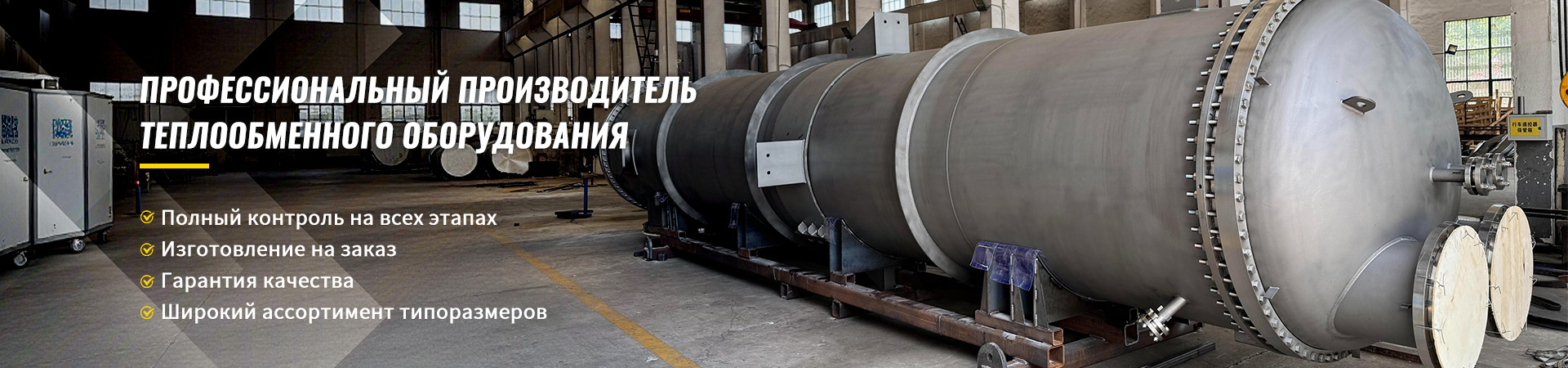
It is in such extreme conditions, where standard solutions are powerless, that the experience of manufacturers specializing in equipment for petrochemicals and energy is critically important. For example, a companyWuxi Kaisheng Electric Power and Petrochemical Equipment Co., Ltd.has accumulated deep expertise in creating components that can withstand the highest loads. Although their core business is in the heat exchange industry (titanium shell and tube, ASME high pressure heat exchangers, 316 stainless steel and N06625 type alloy corrugated tube bundles), the material protection principles they employ directly correlate with the requirements for reliable terminal boxes. Their use of PED and ASME certified materials such as C46400 marine brass, copper-nickel alloys and titanium in seawater desalination and oil refining environments confirms that true corrosion resistance is achieved not by zinc plating alone, but by smart alloy selection and multi-layered protection. This engineering approach, honed in the production of waste heat boilers and air coolers, is the standard for how any equipment operating in aggressive chemical and climatic zones should be designed.
Standards and certification: what to look for when purchasing
When choosing a supplier, it is important to rely not on pretty pictures in the catalog, but on specific numbers from test reports. A reliable manufacturer is always willing to provide reports of salt spray testing of their products in accordance with ASTM B117 or ISO 9227. For conventional galvanizing, the normal indicator is the appearance of white rust (zinc oxidation products) after 200-300 hours, and red rust (corrosion of steel) - no earlier than 500 hours. If you are shown results worse than these values, it means that the technology is broken or the coating thickness is insufficient.
In Russia and the EAEU countries, the key document is the certificate of conformity TR CU 004/2011 “On the safety of low-voltage equipment”. However, this certificate only guarantees electrical safety, not corrosion resistance. Therefore, require additional conclusions from testing laboratories accredited to conduct climate tests. The presence of the IP65 or IP66 marking only indicates protection from dust and water at the time of testing, but does not guarantee the preservation of these properties after 5 years of operation in rain and sun.
Pay attention to the GOST 9.301-86 standard, which regulates the requirements for metallic and non-metallic inorganic coatings. According to this document, the coating must be continuous, without gaps, bubbles or cracks. In practice, this is checked by visual inspection and thickness measurement with a magnetic thickness gauge. When accepting a large batch, we recommend that you selectively check the thickness of zinc in hard-to-reach places - inside corners and on stiffeners, where the layer is usually thinnest due to melt drainage.
The environmental aspect is also important. Old passivation technologies used hexavalent chromium, which is toxic and prohibited by the RoHS directive in Europe. Modern suppliers are switching to trivalent chromium or chromium-free compounds. Although they are slightly inferior in protective properties to the “classic” ones, their use is mandatory for exporting products to the EU. Check with the manufacturer about the type of passivation layer to avoid problems during customs clearance or audit by Western partners.
Practical installation experience and typical operating errors
Even the most advanced anti-corrosion treatment will be useless if the installation is carried out incorrectly. In our engineering practice, we have identified five critical mistakes that 80% of installation teams make, nullifying all the efforts of the manufacturer. The first and most common mistake is damage to the coating during transportation and unpacking. Rough handling, dropping boxes from a height or dragging them on concrete leaves deep scratches down to the metal. Such damage must be immediately painted over with special repair compounds, and not left “as is,” hoping that it will “heal on its own.”
The second mistake is the wrong choice of seals. Often, along with a galvanized body, low-quality rubber gaskets are used, which harden in the cold or spread in the heat. This breaks the tightness of the joint between the lid and the base. Moisture gets inside, condenses on the cold metal walls and flows onto the terminals. The solution is simple: use silicone or EPDM rubber seals, which remain elastic in the range from -50°C to +120°C. Check for a certificate for the sealant material, especially if the facility is located in northern latitudes.
The third problem concerns cable entries. Installers are often too lazy to tighten the seals to the required torque or use inappropriate diameters, leaving gaps. As a result, water flows inside along the cable sheath. The correct technology involves the use of sealing tapes or heat-shrink sleeves at the cable entry into the box. In addition, the cable should enter the box from the bottom or sides, but never from the top, to prevent direct flow of water inside when it rains. If it is structurally impossible to avoid the top entry, be sure to make a drip loop before entering the gland.
The fourth mistake is the lack of ventilation or drainage in closed spaces. In a sealed box, condensation forms when temperatures change. If water has nowhere to go, it accumulates at the bottom, causing corrosion of the lower elements. For outdoor cabinets, it is recommended to install breathing valves with a membrane that allows air to pass through but retains water, or to make a drainage hole at the lowest point of the cabinet, covered with an insect net. We have seen cases where the accumulation of 200 ml of water inside a small box led to a complete failure of the automation system.
The fifth point is ignoring the galvanic couple. Do not directly connect copper bars or aluminum cables to galvanized steel without the use of adapter washers or lubricants. In the presence of an electrolyte (moisture), an electrochemical reaction occurs where the zinc or steel begins to degrade at an accelerated rate. Always use tinned washers or special contact pastes that prevent direct contact between dissimilar metals. Every electrician knows this rule, but in practice it is neglected for the sake of installation speed.
Comparative analysis of protection methods in different environments
| Operating environment | Recommended Coverage | Minimum zinc thickness | Additional measures | Expected service life |
|---|---|---|---|---|
| Dry heated rooms (C1-C2) | Electrolytic galvanizing (white or yellow) | 5–7 µm | None | 15–20 years |
| Urban atmosphere, temperate climate (C3) | Hot-dip galvanizing + powder painting | 45–55 µm | Sealing joints with silicone | 20–25 years |
| Industrial area, high humidity (C4) | Hot-dip galvanizing + epoxy primer + polyurethane | 60–70 µm | Breathing valves, drainage | 15–20 years |
| Sea coast, offshore (C5-M) | Duplex system (HDG + thick paint) or Dacromet | 80–100 µm | A4 stainless steel fasteners, fully sealed | 10–15 years (until the first maintenance) |
| Chemical production (CX) | Specialized fluoropolymer coatings over zinc | Individual calculation | Frequent monitoring, fresh water flushing | Depends on the concentration of reagents |
Analyzing this table, it is clear that there is no universal solution. An attempt to save money and place a box with electrogalvanic zinc on the street in an industrial area will lead to its destruction in 2-3 years. On the other hand, paying extra for a C5-M system for installation in a dry warehouse is a waste of money. The correct selection of protection begins with an audit of the area. Measure the distance to the sea, assess the presence of sources of chemical emissions and the average annual temperature. Only based on this data can you choose the optimal configuration.
Interesting fact: in some cases it is more profitable to buy a box made of AISI 304 stainless steel than to try to protect galvanized steel in a super-aggressive environment. The threshold for economic feasibility is usually in the corrosivity zone C5. If the design life of painted galvanized steel is less than 7 years, switching to stainless steel becomes justifiable from a TCO (total cost of ownership) perspective, taking into account replacement costs and equipment downtime.
Economic justification for choosing quality protection
Many buyers look only at the unit price on the price list, ignoring the life cycle cost. A cheaply processed galvanized terminal box may cost 30% less than its premium counterpart, but replacing it after 3 years will cost 300% of the original price. This includes the cost of a new box, the work of the field team, transportation costs and, most importantly, losses from production downtime. In one of our cases, the client lost 2 million rubles due to the failure of one cheap pumping station control cabinet, which rusted through and through after the first spring.
The calculation is simple: if a facility is built for 20 years, and the equipment requires replacement every 5 years, you buy it 4 times. Plus the risk of accidents. Инвестиция в качественную антикоррозийную обработку на этапе закупки окупается за счет отсутствия необходимости в планово-предупредительных ремонтах (ППР). Вам не нужно ежегодно красить шкафы, менять уплотнители и чистить контакты от окислов. Вы просто монтируете оборудование и забываете о нем до конца срока службы объекта.
Кроме того, репутационные риски для подрядчика огромны. Если вы сдали объект, а через год фасады украшают ржавые подтеки от распределительных коробок, заказчик вряд ли захочет работать с вами снова. В тендерах все чаще прописывают жесткие требования к классу коррозионной стойкости и требуют предоставления образцов или актов испытаний. Экономия на качестве сегодня может закрыть вам доступ к крупным проектам завтра.
Также стоит учитывать стоимость утилизации. Оцинкованные изделия с полимерным покрытием сложнее перерабатывать, чем чистый металл, но современные технологии позволяют разделять эти слои. Однако если коробка полностью проржавела и рассыпалась, она становится опасным отходом, требующим специальных условий вывоза. Долговечное изделие снижает нагрузку на экологию и упрощает процедуру списания активов в конце срока эксплуатации.
Frequently Asked Questions
Можно ли самостоятельно оцинковать клеммную коробку в гаражных условиях?
Нет, это невозможно сделать качественно. Горячее цинкование требует ванны с расплавом цинка при температуре 450°C и строгого контроля химического состава флюса. Холодное цинкование (краской с цинком) можно нанести кистью, но оно служит только как ремонтный состав для мелких повреждений и не заменит заводское покрытие на всем изделии. Попытка самостоятельной обработки приведет к неравномерному слою и быстрой отслойке.
How to distinguish hot-dip galvanizing from electrogalvanic visually?
Горячее цинкование имеет характерный блестящий, слегка кристаллический узор (“снежинки”) и более толстый, матовый слой серого цвета. Электрогалваническое покрытие очень гладкое, блестящее, часто имеет радужный оттенок (если есть пассивация) и выглядит как тонкая пленка. Также можно проверить магнитом: слой горячего цинка толще, поэтому магнитное притяжение будет слабее, но для точности лучше использовать толщиномер.
Что делать, если на новой коробке уже есть белые пятна?
Белые пятна — это “белая ржавчина”, продукт окисления цинка. Она не опасна для несущей способности стали, но сигнализирует о том, что цинк расходуется. Если пятна свежие и поверхностные, их можно удалить жесткой щеткой и покрыть место прозрачным консервационным лаком или цинкосодержащим спреем. Если под пятнами виден черный или красный металл — это серьезное повреждение, требующее зачистки до металла и восстановления покрытия по технологии.
Влияет ли цвет порошковой покраски на коррозионную стойкость?
Да, влияет. Темные цвета (черный, темно-синий, зеленый) сильнее нагреваются на солнце, что приводит к большему термическому расширению металла и нагрузке на слой краски. Светлые тона (белый, бежевый, светло-серый) отражают больше УФ-лучей и меньше греются, продлевая жизнь полимерному покрытию. Для южных регионов мы настоятельно рекомендуем выбирать светлые оттенки RAL.
Нужно ли заземлять оцинкованную коробку?
Necessarily. Несмотря на наличие цинкового покрытия, корпус является проводником и должен быть включен в систему уравнивания потенциалов. Цинк улучшает контакт, но не отменяет требований ПУЭ. Используйте специальные винты заземления с маркировкой и не забудьте зачистить место контакта от краски до металла перед подключением провода.
Conclusion and recommendations for choosing a supplier
Подводя итог, можно сказать, что оцинкованная клеммная коробка, антикоррозийная обработка которой выполнена с соблюдением всех технологических нюансов, является фундаментом надежности любой энергосистемы. Не позволяйте маркетинговым уловкам ввести вас в заблуждение: толщина слоя, тип пассивации и качество финишного покрытия важнее бренда или низкой цены. Request test reports from suppliers, check the thickness of the coating with a device and pay attention to little things like the quality of fasteners and seals.
Мы рекомендуем при заказе крупных партий запрашивать образцы и проводить их независимую экспертизу в аккредитованной лаборатории. Потратив неделю на проверку сейчас, вы сэкономите годы нервов и миллионы рублей в будущем. Помните, что коррозия не прощает ошибок, и цена исправления всегда выше цены профилактики.
Если вы ищете надежного партнера для поставки электротехнического оборудования с гарантированной защитой от коррозии,contact us today. Наши эксперты помогут подобрать оптимальное решение под ваши задачи, основываясь на реальном опыте эксплуатации в самых суровых климатических зонах. Мы не просто продаем коробки, мы обеспечиваем безопасность вашего бизнеса.
Для получения дополнительной информации о стандартах защиты и технических характеристиках наших изделий, посетите разделкаталог корпусов и шкафов, где представлены подробные спецификации и сертификаты соответствия.