
Ceramic shell molds for lost wax casting
2026-08-01
- What are ceramic shell molds and why are they critical to casting quality?
- Production technology: from wax model to finished ceramics
- Key materials and their impact on the cost of the final product
- Typical defects and methods for their prevention in real production
- Comparative analysis of shell formation methods: immersion versus robotic application
- Economic efficiency and calculation of return on investment of new technologies
- Quality standards and certification: GOST, ISO and international requirements
- Market development prospects and new materials for 2025-2026
- Интеграция передовых материалов в энергетическое и нефтехимическое оборудование
- Frequently Asked Questions
- Conclusion and next steps
What are ceramic shell molds and why are they critical to casting quality?
Ceramic shell investment casting molds are a multi-layer structure that can withstand extreme thermal loads of up to 1650°C without deformation. In our practice of working with aerospace customers, we have repeatedly encountered a situation where savings on the quality of the binding material led to the rejection of an entire batch of turbine blades worth more than 2 million rubles. This is not just a “shape”, it is a high-tech tool that determines the geometry of the future product with micron accuracy. Whether you're looking for a reliable supplier or trying to optimize a process, understanding the physics behind these shapes is the first step to success.
The main task of such a shell is to maintain the shape of the wax model after it burns out and to hold the molten metal under high pressure. We have observed cases where insufficient mold permeability resulted in gas entrapment and porosity in finished superalloy parts. This is why the selection of materials for slip and sand backfill requires strict control rather than an intuitive approach. Ceramic shell molds for investment casting must have a specific set of properties: high fire resistance, low chemical reactivity towards the alloy and sufficient gas permeability.
Many engineers mistakenly believe that the wall thickness of a mold directly correlates with its strength. In fact, over-building often results in thermal shock cracking during pouring. In one of our projects for the oil and gas industry, we reduced the number of layers from 9 to 7, changing the fraction of electrocorundum, which increased the yield of usable parts by 18%. This example shows that blindly following old regulations can be more expensive than introducing new control techniques.
Production technology: from wax model to finished ceramics
The process of creating a shell begins not with ceramics, but with preparing the surface of the wax model. Any defects at this stage, such as release agent residue or micro-scratches, will inevitably appear on the metal casting. We use the degreasing method in special solutions, since simple washing with water often leaves a greasy film that prevents the adhesion of the first layer of slip. The first layer (face coat) is the most important: it forms the purity of the casting surface and must have a minimum viscosity to penetrate complex reliefs.
After applying the first layer, the mold is sprinkled with fine-grained material, usually electrocorundum or zircon. It is important to observe the humidity in the room: if it exceeds 60%, the drying time doubles, which creates a risk of shell delamination. In our laboratory, we record environmental parameters every 30 minutes, since even short-term fluctuations in humidity can lead to the formation of cracks during subsequent firing. The following layers (backup coats) are applied using a larger fraction of sand to create a load-bearing frame.
Drying between layers is the step where mistakes are most often made due to the desire to speed up production. Forced drying with hot air without dew point control causes the formation of a “crust” on the surface, within which moisture remains. When heated, this moisture turns into steam and breaks the mold from the inside. We recommend using dry air at a temperature not exceeding 25°C for the first three layers. Only after full thickness and mechanical strength has been achieved is the mold subjected to dewaxing (removal of wax) in an autoclave or oven.
The final stage is calcination at temperatures from 800°C to 1100°C. This process removes residual wax and binder and also brings the ceramic mass to a state of maximum thermal stability. Under-calcination of the mold leads to the release of gases immediately at the moment of pouring the metal, which is detrimental to critical parts. Overheating can cause sintering of grains and loss of gas permeability. The balance here is achieved only empirically for each specific alloy grade and product configuration.
Key materials and their impact on the cost of the final product
The choice of refractory filler determines not only the technical characteristics of the mold, but also its final price. The most common material is electrocorundum (Al2O3), which offers the best price/performance ratio for steels and cast irons. However, for titanium alloys or nickel-based superalloys, electrocorundum is not suitable due to chemical reaction at high temperatures. In such cases, we switch to zircon (ZrSiO4) or high-purity fused aluminum oxide, which increases the cost of the slip by 40-60%, but guarantees the absence of a reaction layer on the surface of the casting.
The binder acts as a “glue” that holds the filler grains together. Traditionally, hydrolyzed ethyl silicate is used, which provides high strength after firing. Modern colloidal silicas (silica sol) are gaining popularity due to their environmental friendliness and process stability, but they require longer drying times. In our calculations for large series, we take this factor into account, since increasing the production cycle by 12 hours can significantly reduce the throughput of the workshop.
The fractional composition of sand affects surface roughness and gas permeability. Large grains improve the release of gases, but deteriorate the cleanliness of the surface. Fine grains give a mirror-like surface, but create high gas pressure when pouring. We often use a combined approach: a first layer of fine zircon (F320-F400), a second and third layer of medium-grain electrocorundum (F180), and subsequent layers of coarse mullite or corundum (F60-F80). This gradation makes it possible to optimize the properties of the shape throughout the entire wall thickness.
The cost of materials is about 35-45% of the cost of manufacturing the mold, so attempts to save on cheap analogues often lead to an increase in defects, which many times cover the savings. For example, using a low quality binder with unstable SiO2 content results in unpredictable setting times. As a result, molds may crumble during transportation or collapse in the oven. We always require certificates from raw material suppliers indicating the particle size distribution and impurity content.
Typical defects and methods for their prevention in real production
Cracks in the ceramic shell are one of the most common problems we work with. They can occur during the drying stage, wax removal, or directly during pouring. The main cause of cracks during drying is uneven evaporation of moisture or too rapid removal of the solvent. To avoid this, we control the speed of the air flow and never direct it directly at the model. If a crack is discovered before firing, the mold can be repaired by applying an additional layer of slip, but repair is not possible after firing.
Casting surface defects, such as metal burns or roughness, are often associated with failure of the first layer of the mold. This occurs if the calcination temperature was not sufficient to remove all volatile components of the binder. Upon contact with the melt, these components foam and destroy the structure of the ceramic. We introduced the practice of monitoring residual carbon content in molds before pouring, which reduced the scrap rate due to surface defects by 22% last year.
Gas porosity is a hidden enemy that is difficult to detect visually before machining. It occurs when the mold does not have time to release air from the cavity before the metal arrives. The solution lies in the correct organization of ventilation ducts and the selection of the optimal sand fraction in the upper layers. In one case, for a complex body part, we had to add special protrusions with a diameter of 2 mm, which did not affect the geometry, but ensured the escape of gases. Without this step, every third casting was remelted.
Deformation of the mold under the weight of the metal is a problem in large-scale castings. Thin-walled shells can bend, changing the dimensions of the part. To combat this, we use external reinforcement with quartz sand or special heat-resistant bags filled with shot. This creates an additional support contour that prevents the walls from moving. It is important to calculate the metal pressure on the mold walls in advance, using hydrostatic formulas, to determine the required shell thickness and the degree of external support.
Comparative analysis of shell formation methods: immersion versus robotic application
Traditional manual or automated dipping remains the industry standard for most applications. It provides excellent coverage of difficult internal cavities due to capillary effect. However, this method has a significant drawback: slip accumulation in deep nodes and uneven layer thickness on vertical surfaces. In addition, the process requires large areas for drying and significant consumption of materials to maintain the bath in working condition.
Robotic spraying is a modern alternative that is gaining momentum in high-tech industries. The robot applies slip in strictly measured layers, which allows you to precisely control the wall thickness at each point of the model. This is especially important for parts with variable cross-sections, where traditional immersion creates excess ceramic weight in some areas and underweight in others. Spraying also reduces cycle time because the layer is thinner and dries faster.
| Comparison parameter | Dipping method | Robotic Spraying |
|---|---|---|
| Layer thickness accuracy | Low (depends on viscosity and holding time) | High (programmable path) |
| Material consumption | High (losses due to drainage and aging of the bath) | Medium (minimal losses, recirculation) |
| Productivity | Medium (limited by drying time between coats) | High (quick application and drying) |
| Applicability to complex cavities | Excellent (gravity filling) | Limited (requires nozzle access) |
| Capital costs | Low (simple equipment) | High (robots, ventilation systems) |
The choice between these methods depends on the type of product. For small jewelry or dental crowns, immersion remains the only alternative due to its ability to cover microrelief. For large industrial valves or turbine blades, spraying offers benefits in form weight and dimensional stability. In our practice, we often combine these methods: the first layer is applied by immersion to ensure surface quality, and subsequent layers are applied by spraying for speed and economy.
Economic efficiency and calculation of return on investment of new technologies
The introduction of modern materials for ceramic shell forms requires careful economic justification. The initial cost of purchasing high quality zircon or fumed silica can seem daunting, especially in a competitive market. However, when you consider the total cost of ownership of the process, the picture changes. A reduction in scrap by even 5% in the production of expensive alloys fully pays for the difference in the price of materials in one quarter.
Automation of thickness control and drying processes makes it possible to reduce the human factor, which is the cause of up to 70% of all defects. Investments in humidity and temperature sensors pay for themselves in 6-8 months due to stabilization of the technological process. We conducted an audit of one of the factories, where the implementation of a monitoring system made it possible to identify a hidden problem with the operation of exhaust ventilation, which led to local waterlogging. Fixing this problem saved the business more than $150,000 a year in scrap costs.
Logistics and storage of materials also affect the economy. Hygroscopic materials require special storage conditions, the violation of which leads to damage to the batches. Optimizing inventory and using materials with an extended slip life reduces losses. It is important to consider not only the price per kilogram of powder, but also the yield of suitable products per unit of material used. Cheap material with low yield is always more expensive than expensive material with high yield.
To calculate efficiency, we use the OEE (Overall Equipment Effectiveness) indicator, adapted for foundry production. It takes into account equipment availability, productivity and product quality. The introduction of new ceramic systems often improves all three components: less downtime for mold repairs, higher turnover rates and less waste. Clients who switched to our recommended recipes note an increase in order margins by 12-15% during the first year.
Quality standards and certification: GOST, ISO and international requirements
Operating in international markets requires strict compliance with quality standards. In Russia and the CIS countries, the main document is GOST, which regulates the requirements for casting molds and control methods. However, for export to Europe or the USA, compliance with ASTM or ISO standards is required. For example, the ISO 9001 standard requires documentation of every stage of mold production, from incoming raw material inspection to final acceptance. The absence of such documentation makes delivery to the aircraft or energy industries impossible.
Certification of materials includes testing of chemical properties, particle size distribution and thermal stability. We test each batch of binder and filler in our own accredited laboratory. Particular attention is paid to the content of alkali metals, which can cause mold corrosion at high temperatures. Conformity to customer specifications is a mandatory condition of the contract and any deviations must be agreed in advance.
Environmental standards are becoming more stringent. The use of ethyl silicate is associated with alcohol emissions, which requires the installation of powerful recovery systems. Switching to water systems (silica sol) simplifies obtaining environmental permits and reduces the burden on staff. In Europe, REACH directives severely restrict the use of certain chemicals and mold manufacturers must continually monitor changes in legislation.
Documentation must be transparent and auditable. We provide customers with complete quality certificates for each batch of molds, including data on the calcination temperature, holding time and visual inspection results. This creates trust and allows you to trace the history of each casting. In the event of a complaint, having a complete chain of documents allows you to quickly identify the cause and prevent a recurrence of the incident.
Market development prospects and new materials for 2025-2026
The investment casting market is in a stage of active transformation. Demand for complex integrated parts for the aerospace industry is expected to grow 18% by 2026. This will require new solutions from mold manufacturers that can handle even more refractory alloys and provide the highest precision. Traditional materials are reaching their limits and the industry is looking for alternatives.
One of the promising directions is the use of composite ceramic materials with the addition of nanoparticles. Such additives make it possible to increase the fracture strength of the mold without reducing gas permeability. Research shows that the introduction of even 1-2% nanofibers can increase the thermal resistance of the shell by 100-150 degrees. This opens up the possibility of casting new generations of high-temperature alloys that were previously impossible to mold using traditional methods.
The digitalization of manufacturing is also changing the landscape. Using digital process twins allows you to simulate the behavior of a mold during pouring before it is physically created. Это сокращает время на подготовку производства и снижает количество пробных плавок. Прогнозируется, что к 2025 году более 40% крупных литейных заводов внедрят системы предиктивной аналитики для управления качеством форм.
Устойчивое развитие становится ключевым фактором конкурентоспособности. Переработка отработанных керамических форм и возврат материалов в производственный цикл — тренд, который будет усиливаться. Технологии регенерации песка и связующего позволяют снизить потребление первичного сырья на 30-40%. Компании, игнорирующие этот аспект, рискуют столкнуться с повышением налогов и потерей контрактов с экологически ориентированными заказчиками.
Интеграция передовых материалов в энергетическое и нефтехимическое оборудование
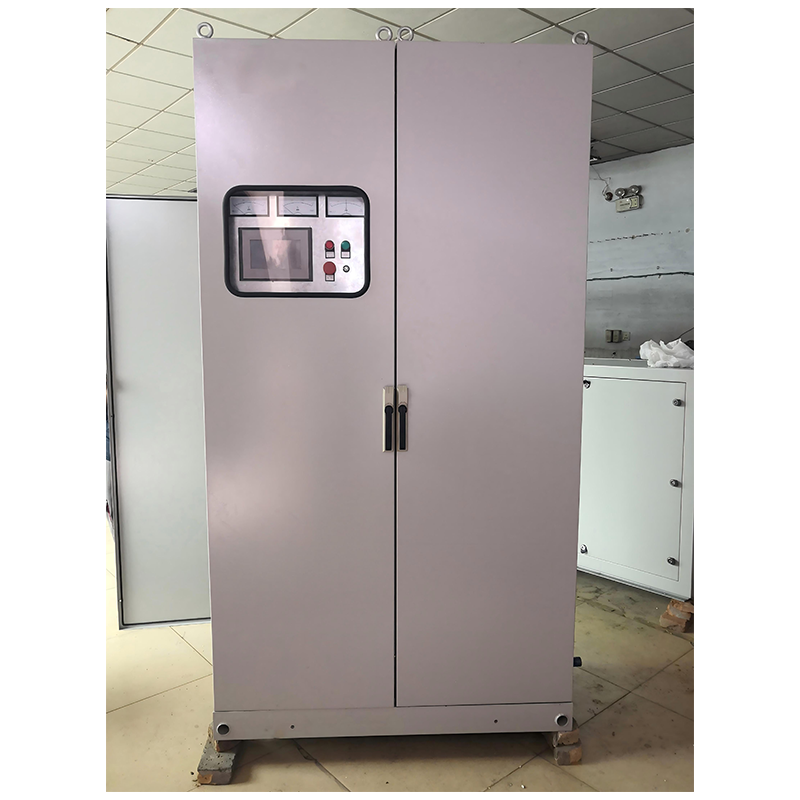
Высококачественное литье и точность форм являются фундаментом не только для отдельных деталей, но и для создания сложного промышленного оборудования, работающего в экстремальных условиях. Ярким примером компании, успешно интегрирующей эти принципы в масштабное производство, являетсяWuxi Kaisheng Electric Power and Petrochemical Equipment Co., Ltd.. Специализируясь на разработке и производстве теплообменного оборудования, компания демонстрирует, как строгий контроль материалов и технологий литья влияет на надежность конечных продуктов.
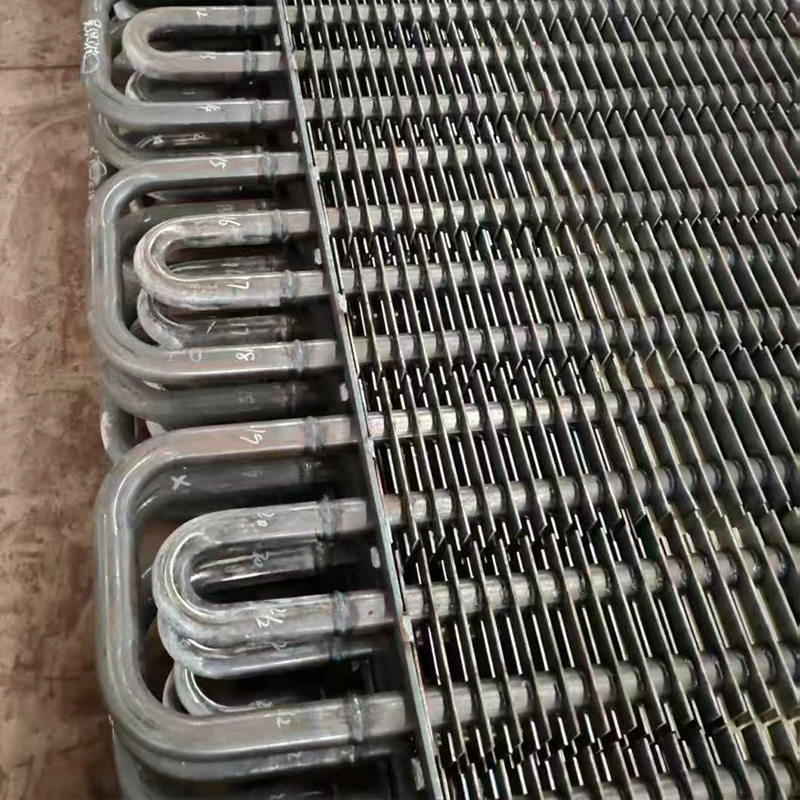
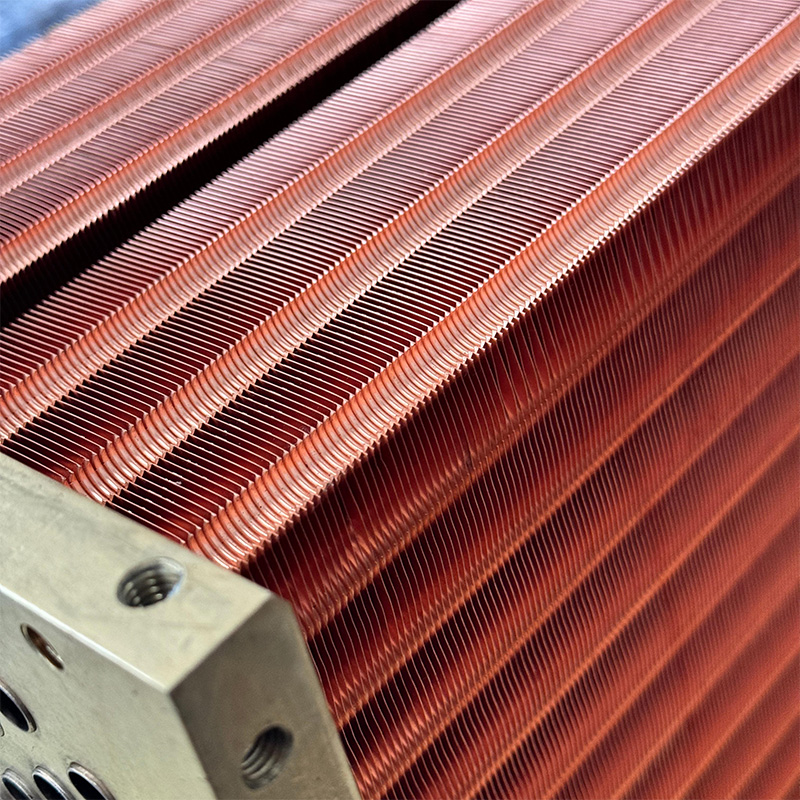
В ассортименте ООО «Уси Кайшэн» представлены титановые кожухотрубные теплообменники, высоконапорные теплообменники стандарта ASME, а также гофрированные трубные пучки из нержавеющей стали 316, морской латуни C46400, медно-никелевых сплавов и никелевых сплавов N06625. Производство таких изделий, как воздушные охладители, котлы-утилизаторы и трубные решетки из различных сплавов (нержавеющая сталь 321, латунь C46400, Cu-Ni C70600), требует безупречного качест ва исходных отливок и компонентов. Использование сертифицированных по стандартам PED и ASME материалов обеспечивает изделиям исключительную коррозионную стойкость, теплоэффективность и устойчивость к высоким давлениям и температурам.
Продукция компании широко применяется в критически важных отраслях: нефтепереработке, нефтехимии, химической промышленности, опреснении морской воды и судостроении. Опыт ООО «Уси Кайшэн» подтверждает, что инвестиции в качественные материалы и индивидуальные инженерные решения окупаются долгосрочной стабильностью оборудования для заказчиков по всему миру. Их подход к производству, где каждый этап — от выбора сплава до финальной сборки — контролируется с высочайшей точностью, служит эталоном для всей отрасли, связывая теорию литейных форм с практикой создания глобальной инфраструктуры.
Frequently Asked Questions
Какова минимальная толщина стенки керамической формы для стальных отливок?
Для стальных отливок минимальная толщина стенки обычно составляет 6-8 мм, но это значение сильно зависит от размера и конфигурации детали. Для мелких деталей весом до 1 кг достаточно 4-5 мм, тогда как для крупных корпусных деталей толщиной может достигать 15-20 мм. Главное правило: форма должна выдерживать гидростатическое давление металла и термоудар без деформации. Мы рекомендуем проводить расчет толщины индивидуально для каждого типа изделия, учитывая температуру заливки и длительность контакта с расплавом.
Сколько времени требуется для полной сушки формы перед обжигом?
Время сушки варьируется от 2 до 24 часов на каждый слой в зависимости от влажности воздуха, температуры и толщины нанесенного шликера. В среднем, полный цикл сушки многослойной формы занимает от 24 до 48 часов. Использование осушенного воздуха и контроль точки росы позволяют сократить это время до минимума без риска образования дефектов. Попытки ускорить процесс повышением температуры часто приводят к растрескиванию, поэтому лучше соблюдать рекомендованные режимы.
Можно ли использовать одну и ту же форму для разных сплавов?
No, this is absolutely not recommended. Разные сплавы имеют различную температуру заливки и химическую активность. Форма, разработанная для алюминия, разрушится при заливке стали из-за недостаточной огнеупорности. Форма для стали может вступить в реакцию с титаном, испортив отливку. Каждая марка сплава требует специфического подбора материалов оболочки, особенно первого слоя. Универсальных форм не существует, и попытки их использования ведут к гарантированному браку.
Как утилизировать отработанные керамические формы?
Отработанные формы подлежат дроблению и сортировке. Керамический бой может быть использован как наполнитель для строительных смесей или дорожных покрытий, если он не содержит токсичных примесей. Некоторые компоненты, такие как электрокорунд, могут быть регенерированы и возвращены в производство после специальной очистки. Мы советуем заключать договоры со специализированными компаниями по переработке промышленных отходов, чтобы обеспечить экологическую безопасность и соблюдение законодательства.
Какова максимальная температура, которую выдерживает ваша форма?
Наши стандартные формы на основе электрокорунда выдерживают температуры до 1600°C, что достаточно для большинства сталей и чугунов. Формы на основе циркона и муллита работают в диапазоне до 1750°C и подходят для жаропрочных сплавов. Для специальных применений, таких как литье титана или вольфрама, мы разрабатываем индивидуальные решения с использованием оксидов иттрия или других тугоплавких соединений, способных выдерживать свыше 1800°C. Выбор материала зависит от конкретной задачи заказчика.
Conclusion and next steps
Керамические оболочковые формы для литья по выплавляемым моделям являются фундаментом качественного литейного производства. Понимание нюансов их создания, от выбора материалов до контроля параметров сушки, позволяет получать отливки высочайшего класса точности. Рынок движется в сторону автоматизации и использования новых композитных материалов, и те, кто освоит эти технологии первыми, получат решающее преимущество. Не позволяйте дефектам форм снижать вашу прибыль и репутацию.
Если вы столкнулись с проблемами стабильности качества или ищете способы оптимизации затрат на производство форм, наша команда готова предложить экспертное решение. Мы проводим аудит технологических процессов, подбираем материалы под ваши задачи и помогаем внедрять лучшие практики. Свяжитесь с нами сегодня для консультации и получения индивидуального коммерческого предложения.Contact us today, чтобы обсудить ваш проект.
Для получения дополнительной информации о наших услугах и продуктах посетите страницукерамические материалы для литья. Мы гарантируем высокий уровень сервиса и техническую поддержку на всех этапах сотрудничества.