
How to choose a heat exchanger for the petrochemical industry in 2026?
2026-07-16
- Criteria for selecting a heat exchanger for petrochemicals in 2026: a direct answer from an engineer
- Analyzing 2026 Market Conditions: Why Old Approaches No Longer Work
- Typology of heat exchangers: which type to choose for specific petrochemical tasks
- Materials science: combating corrosion in aggressive environments
- Calculation and selection: key technical parameters
- Certification and regulatory compliance in the Russian Federation and the EAEU
- Economics of ownership: TCO instead of purchase price
- How to choose a reliable supplier in 2026
- Frequently Asked Questions
- Conclusion and next steps
Criteria for selecting a heat exchanger for petrochemicals in 2026: a direct answer from an engineer
The choice of heat exchange equipment for petrochemical production in 2026 is determined not so much by the initial cost, but by the ability of the device to withstand aggressive environments at pressures above 10 MPa and temperatures up to 450°C without reducing the heat transfer coefficient by more than 15% in the first three years of operation. If you need a quick guide: favor shell-and-tube heat exchangers made of duplex steel (eg UNS S31803) or titanium alloys for highly corrosive components, and plate brazed units made of AISI 316L stainless steel for clean environments where compactness is required. A key factor in the current economic conditions is the availability of an EAC (Eurasian Conformity) certificate and compliance with GOST 31876-2012 standards, as supply chains have shifted towards suppliers who guarantee service support in the CIS.
In our practice of working with large refineries, we observe a steady trend: companies are abandoning universal solutions in favor of modular systems adapted to a specific process flow. A mistake that cost our customers millions of rubles last year was purchasing equipment to outdated 2020 specifications that did not take into account new energy efficiency and carbon footprint requirements. In this article, we will look at how to avoid such pitfalls, based on real implementation cases and technical data for the last reporting period.
Analyzing 2026 Market Conditions: Why Old Approaches No Longer Work
The market for industrial heat transfer equipment has undergone significant changes by the beginning of 2026. Global instability in the supply of raw materials and tightening environmental regulations in the BRICS and EAEU countries have led to the fact that the “lowest price” criterion has given way to the “predictability of service life” criterion. According to industry analysts, the average payback period of modern heat exchangers has decreased from 5 to 3.5 years due to an increase in efficiency by 12-18% thanks to new design solutions.
One of our clients, an operator of an oil refining complex in the Volga region, faced a serious problem in 2024. They purchased a batch of plate heat exchangers from a European manufacturer, counting on long-term cooperation. However, due to sanctions restrictions, the supply of spare plates and seals was stopped. A simple installation of just 4 days cost the company three times the cost of the equipment itself. This case has become a textbook example of why supply chain reliability and service localization are critical choices in 2026.
Today's buyer must consider three new realities:
- Shortage of special alloys.Prices for nickel and molybdenum, needed to produce corrosion-resistant steels, remain volatile. This makes long-term price fixing with producers who have their own metallurgical capacity or guaranteed contracts profitable.
- Digitalization of monitoring.Modern heat exchangers are increasingly equipped with IoT sensors for predictive maintenance. The lack of possibility of integration into a unified industrial control system of the plant is now considered a serious shortcoming of the equipment.
- Energy audit as a mandatory procedure.New energy management standards require documented evidence of heat recovery efficiency. Equipment without an energy efficiency passport may not pass the internal certification of the enterprise.
We recommend starting the selection process not by browsing through catalogs, but by auditing the current heat flows at your enterprise. Only accurate load data will allow you to select a device that will work in optimal mode, and not at the limit of its capabilities.
Typology of heat exchangers: which type to choose for specific petrochemical tasks
There is no “best” vacuum heat exchanger in the petrochemical industry. There is equipment that is ideal for a specific environment. Let's look at the main types, their strengths and limitations, based on our operating experience.
Shell and tube heat exchangers
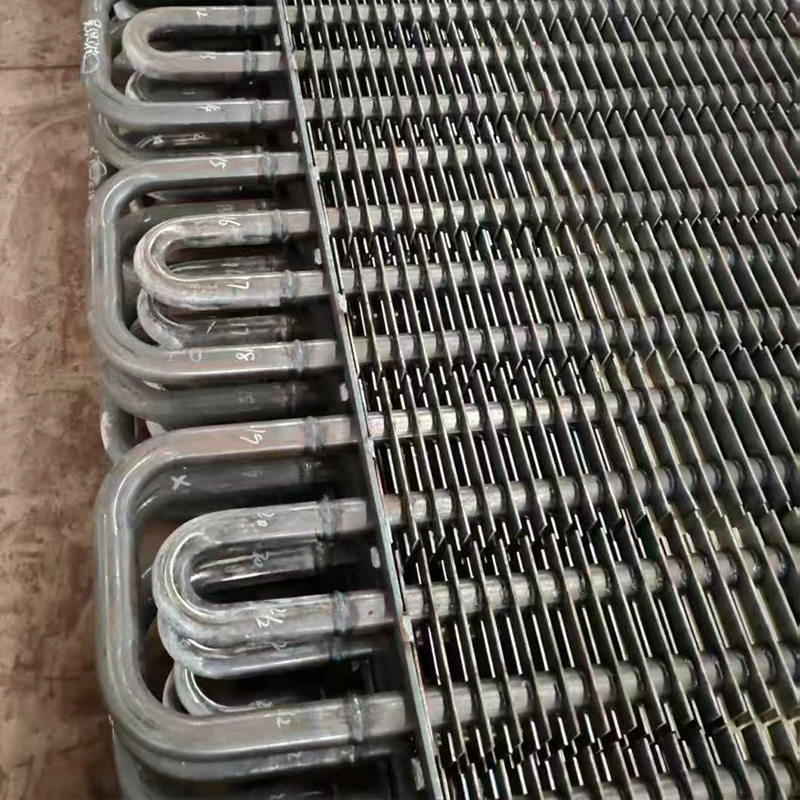
This is a classic of the genre that remains dominant in processes with high pressures and temperatures. In 2026, modern shell-and-tube devices are distinguished by improved hydrodynamics of the inter-tube space. The use of spirally wound pipes or pipes with fins allows you to increase the heat transfer surface by 20-30% without increasing the dimensions of the housing.
Where to use:Heating of oil before rectification, cooling of heavy fractions, condensation of vapors under high pressure. If your environment contains mechanical impurities, sand or corrosion products, a shell-and-tube apparatus is the only reasonable choice, since it is easier to clean mechanically.
Limitations:Large dimensions and weight. Low heat transfer coefficient compared to plate analogs (large surface area required). Their high metal consumption makes them sensitive to fluctuations in steel prices.
Plate Heat Exchangers
Gasketed plate heat exchangers (PHE) provide the highest heat transfer efficiency by turbulizing the flow in narrow channels. In petrochemistry, they are actively replacing shell-and-tube analogues in areas with clean environments and moderate parameters.
Where to use:Cooling systems for lubricating oils, heating of light distillates, heat recovery in ventilation systems of production workshops. Ideal for applications that require frequent inspection and descaling.
Limitations:Sensitivity to water hammer. The maximum operating pressure is usually limited to 2.5–4.0 MPa (for special series up to 6.0 MPa). EPDM or Viton seals have a limited life when exposed to some hydrocarbons and require regular replacement.
Brazed Plate Heat Exchangers
Sealed devices where the plates are connected by vacuum soldering with copper or nickel. They are compact and have no seals, eliminating the risk of external leaks.
Where to use:Closed compressor cooling circuits, reactor thermal stabilization systems. Ideal for use with refrigerants and clean process fluids.
Limitations:Inability to disassemble for mechanical cleaning. If the channel becomes clogged, the device must only be chemically flushed or replaced. Not recommended for environments with high suspended solids content.
Pipe-in-pipe and spiral heat exchangers
Niche solutions for special occasions. Spiral heat exchangers have a self-cleaning effect due to high flow rates and the absence of dead zones. They are effective for viscous media such as fuel oil or tar.
The choice of type should be based on the compatibility matrix. Below is a comparison table that we use when initially consulting clients.
| Parameter | Shell and tube | Collapsible plate | Brazed plate | Spiral |
|---|---|---|---|---|
| Max. pressure | Up to 100 MPa | Up to 4.0 MPa | Up to 3.0 MPa | Up to 6.0 MPa |
| Max. temperature | Up to 600°C | Up to 200°C (depending on seal) | Up to 230°C | Up to 400°C |
| Stain resistance | High | Low/Medium | Low | High |
| Compactness | Low | High | Very high | Average |
| Maintenance cost | Average | High (seal replacement) | Low (but replacement if broken) | Average |
When choosing, always ask the supplier for a hydraulic loss calculation. Often, savings on the cost of the device are offset by the costs of pumping the medium through it due to high resistance.
Materials science: combating corrosion in aggressive environments
In petrochemicals, the material of the heat exchanger is more important than its design. Hydrogen sulfide corrosion, chloride cracking and erosion can destroy expensive equipment in a few months. In 2026, standard steel grades no longer always cope with the increased sulfur content of processed oil.
Stainless steel AISI 304/316L.Basic option for neutral environments. AISI 316L with a higher molybdenum content has better resistance to pitting corrosion. However, we strongly do not recommend using these grades in environments with chloride levels above 200 ppm at temperatures above 60°C. The risk of pitting and subsequent flash-through is too great.
Duplex Stainless Steels.Type 2205 (UNS S32205) and Super Duplex 2507 steels are becoming the gold standard for offshore platforms and offshore refineries. They combine high strength (2 times higher than AISI 316) and excellent resistance to chlorides and hydrogen sulfide. The use of duplex makes it possible to reduce the thickness of the pipe walls, reducing the weight of the apparatus and its inertia.
Titanium and titanium alloys.If your budget allows, Grade 2 or Grade 12 titanium is a virtually permanent material for seawater cooling or oxidizing acid applications. The only negative is the high initial cost and complexity of welding. We recommend using titanium only for the tube bundle, leaving the carbon steel body with anti-corrosion coating.
This is where it is important to note the experience of such manufacturers asWuxi Kaisheng Electric Power and Petrochemical Equipment Co., Ltd.. The company specializes in the development and production of high-tech solutions, including titanium shell-and-tube heat exchangers and nickel alloy units (N06625), which demonstrate exceptional durability in extreme conditions. Their products, certified to international ASME and PED standards, are widely used not only in oil refining, but also in seawater desalination and shipbuilding, confirming the versatility and reliability of the materials used, such as C46400 marine brass and C70600 copper-nickel alloys.
Graphite and silicon carbide.For extremely aggressive chemical environments, such as in fertilizer production or acid gas processing, impervious graphite or ceramic heat exchangers are used. They are fragile, but chemically inert to almost everything.
An important nuance: when ordering equipment, request the provision of quality certificates for materials (Mill Certificate). In our practice, there have been cases when unscrupulous suppliers replaced 316L steel with cheaper 304, which led to the failure of a batch of equipment after six months of operation. Spectral analysis testing upon acceptance is a mandatory procedure.
Calculation and selection: key technical parameters
The heat exchanger selection process is an engineering task that requires precise input data. An error in calculations leads to either overpayment for excess surface area or to the inability to reach the desired temperature regime. Here are the parameters you should prepare before contacting the supplier:
- Media consumption (m³/h or kg/h).Specify the flow rate for both the heating and heated media. It is important to consider peak loads, not just nominal loads.
- Temperature conditions.Inlet and outlet temperatures for both circuits. The lower the temperature difference (the difference between the hot and cold flow), the larger the heat exchange surface required. If the temperature difference is less than 5°C, consider using multi-pass circuits.
- Working pressure and permissible pressure loss.Specify the maximum operating pressure and the maximum permissible pressure drop (ΔP). High ΔP requires larger pumps, which increases operating costs (OPEX).
- Physico-chemical properties of media.Density, viscosity, specific heat capacity, thermal conductivity. The presence of abrasive particles, a tendency to polymerize or coke.
- Fouling Factor.This is a critical parameter. For pure water it is 0.0001 m² °C/W, for oil - 0.0003–0.0005, for fuel oil - up to 0.0009. Underestimating this coefficient will lead to rapid overgrowing of the heat exchanger and a decrease in efficiency.
We strongly recommend using the thermohydraulic calculation software provided by the manufacturer. Ask them to provide a calculation report, which will show the reserves on the surface (usually 10-15%) and flow rate. The flow rate in the pipes must be sufficient to prevent sedimentation (usually > 1.5 m/s for liquids), but not excessive to avoid erosion.
A common mistake is to ignore seasonal changes in cooling water temperature. In summer, the temperature of river or cooling tower water can reach 30-35°C, and in winter it can drop to 5°C. The heat exchanger must be designed for the worst case scenario (summer), otherwise your process will overheat in the summer.
Certification and regulatory compliance in the Russian Federation and the EAEU
In 2026, control over compliance with technical regulations of the Eurasian Economic Union (EAEU) became stricter. Operation of heat exchange equipment without proper documentation carries serious legal and financial risks for the chief engineer and director of the enterprise.
The main document is the certificate of conformity TR TS 032/2013 “On the safety of equipment operating under excess pressure.” Without this marking (EAC), it is illegal to put the equipment into operation. In addition, if the heat exchanger is used at high-risk facilities (oil refining, chemistry), permission from Rostechnadzor for use is required.
Please note the following standards:
- GOST 31876-2012— Plate heat exchangers. General technical conditions. This standard regulates testing and acceptance methods.
- GOST R 52857.1-2007— Vessels and apparatus. Norms and methods of strength calculations.
- ISO 9001:2015— Manufacturer’s quality management system. The presence of this certificate from the manufacturer indirectly guarantees the stability of product quality from batch to batch.
When importing equipment from Asia (China, India), make sure that the manufacturer has experience in obtaining EAC certificates. Often Chinese factories offer products that comply with ASME or PED (European Directive), but are not adapted to GOST requirements. Rework of documentation and additional tests may delay delivery by 2-3 months.
We recommend that you include in the contract a clause stating that payment of the final tranche is made only after providing the original EAC certificates and a product passport in Russian, drawn up in accordance with the requirements of Russian standards.
Economics of ownership: TCO instead of purchase price
Making a decision based only on the purchase price (CAPEX) is a path to losses. In petrochemicals, Total Cost of Ownership (TCO) plays a decisive role. It includes:
- Cost of equipment and delivery.
- Installation and commissioning costs.
- Energy consumption for pumping media (depending on hydraulic resistance).
- Maintenance costs (replacement of seals, cleaning).
- Losses from downtime (Downtime cost).
- Disposal cost.
Let's look at an example. A plate heat exchanger costs 30% more than its shell-and-tube counterpart. However, its heat transfer coefficient is 3-5 times higher, which allows saving on room space and insulation. In addition, due to its high efficiency, it returns 15% more heat to the process, reducing the load on heating furnaces. Over 5 years of operation, this energy saving covers the difference in the initial price by 2-3 times.
On the other hand, if the environment is dirty, a plate heat exchanger will require disassembly and cleaning every 3 months, while a shell-and-tube heat exchanger can be cleaned chemically without stopping the process or less often mechanically. Labor and downtime costs may make the plate option uneconomical.
Request a TCO calculation from the supplier. A good manufacturer is willing to show how their equipment pays for itself through energy efficiency. If the supplier only talks about the price of hardware, run away from him.
How to choose a reliable supplier in 2026
The market for heat exchange equipment suppliers is fragmented. There are large giant factories, there are medium-sized specialized enterprises, and there are trading houses that resell products. How to choose a partner?
1. Own production vs Intermediary.Deal directly with the factory. This makes it possible to monitor production progress, make design changes on the fly, and receive technical support from engineers rather than sales managers. Ask for a video tour of the workshops or arrange a personal visit.
2. Reference list.Request a list of clients in your industry for the last 2 years. Call two or three of them. Ask not “is everything okay”, but “were there any problems and how quickly were they resolved?” Ответственность поставщика проверяется не в момент продажи, а в момент аварии.
3. Наличие складской программы.Для пластинчатых теплообменников важно наличие запасных пластин и уплотнений на складе в РФ. Срок поставки уплотнений из-за границы может составлять 12-16 недель. Локальный склад критических запчастей — признак зрелого поставщика.
4. Инженерная компетенция.Обратите внимание на то, как быстро и грамотно готовится коммерческое предложение. Если менеджер просто подставляет цифры в шаблон без уточнения деталей среды — это плохой знак. Профессионал задаст десятки вопросов о составе среды, возможных примесях и режимах работы.
Компания [Название Вашей Компании] специализируется на производстве и поставке теплообменного оборудования, адаптированного под сложные условия нефтехимии. Мы предлагаем полный цикл: от термогидравлического расчета до шеф-монтажа и сервисного обслуживания. Наш опыт позволяет минимизировать риски и обеспечить бесперебойную работу вашего производства.
Frequently Asked Questions
Какой срок службы теплообменника в нефтехимии?
При правильном подборе материалов и соблюдении режимов эксплуатации срок службы кожухотрубных теплообменников составляет 20-25 лет, пластинчатых — 10-15 лет. Однако уплотнения в пластинчатых аппаратах требуют замены каждые 3-5 лет. Регулярный мониторинг коррозии и своевременная очистка могут продлить жизнь оборудования.
Можно ли использовать теплообменники б/у?
Мы категорически не рекомендуем покупать бывшее в употреблении теплообменное оборудование для критических процессов нефтехимии. Микротрещины, усталость металла и скрытая коррозия не всегда выявляются при визуальном осмотре. Риск разгерметизации и смешения продуктов (например, нефти и воды) несет огромные экологические и финансовые риски. Экономия на оборудовании может привести к остановке всего завода.
Что делать, е сли теплообменник не выходит на режим?
Первым шагом проверьте расход сред и температуры на входе. Если они соответствуют проекту, вероятно, произошло загрязнение поверхностей. Для пластинчатых теплообменников попробуйте обратную промывку. Если не помогло — необходима разборка и механическая чистка. Для кожухотрубных — химическая циркуляционная промывка. Также проверьте наличие воздуха в системе (воздушные пробки резко снижают теплопередачу).
Влияет ли вязкость среды на выбор типа теплообменника?
Yes, it is significant. Для высоковязких сред (масла, битумы, мазут) обычные пластинчатые теплообменники не подходят из-за высокого гидравлического сопротивления. В таких случаях используют кожухотрубные аппараты с секторными перегородками или спиральные теплообменники, которые лучше справляются с ламинарным течением и обеспечивают лучший теплообмен при низких скоростях потока.
Conclusion and next steps
Выбор теплообменника для нефтехимической промышленности в 2026 году — это комплексная инженерная задача, требующая баланса между технологическими требованиями, экономикой и надежностью поставок. Игнорирование особенностей среды, экономия на материалах или выбор ненадежного поставщика приводят к многомиллионным убыткам. Помните: самое дешевое оборудование часто оказывается самым дорогим в эксплуатации.
Не рискуйте стабильностью вашего производства. Доверьте расчет и подбор оборудования профессионалам с подтвержденным опытом работы в нефтегазовом секторе. Мы готовы провести бесплатный аудит вашей текущей системы тепломассообмена и предложить оптимизированное решение с расчетом окупаемости.
Contact us todayдля получения консультации и предварительного расчета. Наши инженеры помогут вам выбрать оборудование, которое будет работать эффективно и безопасно долгие годы.
Для более глубокого изучения темы рекомендуем ознакомиться с нашими материалами:расчет пластинчатых теплообменниковandобслуживание кожухотрубных аппаратов.