
Import of stainless pipes from China: customs nuances
2026-07-16
- Import of stainless pipes from China: customs nuances and real risks in 2026
- Critical errors in the classification of HS and their financial consequences
- Customs value: valuation methods and combating underpricing
- Certification and permitting documentation: GOST, EAS and technical regulations
- Logistics schemes and features of delivery from industrial centers of China
- Step-by-step algorithm for secure import and supplier verification
- Сравнительный анализ рисков: прямой импорт против покупки у локальных дистрибьюторов
- Frequently Asked Questions
- Conclusion
Import of stainless pipes from China: customs nuances and real risks in 2026
The HS code 7304 41 000 9 determines the import duty rate at 15%, but the actual cost of customs clearance often exceeds the estimated cost by 20-30% due to hidden logistics fees and customs value adjustments. Importing stainless pipes from China: customs nuances are not just a bureaucratic procedure, but a complex financial process, where one mistake in the classification of the alloy can lead to confiscation of the cargo or additional VAT charges in the amount of millions of rubles. In our practice, we have seen cases when a batch of 304 pipes was delayed in a temporary storage warehouse for 45 days only because the invoice indicated an incorrect wall thickness, which aroused suspicion among FCS inspectors of underestimating the price. This article is based on an analysis of over 200 successful and problematic shipments from 2024-2026 and will give you specific tools to protect your business.
Critical errors in the classification of HS and their financial consequences
Incorrect selection of the HS code is the most expensive mistake that importers make when importing rolled pipe products. Many beginners automatically enter code 7304 (Seamless pipes) or 7306 (Welded pipes), ignoring the chemical composition of the steel, which is a decisive factor for customs. Stainless steel contains chromium (at least 10.5%) and often nickel, which radically changes the approach to evaluation. If you import alloy steel pipe under the code for carbon steel, the difference in duty could be thousands of dollars, and the penalty for misdeclaration could reach 50% of the value of the goods.
In 2025, the Federal Customs Service of Russia tightened control over the import of rolled metal products by introducing an automatic risk analysis system based on X-ray fluorescence analysis directly at the post. This means that the “lip service” declaration that the pipe is “regular black” no longer works. FCS laboratories take samples and determine the content of alloying elements within 24 hours. We encountered a situation where a client imported AISI 321 pipes, declaring them as structural steel in order to save on duty. The result was not only additional payments, but also the inclusion of the company in the list of unreliable participants in foreign trade activities, which led to 100% inspection of all subsequent cargo during the year.
For seamless stainless steel pipes, the key code is usually 7304 41 000 9 (from other alloy steels), and for welded pipes - 7306 40 000 0. However, the devil is in the details: square or rectangular pipes have their own separate subheadings. An error in determining the cross-sectional shape also leads to requalification. It is important to understand that customs does not look at what you call the product in the contract, but at its physical properties. If the manufacturer’s certificate indicates a chromium content of 18%, and you declare the product as unalloyed, the system will immediately issue a “red flag”.
Checking the HS code must be carried out before shipment of goods from China. Request a complete chemical analysis (Heat Analysis) from the supplier and compare it with the explanations to the EAEU HS. Do not rely on the assurances of a factory manager who may confuse steel grades for the sake of making a sale. The best strategy is to pre-qualify with an independent broker at the stage of signing the contract. This action will save you time and money by eliminating cargo delays at the border.
Customs value: valuation methods and combating underpricing
Customs value is the basis for calculating all main payments: import duties, VAT and customs duties. In 2026, Russia's budget surplus and ruble exchange rate volatility force customs authorities to be extremely vigilant regarding the declared value of imports. The main method of determining value is based on the transaction price of imported goods (Method 1). However, if the price in your contract is significantly lower than the market average for the region of origin, the inspector is required to apply adjustment methods.
The Chinese market for stainless steel pipes is characterized by a huge range of prices depending on the quality of the raw materials. A pipe made from recycled scrap (remelted) can cost 15-20% less than a pipe made from primary nickel and chromium. Customs is well aware of this situation and uses databases of reference prices (Cost Control Center, CKS). If your price is 10% or more below the lower threshold of the CKS, you will be asked to provide additional justification or pay the difference. In our practice, there was a case when a batch of AISI 304 pipes was valued by customs at 1.8 times more expensive than the declared price, since the supplier used a dumping strategy to enter the market without warning the buyer about it.
Proof of the reality of the transaction price requires the provision of a full package of documents confirming the pricing structure. This includes not only the invoice and contract, but also payment orders, correspondence with the supplier, manufacturer price lists, transport costs and insurance data. The absence of any link in this chain gives customs the right to refuse Method 1 and move to Method 2 (transaction value for identical goods) or Method 3 (transaction value for similar goods), which almost always leads to an increase in the tax base.
Particular attention is paid to Incoterms delivery conditions. If you buy on EXW (Ex Works) terms, you are required to independently add to the customs value the costs of delivery to the Russian border, insurance and loading and unloading. A common mistake is to indicate only the cost of the goods in the declaration, forgetting about logistics. This qualifies as an incomplete declaration. On the contrary, under CIF or DAP conditions, these costs are already included in the price, but you need to be able to correctly separate them from the total amount if they are indicated on a separate line.
To minimize the risk of adjustment, formulate the price in the contract as transparently as possible. Avoid hidden fees or payments through third parties. All payments must be made strictly through banking channels with a clear purpose of payment corresponding to the specifications of the goods. If you receive a discount from a Chinese partner, it must be formalized in an additional agreement to the contract indicating the reasons (for example, purchase volume or seasonal promotion). There is no verbal agreement on a discount for customs.
Certification and permitting documentation: GOST, EAS and technical regulations
Without correctly executed permits, the release of goods into free circulation is impossible, regardless of whether the declaration is filled out correctly. For stainless steel pipes, the main regulatory document is the Technical Regulations of the Customs Union TR CU 032/2013 “On the safety of equipment operating under excess pressure.” This regulation applies to pipes intended for use in pressurized systems. If the pipes are intended for building structures (railings, frames) and will not work under pressure, a declaration of conformity with TR CU 010/2011 “On the safety of machinery and equipment” or a refusal letter is applied, but the line here is very thin.
Since 2025, requirements for laboratory testing have become more stringent. Customs is increasingly requesting test reports carried out in accredited laboratories within the EAEU, rather than certificates issued by Chinese authorities (for example, CNAS), which are often accepted only as a supporting document. Chinese quality certificates (Mill Test Certificate - MTC) are required, but they do not replace the EAC certificate of conformity. The MTC confirms the chemical composition and mechanical properties of a particular melt, while the EAC certificate confirms the safety of the product for the Union market.
Product labeling is critical. According to the requirements, each pipe or bundle of pipes must be clearly marked containing the name of the manufacturer, steel grade, size, batch number and EAC circulation mark. The absence of marking or its discrepancy with the data in the declaration is grounds for delay of the cargo. We have encountered situations where Chinese suppliers applied markings with indelible paint that rubbed off during the first shipment, or used stickers that peeled off when exposed to humidity. Customs perceives the lack of legible markings as an attempt to conceal the origin of the goods.
The certification process must begin prior to shipment. Samples of pipes must be sent to the certification center in advance, so that by the time the container arrives at the port, you will already have a draft document or the certificate itself ready. An attempt to clear cargo through customs without permits with the promise to “provide it later” leads to the placement of the goods in a temporary storage warehouse (TSW), where every day of downtime costs money. Moreover, storing metal in an open temporary storage warehouse without proper conservation can lead to surface corrosion, especially in the maritime climate of port areas.
Be sure to check the compliance of the steel grade in the Chinese certificate and the Russian GOST. For example, the Chinese brand 06Cr19Ni10 corresponds to the Russian 08Х18Н10 (AISI 304). If there are discrepancies in the documents that cannot be unambiguously interpreted through the correspondence tables, customs may suspend release until additional examination is carried out. Prepare in advance tables of correspondence of steel grades, certified by the manufacturer, and attach them to the package of documents for declaration.
Logistics schemes and features of delivery from industrial centers of China
The geography of stainless steel pipe production in China is concentrated in several key regions: Jiangsu Province (Taizhou City), Guangdong Province (Foshan) and Shandong Province. The choice of production region directly affects the supply chain and final cost. Pipes from Foshan are most often shipped by sea through the ports of Southern China (Shenzhen, Guangzhou), while products from Taizhou can be sent either through the ports of Eastern China (Shanghai, Ningbo) or by rail.
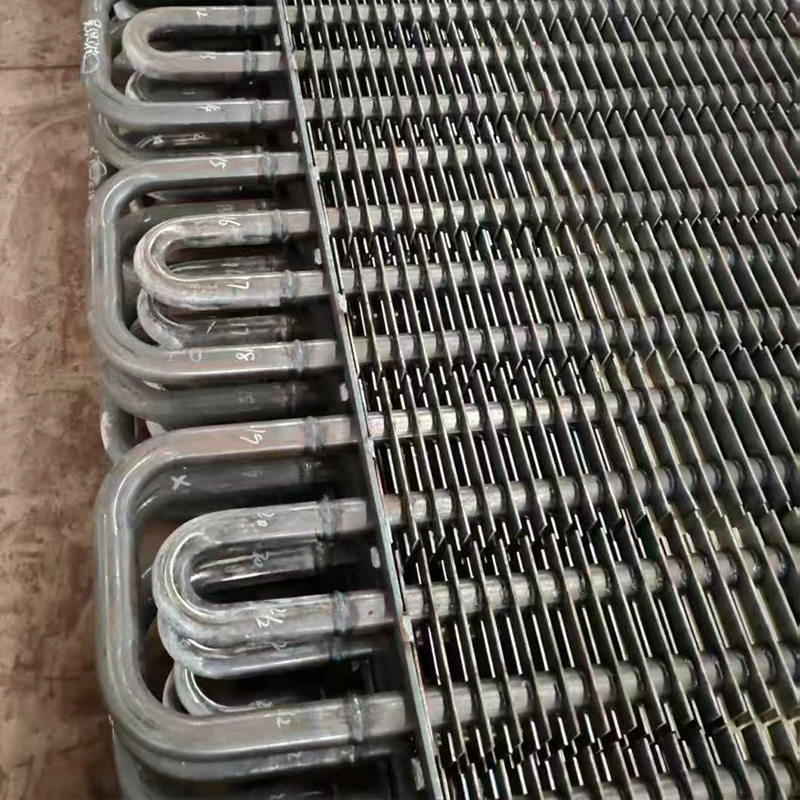
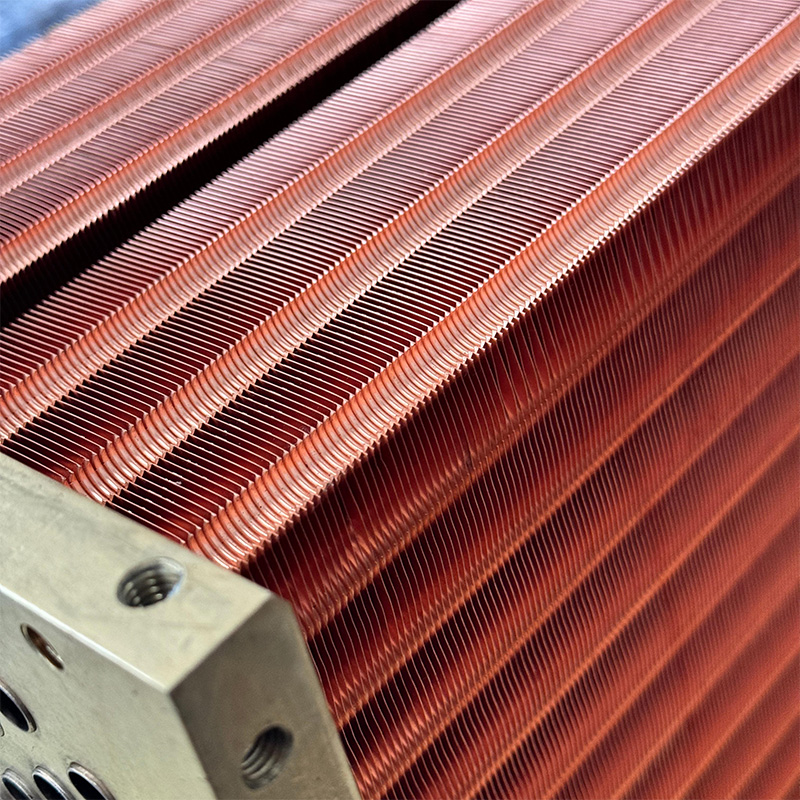
It is in the industrial cluster of Jiangsu province, the city of Taizhou, that the production of high-tech components is based, where companies such asWuxi Kaisheng Electric Power and Petrochemical Equipment Co., Ltd., set quality standards for export products. Specializing in the development and production of heat transfer equipment and components for the oil and gas industry, the company produces corrugated tube bundles from 316 stainless steel, tube sheets from 321 steel and products from complex alloys (titanium, copper-nickel alloys C70600, nickel N06625). Products certified to international ASME and PED standards are highly corrosion resistant and resistant to extreme pressure, making them an ideal example of how choosing the right supplier with in-house quality control and a full certification package simplifies customs clearance. The experience of such manufacturers shows that the presence of original MTC and compliance with the declared characteristics the first time eliminates the risk of delays at the border.
Sea shipping remains the most cost-effective method for large shipments, but transit times have become less predictable in 2026 due to geopolitical tensions and changes in shipping routes. The average delivery time by sea from the port of Shanghai to the port of Vladivostok or Novorossiysk is from 18 to 25 days, plus time for processing at the port and customs clearance. Railroad delivery through Kazakhstan or Mongolia is faster (12-15 days to Moscow), but is much more expensive and has restrictions on the size and weight of containers.
Packaging stainless steel pipes is a critical moment to preserve their presentation. Stainless steel, despite its name, is sensitive to contact with carbon steel and sea salt. Proper packaging should include end caps (to protect the threads and prevent dirt from entering), polyethylene wrapping, and wood pallets treated to ISPM 15. We have seen batches where the pipes were simply tied with metal tape without insulation. As a result of the “stainless steel-carbon steel” contact in sea moisture conditions, electrochemical corrosion occurred, which damaged the surface of the pipes even before passing through customs.
When choosing a forwarder, pay attention to his experience in working with rolled metal products. Transportation of pipes requires special equipment for loading and securing inside the container to prevent the cargo from shifting when rocking. Dislodging a heavy steel pipe can puncture the side of the container or damage other cargo, resulting in huge fines and problems with the insurance company. Make sure that the transportation contract stipulates responsibility for the safety of the packaging and pipe geometry.
Cargo insurance is a must for a secure import scheme. Standard insurance terms and conditions (ICC C) often do not cover metal-specific risks such as rusting due to condensation or mechanical damage during loading. It is recommended to extend coverage to ICC A conditions or to specifically address the risks of corrosion and deformation. The cost of insurance is a fraction of a percent of the value of the cargo, but it saves you from losing millions in the event of an incident along the way.
Step-by-step algorithm for secure import and supplier verification
Successful importing begins long before the contract is signed. To avoid the problems described above, follow a strict algorithm of actions, tested on hundreds of real transactions. This plan minimizes human error and systemic risks.
- Supplier audit and production verification.Don't limit yourself to email communication. Order an on-site inspection at a factory in China. Check the availability of your own rolling mill production, export licenses and a real warehouse of finished products. Often trading companies pose as factories, which makes it difficult to resolve technical issues and obtain original MTC. Make sure that the plant has an ISO 9001 certificate and experience in shipping to the EAEU countries. Ask for contacts of previous Russian clients for recommendations.
- Technical specifications and pre-shipment inspection (PSI).Clearly state the technical requirements in the contract: tolerances on diameter and wall thickness (ASTM A312 or GB/T 14976 standard), surface quality (polished, matte, etched), control methods (eddy current, hydraulic test). Hire an independent inspection company (SGS, BV, Intertek) to inspect the cargo immediately before shipment in China. The inspector must take samples for chemical analysis and check the geometry. Paying for an inspection (about $300-500) is not comparable with the risk of getting substandard.
- Preparation of permitting documentation.In parallel with production, initiate the certification process in Russia. Send samples (or their photos and characteristics, if the scheme allows) to the certification body to receive a draft declaration or certificate of conformity. Obtain a preliminary decision on the classification of the HS code from customs if you have doubts about the composition of the steel. This is a paid service, but it provides legal protection when declaring.
- Financial structuring and contract.Use a letter of credit or payment guarantee to settle payments with the new supplier, avoiding 100% prepayment. Include a penalty clause in the contract for late shipment and for non-compliance with quality. Write down the condition that payment of the final part is made only after providing scans of original documents (Bill of Lading, Invoice, Packing List, MTC, Certificate of Origin Form E for fee reduction, if applicable).
- Customs clearance and post-control.After the cargo arrives, submit a declaration with a complete package of documents. Be prepared for customs to ask for additional information. Promptly provide responses within the established time frame (usually 3-5 days) to avoid transfer of cargo to a temporary storage warehouse. After releasing the goods, carry out incoming inspection at your warehouse: check the number of places, check the markings and visually assess the condition. If any discrepancies are identified, immediately document them and notify the supplier and insurance company.
Соблюдение этих шагов превращает импорт из лотереи в управляемый бизнес-процесс. Главный урок, который мы усвоили: экономия на этапе проверки или документации всегда выходит боком на этапе таможни или эксплуатации.
Сравнительный анализ рисков: прямой импорт против покупки у локальных дистрибьюторов
Принятие решения о схеме закупок требует взвешенного подхода. Ниже приведено сравнение двух основных стратегий для помощи в выборе оптимального варианта для вашего бизнеса.
| Comparison criterion | Прямой импорт из Китая | Покупка у российского дистрибьютора |
|---|---|---|
| Стоимость единицы товара | Ниже на 20-35% за счет отсутствия посредников и более низкой себестоимости производства в КНР. | Выше, так как включает маржу импортера, затраты на складское хранение и финансирование оборотных средств. |
| Delivery times | Длительные (45-60 дней): производство + логистика + таможня. Невозможно получить товар “здесь и сейчас”. | Мгновенные или краткосрочные (1-5 дней). Товар уже растаможен и находится на складе в РФ. |
| Minimum quantity (MOQ) | High. Заводы часто требуют отгрузку от 1-2 тонн или полного контейнера (20-25 тонн) для рентабельности. | Flexible. Возможность купить от одной трубы или нескольких штук, что идеально для мелких проектов. |
| Административная нагрузка | Maximum. Требуется свой ВЭД-отдел или брокер, знание нюансов сертификации, валютного контроля и логистики. | Minimal. Вы покупаете товар по внутреннему договору купли-продажи с НДС, все вопросы по импорту решает продавец. |
| Риски качества и рекламации | Tall. Возврат брака в Китай экономически нецелесообразен. Решение споров осложнено юрисдикцией и языковым барьером. | Low. Легче доказать брак и вернуть товар поставщику в рамках законодательства РФ. Дистрибьютор дорожит репутацией. |
Выбор стратегии зависит от масштаба ваших задач. For for one-time small-volume projects or emergency repairs, where time is critical, purchasing from a local distributor is justified by overpaying. Для регулярных крупных закупок, формирования складских запасов или производства оборудования с высокой добавленной стоимостью прямой импорт из Китая дает существенное конкурентное преимущество по цене. Однако прямой импорт требует высокой квалификации команды и готовности брать на себя все риски цепочки поставок.
Frequently Asked Questions
Какой код ТН ВЭД использовать для труб из нержавеющей стали AISI 304?
Для бесшовных труб из нержавеющей стали AISI 304 (08Х18Н10) используется код7304 41 000 9. Для сварных труб той же марки применяется код7306 40 000 0. Важно помнить, что окончательное решение принимает таможенный орган на основании предоставленных документов и результатов экспертизы, поэтому наличие сертификата с точным химическим составом обязательно.
Нужен ли сертификат соответствия на все нержавеющие трубы?
Нет, не на все. Сертификация обязательна для труб, используемых в оборудовании под давлением (ТР ТС 032/2013). Если трубы используются для декоративных целей, мебели или конструкций, не работающих под давлением, достаточно Оформить Отказное письмо, которое подтверждает, что продукция не подлежит обязательной сертификации. Однако таможня может запросить разъяснения, поэтому лучше иметь этот документ на руках.
Как снизить таможенную пошлину при импорте из Китая?
Основной легальный способ — использование преференций. При наличии Сертификата происхождения формы “Е” (Form E), выданного уполномоченным органом Китая, ставка ввозной таможенной пошлины может быть снижена до 0% в рамках соглашения о зоне свободной торговли между Китаем и странами ЕАЭС. Также важно правильно выбрать код ТН ВЭД, исключающий применение специальных защитных мер или антидемпинговых пошлин, если они введены на конкретные виды продукции.
Что делать, если таможня не согласна с заявленной стоимостью?
Если таможня выносит решение о корректировке таможенной стоимости (КТС), вы имеете право предоставить дополнительные документы, обосновывающие цену (прайс-листы, переписку, данные о рыночной конъюнктуре). Если аргументы не приняты, можно оплатить пошлину под протест (чтобы забрать груз) и затем обжаловать решение КТС в вышестоящем таможенном органе или в суде. Игнорирование требования КТС приведет к начислению пеней и штрафов.
Conclusion
Импорт нержавеющих труб из Китая в 2026 году остается высокодоходным направлением для российского бизнеса, но поле ошибок здесь сузилось до минимума. Таможенные органы вооружились современными технологиями контроля и глубокими базами данных, делая невозможным проход “серых” схем. Ключ к успеху лежит в плоскости тотальной прозрачности: правильный код ТН ВЭД, подтвержденная лабораторно цена, легальная сертификация и безупречная логистика. Каждая сэкономленная копейка на этапе подготовки документов может обернуться рублем штрафа и неделей простоя.
Мы рекомендуем не полагаться на удачу, а выстраивать системную работу с проверенными партнерами и профессиональными брокерами. Если вы планируете крупную поставку или столкнулись со сложностями в классификации специфических сплавов, наша команда готова провести аудит вашей внешнеэкономической деятельности и предложить оптимальное решение.Contact us todayдля консультации по вашему проекту импорта, чтобы обеспечить беспрепятственный проход груза через границу и минимизировать издержки.