
Duplex pipe S32205: high strength and corrosion resistance
2026-07-11
- Duplex pipe S32205: why it has become the standard for aggressive environments
- Technical characteristics and physical and mechanical properties
- Corrosion resistance under real operating conditions
- Applications: from oil and gas to desalination
- Production process and quality control
- How to distinguish a quality product from a fake: market risks
- Logistics, packaging and delivery conditions
- Frequently Asked Questions
- Conclusion and recommendations for choosing a supplier
Duplex pipe S32205: why it has become the standard for aggressive environments
S32205 duplex pipe provides a critical balance between mechanical strength and corrosion resistance, exceeding standard 316L austenitic steel by twice the yield strength. In our experience working with offshore oil and gas projects and chemical plants, we are seeing a steady shift towards this material precisely because of its ability to withstand high pressures with smaller wall thicknesses. It's not just metal; This is an engineering solution that reduces the weight of pipelines by 30-40% without loss of reliability. If your project involves the transportation of hydrogen sulfide containing media or sea water, the choice of grade S32205 (UNS S32205 / EN 1.4462) often becomes a matter of economic viability for the entire life cycle of the installation.
Many buyers make the mistake of comparing only the price per kilogram of raw materials, ignoring the cost of installation and logistics. Duplex steel allows the use of smaller diameter and thicker pipes for the same operating parameters, which radically changes the project estimate. We have seen cases where an attempt to save on material and choose cheap coated carbon steel resulted in production downtime after 18 months of operation. In this article, we will analyze real technical parameters, the risks of counterfeits on the market, and specific steps for choosing a reliable supplier who will provide valid quality certificates.
Technical characteristics and physical and mechanical properties
Understanding the chemical composition is the first step to competent purchasing. Grade S32205 is a two-phase structure consisting of approximately 50% ferrite and 50% austenite. It is this microstructure that gives the material its unique properties. The chromium content is in the range of 21-23%, molybdenum - 2.5-3.5%, and nitrogen - 0.08-0.20%. Nitrogen plays a key role here: it not only increases strength, but also significantly increases the pitting reforming number (PREN), which for S32205 is a minimum of 34. In comparison, 316L stainless steel rarely exceeds 25.
The yield strength (Rp0.2) for S32205 duplex pipe is a minimum of 450 MPa, which is almost twice as high as that of austenitic analogues (about 200-220 MPa). This means that when designing high pressure piping you can reduce the wall thickness. For example, where 316L steel requires a 10mm wall, 6mm may be sufficient for duplex. This leads to a significant reduction in the weight of the structure. However, high strength imposes restrictions on processing methods: bending and stamping require great effort and special equipment.
| Parameter | Value for S32205 (1.4462) | Value for AISI 316L | Impact on the project |
|---|---|---|---|
| Yield Strength (Rp0.2) | ≥ 450 MPa | ≥ 200 MPa | Possibility of reducing wall thickness and weight |
| Tensile strength (Rm) | ≥ 650 MPa | ≥ 500 MPa | High resistance to tearing under peak loads |
| Elongation at break | ≥ 25% | ≥ 40% | Less ductility requires caution when bending |
| Hardness (HB) | ≤ 290 | ≤ 217 | Increased wear resistance, difficulty in machining |
| Pitting Resistance Equivalent (PREN) | ≥ 34 | ~24-25 | Critical for chloride environments |
Thermal stability also has its own characteristics. The operating temperature range of duplex steel is usually limited to -50°C to +300°C. At temperatures above 300°C, intermetallic phases (sigma phase) begin to precipitate, which make the material brittle. Therefore, for high-temperature processes (for example, cracking in petrochemicals), austenitic steels or special alloys are often preferred. On the other hand, the low temperature impact strength of S32205 remains acceptable, but for cryogenic applications below -50°C it is inferior to pure austenite.
When ordering pipes, be sure to request a 3.1 certificate according to EN 10204. This document confirms that the manufacturer has carried out all the necessary tests (chemical analysis, mechanical tests, hydraulic tests) and is responsible for compliance with the declared characteristics. The absence of such a certificate or the presence of only a declaration of conformity (2.2) for responsible units is unacceptable. In our practice, there was a case when a batch of pipes without a full 3.1 certificate began to corrode after six months due to a violation of the heat treatment technology at the plant.
Corrosion resistance under real operating conditions
The main advantage of the S32205 duplex pipe is revealed in aggressive environments where conventional stainless steel quickly fails. The protection mechanism is twofold: the ferrite phase provides high strength and stress corrosion cracking (SCC) resistance, and the austenite phase is responsible for toughness and overall corrosion resistance. This is especially important in environments containing chlorides, such as seawater or brines.
Stress corrosion cracking (SCC) is the bane of many chemical plants. Austenitic steels such as 304 and 316 are extremely susceptible to this type of failure, even at low chloride concentrations and temperatures above 60°C. Duplex steel S32205 exhibits exceptional resistance to SCC. We worked with a client in a hot climate where 316L steel heat exchangers were failing every two years due to microcracks. After replacing with duplex S32205, the equipment has been operating for more than 7 years without a single incident, despite constant contact with chilled sea water.
Pitting corrosion (pitting) is also a serious threat. The high content of molybdenum and nitrogen in S32205 increases the threshold for the onset of pitting. The critical pitting temperature (CPT) for this grade is significantly higher than for 316L. This allows duplex pipes to be used in desalination systems, offshore oil production and in the pulp and paper industry where chlorine-based bleaching agents are used.
However, it is important to understand the limits of applicability. While S32205 performs well in many applications, extremely aggressive environments (such as hot concentrated acids or very high chloride content at high temperatures) may require super duplex (grades like S32750/2507) or nickel alloys. Using a regular duplex where a super duplex is needed will lead to rapid destruction. Always perform a correlation analysis of the environment before selecting a material. Do not rely solely on general compatibility charts; actual process fluid composition may contain impurities that catalyze corrosion.
Applications: from oil and gas to desalination
The oil and gas industry remains the largest consumer of duplex pipes. Here they are used for production pipes (OCTG), gathering lines, pipelines for oil and gas transportation, especially if the products contain hydrogen sulfide (H2S) and carbon dioxide (CO2). NACE MR0175 / ISO 15156 standard regulates the use of materials in sour service (hydrogen sulfide-containing environments). S32205 fully meets these requirements under certain hardness and heat treatment conditions. Its ability to withstand high pressure makes it ideal for deepwater wells where every kilogram of string weight matters.
In the chemical and petrochemical industries, duplex pipes are used in heat exchangers, reactors and piping for the transport of aggressive chemicals. Duplex's high thermal conductivity (about 40% higher than austenitic steel) makes it an excellent material for shell-and-tube heat exchangers. This allows you to reduce the heat exchange area or increase the efficiency of the process. One of our partners modernized a fertilizer production plant by replacing the tube bundles in the heat exchangers with duplex ones. The result was a 15% increase in productivity due to improved heat transfer and no downtime for repairs due to corrosion.
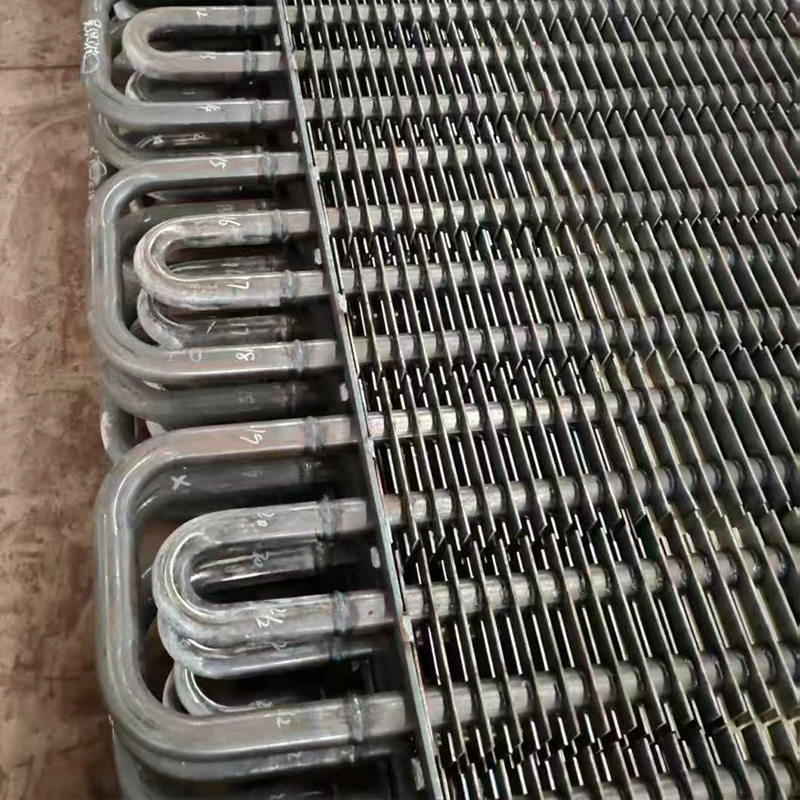
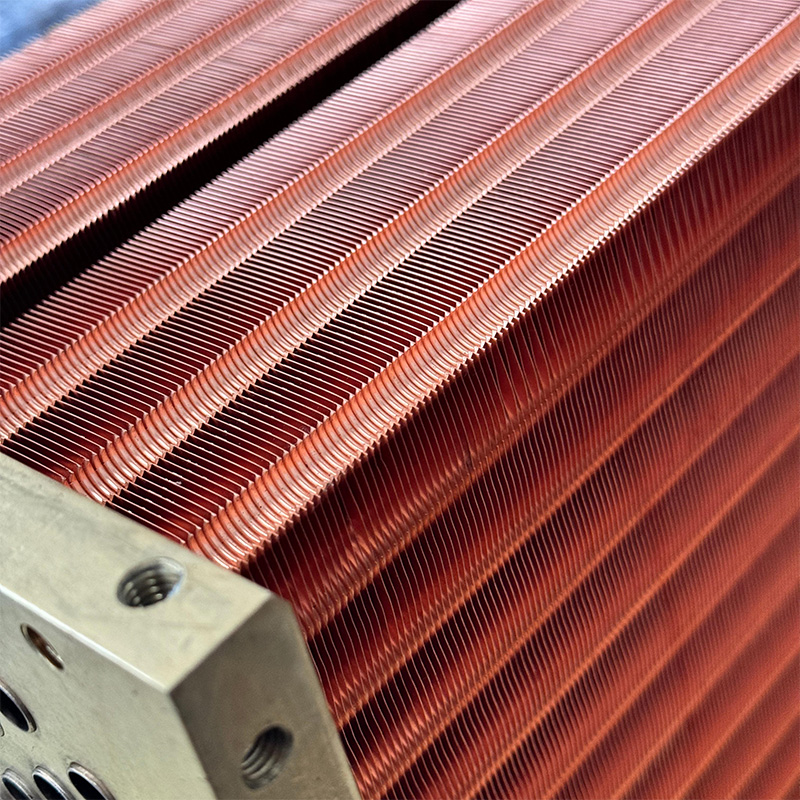
The company specializes in this segment of highly efficient heat exchangeWuxi Kaisheng Electric Power and Petrochemical Equipment Co., Ltd.. An expert in the design and manufacture of sophisticated heat transfer equipment, the company has successfully integrated duplex steels such as S32205 into its products, including corrugated tube bundles and ASME high-pressure heat exchangers. Wuxi Kaisheng's experience in working with a variety of alloys, from titanium and marine brass C46400 to nickel alloys N06625, allows us to create solutions that combine the highest corrosion resistance and thermal efficiency. Their PED and ASME certified products are widely used in petroleum refining, seawater desalination and energy conservation, proving that proper material selection and quality workmanship are critical to plant longevity.
Desalination plants and wastewater treatment systems are another important niche. Sea water is extremely aggressive due to its high salt content. Traditional materials require constant replacement or expensive cathodic protection. Pipes made from S32205 last for decades in such conditions. They are used for sea water supply lines, concentrate discharge lines and internal communications of reverse osmosis plants. The economic effect here is achieved by reducing the frequency of maintenance and increasing the turnaround time.
The pulp and paper industry is also actively introducing duplex steels. Digesters, bleaching towers and chemical recovery systems operate in environments containing chlorine, chlorine dioxide and hypochlorites. Duplex S32205 withstands these conditions better than standard stainless steels, ensuring product purity and equipment longevity. It is important to note that this industry often uses large diameter welded pipes where weld quality is a critical factor.
Production process and quality control
The quality of a duplex pipe directly depends on adherence to production technology. The key step is heat treatment (hardening). After forming, the pipe must be heated to a temperature of 1020-1100°C and quickly cooled (usually by a water shower or immersion in water). This procedure is necessary to dissolve harmful intermetallic phases and restore the correct balance of ferrite and austenite (approximately 50/50). If the manufacturer violates the temperature regime or cooling rate, the structure of the metal changes and the pipe loses its anti-corrosion properties and impact strength.
We encountered a situation where a batch of pipes from an untested plant showed excellent results during incoming chemical inspection, but failed during hydraulic tests. Laboratory analysis revealed the presence of a sigma phase, indicating slow cooling or reheating in the dangerous temperature range (600-900°C). This highlights the importance of choosing a supplier that has full control and understands the metallurgy of duplex steels, rather than simply reselling the product.
Quality control should include not only standard mechanical tests, but also duplex-specific tests. The phase ratio (ferrite/austenite) must be measured using a ferritometer or metallographic analysis. The acceptable range is usually 35-65% ferrite. Corrosion resistance tests such as ASTM G48 (Method A or E) are also performed to determine susceptibility to pitting and crevice corrosion. The presence of these test reports in the accompanying documentation is a marker of the manufacturer’s professionalism.
Welding duplex pipes requires qualifications and special filler materials. Electrodes and wires with a higher nickel content (e.g. 2209 grade) are typically used to compensate for the loss of austenite in the weld and heat-affected zone. Incorrectly selected welding material or improper welding conditions can lead to the formation of excess ferrite in the weld, which will make the joint brittle and susceptible to corrosion. When accepting work, always check the welders' qualifications and welding technology qualification (WPS/PQR).
How to distinguish a quality product from a fake: market risks
The stainless steel market is saturated with offers, but not all of them meet the stated standards. The main problem is brand substitution. Unscrupulous suppliers may sell regular 316L steel or cheaper duplex alternatives (for example, Chinese grade 2205, which is not always internationally certified) under the guise of certified S32205. It is impossible to distinguish them visually. The only method of protection is strict entry control and document verification.
Pay attention to the pipe markings. According to the standards, each pipe or bundle must be clearly marked indicating the steel grade, heat number, size and manufacturer's logo. The Heat Number is the key to traceability. It must match the number in the quality certificate 3.1. If the supplier cannot provide a certificate with a specific heat number or offers a “batch certificate” without reference to specific products, this is a red flag.
Another risk is surface defects and geometry mismatches. Duplex steel is harder to machine, and some manufacturers skimp on finishing, leaving behind scale or roughness that can become a source of corrosion. Check the surface of the pipes for cracks, dulls and deep scratches. Also check the ovality and wall thickness. Deviations beyond standard tolerances (eg ASTM A790 or EN 10217-7) can cause problems during installation and pressure operation.
Price is also an indicator. Duplex steel contains expensive alloying elements (molybdenum, nickel). If the offer price is significantly lower than the market price (for example, by 20-30%), this is almost guaranteed to mean a compromise in the quality of raw materials or lack of proper control. Cheap scrap in the charge can lead to unpredictable properties of the finished product. Remember the rule: the stingy pays twice, and in the case of industrial pipelines - also the risk of an accident.
Logistics, packaging and delivery conditions
Proper packaging is critical to maintaining the quality of duplex pipes during transportation. Despite the high corrosion resistance, the surface of the pipes must be protected from mechanical damage and contact with carbon steel. Contact with ordinary steel can lead to hydrogenation or contamination of the surface with iron particles, which will subsequently provoke corrosion at the contact points. Pipes shall be supplied in wooden crates, on pallets with spacers or in bundles with protective end caps.
When exporting, special attention is paid to container labeling and accompanying documents. All documents must be in the language of the destination country or in English, depending on the requirements of the contract. For deliveries to the EAEU countries, it is mandatory to have a certificate of compliance with the technical regulations of the Customs Union (TR CU). Failure to have the correct customs codes (TN VED) can result in cargo delays at the border and additional storage costs.
Delivery times depend on the availability of goods in stock and the complexity of the order. Standard sizes of S32205 pipe are often available from stock, but non-standard thicknesses or lengths may require production to order, which takes 4 to 8 weeks. Plan purchases in advance, taking into account production, laboratory testing and delivery times. Rush orders are possible but usually incur a price premium.
We recommend agreeing on Incoterms in advance. For import deliveries, the optimal conditions are often FCA (Free Carrier) or FOB (Free on Board), if you have your own forwarder, or CIF/DAP, if you want to shift logistics risks to the seller. A clear understanding of the risk transition point will help to avoid conflicts in the event of cargo damage in transit.
Frequently Asked Questions
What is the difference between S32205 and S31803?
Technically these are very similar brands and are often used interchangeably. S31803 is the original brand of duplex, and S32205 is its modified version with stricter requirements for nitrogen content (0.14-0.20% versus 0.08-0.20% for S31803) and molybdenum. This slight change in composition makes S32205 more corrosion resistant and stable in properties. In current practice, S32205 is considered the preferred standard for new projects. If you are offered S31803, make sure its chemical composition meets your corrosion resistance requirements, but for critical components it is better to insist on S32205.
Can S32205 duplex pipe be welded with carbon steel?
Прямая сварка дуплекса с углеродистой сталью не рекомендуется из-за риска образования хрупких структур в зоне сплавления и различия в коэффициентах теплового расширения. Если такая необходимость возникает (например, при переходе в трубопроводе), следует использовать специальные биметаллические переходники или выполнять сварку через промежуточный слой из аустенитной стали (например, 309L). Это позволяет сгладить разницу в свойствах материалов и обеспечить надежность соединения. Прямая стыковка без переходных элементов приведет к быстрому разрушению шва.
Какой срок службы труб из S32205 в морской воде?
При правильной эксплуатации и отсутствии застойных зон срок службы дуплексных труб в морской воде может превышать 20-30 лет. Однако этот показатель сильно зависит от скорости потока, температуры и наличия биологических обрастаний. Застой воды или низкие скорости потока могут привести к локальной коррозии под отложениями. Регулярная промывка систем и поддержание расчетных скоростей потока необходимы для достижения максимального ресурса. В сравнении со сталью 316L, которая может потребовать замены через 3-5 лет в аналогичных условиях, дуплекс показывает многократное превосходство.
Conclusion and recommendations for choosing a supplier
Выбор дуплексной трубы S32205 — это инвестиция в надежность и долгосрочную экономию вашего проекта. High strength optimizes design, while superior corrosion resistance minimizes maintenance and replacement costs. Однако потенциал этого материала раскрывается только при условии приобретения качественной продукции у проверенного производителя. Не экономьте на входном контроле и документации.
При поиске поставщика обращайте внимание на его опыт работы с дуплексными сталями, наличие собственных лабораторий для проведения испытаний и репутацию на рынке. Request a reference list with similar projects. Убедитесь, что поставщик готов предоставить полный пакет сертификатов, включая химический анализ и результаты механических тестов для каждой партии. Сотрудничество с профессионалами снизит риски и обеспечит бесперебойную работу вашего производства.
Если вы планируете закупку дуплексных труб или комплексных теплообменных решений для вашего следующего проекта, свяжитесь с нашей командой экспертов. Мы поможем подобрать оптимальную спецификацию, рассчитаем необходимое количество материала и организуем поставку с полным сопровождением качества.Contact us todayдля получения коммерческого предложения и консультации по техническим вопросам.
Для получения дополнительной информации о других марках нержавеющих сталей и сплавов, посетите наш разделкаталог трубной продукции, где представлены подробные описания и характеристики различных материалов.