
Price analysis for forgings from alloy C70600 in June 2026
2026-07-05
- Market situation and cost forecast for forgings from alloy C70600 for June 2026
- Price formation factors: raw materials, energy and logistics
- Technological features and impact on processing costs
- Quality standards and certification as a pricing factor
- Comparative analysis of offers from various supply regions
- Типичные ошибки при закупке и способы их избежания
- Прогноз развития рынка и стратегия закупок на второе полугодие 2026
- Frequently Asked Questions
Market situation and cost forecast for forgings from alloy C70600 for June 2026
An analysis of prices for forgings from the C70600 alloy in June 2026 shows a steady increase in quotations due to a shortage of nickel raw materials and tightening logistics requirements for sea transportation. Currently, the average market price for finished 90/10 copper-nickel alloy (C70600) forgings ranges from $18.5 to $24.2 per kilogram, depending on geometry complexity and batch size. This price corridor was formed under the influence of three key factors: the volatility of LME nickel exchange prices, the introduction of new environmental smelting standards in producing countries and changes in the tariff schedule for heavy cargo when exported to North Sea and Baltic ports. For purchasers of industrial equipment, this means the need to revise budgets for projects starting in the second half of 2026, since traditional methods of hedging risks through long-term contracts fix prices only 3-4 months in advance.
In our practice of working with the largest shipbuilding yards and oil and gas contractors, we are seeing a shift in procurement strategy: companies are moving from spot deals to block contracts with fixation of not only prices, but also production slots at manufacturing plants. Known for its exceptional seawater corrosion resistance, alloy C70600 remains the go-to material for critical heat exchanger, condenser and piping components, but the availability of quality metal is becoming a supply chain bottleneck. We record an increase in the production time of standard flanges and fittings from 45 to 65 days due to the queue at rolling mills, which directly affects the final price of the order through the mechanism of penalties for downtime of installation crews.
Price formation factors: raw materials, energy and logistics
The base cost of any forging from the C70600 alloy is 65-70% determined by the price of the charge, consisting of class A electrolytic copper and primary nickel. In June 2026, nickel stock prices show increased volatility, reacting to geopolitical restrictions on exports from the main mining regions and a reduction in inventories on the London Metal Exchange (LME). Our internal calculation shows that every dollar increase in the price of nickel per ton increases the cost of a kilogram of finished forging by approximately $0.08-0.12, taking into account technological losses during remelting and waste of alloying elements. Manufacturers who have their own sources of raw materials or long-term offtake agreements with mines offer prices 12-15% lower than the market average, however, such suppliers often work only with volumes of 5 tons per item.
The energy intensity of the hot stamping process and subsequent heat treatment became the second most important driver of price growth in 2026. The technology for producing forgings from C70600 requires maintaining a strict temperature regime in resistance furnaces or gas forges in the range of 850-950°C, which consumes a significant amount of electricity or natural gas. In regions with high industrial energy tariffs, such as Western Europe, the share of the energy component in the final price of a product has reached 18%, while in manufacturing clusters in Asia this figure remains at 9-11%. We encourage EU customers to consider importing semi-finished or finished forgings from lower energy cost areas, offsetting logistics costs with production savings, especially for large parts weighing over 50kg.
Logistics leverage and packaging requirements have also undergone significant changes by mid-2026. Forgings made of copper-nickel alloys are sensitive to mechanical damage and require individual preservation to prevent surface oxidation during sea transportation. New international rules for the transport of dangerous goods and stricter controls on wooden packaging (ISPM 15 standard) have led to an increase in the cost of export packaging by 22% compared to 2024 data. In addition, freight rates for heavy cargo on routes from Southeast Asia to the ports of Rotterdam, Hamburg and St. Petersburg traditionally increase by 15-20% in the summer season due to peak demand for container ships and bulk carriers. One of our clients faced a situation where the cost of shipping a batch of DN300 flanges exceeded 30% of the cost of the metal itself because they chose express delivery instead of the planned sea freight due to an error in project planning.
The impact of exchange rates remains a critical factor in international trade settlements. Since major commodity metals are quoted in US dollars, and many European and Asian producers incur costs in local currencies (euro, yuan, won), fluctuations in exchange rates create an additional layer of uncertainty. In June 2026, the strengthening of the dollar against a number of national currencies made the products of Asian manufacturers more competitive for buyers from Europe, however, the risks of sanctions restrictions and the complexity of banking transactions offset part of this advantage. We recommend including clauses in contracts regarding currency clauses or linking the price to the exchange rate on the date of shipment to protect yourself from sharp fluctuations in exchange rates in the period between order confirmation and actual payment.
Technological features and impact on processing costs
Alloys of the C70600 series have specific rheological properties, which directly dictate the technology of their deformation and, as a consequence, the price of the finished product. The high viscosity of the material in a hot state requires the use of pressing equipment with a force of at least 2500 tons to obtain a dense metal structure without internal defects. The use of hammer equipment often leads to uneven deformation and the formation of cracks, which increases the defect rate to 8-10%; these costs are inevitably included by the manufacturer in the price of each suitable forging. In our practice, we insist on using only hydraulic presses for critical parts operating under high pressure, despite the fact that an hour of operation of such equipment costs 20% more than hammer presses.
Post-forging stress-relieving heat treatment regimes are a mandatory step to ensure the required mechanical properties of the C70600 alloy. Violation of the temperature curve or cooling rate can lead to the release of intermetallic phases, which reduce the corrosion resistance and impact strength of the material. Controlling this process requires modern furnaces with programmable log controllers and certified personnel, which increases plant operating costs. Manufacturers working using outdated technologies “by eye” offer dumping prices, but the risk of supplying an unstable product from them is extremely high. We carried out an independent examination of a batch of cheap forgings, where metallographic analysis revealed coarse grain size and the presence of non-metallic inclusions, which made them unsuitable for use in aggressive environments.
Machining of copper-nickel alloy forgings is a separate cost item that is often underestimated by customers at the planning stage. The material has high adhesion to the cutting tool and a tendency to work hardening, which requires the use of special carbide inserts and a reduction in cutting conditions compared to steel or brass. Tool life when machining C70600 is reduced by 30-40%, and machine time is increased by 25% to achieve the same surface finish. When ordering forgings with full machining (ready-to-install), the price can increase by 2.5-3 times compared to the cost of a rough forging. We recommend that customers clearly separate specifications: buy forgings with an allowance for processing from specialized forging plants, and transfer the finishing machining to machine-building enterprises that have experience working with non-ferrous alloys.
The geometric complexity of a part plays a decisive role in determining the metal utilization factor (MUR). For simple disks or rings, CMM can reach 0.75-0.80, while for shaped forgings of complex configuration with thin walls this figure drops to 0.45-0.50. The remaining part of the metal goes into burr and shavings, which, although subject to remelting, lose some of the alloying elements and require additional refining costs. In June 2026, the C70600 scrap return cost is about 60-65% of the virgin metal price, so optimizing the forging design during the design phase can result in savings of up to 15% of the total order cost. Our engineers regularly audit customer drawings and suggest geometry changes that allow for larger CMMs without compromising the functionality of the part.
Quality standards and certification as a pricing factor
Compliance with international standards is a prerequisite for C70600 forgings to be approved for use in critical industries such as shipbuilding, nuclear power and the oil and gas sector. The main regulatory documents are ASTM B564 (specification for copper-nickel alloy forgings), ASME SB564 (pressure vessel code) and the European standard EN 1652. Having a valid certificate of compliance with these standards requires an extensive range of tests, including chemical analysis, tensile testing, hardness, macro- and microstructure, as well as special tests for corrosion resistance. The cost of carrying out such a set of tests in an accredited laboratory ranges from 300 to 800 US dollars per melt, which significantly affects the price of small batches of products.
For supplies to the market of Russia and the EAEU countries, the presence of a GOST certificate or a declaration of conformity with the technical regulations of the Customs Union is critically important. Alloy C70600 in the Russian regulatory framework is often identified as an analogue of the MNZhMts 30-1-1 grade, however, direct replacement is possible only after confirmation of full compliance of the chemical composition and mechanical properties. The requirements of GOST R 55883-2013 and GOST 21738-88 provide for specific control and acceptance methods that differ from Western practices. Manufacturers who do not have experience working with the Russian standardization system often make mistakes in preparing accompanying documentation, which leads to delays in customs clearance and additional costs for redoing documents. We recommend requesting sample certificates from the supplier in advance and checking them against your technical department's requirements.
ISO 9001:2015 quality management systems have become the basic filter for selecting suppliers in 2026. Having a valid ISO certificate from the manufacturer guarantees process stability and traceability of each forging from heat number to shipment. However, for particularly critical applications, additional industry approvals are required, such as certificates from classification societies (DNV, LR, ABS, RS) or approvals from specific customers (for example, oil companies such as Saudi Aramco or Gazprom). Obtaining and maintaining such approvals requires the manufacturer to invest heavily in infrastructure and audits, which is reflected in the premium price of their products. In our practice, we have observed cases where refusal to choose a certified supplier in favor of a cheaper analogue led to the suspension of the entire platform construction project due to the refusal of technical supervision to accept materials.
Traceability requirements are becoming increasingly stringent. A modern forging supply contract should include the ability to reconstruct the complete production history of each item. This includes melting reports, forging and heat treatment temperature logs, and non-destructive testing protocols (ultrasonic testing, penetrant testing). The implementation of such a system requires the introduction of digital product passports and the use of QR codes or RFID tags, which also incurs certain costs. Suppliers who ignore traceability requirements typically offer prices 10-15% below the market, but the risk of using such products in critical areas is unacceptably high. We always include in technical specifications a clause on the mandatory provision of a complete package of executive and technical documentation in electronic and paper form.
Comparative analysis of offers from various supply regions
The global C70600 alloy forgings market in 2026 is clearly segmented by production regions, each with its own advantages and disadvantages in terms of price, quality and delivery time. China maintains its leading position in terms of production volumes and offers the most competitive prices due to the scale of its economy and the developed supply chain of raw materials. The average price level for Chinese forgings in June 2026 is $16.5-19.0 per kg, however, product quality can vary widely depending on the specific plant. Working with Chinese suppliers requires a thorough audit of production and the presence of an inspector at all critical stages of production, since the visual similarity of high- and low-quality products often misleads unprofessional buyers.
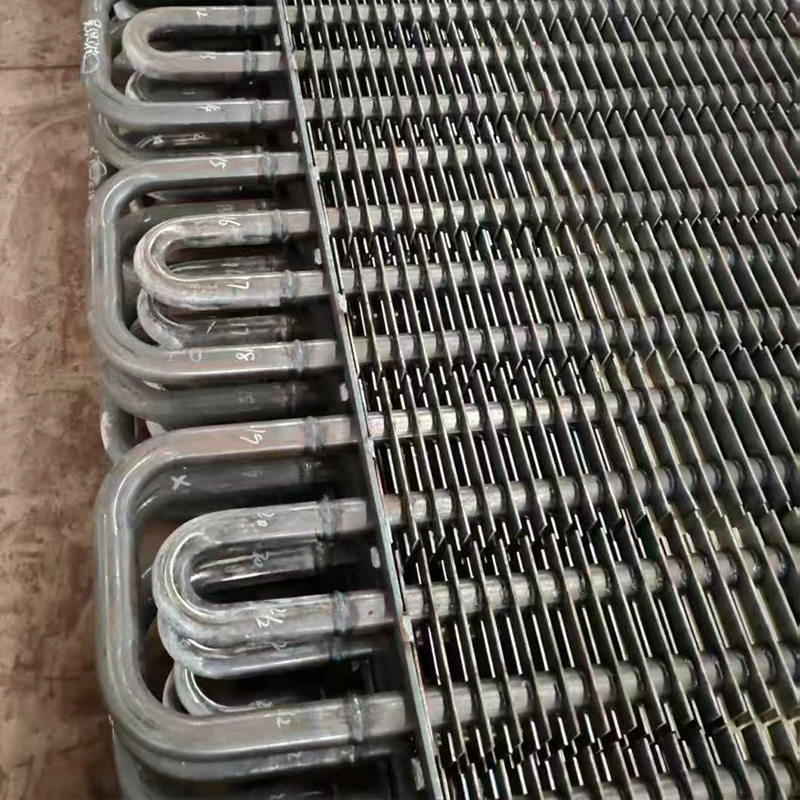
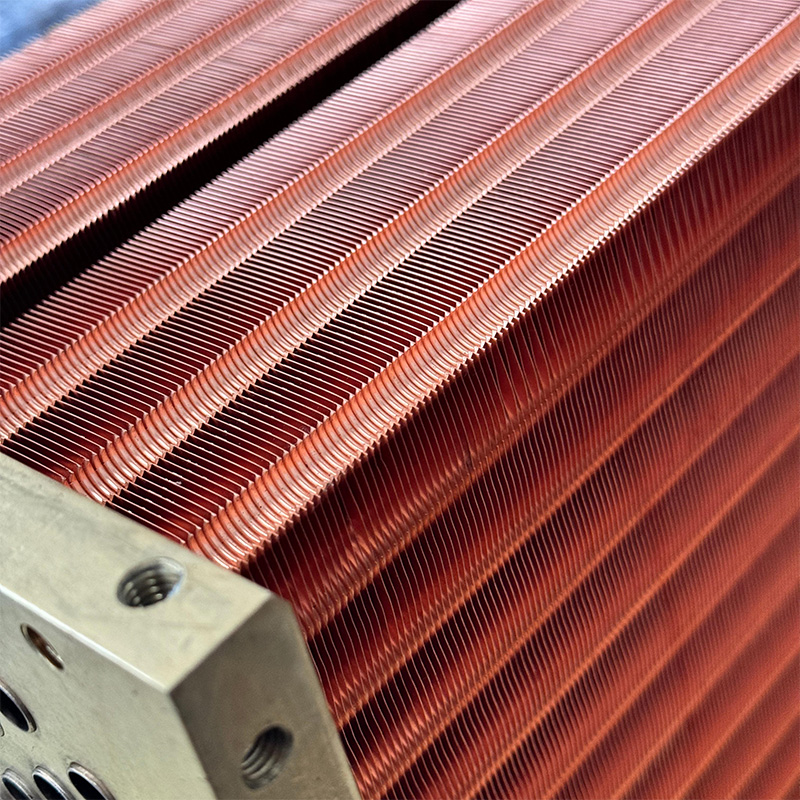
In this context, special attention should be paid to specialized manufacturers such as Wuxi Kaisheng Electric Power and Petrochemical Equipment Co.,Ltd. The company has established itself as a reliable partner in the development and production of complex heat exchange and petrochemical equipment, successfully combining competitive cost with high quality workmanship. The company's portfolio includes not only turnkey solutions such as titanium shell-and-tube heat exchangers, air coolers and recovery boilers, but also critical components: tube bundles made from C46400 marine brass, N06625 nickel alloys and, most importantly for this article, C70600 copper-nickel alloy tube sheets and forgings. The company's products are certified to stringent international PED and ASME standards, confirming their suitability for use in the high pressure, extreme temperature and corrosive environments found in oil refining, shipbuilding and seawater desalination. Choosing such a supplier allows customers to receive individual engineering solutions with guaranteed traceability of materials, minimizing risks associated with the quality of raw materials and compliance with technologies.
Indian manufacturers occupy a niche of balance between price and quality, offering products at prices of 17.5-20.5 dollars per kg. Indian factories have a strong metallurgical school and often operate to British standards, making their products attractive for projects in the Middle East and Africa. However, logistics from India to Europe or North America can be more difficult and longer than from China due to lower frequency of direct flights and port congestion. In addition, Indian suppliers are less flexible in changing specifications mid-order and require strict adherence to prepayment terms. In our experience, cooperation with Indian partners was successful with long-term planning, but problematic when urgent additional orders were needed.
European and North American manufacturers position their products in the premium segment with prices ranging from $24.0 to $32.0 per kg. The high cost is due to expensive energy resources, high salaries of qualified personnel and strict environmental standards. However, for projects with strict deadlines and quality assurance requirements, as well as for small series with complex geometries, local production in Europe or the USA is often more cost-effective in terms of total cost of ownership. The absence of customs duties, minimal logistics risks and the possibility of prompt interaction with plant engineers outweigh the difference in the price of the metal. Мы рекомендуем рассматривать местных поставщиков для критических компонентов, где цена простоя оборудования многократно превышает экономию на закупке материалов.
| Comparison parameter | Китай (CN) | Индия (IN) | Европа/США (EU/US) |
|---|---|---|---|
| Средняя цена (июнь 2026) | $16.5 – $19.0 / кг | $17.5 – $20.5 / кг | $24.0 – $32.0 / кг |
| Minimum Order Quantity (MOQ) | 500 кг – 1 тонна | 300 кг – 500 кг | 50 кг – 100 кг |
| Стандартный срок производства | 45 – 60 дней | 50 – 70 дней | 20 – 35 дней |
| Гибкость спецификаций | Низкая (только массовое производство) | Average | Высокая (индивидуальный подход) |
| Logistics risks | Средние (загруженность портов) | Высокие (транзитное время) | Низкие (локальная доставка) |
| Основной стандарт качества | GB/T, ASTM (экспорт) | IS, ASTM, BS | EN, ASME, DIN |
Выбор региона поставки должен основываться не только на текущей цене за килограмм, но и на совокупной стоимости проекта, включающей логистику, таможенные платежи, риски простоев и затраты на входной контроль. Для крупных инфраструктурных проектов с длительным циклом реализации оптимальной стратегией является диверсификация поставщиков: закупка базовых объемов в Азии для экономии бюджета и размещение заказов на критически важные узлы у локальных производителей для обеспечения надежности. Такой подход позволяет сбалансировать финансовые показатели и технические риски, обеспечивая бесперебойное снабжение строительства или модернизации объектов.
Типичные ошибки при закупке и способы их избежания
Одной из самых распространенных ошибок при формировании технического задания является указание только марки сплава без детализации требований к состоянию поставки и механическим свойствам. Сплав C70600 может поставляться в отожженном состоянии (annealed) или состоянии после горячей деформации (hot worked), и разница в их характеристиках существенна. Неправильный выбор состояния может привести к тому, ч то поковка не будет поддаваться дальнейшей обработке или не обеспечит требуемую герметичность соединения под давлением. Мы всегда рекомендуем включать в спецификацию конкретные значения предела текучести, относительного удлинения и твердости по Бринеллю, а также ссылку на соответствующий раздел стандарта ASTM или EN.
Игнорирование требований к упаковке и маркировке часто приводит к получению поврежденного товара. Поковки из медно-никелевых сплавов, несмотря на свою прочность, чувствительны к ударным нагрузкам при погрузочно-разгрузочных работах. Отсутствие деревянных прокладок между деталями в контейнере или недостаточная фиксация могут вызвать деформацию точных поверхностей или появление трещин. Кроме того, отсутствие четкой маркировки каждой поковки номером плавки делает невозможным идентификацию материала при входном контроле, что формально является основанием для браковки всей партии. В нашей практике был случай, когда партия фланцев была отправлена на переплавку из-за потери сопроводительных документов и невозможности подтвердить происхождение металла, что нанесло заказчику убытки в размере 40 000 долларов.
Недооценка времени на согласование документации и проведение инспекций — еще один фактор, ведущий к срыву сроков проекта. Многие заказчики закладывают в график только время физического производства, забывая о том, что согласование чертежей, утверждение методики контроля (ITP) и ожидание результатов лабораторных испытаний могут занять дополнительные 2-3 недели. Особенно это актуально при работе с новыми поставщиками, где процессы коммуникации еще не отлажены. Мы советуем добавлять буфер в 20% к заявленному производителем сроку поставки при планировании критического пути проекта, чтобы иметь запас времени на решение непредвиденных вопросов.
Попытка сэкономить на входном контроле качества является ложной экономией. Отказ от проведения независимой экспертизы или выборочных испытаний в сторонней лаборатории ради экономии нескольких сотен долларов может обернуться миллионными убытками в случае аварии на объекте эксплуатации. Современные методы неразрушающего контроля позволяют выявить внутренние дефекты, не видимые глазу, и отсеять брак до монтажа. Мы настоятельно рекомендуем проводить инспекцию силами третьей стороны (например, SGS, Bureau Veritas или TUV) на этапе окончательной приемки, особенно для партий стоимостью свыше 10 000 долларов. Это единственная гарантия того, что вы платите за металл, соответствующий заявленным характеристикам.
Прогноз развития рынка и стратегия закупок на второе полугодие 2026
Во второй половине 2026 года ожидается сохранение тренда на умеренный рост цен на продукцию из сплава C70600 в пределах 3-5% квартал к кварталу. Основными драйверами этого роста станут продолжающееся восстановление глобального судостроения, увеличение объемов строительства оффшорных ветряных электростанций и программы модернизации нефтеперерабатывающих заводов в Азии. Спрос на коррозионностойкие материалы будет опережать предложение качественного металла, что даст производителям возможность диктовать условия поставок. Закупщикам следует ожидать ужесточения условий оплаты со стороны заводов: переход от аккредитивов к 100% предоплате или требованию банковских гарантий станет нормой для новых контрактов.
Стратегия закупок должна сместиться от реактивной к проактивной. Вместо поиска поставщиков под конкретный возникший потребность, компаниям рекомендуется формировать портфель заказов на 6-12 месяцев вперед, фиксируя цены и производственные мощности. Заключение рамочных соглашений (framework agreements) с проверенными поставщиками позволит получить приоритет в очереди на производстве и лучшие ценовые условия. Также целесообразно рассмотреть возможность консолидации закупок внутри холдинга или отрасли для увеличения переговорной силы и получения оптовых скидок. Анализ цен на поковки из сплава C70600 в июне 2026 подтверждает, что раннее бронирование ресурсов является наиболее эффективным инструментом управления бюджетом проекта.
Технологическое развитие производства поковок также внесет коррективы в рынок. Внедрение методов точной ковки (near-net-shape forging) позволит снизить расход металла и сократить объем механической обработки, что в перспективе снизит стоимость готовых изделий сложной формы. Однако переход на новые технологии требует времени и инвестиций, поэтому массовое появление такой продукции на рынке ожидается не ранее 2027 года. В текущем моменте преимущество получат те заказчики, которые готовы сотрудничать с производителями в области оптимизации конструкций деталей, разделяя выгоду от снижения материалоемкости.
Геополитическая карта поставок продолжит трансформироваться. Усиление торговых барьеров между отдельными регионами мира вынудит компании искать альтернативные цепочки поставок и локализовать производство критических компонентов. Это может привести к появлению новых игроков на рынке поковок в странах Латинской Америки и Восточной Европы, которые пока занимают маргинальную долю. Мониторинг этих новых источников снабжения уже сейчас может дать стратегическое преимущество в будущем, позволяя диверсифицировать риски и избежать зависимости от единых регионов.
Frequently Asked Questions
Какова минимальная партия для заказа поковок из C70600?
Минимальный объем заказа (MOQ) зависит от типа поставщика и сложности изделия. Для крупных заводов в Китае и Индии стандартный MOQ составляет 500 кг или 1 тонну на позицию, так как запуск меньших партий экономически неэффективен из-за затрат на переналадку оборудования и подготовку шихты. Европейские и американские производители более гибки и готовы выполнять заказы от 50-100 кг, но цена за килограмм в таком случае будет значительно выше (премия за мелкую серию может достигать 40-50%). Если вам требуется меньшее количество, рациональным решением является покупка из наличия на складах дистрибьюторов металлопроката, где продаются отрезки прутка или диски, хотя ассортимент там ограничен стандартными размерами.
Можно ли заменить сплав C70600 на более дешевый аналог?
Прямая замена сплава C70600 (CuNi 90/10) на более дешевые материалы, такие как латунь (адмиралтейская) или алюминий-бронза, возможна только после тщательного инженерного анализа условий эксплуатации. C70600 обладает уникальным сочетанием стойкости к биообрастанию, эрозионно-коррозионной стойкости при высоких скоростях потока и свариваемости, которое трудно воспроизвести другими сплавами. Замена на латунь допустима только в системах с низкой скоростью потока и отсутствием загрязнений, но срок службы таких деталей будет в 2-3 раза меньше. Использование нержавеющей стали 316L возможно в некоторых случаях, но она подвержена питтинговой коррозии в застойных зонах и не имеет антимикробных свойств меди. Любая замена должна быть согласована с главным технологом проекта и подтверждена расчетами на коррозию.
Какой срок гарантии предоставляется на поковки из C70600?
Стандартная гарантия производителей на соответствие поковок заявленным в сертификате механическим и химическим свойствам обычно составляет 12 месяцев с даты отгрузки или 18 месяцев с даты производства. Эта гарантия покрывает скрытые дефекты металла, выявленные при последующей обработке или в начальный период эксплуатации. Однако гарантия на коррозионную стойкость в конкретных условиях среды практически никогда не предоставляется, так как она зависит от множества внешних факторов (температура, состав воды, скорость потока, наличие блуждающих токов), которые производитель не может контролировать. В контрактах высокого уровня иногда прописываются расширенные гарантийные обязательства, но они требуют проведения дорогостоящих превентивных испытаний и мониторинга в процессе эксплуатации.
Требуется ли специальная лицензия для импорта поковок C70600?
В большинстве стран импорт полуфабрикатов и поковок из медно-никелевых сплавов не требует специальных лицензий, так как эти материалы не относятся к товарам двойного назначения или стратегическим ресурсам, подлежащим жесткому государственному контролю. Однако для ввоза продукции в Российскую Федерацию необходимо оформление декларации о соответствии требованиям технических регламентов Таможенного союза (ТР ТС 010/2011 “О безопасности машин и оборудования” или ТР ТС 032/2013 для оборудования под давлением). Также важно проверить актуальный список санкционных ограничений, так как отдельные заводы-производители могут находиться под запретом на ведении операций с определенными юрисдикциями. Перед оформлением контракта всегда запрашивайте у поставщика код ТН ВЭД и консультируйтесь с вашим таможенным брокером.
Как контролируется качество внутренней структуры поковки?
Контроль внутренней структуры поковок из C70600 осуществляется методами неразрушающего контроля (НК), преимущественно ультразвуковым контролем (УЗК/UT) согласно стандартам ASTM A388 или EN 10228-3. Ультразвуковое сканирование позволяет выявить расслоения, трещины, раковины и неметаллические включения внутри массива металла без нарушения целостности изделия. Для ответственных деталей толщиной стенки более 50 мм обязательно проведение УЗК по сетке с шагом не более 100 мм. Дополнительно может применяться радиографический контроль (RT) для сварных швов или зон с сложной геометрией, где доступ для ультразвукового датчика ограничен. Результаты контроля фиксируются в протоколе, который является неотъемлемой частью приемосдаточной документации.
Подводя итог анализу рыночной ситуации июня 2026 года, можно утверждать, что рынок поковок из сплава C70600 находится в фазе зрелости с тенденцией к консолидации и росту цен. Успешная реализация проектов в этих условиях требует от закупщиков высокой квалификации, глубокого понимания технологии производства и умения выстраивать долгосрочные партнерские отношения с надежными поставщиками, такими как специализированные предприятия, предлагающие полный цикл услуг от разработки до сертификации по стандартам ASME и PED. Экономия на качестве металла в данном сегменте недопустима, так как стоимость потенциального отказа оборудования многократно превышает разницу в цене между премиальным и бюджетным продуктом.Contact us todayдля получения детального коммерческого предложения и консультации по подбору оптимальных решений для ваших задач.
Для дальнейшего изучения темы рекомендуем ознакомиться с нашими материалами:полное руководство по медным сплавамandстандарты качества поковок.