
aluminum terminal boxes: price and characteristics
2026-07-18
Aluminum terminal boxes: price and characteristics for industrial use
The price of aluminum terminal boxes varies from 850 to 12,500 rubles per unit, depending on the volume of the housing, the degree of IP protection and the availability of EAC certificates. In our procurement practice for oil and gas facilities, we have seen how an attempt to save 15% on sealant material led to condensation inside the box after only three months of operation at a temperature of -40°C. Aluminum terminal boxes: price and characteristics are not just numbers in a price list, but a balance between the cost of ownership and the risk of equipment downtime. If you are choosing a housing for an aggressive environment or an explosive zone, the “price” parameter should be considered only in conjunction with the protection class and gasket material.
The market is overflowing with offers that indicate reduced prices, but hide the real costs of modification or replacement. We've analyzed over 40 models from Russian and Chinese manufacturers to give you a clear picture of what you're paying for. In this article we will analyze specific technical parameters that affect cost, compare AD31 and AK12 alloys, and show why the GOST R 51330 certificate is a critical factor and not a formality.
Cost formation factors: from raw materials to certification
The cost of the product is determined by three main factors: the exchange price for primary aluminum, the complexity of the injection mold and the cost of laboratory testing. The London Metal Exchange (LME) dictates the base price of raw materials, but production technology is more important for the end buyer. Die-casting housings have a higher initial cost due to the cost of the molds, but provide better sealing and dimensional accuracy than sand casting. In our projects, we always require a quality certificate for the alloy, since the use of recycled aluminum reduces corrosion resistance by 30-40%.
The degree of IP protection directly correlates with the price. The transition from IP65 to IP66 or IP67 requires the use of more complex sealing profiles made of silicone or EPDM rubber that are resistant to ultraviolet and extreme temperatures. The gasket made of cheap porous rubber, which is installed in budget models, hardens in the cold and allows moisture to pass through. The difference in price between an IP65 and IP67 box can reach 25%, but this overpayment insures you against a short circuit during a rainstorm or washing equipment with high pressure water.
Certification is an expense that unscrupulous suppliers often ignore. The presence of a certificate of compliance with the Technical Regulations of the Customs Union (TR CU 004/2011 “On the safety of low-voltage equipment”) and TR CU 012/2011 “On the safety of equipment for working in explosive environments” increases the cost of the batch by 10-15%. However, the absence of an Ex mark or an EAC mark makes the installation of such equipment in hazardous production facilities illegal. We encountered a situation where a batch of 200 boxes had to be discarded because the manufacturer could not provide intrinsic safety test reports.
The volume of purchase also plays a decisive role. When ordering from 50 pieces, the unit price is reduced by an average of 18% due to optimization of logistics and customization of injection molding machines. However, the minimum quantity quantity (MOQ) for custom colors or modifications is usually 100 units. The production time for a standard batch varies from 14 to 21 working days, while custom orders require from 30 to 45 days.
Specifications: Effect of alloy and design on reliability
The main material for the production of high-quality terminal boxes is aluminum alloy of the AD (Al-Mg-Si) or AK (Al-Si-Cu) series. AD31 alloy (similar to 6060) is highly corrosion resistant and can be anodized, making it ideal for marine environments and the chemical industry. Alloys such as AK12 (silumin) are cheaper to process and have good fluidity during casting, allowing the creation of complex thin-walled structures, but they are less resistant to impact loads. When choosing, pay attention to the wall thickness: for industrial applications it should not be less than 3 mm at the places where the cover is attached.
The lid seal design is the most vulnerable element. Quality aluminum terminal boxes use a profile seal around the entire perimeter, pressed into a groove in the cover or housing. Flat gaskets, which are simply placed on top, often move during installation, breaking the tightness. In our practice, there was a case when the vibration of the compressor led to the gradual extrusion of a flat gasket, which caused oil mist to enter the box and oxidize the contacts. The profile seal does not have this drawback, since it is mechanically fixed.
Fastening elements must be made of stainless steel grade A2 (AISI 304) or A4 (AISI 316) for particularly aggressive environments. The use of galvanized screws in an aluminum case is unacceptable due to the risk of electrochemical corrosion (aluminum-zinc contact pair). We recommend checking the package: manufacturers often save money and supply ordinary steel screws, which rust after six months of outdoor use. It is also important to have internal mounting areas (lands) for mounting DIN rails or terminal blocks. Their location should allow easy access to the wires even when the space is completely filled.
The operating temperature range of high-quality aluminum boxes is from -60°C to +80°C. This is achieved due to the correct selection of gasket material and the absence of plastic elements in the housing design. Plastic cable glands (cable glands) can become a weak link in the cold, so for arctic versions we insist on using metal sealed glands or specialized frost-resistant polymers. The overall dimensions of the standard range are usually multiples of 100 mm (for example, 150x150x80, 200x200x100), which simplifies cabinet design and layout.
Comparative Analysis: Aluminum vs Polyamide and Stainless Steel
The choice of housing material is often the subject of lengthy discussions between engineers and purchasers. To make an informed decision, you need to compare the technical requirements of the project with the budget. Below is a detailed table comparing aluminum boxes with their main competitors - polyamide (plastic) and stainless steel cases.
| Comparison parameter | Aluminum alloy (Casting) | Polyamide (Plastic) | Stainless steel (AISI 304/316) |
|---|---|---|---|
| Mechanical strength | High. Withstands impacts and does not crack. Possible deformation under extreme loads. | Average. Brittle at low temperatures (-40°C and below). Risk of cracks upon impact. | Very tall. Virtually no deformation. The best choice for areas with a high risk of mechanical damage. |
| Corrosion resistance | High (with anodizing or powder coating). Susceptible to pitting in highly alkaline environments. | Excellent. Inert to most chemicals, salts and acids. Does not rust. | Excellent (especially AISI 316). Ideal for the food industry and offshore platforms. |
| Electromagnetic compatibility (EMC) | Excellent. Shields electromagnetic interference (EMI/RFI). Critical for sensitive electronics. | Absent. Requires the installation of internal metal screens, which increases the cost of the design. | Excellent. Full shielding. |
| Heat resistance | Up to +150°C (short term). Does not burn, does not support combustion. | Usually up to +80…+100°C. If overheated, it may soften or ignite. | Up to +400°C and above. Absolutely non-flammable material. |
| Price (relative) | Average. Optimal price/quality ratio for difficult conditions. | Low. The most budget option for general industrial tasks. | High. 2-3 times more expensive than aluminum. Used where other materials are not acceptable. |
| Weight | Average. Lighter than steel, but heavier than plastic. | Low. Simplifies installation and reduces load on structures. | Tall. Requires reliable fastening and reinforced supports. |
The table shows that aluminum terminal boxes occupy the niche of the “golden mean”. If your project involves installation in a workshop with normal temperatures and the absence of aggressive chemicals, polyamide will be more economical. However, as soon as there are requirements for explosion protection (Ex), shielding of signal lines or operation at temperatures below -40°C, plastic is eliminated. Stainless steel remains the domain of special tasks: food production (hygiene requirements), offshore platforms or areas with extreme mechanical risks.
In one of our projects at a mining and processing plant, replacing plastic boxes with aluminum ones reduced the number of failures due to the destruction of housings from vibration and dust by 90% in the first year of operation. Initial costs increased by 40%, but maintenance and replacement costs were recouped in 8 months. For most heavy industry, energy and transportation applications, aluminum is the uncontested standard.
Standards and certification: what to look for when accepting
When purchasing industrial equipment in Russia and the EAEU countries, the key document is the certificate of conformity. For aluminum terminal boxes, the two most important technical regulations are: TR TS 004/2011 (low-voltage equipment) and TR TS 012/2011 (explosion-proof equipment). The EAC marking on the housing and in the documentation confirms that the product has been tested in an accredited laboratory and is safe for use.
If the equipment is intended for explosive areas (oil and gas, chemicals, flour milling), the box must be marked with explosion protection, for example,Ex eb IIC GborEx tb IIIC Db. Here:
- Ex— explosion protection sign;
- eb/tb— type of explosion protection (increased safety/enclosure protection);
- IIC/IIIC— explosive mixture group (gases/dust);
- Gb/Db— level of equipment protection.
The absence of any of these letters in the marking makes the use of the box in an explosive zone a violation of the law, which threatens with huge fines and production stoppage. We strongly recommend that you request a copy of the certificate from the supplier before paying your invoice and check the expiration date. Often suppliers send certificates for similar, but not identical models.
It is also worth paying attention to the standards of protection against external influences. GOST 14254-2015 (analogous to IEC 60529) regulates IP protection levels. For outdoor use, the minimum acceptable rating is IP65, but we recommend IP66 or IP67, especially for areas with heavy rainfall or potential for flooding. Check the test report, which indicates which method the protection was tested (pressurized water jet, immersion, etc.).
Another important aspect is the climatic design in accordance with GOST 15150. For work outdoors in most regions of Russia, the design is requiredU1(temperate climate) orHL1(cold climate). Products of execution U3 are intended only for enclosed spaces without heating and will quickly fail in rain or snow. In our practice, there have been cases of delivery of “street” boxes with a U3 passport, which was revealed only after the start of installation.
Typical mistakes during selection and installation
Even a correctly selected aluminum terminal box can fail prematurely due to installation errors. The most common problem is improperly tightening the cover mounting screws. Aluminum is a soft metal, and excessive force can cause the flange to deform or strip the threads, which will compromise the seal. Insufficient tightening will cause the gasket to not compress evenly. Use a torque wrench and follow the manufacturer's torque recommendations (typically 2-4 Nm for small screws).
The second common mistake is leaky cable entry. Using unsuitable grommets (for example, too large a diameter for a thin cable) creates a channel for moisture penetration. The cable must be tightly crimped with the sealant seal. If the cable is thinner than the nominal diameter, use adapters or cable glands with a smaller clamping range. We have seen cases where water was released into the box through the “free” passage of the sealed inlet, despite the fact that the box itself had IP67 protection.
The third problem is condensation. Even a completely sealed box can accumulate moisture inside due to temperature changes (“breathing” air). When heated during the day, the air expands and escapes; at night it cools and draws moist air inside. Over time, this leads to the formation of water droplets at the bottom. The solution is to install Breather Drains, which release moisture but keep water out, or use silica gel inside the housing. Ignoring this factor in a humid climate is guaranteed to lead to corrosion of the contacts.
The fourth mistake is galvanic corrosion when connecting copper busbars directly to an aluminum body without insulation. Although modern terminals have protective coatings, direct contact of dissimilar metals in the presence of electrolyte (moisture) accelerates destruction. Always use insulating washers or terminal blocks with tinned contacts.
Integrated solutions for the oil and gas and energy industries
The reliability of an industrial infrastructure depends not only on individual components, such as terminal boxes, but also on the coordinated operation of the entire technological complex. This is the comprehensive approach that the company implementsWuxi Kaisheng Electric Power and Petrochemical Equipment Co., Ltd.. Specializing in the design and manufacture of high-tech equipment for the most demanding environments, the company offers solutions that ideally complement power distribution systems in oil refining, petrochemical and shipbuilding environments.
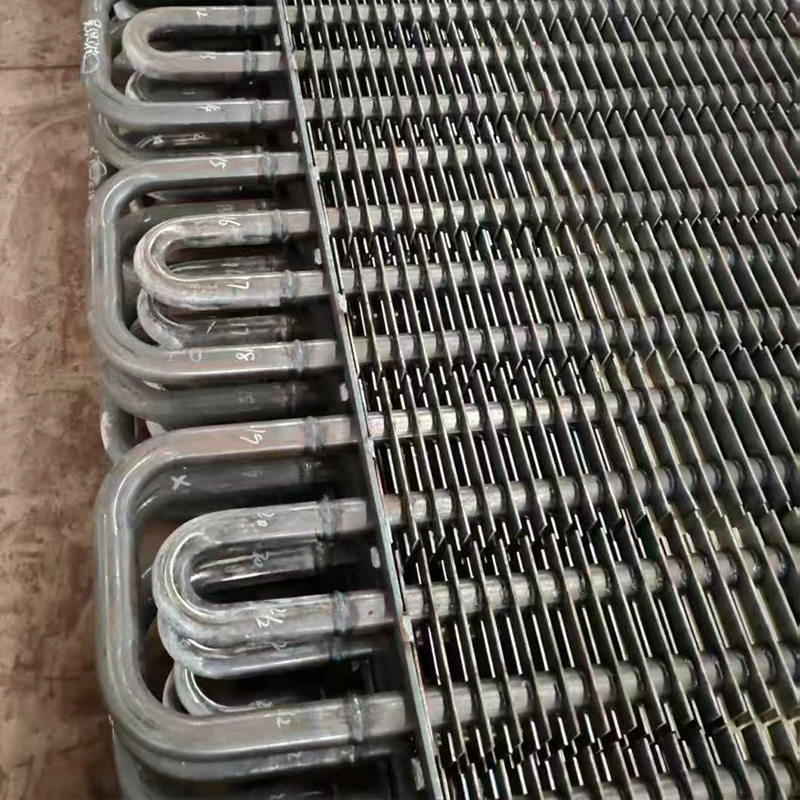
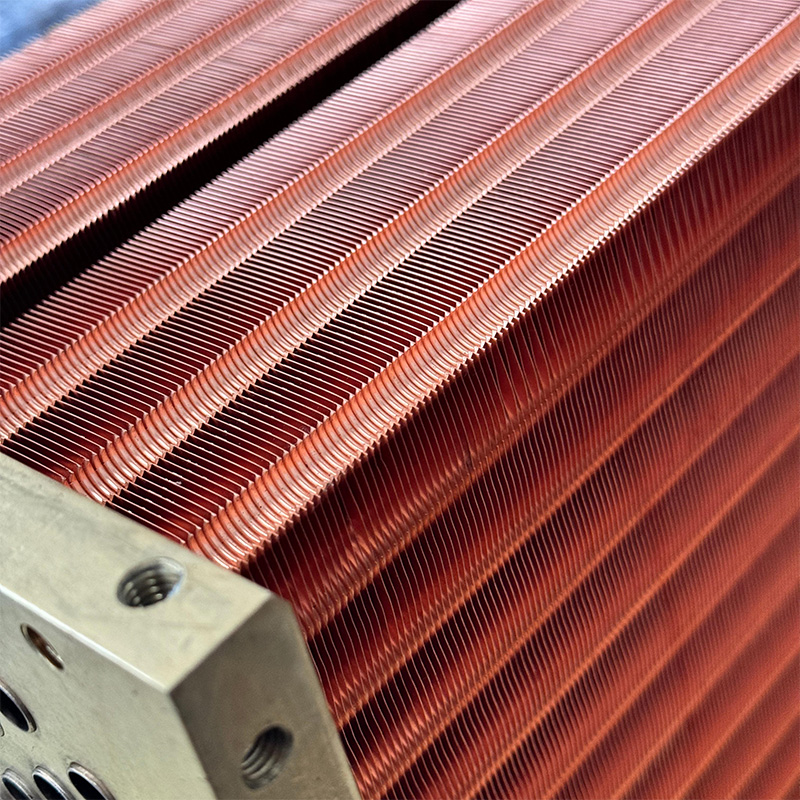
While aluminum boxes provide protection for electrical connections, Wuxi Kaisheng products address the challenges of heat transfer and high pressure operation. The company manufactures titanium shell-and-tube heat exchangers, ASME-standard units, and corrugated tube bundles in 316 stainless steel, C46400 marine brass, and N06625 nickel alloys. These PED and ASME certified products demonstrate exceptional corrosion resistance and performance even in harsh environments such as seawater desalination or cracking processes.
The synergy of high-quality electrical installation equipment and advanced heat exchange systems allows us to create objects with maximum service life. For example, on offshore platforms that simultaneously require explosion-proof terminal boxes and C70600 copper-nickel alloy heat exchangers, the Wuxi Kaisheng approach ensures uniform quality standardization. The company provides customized engineering solutions and a stable supply of components worldwide, becoming a reliable partner for large industrial projects where compromises in safety and durability are unacceptable.
How to calculate the required cost and choose a supplier
When forming a project budget, include the cost of aluminum terminal boxes with a safety factor of 1.2 for logistics and customs duties if you order imports. For Russian manufacturers, the price is usually fixed in rubles and depends on the exchange rate of aluminum. Request a quote from 3-4 suppliers, specifying the exact quantity, degree of protection required and certification required.
Please pay attention to the terms of the warranty. Reliable manufacturers provide a guarantee of 2 to 5 years on the integrity of the housing and the preservation of the properties of the gasket. If the supplier offers only a 6-month warranty, this is a signal of low quality materials. Also check the availability of the warehouse program: popular sizes (for example, 150x150x80 mm) should be in stock for shipment within 1-3 days.
Check the factory's reputation. Having our own injection molding site and quality control laboratory is a huge plus. Factories operating on a toll basis (they order castings externally and only paint and assemble them themselves) often have problems with the stability of the quality of batches. Ask for a photo of the production or a video tour - an honest manufacturer does not hide his workshops.
For large projects (from 1 million rubles), it makes sense to request a sample to conduct your own tests. Check the geometry, quality of painting (adhesion), operation of the lid locks and accessories. You can carry out a leak test yourself by placing a dry cloth inside the box and lowering it into a container of water under load (if the design allows), although this is a barbaric method, it quickly reveals obvious defects.
Conclusion and recommendations for action
Aluminum terminal boxes remain the reliability standard for Russian industry due to their combination of strength, durability and reasonable price. The correct choice of a product requires analysis of not only the price tag, but also full compliance with the technical conditions of the project: from climatic design to explosion protection class. Savings at the procurement stage often result in multiple losses during operation.
Мы рекомендуем не полагаться на универсальные решения, а подбирать конкретную модель под задачу, используя данные из этой статьи как чек-лист. Если вы сомневаетесь в выборе степени защиты или типа сплава для ваших условий, лучше проконсультироваться с инженером-технологом завода-изготовителя перед оформлением заказа.
Готовы подобрать оптимальное решение для вашего объекта?Перейдите в каталог алюминиевых клеммных коробок, чтобы ознакомиться с полным списком типоразмеров и актуальными ценами. Для получения индивидуального расчета и технической консультацииcontact us todayчерез форму обратной связи или по телефону отдела продаж. Мы поможем избежать ошибок и обеспечить надежность вашей энергосистемы.
Frequently Asked Questions
Какова реальная разница в цене между IP65 и IP67?
Разница в цене составляет примерно 15-20%. Основная причина — более сложная конструкция уплотнителя и усиленная крышка, способная выдержать кратковременное погружение. Для уличной установки в регионах с сильным ветром и косым дождем переплата за IP67 обязательна, так как струя воды под напором может пробить защиту IP65 через микрозазоры.
Можно ли использовать алюминиевые коробки в пищевой промышленности?
Да, но только при условии специального покрытия. Стандартное порошковое покрытие может не выдержать частой мойки агрессивными дезинфектантами. Для пищепром а рекомендуется использовать коробки из нержавеющей стали или алюминиевые корпуса с эпоксидным покрытием пищевого класса, сертифицированным для контакта с продуктами. Обычный анодированный алюминий может окисляться под действием кислот.
Какой срок службы алюминиевой клеммной коробки?
При соблюдении условий эксплуатации и правильном монтаже срок службы составляет не менее 20-25 лет. Основным элементом, требующим замены, является резиновая прокладка, которая теряет эластичность через 10-12 лет. Регулярное ТО (раз в 5 лет) с заменой уплотнителя продлевает жизнь корпусу практически бесконечно.