
Electropolished pipe 304/304L: perfect surface smoothness
2026-07-09
- What is 304/304L Electropolished Pipe and Why Is It Critical to Your Production
- Electropolishing technology: physics of the process and impact on the metal structure
- Comparison of steel grades 304 and 304L: which one to choose for your application
- Quality standards and roughness parameters: what to look for in the documentation
- Applications in industries: from food production to nuclear power
- How to distinguish high-quality electropolishing from a fake: a practical guide
- Logistics, storage and installation: maintaining quality until system launch
- Экономическое обоснование: почему дешевые трубы выходят дороже
- Frequently Asked Questions
- Conclusion and next step
What is 304/304L Electropolished Pipe and Why Is It Critical to Your Production
The 304/304L electropolished tube provides perfect surface smoothness, reducing roughness to Ra < 0.4 µm, which is a mandatory standard for the pharmaceutical, food and microelectronics industries. Unlike mechanical polishing, electrochemical machining removes microscopic metal protrusions at the atomic level, creating a passive oxide layer up to 30 nanometers thick. This layer doesn’t just make the pipe shiny - it radically changes its chemical resistance and hygienic properties. We have seen cases where enterprises have lost entire batches of products due to bacterial biofilms that formed in microcracks in pipes with conventional grinding. Electropolishing eliminates this threat completely.
AISI 304 and 304L steel grades are the gold standard in the industry due to their optimal balance between cost and corrosion resistance. However, without proper finishing, even the highest quality alloy can become a weak link in the production line. The low carbon version 304L is especially important for welded structures as it prevents intergranular corrosion in heat affected zones. When you choose an electropolished pipe, you are not just buying rolled metal, but a guarantee of the purity of the process. In this article, we will analyze the technical nuances that distinguish a real product from an imitation, and show how to check the quality before paying.
Electropolishing technology: physics of the process and impact on the metal structure
The process of electropolishing is often confused with electroplating, but they are fundamentally different phenomena. During electropolishing, the pipe acts as an anode in an electrolytic bath, where, under the influence of direct current, selective dissolution of the metal from the surface occurs. Protrusions, which have a smaller area and higher current density, dissolve faster than depressions. As a result, the surface is leveled and micro-irregularities disappear. The depth of layer removal is usually from 10 to 30 micrometers, which is sufficient to remove rolling and welding defects, but does not critically affect the geometric dimensions of the pipe.
The key result of the process is the enrichment of the surface with chromium. The original 304 alloy contains about 18% chromium, but after electropolishing the chromium concentration in the surface layer can reach 25-30%. This happens because iron dissolves in the electrolyte faster than chromium. The resulting chromium oxide (Cr2O3) creates an impenetrable barrier to aggressive environments. In our practice, we encountered a situation where a client used mechanically polished pipes to transport chlorine-containing solutions. After six months of operation, pinpoint corrosion lesions began. Replacing with electropolished 304L pipes solved the problem completely, extending the service life of the system three times.
It is important to understand that electropolishing does not correct gross mechanical damage. If the pipe has deep scratches or dents more than 50 microns deep, the process will only smooth out the edges, but will not completely remove them. Therefore, the initial condition of the workpiece is critical. High-end manufacturers use pipes that are pre-ground to P180-P240 grit before dipping into the bath. This allows achieving a final roughness of Ra < 0.4 µm required by ASME BPE and GOST standards for hygienic systems. Ignoring this stage leads to the fact that there is shine, but no functional properties.
Comparison of steel grades 304 and 304L: which one to choose for your application
The choice between standard 304 stainless steel and the low-carbon 304L version often raises questions among buyers. The main difference is the carbon content: in grade 304 it is allowed up to 0.08%, while in 304L it is limited to 0.03%. This figure seems insignificant, but it determines the behavior of the metal during welding. When heated above 450°C, the carbon in 304 steel tends to combine with chromium, forming chromium carbides. These compounds precipitate along grain boundaries, depleting adjacent areas of chromium and leaving them vulnerable to corrosion. This phenomenon is known as intergranular corrosion.
If your piping system involves multiple welded joints or service in the temperature range of 400°C to 850°C, the use of grade 304L is mandatory. For seamless pipes that are not welded during installation, or for systems operating at room temperature, grade 304 is sufficient and more cost effective. The cost of 304L is typically 5-7% higher due to stricter control of melt composition. However, saving on material can result in multi-million dollar losses if the system fails at a critical point in production.
Let's consider a specific example from the practice of a pharmaceutical plant. When modernizing the injection drug bottling line, the designers chose 304 pipes to reduce the budget. The system passed hydraulic tests successfully, but after 8 months of operation, traces of “red rust” began to appear in the weld area. The analysis showed the development of intergranular corrosion. We had to stop production and replace the entire circuit with 304L. Losses from downtime exceeded the initial savings on material by 15 times. Electropolishing the 304L pipes after welding restored the passive layer in the heat-affected zones, returning the system to full corrosion resistance.
| Comparison parameter | 304 stainless steel | 304L stainless steel |
|---|---|---|
| Carbon content | Max. 0.08% | Max. 0.03% |
| Resistance to intergranular corrosion | Low (no stabilization) | High |
| Recommended Application | Decor, light structures, low temperatures | Welded structures, high temperatures, aggressive environments |
| Mechanical strength | Slightly higher (yield strength ~205 MPa) | Slightly lower (yield strength ~170 MPa) |
| Cost | Basic | 5-10% higher |
| Electropolishing Requirements | Standard | Mandatory after welding to restore properties |
When ordering electropolished pipes, always check the steel grade in the specification. Some unscrupulous suppliers may offer 304 pipes under the guise of 304L, especially if the products do not require a quality certificate with chemical analysis. It is impossible to distinguish them visually. The only reliable way is to request a mill test certificate (MTC) Form 3.1 according to EN 10204, which will indicate the exact chemical composition of each batch. For critical applications, we recommend independent spectral testing of the first delivery.
Quality standards and roughness parameters: what to look for in the documentation
In the world of industrial piping, the words “perfectly smooth” must be backed up by numbers. The main parameter characterizing the quality of the surface after electropolishing is the arithmetic average roughness Ra. Most hygienic applications in the food and dairy industries require a Ra level of ≤ 0.8 µm. However, for pharmaceuticals, biotechnology and semiconductor manufacturing, the standard is tightened to Ra ≤ 0.4 µm, and in some cases to Ra ≤ 0.25 µm. Such requirements are enshrined in the international standard ASME BPE (Bioprocessing Equipment) and the European EHEDG.
In addition to the numerical value of Ra, the measurement method is critical. The roughness measured by a contact profilometer may differ from the data obtained by the optical method. We insist on using contact methods with a diamond needle for small diameter pipes as they give the most reproducible results. It is also important to consider the direction of the measurements. The pipe must be checked both longitudinally and transversely. Surface anisotropy (the difference in indicators along and across the pipe axis) should not exceed 20%. If the difference is greater, this indicates unevenness in the electropolishing process.
Another important indicator is the presence of inclusions and defects. ASTM A967 describes test methods for passivation and the absence of free iron on the surface. The ferroxyl test should give a negative result, confirming that there are no free iron particles on the surface that could become foci of corrosion. In our laboratory we carry out this test for each batch of pipes before shipment. One of our clients encountered a problem when, after a week, red dots appeared on apparently shiny pipes. The analysis showed the presence of residual iron due to a violation of the washing technology after etching. The implementation of controls according to ASTM A967 prevented the recurrence of such cases.
Documentation for electropolished pipes 304/304L must include not only a metal certificate, but also a surface test report. It must indicate: the method of roughness measurement, the equipment used, the number of measurements per unit length, the results of the passivation test and visual inspection. The absence of this data turns the certificate into a useless piece of paper. When accepting the goods, require the provision of these documents before signing the acceptance certificate. Remember that it is extremely difficult to prove after the fact that the surface does not comply with the declared parameters, especially if the pipes are already installed in the system.
Applications in industries: from food production to nuclear power
The versatility of 304/304L electropolished tubing comes from its ability to perform in environments where product purity and process sterility are the No. 1 priority. In the food industry, especially in the dairy and brewing sectors, the internal surfaces of pipelines must prevent the adhesion of proteins and fats. The micro-irregularities of a conventional pipe act as traps for organic residues, which become a breeding ground for bacteria. Even a thorough wash (CIP - Clean In Place) is not always able to remove dirt from deep pores. The electropolished surface with Ra < 0.4 µm has hydrophobic properties, due to which product residues are easily washed off by the flow of the washing solution.
In the pharmaceutical industry, the requirements are even stricter. Here we are talking not only about purity, but also about the absence of release of metal particles into the product. During the production of vaccines, serums and injection solutions, any metal debris is unacceptable. Electropolishing removes microscopic burrs and loose iron, minimizing the risk of contamination. In addition, the smooth surface facilitates steam sterilization at high temperatures. Heat is distributed evenly, without local overheating in places where dirt accumulates. This guarantees the effectiveness of the sterilization cycle and the safety of the final product.
Interesting applications include microelectronics and the production of ultrapure gases. High purity pipes are used to transport special gases (arsine, phosphine, silane). Any reaction of the gas with the pipe wall can change its composition and lead to chip failure. Electropolished 304L pipes create an inert barrier that prevents gas-metal interaction. In one of the projects for the construction of an LED production plant, we replaced conventional pipes with electropolished ones. The result was a 12% reduction in wafer defect rates in the first quarter of operation, which directly impacted production profitability.
It is also worth noting its use in the energy and chemical industries. Although 316L steel is often used for extremely aggressive environments, for many processes, water-steam and moderately aggressive reagents 304L are sufficient. The main advantage here is durability. Pipelines operating under pressure and at variable temperatures are subject to cyclic loads. The smooth surface of the electropolished pipe reduces stress concentration in microcracks, increasing the fatigue strength of the material. This is especially true for heat exchangers and boiler plants, where a pipe failure can lead to an emergency shutdown of the entire power unit.
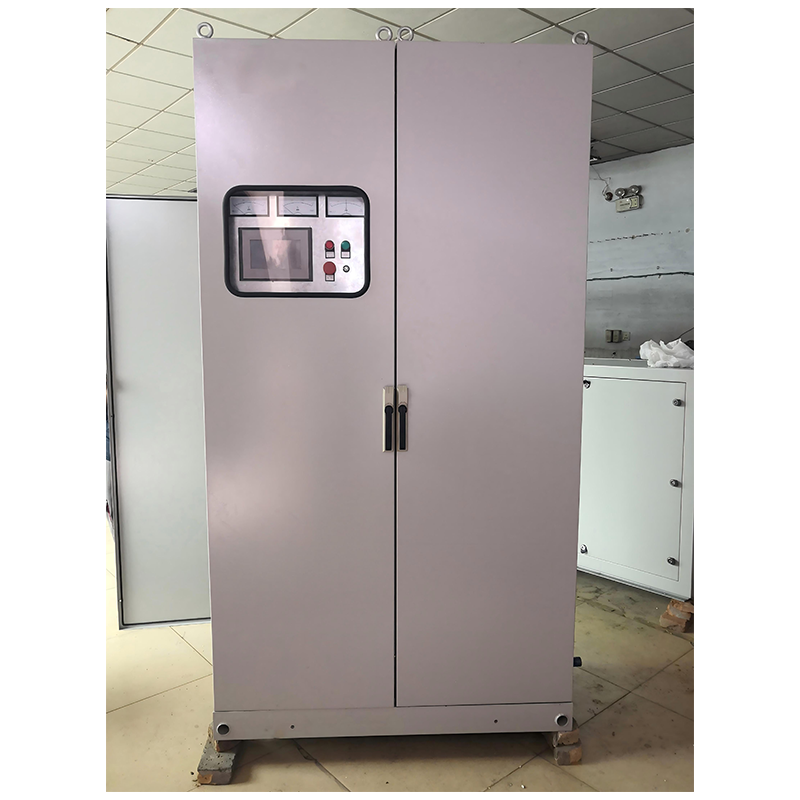
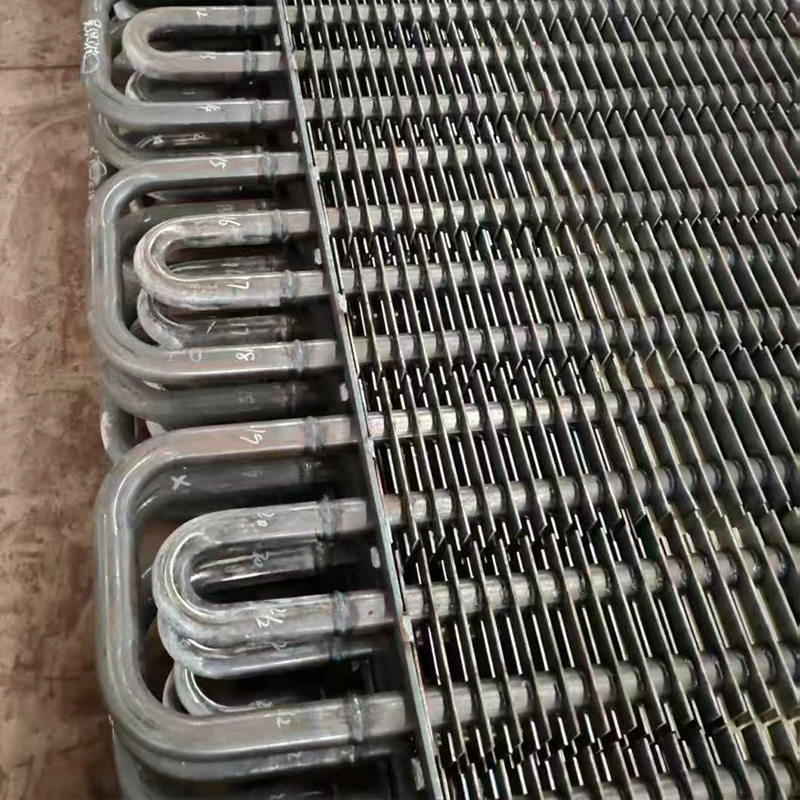
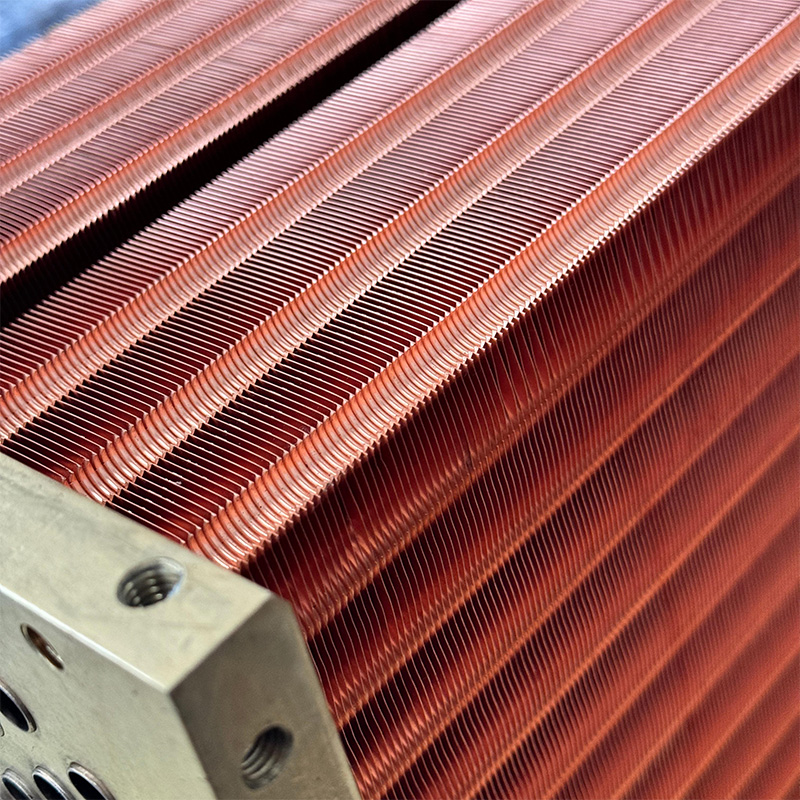
It is in such highly loaded conditions that the experience of companies specializing in complex industrial equipment shines. For example,Wuxi Kaisheng LLC, as an expert in the field of electrical power and petrochemical equipment, actively uses the principles of high corrosion resistance and clean surfaces in the production of its heat exchangers and tube bundles. Their products, including 316 stainless steel corrugated tube bundles and N06625 alloy components, are certified to stringent ASME and PED standards, demonstrating the importance of material quality and surface finish for high pressure and corrosive environments. The approach taken by industry leaders like Wuxi Kaisheng to heat exchange equipment for desalination and oil refining demonstrates that investing in quality materials and processing technologies such as electropolishing is fundamental to the reliability of any utility system.
How to distinguish high-quality electropolishing from a fake: a practical guide
The market is filled with offers of pipes with a “mirror” surface, but not all of them have undergone a full-fledged electropolishing process. Often this term hides simple mechanical polishing with felt wheels using abrasive pastes. This surface looks shiny only initially. Under a microscope, chaotic marks from the abrasive are visible, which over time become clogged with dirt and become dull. True electropolishing produces a uniform, deep shine that does not change over time and does not have a directional texture.
The first test you can do yourself is tactile. Run your finger (with a clean glove) along the inside of the pipe. A mechanically polished pipe may feel slightly rough or have a "directional" feel to the grind. The electropolished pipe is absolutely smooth to the touch, similar to glass. The second test is visual at an angle. Shine a flashlight into the pipe at an acute angle. If you see parallel lines or spiral marks, this is mechanics. Electropolishing hides these defects, making the surface uniform.
The third, most reliable method is testing with magnetic properties and reaction to reagents. Although 304 steel is weakly magnetic, it can become magnetic after severe cold deformation (drawing). Electropolishing removes the stressed layer, slightly reducing the magnetic permeability, but is a difficult method to quickly test. It is better to use a free iron test kit. A drop of a special reagent on the surface of a high-quality electropolished pipe will not change color within a few minutes. If a blue color appears, it means that there is active iron on the surface and the protection does not work. This material is dangerous for use in clean rooms.
Pay attention to the ends of the pipes. A quality manufacturer protects the ends with caps immediately after polishing. If you see pipes without protection, with dust inside or fingerprints on the mirror surface, this is a sign of a violation of storage and transportation technology. The electropolished surface is very sensitive to dirt. Grease stains from your hands can cause localized corrosion within a few weeks. Require that pipes be supplied individually wrapped in polyethylene or with plastic plugs at both ends.
Logistics, storage and installation: maintaining quality until system launch
Buying high-quality electropolished pipes is only half the battle. Incorrect logistics and installation can negate the benefits of expensive processing. The main enemy of an electropolished surface is contact with carbon steel. When loading and unloading, do not use steel slings or hooks without rubber pads. A scratch from a steel cable not only spoils the appearance, but also introduces particles of ordinary iron into the surface of the stainless steel, starting the rusting process. All rigging work should be carried out using soft slings made of synthetic materials.
Pipe storage should be carried out in closed warehouses with controlled humidity. Несмотря на высокую коррозионную стойкость, длительное пребывание во влажной среде с содержанием солей (например, в портовых терминалах) может привести к появлению поверхностных пятен. Идеальные условия хранения — температура от +5°C до +30°C и влажность не более 60%. Трубы должны лежать на деревянных или пластиковых поддонах, исключающих прямой контакт с бетонным полом. Складывание труб друг на друга без промежуточных прокладок недопустимо — вес верхней трубы может деформировать нижнюю и повредить внутреннюю поверхность.
При монтаже системы особое внимание следует уделить сварке. Использование труб 304L минимизирует риски, но технология сварки должна соответствовать уровню самих труб. Для гигиенических трубопроводов применяется орбитальная аргонодуговая сварка (TIG) с продувкой внутренней полости инертным газом (аргоном). Отсутствие продувки приведет к образованию оксидной пленки (цветов побежалости) на внутреннем шве, которая нарушит гладкость и станет очагом коррозии. The color of the seam should be silver or straw. Синий, фиолетовый или черный цвет свидетельствует о перегреве и недостаточной защите газом. Such joints are subject to cutting and overwelding.
После монтажа вся система подлежит обязательной пассивации и очистке. Даже при идеальной сварке на поверхности остаются следы смазки, металлическая пыль от резки и другие загрязнения. The passivation procedure with nitric acid or special gels restores the oxide layer at welding sites and removes free iron. Только после прохождения тестов на чистоту (смывы на флору, тесты на железо) система может быть допущена к эксплуатации. Пропуск этого этапа — распространенная ошибка, которая приводит к быстрому выходу из строя д орогостоящего оборудования.
Экономическое обоснование: почему дешевые трубы выходят дороже
При расчете бюджета проекта часто возникает соблазн сэкономить на трубах, выбрав вариант с обычной шлифовкой или более дешевую марку стали. Однако в долгосрочной перспективе электрополированные трубы 304/304L оказываются значительно выгоднее. Let's do the math. Срок службы обычной трубы в агрессивной среде может составлять 3-5 лет, после чего требуется замена участков или всей системы. Электрополированная труба служит 15-20 лет и более без потери свойств. Разделив стоимость трубы на годы службы, мы увидим, что ежегодные затраты на качественный продукт в 3-4 раза ниже.
Кроме того, необходимо учитывать операционные расходы. В пищевой и фармацевтической промышленности время простоя линии на мойку и стерилизацию стоит огромных денег. Гладкая поверхность электрополированных труб сокращает время цикла CIP на 20-30%. Экономия воды, моющих средств и электроэнергии за год эксплуатации крупного завода может достигать десятков тысяч долларов. Также снижается расход продукта, который раньше оставался на стенках труб. Для дорогих субстанций (например, инсулин или вакцины) экономия продукта окупает стоимость труб за несколько месяцев.
Риски брака продукции — еще одна статья расходов. Загрязнение продукта частицами ржавчины или бактериями ведет к утилизации всей партии. Стоимость одной забракованной партии в фарминдустрии может превышать стоимость всего трубопровода на объекте. Использование сертифицированных электрополированных труб 304L является страховой инвестицией, защищающей репутацию бренда и кошелек собственника. Ни один аудитор FDA или Роспотребнадзора не примет систему с трубами, не соответствующими стандартам гигиенического дизайна.
Мы работали с компанией по производству детского питания, которая перешла на электрополированные трубы. До этого они сталкивались с регулярными рекламациями по поводу постороннего привкуса в продукте. Источник проблемы нашли в старых трубах с микротрещинами. После замены на электрополированные 304L жалобы прекратились полностью. Рост продаж благодаря улучшению репутации бренда покрыл затраты на модернизацию менее чем за год. Это классический пример того, как качество компонентов влияет на итоговый успех бизнеса.
Frequently Asked Questions
Какова максимальная длина электрополированных труб 304/304L?
Стандартная длина мерных труб составляет 6 метров, однако современные технологии позволяют производить бухты длиной до 50-100 метров для труб малого диаметра (до 2 дюймов). Бесшовные трубы большого диаметра обычно поставляются отрезками по 6 или 12 метров. Увеличение длины снижает количество сварных стыков в системе, что повышает надежность и гигиеничность трубопровода. При заказе длинномерных труб необходимо учитывать возможности транспорта и монтажа на объекте.
Можно ли электрополировать трубы после сварки?
Да, это не только можно, но и нужно делать для получения монолитной гигиенической системы. Существует технология электрополировки готовых трубопроводов (in-situ electropolishing), когда через собранную систему пропускают электролит. Это позволяет обработать сварные швы и внутреннюю поверхность одновременно, обеспечивая равномерную защиту по всему контуру. Однако такой метод требует сложного оборудования и квалифицированного персонала. Чаще применяют локальную обработку швов или используют трубы, прошедшие полировку до монтажа, с последующей аккуратной сваркой.
Подходит ли сталь 304 для морской воды?
Для постоянного контакта с морской водой сталь 304 и даже 304L не рекомендуется из-за риска питтинговой (точечной) коррозии под воздействием хлоридов. В таких условиях следует использовать сталь марки 316L, содержащую молибден, который повышает стойкость к хлоридам. Электрополировка улучшает показатели 304, но не делает её неуязвимой для морской среды. Если ваше предприятие находится в прибрежной зоне, убедитесь, что трубы не будут подвергаться прямому воздействию соленого воздуха или брызг без дополнительной защиты.
Какой срок гарантии вы предоставляете на электрополированные трубы?
Стандартная гарантия на материал и качество электрополировки составляет 12 месяцев с момента поставки при соблюдении условий эксплуатации и монтажа. Мы гарантируем соответствие параметров шероховатости (Ra) и химического состава заявленным в спецификации. В случае выявления производственных дефектов (расслоение металла, отслоение покрытия, несоответствие марки) мы осуществляем бесплатную замену бракованной партии. Важно сохранять сертификаты и акты входного контроля для подтверждения гарантийного случая.
Нужно ли специальное разрешение для импорта этих труб?
Трубы из нержавеющей стали 304/304L не относятся к товарам двойного назначения или санкционным ограничениям в большинстве юрисдикций. Однако для ввоза в страны ЕАЭС требуется оформление декларации о соответствии техническим регламентам ТР ТС 032/2013 (на оборудование, работающее под избыточным давлением). Наши трубы имеют все необходимые сертификаты EAC и паспорта качества, что упрощает таможенную очистку. Мы предоставляем полный пакет документов для беспрепятственного прохождения таможни.
Conclusion and next step
Электрополированная труба 304/304L — это не просто элемент трубопровода, а ключевой компонент обеспечения качества вашей продукции. Идеальная гладкость поверхности, достигнутая благодаря современным технологиям электрохимической обработки, открывает возможности для работы в самых требовательных отраслях промышленности. От пищевой безопасности до чистоты фармацевтических препаратов — надежность системы зависит от каждого метра трубы. Не рискуйте репутацией своего бренда ради сомнительной экономии на материалах.
Мы готовы предоставить образцы труб для проведения независимых испытаний в вашей лаборатории. Свяжитесь с нами сегодня, чтобы получить коммерческое предложение с учетом ваших технических требований и объемов потребления. Наши инженеры помогут подобрать оптимальную конфигурацию труб, фитингов и запорной арматуры, обеспечив полную совместимость и долговечность вашей системы.Перейти в каталог электрополированных трубдля изучения подробных спецификаций.