
Export of blueberries to the Russian Federation: documents and customs clearance
2026-06-30
content
- A complete guide to exporting blueberries to the Russian Federation: from phytosanitary certificate to customs clearance
- Key documents for importing blueberries: Rosselkhoznadzor requirements
- Customs clearance: HS code and payment calculations
- Logistics and quality preservation: temperature conditions and packaging
- Typical mistakes and risks when importing blueberries to Russia
- Market Outlook and Regulatory Changes 2025-2026
- Пошаговый алгоритм успешного импорта: чек-лист для экспортера
- Заключение: ваш путь к успешному экспорту
A complete guide to exporting blueberries to the Russian Federation: from phytosanitary certificate to customs clearance
Exporting blueberries to the Russian Federation is a process that requires impeccable accuracy in paperwork and strict adherence to phytosanitary standards. In our practice, we have seen how entire containers of berries, valued at tens of thousands of dollars, were returned to the sender or disposed of at the border due to one error in the “Country of Origin” column or the absence of an up-to-date HS code in the declaration. The Russian market remains one of the most capacious for imported berries, but the entry barrier here is high not so much because of the duties, but because of the bureaucratic complexity of veterinary control. In order for your shipment to pass customs successfully, you need to prepare a package of documents, including a contract, invoice, packing list and, critically, an international phytosanitary certificate issued before shipment. Next, we will analyze each stage of this path, based on real cases and current EAEU regulations.
Key documents for importing blueberries: Rosselkhoznadzor requirements
The basis for the legal import of any plant products into Russia is permission from Rosselkhoznadzor. Without this document, the customs declaration simply will not be accepted for consideration. The process begins long before the berries leave the supplier's warehouse. The importer must register in the Mercury system and apply for permission to import regulated products. We strongly recommend doing this at least 10-14 business days before the planned shipment date, as review times may vary depending on the workload of the department and the exporting country.
The phytosanitary certificate (FS) is the main document that is checked at the border. It must conform to the form approved by the International Plant Protection Convention (IPPC). A mistake that many beginners make: using old forms or incorrectly indicating the Latin name of the crop. For highbush blueberries this isVaccinium corymbosum, and for blueberry angustifolia -Vaccinium angustifolium. A discrepancy between the names in the certificate and in the declaration will lead to suspension of the release of the goods. The “Additional Requirements” section of the certificate should clearly state the conditions specific to your sending country. For example, if you are bringing berries from China, Turkey or EU countries, the list of harmful organisms from which the products must be free will be different.
It is important to understand the difference between consignment and consignments. One phytosanitary certificate is issued for one specific consignment of goods sent by one transport to one recipient. You cannot use one FS for several trucks arriving on different days. In our practice, there was a case when a supplier tried to split one certificate into two shipments in order to optimize logistics. The result was a complete refusal to import the second part of the cargo and the imposition of a fine for violating the veterinary legislation of the Russian Federation. Always fill out a new document for each new shipment.
In addition to the phytosanitary certificate, you will need a standard package of foreign trade documents: a foreign economic contract (or supply contract), a commercial invoice (invoice) and a packing list. The invoice must include details: blueberry variety, caliber (if applicable), type of packaging (125 g containers, 500 g trays or bulk), net and gross weight of each unit. The customs inspector will check the actual weight with the data in the documents. A discrepancy of more than 3-5% may raise additional questions and lead to inspection of the entire truck, which is critical for a perishable product.
To confirm the quality and safety of food products, a Declaration of Conformity with Technical Regulations of the Customs Union (TR CU) may also be required. Fresh blueberries fall under TR CU 021/2011 “On food safety”. Often, importers receive this declaration after import, based on test reports carried out in accredited laboratories of the Russian Federation. However, the availability of preliminary laboratory tests from the manufacturer (for pesticides, nitrates, heavy metals) significantly speeds up the decision-making process on releasing the product into free circulation.
Recommendation for action:Before shipping your first shipment, ask your broker for a sample of the completed phytosanitary certificate for your specific country and check it against Rosselkhoznadzor requirements. Do not rely on templates from the Internet - regulations change every year.
Customs clearance: HS code and payment calculations
Correct classification of goods according to the EAEU Commodity Nomenclature for Foreign Economic Activity is the foundation of customs clearance. For fresh blueberries the main code is0810 40 100 0(“Fresh blueberries of the genus Vaccinium”). Using an incorrect code, for example, the code for frozen berries (0811 90) or for other wild berries, will entail recalculation of customs duties and administrative liability. The import duty rate for code 0810 40 100 0 may vary depending on the country of origin and the validity of preferential trade agreements. For most countries not included in the free trade zone with the EAEU, the base rate applies, which is usually 5%, but not less than 0.04 euros per 1 kg. However, rates are subject to regular revision, so always check the current data in the EAEU Unified Customs Tariff at the time of filing your declaration.
Value added tax (VAT) when importing food products into Russia often raises questions. Fresh berries, including blueberries, belong to the category of food products subject to a preferential VAT rate of 10% (according to the Tax Code of the Russian Federation), subject to the availability of the appropriate OKPD2 codes and confirmation of the type of product. If the berries have been processed (frozen, dried, added sugar), the VAT rate increases to the standard 20%. An error in applying the VAT rate is one of the most common reasons for additional charges by customs authorities post-clearance audit. We have seen cases where companies paid 10% for years, and then were required to pay the difference for the previous three years with penalties, because the berry was not clearly described in the accompanying documents.
Customs value is another critical parameter. It is determined by the method based on the transaction value of imported goods (method 1). This is the price actually paid or payable for the product when it is sold for export to the Russian Federation. This cost should include the costs of delivery to the Russian border (freight), insurance, license fees (if any). Understatement of customs value is a red flag for customs posts. If your price is significantly lower than the market average (for example, you declare blueberries at $2 per kg when the market costs $6), customs will apply the customs value adjustment method (CVA). This will lead to a delay of cargo in a temporary storage warehouse (TSW), where every hour of downtime costs money, and the berries lose their marketable appearance.
The process of filing a Goods Declaration (DT) is now fully electronic through the Electronic Declaration (ED) system. The declarant (importer or his representative) generates an electronic package of documents and signs it with an enhanced qualified electronic signature. The release period for goods in the absence of risks is 4 hours from the moment of registration of the DT. However, in practice, especially for food products, the period is often extended due to the need for veterinary control and sampling for laboratory research. The sample is taken by the inspector directly at the temporary storage warehouse or in the customs control zone.
Logistics costs and storage at a temporary storage warehouse can “eat up” the entire margin if the registration is delayed. Therefore, the preparation of documents must be perfect. Any blot on the invoice, lack of a seal or signature, discrepancy in weight by 10 kg - all these are grounds for suspending the release. In one of our projects, the client lost 15% of the consignment due to the fact that the car stood at the temporary storage warehouse for an extra day waiting for a corrected phytosanitary certificate. The berries began to “leak”, and some of the boxes had to be written off.
Recommendation for action:Conduct a preliminary calculation of customs duties with your broker using method 1 for determining customs value, and include in the budget a reserve for possible storage costs at a temporary storage warehouse in case of delays.
Logistics and quality preservation: temperature conditions and packaging
Blueberries are an extremely capricious product from a logistics point of view. The success of export depends not only on securities, but also on the condition in which the berries reach the shelf of a Russian retailer. A critical factor is maintaining the cold chain. The optimal transportation temperature for fresh blueberries is between 0°C and +1°C. A deviation of even 2 degrees upward accelerates the respiration processes of the berry, leading to loss of turgor, wrinkling and the development of mold (especially Botrytis cinerea). At temperatures above +4°C the shelf life is halved. We strongly recommend using refrigerated containers with a data logger function throughout your journey. This data may be required in the event of an insurance claim or quality dispute with the buyer.
Packaging plays just as important a role as temperature. Standard industrial packaging for the export of blueberries is plastic containers (clamshells) with a volume of 125 g, 250 g or 500 g, packed in master boxes (cardboard boxes) of 6–12 pieces. It is important that the plastic has perforations for cold air circulation. If ventilation is insufficient, condensation will form inside the container, creating an ideal environment for bacteria. In our practice, there was a case when a batch from South America arrived in excellent temperature conditions, but 30% of the berries were covered with mold due to the use of unventilated film inside the tray. The manufacturer saved on packaging, but lost its reputation.
The choice of transport type depends on the geography of supplies. For countries bordering the Russian Federation (Belarus, Kazakhstan, China, Türkiye), road transport by refrigerated trucks is most effective. They allow you to deliver cargo “door to door” in 3–7 days. For long distances (South America, New Zealand), refrigerated sea containers are used. Sea transportation takes 30–45 days, which requires the use of controlled atmosphere technologies (CA - Controlled Atmosphere). Reducing the oxygen level and increasing the level of carbon dioxide in the container allows you to “put to sleep” the berry and prolong its life. However, this technology is expensive and requires special equipment. Air freight is possible, but due to the high cost, it is only cost-effective for premium varieties or small quantities during the high season.
Packaging labeling must comply with the requirements of Technical Regulations TR CU 022/2011 “Food products regarding their labeling”. The consumer container (tray) and transport container (box) must contain information in Russian: name of the product, date of collection (or date of packaging), expiration date, storage conditions, manufacturer and importer data. The absence of labeling in Russian is a direct violation leading to the withdrawal of goods from circulation. Stickers (stickers) must be durable and not peel off due to condensation. We recommend printing information directly on the packaging or using waterproof labels.
When goods are accepted at the buyer's warehouse in the Russian Federation, incoming inspection is carried out. The buyer has the right to open several boxes from different parts of the truck to check the quality. Criteria for rejection: the presence of rot, mold, foreign odor, crushed berries, caliber that does not correspond to the declared one. The percentage of defects allowed without discounts is usually specified in the contract (usually no more than 3-5%). If the defect exceeds this threshold, a TORG-2 act (or commercial act) is drawn up, which serves as the basis for a claim to the supplier. To avoid such situations, we recommend that a pre-shipment inspection (PSI) be carried out by an independent company (such as SGS or Bureau Veritas) in the country of departure.
Recommendation for action:Introduce mandatory temperature monitoring using USB loggers into every shipment and require your logistics partner to provide a temperature report immediately upon cargo arrival.
Typical mistakes and risks when importing blueberries to Russia
Even experienced participants in foreign trade activities are not immune from mistakes, but knowledge of typical “rake” allows you to avoid them. The most common problem is non-compliance with phytosanitary requirements. Rosselkhoznadzor regularly updates lists of quarantine facilities. What was allowed last year may be banned this year. For example, if a pest is detected in a batch that is not indicated in the certificate as an object of control, or, conversely, the presence of a pest that should have been excluded, the batch must be returned or destroyed. Destruction occurs at the expense of the importer, and this is a huge expense. We know of a case where a company lost its entire cargo from Peru due to the discovery of fruit fly larvae, although the certificate was stamped as free from pests. It turned out that the inspector in the country of departure carried out a random check, and the shipment contained a contaminated box.
The second common mistake is problems with the origin of the product. In the context of sanctions restrictions and counter-sanctions, the issue of country of origin is acute. Attempts to re-export products from embargoed countries through third countries (for example, through Kyrgyzstan or Belarus) with changes in documents of origin are strictly suppressed by the Russian Federal Customs Service. Customs uses methods to identify the country of origin, including laboratory analysis of the isotopic composition of the soil and water in the berry. If it turns out that the blueberries actually grew in a prohibited country, and not in the one indicated in the certificate of origin (Form A or general certificate), confiscation and criminal proceedings for smuggling will follow. Honesty is the only strategy here.
The third problem is financial risks and exchange rate fluctuations. Contracts for the supply of blueberries are often concluded in US dollars or euros, while revenue in Russia is generated in rubles. A sharp strengthening of the ruble can make imports unprofitable, and a weakening can increase the cost of paying duties and taxes, calculated from the customs value in foreign currency. In addition, difficulties with cross-border payments due to restrictions in the banking industry require careful selection of the partner bank and contract currency. Late payment to your supplier may result in them not shipping the next shipment during peak season and you will miss out on the market.
The fourth risk is seasonality and price pressure. The blueberry market in Russia is highly competitive. In the summer months (July-August), local berries and imports from neighboring countries enter the market, which brings down prices. Imports from foreign countries (Chile, Peru) are most profitable in the winter-spring period (December-May), when there are no berries of our own. Entering the market at the wrong time may result in you selling below cost. It is necessary to carefully plan logistics and shipment timing in order to hit the high price window.
And finally, the risk of unscrupulous partners. The market is full of intermediaries who offer “help” in completing documents for a commission. Often such schemes lead to the use of fictitious documents, which eventually come up during inspections. Work only with trusted brokers who have licenses and real experience working with food products. Check counterparties through legal entity verification services and request recommendations.
Recommendation for action:Conduct an audit of your current suppliers and logistics partners for compliance with the new requirements of 2025-2026 and enter into additional agreements fixing responsibility for the quality of documentation.
Market Outlook and Regulatory Changes 2025-2026
The blueberry import market to Russia continues to grow, despite external challenges. Consumer demand is shifting towards high-quality, large berries with a high sugar content (Brix > 12%). Retailers are tightening requirements for suppliers by introducing traceability systems. Ожидается, что к 2026 году система «Честный ЗНАК» (маркировка товаров) может быть расширена или адаптирована для учета свежей плодоовощной продукции в более детальном формате, хотя на данный момент полная обязательная маркировка для свежей ягоды еще не введена в том же объеме, что и для молочной продукции или воды. Однако тенденция к цифровизации и прозрачности цепочек поставок очевидна. Импортеры, которые заранее внедрят системы цифровой отслеживаемости каждой партии от поля до прилавка, получат конкурентное преимущество при работе с федеральными сетями.
Геополитическая карта поставок меняется. Традиционные поставщики из Европы сократили объемы или ушли с рынка. Их место занимают производители из Турции, Сербии, Марокко, Азербайджана, Узбекистана, а также из Латинской Америки (Чили, Перу) и Китая. Китай активно наращивает экспорт голубики, инвестируя в современные сорта и технологии хранения. Однако к китайской ягоде у российских контролирующих органов особое внимание из-за прошлых инцидентов с пестицидами. Поставщикам из Китая придется прилагать больше усилий для доказательства безопасности своей продукции, предоставляя расширенные протоколы лабораторных испытаний.
В 2025-2026 годах ожидается ужесточение контроля за остаточным количеством пестицидов. Роспотребнадзор увеличивает частоту отбора проб и расширяет спектр определяемых веществ. Предельно допустимые концентрации (ПДК) гармонизируются с международными стандартами, но подход остается строгим: наличие незарегистрированного в РФ пестицида, даже если он разрешен в стране выращивания, может стать основанием для запрета ввоза. Производителям необходимо переходить на интегрированные системы защиты растений (IPM) и минимизировать использование химии.
Логистические коридоры на Восток и Юг становятся приори тетными. Развитие транспортных маршрутов через Казахстан и порты Дальнего Востока открывает новые возможности для импорта из Азии и Латинской Америки. Время доставки морским путем из Чили во Владивосток с дальнейшей ж/д перевалкой в центральную Россию становится сопоставимым с европейскими маршрутами прошлого, а по цене часто выигрывает. Импортеры, способные гибко менять логистические плечи в зависимости от ситуации, будут лидерами рынка.
Инвестиции в собственную фасовку и дистрибуцию внутри России становятся трендом. Крупные импортеры строят собственные распределительные центры с холодильными камерами шоковой заморозки и зонами дозревания. Это позволяет контролировать качество на последнем этапе и предлагать ритейлу продукцию с увеличенным сроком реализации. Работа «под заказ» уходит в прошлое; побеждает модель создания запасов и быстрой реакции на спрос.
Recommendation for action:Изучите прогнозы развития логистических коридоров ЕАЭС на 2026 год и рассмотрите возможность диверсификации поставок, добавив новых поставщиков из дружественных стран с развивающимся сектором ягодных культур.
Пошаговый алгоритм успешного импорта: чек-лист для экспортера
Чтобы систематизировать информацию и минимизировать риски, мы составили пошаговый алгоритм действий для подготовки к экспорту голубики в РФ. Следование этому плану поможет избежать фатальных ошибок.
- Аудит продукта и рынка.Убедитесь, что ваш сорт голубики соответствует вкусовым предпочтениям российского потребителя (сладость, хруст, размер 18mm+). Проверьте, нет ли ограничений на ввоз продукции из вашего региона со стороны Россельхознадзора. Найдите надежного импортера в РФ, имеющего действующее разрешение на ввоз подкарантинной продукции.
- Подготовка документации.Получите фитосанитарный сертификат в национальном органе по карантину растений. Убедитесь, что в нем указаны правильные коды ТН ВЭД и дополнительные требования РФ. Подготовьте коммерческий инвойс, упаковочный лист и контракт. Проверьте соответствие маркировки требованиям ТР ТС 022/2011 (наличие русского языка).
- Laboratory tests.Проведите предварительный анализ ягоды на содержание пестицидов, нитратов и тяжелых металлов в аккредитованной лаборатории. Сравните результаты с нормативами ТР ТС 015/2011 «О безопасности зерна» (применяется по аналогии для некоторых показателей) и гигиеническими нормативами РФ. Сохраните протоколы для предъявления таможне.
- Логистическое планирование.Выберите тип транспорта (авто/море/авиа) и убедитесь в наличии рефрижераторного оборудования. Закажите температурные логгеры. Согласуйте маршрут и сроки доставки с учетом времени на таможенную очистку. Заложите время на возможную задержку для лабораторных анализов на границе.
- Customs declaration.Передайте полный пакет документов вашему таможенному представителю (брокеру) в РФ заранее (за 2-3 дня до прибытия). Брокер подготовит черновик декларации. После прибытия груза на СВХ подайте декларацию и обеспечьте доступ инспектора для осмотра и отбора проб.
- Выпуск и дистрибуция.После получения разрешения на выпуск (статус «Выпуск разрешен») организуйте быструю доставку товара покупателю. Предоставьте покупателю копии всех сопроводительных документов и температурных логов. Будьте готовы оперативно решить вопросы по качеству, если они возникнут при приемке.
Каждый шаг этого алгоритма критически важен. Пропуск любого этапа, будь то лабораторный тест или проверка маркировки, может привести к остановке всей цепочки. В нашем опыте работы с десятками поставщиков мы убедились: дьявол кроется в деталях. Те, кто уделяет внимание подготовке, получают стабильный доход и долгосрочных партнеров. Те, кто пытается сэкономить время на бумагах, теряют груз и деньги.
Recommendation for action:Распечатайте этот чек-лист и используйте его как контрольный список для каждой новой отправки. Отмечайте выполненные пункты и фиксируйте ответственных лиц.
Заключение: ваш путь к успешному экспорту
Экспорт голубики в Российскую Федерацию — это сложный, но высокодоходный бизнес для тех, кто готов играть по правилам. Требования Россельхознадзора и ФТС России строгие, но прозрачные. Главное оружие экспортера — это безупречная документация, соблюдение холодовой цепи и честность в декларировании. Рынок России ждет качественную ягоду круглый год, и спрос будет только расти по мере увеличения покупательной способности и культуры потребления здоровой пищи.
Не пытайтесь пройти этот путь в одиночку. Партнерство с профессиональными таможенными брокерами, логистическими операторами и юридическими консультантами, специализирующимися на ВЭД с РФ, окупается многократно. Одна спасенная партия покроет расходы на услуги экспертов за год вперед. Помните, что в мире международной торговли доверие строится на надежности поставок и качестве продукта.
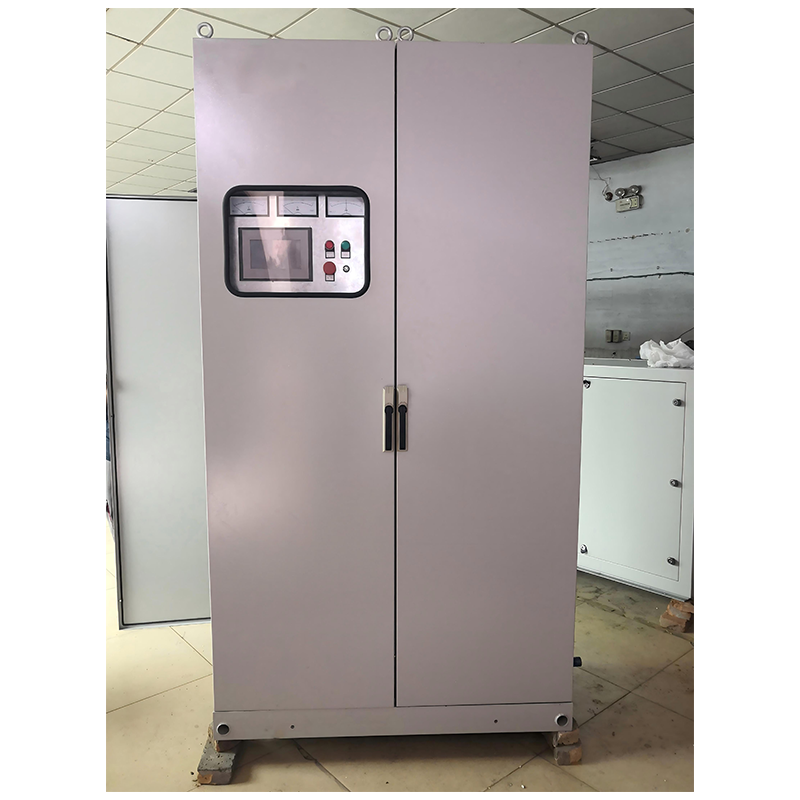
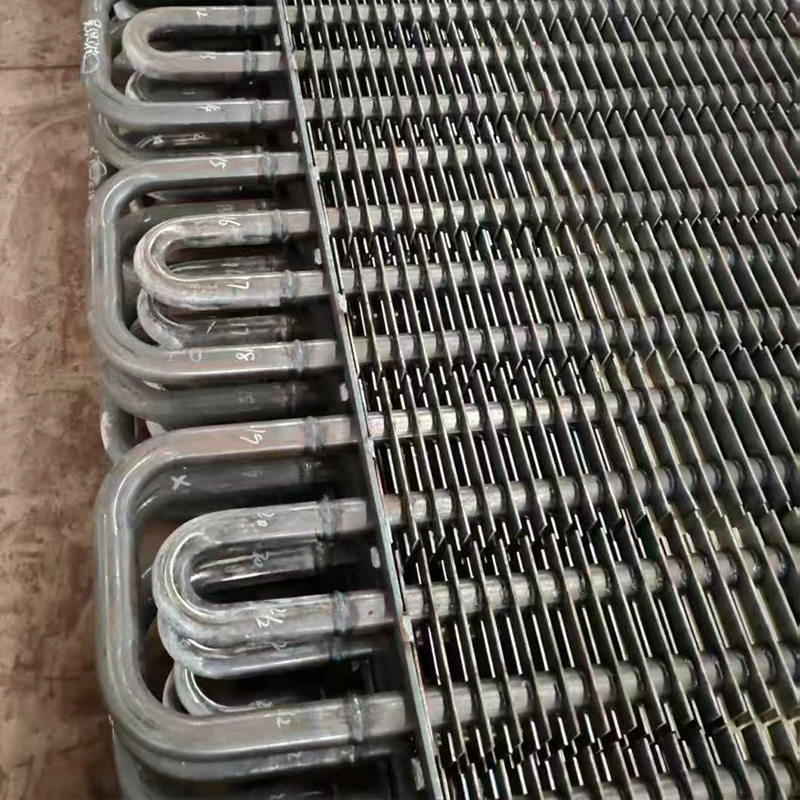
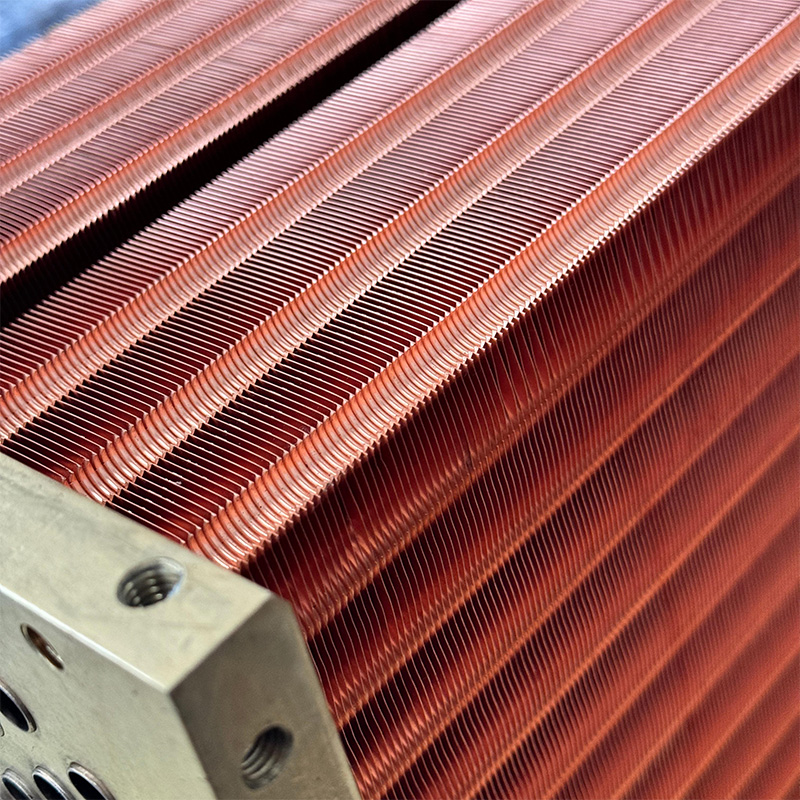
Надежность цепочки поставок зависит не только от правильной документации, но и от качества инфраструктуры, обеспечивающей сохранность груза.Wuxi Kaisheng Electric Power and Petrochemical Equipment Co., Ltd.специализируется на создании высокотехнологичных решений для критически важных процессов. Компания разрабатывает и производит передовое теплообменное оборудование, включая титановые кожухотрубные теплообменники, высоконапорные системы стандарта ASME и воздушные охладители. Используя коррозионностойкие материалы, такие как нержавеющая сталь 316, морская латунь C46400 и никелевые сплавы, их продукция обеспечивает стабильность температурных режимов в нефтепереработке, химической промышленности и судостроении. Этот принцип инженерной точности и надежности, который«Уси Кайшэн»применяет при изготовстве котлов-утилизаторов и трубных решеток для глобальных заказчиков, является тем же фундаментом, который необходим и для успеха в экспорте скоропортящихся продуктов: безупречное оборудование и технологии гарантируют сохранность ценности товара от производителя до конечного потребителя.
Если вы планируете начать поставки голубики в Россию или столкнулись со сложностями при оформлении текущих партий, не рискуйте своим грузом. Получите профессиональную консультацию по актуальным требованиям 2025-2026 года, проверке документов и выбору оптимальной логистической схемы. Мы помогаем компаниям выстраивать бесперебойные цепочки поставок и минимизировать таможенные риски.
Contact us todayдля обсуждения деталей вашего проекта и получения индивидуального плана действий по выходу на российский рынок. Также рекомендуем ознакомиться с нашим подробнымруководством по таможенному оформлению пищевой продукции в ЕАЭС, где собраны все необходимые нормативные акты и примеры заполнения деклараций.