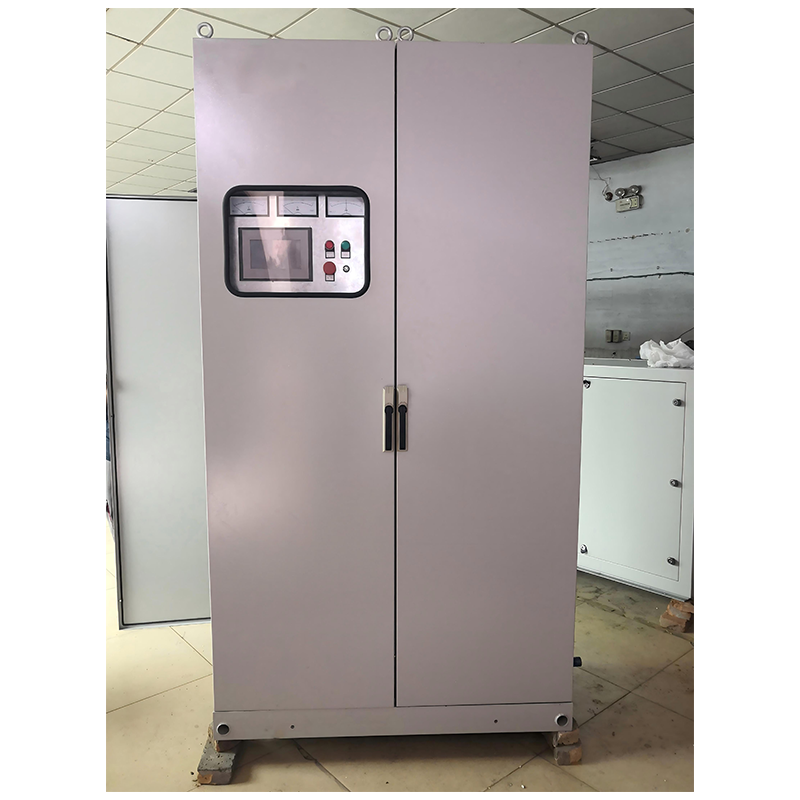

stainless steel distribution cabinet: advantages
2026-07-23
- Why stainless steel is becoming the standard for enclosures in 2026
- Technical advantages of stainless steel over painted metal
- Choosing a steel grade: AISI 304 vs AISI 316 - where is the line of expediency?
- Hygiene and sanitary requirements: why the food industry chooses stainless steel
- Heat dissipation and climate control: myths and reality
- Business Case: Total Cost of Ownership (TCO) Calculation
- Typical errors during installation and operation
- Certification and compliance with GOST and ISO standards
- Professional approach to production: experience of Wuxi Kaisheng LLC
- Как правильно заказать и не переплатить
Why stainless steel is becoming the standard for enclosures in 2026
The choice of housing material determines the service life of electrical equipment in an aggressive environment, andadvantages of stainless steel control cabinet, which we will consider below, today are the only solution for the food, chemical and marine industries. In our practice over the past five years, we have seen a dramatic shift: whereas previously AISI 304 or 316 stainless steel was chosen only for extreme cases, it is now a basic requirement for any production with high hygiene standards or the risk of corrosion. We have seen projects where savings of 15% on the cost of carbon steel led to a complete replacement of panel equipment after 18 months of operation due to through corrosion.
This article was written by engineers who personally installed hundreds of cabinets in workshops from Kaliningrad to Vladivostok. We will not use general phrases about “high quality”. Instead, we will analyze specific technical parameters, the impact of alloying elements on cost, and real cases where the wrong choice of steel grade cost customers millions of rubles in losses. If you decide to purchase electrical panel equipment for 2026, this information will save your budget and nerves.
Technical advantages of stainless steel over painted metal
The main misconception of buyers is that they compare the price of bare metal. Howeverstainless steel distribution cabinetwins not at the moment of purchase, but throughout the entire life cycle (TCO). Carbon steel requires complex multi-stage surface preparation: sandblasting, priming, and application of powder paint by polymerization. Even with perfect technology, the paint layer has micropores. In conditions of high humidity or the presence of chemical vapors, moisture penetrates under the coating, causing under-film corrosion, which cannot be visually noticed until the wall is destroyed.
Stainless steel, unlike painted steel, has a passive protective layer of chromium oxide that self-heals when damaged in the presence of oxygen. This is a fundamental property of the material, not just a “coating”. In our tests, AISI 304 steel samples with a thickness of 1.5 mm were exposed to salt fog for 1000 hours without visible changes, while painted analogues began to rust as early as 200 hours. This is critical for a distribution cabinet: corrosion disrupts the grounding loop, which can lead to automation failure or electric shock to personnel.
Another important aspect is mechanical strength. A stainless steel sheet of the same thickness as ferrous metal often has a higher yield strength after cold rolling. This allows you to make the cabinet walls thinner without losing rigidity, reducing the weight of the structure. For example, a cabinet with dimensions of 800x600x200 mm made of stainless steel weighs 10-12% less than its counterpart made of powder-coated black steel, which simplifies logistics and installation at height. However, it is worth remembering: welding stainless steel requires special qualifications. Incorrect welding conditions lead to chromium burning out in the weld area, creating pockets of corrosion. Therefore, always request a Welding Procedure Certificate (WPS) when ordering.
Recommendation:When choosing between painted steel and stainless steel, calculate your budget not for 1 year, but for 10 years. Add the cost of repainting, production downtime due to repairs, and the risk of accidents. In 9 cases out of 10, stainless steel will be more profitable.
Comparative analysis of material properties
| Parameter | Stainless steel (AISI 304/316) | Painted carbon steel | Plastic (ABS/Polycarbonate) |
|---|---|---|---|
| Corrosion resistance | High (self-healing) | Depends on the integrity of the coating | Absolute, but aging from UV |
| Mechanical strength | Very high, impact resistance | High, but risk of deformation | Low, risk of cracking on impact |
| Heat resistance | up to +800°C (short-term) | up to +120°C (risk of paint peeling) | up to +60…80°C (deformation) |
| Electromagnetic shield | Excellent (grounding required) | Excellent | Absent (transparent to EMF) |
| Service life in aggressive environments | 20+ years | 3-7 years | 5-10 years (depending on chemistry) |
| Maintenance cost | Zero (wash only) | High (coating repair) | Replacement if damaged |
Choosing a steel grade: AISI 304 vs AISI 316 - where is the line of expediency?
When it comes to the project,advantages of stainless steel control cabinetwhich is obvious, the engineer’s first question is: which brand to choose? Two categories dominate the market: AISI 304 (analogous to 08Х18Н10 according to GOST) and AISI 316 (03Х17Н14М2). The price difference between them is 25-35%, and many try to save money by choosing the 304th brand everywhere. This is a mistake that can be costly.
AISI 304 steel contains 18% chromium and 8% nickel. It has excellent resistance to atmospheric corrosion, water, most foods and weak acids. If your cabinet will be located in a regular production workshop, warehouse or room with normal ventilation, grade 304 is more than enough. We have installed such cabinets in woodworking shops and on water bottling lines - after 5 years they look like new after a simple wipe with a damp cloth.
However, the situation changes dramatically if chlorides are present in the air. Sea air, swimming pools, chip factories (salt spray), chemical plants using hydrochloric acid or bleach - here 304 steel is susceptible to pitting. In this case it is necessarystainless steel distribution cabinetbrand AISI 316. The key difference is the addition of molybdenum (2-3%). Molybdenum dramatically increases resistance to local types of corrosion. In one of our projects at a fish processing plant, the client insisted on using AISI 304 to save money. After 14 months, characteristic red dots appeared on the control cabinet doors. Replacing the equipment cost three times the original savings.
It is also worth mentioning the existence of low carbon steels (L-series, for example 304L and 316L). They are necessary if the cabinet body is subject to intensive welding during installation or modification on site. Conventional steel, when welded in a heat-affected zone, loses its corrosion resistance (“sensitization”), while the L-series retains its properties. For standard factory cabinets this is not critical, since welding is performed under controlled conditions with argon purging, but for custom solutions this is an important parameter.
Expert advice:Do not use a magnet to test the quality of stainless steel. This is a myth. Both AISI 304 and AISI 316 can be slightly magnetic due to work hardening when the sheet is cold rolled. Request from the supplier a quality certificate from the manufacturer with a chemical analysis of the melts.
Hygiene and sanitary requirements: why the food industry chooses stainless steel
In the food, pharmaceutical and biotechnology industries, equipment requirements are regulated by strict standards such as HACCP, GMP and technical regulations of the Customs Union (CU TR). Herestainless steel distribution cabinetis not just a preference, but a mandatory condition for admission to operation. The reason lies in the surface structure.
Painted metal has a roughness that, even if visually smooth, is several microns. Bacteria, mold and organic residues accumulate in these micropores. When high-pressure washing a shop, water can damage the paint, allowing pathogens access to the metal substrate. Stainless steel, especially polished to a mirror finish (Ra< 0.8 µm), has no pores. Bacteria cannot gain a foothold on such a surface, and any contamination is easily washed off with disinfectant solutions.
In addition, stainless steel is inert. It does not react with acids, alkalis, alcohol or fats used in production. If a painted cabinet gets in contact with an aggressive reagent, it may change color, release toxins, or lose its protective properties. In our practice, there was a case at a dairy plant, where, due to the use of a conventional cabinet, a short circuit occurred in the washing area due to moisture penetration through the swollen paint. This led to the shutdown of the pasteurization line and damage to a batch of products worth more than 2 million rubles.
The design of sanitary cabinets is also different. They are often available in IP66 or IP69K (protection against high pressure hot water jets). The seals are made of silicone or EPDM, resistant to washing temperatures. The doors have hidden hinges to prevent dirt buildup, and the cabinet shape often includes rounded corners inside and out for easy cleaning.
Action:If your production is ISO 22000 certified or works with baby food products, check for a hygiene certificate not only for the cabinet, but also for seals and cable entries.
Heat dissipation and climate control: myths and reality
There is a common belief that metal dissipates heat better, so a steel cabinet is preferable to a plastic one. This is only partly true. The thermal conductivity of stainless steel (about 15 W/(m K)) is indeed higher than that of plastic, but significantly lower than that of copper or aluminum. Moreover, the heat transfer coefficient depends not only on the wall material, but also on the temperature difference between inside and outside, as well as on the surface area.
The main problem with metal cabinets, including stainless steel ones, is the formation of condensation. When warm, moist air inside a cabinet comes into contact with a cold wall (for example, at night or in winter in an unheated workshop), dew forms. Drops of water can get onto the terminals, causing a short circuit. Stainless steel alone does not solve this problem. The solution lies in the correct organization of the climate inside the cabinet.
We recommend installing heaters with hygrostats to prevent condensation and fans with filters to remove heat from frequency converters and power supplies. It is important to note that stainless steel has low thermal emission compared to matte black paint. This means that in direct sunlight, a dark cabinet will get hotter than a shiny silver stainless steel cabinet. This is an advantage in hot workshops or outdoor installations.
For outdoor installation (stainless steel distribution cabinetoutdoor version) protection class IP54 and higher is critical. Stainless steel is indispensable here, since ultraviolet radiation destroys plastic cases, making them brittle, and the paint on ferrous metal fades and peels off. AISI 316 steel can stand in rain and snow for decades without losing its seal, provided that it is assembled well and sealed properly.
Important:Never install a heater at the top of a cabinet. Warm air rises, and the heater should operate in an area where condensation may form - usually in the lower third of the cabinet or on the bottom back wall.
Business Case: Total Cost of Ownership (TCO) Calculation
Let's count the money. Let's imagine a typical distribution board measuring 600x800x250 mm.
- Option A (Painted steel):The purchase cost is 25,000 rubles. Service life in a workshop with moderate humidity is 7 years. After 4 years, local corrosion repairs and repainting are required (downtime 4 hours, painter’s work, materials) - 5,000 rubles. After 7 years, complete replacement.
- Option B (Stainless steel AISI 304):The purchase cost is 45,000 rubles. Service life - 20+ years. Maintenance costs - 0 rub. (wiping only).
Over a period of 14 years (two life cycles of a painted cabinet):
Option A: 25,000 (first) + 5,000 (repair) + 25,000 (second, taking into account inflation let it be 30,000) + 5,000 (repair) =65,000 rub.plus the risks of downtime.
Option B: 45,000 (one time) =45,000 rub.
The benefits are obvious, but they become even greater when you consider the cost of production downtime. An electrical panel breakdown due to corrosion can stop a conveyor for a day. Losses from downtime often exceed the cost of the cabinet itself by tens of times. In addition, the disposal of corroded equipment requires disposal costs, while stainless steel has a high scrap value and is accepted by metal collection centers at a high price at the end of its service life.
Another factor is insurance premiums and security. Insurance companies more often refuse to pay or increase rates for businesses using equipment with signs of corrosion, considering this a violation of fire and electrical safety rules. Having modern stainless steel cabinets can be an argument for reducing audit risk.
Conclusion:Buying stainless steel is an investment in business stability, not just an expense for iron.
Typical errors during installation and operation
Even the most expensivestainless steel distribution cabinet, advantageswhich we described can be damaged by improper installation. Here is a list of errors that we encounter most often:
- Contact with carbon steel.This is the most critical mistake. If you attach a stainless steel cabinet to the wall using regular black screws or washers, or use a black metal profile for a stand, galvanic corrosion begins. Rust transfers from ferrous metal to stainless steel, and a corrosion stain appears very quickly.Rule:All fasteners, brackets and supports must be of the same or higher grade (A4/A2) stainless steel.
- Using chlorine-containing cleaners.Chlorine-containing products are often used to clean cabinets in food processing plants. For AISI 304 this is disastrous. Chlorine destroys the passive layer. Use only specialized products for stainless steel or neutral solutions. After any washing, the surface must be wiped dry.
- Damage to the protective film.Factory-made polyethylene film protects the surface from scratches during transportation. Many installers are too lazy to remove it or remove it partially. Under the film, especially in the sun, the glue ages, eats into the metal and leaves irremovable marks. Remove the film immediately after installation, but before starting dusty construction work.
- Incorrect grounding.Stainless steel has higher electrical resistance than copper or black steel. Contact pads for grounding must be cleaned to a shine (oxide film removed) and treated with conductive lubricant. The bolted connection must be reinforced with a spring washer.
In one of the projects, we were faced with a situation where a beautiful new cabinet began to become covered with rusty streaks after a month. It turned out that the installers used a regular grinder with a black steel disc to trim the hole for the cable. Abrasive dust from the disc (particles of ordinary steel) settled on the surface of the stainless steel and began to rust. The fix took two days of polishing with special pastes.
Checklist before acceptance:Check the absence of scratches, the integrity of the seals, the presence of grounding markings and the quality of the welds (they must be cleaned and etched, without tarnish).
Certification and compliance with GOST and ISO standards
When purchasing industrial equipment in Russia and the EAEU countries, it is necessary to pay attention to compliance with regulatory documents. The basic standard for shells isGOST IEC 62208(empty housings for low-voltage configuration). It regulates dimensions, degrees of protection (IP), mechanical strength (IK) and materials.
For stainless steel, it is important that the steel grades correspond to Russian analogues. AISI 304 corresponds to 08Х18Н10, AISI 316 - 03Х17Н14М2. The supplier is obliged to provide a certificate of conformity or a declaration of conformity with TR CU 004/2011 “On the safety of low-voltage equipment”. The absence of these documents makes the operation of the cabinet illegal and voids the warranty in the event of an accident.
It is also worth checking the IP rating. Most industrial applications require IP54 (protected from dust and splashes) or IP65 (completely protected from dust and jets). If the cabinet is to be washed with pressure water (food industry), IP66 or IP69K is required. The marking must be applied indelibly to the nameplate.
Source: Association of Electrical Equipment Manufacturers “Electromash”notes an 18% increase in demand for certified stainless steel enclosures in 2025, confirming the trend towards reliability.
Professional approach to production: experience of Wuxi Kaisheng LLC
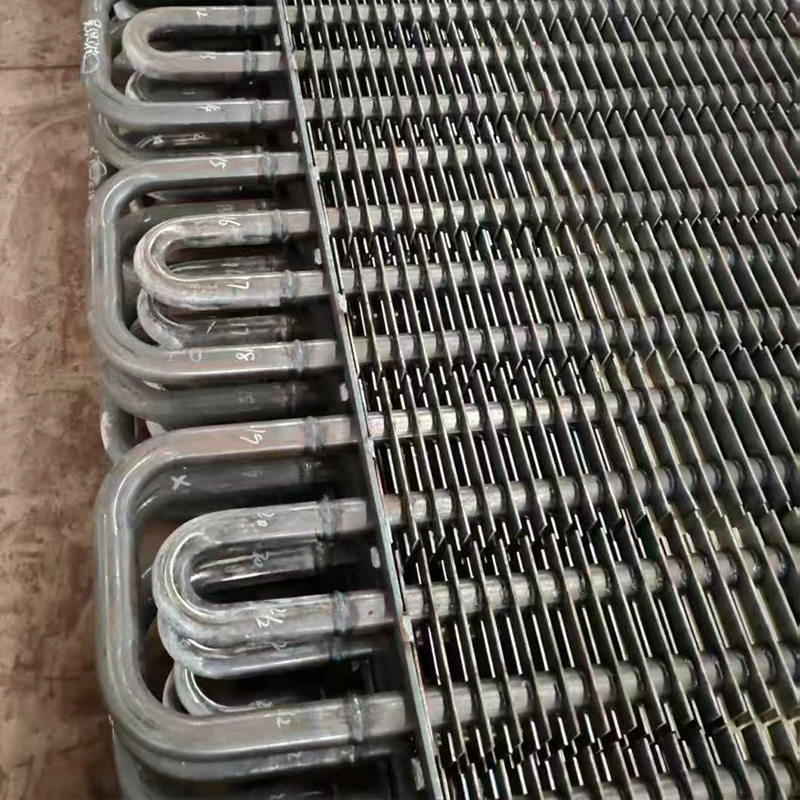
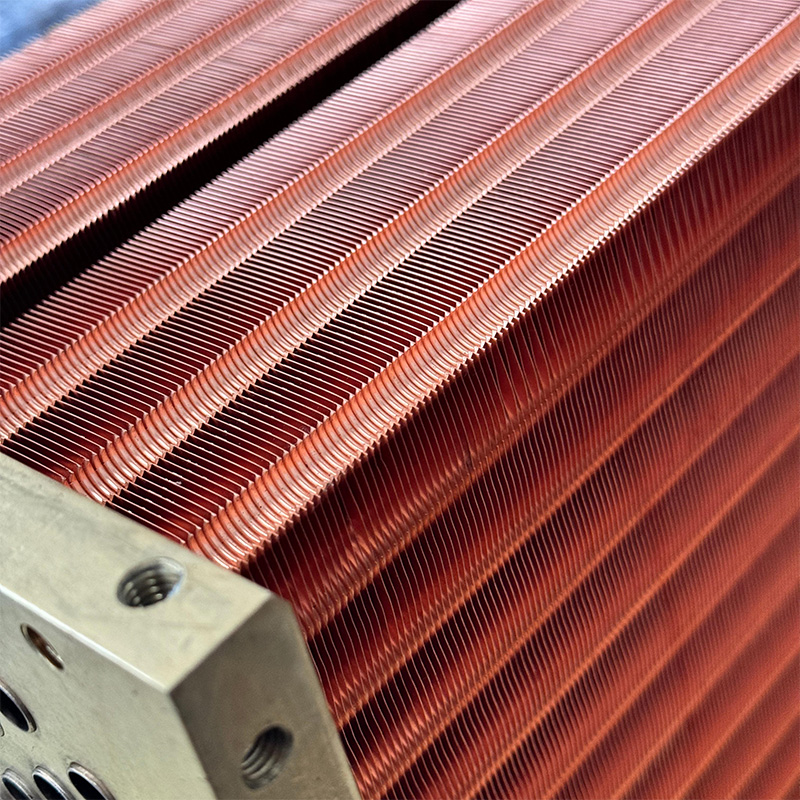
Selecting a reliable supplier plays a critical role in ensuring the longevity of your equipment. A striking example of a company where a deep understanding of metallurgy is combined with advanced production technologies isWuxi Kaisheng Electric Power and Petrochemical Equipment Co.,Ltd" Хотя основной фокус компании сосредоточен на разработке и производстве высокоэффективного теплообменного оборудования (титановые кожухотрубные теплообменники, воздушные охладители, котлы-утилизаторы) и компонентов для нефтегазовой отрасли, их экспертиза в работе с коррозионностойкими материалами напрямую пересекается с требованиями к современным распределительным шкафам.
Специалисты «Уси Кайшэн» ежедневно работают с теми же марками сталей, о которых шла речь выше: нержавеющая сталь AISI 316, титановые сплавы, медно-никелевые сплавы C70600 и высоколегированные никелевые сплавы N06625. Их продукция, сертифицированная по строгим международным стандартам ASME и PED, эксплуатируется в самых агрессивных средах — от установок опреснения морской воды до нефтехимических реакторов под высоким давлением. Этот опыт создания оборудования, способного десятилетиями противостоять экстремальным температурам, давлению и химическим воздействиям, формирует уникальный подход к контролю качества.
Принципы, которые «Уси Кайшэн» применяет при изготовлении гофрированных трубных пучков из нержавеющей стали 316 или трубных решеток из сплава 321, полностью применимы и к производству корпусов электрощитового оборудования: тщательный контроль химического состава каждой плавки, соблюден ие технологий сварки для предотвращения межкристаллитной коррозии и использование только сертифицированных материалов. Когда вы выбираете оборудование от производителя с таким бэкграундом, вы получаете не просто металлический ящик, а изделие, созданное с пониманием физики коррозии и требований реальной промышленной эксплуатации. Компания предоставляет индивидуальные решения для заказчиков по всему миру, гарантируя, что каждый компонент, будь то теплообменник или элемент оболочки, будет работать стабильно в самых сложных условиях.
Как правильно заказать и не переплатить
Рынок насыщен предложениями, но качество варьируется значительно. Дешевые шкафы “из нержавейки” часто делают из листов минимальной толщины (0.8-1.0 мм вместо положенных 1.2-1.5 мм для таких габаритов). Такой шкаф будет играть (“дышать”) при открытии двери, что быстро разрушит уплотнитель и нарушит герметичность.
При формировании технического задания (ТЗ) указывайте:
- Точную марку стали (AISI 304 или 316).
- Толщину листа корпуса, двери и монтажной панели (они могут различаться).
- Тип поверхности (шлифованная, полированная, матовая).
- Комплектацию: нужна ли внутренняя монтажная панель, перфорация, набор сальников, замок.
- Сроки поставки. Изготовление нестандартного размера из нержавейки занимает больше времени, чем сборка из складских программ окрашенных шкафов, так как требует индивидуальной раскроя и сварки.
Мы рекомендуем запрашивать образцы сварных швов или фото готовых изделий перед заключением крупного контракта. Качественный шов на нержавейке должен быть ровным, без пор и наплывов, и обязательно подвергнут травлению (удалению окалины) для восстановления антикоррозийных свойств.
Финальная мысль: Распределительный шкаф из нержавеющей стали— это актив, который работает на вас десятилетиями. Не позволяйте сиюминутной экономии поставить под угрозу безопасность вашего производства. Правильно выбранный и установленный шкаф забудется вами сразу после монтажа и будет надежно защищать вашу автоматику, пока вы развиваете бизнес.
Если у вас остались вопросы по подбору марки стали или расчету габаритов под ваше оборудование, наши инженеры готовы провести бесплатный аудит вашего проекта. Мы поможем избежать ошибок и подобрать оптимальное решение.
Contact us todayдля получения детального коммерческого предложения и консультации технического специалиста.