
Stainless steel pipe 100 mm: optimal price-quality ratio
2026-07-12
- Stainless steel pipe 100 mm: why does this size dictate the economics of your project
- Technical parameters and choice of steel grade: where the risks lie
- Pricing and logistics: how to buy profitably and not lose on delivery
- Manufacturer comparison: China versus local warehouses
- Installation and welding: specifics of working with a diameter of 100 mm
- Frequently Asked Questions
- Conclusion: Investing in System Reliability
Stainless steel pipe 100 mm: why does this size dictate the economics of your project
In industrial construction, the choice of pipeline diameter often becomes a compromise between capacity and budget.Stainless steel pipe 100 mmoccupies a unique niche: it is a borderline size where the sphere of small utility systems ends and the segment of main industrial lines begins. In our practice, we observed how an error in choosing this particular standard size led to a loss of up to 15% in the efficiency of heat exchangers or, conversely, to an excess consumption of metal by 20% where 89 mm would have been enough. This article doesn't just list characteristics - it examines the real economics of procurement, the risks of hidden defects when welding large diameters, and how to obtain a certificate of conformity without bureaucratic pitfalls.
We've been working directly with suppliers for over a decade and have seen batches that looked perfect on paper but fell apart the first hydraulic test. This is especially critical for diameters of 100 mm, where wall thickness plays a decisive role in pressure resistance. If you are planning a purchase for the food industry, chemical production or aggressive environments, you need to understand the difference between AISI 304 and AISI 316 not only in composition, but also in actual corrosion resistance in your specific conditions. Below we will analyze the technical nuances that 90% of purchasing managers ignore, focusing only on the price per kilogram.
Technical parameters and choice of steel grade: where the risks lie
The 100 mm diameter (often referred to as DN100 or 4 inches) is the de facto standard for many processes, but its implementation in stainless steel requires careful attention to tolerance. GOST 9940-81 and the international standard ASTM A312 set the framework, however, actual supplies from China or India often have deviations that become critical when installing long routes. The main parameter you should look at besides the outside diameter is the wall thickness. For pressures up to 1.6 MPa, 3-4 mm is usually sufficient, but if your system operates at pressures above 2.5 MPa or at temperatures above 200°C, a thin-walled pipe will become a constant source of headaches.
The choice of steel grade determines the service life of the system. The most common mistake is the use of AISI 304 (analogous to 08Х18Н10) in environments containing chlorides. We encountered a situation at one dairy plant where a pipeline made of food-grade 304 steel began to corrode after 18 months due to the use of chlorine-containing detergents when cleaning equipment. For such cases, the only correct solution isstainless steel pipe 100 mmmade of steel AISI 316 (03Х17Н14М2). The molybdenum in this steel creates a passive layer that is resistant to pitting, which is critical for the chemical and pharmaceutical industries.
Let's look at the key differences in application:
- AISI 304 (08Х18Н10):Ideal for the food industry (milk, juices, water), architectural structures and general utility networks. Not suitable for sea water and strong acids. Lower price, higher availability.
- AISI 316 (03Х17Н14М2):Mandatory for the chemical industry, desalination plants, pharmaceuticals and ship systems. Resistant to sulfuric acid and salts. The cost is 30-40% higher, but the service life in aggressive environments increases by 3-5 times.
- AISI 321 (08Х18Н10Т):Specialized option for high temperature applications (up to 600°C). Titanium stabilizes the steel structure, preventing intergranular corrosion during welding. Used in energy and furnaces.
When ordering a pipe with a diameter of 100 mm, be sure to specify the production method: electric welded or seamless. Seamless pipes (GOST 9941-81) have a higher cost, but guarantee the absence of a weld - a weak point at high pressure. Electric welded pipes are cheaper and suitable for most static loads if the seam has been inspected by x-ray or ultrasound. In our projects, we recommend using seamless rolled products only for areas with pressures above 4.0 MPa; in other cases, high-quality electric-welded pipe with double seam control shows itself reliably and saves up to 25% of the budget.
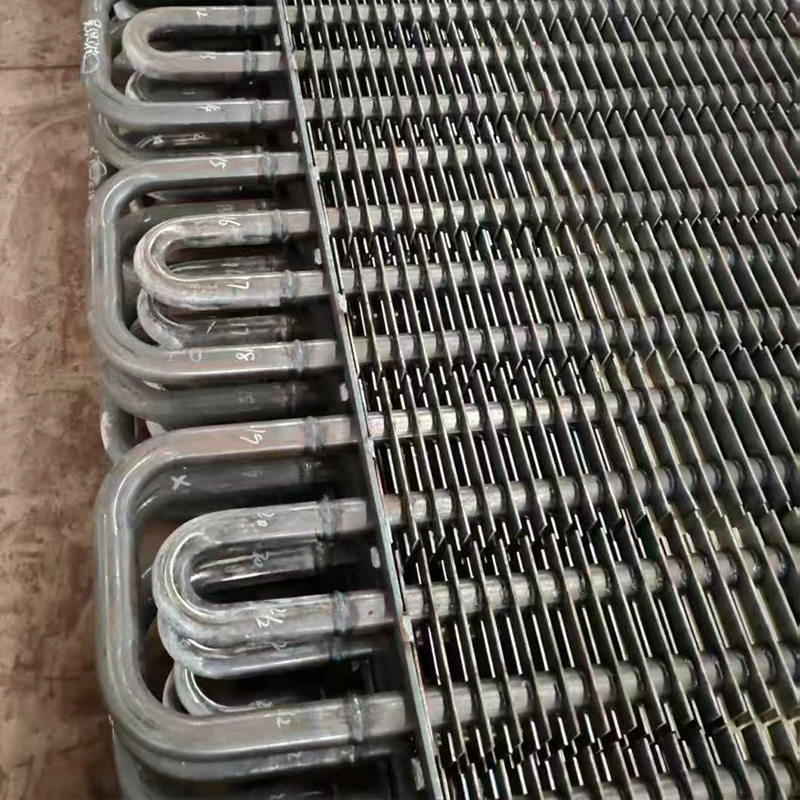
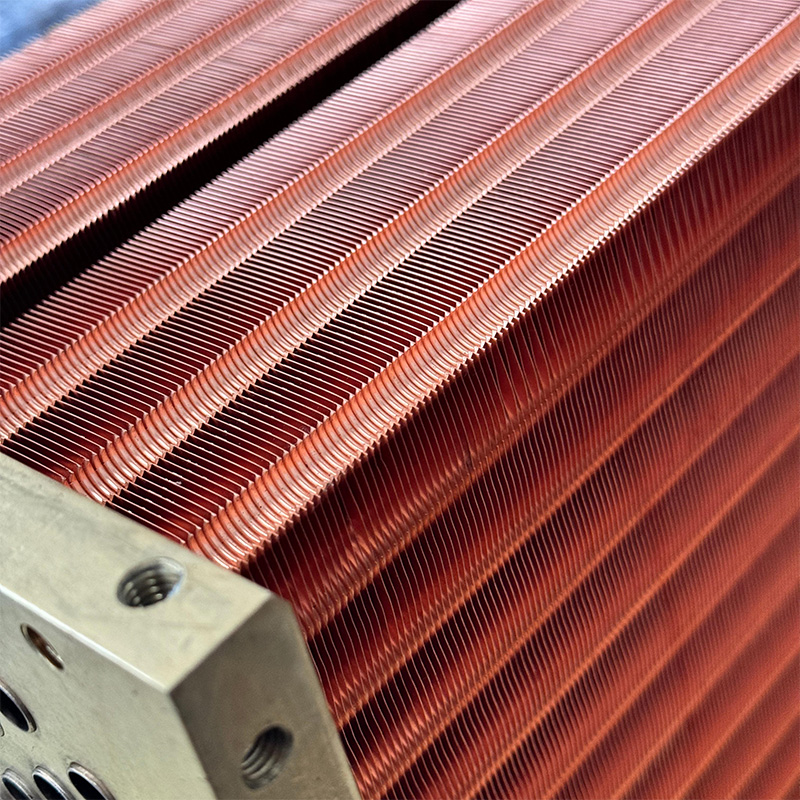
It is precisely these high requirements for materials that dictate the need to work with manufacturers who have deep expertise in metallurgy and alloy processing. For example, a companyWuxi Kaisheng Electric Power and Petrochemical Equipment Co., Ltd.specializes not only in the production of finished units, such as titanium shell-and-tube heat exchangers or corrugated tube bundles made of 316 stainless steel, but also strictly controls the quality of raw materials. Their experience with extreme conditions in oil refining, shipbuilding and seawater desalination confirms the importance of the right alloy selection: be it C46400 marine brass, N06625 nickel alloys or AISI 321 titanium stabilized steel. ASME and PED certified products demonstrate that even at high pressures and temperatures, system reliability depends on every component, including 100 dia. mm, used in equipment piping.
Action: Before generating technical specifications, request a spectral analysis protocol for a specific batch from the supplier. Do not accept general certificates for the steel grade - ask for a document for the specific heat number that will be shipped to you.
Pricing and logistics: how to buy profitably and not lose on delivery
Price forstainless steel pipe 100 mmis formed not only by the cost of raw materials (nickel and chromium on the London Metal Exchange), but also by the complexity of the logistics of large cargo. 6 meter long pipes take up a significant amount of space and when shipping by sea you are paying for space, not just weight. Many buyers make the mistake of comparing the FOB price (on board the ship at the port of departure) without taking into account freight and customs duties. The actual turnkey cost may differ from the stated factory price by 40-50%, depending on the Incoterms delivery conditions.
The optimal price-quality ratio is achieved when ordering full containers (20 feet or 40 feet). Consolidated cargo (LCL) for pipes of this diameter is not economically feasible: the risk of mechanical damage during overloading increases many times, and the cost of handling a unit of cargo soars. We calculated that when ordering less than 10 tons (approximately one 20-foot container of 100 mm pipes with a wall of 3-4 mm), the unit cost of delivery makes the purchase unprofitable compared to local warehouses. However, if your project requires 20+ tons, direct import from the manufacturer becomes more profitable even taking into account all the customs fees.
Factors influencing the final price:
- Nickel exchange rate fluctuations:Stainless steel consists of 8-10% nickel. Sharp fluctuations in quotes can change the price within a week. Fix the price in a contract linked to LME stock indices on the shipment date.
- Wall thickness:Buying a pipe with a wall of 4 mm instead of 3 mm increases the weight of a linear meter by almost 30%, which proportionally increases in price. Check the engineers' calculations: often the safety margin is excessive.
- Surface:Pipes with a polished surface (mirror, satin) are more expensive than matte ones (pickle & passivated). For hidden communications or insulated pipes, there is no point in overpaying for polishing.
- Certification:The presence of an EAC certificate (for the Russian Federation/EAEU) or PED (for Europe) adds 5-10% to the cost, but is a mandatory requirement for the legal commissioning of a facility.
One of our clients tried to save money by ordering a batch of pipes without packaging (“in bulk”). The result was disastrous: when unloading by crane at the port, about 15% of the pipes received dents and nicks, unacceptable for food production. Restoring or replacing these areas would cost more than the initial savings on wood sheathing. Always require export packaging: wooden pallets, tie-down straps and end protection with plastic caps. This maintains the geometry of the 100 mm pipe, which is critical for subsequent butt welding.
Action: Request a shipping quote from your logistics partner for FCA (Factory Pickup) and CIF (Destination Port) options. Compare the final figures taking into account your customs clearance capabilities. Often the option with full responsibility of the supplier to the port turns out to be more transparent.
Manufacturer comparison: China versus local warehouses
The market offers two main ways to obtain pipes with a diameter of 100 mm: direct import from China or purchase from local distributors who keep_stock_in warehouses in Russia or Europe. Each option has its own strict limitations. Understanding these differences will help you avoid delays in construction or the purchase of illiquid goods.
Below is a detailed comparison table based on our delivery experience over the past 3 years:
| Comparison criterion | Direct import (China/India) | Local distributor (Warehouse in Russia/EU) |
|---|---|---|
| Delivery time | 45-60 days (production + sea + customs) | 1-3 days (shipment from warehouse) |
| Minimum quantity (MOQ) | Typically from 1 ton or 50 pipes of the same size | From 1 piece (can be cut to size) |
| Price per kg | 20-30% lower (based on container volume) | Higher due to warehouse overhead |
| Quality control | Complex, requires pre-shipment inspection | Visual inspection before payment is possible |
| Range of thicknesses | Any to order (2mm, 2.5mm, 5mm...) | Limited to running sizes (3mm, 4mm) |
| Risks | Currency fluctuations, delays at customs | Required size out of stock |
If your project has a tight installation schedule and pipes are needed “yesterday,” a local supplier is the only choice. The overpayment in this case is insurance against downtime of installation crews, the cost of which often exceeds the savings on material. However, for large stage construction projects (for example, the construction of a new workshop within a year), the direct import strategy wins unconditionally. By ordering a batch in advance, you fix the price and receive a product with exactly the parameters that are included in the project, and not those that are “in stock.”
We recommend a hybrid approach: the bulk of the pipes (80% of the volume) should be ordered by direct import for the project, and 20% should be left for additional purchase from local dealers to quickly cover the needs and defects during installation. This allows you to optimize your budget and maintain flexibility. Remember that a 100 mm pipe is a large product, and storing it on site requires prepared areas with a hard surface to prevent contact with soil and dirt.
Action: Evaluate your work schedule. If installation is less than 2 months away, start looking for local suppliers with large inventory. If the project is planned a quarter in advance, initiate a request for proposals (RFQ) procedure from foreign factories.
Installation and welding: specifics of working with a diameter of 100 mm
Working with a pipe with a diameter of 100 mm has its own technological features that distinguish it from small diameters (up to 50 mm). The main problem is ensuring the correct joint geometry during welding. Due to the large circumference (approx. 314 mm), even a slight deviation in the roundness of the pipe leads to the formation of gaps or misalignment of the edges. This, in turn, leads to lack of fusion or burn-through, especially with automatic argon arc welding (TIG).
In our practice, there was a case when a contractor used a cheap electric-welded pipe with an ovality of over 2%. When trying to weld a joint automatically, the welding head passed through the air at the depressions, leaving through defects. The conversion took two weeks and required cutting out tens of meters of finished pipeline. To avoid this, we insist on incoming inspection of each batch: checking the ovality with a caliper at four cross-section points and visually inspecting the ends for burrs.
Key installation recommendations:
- Edge preparation:For pipes with a wall thickness of more than 3 mm, it is necessary to cut the edges at an angle of 30-35 degrees. This ensures complete penetration of the root of the seam. Ignoring this rule for a thickness of 4-5 mm guarantees a weak point in the system.
- Potholders:When assembling a 100 mm pipe joint, it is necessary to make at least 4 tacks evenly around the circumference. Two tacks, as they do for small diameters, are not enough - the pipe may lead when heated.
- Argon purging:For food and chemical pipelines, internal purging of the joint with argon during welding is mandatory. Without this, the return roller oxidizes (“sugarizes”), creating an ideal environment for bacteria and corrosion. For a diameter of 100 mm, argon consumption is significant, so use special plugs with valves to minimize gas losses.
- Mount:The support spacing for horizontal sections of a 100 mm stainless steel pipe should be no more than 2.5 - 3 meters. Stainless steel has a high coefficient of linear expansion, and when heated, long spans can sag or create stress in the fittings.
Pay special attention to the choice of fittings. The use of steel angles or tees made of black steel with subsequent painting is unacceptable in clean production. Use only stainless steel fittings of the same grade as the pipe (or higher). Welding of dissimilar steels (for example, 304 and 316) is possible, but requires special filler materials and welder qualifications, otherwise a galvanic couple will occur in the weld area and accelerated corrosion will begin.
Action: Before starting mass welding work, make a test joint (“technological test”) and subject it to destructive testing (cutting, etching). This will confirm the correctness of the selected welding modes and personnel qualifications.
Frequently Asked Questions
What is the maximum length of 100mm stainless steel pipe for standard shipment?
The standard measured length is 6000 mm (+/- 50 mm). However, many factories offer the production of pipes of non-standard length: from 1 to 12 meters. It is important to understand that pipes longer than 6 meters require special transport (length gauges) and complex rigging equipment for unloading, which dramatically increases logistics costs. If your project allows, order in multiples of 6 meters in length to avoid surcharges for oversize.
Is it possible to use a 100 mm pipe made of AISI 304 steel for hot water?
Yes, you can, but with restrictions. AISI 304 works stably at temperatures up to 80-90°C in water supply systems. If the temperature exceeds 100°C or the water contains a lot of oxygen and chlorides (for example, in boiler rooms), it is recommended to switch to AISI 321 or AISI 316. Prolonged exposure of 304 steel to temperatures above 450°C can lead to the release of chromium carbides and reduced corrosion resistance.
How to check the quality of a pipe upon receipt without a laboratory?
Primary control can be carried out visually and instrumentally. Inspect the surface for scale, pitting and deep scratches. Check the markings on the pipe itself (factory mark, steel grade, diameter and wall). Use a magnet: Austenitic steels (304, 316) are weakly magnetic or not magnetic at all. If the pipe is strongly magnetized, this may indicate a violation of the heat treatment technology or a substitution of grade (for example, selling ferritic steel 430 instead of austenitic). Also measure the wall thickness with an ultrasonic thickness gauge at several points - the spread should not exceed 10-12% of the nominal value.
What is the difference between GOST and ASTM pipe for 100 mm diameter?
The main difference is in the tolerance system and size designation. GOST operates with outer diameter in millimeters (108 mm for a nominal bore of 100 mm in some old standards, but now more often 100 mm exactly), and ASTM uses the inch system (4 inches = 101.6 mm). During installation this may create a problem of incompatibility with fittings. If you are purchasing ASTM pipe, make sure your flanges and elbows are also American Standard. Mixing systems without adapters will make it impossible to assemble the unit.
Conclusion: Investing in System Reliability
Choosing a 100mm pipe is not just a purchase of metal, it is an investment in the continuity of your production for decades to come. An attempt to save on steel grade or wall thickness today will inevitably result in multimillion-dollar losses from downtime and repairs tomorrow. The optimal price-quality ratio is achieved not by searching for the cheapest offer on the market, but by competent technical specifications, direct cooperation with trusted manufacturers and strict incoming control.
For complex projects where piping is part of highly loaded systems (heat exchangers, waste heat boilers, desalination plants), it is critical to select partners with proven experience with specialty alloys. Level companiesWuxi Kaisheng LLC, предлагающие индивидуальные решения из титана, меди, никеля и различных марок нержавеющей стали, служат эталоном качества. Их подход к производству, включающий строгий контроль на всех этапах и соответствие международным стандартам ASME и PED, гарантирует, что каждый элемент вашей системы — от трубы до трубной решетки — будет работать надежно в самых агрессивных средах.
Мы готовы помочь вам подобрать идеальный варианттрубы нержавеющей 100 мм, исходя из специфики вашей среды и бюджета. Наши специалисты проведут аудит вашего проекта, рассчитают оптимальную спецификацию и организуют поставку с полным пакетом разрешительной документации. Не рискуйте надежностью своего предприятия — доверьте снабжение профессионалам.
Contact us todayдля получения индивидуального коммерческого предложения и консультации технолога. Мы также рекомендуем ознакомиться с нашим каталогомнержавеющих фитингов, которые идеально подойдут для монтажа выбранного вами трубопровода.