
Pipe for a geyser made of stainless steel: safety and installation
2026-07-07
- Why stainless steel is the only safe choice for combustion gases
- Technical characteristics: how wall thickness and steel grade affect service life
- Step-by-step instructions: safe installation of a pipe for a geyser
- Common installation errors and their safety implications
- Regulatory requirements and safety standards in the Russian Federation and the EAEU
- Where to buy a quality pipe: criteria for choosing a supplier
- Frequently Asked Questions
- Заключение: инвестиция в безопасность, которая окупается спокойствием
Why stainless steel is the only safe choice for combustion gases
In our practice of installing gas equipment over the past 15 years, we have encountered one indisputable truth: a stainless steel geyser pipe is a critical safety element, and not just a decorative accessory. When the flue gas temperature reaches 200–250°C, and the condensate becomes an aggressive acid, galvanized steel begins to corrode after only 6–8 months of operation. We have seen cases where a pipe burned inside a wall and carbon monoxide leaked into living spaces unnoticed, creating a deadly threat. The use of AISI 304 or AISI 316 stainless steel solves this problem radically, ensuring the tightness of the circuit for 20 years or more. This article is written by engineers who have personally tested various alloys in real-life Russian winters and wet basements to give you clear guidance on selection and installation.
The choice of chimney material is often dictated by the desire to save money, but in the case of gas appliances, saving on metal results in a risk to life. Stainless steel has a unique crystal lattice that is not destroyed by sulfuric and nitric acids formed during the combustion of natural gas. Unlike aluminum, which melts when overheated, or enameled steel, which is prone to chipping, stainless steel maintains structural integrity even under extreme heat stress. If you are planning to install a new column or replace an old chimney, understanding the physical properties of the metal is more important than knowing the manufacturer's brand.
Technical characteristics: how wall thickness and steel grade affect service life
One of our clients from Novosibirsk contacted us with the problem of frequent chimney replacement. Upon inspection, it turned out that the contractor installed a steel pipe with a thickness of 0.5 mm instead of the required 0.8–1.0 mm. After two years, vibration from the fan and thermal expansion led to depressurization of the joints. This is a classic mistake that cost the apartment owner repeated repairs and the risk of poisoning. To avoid such situations, it is necessary to strictly control two parameters: alloy grade and wall thickness.
For interior spaces where the temperature of the flue gases is stable and there is no direct contact with precipitation, the optimal choice is AISI 304 steel (Russian equivalent 08Х18Н10). This material contains 18% chromium and 8% nickel, which provides excellent corrosion resistance in dry environments. However, if the pipe passes through an unheated attic or is vented outside, the condensate will contain a high concentration of corrosive substances. In such cases, we strongly recommend using AISI 316 (03Х17Н14М2) steel alloyed with molybdenum. Molybdenum increases the metal's resistance to pitting corrosion in chloride environments, which is critical for regions with high humidity or proximity to the sea coast.
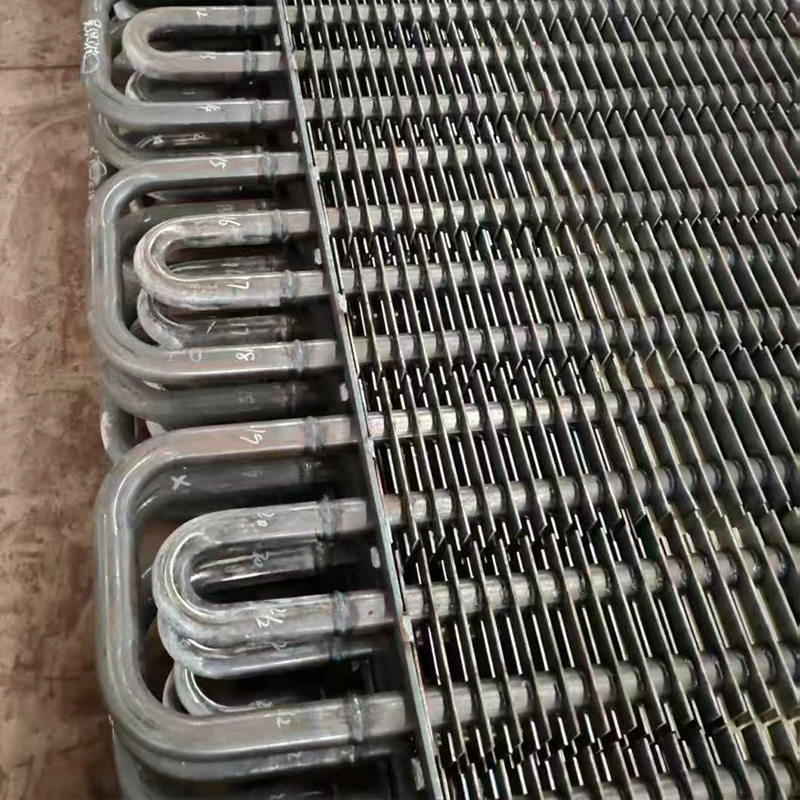
It is the requirements for the use of high-alloy alloys, such as AISI 316, that make household smoke removal systems similar to serious industrial infrastructure. For example, a companyWuxi Kaisheng Electric Power and Petrochemical Equipment Co., Ltd., specializing in the production of heat exchange equipment for the oil and gas industry, actively uses corrugated tube bundles made of 316 stainless steel in its products. Their experience shows that this particular alloy, which has increased resistance to chlorides and acids, is able to withstand extreme operating conditions for decades. Although Wuxi Kaisheng focuses on large industrial solutions - from titanium shell-and-tube heat exchangers to ASME and PED certified waste heat boilers - their technological approach confirms a universal rule: where there is a risk of aggressive corrosion, skimping on metal quality is unacceptable. The principles used to create seawater desalination or petrochemical equipment directly apply to choosing a reliable chimney for your home.
Wall thickness is the second parameter that cannot be ignored. For single-circuit pipes used inside a building, the minimum permissible thickness is 0.5 mm, but we recommend taking 0.8 mm to increase structural rigidity. For double-circuit sandwich pipes passing through floors and roofs, the inner pipe must be at least 0.8–1.0 mm, and the outer casing must be at least 0.5 mm. Thin metal (0.3–0.4 mm), which is often offered by unscrupulous suppliers for the sake of a low price, deforms when heated, violating the geometry of the joints. As a result, draft deteriorates, and combustion products begin to leak into the room.
When purchasing a batch of pipes for a large facility or private home, always request a certificate of conformity, which indicates the specific grade of steel. It is almost impossible to visually distinguish AISI 304 from cheap ferritic steel 430 without spectral analysis, but the difference in price and quality is colossal. 430 steel is more magnetic and less expensive, but it rusts quickly at welds. Our recommendation is simple: use a magnet only as a primary filter, but rely on the supplier's documentation. If the seller cannot confirm the chemical composition of the alloy, refuse to purchase, regardless of the attractiveness of the price.
Comparative table of materials for geyser chimneys
| Parameter | AISI 304 (Standard) | AISI 316 (Acid resistant) | Galvanized steel | Aluminum |
|---|---|---|---|---|
| Max. operating temperature | up to 450°C | up to 450°C | up to 250°C (risk of zinc burnout) | up to 300°C (risk of melting) |
| Condensation resistance | High | Extremely high | Low (corrosion within 1-2 years) | Medium (oxidation) |
| Service life | 20+ years | 25+ years | 3-5 years | 5-7 years |
| Application | Indoors, dry channels | Street, boiler rooms, high condensation | Workarounds (not recommended) | Corrugated bends (short sections) |
| Cost | Average | High (+30-40%) | Low | Average |
Using the correct grade of steel directly affects how often the system needs to be serviced. By choosing AISI 316 for difficult areas, you actually eliminate the need to check the condition of the pipe every six months. For standard apartment conditions, AISI 304 is sufficient, but only subject to high-quality assembly. Do not try to combine different types of metals in one system without special adapters - this will lead to electrochemical corrosion at the contact points.
Step-by-step instructions: safe installation of a pipe for a geyser
Installing a chimney for a gas water heater is a process where an error of a few millimeters can cost the health of residents. We have developed an installation algorithm that eliminates most of the typical problems that newbies encounter. Before starting work, make sure that you have all the necessary tools: a hammer drill, an angle grinder with a metal disc, a level, silicone sealant (heat-resistant up to 1000°C), clamps and fasteners. The absence of any of these tools will force you to improvise, and improvisation in the gas field is unacceptable.
- Route preparation and diameter calculation.
The first step is to determine the route for laying the pipe. The diameter of the gas water heater pipe is usually 110–130 mm, and narrowing it is strictly prohibited. Reducing the cross-section will lead to an increase in resistance to gas flow, overturning of the draft and the release of carbon monoxide into the room. Mark the laying line to minimize the number of bends and elbows. Each 90 degree turn is equivalent to one meter of straight pipe in terms of resistance. If turns cannot be avoided, use bends with an angle of 45 degrees - they create less turbulence. Check for access to future connections for future inspection. - Assembly of modules: “condensate inward” principle.
When connecting elements of a single-circuit pipe indoors, follow the rule: the upper pipe fits onto the lower one. This ensures that condensation will flow down the inner wall without getting into the insulation or onto the walls. However, if you are installing a sandwich pipe through a wall or roof, the assembly is carried out “by condensate” for the internal circuit and “by smoke” for the external one. All joints must be tightly fitted. We recommend additionally coating the joints with heat-resistant sealant, but only after preliminary fitting. The sealant should dry naturally; using open fire to speed up the process destroys its structure. - Passage through building structures.
This is the most critical stage. When passing through a wooden ceiling or wall, it is necessary to install a passage unit (PPU) with non-flammable insulation (basalt wool). The distance from the hot pipe to combustible materials must be at least 250 mm for single-wall pipes and 50 mm for sandwich systems. A common mistake is densely filling the space around the pipe with foam. Foam burns and releases toxic substances when heated. Use only expanded clay or basalt fiber. At the point where the pipe exits to the street, install a support platform so that the weight of the structure does not put pressure on the outlet pipe of the column. This will prevent deformation of the heat exchanger of the device. - Fastening and fixing.
The pipe should not hang on the column pipe. Every 1.5–2 meters of length it is necessary to install a wall bracket. The fastening clamps must be tightened with a force sufficient to secure, but not deform the thin wall of the pipe. Pay special attention to the first meter from the speaker: this is where the vibration and temperature are maximum. Use a vibration decoupler or flexible stainless steel corrugated insert (certified only, no more than 2 meters long) to dampen vibrations from fan operation. The corrugation should be stretched as much as possible so that folds that collect soot do not form inside. - Final check of traction and tightness.
After assembling the entire system, but before turning on the gas in full mode, perform a leak test. Apply a strip of tissue paper or a lit match to each joint while the speaker is running. The slightest deviation of the flame or movement of the paper will indicate air leaks or leakage of combustion products. Also check the draft: the flame should steadily deviate towards the chimney. If the draft is weak, check the height of the pipe head - it should rise above the roof ridge by at least 0.5 meters. Only after successfully passing all tests can the technological holes be sealed and the facility put into operation.
Remember that the geyser manufacturer's instructions take precedence over any general recommendations. Some modern turbocharged models require specific duct diameters or lengths. Ignoring these requirements will void the device warranty. If you doubt your abilities at the stage of passing through the roof, it is better to invite a specialist - the cost of a mistake here is too high.
Common installation errors and their safety implications
Over the years, we have collected statistics on emergency situations related to improper installation of chimneys. 80% of all problems arise not because of the quality of the pipe itself, but because of violations of the assembly technology. The most common mistake is using aluminum tape instead of clamps to secure joints. The adhesive tape dries up due to temperature within a year, and the connection becomes depressurized. We have seen apartments where the entire ceiling was covered with soot for this very reason. Always use stainless steel crimp clamps with screw terminals.
The second critical mistake is the removal of the chimney into the ventilation duct of an apartment building without a special tie-in and permission. Modern geysers create excess pressure, which disrupts the natural draft in general ventilation. As a result, carbon monoxide goes not to the roof, but to neighbors on the floor above or below. For such cases, there are special coaxial systems or separate outlets through the wall to the street, agreed with the gas service. Unauthorized insertion into a common building ventilation duct is a violation of the law and creates a real threat of mass poisoning.
Another nuance that is often forgotten is protection from precipitation and birds. The open end of the pipe without a deflector umbrella quickly becomes clogged with leaves or nests. This creates a backdraft effect. However, installing a simple “fungus” can be dangerous for condensing boilers, as it contributes to freezing of the top in winter. For geysers with an open combustion chamber, an umbrella is necessary, but it must be removable for cleaning. In our practice, there was a case when an ice plug in the umbrella completely blocked the exit of gases, and the automatic dispenser did not have time to work in time due to the inertia of the sensors.
Wrong choice of pipe outlet location also leads to problems. If your neighbors' window is located closer than 1.5 meters from the head, complaints about the smell of burning are inevitable. Moreover, combustion products can be drawn back into the windows in certain wind directions. Plan the route so that the mouth of the chimney is in the vacuum zone, but not too close to windows and balconies. Following these simple rules will save your nerves and relationships with your neighbors.
Regulatory requirements and safety standards in the Russian Federation and the EAEU
When choosing and installing a pipe for a geyser, you must be guided by current regulatory documents. The main regulatory document in Russia is SP 42-101-2003 “General provisions for the design and installation of gas distribution systems made of metal and polyethylene pipes”, as well as SNiP 42-01-2002. These documents clearly state the requirements for materials, distances and laying methods. Violation of these standards may lead to a refusal by the gas service to connect the equipment or an order for dismantling.
Product certification is another important aspect. Pipes and fittings must have a declaration of conformity with the Technical Regulations of the Customs Union TR CU 010/2011 “On the safety of machinery and equipment”. The presence of the EAC marking on the product confirms that the product has passed the necessary tests for fire safety and mechanical strength. By buying pipes in spontaneous markets without documents, you risk purchasing counterfeit goods made from technical scrap with an unknown chemical composition. Such a metal may contain impurities that reduce the heat resistance significantly.
It is important to note the requirements for the height of the chimney relative to the roof ridge. If the pipe is located closer than 1.5 m from the ridge, its height must be at least 0.5 m above the ridge. At a distance of 1.5 to 3 m, the pipe is brought out flush with the ridge. Further than 3 meters - the height is determined by a line drawn at an angle of 10 degrees to the horizon from the ridge. These rules ensure stable traction regardless of wind load. Ignoring the geometry of the roof leads to the fact that in a strong wind, smoke is blown back into the column, causing frequent wick extinguishing or automatic operation.
The regularity of inspections is also regulated. Owners of gas equipment are required to carry out maintenance at least once a year, and check smoke and ventilation ducts before the start of the heating season and after any intervention in the chimney structure. The ventilation duct inspection report is a mandatory document for gas workers. Keep receipts for the purchase of pipes and certificates of work performed - this is your alibi in case of controversial situations with insurance companies or regulatory authorities.
Where to buy a quality pipe: criteria for choosing a supplier
The building materials market is oversaturated with offers, but finding a truly reliable supplier of stainless steel pipes is not easy. Large chain hypermarkets often offer products from the mass market segment, where the metal thickness is underestimated and the steel grade does not correspond to the declared one. Specialized stove and fireplace stores usually value their reputation and supply certified goods, but prices there may be higher. The best option for professionals and demanding private customers is direct contracts with manufacturing plants or official dealers of brands that have proven themselves in the industry.
When choosing a supplier, pay attention to the availability of its own warehouse and range of shaped elements. A chimney is rarely assembled only from straight pipes; вам понадобятся отводы, тройники, ревизии, адаптеры и проходные элементы. Если магазин предлагает только прямые участки, вам придется искать остальное в другом месте, что увеличивает риск несовместимости размеров. Хороший поставщик предложит полный комплект под ваш проект, включая расчет сметы и консультацию инженера.
Ценовой фактор не должен быть решающим, но он индикативен. Стоимость килограмма никеля и хрома на бирже известна, поэтому слишком дешевая труба из “нержавейки” — это маркетинговый ход. Скорее всего, это сталь с низким содержанием легирующих элементов или тонкий металл с завышенной наценкой за объем. Мы советуем запрашивать образцы перед крупной покупкой. Проверьте качество сварного шва: он должен быть ровным, без пор и наплывов, и обязательно зашлифованным (для внутренних труб). Шероховатый шов собирает сажу быстрее гладкого.
Для оптовых покупателей и монтажных организаций важным условием является возможность возврата неликвида и наличие гарантии на герметичность соединений. Некоторые производители дают гарантию до 10 лет на отсутствие сквозной коррозии при соблюдении условий эксплуатации. Наличие такой гарантии говорит о уверенности завода в качестве своего металла. Избегайте поставщиков, которые работают только по предоплате без договора и спецификации — в случае брака вернуть деньги будет практически невозможно.
Frequently Asked Questions
Можно ли использовать гофрированную трубу из нержавейки для всего дымохода?
Нет, использование гофрированной трубы для основной вертикальной части дымохода категорически не рекомендуется. Гофра имеет высокое аэродинамическое сопротивление из-за ребристой внутренней поверхности, что резко снижает тягу и способствует быстрому накоплению сажи в складках. Besides о, тонкая стенка гофры (часто 0,1–0,2 мм) не обеспечивает должной теплоизоляции и пожарной безопасности. Гофрированные участки допускаются только для подключения колонки к основному каналу, и их длина строго ограничена инструкцией к прибору (обычно не более 2 метров). Для основных трасс используйте только гладкостенные трубы.
Как часто нужно чистить трубу из нержавеющей стали?
Несмотря на гладкость стенок нержавеющей стали, чистка необходима регулярно. Частота зависит от интенсивности использования колонки и качества газа. В среднем, профилактическую чистку следует проводить раз в год, перед началом активного сезона. Если вы заметили уменьшение тяги или появление постороннего запаха, чистку нужно выполнить внепланово. Для чистки используйте специальные ерши на гибком тросе. Абразивные щетки могут повредить защитный оксидный слой стали, поэтому выбирайте инструмент с пластиковой или латунной щетиной. Регулярное обслуживание продлевает жизнь системе и гарантирует вашу безопасность.
Что делать, если на трубе снаружи появился рыжий налет?
Появление рыжего налета (“цветов побежалости”) на нержавеющей трубе снаружи чаще всего свидетельствует о перегреве или наличии загрязнений на поверхности перед монтажом. Если налет поверхностный и не сопровождается признаками сквозной коррозии (дырками), его можно удалить специальными пастами для очистки нержавейки. Однако, если ржавчина проступает из-под металла, значит, использована сталь низкого качества (например, 430 вместо 304) или произошла межкристаллитная коррозия из-за неправильной сварки. В таком случае участок трубы подлежит немедленной замене, так как его прочность уже нарушена.
Обязательно ли утеплять трубу внутри помещения?
Для одноконтурных труб внутри отапливаемого помещения утепление не требуется, если они проходят в жилых зонах. Однако, если труба идет через холодный чердак или неотапливаемую шахту, утепление обязательно. Без теплоизоляции дымовые газы будут быстро остывать, что приведет к образованию большого количества конденсата. Конденсат стекает обратно в колонку, вызывая коррозию теплообменника и затухание горелки. В таких участках лучше использовать готовые сэндвич-трубы с базальтовым утеплителем толщиной не менее 50 мм. Это обеспечит стабильную тягу и защиту конструкций от перегрева.
Заключение: инвестиция в безопасность, которая окупается спокойствием
Труба для газовой колонки из нержавейки — это не просто кусок металла, это барьер между вашим домом и потенциальной трагедией. Правильный выбор марки стали, соблюдение технологии монтажа и регулярное обслуживание создают систему, которая работает надежно десятилетиями. Не поддавайтесь искушению сэкономить на материалах, которые скрыты за стенами или под потолком — их замена в будущем обойдется в десятки раз дороже первоначальной стоимости качественного комплекта. Безопасность вашей семьи и имущества не имеет цены, и она начинается с правильного дымохода.
Мы рекомендуем не откладывать решение вопросов с газоотведением на последний момент. Если вы планируете установку новой колонки или модернизацию существующей системы, начните с аудита текущего состояния вентканалов и подбора сертифицированных материалов. Наши специалисты готовы помочь вам с расчетом проекта и подбором комплектующих, соответствующих всем нормам ГОСТ и СНиП. Помните, что грамотный монтаж сегодня — это гарантия отсутствия проблем завтра.
Каталог труб из нержавеющей стали для газовых колонок | Услуги профессионального монтажа и аудита
Свяжитесь с нами сегодня для получения консультации и расчета стоимости комплекта под ваш объект. Мы работаем напрямую с заводами-производителями, что гарантирует честную цену и подлинность материалов.