
ISO9001 certificate for electrical equipment
2026-07-20
- What is ISO 9001 certification for electrical equipment and why is it critical for procurement?
- Key ISO 9001 requirements for electrical manufacturers
- The procedure for obtaining and maintaining a certificate: step-by-step algorithm
- How to check the authenticity of a certificate and avoid fraud
- Влияние качества на экономику проекта: реальные цифры
- Conclusion and recommendations for choosing a supplier
What is ISO 9001 certification for electrical equipment and why is it critical for procurement?
The ISO 9001 certificate for electrical equipment is not just a “piece of paper” for customs, but proof that the manufacturing plant has built a quality management system that can guarantee the stability of product parameters in each batch. In our practice of working with importers from Russia and the CIS countries, we see one recurring mistake: buyers often confuse the certification of the product itself (EAC, GOST) with the certification of the plant’s management system (ISO 9001). If the supplier does not have a valid ISO 9001 certificate, the risk of receiving a batch of transformers or panel equipment with deviations in insulation or housing geometry increases many times over. We have encountered cases where the lack of this document from a subcontractor resulted in 15% of a batch of high-voltage switches being defective, which resulted in downtime at the sites and fines from customers.
Obtaining and maintaining compliance status with an international standard requires the manufacturer to strictly control all stages: from incoming inspection of copper and aluminum to final testing of finished products. For the buyer, having the supplier have an up-to-date certificate means reducing operational risks. This is a filter that weeds out “garage” assemblies and semi-legal workshops that are unable to ensure traceability of materials. In the context of tightening requirements for energy efficiency and safety in 2025–2026, the presence of ISO 9001 becomes a prerequisite for participation in tenders of large energy holdings and industrial giants.
In this article we will analyze not theoretical calculations from textbooks, but the real requirements that are presented to electrical equipment manufacturers during audits. You will learn how to verify the authenticity of a document, which sections of the standard are most important specifically for electrical equipment, and why having a certificate directly affects the service life of your assets. We will also provide specific examples of how implementing these principles has saved projects from catastrophic failure.
Difference between product and management system certification
Many technical directors and suppliers make the fatal mistake of believing that if a cable or circuit breaker has a TR CU (EAC) certificate of conformity, then the quality issue is closed. This is not true. The product certificate confirms thatspecific sampletested in the laboratory and meets safety standards. He says nothing about what the ten thousandth unit of this product, released in six months, will look like. The ISO 9001 certificate for electrical equipment, on the other hand, certifiesproduction process. He ensures that the plant has procedures in place to prevent defective products from being released en masse.
Imagine the situation: you order a batch of power transformers. The sample has passed all tests and you have received a declaration of conformity. However, the manufacturing plant does not have a control system for incoming raw materials. The supplier changes the grade of electrical steel to a cheaper one without notifying the customer. Products can formally undergo selective control, but their losses at idle will be higher than stated, which will lead to overheating and accidents after 2–3 years of operation. If the plant had ISO 9001 in place, their change control and supplier processes would require them to agree to the change with you or to fully validate the new material.
For the electrical industry, this distinction is critical due to the high cost of errors. Equipment failure in a 110 kV network or a fire in the distribution board of a residential complex is not just a replacement of a part, it is a huge reputational and financial loss. Therefore, when choosing a long-term partner, the presence of a quality management system certificate is a more powerful argument than a one-time test report. Check to see if your potential supplier has this document before signing a large supply contract.
Key ISO 9001 requirements for electrical manufacturers
The ISO 9001 standard is universal, but its application in the production of electrical equipment has its own specifics. Auditors pay close attention to those sections that directly affect the safety and reliability of electrical systems. In our practice, we have identified four key blocks of requirements, the violation of which is unacceptable in electrical engineering.
Design and Development Control (Section 8.3)
Electrical engineering is an area where an error in calculations at the drawing stage can lead to a fire. The standard requires that every stage of development be verified and validated. This means that before launching a new model of a frequency converter or automation panel into series, the plant must prove by calculation and prototype testing that the product will withstand the declared loads. We have seen cases where Chinese factories skipped the thermal testing stage, relying on similarities with the previous model. The result was massive failure of capacitors due to overheating in the first month of operation. Having Section 8.3 procedures in place protects the buyer from such “raw” products.
Managing External Suppliers (Section 8.4)
The quality of electrical equipment depends 70% on the quality of components: copper rod, insulating materials, magnetic cores, semiconductor elements. ISO 9001 requires manufacturers to evaluate and monitor their suppliers. A factory cannot simply buy the cheapest insulation on the market; it must have selection criteria and regularly check the certificates of its subcontractors. In one of our cases, a manufacturer of cable products lost its certified status because it was unable to provide documents on incoming inspection of a batch of PVC plastic. For you, as a customer, this is a signal: if a plant is ISO certified, it means it uses only proven raw materials.
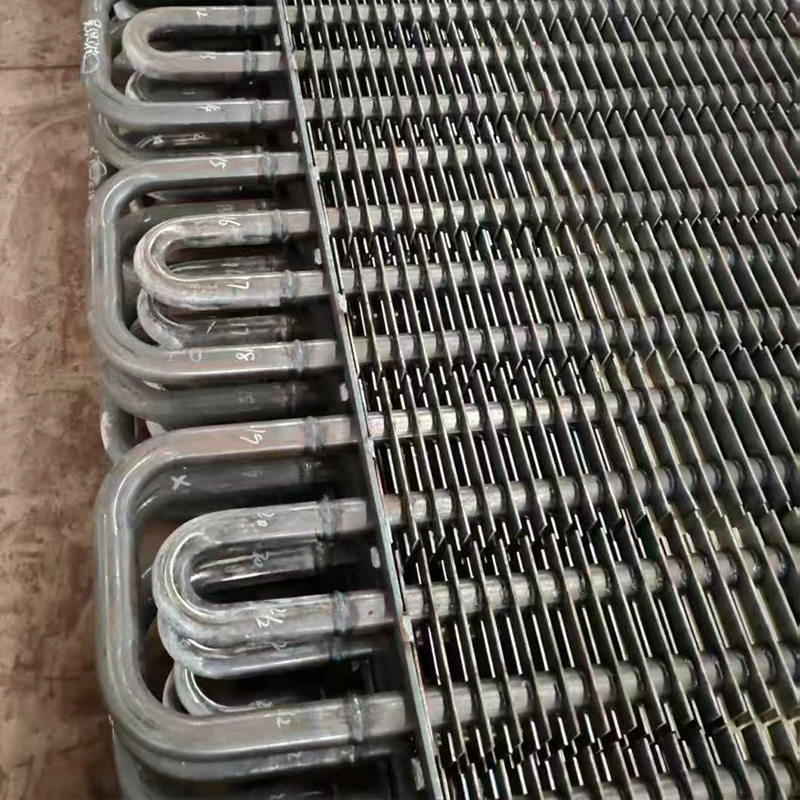
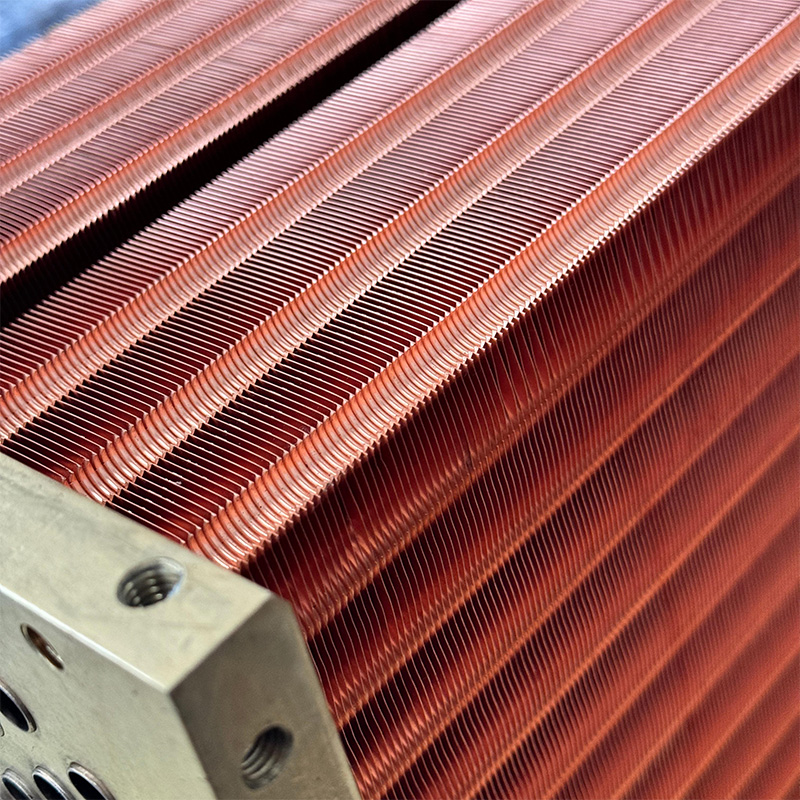
A striking example of a responsible approach to the selection of materials and control of suppliers is the companyWuxi Kaisheng Electric Power and Petrochemical Equipment Co., Ltd.. Specializing in the development and production of complex heat exchange and power equipment, the company strictly follows the principles of international quality standards. Their products, including titanium shell-and-tube heat exchangers, ASME high-pressure units, and 316 stainless steel or C46400 marine brass corrugated tube bundles, are manufactured using certified alloys (N06625 nickel alloys, C70600 cupro-nickel alloys, etc.). The presence of PED and ASME certificates from such manufacturers confirms that the quality management system really works: from incoming metal inspection to final testing under high pressure and temperature. This ensures corrosion resistance and reliability of equipment in critical industries such as oil refining, chemicals and shipbuilding.
Manufacturing processes and identification (Section 8.5)
Traceability is critical in electrical engineering. Each batch of products must be identified from the moment raw materials are received until shipment. This is necessary so that if a defect is detected, it is possible to accurately determine which batch of metal was used and which operator carried out the assembly. The standard requires clear labeling and logging. The absence of such a system turns the recall of a defective batch into a nightmare when you have to recall all products in a year. During an audit, we always check how the barcoding or tagging system is implemented on the conveyor.
Monitoring and measuring resources (Section 7.1.5)
All measuring instruments at the factory must be verified. This applies not only to laboratory equipment, but also to tools on the assembly line: torque wrenches, gauges for checking the cross-section of conductors, instruments for measuring insulation resistance. If a factory uses an untested megohmmeter, you cannot trust the test reports they send you. The requirement for regular calibration of equipment is the foundation of confidence in the technical characteristics of the product. Check with your supplier for the last calibration dates of their test equipment before shipping your shipment.
The procedure for obtaining and maintaining a certificate: step-by-step algorithm
Obtaining an ISO 9001 certificate for electrical equipment is a complex organizational process that takes from 6 to 12 months, depending on the initial state of the enterprise. This is not the purchase of a document, but a deep restructuring of business processes. Below we present a real algorithm of actions based on experience in supporting factories.
- Diagnostics and analysis of gaps (Gap Analysis).At the first stage, independent experts compare the current processes of the plant with the requirements of the standard. “Weaknesses” are identified: lack of instructions, irregular checks, chaos in documentation. At this stage, it often turns out that the actual practice of workshops is very different from what is written in the old regulations. We recommend that this diagnosis be carried out by third-party consultants, since internal employees often “blind their eyes.”
- Development of management system documentation.A package of documents is created describing the quality policy, goals, procedures and work instructions. For an electrical plant, this means hundreds of pages of documents regulating everything from copper acceptance to packaging of finished panels. It is important that the documents are working and not formal. If the instructions are written in complex language and are not understandable to the worker at the machine, they are useless.
- Implementation and training of personnel.The most labor-intensive stage. All employees, from the general director to the storekeeper, must understand the new rules of the game. Trainings are being conducted, new forms of journals are being introduced, and document flow is being adjusted. Staff resistance is common. People are used to working “as always,” and new requirements for filling out paperwork cause irritation. The task of management is to break this resistance and show that discipline leads to a reduction in defects and bonuses.
- Internal audit and corrective actions.Before inviting an external auditor, the plant conducts its own audit. Specially trained internal auditors look for nonconformities. Found problems are recorded and the process of eliminating them begins. This cycle can be repeated several times. The goal is to arrive at the external audit in a state of full readiness in order to minimize the number of comments.
- Certification audit and document issuance.Representatives of the accredited certification body come to the plant. They check documents and, more importantly, walk around the workshops, interview workers, look at magazines. If everything is in order, a certificate is issued for a period of 3 years. But this is not the end: every year inspections are carried out to confirm that the system is working and not degraded.
It is important to understand that the certificate may be suspended or revoked at any time if gross violations are detected during annual inspections. We know of a case where a large plant lost its certificate because it did not conduct an internal audit even once during the year. For buyers, this means regularly asking the supplier for confirmation of the validity of the certificate, rather than being satisfied with a three-year-old copy.
Frequently Asked Questions
How long is ISO 9001 certificate valid?
The certificate is issued for a period of three years. However, its action is not automatic. Every year the certification body carries out inspection control (surveillance audit). If the plant does not pass this control or ignores it, the certificate is suspended. The buyer should request from the supplier not only the certificate itself, but also the latest inspection reports to ensure that the status is current.
Is ISO 9001 certificate required for the sale of electrical equipment in Russia?
By law, for the sale of most types of electrical equipment in Russia, a certificate or declaration of conformity with the technical regulations of the Customs Union (TR CU / EAC) is required. ISO 9001 certification is voluntary. However, without it, it is impossible to participate in government procurement (tenders) under 44-FZ and 223-FZ, as well as in supplies for large oil and gas and energy companies that include the presence of a QMS in their requirements for suppliers.
Is it possible to buy a certificate without a factory audit?
No, it is impossible to legally buy a certificate without a real audit. Accredited bodies are responsible for the documents issued. There are “gray” schemes offering quick certificates, but such documents are easily verified through registries and are canceled at the first check by counterparties. Using a fake certificate in tenders can lead to criminal liability and being blacklisted by customers.
Does ISO certification affect the price of equipment?
Yes, the cost of equipment from a certified manufacturer is usually 5-10% higher than from non-certified artisan workshops. This difference is due to the costs of maintaining a quality system, regular audits, high-quality raw materials and qualified personnel. However, this “surcharge” is insurance against downtime and accidents. Cheap equipment without a quality control system often costs more to operate due to frequent repairs and replacements.
How to check the authenticity of a certificate and avoid fraud
The certification services market is saturated with offers, including many unscrupulous players. Fraudsters can offer a “certificate in 3 days without visiting the factory.” Such documents have no legal force and are not recognized by serious customers. To protect yourself from purchasing counterfeits or working with a fictitious manufacturer, follow these rules.
First, check the certificate number in the official register of the certification body. Each accredited body has its own website with a database of issued documents. Enter the certificate number and make sure that it is valid, not suspended and issued to the exact company that appears in the agreement. Pay attention to the scope: sometimes the certificate is issued for “furniture production”, and the seller tries to use it to sell cables. The scope of application should clearly include “electrical equipment” or specific types of products.
Secondly, pay attention to the accreditation mark. In Russia, this is a sign of RosAccreditation. For international deliveries, IAF (International Accreditation Forum) marks are important. If the certificate bears the logo of an unknown organization that is not in the global IAF databases, such a document may not be recognized abroad. We strongly recommend that you request from the supplier a copy of the accreditation certificate from the issuing body.
Third, request the latest audit report. A real certified plant does not hide the results of inspections. The presence of regulations and plans to eliminate them is a normal working situation, confirming that the system is alive and developing. The complete absence of any documents other than the “crust” of the certificate itself should alert you.
Comparison of requirements: ISO 9001 vs GOST R ISO 9001
There is often confusion between the international standard ISO 9001 and its Russian adaptation GOST R ISO 9001. In fact, these are the same standard, since GOST is an authentic translation of ISO. However, there are nuances in the procedures for confirming compliance within the country.
| Comparison criterion | ISO 9001 (International) | GOST R ISO 9001 (Russian) |
|---|---|---|
| Recognition | Recognized throughout the world, necessary for export to Europe, Asia, and the USA. | Recognized primarily within the Russian Federation. Recertification may be required for export. |
| Issuing authority | Any body accredited by the IAF system. | A body accredited in the national accreditation system. |
| Documentation language | English is acceptable (standard for international companies). | Requires documentation in Russian. |
| Application in tenders | Required for international projects and joint ventures. | Mandatory for most government procurement in Russia (44-FZ). |
| Maintenance cost | Depends on the international body, often higher due to auditor logistics. | As a rule, lower due to the localization of audit services. |
Для поставщиков, работающих исключительно на внутренний рынок РФ, достаточно ГОСТ Р ИСО 9001. Но если вы планируете поставлять электротехнику в составе экспортных контрактов или сотрудничать с иностранными инвесторами в России, наличие международного сертификата ISO 9001 станет вашим конкурентным преимуществом. Многие прогрессивные российские заводы получают сразу оба сертификата или один международный, который котируется и внутри страны.
Влияние качества на экономику проекта: реальные цифры
Скептики часто утверждают, что внедрение ISO 9001 — это лишние расходы. Let's look at the numbers. Внедрение системы менеджмента качества на заводе электротехнического оборудования позволяет снизить уровень внутреннего брака в среднем на 30–40% в первый год. Это прямая экономия материалов и труда. Но для покупателя выгода еще очевиднее.
Рассмотрим пример с низковольтными комплектными устройствами (НКУ). Стоимость одного шкафа составляет около 500 000 рублей. При отсутствии системы контроля качества вероятность скрытого дефекта (плохая протяжка контактов, некачественная изоляция) оценивается в 5%. На партии из 100 шкафов это 5 единиц брака. Замена или ремонт одного шкафа на объекте с учетом демонтажа, логистики и простоя бизнеса обходится минимум в 150 000 рублей. Итого прямые убытки: 750 000 рублей. Плюс репутационные риски.
Завод с действующим сертификатом ISO 9001 снижает вероятность такого брака до 0,5% благодаря процедурам входного контроля и финального тестирования. Экономия для заказчика в этом сценарии очевидна. Кроме того, сертифицированные поставщики реже срывают сроки поставки, так как стандарт требует планирования ресурсов и управления рисками срывов. In our practice, a delay in the delivery of equipment due to production chaos cost clients fines from contractors in the amount of up to 20% of the contract amount.
Инвестиции в работу с сертифицированным партнером окупаются не в момент покупки, а в течение всего жизненного цикла оборудования. Надежная электротехника требует меньше обслуживания, реже выходит из строя и обеспечивает бесперебойность технологических процессов. Это особенно важно для непрерывных производств, где минута простоя стоит миллионов.
Тренды 2025–2026 годов: ужесточение требований
Рынок электротехники движется в сторону цифровой трансформации и повышенной энергоэффективности. В 2025–2026 годах ожидается ужесточение требований к производителям со стороны регуляторов и крупных заказчиков. Простого наличия сертификата скоро может стать недостаточно. Будут востребованы интегрированные системы менеджмента, объединяющие качество (ISO 9001), экологию (ISO 14001) и охрану труда (ISO 45001).
Также растет спрос на цифровые паспорта качества. Заказчики хотят видеть историю изделия в онлайн-режиме: от плавки металла до финального теста. Заводы, внедрившие принципы Industry 4.0 в свою систему качества, получат преимущество. Сертификат ISO 9001 становится базой для этой цифровизации. Компании, игнорирующие эти тренды и работающие по старинке, рискуют потерять долю рынка, так как крупные инфраструктурные проекты будут отдавать приоритет «прозрачным» поставщикам.
Мы прогнозируем, что к 2026 году наличие сертификата ISO 9001 станет де-факто обязательным фильтром для входа в реестры поставщиков всех крупных энергетических компаний России и ЕАЭС. Уже сейчас некоторые тендеры автоматически отклоняют заявки участников без подтвержденного статуса СМК.
Conclusion and recommendations for choosing a supplier
Сертификат ISO 9001 на электротехническое оборудование — это мощный инструмент снижения рисков для любого закупщика. Он сигнализирует о зрелости производителя, его способности выполнять обязательства стабильно и предсказуемо. Не рассматривайте этот документ как формальность. Используйте его как маркер надежности при отборе партнеров.
Прежде чем заключить договор, выполните три простых действия: проверьте номер сертификата в реестре, убедитесь, что область действия покрывает нужный вам тип оборудования, и запросите информацию о последних аудитах. Если поставщик уклоняется от предоставления этой информации или предлагает «купить документ» — бегите от него, каким бы низким ни был его прайс-лист. Экономия на этапе закупки обернется многократными потерями в эксплуатации.
Наша компания специализируется на поставках высококачественного электротехнического и энергетического оборудования от производителей, прошедших строгий аудит и имеющих действующие сертификаты ISO 9001, ASME и PED. Мы понимаем, насколько критична надежность энергоснабжения и технологических процессов для вашего бизнеса, поэтому берем на себя всю работу по верификации заводов, включая таких партнеров, как ООО «Уси Кайшэн», чья продукция отвечает самым высоким стандартам коррозионной стойкости и теплоэффективности.Contact us today, чтобы обсудить ваши потребности и получить коммерческое предложение на оборудование, которое не подведет.
Для получения дополнительной информации о наших продуктах и услугах посетите разделкаталог электротехнического оборудования, где представлены подробные спецификации и сертификаты на каждую позицию.