
Cold rolled sheets GOST 19904-2015 price
2026-07-19
- Pricing for cold-rolled sheet GOST 19904-2015: from thickness to batch
- Comparison of delivery conditions: warehouse balances versus factory order
- Technical requirements of GOST 19904-2015 and their impact on defects
- Frequently Asked Questions
- Final recommendations for choosing a supplier
- Complete solutions for the energy and petrochemical sectors
Pricing for cold-rolled sheet GOST 19904-2015: from thickness to batch
The price for cold-rolled sheets GOST 19904-2015 is determined not only by the cost of the metal on the exchange, but also by the complexity of the technological process, the required dimensional accuracy and the volume of your order. In our practice, we see that many buyers make the mistake of asking for a price simply “per 1 mm sheet”, ignoring thickness tolerances and surface class, which ultimately leads to an increase in the cost of the project by 15–20% due to the need for re-sorting or scrap during stamping. We work with metal every day and we know: in order to get real savings, you need to immediately specify the steel grade (from 08kp to 09G2S), the type of coating and specific requirements for flatness. Below, we'll break down the pricing structure the way professional suppliers do it, so you can negotiate with your suppliers in an informed manner.
Basic parameters that determine the cost per ton
The first thing that affects the price is the chemical composition of the steel. A sheet made of low-carbon boiling steel (grades 08kp, 08ps) will be cheaper than an analogue made of high-quality structural steel (for example, 45 or 09G2S) by about 10–15%, since the process of smelting and deoxidizing the latter requires more expensive raw materials and control. If your project involves deep drawing of parts with complex shapes, you will need steel of the drawing category (VG, V, N), the price of which is higher due to strict control of mechanical properties. We came across a case where a client saved on a steel grade by using regular 08ps instead of deep-drawn steel, and lost the entire batch of parts due to cracks during pressing - the loss amounted to three times the cost of the metal.
Sheet thickness plays a critical role in the logistics component of the price. The production of ultra-thin sheets (less than 0.5 mm) requires multiple passes through rolls and intermediate annealing, which increases the plant's energy costs. Therefore, the price per ton of 0.4 mm sheet is always significantly higher than that of 1.0 mm sheet of the same brand. At the same time, if you order a non-standard thickness, for example, 1.7 mm instead of the standard 1.5 mm or 2.0 mm, the manufacturer may charge a surcharge for equipment readjustment. Our advice: always check the supplier's warehouse program for availability of similar standard sizes, this often allows you to reduce the price without losing the functionality of the product.
The accuracy class by thickness (A, B, C) also differentiates the cost. High-precision sheets (class A) are more expensive than regular sheets (class B), but their use is justified in automated lines, where even a micron variation in thickness leads to jamming of the feed mechanisms. For building structures or non-responsible casings, there is no point in overpaying for class A. In one of our projects for the production of ventilation ducts, we replaced the requirement “class A” with “class B”, which reduced the estimate by 8% without any impact on the quality of installation.
Impact of surface type and edge treatment on budget
Surface condition is one of the most hidden pricing factors. The GOST 19904-2015 standard provides for several finishing groups: from matte (I) to shiny (IV). Sheet with a shiny surface (group IV), which is often used for chrome plating or the manufacture of decorative elements of household appliances, undergoes additional roll polishing and careful control, so its price can be 20-25% higher than that of a sheet with a normal matte surface. If you are planning subsequent powder painting, it is enough to choose group II or III, which will allow you to save significantly.
Edge processing (edged edge O or unedged edge NO) affects the price less, but is important when calculating the useful yield of the material. The edged sheet is a little more expensive due to the trimming operation on the slitting mill, but it guarantees the squareness and burr-free quality that is important for laser cutting. An unedged sheet is cheaper, but its edges have irregularities (“waves”) obtained during hot rolling of the workpiece. Using uncut sheet metal on high speed dies may result in tool failure. We recommend that for mass production you always take edged sheets, despite the small extra charge, since the risk of line downtime is much more expensive.
The presence of a protective oil on the surface is also standard to prevent corrosion during transportation, but some applications (such as welding without preparation) require a dry sheet or sheet with a temporary preservation coating. Special coatings increase the cost, but protect the metal from “red” rust when stored in an open warehouse. One of our clients in Siberia experienced that a batch of oil-free sheets became pitted after two weeks of winter storage, making the metal unsuitable for painting. Specify storage conditions and type of preservation when ordering.
Comparison of delivery conditions: warehouse balances versus factory order
When choosing a supplier, you will inevitably be faced with a dilemma: buy the sheet from the warehouse here and now at a high price or wait 3-5 weeks for production at a low price. Understanding the economics of both options will help you make the right decision based on the urgency of your project. The warehouse price includes not only the cost of the metal, but also the supplier’s costs for freezing working capital, renting a warehouse, loading and unloading operations and the risks of damage to goods. Ex-factory price (EXW) does not have these premiums, but carries the risk of logistics delays.
| Comparison parameter | Purchase from warehouse (Spot) | Mill Order |
|---|---|---|
| Price per ton | High (15–25% premium to the exchange) | Minimum (close to plant cost) |
| Delivery time | 1–3 days (pickup or delivery) | From 21 to 45 days (production + logistics) |
| Minimum quantity | From 1 sheet or 100 kg | Usually from 5–10 tons (or a multiple of a railway car) |
| Selection of brands and thicknesses | Limited by availability (often only chassis 08ps/08Yu) | Any range according to GOST 19904-2015 |
| Risks | Hidden storage defects, scratches | Production delays, exchange rate changes |
Buying from stock is ideal for renovation work, prototypes, or when a simple production line costs more than the actual metal savings. However, if you are planning a series of 5,000 cases, running a warehouse will kill your margins. In our practice, there was a case when a company purchased 20 tons of sheet from a warehouse in a hurry, overpaying 18%, although the same metal could arrive from the factory in a month. Their justification was the “last minute” delivery of the object, but the analysis showed that the fine for late payment would be half the overpayment for the metal.
A factory order requires careful planning. You must be sure of the volumes, since it is almost impossible to change the specification during the rental process. In addition, when ordering directly from the factory (or from a large dealer with a direct contract), you receive a full package of accompanying documentation, including a quality certificate with actual melting data, and not the average indicators that are sometimes found among resellers. For critical structures operating under load, having an “honest” certificate is a matter of safety, and not just bureaucracy.
There is a compromise option - buying “liquid balances” or substandard ones at a discount. Large service centers often sell sheets with minor surface defects (scratches, small dents), which do not affect the strength, but do not allow the metal to be sold as first grade. The price for such rentals can be 30% lower. Having your product hidden inside a cabinet or sandblasted is a great way to cut costs. We regularly use this method for internal partitions and load-bearing frames that are invisible to the eye.
Logistics and packaging: hidden costs
Often the ex-warehouse price looks attractive, but the final cost including delivery to your workshop turns out to be shocking. Cold-rolled sheet is a heavy load, and transportation costs can be up to 10-15% of the cost of the metal for small quantities. When calculating your budget, be sure to specify the delivery basis: EXW (pickup from the factory), FCA (transfer to the carrier) or DDP (delivery to the door with customs clearance, if imported). For domestic transportation within Russia, the best option for shipments of 10 tons or more is rail delivery in covered wagons, which protects the metal from precipitation better than open areas of vehicles.
Packaging plays a key role in maintaining surface quality. Standard packaging is wooden pallet and steel belt. However, for sheets with a high surface class (especially for the automotive industry or household appliances), additional protection is required: the ends should be covered with cardboard or plastic, and the sheet itself should be wrapped in moisture-proof paper or film. The absence of such packaging during sea or long-term road transportation is almost guaranteed to result in the appearance of “white rust” or marks from steel bands on the surface. Require a clause in the specification about reinforced packaging if you are transporting metal over a long distance.
The weight of one package is also important for your acceptance. Factories typically form packages weighing 3–5 tons. If you do not have a 5 tonne overhead crane, you will not be able to unload such a package. In such cases, it is possible to request smaller packages (up to 2 tons), but this may incur a small surcharge for additional bandaging. In our practice, there have been cases when clients accepted goods, and then discovered that the gross weight differed from the net weight by 3-4% due to the heavy wooden container. Always ask for the tare weight on the invoice so you only pay for pure metal.
Technical requirements of GOST 19904-2015 and their impact on defects
The GOST 19904-2015 standard replaces the outdated GOST 19904-90 and introduces more stringent requirements for flatness and thickness variations. Understanding these nuances will help you avoid situations where metal that formally complies with GOST is not suitable for your equipment. The main parameter that is worth paying attention to is waviness. The sheet can have high flatness (HF), improved flatness (PU) or normal flatness (PN). For laser cutting on modern complexes with automatic feeding, a sheet of at least PU is required, otherwise the robot will not be able to grab the sheet with vacuum suction cups.
Thickness variation is another critical parameter. Even if the average sheet thickness corresponds to the order (for example, 1.0 mm), the difference in thickness across the width or length may reach the tolerance limits. This is a disaster for stamping: the gap between the punch and the die is calculated for a specific thickness. If the thickness of the sheet is 0.95 mm at one end and 1.05 mm at the other, you will either get underpressed or scuff and quickly wear out the tool. When ordering particularly critical parts, we recommend specifying in the contract a requirement for narrowed tolerances, which will naturally increase the price, but will save the tool shop.
Mechanical properties are checked on samples cut from the sheet, but not on every sheet in the bundle. The quality certificate confirms the properties of the entire melt. However, in reality, properties can “walk” within one roll due to uneven cooling. If you are launching a new bending technology, be sure to carry out an incoming inspection of the first batch: check the hardness and bending angle for scrap. We have seen cases where a batch of 08Yu steel had increased hardness due to a violation of the annealing regime, and when bending at 90 degrees, the sheet cracked radially. Returning such a batch is possible, but only if you have not started processing it.
Certification and labeling. Each pack must have a tag indicating the steel grade, heat number, size and production date. Lack of markings is a red flag. This could mean the metal has been re-sorted, or it could be old storage where data has been lost. Working with such material is risky, especially if your products are subject to mandatory certification. Require the supplier to provide a copy of the certificate prior to shipment. Reliable suppliers, such as our company, always provide a complete package of documents and are ready to provide samples for independent examination before concluding a large contract.
Requirement calculation and waste minimization
The efficiency of metal use (Kim is the coefficient of material utilization) directly affects the final cost of the part. By purchasing a sheet of standard sizes (for example, 1000x2000 mm or 1250x2500 mm), you can get up to 15–20% waste when cutting complex parts. Modern service centers offer longitudinal and transverse cutting (slitting) services to suit your dimensions. By ordering a sheet to the size of the workpiece, you pay a little more per ton for the cutting service, but save on the volume of metal purchased and waste disposal. The math is simple: if waste costs 0 rubles (or a negative disposal price), then buying in size is more profitable, even with a markup for cutting.
When calculating the number of sheets, take into account technological allowances. Don't order back to back. The standard margin for scrap when cutting and straightening is 3–5%. If you order exactly as much as needed according to the drawing, you risk stopping the line due to a shortage of 2-3 sheets, and re-ordering a small batch will be very expensive in terms of logistics. It is better to order 105% of the requirement and sell the remainder or use it for less critical components.
Optimizing nesting allows you to increase the yield. Use specialized cutting software before placing an order. Sometimes changing the orientation of a part on a sheet by 90 degrees or combining different parts on one sheet (joint cutting) gives a gain of 5–7%. We audit cutting charts for our large clients and often find savings reserves that pay for the cost of the metal itself several months in advance.
Frequently Asked Questions
What is the minimum order quantity for cold rolled sheets?
The minimum quantity depends on the type of supplier. When purchasing from a service center warehouse, you can purchase from 1 sheet or even cut a pack into the required number of pieces. When ordering directly from a smelter, the minimum quantity is usually 5–10 tons or a multiple of the weight of one roll (coil), which can be 15–20 tons. For small quantities from the factory, it is easier to contact a large distributor, who consolidates orders from different clients and forms common railcar deliveries, allowing you to buy 1-2 tons at a wholesale price.
Is it possible to return a sheet if it is not suitable for hardness?
Metal can be returned only if its characteristics do not meet those stated in the quality certificate or the requirements of GOST 19904-2015. To do this, it is necessary to conduct an independent examination in an accredited laboratory and draw up a report of non-compliance. If the sheet complies with the certificate, but does not suit your specific technological processes (for example, it is too soft for your stamping), a return is unlikely, unless this was specified in a special technical specification (TOR) in advance. We recommend that you always request a trial batch for testing before purchasing a large quantity.
What is the difference between steel 08kp and 08Yu?
Steel 08kp (boiling) is cheaper, but has an uneven structure and is prone to aging, which can lead to the appearance of Luders lines (yield bands) on the surface after stamping. Steel 08Yu (calm aluminum) has undergone special processing with aluminum, which makes its structure homogeneous and ideal for deep drawing and complex stamping without surface defects. The difference in price is about 10–15%, but for visible parts of a car body or household appliances, the use of 08kp is unacceptable. For internal invisible brackets 08kp is quite suitable and will save your budget.
How long can cold rolled sheet be stored without rusting?
Shelf life depends on conditions. In a dry, heated warehouse, a sheet of factory oil can be stored for years without changes. In the open air under an awning, the period is reduced to several months, after which surface corrosion begins. In a damp, unheated room, the first signs of “white rust” may appear within 2–3 weeks. It is critical to store the sheet horizontally on level trays to prevent water from getting between the sheets. If you see condensation inside the pack, you need to urgently unpack and dry it, otherwise the stains will eat into the metal forever.
Final recommendations for choosing a supplier
Choosing a rental supplier is a balance between price, reliability and service. The lowest price on the market often hides risks: mis-grading, lack of documents, long shipment or sale of substandard goods under the guise of first grade. A reliable partner provides a transparent pricing policy, which clearly shows: the cost of metal, the cost of cutting, the cost of delivery and VAT. He does not hide behind the phrases “negotiable price”, but gives a fixed commercial offer with a validity period.
Обращайте внимание на техническую поддержку. Хороший поставщик не просто продает железо, а консультирует: подскажет, какую марку взять под вашу задачу, предупредит о возможных проблемах с плоскостностью конкретной партии, поможет с расчетом веса. В нашей компании мы внедряем принцип «инженерного сопровождения сделки», когда менеджер, имеющий техническое образование, курирует заказ от заявки до отгрузки. Это позволяет избежать ошибок вроде «купили глянцевый лист туда, где нужен матовый» или «заказали толщину 1.0, а нужно было 1.2 для жесткости».
Проверяйте репутацию и отзывы не только на сайтах-агрегаторах, но и в профессиональных сообществах. Запросите рекомендательные письма от действующих клиентов в вашей отрасли. Наличие собственного парка техники для доставки и современного оборудования для резки и правки металла говорит о серьезности намерений поставщика. Избегайте фирм-однодневок, которые работают только по предоплате без возможности инспекции товара на складе.
Ценообразование напрокат листовой холоднокатаный ГОСТ 19904-2015— процесс прозрачный, если знать формулу расчета. Не бойтесь задавать вопросы, требовать детализацию счета и проводить входной контроль. Экономия должна быть умной, а не достигаться за счет снижения качества продукта, который вы производите. Помните: де шевый металл, испортивший вашу репутацию браком, в итоге обойдется в десять раз дороже качественного сырья от проверенного партнера.
Если вы ищете надежного партнера для поставки металлопроката с полным соблюдением ГОСТ и гибкими условиями оплаты,ознакомьтесь с нашим актуальным прайс-листом. Мы готовы предложить индивидуальные условия для крупных оптовых закупок и обеспечить техническую поддержку вашего проекта на всех этапах. Свяжитесь с нами сегодня, чтобы получить расчет стоимости вашей партии с учетом логистики до вашего объекта.
Complete solutions for the energy and petrochemical sectors
Помимо поставки сырья, критически важным аспектом для многих промышленных предприятий является выбор оборудования, способного работать с этим металлом в экстремальных условиях. Здесь на помощь приходит компанияWuxi Kaisheng Electric Power and Petrochemical Equipment Co., Ltd., специализирующаяся на разработке, производстве и реализации высокоэффективных теплообменных систем и компонентов для энергетики и нефтехимии.
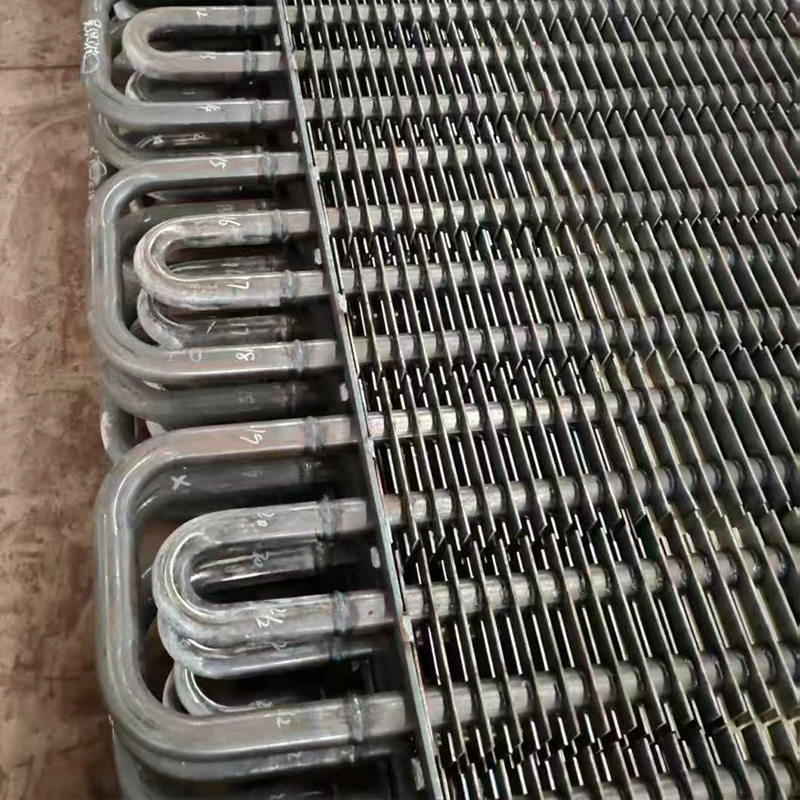
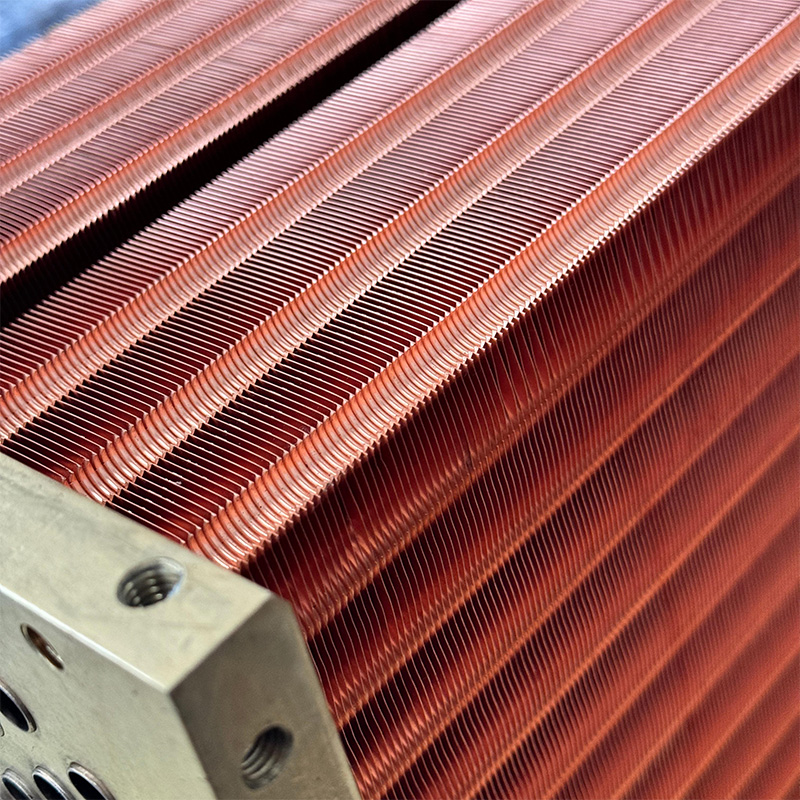
В то время как правильный выбор холоднокатаного листа обеспечивает надежность корпусов и конструкций, продукция «Уси Кайшэн» гарантирует эффективность процессов теплообмена и устойчивость к агрессивным средам. Компания предлагает широкий спектр изделий, включая титановые кожухотрубные теплообменники, высоконапорные аппараты стандарта ASME, гофрированные трубные пучки из нержавеющей стали 316, а также решения из морской латуни C46400, медно-никелевых сплавов и никелевых сплавов N06625. В ассортименте также представлены воздушные охладители, котлы-утилизаторы и трубные решетки из различных сплавов (нержавеющая сталь 321, латунь C46400, Cu-Ni C70600).
Продукция «Уси Кайшэн» изготавливается из углеродистых, нержавеющих, легированных сталей, а также титановых, медных и никелевых сплавов, проходя строгую сертификацию по стандартам PED и ASME. Это обеспечивает высокую коррозионную стойкость, отличную теплоэффективность и способность выдерживать экстремальные давления и температуры. Оборудование успешно применяется в нефтепереработке, химической промышленности, опреснении морской воды, судостроении и системах энергосбережения по всему миру. Выбирая «Уси Кайшэн», вы получаете не просто оборудование, а стабильное индивидуальное решение, которое дополняет качество вашего сырья надежностью конечного продукта.