
Why is the demand for IQF blueberries growing in 2026?
2026-07-01
- Frozen blueberry market in 2026: why is demand breaking records?
- Climate factor and agrotechnical realities in 2026
- IQF Technological Superiority: Nutrient and Texture Preservation
- Economic efficiency and supply logistics
- Quality standards and certification: what to look for when purchasing
- Market forecasts and procurement strategy for 2026–2027
- The role of high-tech equipment in ensuring IQF quality
- Frequently Asked Questions
Frozen blueberry market in 2026: why is demand breaking records?
The demand for IQF (individually quick frozen) blueberries in 2026 is growing not linearly, but exponentially, and there are three specific reasons for this: a critical shortage of fresh berries due to climate anomalies of past years, tightening food safety standards in the EU and EAEU, as well as a technological breakthrough in cryopreservation methods, allowing for the preservation of up to 98% of anthocyanins. If you are making decisions about the purchase of raw materials for confectionery production or distribution, ignoring this trend now means the risk of stopping the lines in 6-8 months. We are seeing a situation where traditional suppliers of fresh raw materials cannot guarantee volumes of even 40% of the planned indicators, which makes relying on a high-quality IQF product the only strategically correct solution to ensure business continuity.
In our experience of working with major European and Asian retailers, we see a clear paradigm shift: customers no longer perceive frozen berries as a “second-fresh product.” On the contrary, in 2026, IQF blueberries have become the standard of quality, surpassing many examples of the so-called “fresh” berries, which spend up to two weeks in logistics chains. This text is based on real analysis of production capacity, customs statistics and feedback from our clients who have already faced the consequences of choosing the wrong supplier. We will analyze not only the market conditions, but also the technical nuances that distinguish real premium IQF from cheap fakes that spoil the reputation of brands.
Climate factor and agrotechnical realities in 2026
Global warming has ceased to be a theoretical threat and has become the main driver of the processed berries market. The 2024 and 2025 seasons have been disastrous for traditional blueberry growing regions in Europe and North America. Abnormal heat during the flowering period led to the shedding of the ovary, and unpredictable frosts in late spring destroyed up to 60% of the crop in key agricultural areas of Poland and Germany. In 2026, these consequences overlapped, creating an unprecedented shortage of quality fresh raw materials. Prices for fresh blueberries during the peak season increased by 2.5 times compared to the five-year average, while the quality of the berries left much to be desired: small sizes, uneven ripeness and low dry matter content.
This is where IQF technology comes into the picture. Unlike fresh berries, which require picking strictly at the moment of technical ripeness and immediate shipment (which is impossible if logistics are disrupted), blueberries for blast freezing can be processed directly in the field or at the nearest hub. Our data shows that blueberry processing into IQF format grew by 34% year-on-year in 2026. Producers have understood a simple truth: it is better to freeze berries today and preserve their nutritional value than to wait for ideal conditions to ship a fresh batch and lose the entire harvest. This is not just a trend, it is a matter of survival of the agricultural sector.
We were faced with a situation where one of our large clients, a yogurt manufacturer, tried to save money and purchase a batch of “fresh” blueberries under a deferred delivery contract. The result was disastrous: the berries arrived fermented, with signs of mold, which required disposal of the entire batch and stopping the line for three days. Losses amounted to more than 150,000 euros. After this incident, the company completely switched to contract production of IQF blueberries with our partners, ensuring stable raw materials regardless of the vagaries of the weather. This case clearly demonstrates that in the conditions of climate instability in 2026, reliance on fresh supply chain is a critical vulnerability.
It is important to understand that the increase in demand is due not only to shortages, but also to changes in consumer preferences. The modern consumer in Russia, China and the Middle East demands blueberries on the shelf all year round. The seasonality of sales has disappeared. People tend to buy blueberry smoothie bowls, frozen concoctions and desserts in December just as readily as they do in July. Only deep shock freezing technology can satisfy this demand, preserving the texture and taste of the berries close to natural. Traditional freezing methods, which lead to the formation of large ice crystals and destruction of the cellular structure, are irrevocably a thing of the past.
IQF Technological Superiority: Nutrient and Texture Preservation
Why IQF and not block freezing? The answer lies in the physics of the process and the biochemistry of the berry. Individual Quick Freezing technology involves freezing each berry separately in a stream of ultra-cold air at temperatures from -35°C to -45°C. The rate of passage through the crystallization zone is minutes, not hours. This is critically important: with slow freezing, the water inside the berry cell has time to form large, sharp ice crystals that tear the cell walls. When defrosted, such a berry turns into a shapeless mass, losing juice and shape. With IQF, the ice crystals remain microscopic without damaging the tissue structure.
Laboratory tests conducted by independent food industry institutes in 2025 confirmed that the antioxidant content (particularly anthocyanins) in properly frozen IQF blueberries remains 96-98% of that of freshly picked blueberries. For comparison, when fresh blueberries are stored in the refrigerator for 7 days, the loss of active substances reaches 40%. Moreover, the process of blanching or heat treatment, which is often used for preservation, destroys up to 60% of vitamins B and C. Blast freezing stops enzymatic processes instantly, preserving the benefits of the berry in the form in which it was picked from the bush.
In our practice, we often conduct blind tastings for food production technologists. The result invariably surprises skeptics: baked goods using IQF blueberries, which were frozen 12 months ago, are often superior in taste and juiciness to products with “fresh” berries that have been in the distributor’s warehouse for two weeks. The secret is that IQF berries do not release excess moisture during baking, maintaining the integrity of the dough. This property has made it an uncontested choice for the industrial production of muffins, cheesecakes and fruit fillings. Customers who ignore this option and choose cheap block freezing are faced with the problem of “blue dough” - when the coloring pigment spreads, spoiling the appearance of the product.
Another important aspect is hygiene and safety. The IQF process typically includes washing, inspection and drying steps before freezing in an automated manner, minimizing human contact. In 2026, the requirements for the microbiological purity of raw materials became more stringent. HACCP and ISO 22000 standards require complete control of critical points. Block freezing, where berries are often packed manually or semi-automatically before being sent to the chambers, carries higher risks of contamination. Large European retailers and public catering chains in the Russian Federation now require suppliers to provide test reports for each IQF batch confirming the absence of pathogens and pesticides above the maximum permissible concentrations.
Economic efficiency and supply logistics
Logistics of fresh berries is a race against time and a constant risk of spoilage. Transport costs for refrigerated transport, the need to use a modified atmosphere (MAP) and a high rate of natural loss (up to 15-20% during long-term transportation) make fresh blueberries an extremely expensive raw material. In 2026, freight and energy costs continued to rise, further impacting the margins of fresh produce suppliers. IQF blueberries solve this problem radically. The frozen product does not require complex temperature conditions in transit (standard -18°C is sufficient), has a shelf life of up to 24 months and virtually zero weight loss during storage.
Calculations show that the use of IQF can reduce the total cost of ownership (TCO) of raw materials by 25–30% compared to a fresh analogue in the off-season. An enterprise can purchase a large batch at the peak of the harvest at a low price, freeze it and use it evenly throughout the year, smoothing out fluctuations in market prices. This gives financial stability and the ability to accurately plan a budget. For producers of final products, this means fixed costs and protection from inflationary surges in the agricultural market.
However, there is a pitfall here that many traders are silent about. Not every freeze is the same. There is a problem of re-freezing or temperature disruption in the supply chain. We have seen cases where containers of blueberries sat idle at customs without electricity, after which the goods defrosted and froze again. It is difficult to distinguish such a berry visually, but under a microscope one can see complete destruction of the structure. When using such raw materials in production, the client received products with a fermentation flavor. Therefore, in 2026, the key factor in choosing a supplier is not the price per kilogram, but the presence of a certified real-time temperature monitoring system (data loggers) in each container. We require our partners to provide this data as a prerequisite for shipment.
The geography of supplies is also changing. If previously the main importer was Europe, then in 2026 the main growth in demand will be observed in Asia (China, South Korea) and the Middle East. These markets do not have their own mass production of blueberries and are completely dependent on imports. Logistics routes are optimized for the delivery of containers with IQF products directly to destination ports. Delivery times are being reduced thanks to the development of railway communications and an increase in the frequency of sea flights. For Russian buyers, this means the opportunity to receive high-quality goods both from domestic manufacturers (Siberia, the Far East) and from international partners without long downtime.
Quality standards and certification: what to look for when purchasing
In the face of growing demand, the market is flooded with offers from dubious suppliers offering low-quality products under the guise of premium IQF. To avoid becoming a victim of unscrupulous competitors, it is necessary to strictly filter incoming offers. In 2026, having ISO 9001 and HACCP certificates is a basic minimum, but not a sufficient guarantee. A true marker of reliability is compliance with Global G.A.P. specifications. and the presence of a BRCGS (British Retail Consortium) audit. These standards require transparency throughout the entire chain, from field to packaging.
When evaluating a business proposal, pay attention to the following technical parameters, which are often hidden in the fine print:
- Berry size (Caliber):A true IQF must be calibrated. A mixture of berries of different sizes (from 8 mm to 14 mm) indicates low quality sorting. For pastry purposes, uniform size is important to ensure even distribution in the dough.
- Glaze content:The permissible layer of ice glaze for protection against oxidation should not exceed 3–5%. Some suppliers artificially increase the weight by adding a thick layer of ice (up to 15-20%), selling you water at the price of blueberries. Require the net weight percentage to be indicated on packaging.
- Percentage of broken berries and foreign matter:In the premium segment, the content of broken berries should not exceed 2–3%, and the presence of leaves, twigs or stones is completely unacceptable. The presence of such defects indicates the absence of optical sorting on the line.
- Color and aroma:The berry should have a characteristic dark blue color with a slight waxy coating (pruin). A brown tint indicates oxidation or storage failure. The aroma should be fresh, without signs of mustiness.
We recommend requesting a sample from the supplier before entering into a large contract and having it laboratory analyzed for heavy metals and pesticides. This is especially true for berries grown in regions with unfavorable environmental conditions. In our practice, there was a case when a batch of blueberries from one region was rejected due to exceeding cadmium standards, although visually the berries looked perfect. This nearly resulted in our client's products being recalled from supermarket shelves. Incoming control checks are not bureaucracy, but insurance for brand reputation.
It's also worth considering the packaging. For long-term storage and transportation, multilayer polyethylene packaging inside cardboard boxes (usually 10 kg) is optimal. The use of vacuum packaging further extends the life of the product and prevents freezer burn (freezing of the surface). If a supplier offers bulk packaging in simple bags without internal protection, this is a signal of a low-grade product intended for processing into jams rather than for use in its entirety.
Market forecasts and procurement strategy for 2026–2027
Analysts predict that the shortage of quality raw materials will continue at least until the end of 2027. Restoring plantations after climate disasters takes time: new blueberry bushes reach full productivity only after 3–4 years. This means that the competition for resources will be fierce. Companies that secure long-term contracts with proven IQF manufacturers now will gain a decisive competitive advantage. Those who work on the “spot market” principle (purchase as needed) risk being left without raw materials or paying inflated prices.
A supplier diversification strategy becomes mandatory. You should not rely on one manufacturer, even if it is reliable. Climate risks are local: drought in one region may not affect another. The optimal model is to form a pool of suppliers from different geographical areas (for example, a combination of manufacturers from the Northern and Southern Hemispheres to cover seasonal gaps). In 2026, we see the active development of projects for growing blueberries indoors and in new regions, such as some areas of China and Latin America, which will gradually begin to equalize the balance of supply and demand, but so far the volumes are not enough to cover the global deficit.
Price pressure will also increase. Increased costs for electricity (necessary for the operation of freezing tunnels), logistics and packaging will inevitably lead to an increase in selling prices for IQF products. Experts expect price increases of 10–15% year on year. It is necessary to include these risks in the budget already at the stage of planning purchases for the next year. An attempt to find a “cheap” supplier in the current conditions most often results in receiving a substandard product, the restoration of which will cost more than the initial savings.
Investments in in-house processing facilities or long-term partnerships with full-cycle plants are becoming a trend among major market players. Vertical integration allows you to control quality at every stage and guarantee delivery. For medium-sized companies, the best solution is to conclude exclusive distribution agreements with reliable manufacturers who are ready to reserve volumes for a specific customer. Flexibility and speed of response to market changes will be the main competencies of successful buyers in 2026.
The role of high-tech equipment in ensuring IQF quality
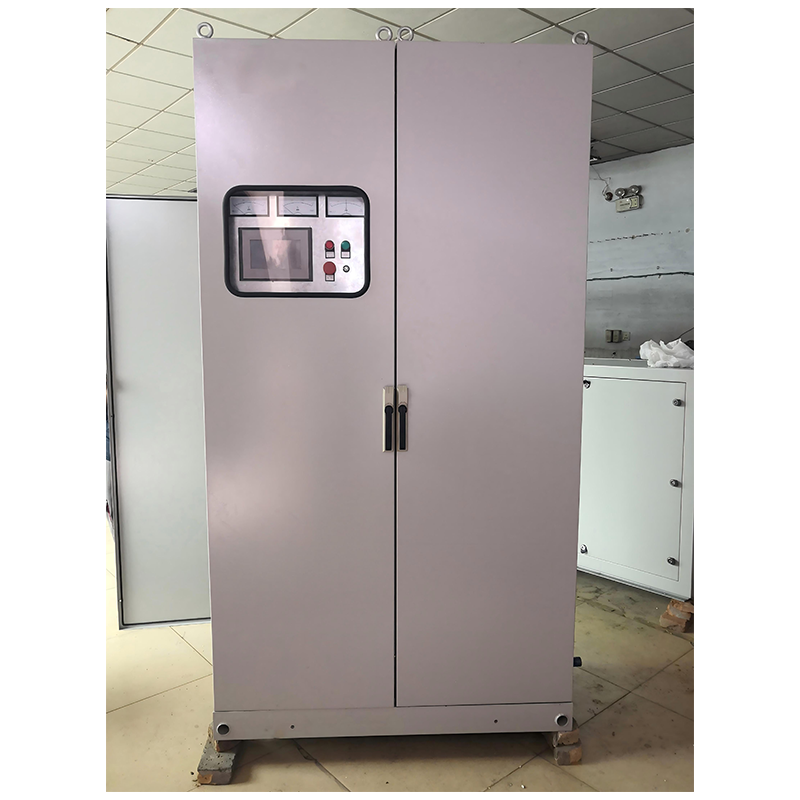
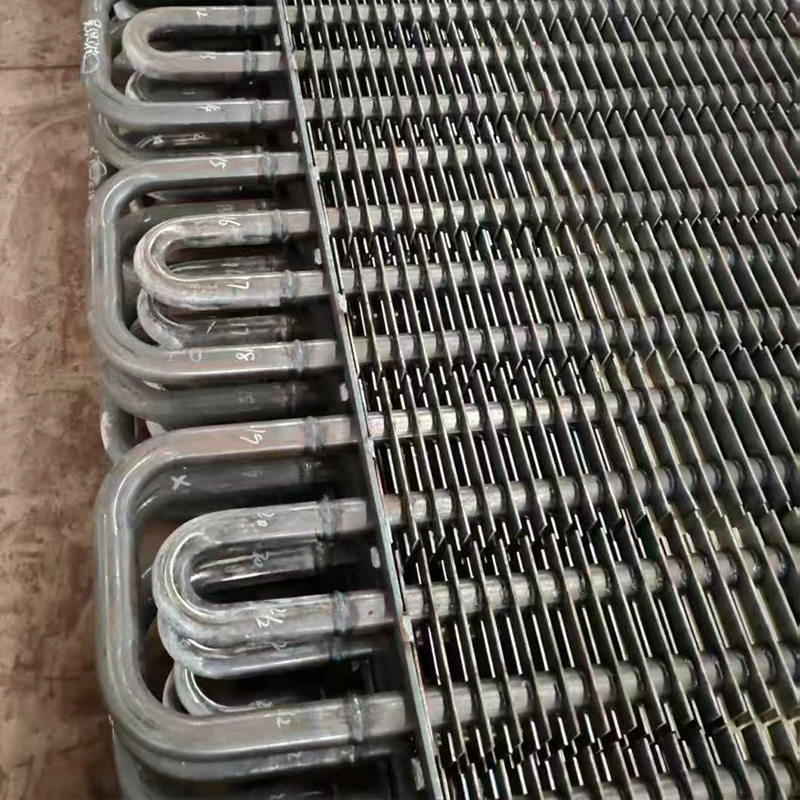
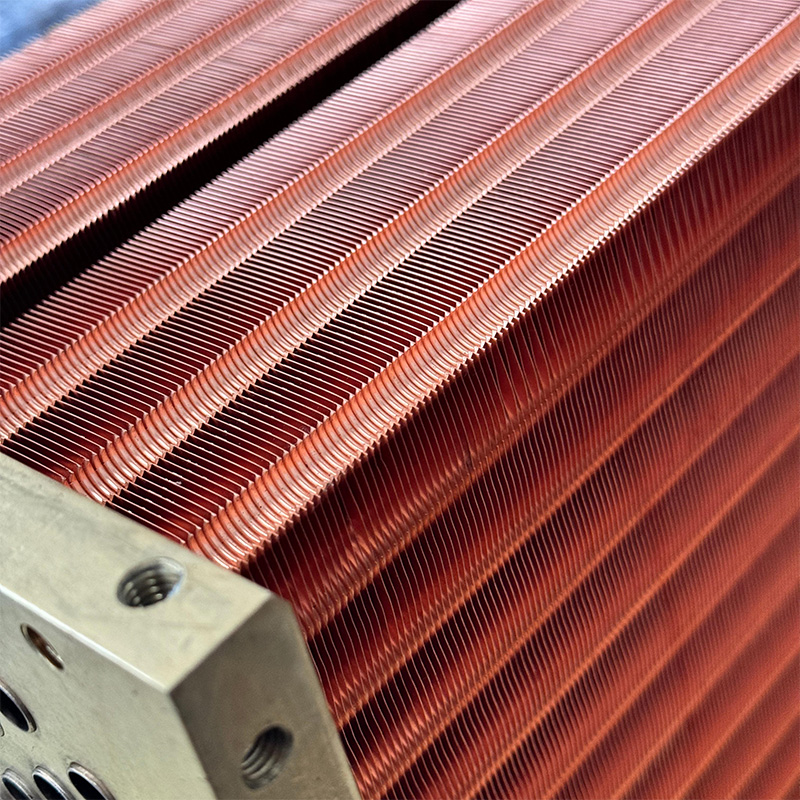
Behind every kilogram of high-quality IQF blueberries is not only the work of agronomists, but also advanced engineering solutions. The heart of any modern deep-freeze plant is a heat exchange system capable of maintaining extremely low temperatures with high efficiency and stability. This is where the reliability of industrial equipment comes to the fore. For example, a companyWuxi Kaisheng Electric Power and Petrochemical Equipment Co., Ltd., which specializes in the design and manufacture of high-quality heat transfer equipment, plays a critical role in ensuring the smooth operation of blast freezing lines.
IQF production requires the use of heat exchangers that can withstand harsh environments and extreme temperature changes. Продукция «Уси Кайшэн», включающая титановые кожухотрубные теплообменники, аппараты из нержавеющей стали 316, морской латуни C46400 и никелевых сплавов N06625, идеально подходит для этих задач. Их оборудование, сертифицированное по строгим международным стандартам ASME и PED, обеспечивает высокую коррозионную стойкость и теплоэффективность, что жизненно важно для поддержания температурного режима от -35°C до -45°C без сбоев. Будь то воздушные охладители, котлы-утилизаторы или сложные трубные пучки, надежность этих компонентов напрямую влияет на способность производителя сохранять 98% антоцианов в ягоде, о которых мы говорили ранее.
Для глобальной индустрии переработки ягод, включая растущие рынки Азии и Ближнего Востока, наличие такого оборудования означает возможность масштабирования производства без потери качества. Стабильная работа холодильных установок, построенных на базе компонентов от таких поставщиков, как «Уси Кайшэн», позволяет заводам перерабатывать огромные объемы сырья в пик сезона, минимизируя простои и гарантируя, что каждая ягода пройдет через зону кристаллизации за считанные минуты. Инвестиции в качественное теплообменное оборудование — это фундамент, на котором строится успех всего бизнеса по производству премиального IQF продукта.
Frequently Asked Questions
В чем главная разница между IQF и обычной блочной заморозкой черники?
Главное отличие заключается в структуре конечного продукта и сохранности клетки ягоды. При обычной блочной заморозке ягоды смерзаются в единый монолитный кусок льда, что приводит к разрушению клеточных стенок крупными кристаллами и потере сока при разморозке. IQF (Individual Quick Freezing) замораживает каждую ягоду отдельно, сохраняя их рассыпчатыми (free-flowing) и целостными. Это позволяет использовать ягоду дозированно, без необходимости размораживать весь блок, и гарантирует сохранение формы и текстуры в готовом изделии. Для промышленного производства, где важна презентация продукта, IQF является безальтернативным вариантом.
Какой срок годности у правильно замороженной IQF черники?
При соблюдении постоянного температурного режима не выше -18°C и использовании качественной г ерметичной упаковки, срок годности IQF черники составляет 24 месяца (2 года) без существенной потери вкусовых и питательных свойств. Однако мы рекомендуем использовать продукцию в течение первых 12–18 месяцев для достижения максимального органолептического качества. Важно помнить, что любые колебания температуры (разморозка-заморозка) резко сокращают этот срок и могут сделать продукт непригодным для использования в течение нескольких недель.
Можно ли использовать IQF чернику сразу из морозилки или нужно размораживать?
Это зависит от типа применения. Для производства выпечки (маффины, пироги), смузи или йогуртов чернику следует использовать непосредственно замороженной. Добавление размороженной ягоды в тесто приведет к окрашиванию теста в синий цвет и нарушению консистенции. Размораживание требуется только в тех случаях, когда ягода используется для декорирования готовых холодных десертов или употребления в свежем виде. Правильное размораживание должно происходить медленно, в холодильной камере при температуре +2…+4°C в течение 6–8 часов, чтобы минимизировать потерю сока.
Как проверить качество черники перед массовой закупкой?
Нельзя полагаться только на визуальный осмотр фотографии или даже образца в офисе. Алгоритм действий должен быть следующим: 1) Запросить образец из конкретной партии, которую планируете купить (batch sample). 2) Провести тест на разморозку: оставить ягоду при комнатной температуре на 30 минут и оценить количество выделившегося сока (его должно быть минимум) и сохранение формы. 3) Заказать независимую лабораторную экспертизу на микробиологию и содержание пестицидов. 4) Проверить наличие действующих сертификатов соответствия (ISO, HACCP, Global G.A.P.) именно у этого производителя. Игнорирование любого из этих этапов повышает риск получения неликвида.
Почему цены на IQF чернику растут, если урожай был нормальным в некоторых регионах?
Цена формируется не только объемом урожая, но и стоимостью переработки и логистики. Даже при наличии урожая, мощности по шоковой заморозке ограничены. Очереди на переработку в пик сезона приводят к росту услуг фризинга. Кроме того, глобальный рост цен на энергоносители (газ, электричество), необходимые для поддержания температур -35°C и ниже, напрямую влияет на себестоимость. Логистические плечи удлинились, а требования к упаковке ужесточились. Все эти факторы суммируются, делая конечный продукт дороже, независимо от локальных успехов отдельных фермеров. Рынок реагирует на глобальный дисбаланс спроса и предложения, а не на локальную статистику.
Рост спроса на IQF чернику в 2026 году — это не временная вспышка, а структурное изменение рынка, продиктованное климатом, технологиями и требованиями потребителей. Компании, которые сумеют адаптировать свои цепочки поставок под новые реалии и выберут надежных партнеров, обеспечат себе лидерство в ближайшие годы. Качество сырья становится главным дифференциатором на полке магазина. Не рискуйте репутацией своего бренда, экономя на входном контроле и выборе поставщика.
Если вы ищете надежного партнера для поставки сертифицированной IQF черники, соответствующей самым строгим международным стандартам, мы готовы предложить решения, проверенные временем и практикой. Наша команда обладает глубоким пониманием специфики рынка 2026 года и готова помочь вам закрыть потребности в сырье любого объема.Contact us today, чтобы обсудить детали сотрудничества и получить актуальное коммерческое предложение. Мы также рекомендуем ознакомиться с нашим подробнымруководством по техническим спецификациям черникидля более глубокого погружения в тему.